What Are the Top Five Things to Do in New York City?
A sourced answer to what the top five things to do in New York City are, with real prices, booking windows and the mistakes most first-time visitors make.
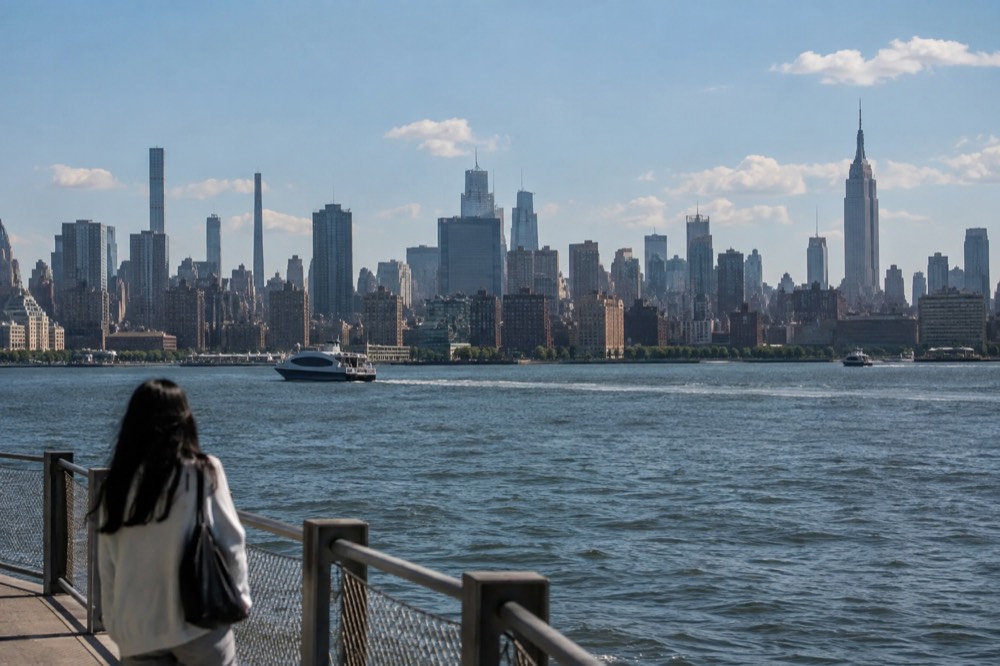
What Are the Top Five Things to Do in New York City?
Ask ten New Yorkers for their top five and you will get ten different lists, but the pattern underneath is stable. The attractions below show up again and again because they deliver something no other city can copy: a harbor monument, a designed wilderness in the middle of a grid, one of the world's great museums, a walkable engineering landmark, and a theater district that has no rival anywhere. This page answers the question directly, then explains each pick with the real prices and booking rules, checked against official sources.
What Are the Top Five Things to Do in New York City?
The top five things to do in New York City are visiting the Statue of Liberty and Ellis Island, walking Central Park, touring the Metropolitan Museum of Art, crossing the Brooklyn Bridge on foot, and seeing a Broadway show around Times Square. Together they cover the harbor, the park, the museum, the skyline and the stage, which is what the city does better than anywhere else. Each is doable on a first visit with a subway fare and a ticket.
That list is not a ranking. It is a coverage map: five categories of experience, one each, so a short trip touches every side of the city. Skip one and you will still have a good trip, but the five together are why people come back.
A word on what did not make it. The observation decks are spectacular, and the Empire State Building in particular is worth your time, but a view is a view, and this list favors things you cannot get anywhere else. The 9/11 Memorial plaza is free, open daily, and deserves an unhurried visit, but it is a place for reflection rather than an item on a checklist, so it is described here only where relevant. Food neighborhoods like Chinatown and Greenwich Village are covered separately across this site.
If you want the full spread of what the city offers beyond these five, start with the complete things-to-do guide for NYC and work backwards from your dates.
Statue of Liberty and Ellis Island: The One You Cannot Substitute
The Statue of Liberty and Ellis Island sit on islands in the harbor, and the only ferry authorized to land there is the official service run by Statue City Cruises, with adult grounds tickets at $26.00 including both islands and both museums. The ride takes roughly half a day. Lookalike cruises circle the islands and never land, so check that your ticket says Statue City Cruises before you pay anything.
The detail most visitors miss is the price structure. The crown ticket costs $26.30, exactly thirty cents more than the grounds ticket. Money is not the barrier; availability is. Crown tickets are released on a rolling basis, are reported to sell out roughly 90 days and often several months ahead, are limited to four per household, are name-bearing, and photo ID is checked at boarding. If the crown matters to you, book it the day your travel dates are fixed, through Statue City Cruises only.
Every ferry ticket includes the round trip, access to both islands, the Statue of Liberty Museum, the Ellis Island National Museum of Immigration, and self-guided audio tours on both islands. Ranger-led programmes are free when running. Children under 4 ride free; ages 4-12 pay $17.00.
Ellis Island deserves more of your time than the statue itself. The National Museum of Immigration tells the story of the twelve million people who passed through the registry hall, and it does it with their own recorded voices. Give it at least an hour and a half, and treat it as history rather than a photo stop.
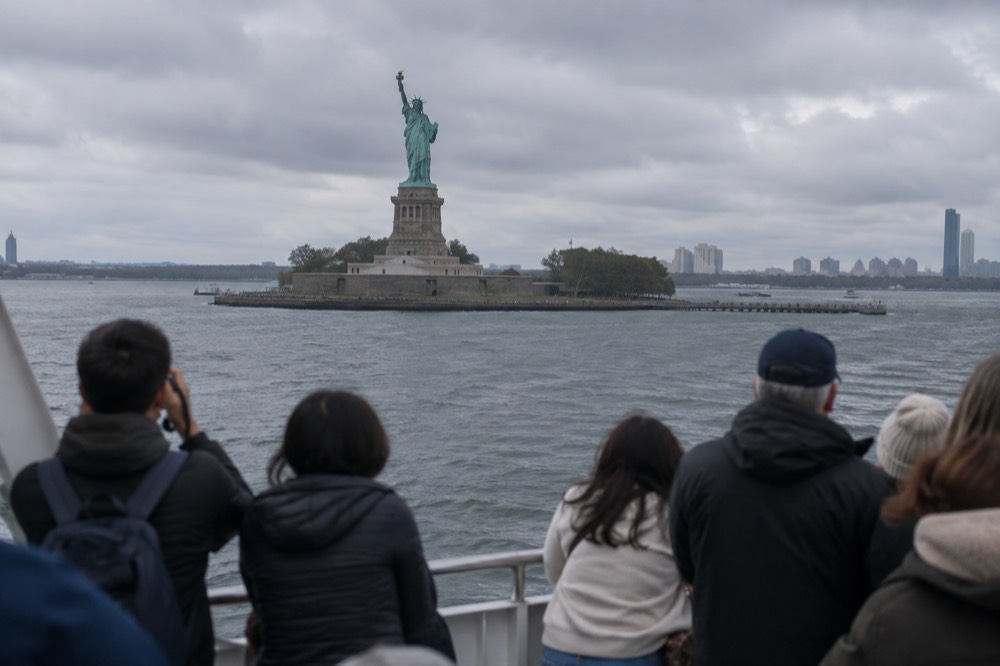
If you want a guide with the islands and a reserved ferry slot, the guided option below covers both islands in one organized block. For the plain official ferry and grounds access, the standard ticket is the one to compare it against.
Planning notes: departures run from Battery Park in Lower Manhattan and from Liberty State Park in Jersey City, and prices are identical from both. Ferries fill earliest in summer. The nearest subway stations are South Ferry on the 1 and Whitehall St on the R and W, both a short walk from Castle Clinton where tickets are sold. Full details, including the crown booking rules, are in the Statue of Liberty ticket guide.
Central Park: The Designed Wilderness
Central Park is a huge designed landscape in the middle of Manhattan, entirely free to enter, and its highlights, Bethesda Terrace, the Mall, Bow Bridge and the Ramble, sit within a walkable loop from either the 5th Avenue or Central Park West side. Two hours is the minimum for the southern half. Most visitors enter at Grand Army Plaza or Columbus Circle and never leave the southeastern corner, which is the one mistake worth avoiding.
The park is not leftover land; every hill, lake and clearing in it was engineered. That is the difference between this and every other big-city park. The Ramble, the wooded section mid-park, is deliberately wild in feel, and it is where the park stops feeling like a postcard and starts feeling like an escape.
The practical mistake visitors make is treating the park as a pin on a map rather than a route. Enter at Grand Army Plaza at 59th Street, walk the Mall north to Bethesda Terrace, take in the lake from Bethesda's arcade, cross Bow Bridge, then decide whether to press on to Belvedere Castle or loop back. That is roughly two miles of flat walking. The Bethesda Terrace arcade with its tiled ceiling is the single most photographed interior in the park and worth the detour on its own.
Seasons change the park more than they change the rest of the city. The Mall's elm canopy is at its best in late spring and in the weeks of fall color. Snow turns the Great Lawn and the bridges quiet, and February, which statistically out-snows January in Central Park, is when you are most likely to catch that postcard version. Check the ranger calendar for free tours before you go; the Central Park Conservancy runs them year-round.
Families should note the zoo sits on the east side of the park, and the carousel nearby is a reliable stop for younger children. The park's full layout, seasonal notes and access points are covered in the Central Park guide.
If you would rather have a guide handle the navigation than read a park map, the guided walking option below strings the highlights together in two hours.
The Metropolitan Museum of Art: The Museum Worth Flying For
The Metropolitan Museum of Art charges a fixed $30 adult admission, $22 for seniors and $17 for students, with children 12 and under free. Pay-what-you-wish applies only to New York State residents and students from New York, New Jersey and Connecticut, and even then you must pay something. Out-of-state and international visitors pay the full price. One ticket covers both the Fifth Avenue museum and The Met Cloisters on the same day.
That admission policy is the most commonly botched fact in New York travel writing, so it is worth repeating plainly: the Met is not free, and it is not pay-what-you-wish for tourists. It has been a fixed mandatory admission for everyone except those two narrow groups since 2018. New York State residents can buy pay-what-you-wish online with a New York State billing address; New Jersey and Connecticut students must buy in person with valid student ID. More of these guides are collected on New York City Travel Guide.
The bonus most guides omit: every ticket includes same-day entry to The Met Cloisters, the medieval branch in Fort Tryon Park at the top of Manhattan. The Cloisters alone are worth the trip uptown, and the A train gets you close. Two world-class museums, one ticket, one day, if your feet hold out.
Hours matter here: the Met is closed on Wednesdays, and open late, until 21:00, on Fridays and Saturdays. It is also in the middle of a long renovation programme, with galleries closed across several wings including parts of the American Wing, European Paintings 1250-1800, and the Cantor Roof Garden. The museum publishes its closure list at metmuseum.org/plan-your-visit/gallery-closures; check it before you plan a visit around a specific wing, because the roof garden and the modern galleries are exactly the things people go for.
For first-timers, the honest route is the highlights: the Egyptian temples, the Arms and Armor court, the Temple of Dendur, the European paintings, and the American Wing's facade and period rooms. Two to three hours covers it with focus. A guided group tour makes sense if you want the marquee rooms decoded rather than discovered by accident, and the skip-the-line option below does exactly that.
Brooklyn Bridge and DUMBO: The Walk That Earns Its Reputation
The Brooklyn Bridge is free to walk, takes about 30 to 40 minutes each way on the elevated pedestrian promenade, and the classic route starts from the Manhattan side near City Hall, crosses to Brooklyn Heights, then drops down into DUMBO for the Washington Street view of the Manhattan Bridge framed between brick buildings. Go early or at sunset. The promenade is shared with cyclists, and the crowds at midday in summer are heavy.
The bridge's story, a construction that killed its designer and crippled his son, who finished the work from a window overlooking the site with his wife relaying instructions, is one of the great engineering narratives in American history. You do not need a guide to enjoy the walk, but you need to know the promenade sits above the roadway, which is why the views feel unobstructed the whole way.
The route that works: start from City Hall Park in Manhattan, cross the bridge, then walk down through Brooklyn Heights, whose quiet brownstone streets and promenade over the harbor are the calmest view of the skyline in the city, then continue into DUMBO. Washington Street, where the Manhattan Bridge appears between old industrial buildings, is the photo the neighborhood is famous for. Jane Carousel, on the waterfront in Brooklyn Bridge Park, is a restored vintage carousel inside a glass box, and it is a good endpoint with children.
Return by subway: the F at York St or the 2 and 3 at Borough Hall take you back into Manhattan in minutes. Or stay in Brooklyn for dinner; the restaurants under and around the bridges have improved every year, and eating with the Manhattan skyline across the water is one of the city's reliable pleasures.
The free, tip-based walks on GuruWalk cover the bridge and DUMBO with a local guide if you want the history without planning the route, and the paid guided version below adds fixed times and a set route.
Times Square and Broadway: The District with No Equal
Times Square is free to walk through and best experienced after dark, when the billboards do what they were built for, and the Broadway theaters around it sell tickets from the TKTS booth at up to 50% off face value, plus an $8 per-ticket service fee, for same-day performances and next-day matinees. The booth sits at Duffy Square on W 47th Street.
Arrive an hour or more before curtain on peak nights, because the district locks up with foot traffic.
Two separate experiences live here and it pays to keep them apart. Times Square itself is a ten-minute stop for most people: see it once at night, take the photo, leave. The theaters are the real draw. Broadway runs dozens of shows a week across the district, and a hit musical is a genuinely different evening from anything else on this list.
The cheap-ticket mechanics, in order of reliability: the TKTS booth for same-day discounts of 20-50%, with inventory shown live on the TKTS app and at tdf.org before you queue; digital lotteries through Broadway Direct and Lucky Seat, where winners typically pay roughly $30-$50; and rush and standing-room policies that are set per show, so check the individual production's site. Long-running family favorites like The Lion King and Wicked are the safe picks for first-time theatergoers, and both are covered in detail in the Broadway tickets guide.
One warning that saves money: older guides still send people to a TKTS booth at South Street Seaport. That booth is not currently operating; the two live booths are Times Square and Lincoln Center, with Lincoln Center the more limited of the two. Hours vary by day, so check tdf.org rather than trusting a printed timetable.
How to Fit the Five Into a Short Trip
The five fit comfortably into three days if you pair them by geography: harbor sights and Lower Manhattan on day one, Central Park and the Met on day two, and the Brooklyn Bridge walk before a Broadway evening on day three. The single planning rule that matters is to book the Statue of Liberty ferry and any Broadway seats in advance, because those two sell out, while the park, the bridge and Times Square need no ticket at all.
| Day | Morning | Afternoon | Evening |
|---|---|---|---|
| Day 1 | Statue of Liberty and Ellis Island ferry from Battery Park | Wall Street area, 9/11 Memorial plaza | Sunset walk or harbor cruise |
| Day 2 | Central Park loop from Grand Army Plaza | The Met (closed Wednesdays) | Times Square after dark |
| Day 3 | Brooklyn Bridge walk into DUMBO | Brooklyn Heights, or museum add-on | Broadway show |
The transport rule underneath the itinerary: a subway ride costs $3.00, and the weekly value comes automatically. There is no 7-day unlimited pass to buy any more; the MTA stopped selling and refilling MetroCards on 1 January 2026, and the replacement is an automatic $35 weekly fare cap under OMNY that applies when you tap the same card or phone for every ride. Tap one device, consistently, and the cap handles itself.
If your list runs longer than five, the honest answer is that a pass can pay for itself once you are stacking paid attractions. New York CityPASS bundles five attractions, including the Empire State Building and the official Statue of Liberty ferry, for $149 adult over nine consecutive days, against a combined box-office value CityPASS puts at $307.04. It only pays off if you use all five, so match it against your actual itinerary, and note that one of the older competitors, The Sightseeing Pass, ceased trading in 2025 and should not appear in any list you read elsewhere.
For a slower pace, the three days in NYC itinerary expands the plan above with meal stops and rest built in, and the first-timers guide covers the arrival basics, from airport transfers to which neighborhoods to sleep in.
Common Questions About the Top Five Things to Do in New York City
The five picks raise the same handful of practical questions: how far ahead to book the ferry, whether the Met is really pay-what-you-wish, how to see Broadway cheaply, what the bridge walk involves, and whether the five can be done with children. The answers below are short and sourced. Each one corrects a specific piece of outdated advice that still circulates in most New York guides.
what are the top five things to do in new york city?
The Statue of Liberty and Ellis Island, Central Park, the Metropolitan Museum of Art, the Brooklyn Bridge, and a Broadway show around Times Square. Together they cover the harbor, the park, the museum, the skyline and the stage.
How far in advance should I book the Statue of Liberty?
Grounds tickets can often be bought closer to the date, but crown tickets sell out roughly 90 days and often several months ahead, are limited to four per household, and require photo ID. Book the crown as early as your dates allow, through Statue City Cruises only.
Is the Met really pay-what-you-wish?
Only for New York State residents and students from New York, New Jersey and Connecticut, and even then you must pay something, with a $0.01 minimum. Everyone else, including all international visitors, pays the fixed $30 adult admission. Online pay-what-you-wish requires a New York State billing address.
What is the cheapest way to see a Broadway show?
The TKTS booth sells same-day tickets at 20-50% off face value plus an $8 per-ticket fee. Digital lotteries through Broadway Direct and Lucky Seat typically price wins at roughly $30-$50. Rush and standing-room policies vary by show, so check the production's own site.
Can you walk the Brooklyn Bridge both ways?
Yes, the elevated pedestrian promenade is free and open to walkers in both directions, taking 30 to 40 minutes each way. The classic route crosses from the Manhattan side, continues through Brooklyn Heights, and ends in DUMBO before returning by subway.
Are these five doable with kids?
Yes. Children under 44 inches tall ride the subway free, up to three per fare-paying adult, under-4s ride the Liberty ferry free, the Met is free for 12 and under, and The Lion King is the reliable family pick on Broadway. The bridge walk is flat and stroller-friendly on the promenade.
Whatever you cut from the list, keep the ferry booking and the theater seats at the top of your planning. Everything else on this page forgives a late decision, but those two do not.