Astoria Queens: What the Neighborhood Is Really Like for Visitors
Astoria is the Queens neighborhood that gives you cheaper beds, better midweek dinners and a fifteen-minute subway ride to Midtown, at the cost of staying somewhere nobody pretends is Manhattan.
Short answer
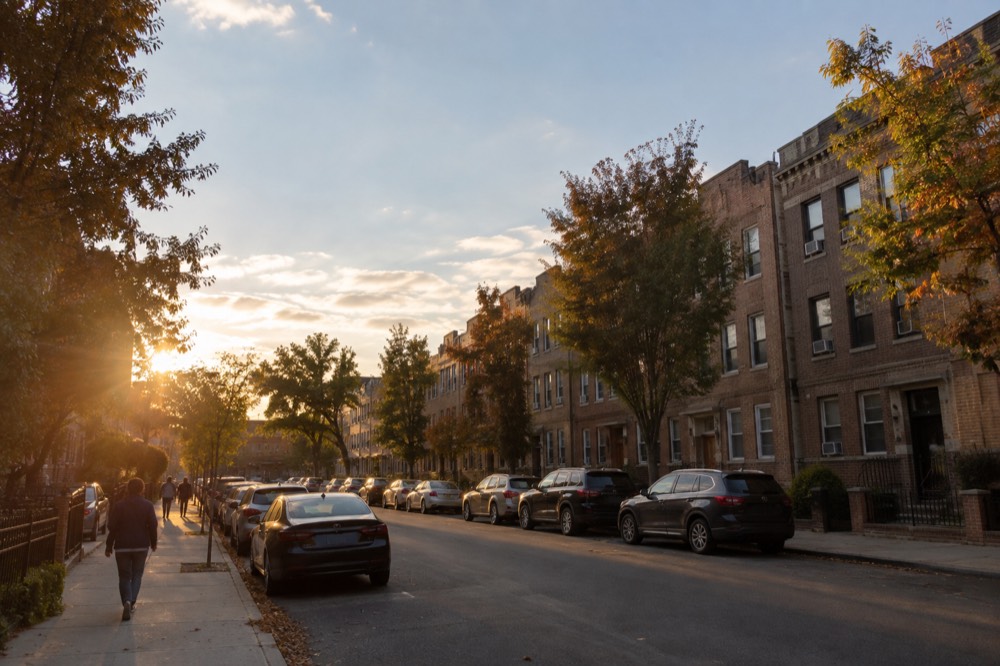
Astoria is a largely residential Queens neighborhood directly across the East River from the Upper East Side, known for its Greek restaurants, its museum of moving image history, its waterfront parks, and its position on the N and W subway lines about fifteen to twenty minutes from Midtown Manhattan. It suits travelers who want real neighborhood life and lower prices, not travelers who need to be steps from Broadway.
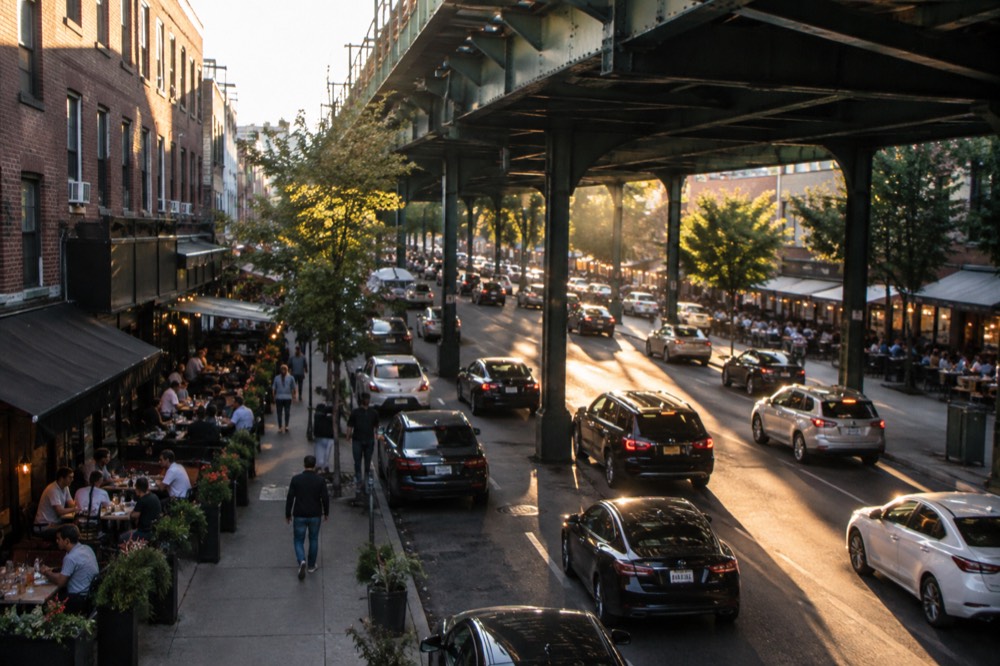
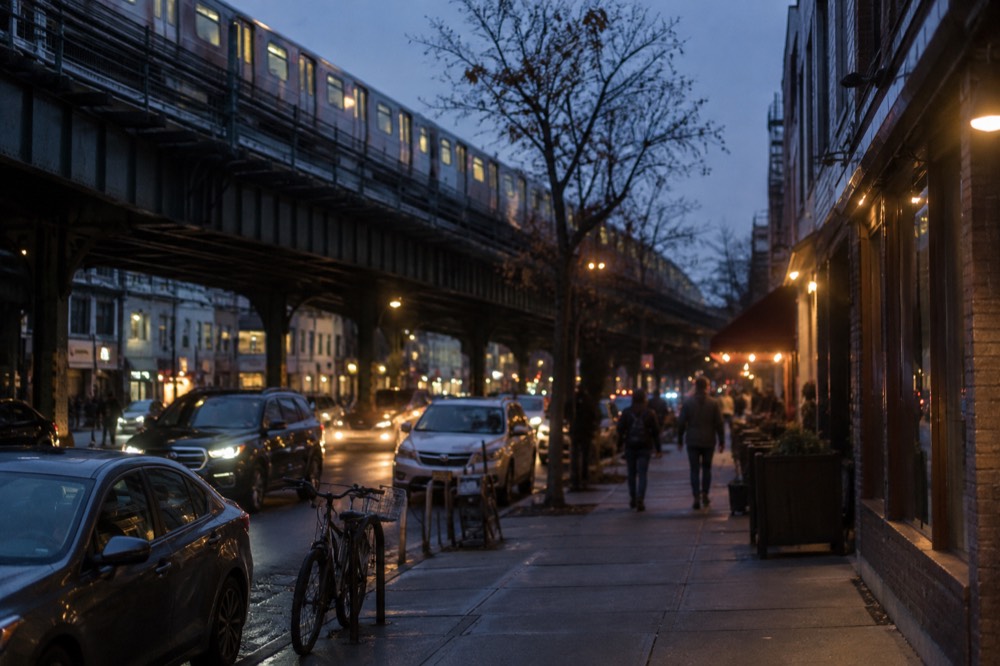
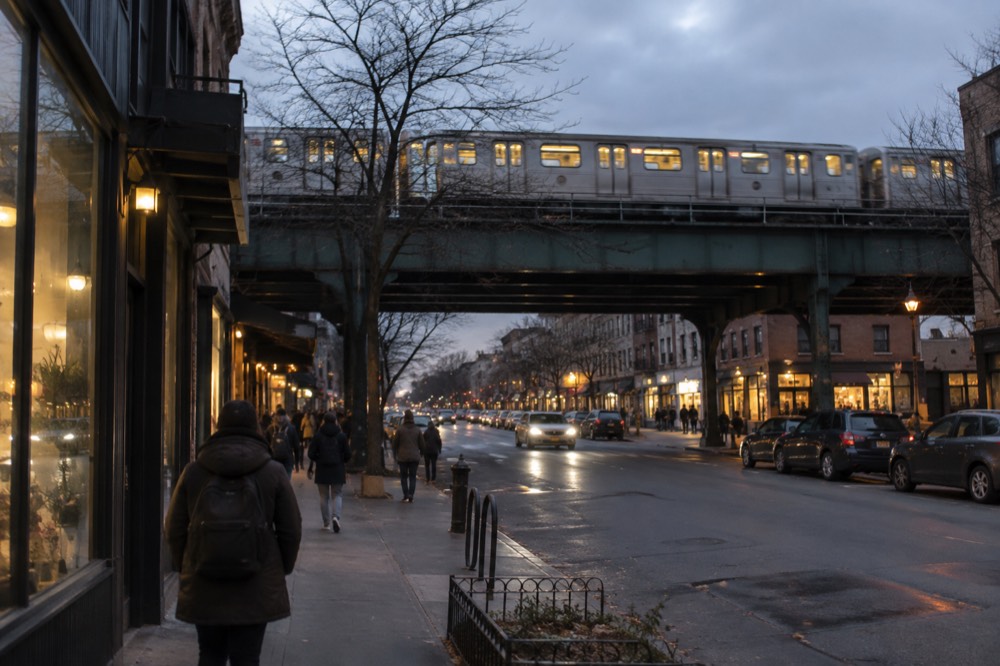
The N train comes above ground just before the Steinway Street station, and suddenly the subway is an elevated train again, clattering over 31st Street with the whole neighborhood laid out underneath it. That is the moment Astoria announces itself: diners, bakeries, cellphone shops and piano showrooms stacked along a commercial avenue that has almost nothing in common with Midtown, twenty minutes down the same line.
This page explains Astoria as it actually works for a visitor. What the neighborhood is known for, whether it makes a sensible base instead of a Manhattan hotel, where to eat, how the subway connections really behave, and who should skip it. Where it helps, it points to the wider things to do in NYC picture, and to our page on things to do in Queens for the rest of the borough.
What Is Astoria Queens Known For?
Astoria is known for Greek food and Greek-American institutions, for the Museum of the Moving Image, for its beer scene around a former industrial strip, and for being one of the most genuinely mixed neighborhoods in New York City. It sits in western Queens, directly across the East River from Manhattan's Upper East Side, under two subway lines. Visitors come for dinner and a museum, or they stay and commute.
The Greek association is real but narrower than the reputation suggests. The neighborhood's Greek restaurants and bakeries, many of them decades old, cluster along and around Ditmars Boulevard and 30th Avenue, and the area still hosts one of the largest Greek-American communities in the country. But walk three blocks in any direction and the same street carries Colombian, Egyptian, Bangladeshi, Italian, Brazilian and Nepali storefronts. The honest description is a Greek-anchored neighborhood that has absorbed several waves of migration since, which is the standard story of western Queens.
The Museum of the Moving Image is the single cultural institution people cross the river for. It occupies a converted building in the Kaufman Arts District, the blocks around 36th Street and 35th Avenue, and it covers film, television and digital media with a collection that runs from historic cameras and props to playable vintage video games. It is the main reason a first-time visitor with a packed itinerary would detour to Astoria during the day rather than only at dinner.
The beer scene is the third draw. A short walk north of Broadway, a cluster of breweries, most famously the one that gives the area its nickname, opened in a zone of former warehouses and auto shops. A brewery afternoon in Astoria, followed by dinner on 30th Avenue, is a well-established weekend plan for New Yorkers who live in other boroughs.
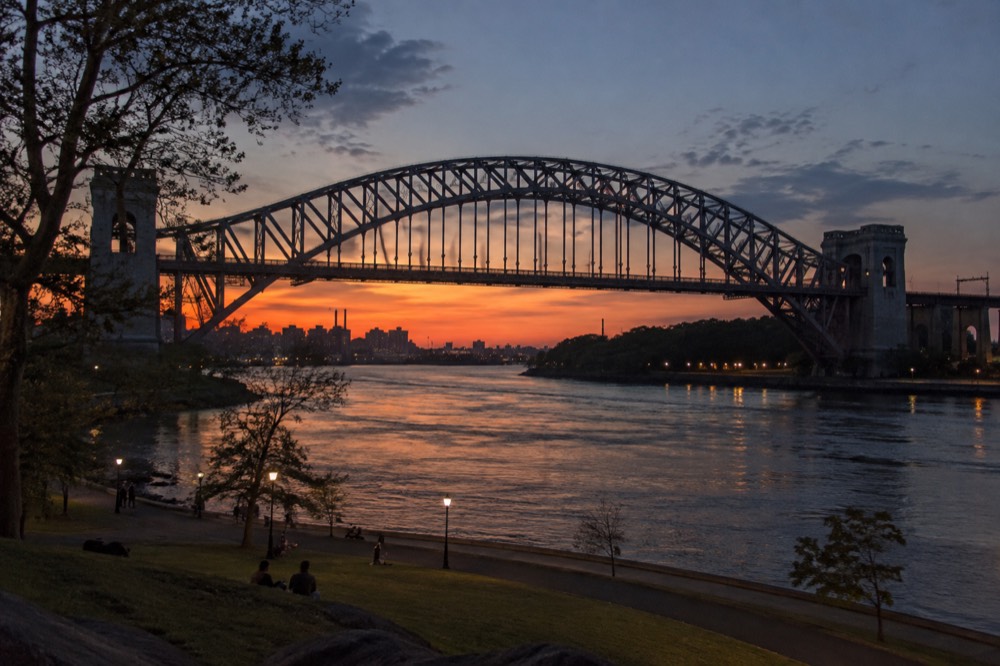
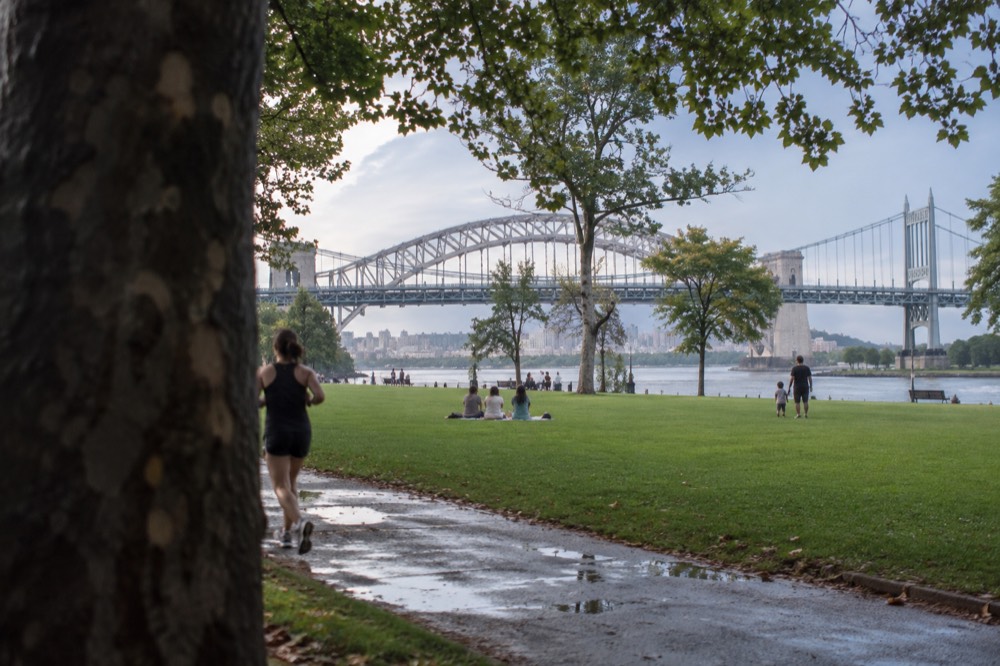
And Astoria Park, on the neighborhood's western edge under the Hell Gate Bridge and the Triborough Bridge approaches, delivers one of the better free views in the city: the Robert F. Kennedy (Triborough) Bridge to the north, the Hell Gate rail bridge overhead, and the East River with the Manhattan skyline behind it. The park has a large public pool, one of the biggest in the city, and lawns that fill up on summer evenings.
Is Astoria a Good Place to Stay in New York City?
Astoria is a good base for travelers who care about food, space and price, and who accept a fifteen to twenty minute subway ride to Midtown in exchange. Rates run meaningfully below comparable Manhattan rooms, the N and W trains reach Times Square in roughly twenty minutes, and the late-night food supply is better than most of Manhattan at the same price. It is a poor base for an entirely Midtown-focused trip.
The arithmetic works like this. Manhattan hotel prices being what they are, many visitors look at outer-borough alternatives, and Astoria is among the closest to Midtown of all of them. The N and W trains stop at several stations in the neighborhood, Astoria Boulevard, Astoria Ditmars Boulevard, 30th Avenue, Broadway, 36th Avenue and 39th Avenue, and the ride from Astoria Ditmars to Times Sq-42 St is roughly twenty minutes without delays. For comparison, plenty of Manhattan hotels sit farther, in minutes, from the Theater District than that.
| Question | Astoria as a base | Typical Manhattan alternative |
|---|---|---|
| Ride to Times Square | Roughly 20 minutes on the N or W | Walkable or one short ride |
| Character at night | Residential avenues, diners, bakeries, bars | Varies wildly by district |
| Food within five minutes | Very strong, very varied, moderate prices | Strong, often pricier |
| Hotel price level | Lower than Manhattan equivalents | Highest in the city |
| Best for | Food-first trips, longer stays, second visits | First trips, theater-heavy itineraries |
The honest case against is also simple. If your trip is four days, all Broadway shows, the MoMA, Rockefeller Center and Central Park, staying in Astoria adds two or three subway round trips a day to a schedule that is already full. That is forty minutes to an hour of daily commuting, in a system where delays happen. The traveler who benefits is the one eating dinner in the neighborhood four nights out of five anyway, or the one on a second or third visit who has already done the Midtown circuit.
One practical note that matters more than the neighborhood itself: getting around. The single ride on the subway is $3.00, and the fare system changed recently in a way most guides still get wrong. There is no 7-day unlimited MetroCard any more, the MTA stopped selling and refilling MetroCards on 1 January 2026. The replacement is automatic: tap the same contactless card or phone at every turnstile, and once you have spent $35 on subway and local bus rides in a rolling seven-day window, the rest of that period is free. No pass to buy, nothing to activate. The critical rule is that you must tap the same card or the same device every time, because mixing a phone and a plastic card silently breaks the cap. Our NYC subway guide covers this in full.
If you do stay in Astoria, plan at least one dinner in Manhattan neighborhoods that reward a guided introduction. The food cultures that define Queens exist in Manhattan too, compressed into a few walkable blocks downtown, and a guided walk is the fastest way in.
What Are the Best Things to Do in Astoria Queens?
The best things to do in Astoria are the Museum of the Moving Image, a long lunch or dinner along the Greek and international restaurant strips, an afternoon in the brewery zone, sunset at Astoria Park under the Hell Gate Bridge, and a walk through the residential blocks of Ditmars Boulevard. None of it needs advance booking except the museum on busy days, and almost all of it can be done on foot.
Plan the museum first. The Museum of the Moving Image is the neighborhood's anchor attraction and rewards two to three hours. It sits in the Kaufman Arts District, a fifteen-minute walk from the Broadway station or a shorter one from 36th Avenue, in a district whose silent-film-era history is the reason the museum is there at all: the Kaufman studio complex around it has been making films for over a century. If your day pairs a museum with dinner, this is the one.
| Stop | What it is | Time to allow | Good for |
|---|---|---|---|
| Museum of the Moving Image | Film, TV and games museum in the Kaufman Arts District | 2-3 hours | Families, film fans, rainy days |
| Astoria Park | Waterfront park under the Hell Gate and RFK bridges | 1 hour, more in summer | Views, pool, sunset photos |
| Brewery strip | Cluster of taprooms in a former industrial zone | 2-3 hours | Groups, weekends, beer travelers |
| Ditmars Boulevard | Greek bakeries, restaurants, residential blocks | 1-2 hours | Grazing, morning coffee |
| 30th Avenue | Long mixed-restaurant commercial strip | An evening | Dinner, people-watching |
Astoria Park deserves the sunset slot. From the lawns on the western edge you get the Hell Gate Bridge, one of the most photographed rail bridges in the city, framing the East River, with Wards Island beyond and the Manhattan skyline behind that. In summer the park's pool is enormous and busy; in winter it is empty and the bridge photographs even better against bare trees.
The breweries work as a half-day. The original one that put the area on the map sits among the warehouses north of Broadway, and several others opened within walking distance in the years since. Taprooms here are casual, often industrial, and usually allow you to buy a flight and sit at picnic tables, which makes the strip a rare New York activity that is genuinely easy with a group. Check each taproom's calendar before you go, since several host food trucks and events on weekends.
Ditmars Boulevard, at the northern end of the neighborhood, is the Greek heart: bakeries selling Greek pastries by the tray, cheese shops, and family restaurants that have served the same blocks for decades. It is also just a pleasant street to walk, low-rise and calm, with the elevated tracks above 31st Street a block away as a constant, slightly romantic reminder of where you are.
For a fuller Queens itinerary beyond Astoria, including the other neighborhoods worth the detour, see things to do in Queens.
Where and What Should You Eat in Astoria?
Eat Greek food in Astoria, but eat it alongside everything else: the neighborhood's Egyptian, Colombian, Italian, Brazilian and South Asian restaurants are equally the point. The classic plan is grilled fish or a meat-heavy taverna dinner near Ditmars Boulevard, a pastry and coffee stop at a Greek bakery, and a slice on 30th Avenue. Expect taverna mains to run roughly $20-$35 and mezze around $12-$18, but treat those as planning ranges and check the menu.
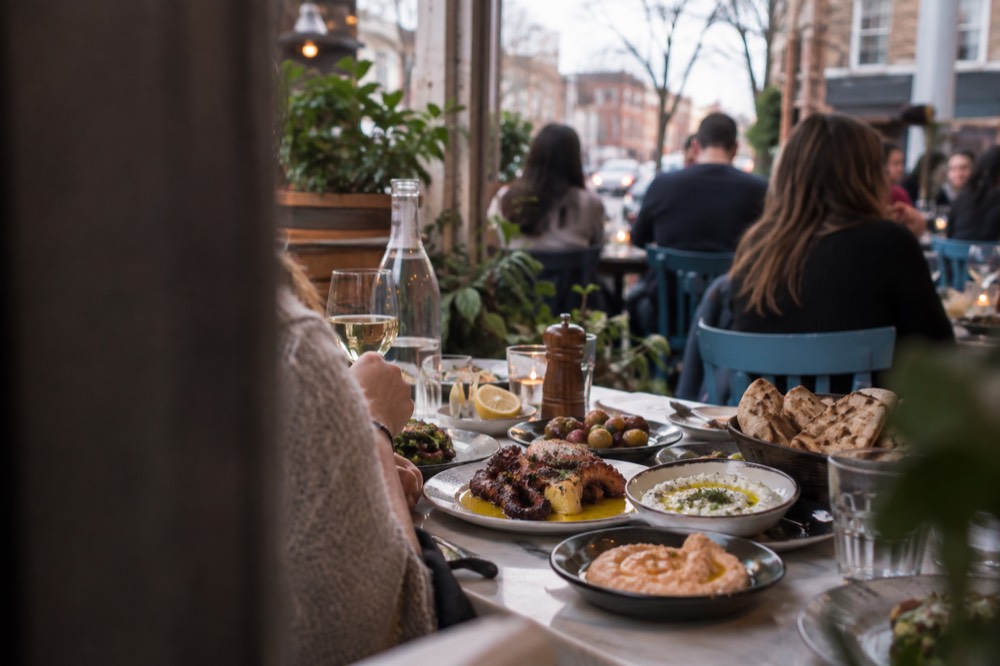
The Greek taverna tradition here is the headline. Order mezze, the small plates, rather than diving straight to mains: dips, grilled octopus, fried cheese, small beans, and then a fish or a lamb dish if there is room. The fish is often sold by the pound and displayed on ice, which means the price depends on the fish, so look before you order. Reservations matter on Friday and Saturday nights at the best-known places, less so midweek.
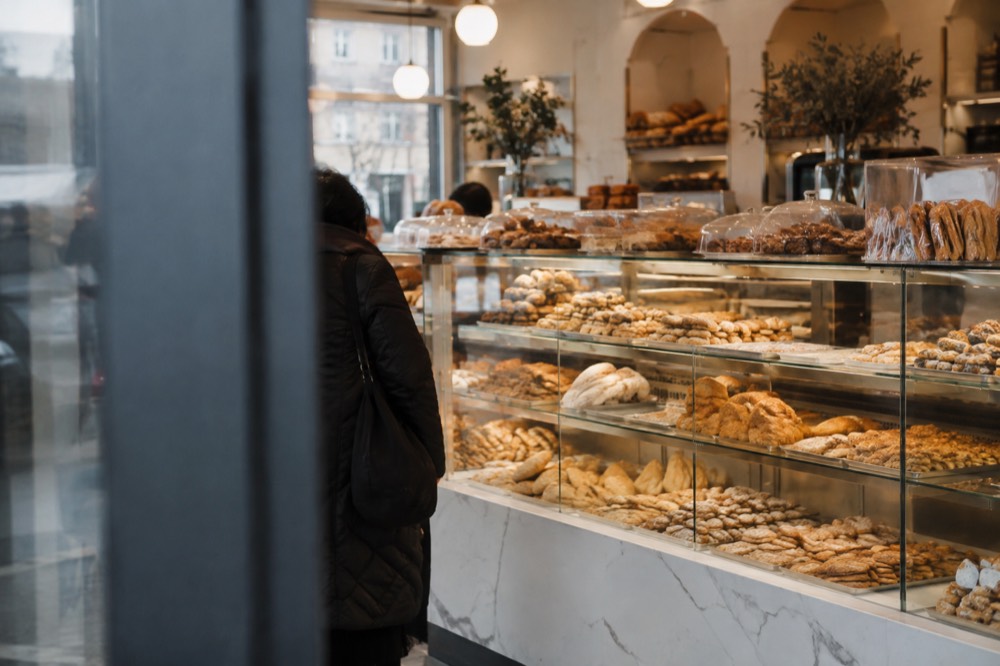
The bakeries are the underrated half of the food story. Greek pastry shops in Astoria sell by weight and by the piece, and a morning stop for coffee and something sweet is a local ritual rather than a tourist one. The neighborhood also has a serious espresso culture that has nothing to do with Greece, concentrated along 30th Avenue and Ditmars, plus old American diners that have outlived most of their Manhattan counterparts.
If you want the experience explained rather than discovered by trial, a guided food walk is the efficient version. The best-selling one we list runs downtown, not in Queens, but it is the same instinct applied to Manhattan's two most famous immigrant food districts, and it makes a good pairing with an Astoria stay.
How Do You Get to Astoria Queens from Manhattan?
Take the N or W train from Midtown, which runs under the East River and then elevated through the heart of Astoria, with stations at Broadway, 30th Avenue, Astoria Boulevard and Astoria Ditmars Boulevard. The ride from Times Square takes roughly twenty minutes and costs the standard $3.00 fare, payable by tapping a contactless card or phone. From the Upper East Side, take the N or W from Lexington Avenue at 59th or 86th Street.
The elevated stretch is not a downside. Coming from Manhattan, the train surfaces around Queensboro Plaza, and the rest of the ride runs above 31st Street with the neighborhood in plain view, which doubles as free orientation. Sit on the western side of the train for skyline glimpses over the river.
| From | Best route | Rough time | Fare |
|---|---|---|---|
| Times Square / Midtown West | N or W direct from Times Sq-42 St | ~20 min to Astoria Ditmars | $3.00 |
| Grand Central / Midtown East | 7 to Queensboro Plaza, change to N or W; or N/W from Lexington Av/59 St | ~25 min | $3.00 |
| Upper East Side | N, W or R from Lexington Av/59 St or 86 St | ~20 min | $3.00 |
| Lower Manhattan | N or R from Canal St or Cortlandt St area | ~35 min | $3.00 |
| Brooklyn | N or W via Manhattan, or 7 with a change at Queensboro Plaza | 40+ min | $3.00 |
Two fare notes worth repeating. First, the $35 weekly cap applies automatically when you tap the same card or device, and it covers subway and local bus rides together, so a day of heavy sightseeing followed by the ride home contributes toward it without any action from you. Second, children under 44 inches tall ride free with a fare-paying adult, up to three children, which matters to families considering Astoria as a base. The full rules, including the OMNY details, are on our OMNY guide.
There is also the water. NYC Ferry runs a route along the East River with a stop at Astoria, on the neighborhood's western edge, and a ferry ride from Midtown or the Lower East Side to Astoria is one of the pleasantest ways to arrive in the borough, weather permitting. Check the current schedule on the operator's site, since frequencies vary by day and season, and see our page on the NYC ferry system for how the routes fit together.
Is Astoria Queens Safe and Good for Families?
Astoria is a residential neighborhood with the safety profile that implies: busy commercial avenues until late, quiet side streets, and no area within it that visitor guides need to warn people away from as a blanket matter. Families do well here, with a huge public pool in Astoria Park, an unusually child-friendly food scene, and the Museum of the Moving Image as a reliable indoor stop. The ordinary big-city rules apply.
The honest framing for any New York safety question is the same. New York is a large city, and the useful advice is specific rather than general: keep track of your phone on crowded platforms, be normal about your bag in busy diners, and use the same judgment at midnight you would use in any dense city. Astoria's distinction, if it has one, is that its nightlife is mostly restaurants and bars rather than clubs, and its streets stay populated and lit later than more purely residential parts of the outer boroughs.
For families, the practical advantages are real. The subway ride to Astoria from Midtown is short enough that a tired child at 5pm is not a crisis. The pool at Astoria Park is one of the largest public pools in the city. The museum is interactive enough to hold kids for a couple of hours. And a neighborhood built around family restaurants and bakeries is simply easier with children than a district built around cocktail bars.
If you are weighing the whole city rather than one borough, our broader pages on NYC with kids and on safety in general, is NYC safe, cover the citywide picture with the same approach.
How Much Time Should You Spend in Astoria?
Most visitors should give Astoria either a half day, museum plus a meal, or treat it purely as an evening, dinner on 30th Avenue or Ditmars Boulevard with a walk through Astoria Park afterward. A full day earns itself only for food or beer travelers working through the brewery strip. As a base it rewards trips of five days or more, where the commuting overhead averages out against the savings and the better dinners.
The half-day version, done well: arrive by late morning, spend two to three hours at the Museum of the Moving Image, walk fifteen minutes north for an early dinner or a long lunch on the Ditmars strip, and finish at Astoria Park for sunset under the Hell Gate Bridge before taking the N or W back to Manhattan. That is a complete, satisfying Astoria day and it needs no car, no booking beyond the museum, and no guide.
The evening version is even simpler. One thing Astoria genuinely does better than most of Manhattan is a late, unfussy, generous dinner. If your trip is theater-heavy and your hotel is in Midtown, the reverse commute out for dinner after a matinee, twenty minutes on the N or W, is one of the more pleasant small optimizations a New York trip allows.
| Trip length | How Astoria fits | Suggested shape |
|---|---|---|
| 3 days or fewer | Evening only, or skip | Dinner on 30th Avenue after a Manhattan day |
| 4-5 days | Half day | Museum, Ditmars lunch, park sunset |
| 6 days or more | Full day, or base yourself here | Brewery afternoon, taverna dinner, park |
| Second or third visit | Consider staying | Neighborhood base with Manhattan day trips |
For travelers building a longer stay around neighborhoods rather than single attractions, the pattern generalizes: pick one outer-borough neighborhood per trip and learn it, rather than sampling all five boroughs in a week. Astoria is the easiest first choice in Queens precisely because the subway connection to Midtown is so direct.
Common Questions About Astoria Queens
Astoria raises the same practical questions from most visitors, and the answers are short: it is the N and W trains, it is roughly twenty minutes to Midtown, it is food-first rather than attractions-first, and it suits longer trips and food travelers more than short first visits. These are the specific questions we get asked most often about the neighborhood, answered directly.
Is Astoria Queens worth visiting?
Yes, if food or the Museum of the Moving Image appeals to you. Astoria is not an attractions neighborhood; outside the museum and Astoria Park, its value is restaurants, bakeries, breweries and street life. Travelers who want that, and the sunset view under the Hell Gate Bridge, rank it among the best half-days in the outer boroughs. Travelers who only want landmarks should spend the time in Manhattan.
What train goes to Astoria Queens?
The N and W trains serve Astoria on the elevated section above 31st Street, stopping at 36th Avenue, Broadway, Astoria Boulevard, 30th Avenue and Astoria Ditmars Boulevard depending on the station. The ride from Times Sq-42 St to Astoria Ditmars Boulevard takes roughly twenty minutes.
Is Astoria cheaper than staying in Manhattan?
Generally yes, both for rooms and for food. Astoria's restaurants and bars run at outer-borough prices rather than Midtown ones, and accommodation in the neighborhood typically costs less than a comparable Manhattan location. The trade is the daily subway commute, roughly twenty minutes each way to Midtown.
Is Astoria still a Greek neighborhood?
Partly. Astoria has one of the largest Greek-American communities in the country, and the Greek restaurants, bakeries and shops around Ditmars Boulevard and 30th Avenue remain the neighborhood's signature. But the surrounding blocks are now strongly mixed, with Egyptian, Colombian, Italian, Bangladeshi, Brazilian and other communities sharing the same avenues. Describing it as only Greek undersells it.
Can you see the Manhattan skyline from Astoria?
Yes, from Astoria Park and the waterfront on the neighborhood's western edge. The view takes in the East River, the Hell Gate Bridge and the Robert F. Kennedy Bridge, with the Manhattan skyline behind, and it is one of the better free viewpoints in Queens, particularly at sunset.
How far is Astoria from Times Square?
Roughly twenty minutes on the N or W train from Times Sq-42 St to Astoria Ditmars Boulevard, assuming normal service. Allow extra time late at night and on weekends, when service patterns change, and check the MTA's own service notices before a late return trip.
The last word belongs to the evening version of the neighborhood. Take the N train back from Midtown after a show, come up into the open air at 30th Avenue, and pick any restaurant with a full room and a short menu. That, more than any single attraction, is what Astoria is for. For the rest of the borough, start with things to do in Queens, and for the citywide picture, this New York City Travel Guide homepage collects the orientation pages in one place.