Best Delis in NYC: Where to Get the City's Great Sandwiches
The New York deli is not one thing. It is a pastrami counter on the Lower East Side, a sturgeon platter on the Upper West Side, a brisket sandwich in Bed-Stuy and a bagel-and-lox operation that has nothing to do with any of them. Here is how the categories actually break down, and where to eat in each one.
Short answer
The best delis in NYC split into three distinct categories: classic Jewish delis like Katz's Delicatessen and 2nd Ave Deli, appetizing shops like Russ & Daughters that specialize in smoked fish, and neighborhood delis and sandwich counters like David's Brisket House and Frankel's in the outer boroughs. Katz's remains the standard for pastrami, Barney Greengrass for smoked fish, and the best of the rest depends on which borough you are standing in.
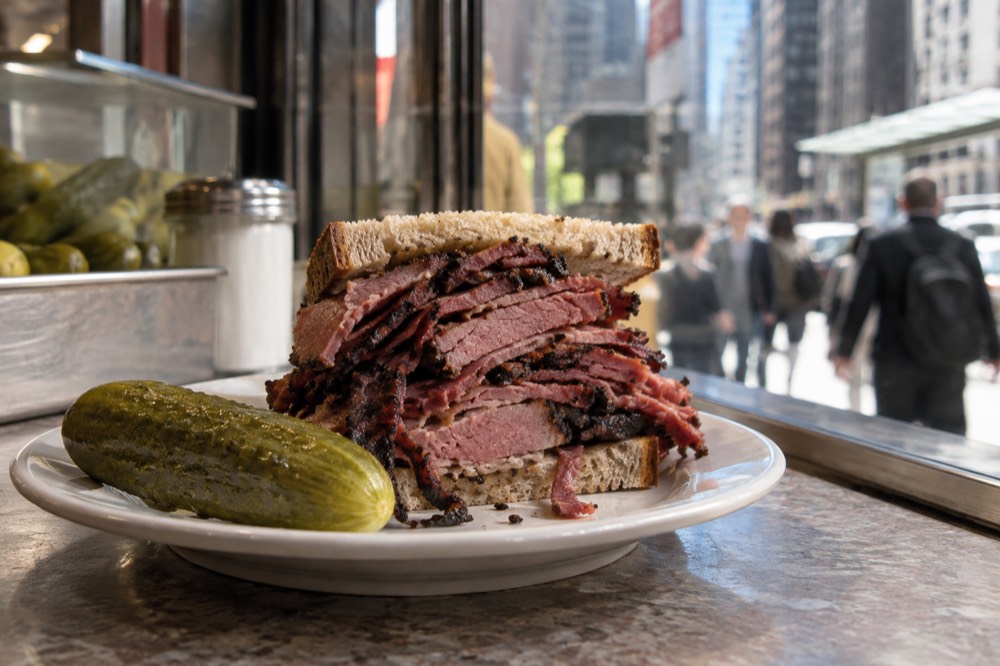
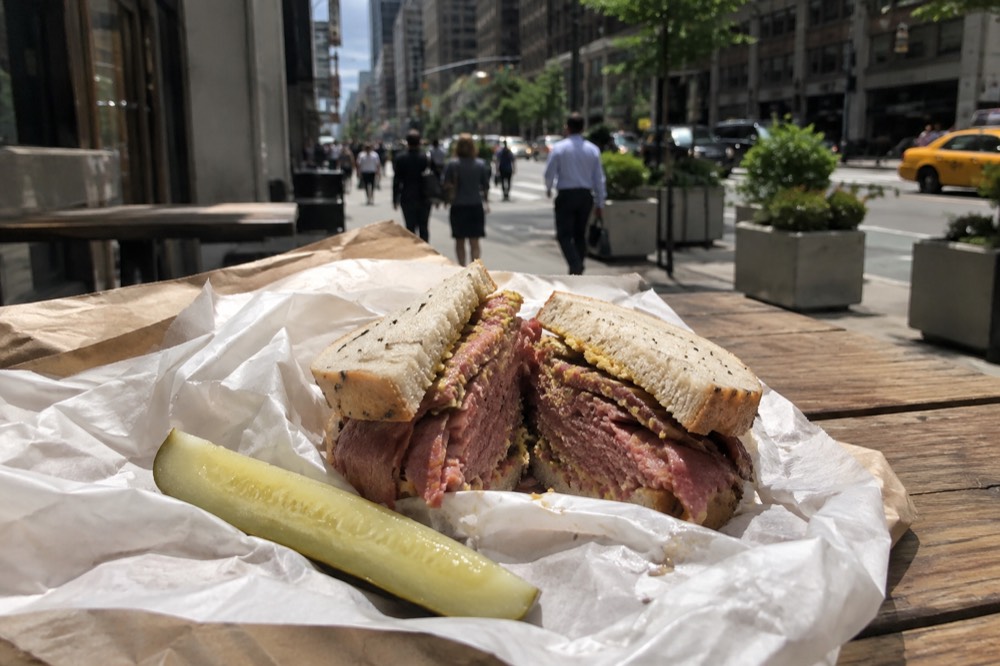
A pastrami sandwich at a serious New York deli is cut by hand, steamed until the fat renders, and served on rye that has to hold together under roughly half a pound of meat. That is the standard the city measures itself against, and a surprisingly small number of counters still meet it. The rest of what New Yorkers call a deli, from the smoked-fish appetizing shops to the corner grocers that happen to make a great brisket sandwich, is a different animal with a shared name.
This guide sorts the scene honestly. The classic Jewish delis get their own section because they are the ones visitors come for, the pastrami question gets answered head-on, and the outer boroughs get covered because the best sandwich in the city on any given day is as likely to be in Bed-Stuy or Greenpoint as on the Lower East Side. Practical details, how to order, and what a deli crawl pairs well with sit at the end.
What Counts as a Deli in New York City?
In New York, the word deli covers three unrelated kinds of business: the full-service Jewish delicatessen serving hot cured meats, the appetizing shop that sells smoked fish and bagels but cooks no meat, and the neighborhood grocery or sandwich counter that happens to have one great item. Katz's is the first kind. Russ & Daughters, which many guides wrongly list as a deli, is the second. David's Brisket House in Brooklyn is the third.
The distinction matters when you are planning a route. Someone who walks into Russ & Daughters expecting a hot corned beef on rye walks out with a bag of lox and a lesson in the word "appetizing." The term is a New York artifact: under old kosher rules a shop could sell fish or meat but not both, so the city grew two parallel traditions that still operate side by side on the Lower East Side.
The third category is where the scene has grown fastest. Over the past two decades the interesting deli action has shifted outward, with young operators opening in Brooklyn and Queens and older grocery counters getting discovered for a single sandwich. Those places use the word deli loosely, sometimes on the awning and sometimes not at all.
The Classic Jewish Delis of Manhattan
Four Manhattan institutions anchor the classic deli category: Katz's Delicatessen on the Lower East Side, 2nd Ave Deli in Murray Hill, Sarge's Delicatessen in the same neighborhood, and Barney Greengrass on the Upper West Side. Katz's is the pastrami benchmark and the one with the ticket system and the long line. 2nd Ave Deli is its closest rival in quality with a calmer room. Barney Greengrass is really a smoked-fish house that also serves a strong pastrami.
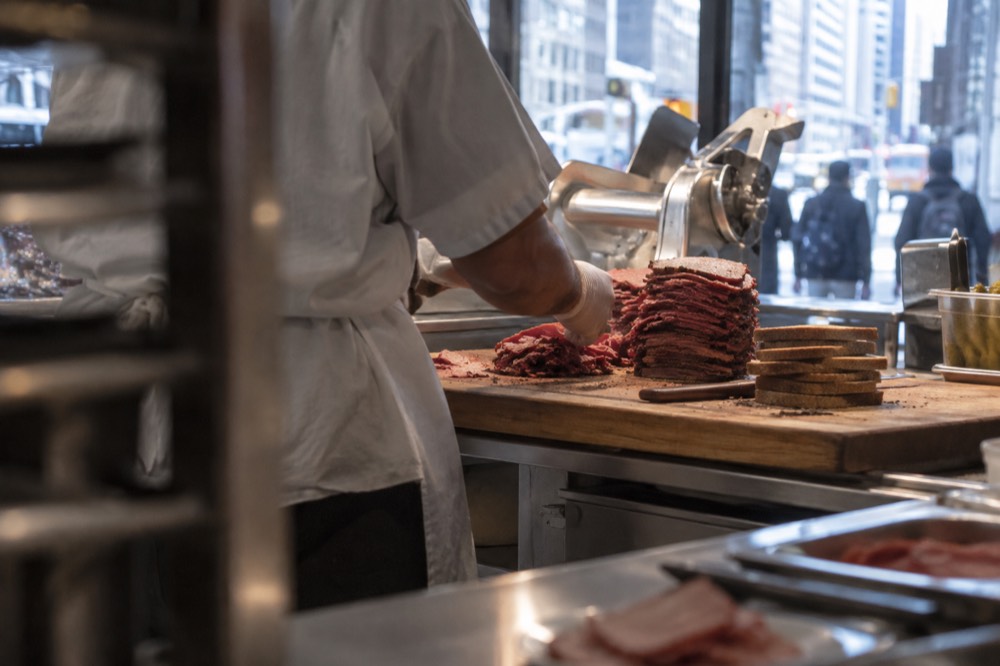
Katz's Delicatessen on Houston Street is the one most visitors have already heard of, and the reputation is earned. The pastrami is cured, smoked and steamed on the premises, then hand-cut to order in thick slices that a machine would shred. The room is large, the walls are covered in film stills, and the ordering system throws first-timers: you take a ticket at the door, hand it to the cutter at the counter, and tip him if he slides you a taste while he works. The line at the counter is part of the experience and moves faster than it looks.
2nd Ave Deli, which despite the name now sits in Murray Hill near Lexington Avenue, is the connoisseur's pick. The pastrami is leaner and more peppery than Katz's, the rye is first-rate, and the free pickle plate, with its range of sour and half-sour cucumbers, is the best in the category. The room is smaller and quieter, and you order from a waiter rather than a counter man. It also keeps kosher, which Katz's does not.
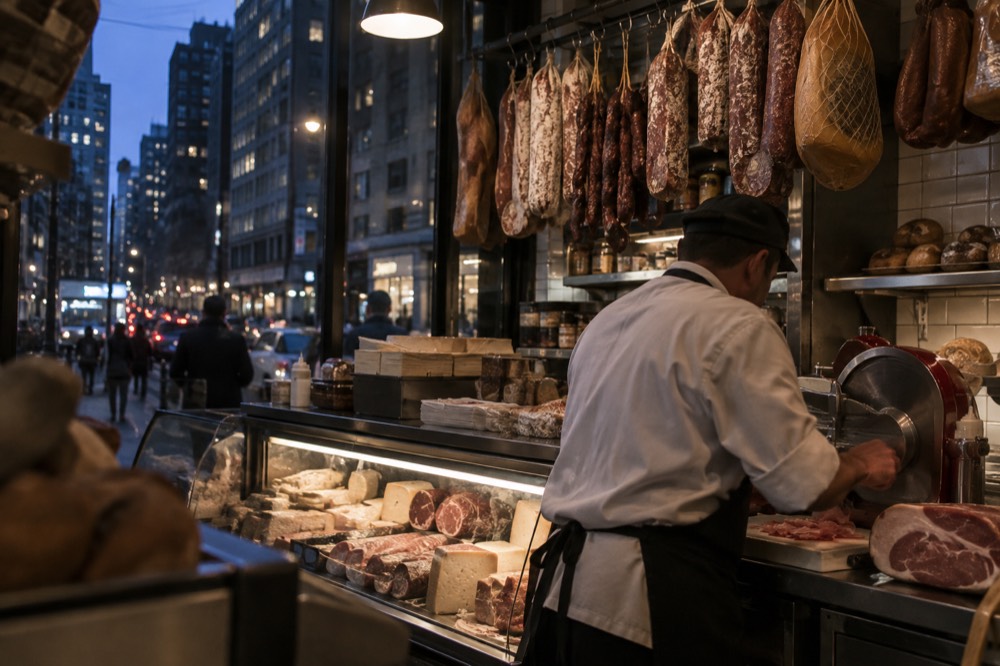
Sarge's Delicatessen is the third of the Murray Hill-area classics, a big, unselfconscious deli with a broad menu and generous portions. Barney Greengrass, up on Amsterdam Avenue, is the odd one out: it is famous first for sturgeon, sable and scrambled eggs with onions and lox, and its pastrami is the secondary attraction. Going there for fish and calling it a deli run is entirely legitimate.
| Deli | Neighborhood | Signature order | Style |
|---|---|---|---|
| Katz's Delicatessen | Lower East Side | Pastrami on rye | Counter service, ticket system, biggest crowds |
| 2nd Ave Deli | Murray Hill | Pastrami on rye, pickle plate | Table service, kosher |
| Sarge's Delicatessen | Murray Hill | Triple-decker club, matzo ball soup | Table service, broad menu |
| Barney Greengrass | Upper West Side | Sturgeon, scrambled eggs with lox and onions | Appetizing-first, cash-friendliest room in the category |
Where to Get the Best Pastrami in NYC?
The best pastrami in New York is at Katz's Delicatessen, with 2nd Ave Deli the closest challenger and Pastrami Queen on the Upper East Side the pick for anyone who wants the same quality without the downtown crowds. In Brooklyn, David's Brisket House in Bedford-Stuyvesant and Frankel's in Greenpoint both serve pastrami worth a trip, and Mile End in Boerum Hill does a Montreal-style smoked meat that splits the difference.
Pastrami is the test dish because it is the hardest thing in the category to do well. The brisket is brined for days, coated in spice, smoked, then steamed for hours, and a shortcut at any of those stages shows up in the slice. The hand-cut matters as much as the cure: machine-sliced pastrami compresses the meat and loses the texture that makes the dish. At every counter listed above the cutting is done by hand, to order.
Pastrami Queen on the Upper East Side deserves its own line. The room is small, the prices are at the top of the category, and the meat is as good as anything in the city. It is the answer for a visitor staying uptown who does not want to spend the morning in a line on Houston Street.
David's Brisket House on Nostrand Avenue is the great outer-borough story: a Yemeni-run grocery and sandwich counter whose pastrami and brisket hold their own against any Manhattan institution. The setting is nothing like Katz's, no neon, no film posters, just a grocery counter and a griddle. Frankel's Delicatessen on Manhattan Avenue in Greenpoint runs a modern Jewish deli with excellent pastrami and a brunch crowd. Mile End in Boerum Hill rounds out the Brooklyn list with Montreal smoked meat, a sibling of pastrami that is spiced differently and worth tasting side by side.
If a deli-first day is part of a wider first visit, it is worth thinking about how the food stops fit with the sightseeing. A New York CityPASS covers five attractions from a list of eleven, including the Empire State Building, Top of the Rock and the official Statue of Liberty ferry, over nine consecutive days from first use. The adult pass runs $149 against a combined box-office value CityPASS itself puts at $307.04, so the maths only works if you genuinely use all five. The full breakdown is in our New York CityPASS guide.
The Appetizing Shops: Smoked Fish, Bagels and Cream Cheese
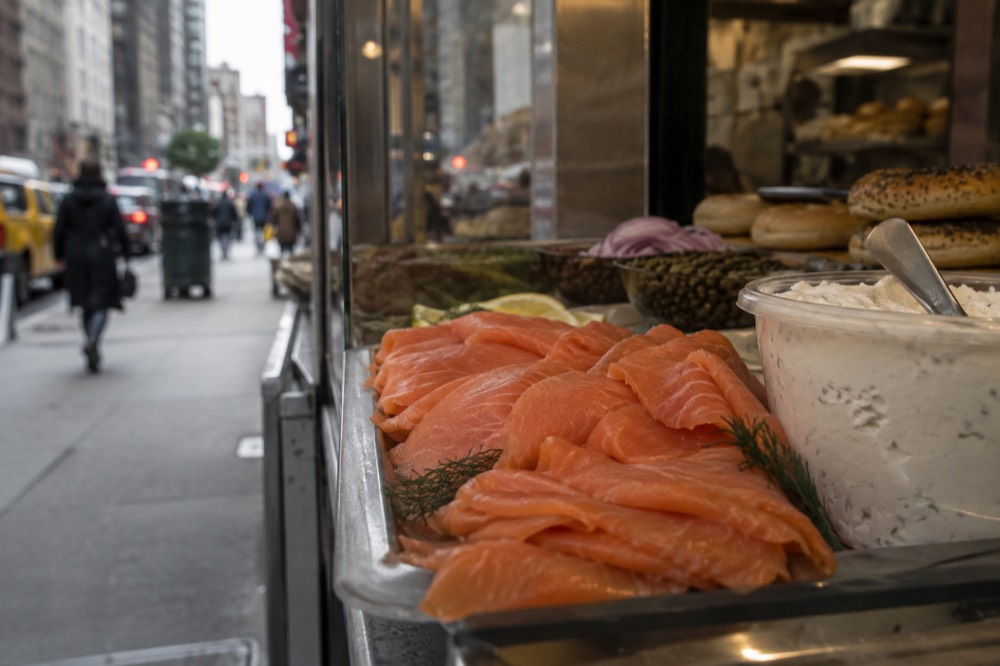
An appetizing shop is the deli's kosher-law sibling: it sells smoked and cured fish, bagels, cream cheese and salads, and it cooks no meat at all. Russ & Daughters on Houston Street is the flagship and the standard, with Barney Greengrass its Upper West Side counterpart. Order the bagel with lox, cream cheese, onion, tomato and capers, or a sable or sturgeon hand-sliced to order, and do not ask for a pastrami sandwich.
Russ & Daughters is the name to know, and the shop's fourth-generation ownership and its location a short walk from Katz's make a Lower East Side pairing easy: hot pastrami at one, smoked fish at the other. The classic order is a bagel with a schmear, lox, onion, tomato and capers, but the counter's real showcase is the hand-slicing of sable, sturgeon and other smoked fish, done to order the way a deli cuts pastrami.
The shop also runs a sit-down restaurant a few blocks north, Russ & Daughters Cafe, which serves the same fish in a full table-service format along with latkes, blintzes and an egg cream. For a sit-down appetizing meal, that is the move. For a walking crawl, the original shop is better, and the line at the counter is short except on weekend mornings.
Barney Greengrass, covered above as a deli hybrid, belongs in this section too because fish is its reason to exist. Its sturgeon platter and its scrambled eggs with lox and onions are the orders regulars defend. Between the two shops you have the city's appetizing tradition covered.
The Best Delis in Brooklyn and Queens
The best deli sandwiches outside Manhattan are at David's Brisket House in Bedford-Stuyvesant, Frankel's Delicatessen in Greenpoint, Mile End in Boerum Hill and Court Street Grocers in Carroll Gardens, with a wider field of Dominican, Italian and Middle Eastern counters across Queens that locals argue about endlessly. The outer boroughs are where the category is growing, and a visitor with a subway pass and an appetite gets the most interesting eating done here.
Brooklyn's modern deli scene is small but strong. Frankel's in Greenpoint pairs classic Jewish sandwiches with a brunch menu and a line on weekends. Mile End in Boerum Hill anchors the Montreal-smoked-meat corner of the conversation. Court Street Grocers, which began as a grocery on Court Street, makes some of the best Italian-American sandwiches in the borough and counts as a deli only in the loose New York sense, which is exactly the point of this section.
David's Brisket House is the one to plan around. It is a working grocery on Nostrand Avenue with a hot sandwich counter in the back, run by a Yemeni family whose pastrami and brisket have made it a destination for eaters from every borough. There is no website-level polish to the place. You order at the counter, you take the sandwich seriously, and you understand why the city's deli story did not end on Houston Street.
Queens works differently: the borough's sandwich greatness runs through its Italian bakeries in Astoria, its Dominican lunch counters in Washington Heights' neighboring corridors uptown, and its Middle Eastern groceries along Steinway Street. None of them are "delis" in the Katz's sense, and all of them are part of the honest answer to where the city's best sandwich is on a given afternoon.
| Deli or counter | Borough | Neighborhood | What to order |
|---|---|---|---|
| David's Brisket House | Brooklyn | Bedford-Stuyvesant | Pastrami or brisket sandwich |
| Frankel's Delicatessen | Brooklyn | Greenpoint | Pastrami on rye, brunch plates |
| Mile End | Brooklyn | Boerum Hill | Montreal smoked meat |
| Court Street Grocers | Brooklyn | Carroll Gardens | Italian-American sandwiches |
| Pastrami Queen | Manhattan | Upper East Side | Pastrami on rye |
How to Order at a Classic NYC Deli
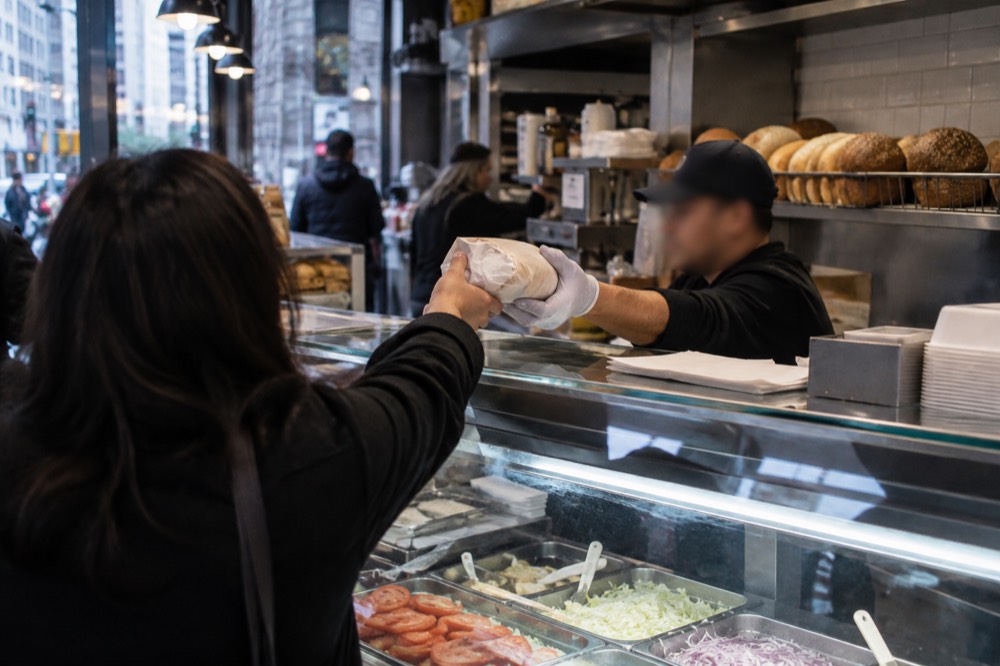
At a counter-service deli like Katz's you take a ticket at the door, order from the cutter, tip him a dollar or two when he hands you a taste, and pay at the cashier on the way out. At a table-service deli like 2nd Ave Deli you simply sit and order from a waiter. The vocabulary that matters is small: a sandwich "with" means coleslaw and Russian dressing, and a "schmear" is a thin coating of cream cheese.
The ticket system at Katz's is the single thing that confuses the most visitors, so it is worth spelling out. You are handed a ticket when you walk in. Do not lose it: the cutter marks it, the waiter marks it if you sit at a table, and you settle up at the front register on the way out. Tipping the counter man when he slides you a slice of pastrami while he cuts is a real custom, not a tourist trap, and a dollar or two is the going gesture.
The ordering vocabulary is worth learning because it is how regulars talk. A pastrami "with" arrives with coleslaw and Russian dressing, which is the classic combination even though purists eat it plain. "Over rye" needs no explanation at any of the shops in this guide. At an appetizing counter, a "schmear" of cream cheese is deliberately thin, and asking for a lot of it marks you as new. An egg cream, the old New York soda fountain drink made with milk, seltzer and chocolate syrup, contains no egg and no cream, and every classic deli worth the name still makes one.
One practical note on portions: a classic deli sandwich is built for two normal appetites. Splitting one pastrami on rye between two people is not stingy, it is the correct ratio of meat to bread as the delis themselves build it. Order accordingly and you will have room for a knish.
| Term | What it means |
|---|---|
| A sandwich "with" | With coleslaw and Russian dressing |
| Hand-cut | Meat sliced by hand to order, not by machine |
| Schmear | A thin spread of cream cheese on a bagel |
| Egg cream | Chocolate soda drink with milk, contains no egg or cream |
| Half-sour | A lightly brined pickle, crunchier than a full sour |
| Ticket | The running paper bill you carry at Katz's and pay at the register |
Planning a Deli Crawl: Routes, Timing and Transit
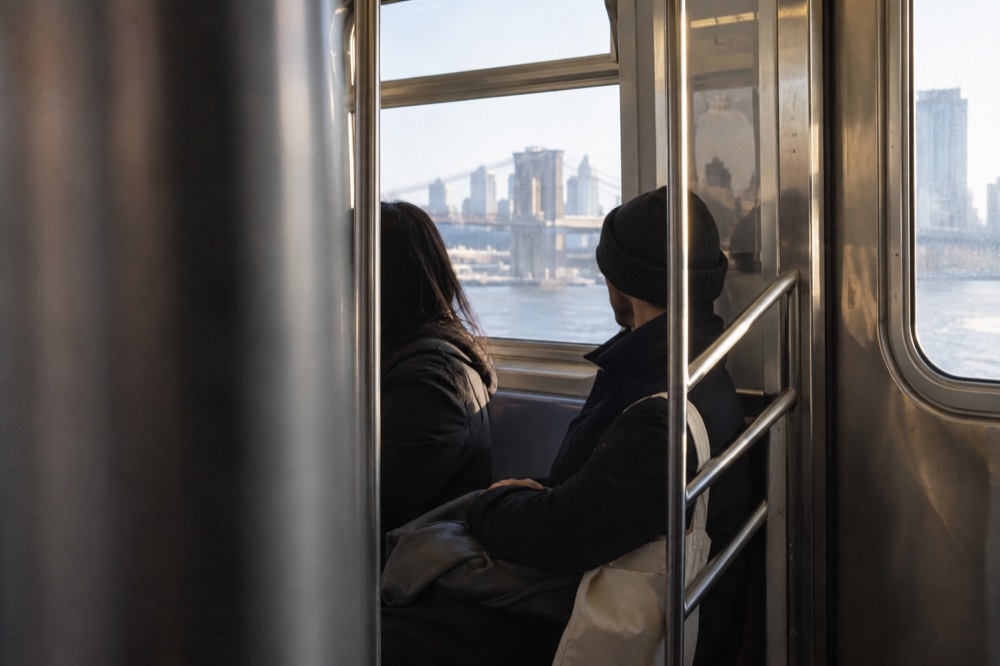
The most efficient deli crawl pairs Katz's and Russ & Daughters on the Lower East Side in one walk, then rides the subway to Barney Greengrass on the Upper West Side, roughly a half-day of eating with two subway fares in between. Do it on a weekday if you can, because weekend lines at Katz's stretch long, and start at the smoked-fish shop. A Brooklyn version pairs Frankel's, Mile End and Court Street Grocers.
Timing is the difference between a good crawl and a miserable one. Katz's is quietest in the mid-afternoon and worst around lunch and weekend midday. Russ & Daughters peaks on weekend mornings. The classic delis all serve continuously through the afternoon, which makes a 2pm start the low-stress option: you skip queues, and the pastrami steams all day regardless.
Getting between the neighborhoods is simple, and the fare system now works in your favor without any planning. The MetroCard is retired: as of 1 January 2026 the MTA no longer sells or refills them at all. You tap a contactless card or phone with OMNY at every turnstile, and a weekly cap of $35 applies automatically, with no pass to buy, so a two-fare deli crawl costs exactly two fares until you hit the cap. The details are in our OMNY and subway guide.
What to Eat Near the Delis: Pairing a Sandwich with the Neighborhood
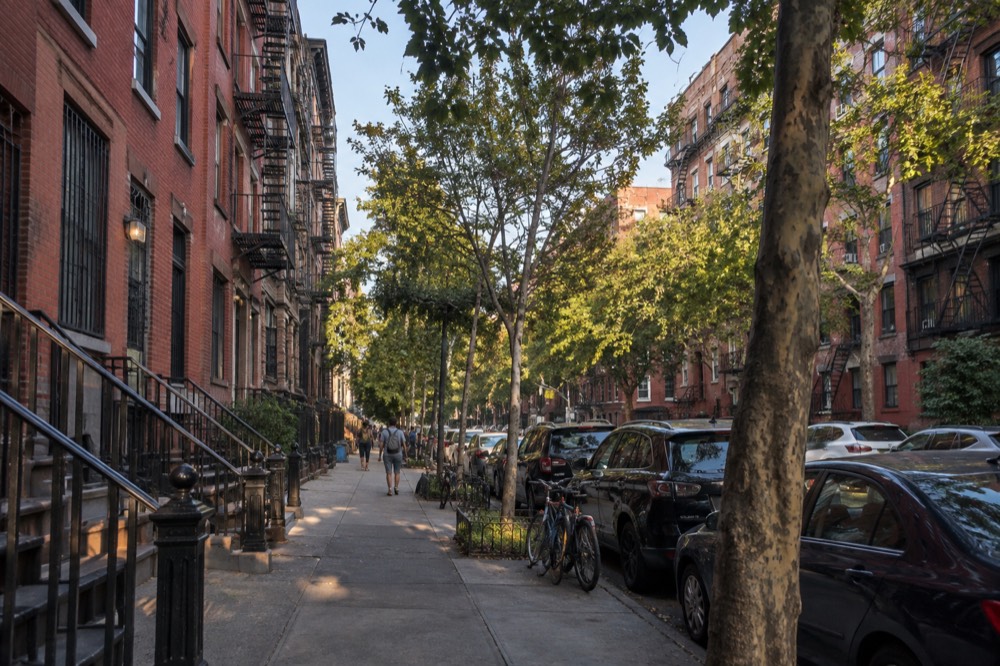
A deli sandwich pairs naturally with a walk through the neighborhood around it: Katz's and Russ & Daughters sit inside the historic Lower East Side, Barney Greengrass sits near the American Museum of Natural History and Central Park, and Frankel's and David's sit in Brooklyn neighborhoods, Greenpoint and Bedford-Stuyvesant, that reward an afternoon of wandering. Planning the sandwich and the stroll together turns a lunch stop into the day's structure.
The Lower East Side pairing is the strongest in the city. Katz's, Russ & Daughters and the neighborhood's broader food history sit within a compact grid of streets, and the area's tenement past is documented a few blocks away at the Tenement Museum, a migration-history site that explains exactly whose kitchens the neighborhood's food traditions came from. Our Lower East Side guide covers the full walk.
The Upper West Side version is a museum morning followed by a Barney Greengrass lunch, with the American Museum of Natural History and Central Park both within a short walk of the counter. This is the most family-friendly deli itinerary in the city, and the one where a sightseeing pass genuinely earns its keep, since the museum and the deck attractions around Midtown are the kind of paid entries a bundle covers.
The Brooklyn version has no museums attached, and does not need them. Greenpoint's waterfront, Boerum Hill's shop blocks and the walk between them are the attraction. If you want the sandwiches explained rather than just eaten, a guided food walk does that job well; our guide to NYC food tours compares the options.
Delis, Bagels and Pizza: How the Food Debates Overlap
The deli, bagel and pizza questions in New York are separate debates that share a geography: the best bagel shops sit inside the same neighborhoods as the best delis, the Lower East Side and the Jewish sections of Brooklyn, and the best pizza overlaps again in the Italian sections of those same districts. A visitor planning one serious food day can cover all three traditions without crossing the city twice.
The bagel question has its own answer, and it belongs to a different set of shops than this guide's delis, with a few exceptions: an appetizing counter that serves a top bagel with its lox is doing both jobs at once. Our best bagels in NYC guide covers that field properly, and the best pizza in NYC guide does the same for the slice and the pie. Read them together with this one and you have the city's three canonical foods mapped.
The overlap is practical, not just thematic. A Lower East Side morning can take in a bagel, an appetizing counter and a slice before lunch, and a Brooklyn afternoon can do the same in Greenpoint or Carroll Gardens. This is also where a food tour earns its price: a guide who walks you through Chinatown and Little Italy, for instance, is covering ground that sits a ten-minute walk from Katz's, and the tasting stops add up to a meal. The Chinatown and Little Italy food tour is the one that fits that route.
For a wider view of how the food days fit into a full itinerary, our things to do in NYC page is the master list, and the New York City Travel Guide homepage covers the city at the orientation level.
If the pass question is the one still open after all this eating, it comes down to itinerary shape. A deli crawl is cheap by New York standards, and the money in a first-time trip sits in the attractions around it, which is exactly what a bundle addresses. The five-attraction CityPASS suits a packed classic circuit, while a choose-as-you-go pass suits looser plans.
Common Questions About the Best Delis in NYC
The questions visitors ask most are practical ones: which deli is worth the line, whether Katz's or 2nd Ave Deli is better, what a sandwich costs relative to a normal lunch, whether the classic delis are tourist traps, and how the appetizing shops differ from the delis. The short answers: Katz's is worth one visit at an off-peak hour, the pastrami at 2nd Ave Deli is the equal of Katz's in a calmer room, prices at the classic delis run well above a sandwich-shop lunch and are worth it for the portion, and Russ & Daughters is not a deli at all but its fish-and-bagel counterpart.
Is Katz's Delicatessen worth the wait?
Yes, once, at the right time. The pastrami is the benchmark for the city and the room is a genuine piece of New York. Go mid-afternoon on a weekday and the line shrinks to minutes; go at Saturday lunch and you are queuing for the same sandwich with the whole city.
Katz's or 2nd Ave Deli: which has the better pastrami?
They are different styles rather than a ranking. Katz's pastrami is fattier and more old-fashioned in flavor; 2nd Ave Deli's is leaner, more peppery and cut just as carefully. If you want the scene and the counter ritual, Katz's. If you want the sandwich itself in a quieter room, 2nd Ave Deli.
Is Russ & Daughters a deli?
No, and the distinction is the point. It is an appetizing shop, the kosher-law sibling of the deli that sells smoked fish, bagels and cream cheese and cooks no meat. Go for a bagel with lox, onion, tomato and capers, and do not expect a pastrami sandwich.
What should first-timers order at a classic NYC deli?
Pastrami on rye, with a pickle and, if there is room shared with the table, a matzo ball soup. Ask for it "with" if you want coleslaw and Russian dressing, or plain if you want to taste the meat itself. Split one sandwich between two people; the portions are built for it.
Are there great delis outside Manhattan?
Yes, and increasingly the most interesting ones. David's Brisket House in Bedford-Stuyvesant, Frankel's in Greenpoint, Mile End in Boerum Hill and Court Street Grocers in Carroll Gardens all serve sandwiches that hold up against the Manhattan classics, and each sits in a neighborhood worth the subway ride.
Do classic NYC delis take reservations?
Generally no. Counter-service delis like Katz's work on a ticket system with no reservations at all, and the table-service classics seat walk-ins. Off-peak timing, mid-afternoon on a weekday, is the reliable strategy everywhere in the category.