Is NYC Safe for Tourists? An Honest, Sourced Answer
New York City drew 65 million visitors in 2025, and the overwhelming majority of them finished their trips without incident. Here is an honest look at what safe actually means in a city of five boroughs.
Short answer
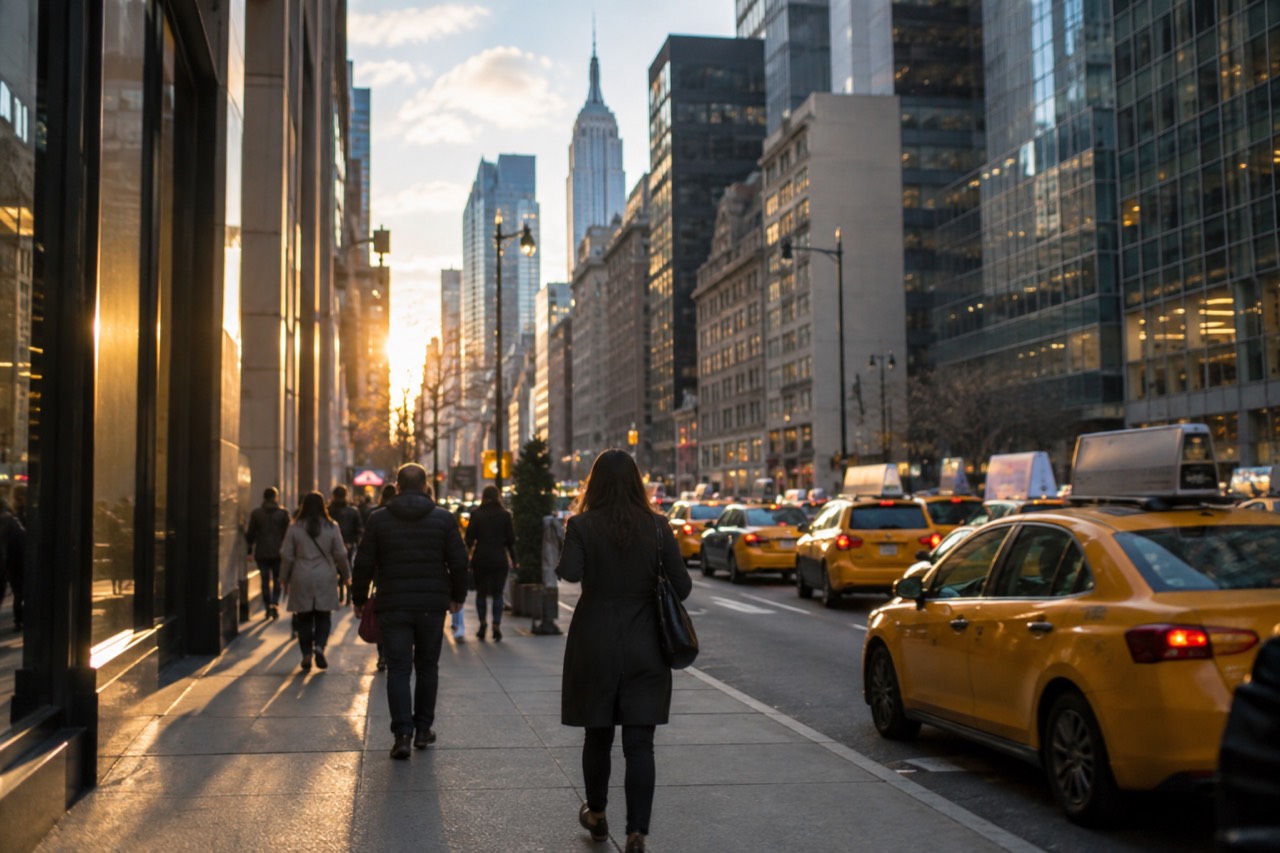
Yes, New York City is safe for tourists by any reasonable standard. It is one of the most visited cities on earth, the subway runs 24 hours with more riders each weekend than before the pandemic, and the risks that matter are pickpocketing and scams, not violent crime. Basic big-city habits, the same ones you would use in London or Barcelona, cover almost everything.
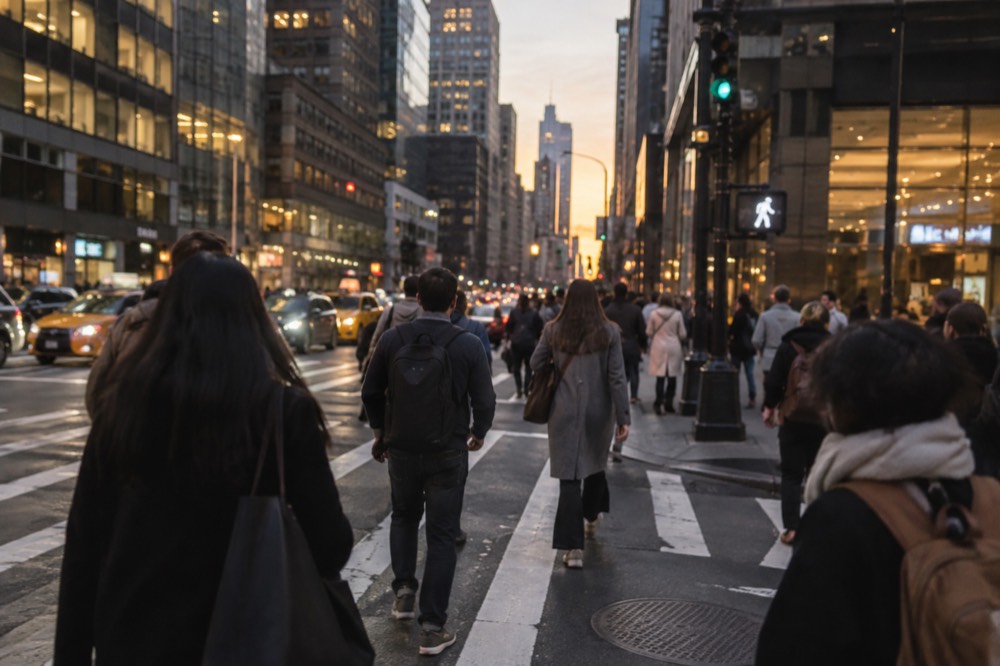
Roughly 65 million people visited New York City in 2025, according to the city's tourism agency, and the city absorbed them without becoming a no-go zone for anyone with ordinary street sense. That single figure is the honest starting point. A place that handles 52.4 million domestic and 12.5 million international visitors in a year, and brings them back the next year, is not a city where tourism is a gamble.
This page answers the question directly and then earns the details. It draws on verified figures from the MTA, the National Park Service and the city's own published data, and it avoids the two failure modes of most safety writing about New York: fearmongering and reassurance by omission. Some blocks are busier than you expect, some situations deserve real caution, and one transit habit has changed so recently that most guides still get it wrong. The New York City Travel Guide desk keeps this page aligned with official sources rather than vibes.
Is NYC Safe for Visitors Right Now?
Yes, New York City is safe for tourists by any reasonable standard. It is one of the most visited cities on earth, the subway runs 24 hours a day, and the risks that actually touch visitors are pickpocketing, ticket scams and overcharging, not violent crime. The same big-city habits you would use in London, Barcelona or Chicago cover nearly everything: mind your phone at the train door and book tickets from the operator's own listing.
The honest framing matters more than the verdict. "Safe" is not a yes or no property of a city of 8 million people spread over five boroughs; it is a property of behavior in specific places at specific times. A family walking the High Line at 11am faces essentially no risk beyond sunburn. A person counting cash on a quiet block at 2am faces more, in New York as in any large city. The tourist geography of New York, Midtown, Lower Manhattan, the park, the bridges, is heavily trafficked, heavily policed and heavily watched, which is precisely why it feels manageable to millions of first-timers every year.
What has changed recently is the transit layer, and this is where outdated advice does damage. The MetroCard is retired: as of 1 January 2026 the MTA no longer sells or refills them, and the weekly value now comes from an automatic $35 OMNY fare cap with no pass to buy at all. A visitor who arrives with 2023 advice about buying a 7-day unlimited will hunt for a product that no longer exists. The practical safety angle is simple: tap the same card or phone every ride, because mixing devices silently breaks the cap and leaves you paying per ride. The mechanics are covered in detail on our OMNY explained for visitors page.
Which Parts of New York Do Tourists Actually Visit, and How Safe Are They?
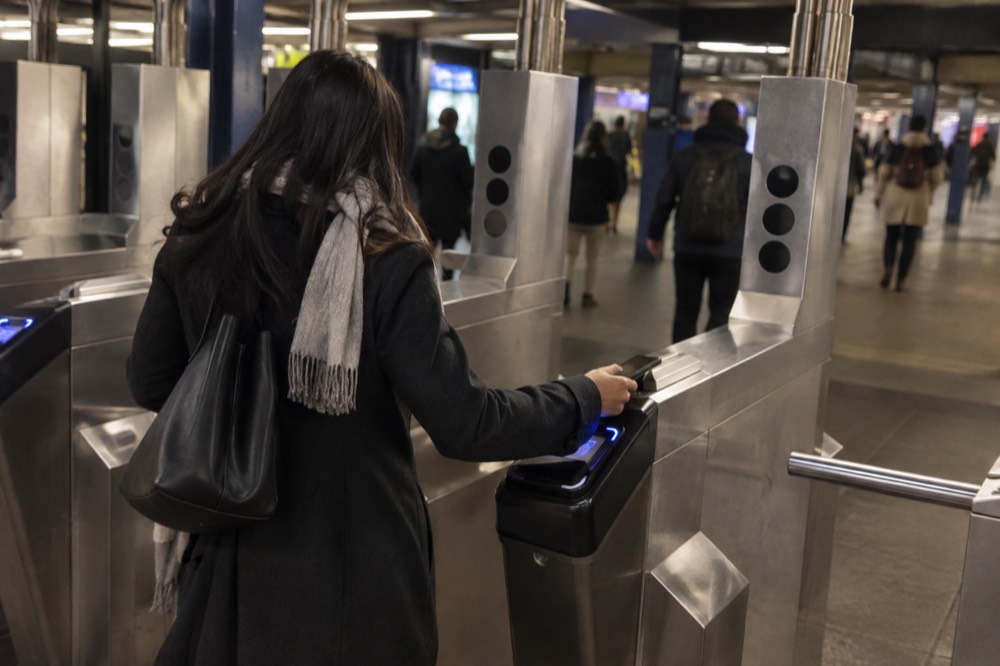
The neighborhoods tourists visit, Midtown, the Theater District, Lower Manhattan, Central Park, Brooklyn Heights and the museum corridors, are the most walked, most filmed and most patrolled parts of the city, and they behave that way. Crowds are the default condition, which cuts both ways: company makes streets feel and function as safe, while also creating the pickpocket's working conditions. No New York neighborhood should be described as dangerous as a blanket statement.
Manhattan is not New York City, and the distinction is not pedantry. The five boroughs have very different rhythms, and the tourist's map covers a small, well-trodden slice of them. Times Sq-42 St is the busiest subway complex in the system, carrying 61,203,303 riders in 2025, about 71% more than Grand Central, which tells you where the crowds actually concentrate. Where the crowds are, the petty-theft risk is, and nowhere else in a visitor's week comes close.
A grounded way to think about each area:
| Area visitors actually use | What it feels like | The realistic risk |
|---|---|---|
| Midtown / Times Square | Wall-to-wall people at almost any hour | Pickpocketing, ticket scams, costumed-character hustles |
| Lower Manhattan / FiDi | Busy by day, quieter on weekend evenings | Crowded-sidewalk phone snatching near stations |
| Central Park | Safe and busy in the daytime core | Getting lost after dark in the wooded northern third |
| Brooklyn Bridge / DUMBO | Packed promenade, camera-forward crowds | Crowds and bike-lane collisions, not crime |
| Museum Mile / Upper East Side | Calm, residential, low drama | Almost none worth planning around |
| Harlem, Williamsburg, Queens | Lively, local, increasingly visited | Normal street awareness, nothing exotic |
The neighborhoods themselves reward walking rather than worrying. A guided walk is one of the better first-day moves in New York, because a local guide orients you to a district's real character faster than any listicle. Downtown, the SoHo, Little Italy and Chinatown walking tour covers three adjacent neighborhoods in two hours with a guide handling the route, which is a sensible way to learn the downtown street grid before exploring it alone. Farther uptown, Harlem's history walks do the same job for a district many visitors otherwise under-plan.
If your safety question is really a budget question in disguise, bundled attraction passes change the calculus too. The New York CityPASS review covers when a pass pays off; the short version is that it earns its keep only when you genuinely use all five admissions.
How Safe Is the New York Subway?
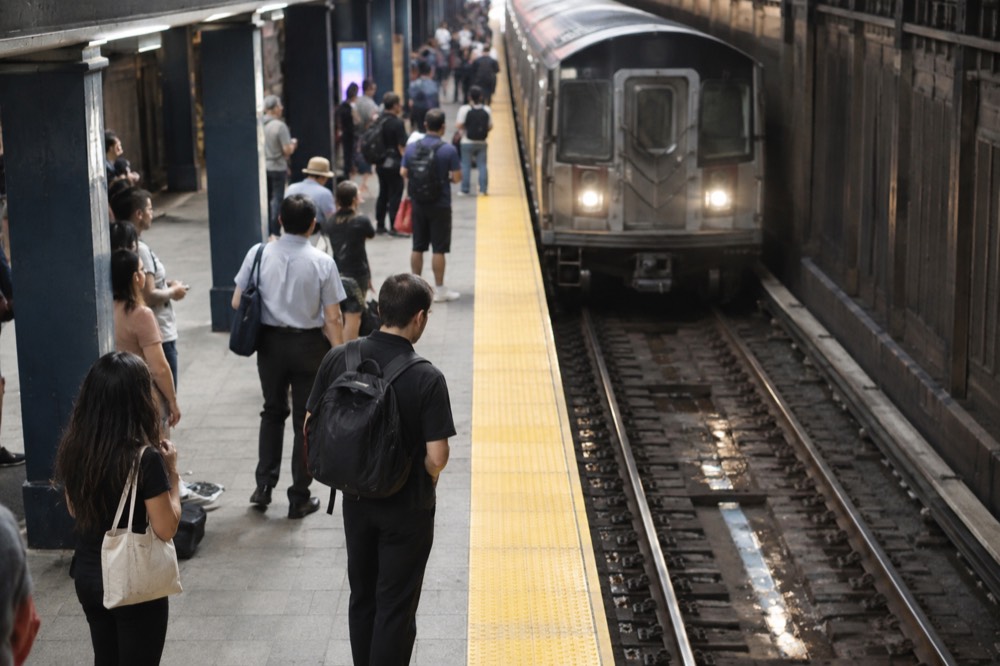
The New York subway is safe for the way tourists use it, and it is the single best safety tool the city has: 24-hour service means you are never stranded, and 1.28 billion rides were taken in 2025 without the system being a no-go zone. The real transit risks are platform distraction and phone snatching at doors. Ride the front of the train late at night and keep the phone pocketed when the doors open.
The numbers behind that answer are worth knowing. Subway fare evasion fell from 12.7% to 10.2% between 2024 and 2025, per the MTA's own reporting, and weekend ridership has recovered to 88% of pre-pandemic levels while weekday riding lags at 73%, which means the trains visitors ride, evenings and weekends, are the full ones. A fuller train is a safer train. The system's recovery story inverts the old advice about avoiding crowds: the weekend train is the one that came back.
The fare layer is where visitors lose money, not safety. A single ride is $3.00, and the $35 weekly cap applies automatically when you tap the same card or device every time, with no pass to purchase and no decision to make at the machine. The full fare mechanics, including the free-transfer rules and the out-of-system transfers at Lexington Av/59 St, are on our New York subway guide.
| Situation | The habit that matters |
|---|---|
| Boarding with a phone in hand | Pocket it before the doors open; door-side snatch-and-run is the classic move |
| Waiting on a platform late at night | Stand near other people, ideally the front of the platform where the crew boards |
| Empty car on an otherwise full train | Trust the crowd's judgment and move to a fuller car |
| Confusion at a junction | Step aside from the flow and check a map app against the wall sign, not mid-stride |
| Someone demanding money or a swipe | A flat "no" and continued walking ends almost every encounter |
| Lost item or incident | MTA staff are at booth entrances; 911 works from any phone without a SIM issue |
One more transit point that doubles as safety advice: the cheapest airport runs are also the most predictable. The Q70 LaGuardia Link bus is free, so LaGuardia to Midtown costs one $3.00 subway fare, while JFK's AirTrain adds $8.75 on top of the subway fare for $11.75 end to end. Late at night with luggage, a private transfer is a reasonable comfort purchase rather than a safety necessity, and groups of three or more often find it costs less per head than the panic of an unplanned taxi rank negotiation.
If a big sightseeing week is the plan, this is also the natural moment to settle the ticketing layer in one move, so the rest of the week is about showing up rather than queueing.
What Scams and Street Situations Should You Watch For?
The scams that cost visitors money in New York are almost all old, well-documented and defeated by one rule each: never buy attraction tickets from anyone standing on the street, never hand your card to someone who approaches you, and never let a costumed character or CD seller put anything in your hands. Nobody legitimate sells Statue of Liberty ferry tickets from a folding table.
Nobody legitimate needs you to read a petition while a second person opens your bag.
The Statue of Liberty case is the clearest one because the facts are unusually crisp. Statue City Cruises is the only ferry operator authorized by the National Park Service to sell tickets for and dock at Liberty Island and Ellis Island, and numerous lookalike cruise operators sell boat trips that circle the islands and never land, some charging more than the real ferry, which is $26.00 for an adult. A visitor who buys one of those cannot set foot on Liberty Island. The same principle extends everywhere: buy from the operator's own listing, and treat every sidewalk ticket offer as a no. Our Statue of Liberty tickets guide covers the official tiers in full.
| The pitch | What is actually happening | The counter |
|---|---|---|
| "Ferry tickets, no line" near Battery Park | A lookalike cruise that never lands on the island | Buy only from Statue City Cruises or its official booths |
| CD handed to you "for free" in Times Square | A demand for a "donation" follows once you hold it | Keep hands free; do not accept anything |
| Costumed character photo | A fee is demanded after the photo | Agree the price first or photograph from a distance |
| Petition clipboard thrust at you | A partner works your bag or pockets | Decline and keep walking, bag in front |
| "Your card was declined, try this ATM" | Card skimming at a rigged machine | Use ATMs inside bank branches or hotel lobbies |
| Unlicensed cab offer at the curb | No meter, no recourse, inflated fare | Hail from the street or use a ride-hail app |
None of this is New York-specific in kind, only in costume. The CD hustle is a Midtown classic, the clipboard crews work any dense tourist corridor, and every one of them relies on politeness as the exploit. A flat, unapologetic "no" while continuing to walk is not rude here; it is dialect. New Yorkers use it on each other hourly.
Is NYC Safe at Night?
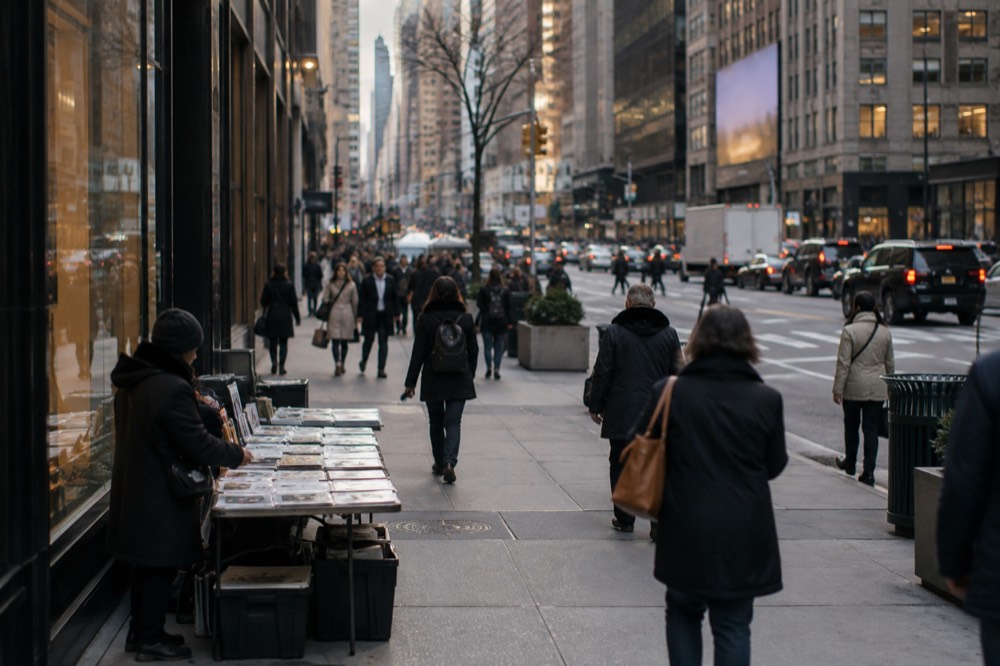
Yes, in the parts of the city that are actually busy at night, which is most of the tourist map. New York's late economy is real: Broadway curtains fall around 11pm into streets full of people, and the subway runs all night precisely so the city never has to empty out.
The honest night rule is to stay where the light and the crowd are, because the difference between a safe block and a lonely one at 1am is foot traffic, not geography.
The theater district is the worked example. A show ends and thousands of people pour onto 45th Street at once, heading for the subway, a late dinner or a bar, and that crowd density is the safety mechanism. The same logic holds for the waterfront: an evening harbor cruise is a calm, structured way to see the skyline after dark with a crew, a rail spot and a bar aboard, and the sunset harbor lights cruise is the classic version, looping past the Statue of Liberty as the skyline switches on.
The midnight caveats are few and concrete. Central Park's wooded sections are not lit for strolling after dark; stick to the perimeter or the lit transverse roads. A platform with one other person on it at 2am is worse than a platform with twenty, so waiting near the front, where the crew boards, is the standard habit. And the oldest rule still wins: if a block feels wrong, walk one block over, because in a grid city the character of the street changes every 200 meters.
For planning what to actually do after dark rather than merely avoid, our things to do in NYC at night page does the curation, and the wider things to do in NYC hub covers the full daylight-to-midnight map.
Is NYC Safe for Solo Travelers, Families and Older Visitors?
Yes, and for each of these groups the answer is stronger than the question implies. New York is a city where being alone in public is unremarkable, where museums and parks are engineered for children, and where older visitors benefit from a transit system that removes the driving question entirely. The one honest adjustment is pace and footwear, not risk: families should plan fewer blocks per day, and solo travelers should keep their phone charged.
Solo travel here is close to a non-issue socially. Dining alone at a counter, walking a museum alone, standing at a bar alone: none of it draws a glance. The practical solo rules are the ones any solo traveler uses anywhere, a charged phone, a written hotel address in case the battery dies, and a sense of which neighborhoods thin out after a certain hour. The subway's 24-hour service is the structural advantage: a solo traveler in New York is never forced into a late-night curbside taxi negotiation, because the train home exists.
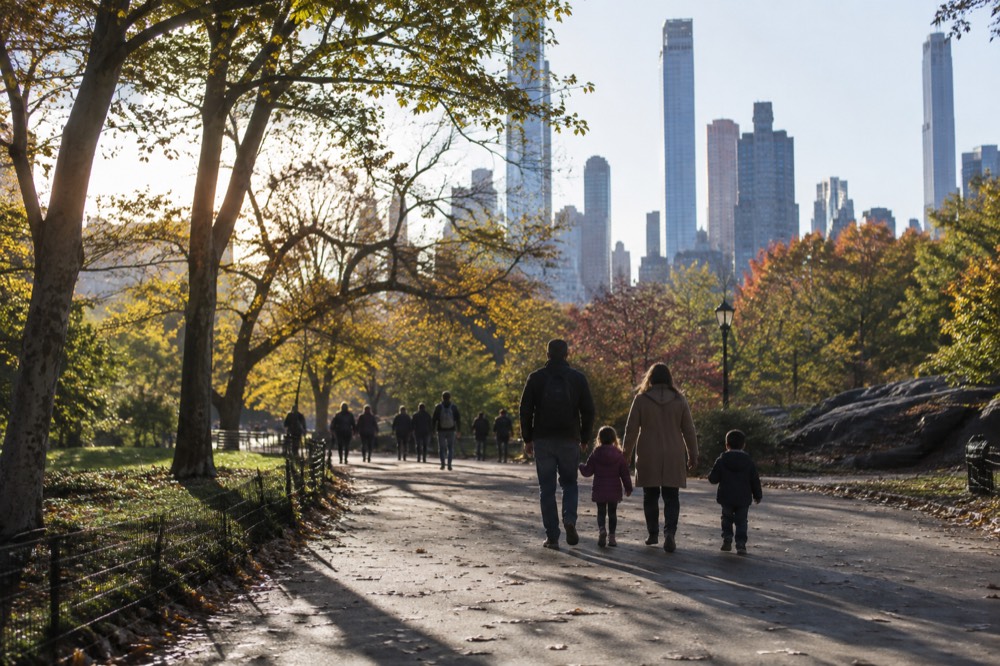
Families get a city that is unusually workable. Children under 44 inches tall ride the subway and local buses free, up to three per fare-paying adult, and the major family institutions, the American Museum of Natural History, the Central Park Zoo, the carousel, are built for exactly this audience. The family risks are logistical, not criminal: losing a child in a Times Square crowd is the scenario to plan for, and the standard counter is a meeting point agreed in advance plus a card in the child's pocket with your phone number. Our NYC with kids guide handles the itinerary side.
Older visitors should treat the city as a walking city honestly, which means planning around benches, restrooms and subway stations with elevators, since not every station has them. Reduced fares for eligible riders 65 and older are $1.50 on subway and local bus at any hour, which removes most of the cost friction of a rest-heavy itinerary. The elevator-accessible station list is on the MTA's site and worth checking before you plan a day around one station.
How Does Weather Affect Safety in New York?
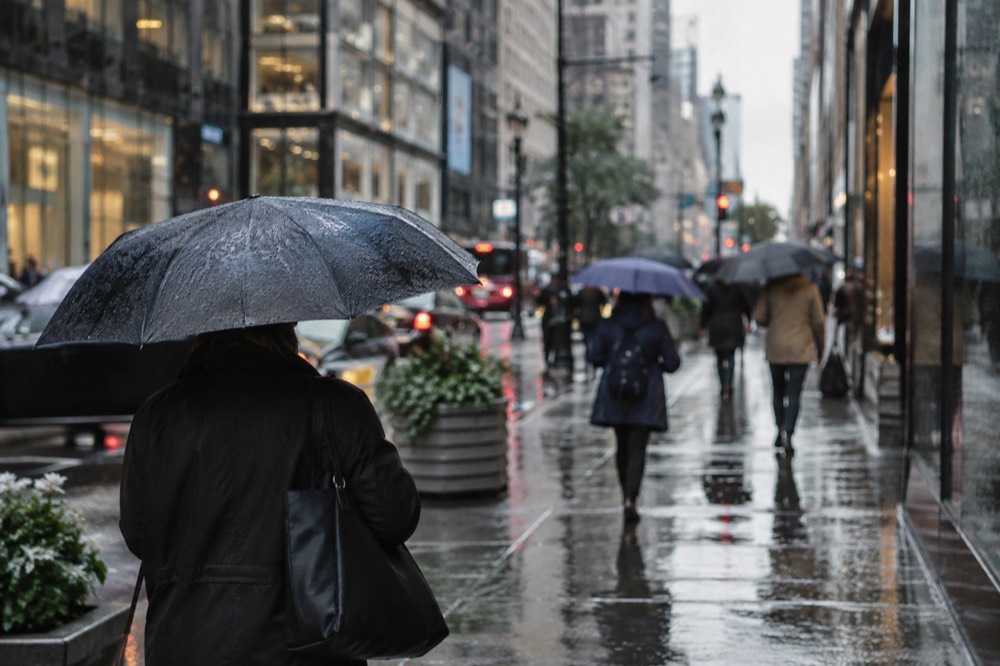
Weather in New York is a comfort problem far more often than a danger, and the official numbers undercut two common instincts: July is actually the wettest month of the year, averaging 4.60 inches of rain in Central Park, and February out-snows January, 10.1 inches against 8.8. The genuine weather risks are summer heat on unshaded sidewalks and winter ice on side streets, both managed by timing and footwear rather than by cancelling anything.
Those figures come from the NOAA 1991-2020 climate normals for Central Park, and they reverse the usual packing advice. Visitors book summer to dodge rain and brace for January blizzards; the record says July is the wettest month and February is both the snowiest and, at 3.19 inches of precipitation, the driest. There is no dry season here at all, so the umbrella is a year-round item and the packing question is layers, not luck.
| Season | The real condition | What to do about it |
|---|---|---|
| July-August | Hot, humid, and the wettest months of the year | Morning sightseeing, museum afternoons, rain shell in the bag |
| September-October | The settled stretch, warm days, cooler nights | Standard layering; book outdoor decks for this window |
| November | First real cold, occasional early snow | Real coat, not a fashion one |
| December-February | Cold snaps, snow, ice on untreated side streets | Waterproof footwear; assume slush at every crossing |
| March-April | Changeable, wind off the harbor | Windproof layer for bridges, decks and the ferry |
The heat detail deserves its own sentence, because it is the one that sends people to urgent care. New York's summer heat combines with a subway system that is not fully air conditioned at platform level, so a July itinerary that stacks the High Line, a deck and a walking tour back to back is a dehydration plan. The fix is structural: museums and decks in the afternoon, shade and water stops on the walking segments. The NYC weather by month page carries the full table and the packing logic.
What Practical Rules Actually Matter Day to Day?
The habits that matter in New York are unglamorous and few: keep the phone pocketed at subway doors, buy every ticket from the operator or the official box, carry the day's cash and nothing more, stand near people on late platforms, and write your hotel's address and phone number on paper.
Emergency services are simple to reach: 911 works from any phone, and the city runs a non-emergency line for noise, lost property reports and everything short of a crime in progress.
The paper-and-pen advice sounds archaic until a phone dies at 1am in a borough you cannot name. A hotel card in a pocket, plus a small amount of cash separated from the wallet, covers the two failure modes that actually strand visitors. Everything else on the list is habit, not equipment.
| Resource | What it is for | How to reach it |
|---|---|---|
| 911 | Any emergency, police, fire, medical | Any phone, no SIM needed |
| The city's non-emergency line | Noise, lost property, city questions | Dial the non-emergency number or use the city's website |
| MTA staff and booths | Directions, lost items, platform incidents | Staffed entrances at major stations |
| Hotel front desk | The most underrated resource in the city | Ask anything; they answer tourists all day |
| MTA service alerts | Weekend work, reroutes, real-time status | The MTA site or any transit app |
One transit caveat that is current and worth knowing: at Newark EWR, AirTrain service between the terminals and the NJ Transit rail station is replaced by shuttle buses on weekdays from 5am to 3pm, so a weekday arrival needs extra time, per the MTA's airport guidance. Inter-terminal AirTrain still runs. Allow the slack rather than the stress.
For the sightseeing layer, the passes deserve a final word because they remove queue friction, and queues are where phones come out and bags open. The CityPASS route suits first-timers set on the heavy hitters; the choose-as-you-go Explorer style suits loose plans. Our New York CityPASS comparison breaks the decision down line by line.
Common Questions About Safety in New York City
The short answers hold up across every version of this question: yes, the subway is safe and runs all night; yes, walking between Midtown hotels and the Theater District is normal at midnight; yes, taxis and ride-hails are regulated and metered; and no, you should not buy any ticket from anyone on the street.
The remaining doubts usually come from advice that predates 2026, especially on fares and passes, so check the current mechanics rather than a friend's memory of their 2019 trip.
Is NYC safe at night for tourists?
Yes, in the busy tourist corridors. Broadway crowds empty onto well-lit streets around 11pm, the subway runs all night, and the rule is foot traffic: stay where the people are. Central Park's wooded interior and empty side blocks are the two places to avoid after dark.
Is the New York subway safe to use?
Yes. The system carried 1.28 billion rides in 2025, weekend ridership is at 88% of pre-pandemic levels, and fare evasion fell from 12.7% to 10.2% between 2024 and 2025. The habits that matter: pocket the phone at doors, stand near others on late platforms, and keep to fuller cars.
Is Times Square safe?
Yes, and it is possibly the most surveilled, most crowded few blocks in the country. The realistic annoyances are costumed characters demanding tips, CD hustles and pickpocketing in a crush. Agree prices in advance and keep bags in front in the densest spots.
Is Central Park safe?
Yes during the day, everywhere visitors normally go. After dark, stick to the perimeter and lit roads rather than the wooded sections. The park's daytime core, Bethesda Terrace, the Mall, the lake paths, is busy and unremarkable in the best sense.
Is it safe to walk around NYC alone?
Yes. Being alone in public is unremarkable here. Keep the phone charged, carry your hotel address on paper, and use the same judgment about empty blocks at 2am that you would in any large city.
Do I still need to worry about buying a MetroCard?
No, because you cannot buy one. The MTA stopped selling and refilling MetroCards on 1 January 2026. Tap a contactless card or phone instead; the $35 weekly cap applies automatically as long as you tap the same card or device every ride.
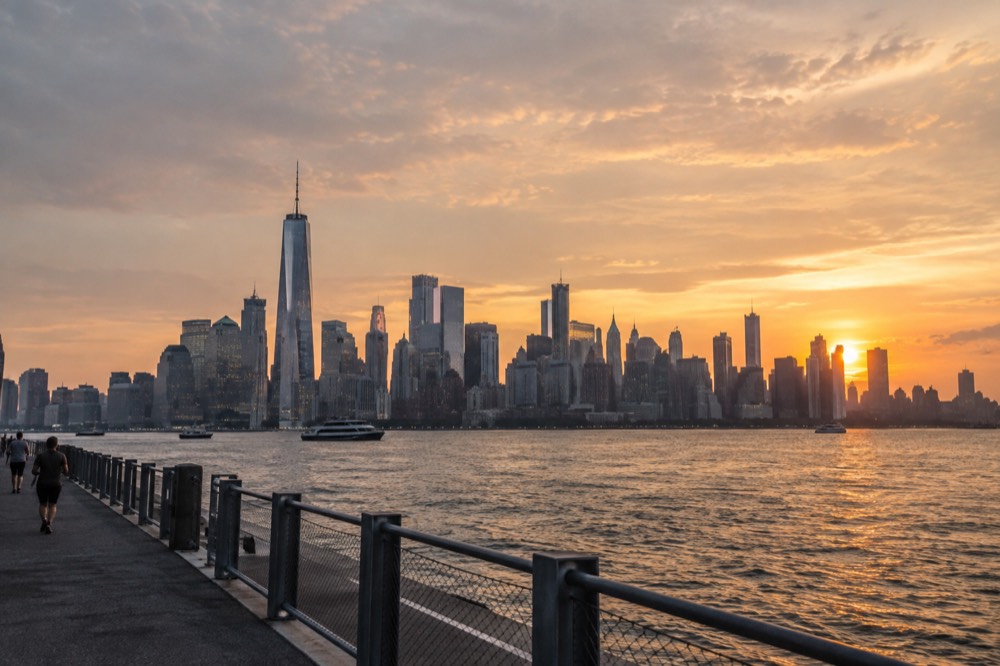
The last word belongs to the boring conclusion the data supports: New York is safe the way any great city is safe, rewarding ordinary habits and punishing absentmindedness. Plan the week, buy tickets from the source, tap the same card on every train, and the city's five boroughs open up, from the Staten Island Ferry's free ride to a Harlem gospel concert to a Brooklyn sunset over the bridge. The things to do in NYC hub is the next stop for turning that reassurance into an itinerary.