Parks in NYC: Every Park Worth Your Time, Borough by Borough
New York runs on its parks. Here is how the system actually works: which greens are worth the subway ride, which are free, when to go, and how the OMNY fare cap makes getting to all of them simpler than any guide still admits.
Short answer
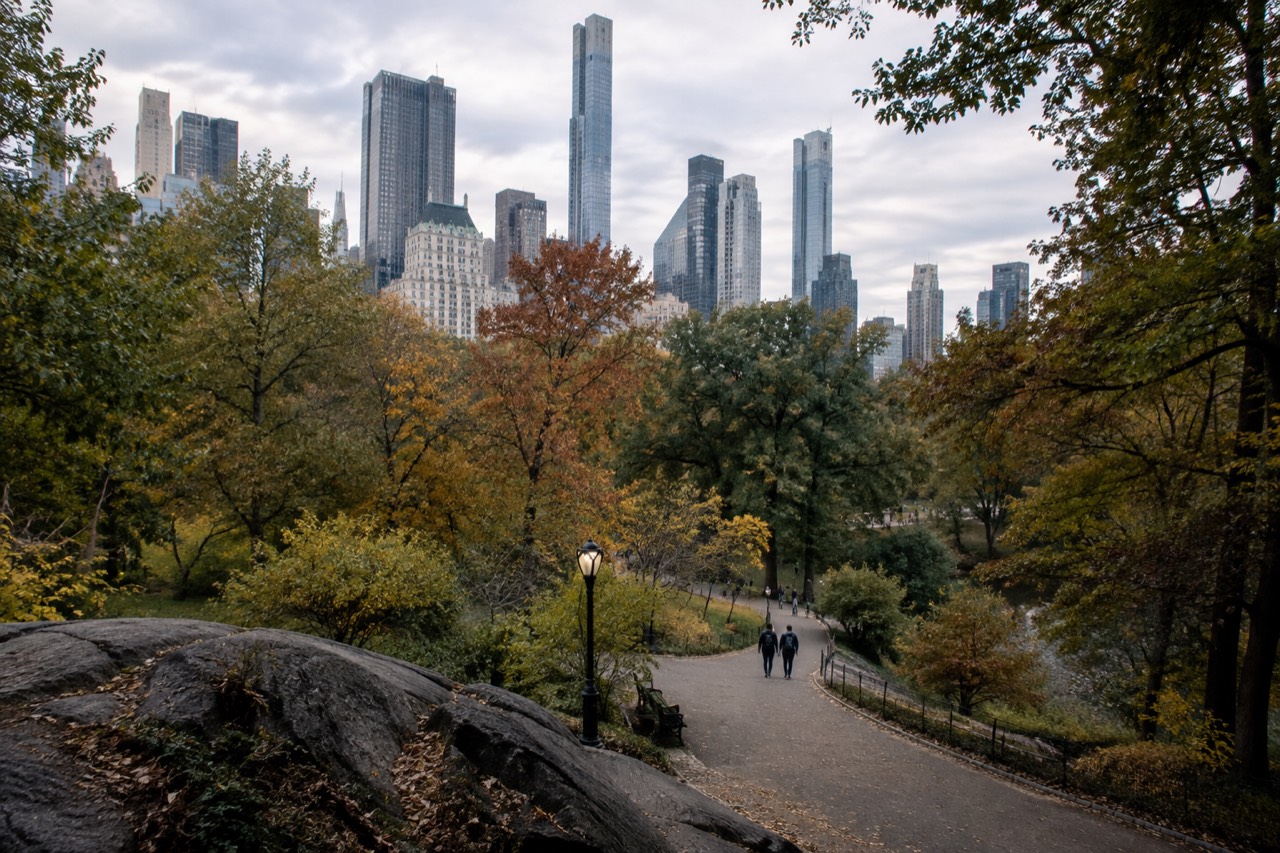
The best parks in NYC are Central Park in Manhattan, Prospect Park in Brooklyn, Flushing Meadows-Corona Park in Queens, the Bronx's Pelham Bay Park, and the Greenbelt on Staten Island. Nearly all of them are free to enter, open year-round, and reachable by subway with a tap of a card.
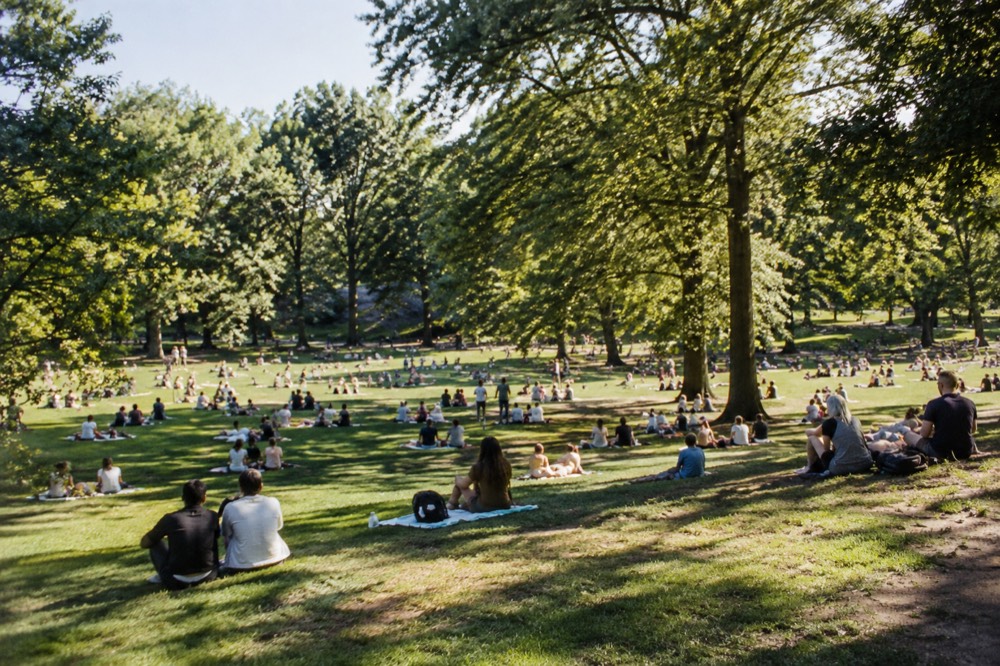
Ask a New Yorker where they were on the first warm Saturday of the year and the answer is almost always a park. The city holds roughly a tenth of its land as parkland, spread across all five boroughs, and the gap between the famous greens and the ones locals actually use is wide. Central Park gets the postcards. Pelham Bay Park in the Bronx is bigger, quieter and has a shoreline. The Greenbelt on Staten Island has hiking trails that feel nothing like the city around them.
This guide covers the parks that reward a visitor's time: the flagships, the free ones, the ones with the best skyline views, and the practical mechanics of getting to them. One thing worth knowing before anything else, because almost every other guide on this subject gets it wrong: as of 1 January 2026 the MTA no longer sells or refills MetroCards at all. There is no 7-day unlimited pass to buy any more. You tap a card or phone at the turnstile, the fare is $3.00, and once you hit $35 in a rolling seven-day window the rest of your rides that week are free. That single change reshapes how cheaply a park-hopping week can be done, and it is covered in full further down.
What Are the Best Parks in NYC?
The best parks in NYC are Central Park in Manhattan for the classic experience, Prospect Park in Brooklyn for a more local feel, Flushing Meadows-Corona Park in Queens for its World's Fair remnants, Pelham Bay Park in the Bronx for coastline and woods, and the Greenbelt on Staten Island for real hiking. All five are free to enter and open year-round. Central Park and Prospect Park are the two most visitors can comfortably fit into one trip.
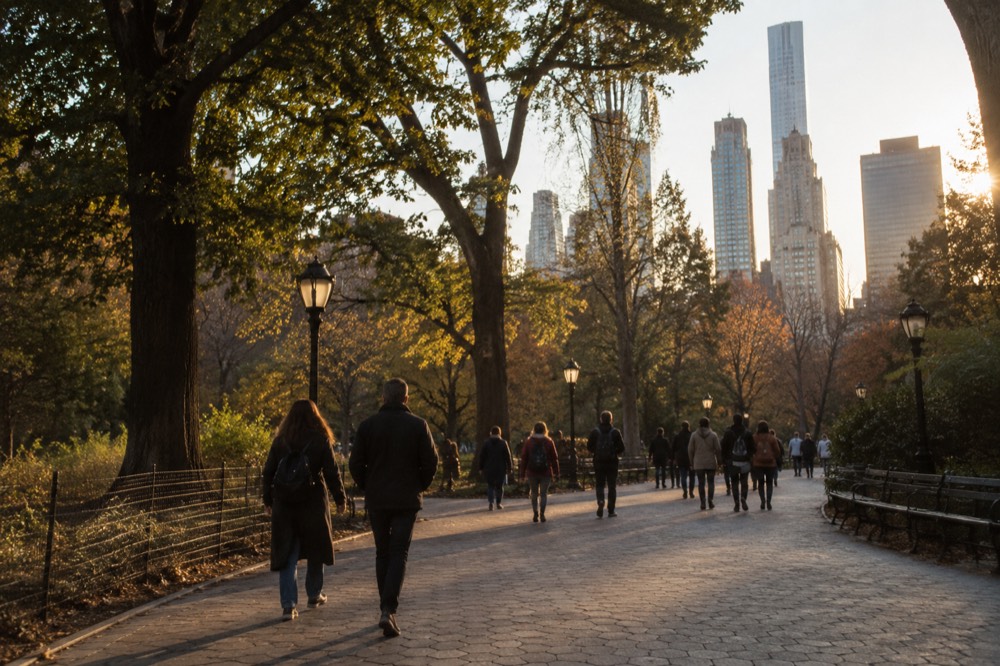
Central Park is the one almost nobody skips, and it earns the attention. Bethesda Terrace, the Mall, Bow Bridge and the Ramble sit inside a designed landscape that rewards wandering, and the sheer scale means a first visit rarely covers it all. The park also hides its best corners from people who stick to the main drags, which is why a guided walk or a good map matters more here than anywhere else in the city. The Central Park guide on this site breaks the park down loop by loop.
Prospect Park is Central Park's Brooklyn sibling, and locals defend it fiercely. The Long Meadow, a single unbroken stretch of rolling lawn, is the kind of open ground Manhattan's park rarely offers, and the wooded Ravine feels further from the city than the subway ride that got you there. Add the adjacent Brooklyn Museum and Botanic Garden and a full day assembles itself.
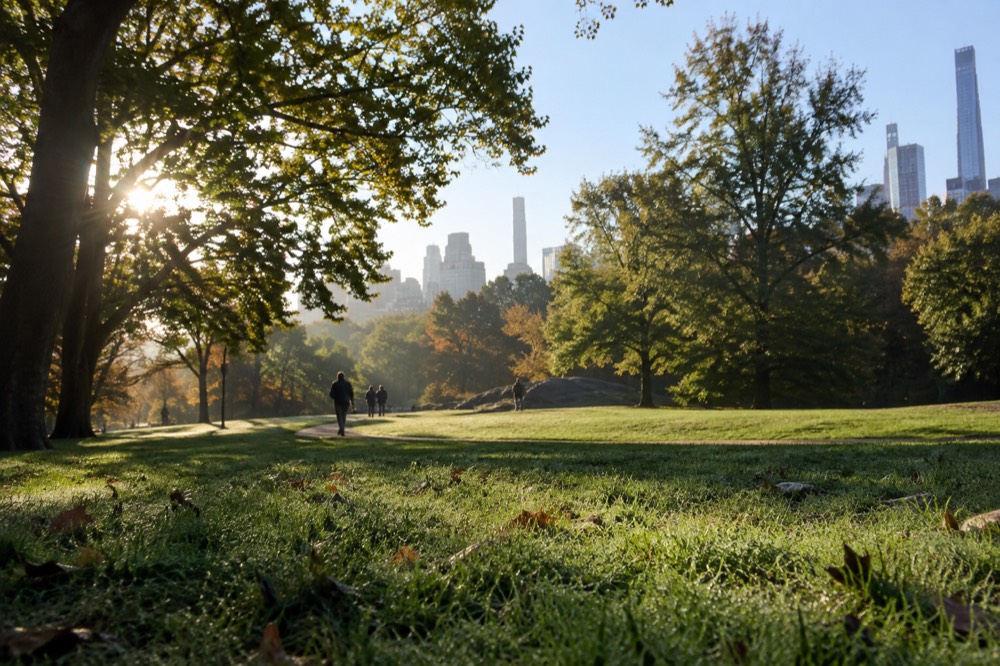
Beyond the big two, the character changes. Flushing Meadows-Corona Park in Queens holds the Unisphere, the giant steel globe left from a World's Fair, and the grounds around it host the Queens Museum, the zoo and the tennis center. Pelham Bay Park in the Bronx is the city's largest park, with salt marshes, trails and Orchard Beach on the Long Island Sound. The Greenbelt on Staten Island, reachable via the free Staten Island Ferry and a connecting bus, has more than thirty miles of hiking trails through forest that predates the city grid.
| Park | Borough | What it is known for | Best for |
|---|---|---|---|
| Central Park | Manhattan | Bethesda Terrace, the Mall, the Ramble | First visits, iconic sights |
| Prospect Park | Brooklyn | The Long Meadow, the Ravine, the Bandshell | A local's day out |
| Flushing Meadows-Corona Park | Queens | The Unisphere, museums, tennis | Culture plus green space |
| Pelham Bay Park | Bronx | Woods, salt marsh, Orchard Beach | Escaping the crowds |
| The Greenbelt | Staten Island | Hiking trails, forest | A half-day of real walking |
| The High Line | Manhattan | Elevated rail line turned walkway | Skyline views, design |
| Riverside Park | Manhattan | Hudson waterfront, promenades | Sunsets, cycling |
For a fuller rundown of what else the city holds, the things to do in NYC page places the parks alongside the museums, decks and neighborhoods that fill out a trip.
Is Central Park Free to Visit?
Yes, Central Park is completely free to enter, with no ticket, no gate and no timed entry anywhere in the landscape itself. The exceptions are the specific attractions inside it: the Central Park Zoo, the carousel, rowboat and bike rentals, and a handful of ticketed events. A visitor can walk from Grand Army Plaza to the Harlem Meer without paying a cent, and most people do exactly that.
That freeness is the reason the park works for every kind of visitor. A family on a budget gets the same lawns, the same bridges and the same views as anyone staying in a suite on Fifth Avenue. The zoo and the carousel cost money, and rentals add up, but the park itself never asks for anything.
What the park does ask for is time and a sense of direction. The loops confuse people. Paths that look parallel curve into each other, exits appear where the map shows none, and the distance between the southern end and the northern one is genuinely long on foot. First-timers who want Bethesda Terrace, the Mall and the movie locations without the navigation stress do well with a guided walk, and the two-hour Central Park Guided Walking Tour handles exactly that: the highlights, the stories behind the design, flat paths suitable for most fitness levels.
There is also a free option, worth naming plainly because it is a genuinely different product. A tip-based nature walk on GuruWalk covers the park's quieter corners, the Ramble and the lawns most visitors walk straight past, with a local guide who takes payment as a tip at the end. Free walks in New York are not a wide market of operators, so treat what exists as what exists.
For visitors who would rather eat their way through a neighborhood than walk a loop, the downtown equivalent is a food tour, and the Chinatown and Little Italy route pairs well with a Columbus Park stop, one of the city's liveliest small greens, where chess players and erhu players share the benches most afternoons.
Which Parks in NYC Have the Best Skyline Views?
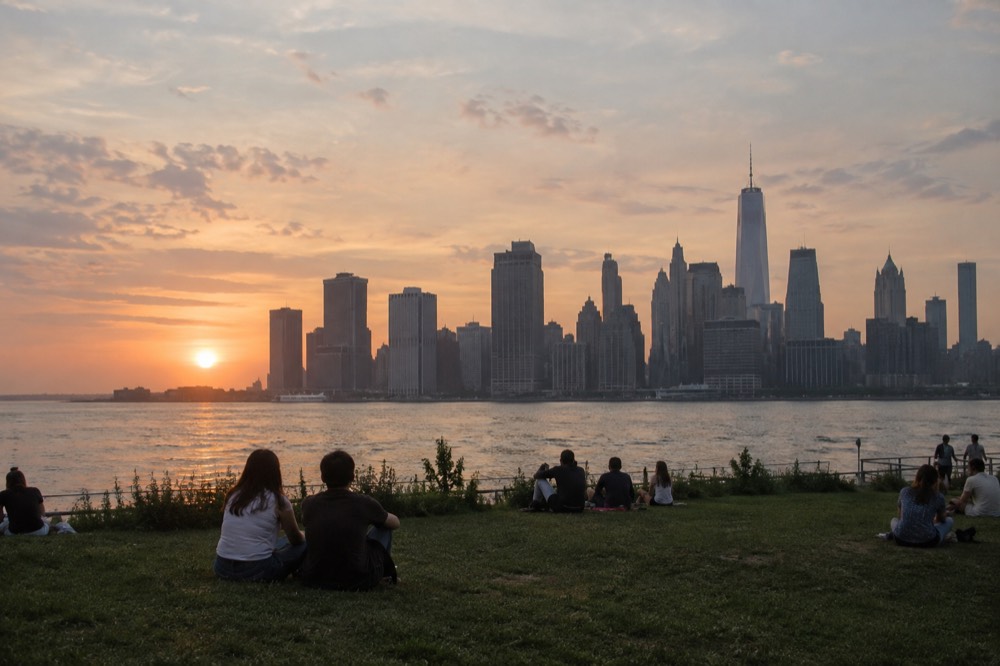
The best skyline views from parks in NYC are from the Long Meadow and the Peninsula in Prospect Park, Gantry Plaza State Park in Long Island City, Brooklyn Bridge Park's piers, and the northern end of the High Line. Gantry Plaza is the standout for Manhattan's Midtown towers, because it looks directly across the river at the Empire State Building's flank with the water in the foreground.
Gantry Plaza State Park in Queens is the view most people do not know to chase. The old gantry cranes that once lifted rail cars onto barges still stand on the waterfront, framing the Midtown skyline behind them, and the park is a short subway ride from Grand Central on the 7 train. Sunset there is a local ritual rather than a tourist one, which changes the whole tone of the visit.
Brooklyn Bridge Park does the same job from the south. The piers stretch along the East River directly under the Brooklyn Bridge, and the lawn at Pier 1 plus the promenade above give the classic Lower Manhattan panorama, bridges included. It pairs naturally with a walk across the bridge itself, and the free Brooklyn Bridge, Brooklyn Heights and Dumbo walk on GuruWalk covers the promenade and the waterfront blocks with a guide who works for tips.
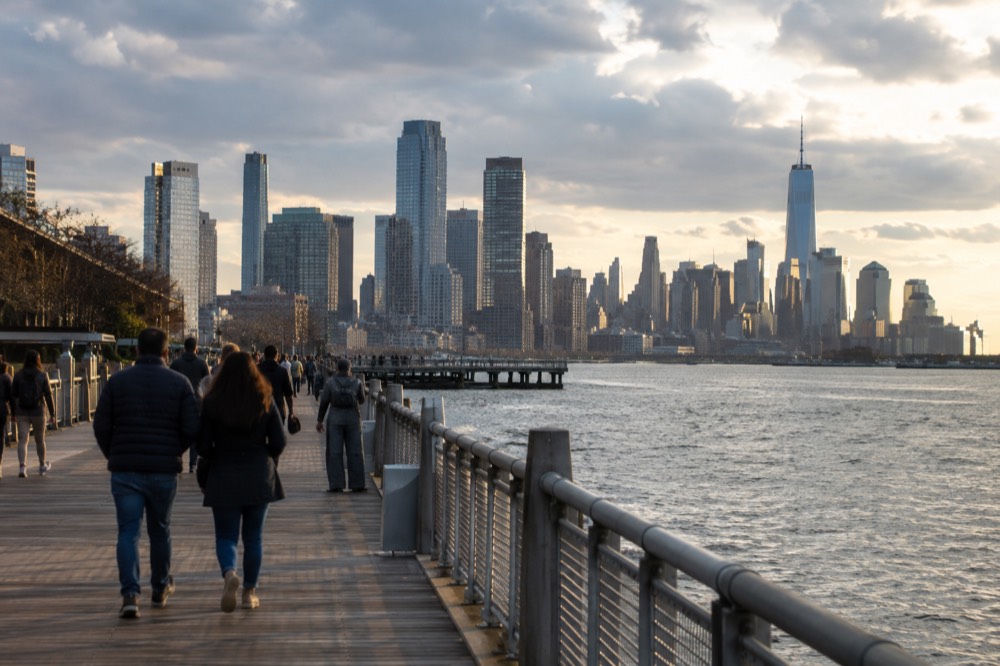
The High Line is the third of the view parks, and the most designed. Built on an elevated freight rail line, it threads between buildings from the Meatpacking District north to Hudson Yards, and its raised position puts the walker at window level with the west side. The High Line guide covers entrances, timing and how to pair it with Chelsea Market. For a fuller ranking of viewpoints across the city, including the paid decks, see the best views page on this site.
What Can You Do in NYC Parks Besides Walking?
Beyond walking, NYC parks offer rowing and biking in Central Park, free summer concerts and Shakespeare in several parks, ice skating in winter, beach days at Pelham Bay and Coney Island, and food vendors that turn some greens into open-air eating destinations. Most activities are free or cheap, and the seasonal calendar matters more than the park choice: a July visit and a February visit are different trips entirely.
The free programming is the underused part. Summer stages in Central Park, Prospect Park and elsewhere host concerts through the warm months, and outdoor theater is a long-standing tradition, with tickets that cost far less than Broadway. In winter the skating rinks open, including the one at Rockefeller Center, and the parks empty into the quietest version of themselves, bare trees and long sightlines.
Eating is its own park activity. Columbus Park in Chinatown is the street-food-adjacent green, Madison Square Park hosts the original Shake Shack, and the food trucks and carts clustered around the major parks are a legitimate lunch plan rather than a compromise. The guided food tours treat this seriously, and the routes through Chelsea Market and the High Line combine the eating with the walking in one outing.
| Activity | Where | Season | Cost shape |
|---|---|---|---|
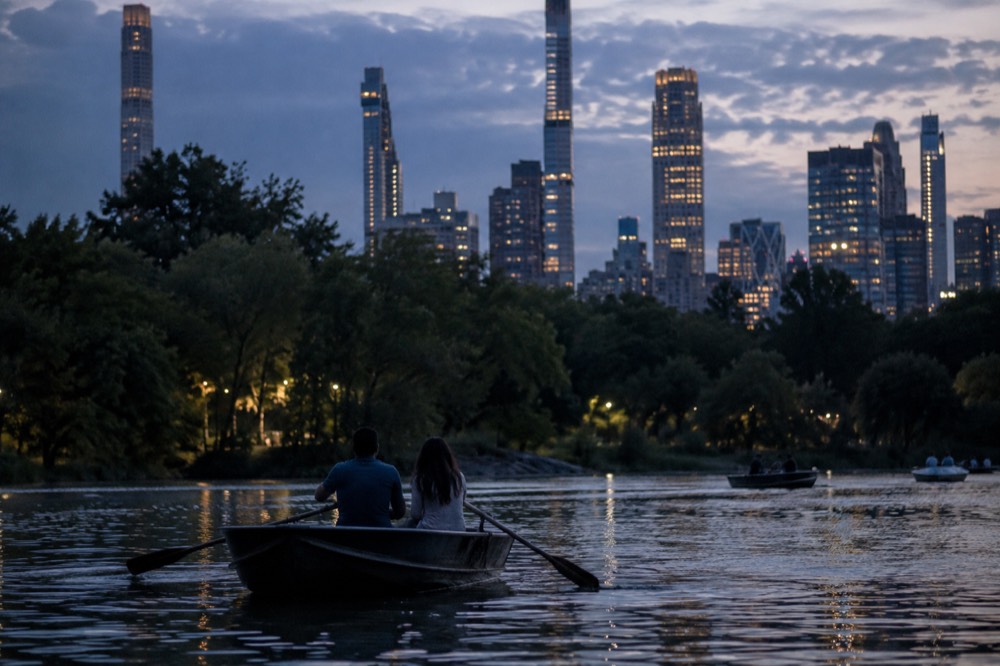
| Rowboating | Central Park Lake | Spring to fall | Hourly rental |
| Free concerts | Central Park, Prospect Park | Summer | Free |
| Ice skating | Central Park, Rockefeller Center | Winter | Session fee, skate rental extra |
| Beach day | Orchard Beach, Coney Island | Summer | Free entry |
| Food carts and markets | Columbus Park, Madison Square Park | Year-round | Pay as you eat |
| Guided food walk | Chelsea Market and the High Line | Year-round | Per person, tastings included |
For travelers who want a guide rather than a self-directed afternoon, the walking and food options below cover the two most park-adjacent routes in the city.
When Is the Best Time to Visit Parks in NYC?
The best months for NYC parks are late April through June and September through early November, when temperatures are mild and the landscape is at its best: spring greenery, summer lawns or fall color. July and August are the hottest months but also the wettest, with July averaging 4.60 inches of rain, the year's peak. February is both the snowiest month, 10.1 inches on average, and the driest, so winter visits trade mud for bare, quiet paths.
Those figures come from the official NOAA 1991-2020 climate normals for Central Park, and they contradict what most visitors assume. Summer is booked as the safe season, but the data says July is the wettest month of the year in New York, ahead of August and June. Winter visitors braced for January snow actually get less of it than February delivers. The month-by-month detail, including how it fits the rest of a trip, is laid out in the site's best time to visit NYC coverage.
| Month | Avg high | Avg low | Precipitation | Snowfall |
|---|---|---|---|---|
| March | 49.9 | 35.8 | 4.29 in | 5.0 in |
| April | 61.8 | 45.5 | 4.09 in | 0.4 in |
| May | 71.4 | 55.0 | 3.96 in | 0.0 in |
| June | 79.7 | 64.4 | 4.54 in | 0.0 in |
| July | 84.9 | 70.1 | 4.60 in | 0.0 in |
| August | 83.3 | 68.9 | 4.56 in | 0.0 in |
| September | 76.2 | 62.3 | 4.31 in | 0.0 in |
| October | 64.5 | 51.4 | 4.38 in | 0.1 in |
Timing within the day matters nearly as much as the month. Weekend afternoons put you on the lawns with the city at its most sociable, which is the point for some visitors and the problem for others. Early mornings belong to runners and dog walkers, and the parks are at their most photogenic in the first and last hours of light. The MTA's own 2025 ridership data adds a wrinkle: weekend subway ridership has recovered to 88 percent of pre-pandemic levels while weekday ridership sits at 73 percent, so the weekend trains are, relative to normal, the fuller ones.
How Do You Get to NYC Parks Without a Car?
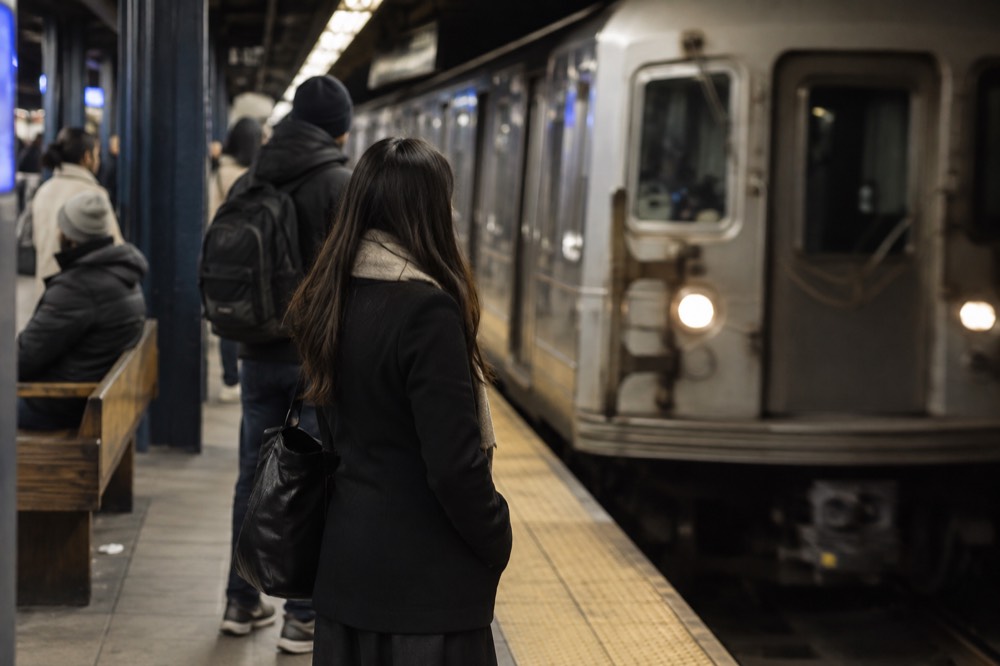
You get to NYC parks by subway almost always, tapping a contactless card or phone at the turnstile for a $3.00 fare, with free transfers between subway and bus within two hours. The old 7-day unlimited MetroCard no longer exists: the MTA stopped selling and refilling MetroCards on 1 January 2026, and the replacement is an automatic $35 weekly fare cap through the OMNY system, which needs no pass and no purchase decision.
That fare cap is the single most useful transport fact for a park-heavy itinerary. Tap the same card or phone every time, and once your rides total $35 inside a rolling seven-day window, every further subway and local bus ride that week is free. Twelve paid rides gets you there. The catch is consistency: mixing your phone with the plastic card in your pocket breaks the cap silently, because the system counts each card or device separately. Groups should note that each traveler needs their own card or device to earn their own cap.
| Item | Value |
|---|---|
| Single subway or local bus ride | $3.00 |
| Express bus ride | $7.25 |
| Weekly OMNY fare cap (subway and local bus) | $35, automatic |
| Free transfer window | 2 hours, subway to bus and back |
| Children under 44 inches | Up to three ride free with a paying adult |
| Staten Island Ferry | Free |
For the outer-borough parks, the rides are longer but simple. Flushing Meadows-Corona Park sits beside the 7 train's Mets-Willets Point stop. Pelham Bay Park has its own station on the 6 line, the rare park with a subway stop named for it. The Staten Island Greenbelt starts with the free Staten Island Ferry from Lower Manhattan, a 25-minute crossing that is itself one of the city's best free experiences, followed by a connecting bus. The Staten Island Ferry guide covers the crossing in detail. Uptown and downtown, not north and south, is how New Yorkers give directions on the trains. The full transport picture, including buses and the commuter rails, is in the site's guide to getting around NYC.
Are NYC Parks Safe to Visit?
Yes, the major NYC parks are safe to visit during the hours they are officially open, and the busiest ones, Central Park, Prospect Park and the High Line, carry heavy foot traffic through most of the day. The honest cautions are about timing and edges rather than place: large parks are best experienced in daylight, the quiet wooded sections feel different after dark, and individual parks post their own opening hours, which the city enforces.
The honest answer avoids both fearmonger and false comfort. Nothing in the verified research for this site supports describing any park or neighborhood as dangerous, and blanket statements of that kind are not made here. What is real and checkable: parks have posted hours, they are patrolled, and the practical advice every local follows is to keep to populated paths once the light goes. The High Line closes overnight, and Central Park's drives and paths thin out late.
Daylight solves almost all of it. The parks are at their busiest between mid-morning and dusk, and a visitor following the normal rhythm of a sightseeing day will share every path with plenty of other people. Solo early-morning runs on the main loops are ordinary city life. The deep woods of the Ramble or the Greenbelt after sunset is a different proposition, not because of crime statistics but because unlit forest is unlit forest.
For travelers assembling a fuller safety picture for the whole city, the site's is NYC safe coverage treats the question with sourced figures rather than vibes.
Which NYC Parks Are Worth the Subway Ride?
The NYC parks most worth a dedicated subway ride are Prospect Park in Brooklyn, Gantry Plaza State Park in Queens, Pelham Bay Park in the Bronx and the Greenbelt on Staten Island, because each offers something Central Park cannot: bigger lawns, a waterfront skyline view, a shoreline, or real hiking. The High Line and Riverside Park in Manhattan are shorter trips that still change the day entirely. Pick by what the visit is for, not by fame.
A practical way to choose: decide whether the afternoon is for views, for woods or for people-watching, then match the park. Views mean Gantry Plaza or Brooklyn Bridge Park. Woods mean Pelham Bay or the Greenbelt. People-watching means Central Park's Sheep Meadow or Prospect Park's Long Meadow on a weekend. Each of these is a single subway fare away under the OMNY cap, which makes a two-park day, one flagship and one outer borough, a genuinely reasonable plan.
The bridge-and-waterfront combination deserves special mention because it stacks so well. A walk over the Brooklyn Bridge, the promenade in Brooklyn Heights and the piers of Brooklyn Bridge Park form one continuous route, and doing it with a guide turns the engineering and preservation stories into the substance of the walk rather than trivia. The free option on GuruWalk covers exactly that route and takes tips at the end. The site's roundup of NYC walking tours places it among the other guided options.
| Guided option | Type | Duration | Rating |
|---|---|---|---|
| Central Park Guided Walking Tour | Paid walking tour | 2 hours | 4.9 |
| Free Central Park nature walk on GuruWalk | Free, pay what you want | 2 hours 30 minutes | 4.87 |
| Free Brooklyn Bridge, Heights and Dumbo walk on GuruWalk | Free, pay what you want | 3 hours | 4.98 |
| Chelsea Market and High Line food tour | Paid food tour | 3 hours | 4.9 |
Whichever way the week is shaped, the parks are the part of New York that costs the least and gives the most. The museums and decks price by date and slot; the greens ask only for the fare to reach them and the hours to enjoy them. For more on planning the days around them, the New York City Travel Guide homepage is the orientation hub for the whole site.
Common Questions About Parks in NYC
The most common questions about parks in NYC concern cost, size, dogs, alcohol and the difference between the famous greens and the outer-borough ones. The short answers: entry is free, the parks are large enough to need planning, dogs are welcome on a leash in most places with designated off-leash hours, alcohol is not permitted, and the outer-borough parks are bigger, quieter and every bit as worth the ride.
Are all parks in NYC free?
Yes, entry to every public park in New York City is free, including Central Park, Prospect Park, Flushing Meadows-Corona Park and the Greenbelt. What costs money are attractions inside them: the Central Park Zoo, the carousel, boat and bike rentals, and ticketed events. The High Line is also free, though it closes overnight.
Is Central Park or Prospect Park better?
Central Park is better for a first visit: the landmarks, the scale and the movie locations are concentrated there. Prospect Park is better for a second visit or a more local afternoon: the Long Meadow is a single unbroken lawn, the Ravine feels genuinely wooded, and the crowds are smaller. Both are free and both are worth hours.
Can you drink alcohol in NYC parks?
No. Alcohol is not permitted in New York City parks, and enforcement is real, especially on busy summer weekends. The parks are for picnics, and the city's enforcement of the no-alcohol rule is one of the more consistently applied rules on parkland.
Are dogs allowed in NYC parks?
Dogs are allowed on a leash in most NYC parks, and many large parks have designated off-leash hours, typically early morning to roughly 9am in the areas where it applies. Some lawns and enclosed areas restrict dogs entirely, so check the signage at the entrance of each park.
What is the biggest park in NYC?
Pelham Bay Park in the Bronx is the largest park in New York City, larger than Central Park, with woods, salt marsh and Orchard Beach on the Long Island Sound. It is reachable on the 6 train, one of the few parks with a subway stop named for it.
How many days do you need for NYC parks?
One full day for Central Park and a half day for one other park, the High Line or Prospect Park, covers the essentials on a short trip. A week-long visit with the OMNY fare cap in play can comfortably add Gantry Plaza, Pelham Bay and the Staten Island Greenbelt, since each costs a single tap to reach.