NYC on a Budget: A Realistic Cheap Trip Plan
New York punishes vague budgeting. The subway is $3.00 a ride, a hot museum ticket is $30, and one wrong ferry purchase can cost you the chance to stand on Liberty Island at all. This is the arithmetic of a cheap New York trip, built on prices checked against official sources.
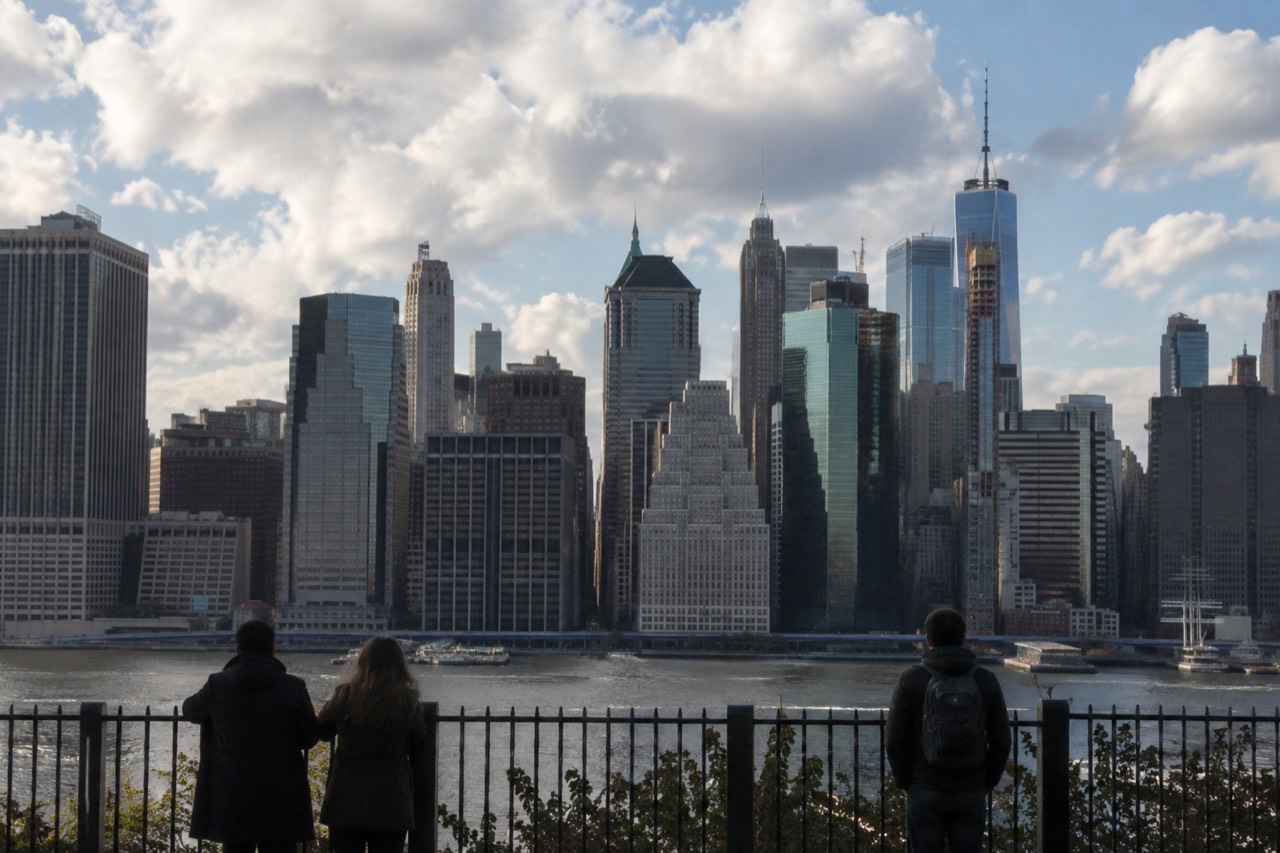
Short answer
A budget New York trip works when you lean on the $35 OMNY weekly fare cap, free attractions like the Brooklyn Bridge and the 9/11 Memorial plaza, and genuinely free or pay-what-you-wish museum windows. Accommodation is the biggest line, food can be cheap if you eat the way locals on a budget eat, and passes like CityPASS only pay off if you actually use all five tickets.
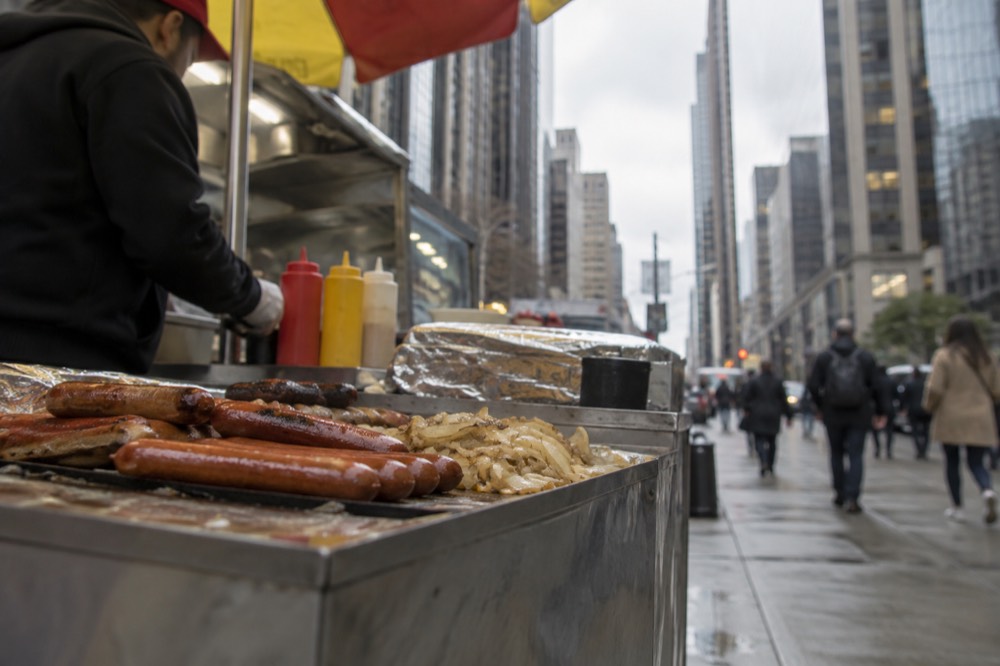
The Staten Island Ferry crosses New York Harbor for free, past the Statue of Liberty, and half the visitors crammed onto its deck treat it as the best deal in the city. It is. New York is full of things like that, but it is also full of quiet budget killers: a $3.00 subway fare that adds up faster than people expect, a $30 museum ticket that is only $30 for some people, and sightseeing boats that circle Liberty Island without ever landing on it, sometimes for more than the official ferry costs. A cheap New York trip is less about finding discounts and more about knowing which prices are real and which are traps. This plan is built from prices checked against the MTA, the National Park Service, and the museums' own ticketing pages, and it assumes you want to actually see the city, not just survive it.
How Much Does a Budget Trip to New York Actually Cost?
A realistic bare-bones New York budget makes the bed the biggest line, keeps food cheap by eating the way locals on a budget eat, and lets the $35 weekly transit cap make getting around the cheapest part of the trip. Attractions are the swing factor: a week of free sights costs nothing beyond shoe leather, while stacking five paid attractions without a pass can top $300 per person at the box office.
The honest breakdown starts with the bed. Accommodation is the single largest line in any New York budget, and this site deliberately does not quote nightly hotel rates, because they move with dates and demand. What is safe to say: a hostel dorm bed is the cheapest legitimate option in Manhattan and the outer boroughs, private rooms in Brooklyn and Queens cost meaningfully less than Midtown Manhattan equivalents, and anything walkable to Times Square carries a premium you pay for convenience rather than quality.
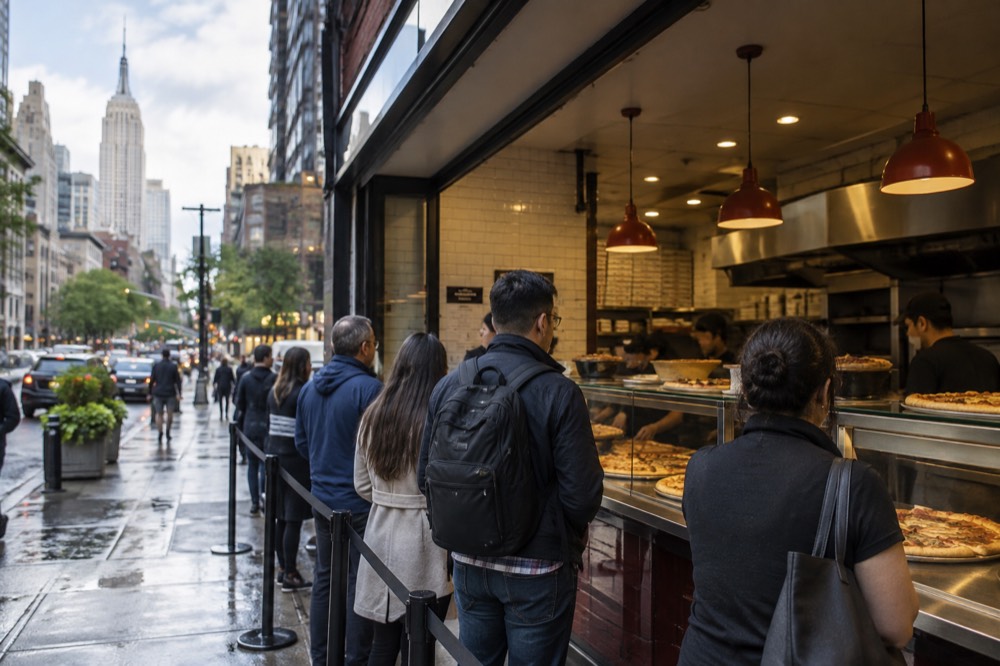
Food is more controllable than most guides admit. A slice of pizza, a bagel with cream cheese, a bodega sandwich: these are the actual budget foods of the city, not a compromise. Dollar-slice joints and halal carts exist across Manhattan. Sitting down for table service in the Theater District is where budgets go to die, and where to eat before a Broadway show matters more when every dollar counts.
Here is what the fixed, verified pieces of a New York budget look like:
| Budget line | Real cost | Notes |
|---|---|---|
| Subway or local bus ride | $3.00 | Free transfer within 2 hours |
| Week of unlimited riding | $35 cap | Automatic OMNY cap, no pass to buy |
| Staten Island Ferry | Free | Crosses the harbor past the statue |
| Official Liberty Island ferry | $26.00 adult | Grounds of both islands and both museums |
| Met general admission | $30 adult | Fixed for out-of-state visitors |
| MoMA general admission | $30 adult | Free Friday evenings for NY State residents only |
| 9/11 Memorial plaza | Free, no ticket | The outdoor pools, daily 8am-8pm |
| 9/11 Memorial & Museum | $36 adult | Free Monday admission, first come first served |
That table is the skeleton of every cheap New York itinerary. The rest of this guide is about sequencing those pieces so the money goes where the memories are.
How Do You Get Around New York Cheaply?
The subway is the answer, and it is cheaper than every guide still claims: a ride is $3.00, and once you have tapped $35 in a rolling seven-day window, every further subway and local bus ride that week is free. There is no pass to buy. The cap applies automatically as long as you tap the same card or phone every time, and the seven days start from your first tap, not a Monday.
The MetroCard era is over. As of 1 January 2026 the MTA no longer sells or refills MetroCards at all, and the old 7-day unlimited pass they supported has to be replaced by the automatic OMNY cap. Any guide that tells you to "buy a 7-day unlimited when you land" is sending you to a product that no longer exists. You tap a contactless credit card, debit card, phone, or the $1 OMNY card, and the system does the maths for you. Full detail is in the OMNY guide.
The trap is mixing payment methods. If you tap your phone in the morning and the plastic card in your pocket in the afternoon, neither device accumulates toward the cap and you pay full fare all week. Pick one, stick to it. Groups should note that each traveler needs their own card or device; a single card tapped for four people does not earn anyone a cap.
Airport transfers are where arriving visitors overspend first. From LaGuardia the Q70 LaGuardia Link bus is free, so subway plus Q70 is $3.00 total, the cheapest airport run in the city. From JFK the AirTrain adds $8.75 on top of your subway fare, making the trip $11.75 end to end. Newark runs $16.80 by NJ Transit train with the AirTrain fare included, though note the current weekday shuttle-bus substitution between the terminals and the rail station. The details per airport are covered in JFK to Manhattan and the other airport guides.
Is the CityPASS Actually a Good Deal for Budget Travelers?
The New York CityPASS costs $149.00 for adults and covers your choice of five attractions from an eleven-attraction menu, valid for nine consecutive days from first use. CityPASS's own maths puts the combined box-office value of the top five at $307.04, a saving of $158.04. If your trip is built around free and cheap sights rather than the paid heavy hitters, the pass can be money thrown away.
The math is simple and worth doing honestly. The five most expensive included attractions at box office, per CityPASS's published table: the Empire State Building AM/PM Experience at $75.12, Top of the Rock at $71.86, Edge at $62.06, the American Museum of Natural History at $43.00, and the 9/11 Memorial & Museum at $36.00. Add those up and you are well past the $149.00 pass price, which is where the savings claim comes from. But pick five cheaper ones instead, the Guggenheim at $30.00, the Whitney at $30.00, the Intrepid at $38.00, the Statue of Liberty ferry at $26.00, and Circle Line at $55.00, and the arithmetic tightens considerably. The pass rewards the deck-and-museum stackers and punishes the wanderers.

For a budget trip the question is whether you want two observation decks at all. One deck, one museum, the statue ferry, and a week of free streets might cost less than the pass and suit your trip better. Compare it against the alternatives before committing: New York CityPASS against the New York Pass against Go City. One warning that most competing guides still miss: The Sightseeing Pass ceased trading in 2025 and no page should recommend it. Budget travelers should also read the fine print on what a New York trip costs before locking in plans.
What Is Genuinely Free in New York?
More than in almost any comparable city: the Staten Island Ferry, the Brooklyn Bridge promenade, the 9/11 Memorial plaza, Central Park's core sights including Bethesda Terrace, the High Line, Grand Central's main concourse, and Times Square itself all cost nothing. Several museums also run genuinely free windows, though most of those carry residency or timing conditions you need to know in advance. Free in New York is real, but it is not evenly distributed.
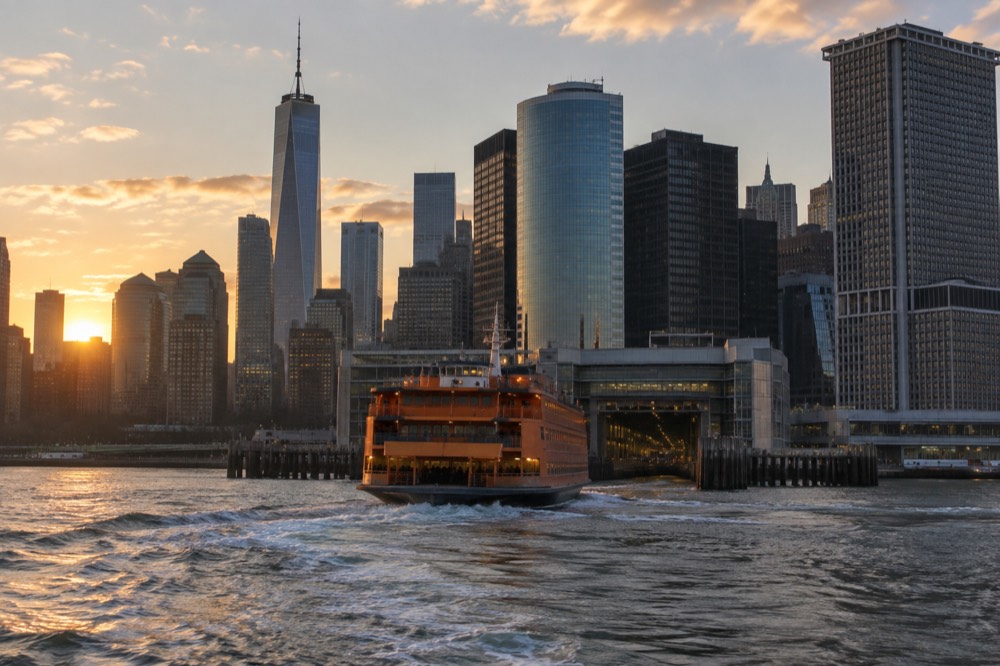
Start with the water. The Staten Island Ferry is free both ways, takes about 25 minutes each crossing, and passes the Statue of Liberty with the Lower Manhattan skyline behind you. It is a commuter boat, not a cruise: no commentary, no drinks, and a crowd that surges at rush hour. Ride it mid-morning on a weekday for deck space. The view from the Brooklyn Heights promenade costs nothing either, and it is the best skyline view in the city.
The free museum windows are where budget trips are won, but each has a catch:
| Museum | Free window | The catch |
|---|---|---|
| 9/11 Memorial & Museum | Free Mondays | Tickets released on the website each Monday at 7am ET, first come first served |
| Whitney Museum | Friday nights 5pm-10pm, everyone | Advance tickets recommended, capacity limited |
| Whitney Museum | Second Sundays, all day, everyone | Timed tickets required |
| MoMA | Friday evenings 5:30pm-8:30pm | New York State residents only, proof required, reserve ahead |
| Guggenheim | Tuesdays and Sundays 4pm-5:30pm | Pay-what-you-wish, $1 minimum, sells out |
| AMNH | Any day | Pay-what-you-wish on general admission for NY State residents only, with ID |
| 9/11 Memorial plaza | Always | None, no ticket, open 8am-8pm |
Read that table carefully. The MoMA Friday free night that appears in every "free NYC" listicle is for New York State residents only, with proof of residency and advance reservation. A visitor from Ohio or Ohio State does not qualify. The Whitney's Friday night and Second Sundays are the rare genuinely open-to-everyone free museum windows in Manhattan, and the 9/11 Museum's Monday release is a real free shot at a $36 ticket if you are online at 7am. Full lists live in free things to do in NYC and free museums in NYC.
The Met deserves its own warning, because it is the most-misquoted price in American travel writing. The Met is not pay-what-you-wish for tourists. General admission is a fixed, mandatory $30 for adults, $22 for seniors, $17 for students, free for children 12 and under. Pay-what-you-wish applies only to New York State residents and students from New York, New Jersey and Connecticut, you must still pay something, and online pay-what-you-wish requires a New York State billing address. One genuine bonus most guides omit: every Met ticket includes same-day entry to The Met Cloisters uptown, so one $30 ticket covers two museums if you plan the day right. Some galleries are currently closed for renovation; check the Met's closures page before going for a specific wing.
What Should a Budget Day in New York Look Like?
A strong budget day pairs one anchor sight, free or cheap, with a walkable neighborhood and street food, spending almost nothing between breakfast and dinner. Mornings belong to the free icons before crowds build, midday to a museum with a free or cheap window if you have one, and late afternoon to a scenic walk like the Brooklyn Bridge or the High Line.
Realistically you can spend well under the cost of a single attraction ticket outside of accommodation and still eat well.
Here is a template day, using only verified prices. Breakfast: a bagel with cream cheese from a shop that does not have a line around the block, a few dollars at most. Morning: walk Central Park from Bethesda Terrace through the Mall to Bow Bridge, or cross the Brooklyn Bridge from Manhattan into Dumbo, both free. Midday: the Staten Island Ferry round trip, free, or a free-window museum if the day aligns. Afternoon snack: a dollar-slice or a halal cart plate. Evening: the skyline from the Brooklyn Heights promenade or the Greenwich Village streets, then dinner somewhere cheap in the East Village or Chinatown. Total spend outside accommodation is often less than the price of one museum ticket.
Stretched over days, that template becomes a full itinerary. Pair it with the existing plans in 2 days in NYC or 5 days in NYC, swapping the paid items for free ones where the math does not work for you.

A sample three-day budget sequence:
| Day | Morning | Midday | Afternoon and evening |
|---|---|---|---|
| 1 | Brooklyn Bridge walk into Dumbo, free | Staten Island Ferry round trip, free | Chinatown and Little Italy wander, dollar-slice dinner |
| 2 | Central Park, Bethesda Terrace and the Mall, free | Met at $30, then The Cloisters same day on the same ticket | Roosevelt Island tram ride and East Side walk |
| 3 | High Line, free | Chelsea Market browsing (eat cheap inside) | Whitney free Friday night if the day aligns, or promenade sunset |
That three-day core costs one $30 museum ticket plus food and subway fares, and it includes the bridge, the harbor, the park, the elevated park, and the skyline. Everything else in the city is a chosen upgrade.
How Do You See the Statue of Liberty Without Overspending?
The official ferry to Liberty Island and Ellis Island costs $26.00 for adults, $17.00 for children 4-12, and includes both islands, both museums, and audio tours, sold by Statue City Cruises from Battery Park or Liberty State Park. The trap is the lookalike market: numerous sightseeing cruises circle the islands and never land, some charging more than the real ferry. If you only want the view, the free Staten Island Ferry passes the statue.
The National Park Service authorizes exactly one operator, and that operator is the only boat allowed to dock at Liberty Island. Tickets are sold at statuecitycruises.com and at official booths inside Castle Clinton in Battery Park. Every ferry ticket includes the Statue of Liberty Museum on Liberty Island and the Ellis Island National Museum of Immigration, so the $26 is really a two-museum ticket with a boat ride attached. Ellis Island is a migration-history site, and its museum rewards an unhurried hour.
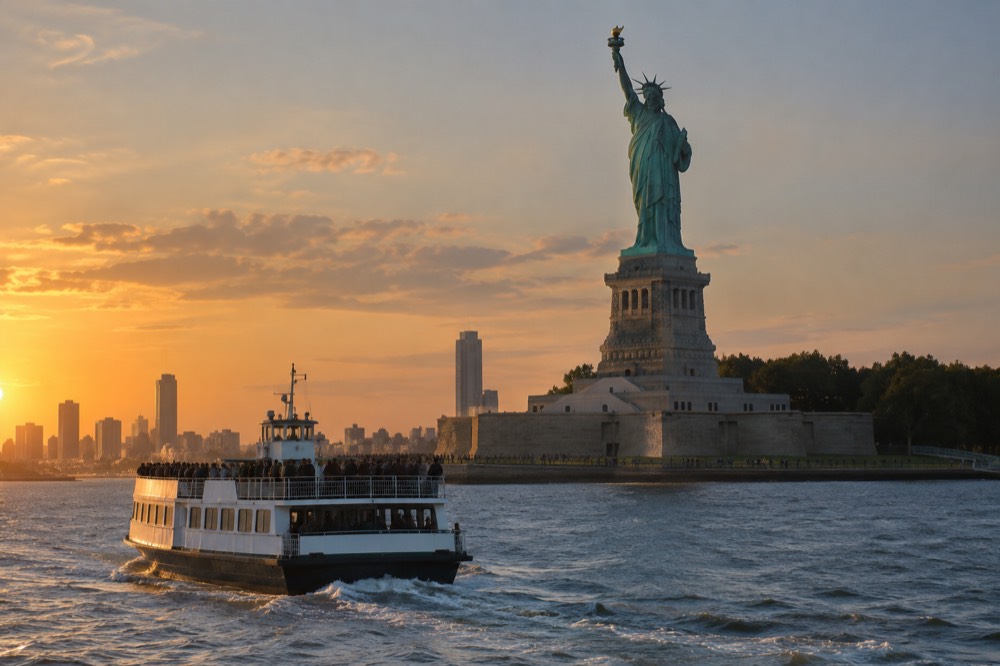
The crown is the famous scarcity, and the numbers behind it are odd enough to be worth knowing. A Crown Reserve ticket costs $26.30, thirty cents more than the grounds ticket. The barrier is not money, it is availability: crown tickets are name-bearing, capped at four per household, photo ID is checked, and they are reported to sell out months ahead. Budget travelers should treat the crown as a lottery ticket you book early or skip, not a price problem. Pedestal access is also capacity-limited and books out ahead. The full decision tree is in Statue of Liberty tickets and Ellis Island.
If the islands themselves are not essential, the 50-minute express cruises that depart from various piers offer the statue and the skyline from the water for less time and less money than a full islands visit. Just be clear-eyed about what you are buying: a photo opportunity, not Liberty Island. And if even that is over budget, the free Staten Island Ferry delivers a genuinely good harbor view.
Where Should You Eat on a Budget in New York?
Eat the food New York actually runs on: pizza by the slice, bagels, bodega sandwiches, halal cart plates, dumplings in Chinatown, and dollar-slice joints open late. A slice often costs a few dollars and a filling cart plate stays in the low teens. The budget killers are table-service restaurants in tourist zones, Theater District pre-show dinners, and any venue selling a view with the meal.
The classics hold up. A bagel with cream cheese from a high-volume shop is a legitimate New York breakfast for a few dollars. A dollar slice, even at the post-inflation $1.50-$3 most shops now charge, is lunch. Halal carts serve chicken and rice plates that are genuinely good, not a compromise. Chinatown dumpling shops sell by the tray. These are covered in depth in cheap eats in NYC, the best bagels, and the best pizza.
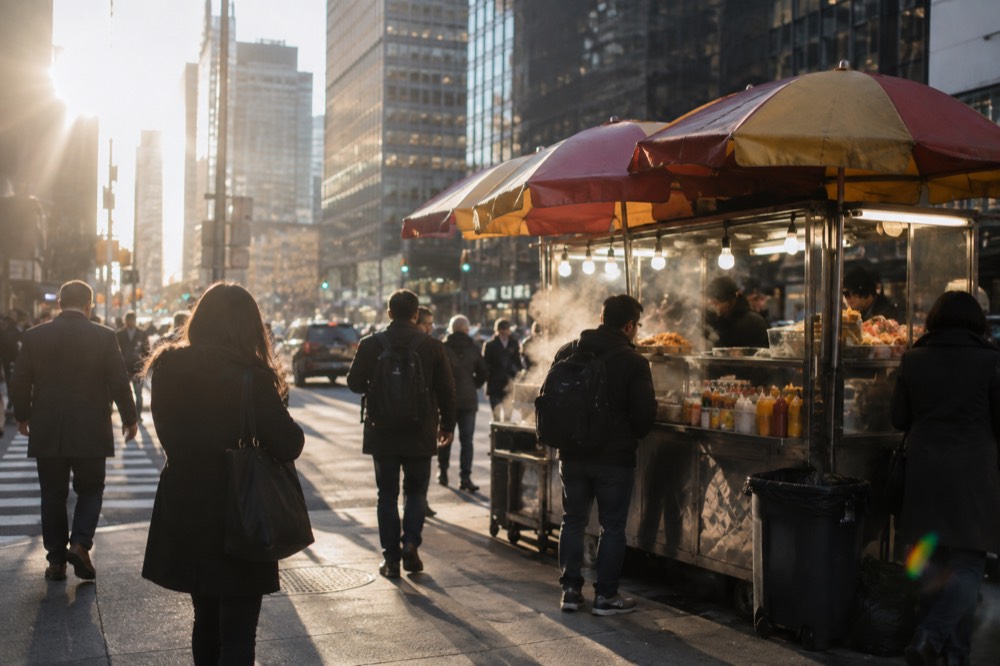
The structure that protects a food budget is geographic: eat where workers eat, not where tourists stand. Midtown's cart density is highest around office corridors at lunch, not attractions. Downtown, the East Village and Chinatown have the cheap-seat density. Happy hours exist and are honest, but sit-down dinners are where a cheap food day becomes an expensive one. If a special dinner matters to you, budget for one deliberately and make the other meals cheap without guilt. That is how New Yorkers themselves eat here.
What Are the Mistakes That Wreck a New York Budget?
The big five: paying for a 7-day unlimited transit pass that no longer exists, buying a non-landing harbor cruise thinking it includes Liberty Island, assuming the Met is pay-what-you-wish, buying an attraction pass without checking the included list against your actual plans, and eating every meal in the Theater District or near major attractions. Every one of these is avoidable with ten minutes of checking before you spend.
The transit mistake is the most widespread, because the old advice is everywhere. Nobody arriving today can buy a 7-day unlimited MetroCard; the product was retired with the card itself. The correct move is to tap the same contactless card or phone every ride and let the $35 weekly cap do its work. If a guide, a forum post, or a friend tells you otherwise, they are quoting a dead product.
| Mistake | What it costs you | The correct move |
|---|---|---|
| Buying a 7-day unlimited MetroCard | Impossible, it is not sold | Tap one card or phone; the $35 cap applies automatically |
| Non-landing "Statue cruise" | $24+ and no island access | Official ferry, $26.00, or the free Staten Island Ferry for the view |
| Assuming the Met is pay-what-you-wish | $30 surprise at the door | Budget $30; NY State residents and NY/NJ/CT students only get the flexible rate |
| A pass with no plan | Tickets bought and never used | List your must-dos first, then price the pass against the list |
| Attractions-zone meals | Double the price of food a few blocks away | Walk 5-10 minutes off the main drag |
One more, specific to this site's honesty rules: do not rank or comparison-shop the 9/11 Memorial and Museum against entertainment attractions. The plaza is free and always was. The museum beneath it is $36, free on Mondays via the weekly online release, and worth budgeting for as its own decision rather than part of a sightseeing bundle. More on planning around it is in the 9/11 Memorial and Museum guide.
Can You Do New York Cheaply for a Whole Week?
Yes, and a week is actually the budget traveler's friend, because the $35 OMNY cap covers all seven days and the free sights take that long to exhaust properly. A week of free anchors, one museum day at the Met with its two-location ticket, the $26 statue ferry, and street food throughout keeps attraction and transit spending low, with accommodation and long-distance travel as the only large lines left.
The week shapes up like this: days one and two on the downtown free circuit, bridge, harbor, promenade, Chinatown. Day three the Met and The Cloisters on one ticket. Day four the statue ferry and Battery Park. Day five Central Park and Museum Mile window-shopping, plus the Guggenheim's pay-what-you-wish window if the day is Tuesday or Sunday. Day six Brooklyn beyond the bridge: Williamsburg, Dumbo, the waterfront. Day seven flexes to weather and energy. The fuller skeleton lives in 7 days in New York, and the whole approach is laid out for newcomers in NYC for first-timers.
Weather matters more than budget travelers expect, because the free plan is an outdoor plan. The official NOAA normals for Central Park hold two surprises: July is the wettest month of the year at 4.60 inches of precipitation, and February out-snows January, 10.1 inches against 8.8. Summer visitors should not assume they have dodged rain, and winter visitors should know the snow risk peaks after January. There is no dry season in New York; the spread between the driest and wettest months is barely an inch and a half. Build a rainy-day fallback from the lists in rainy day activities in NYC before you need it.
Common Questions About NYC on a Budget
Budget travelers ask the same handful of questions, and the answers mostly hinge on rules that changed recently: the transit cap replaced the unlimited pass, several museum free windows carry residency conditions, and the pass question depends entirely on your itinerary. These are the short answers.
How much money do I need per day in New York on a budget?
Accommodation is the biggest line, and this site does not quote nightly hotel rates because they move constantly. Outside of the bed, a disciplined day can be genuinely cheap: the $35 weekly transit cap covers all your riding, street food keeps meals down, and free attractions fill the days. Paid attractions are the only large discretionary line.
Is the subway expensive in New York?
No. Each ride is $3.00 with a free transfer within two hours, and the automatic $35 weekly OMNY cap makes a week of unlimited subway and local bus riding cheaper than a single Midtown cocktail. The catch is you must tap the same card or device every ride for the cap to accumulate.
Can you do New York for free?
Substantially, yes. The Staten Island Ferry, the Brooklyn Bridge, the 9/11 Memorial plaza, Central Park, the High Line, Grand Central, and Times Square all cost nothing, and the Whitney's Friday nights and Second Sundays plus the 9/11 Museum's Monday release offer real free museum access. The Met and MoMA are not free for most visitors, whatever older guides say.
Is the New York CityPASS worth it for a budget trip?
Only if you would have bought five of its included attractions at full price anyway. At $149.00 for adults against a published box-office value of $307.04 for the top five, it saves real money for deck-and-museum stackers. If your trip is built on free sights, skip it.
What is the cheapest way to get to Manhattan from the airport?
From LaGuardia, the free Q70 bus plus the subway, $3.00 total. From JFK, the AirTrain plus subway is $11.75. From Newark, NJ Transit with the AirTrain fare included is $16.80, and the current weekday shuttle substitution between the terminal and the rail station adds time.
What is the cheapest way to see the Statue of Liberty?
The free Staten Island Ferry passes the statue with a skyline view and costs nothing. If you want to stand on Liberty Island, the official Statue City Cruises ferry is $26.00 for adults and includes both islands, both museums, and audio tours, which is the cheapest legitimate way onto the island.
One last thing worth internalizing before you plan further, and it is the reason this site exists: the biggest budget leaks in New York are not scams, they are outdated advice repeated in good faith. The 7-day unlimited pass, the pay-what-you-wish Met, the Seaport TKTS booth that no longer operates, the Sightseeing Pass that ceased trading in 2025. Check the current rule before you spend, or let New York City Travel Guide do it for you, and your budget will hold.