How Much Does It Cost to Go to Times Square on New Year's Eve? The Real Price of a New York Countdown
Going to Times Square on New Year's Eve is free, but the real costs are transport, food, time and comfort. A full, sourced breakdown of what a New York ball drop actually costs.
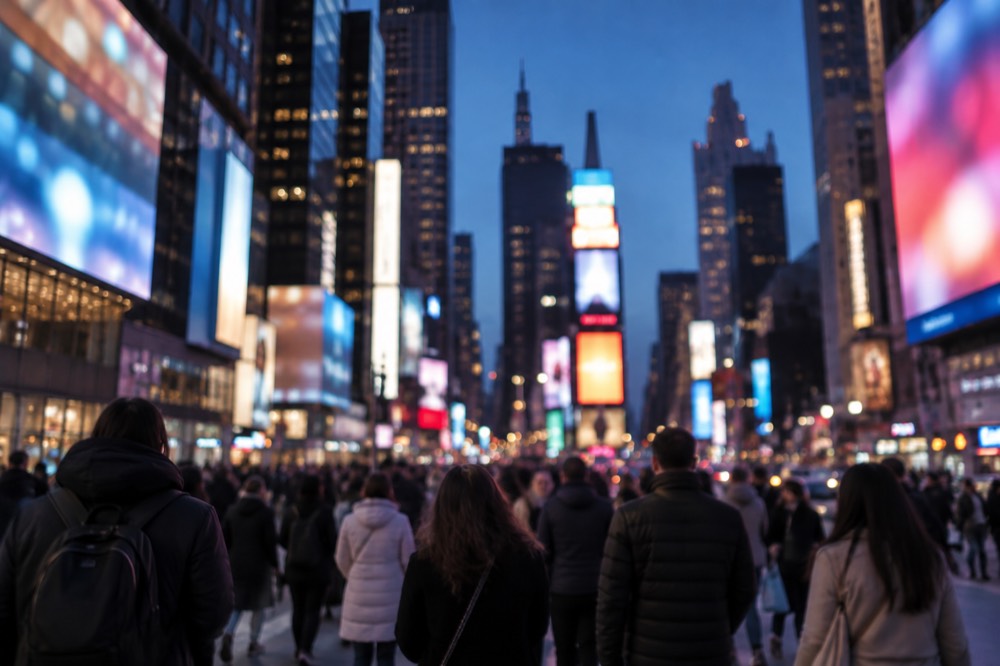
Roughly one million people squeeze into Midtown Manhattan every 31 December to watch the ball descend over Times Square, and not one of them pays an entry fee. The event has no ticket, no gate and no price of admission. What it does have is a set of costs that catch first-timers off guard: subway fares to get there, food and water bought in advance because nothing inside the pens is for sale, hand warmers and layers, and the least quantifiable expense of all, six to eight hours standing outdoors in the last cold night of the year.
This page breaks the question down honestly. The headline answer is zero, but the practical answer for a visitor, meaning someone flying in, sleeping in a hotel and eating in restaurants, runs well into the hundreds once the surrounding day is counted. Every figure below comes from official sources, and where a number is date-specific, like a hotel rate, this page says so rather than guessing.
How Much Does It Cost to Go to Times Square on New Year's Eve?
Attending the Times Square New Year's Eve celebration costs nothing. There is no ticket, no entry fee and no reservation for the public viewing areas, which fill on a first-come basis starting in the early afternoon. The out-of-pocket costs are the journey and the day around it: a $3.00 subway fare each way, food bought before you enter, and cold-weather gear you did not pack.
That is the whole answer, and it surprises people who have read about paid parties and rooftop packages elsewhere in the city. Those events exist, and plenty of them, but none of them is the ball drop. The ball drop itself, the confetti at midnight and the fireworks, all happen above a public street that the city closes to traffic and opens to anyone willing to wait.
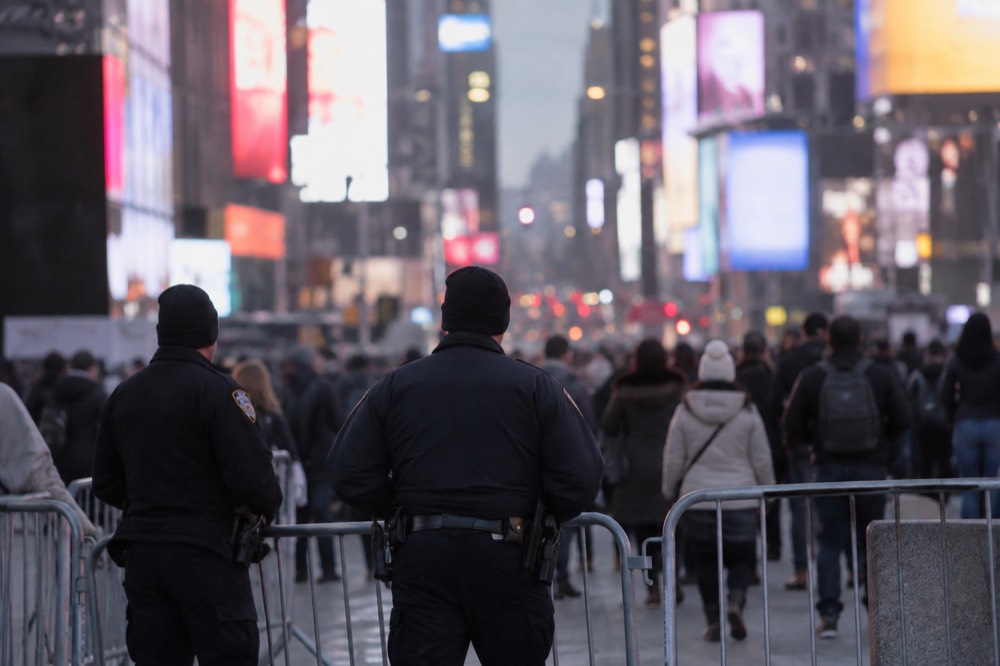
The viewing area is organized into pens stretching from 43rd Street up to about 59th Street along Broadway and 7th Avenue. Once a pen fills, it closes. Once you are in one, leaving means losing your spot, because re-entry is not allowed. That single rule drives most of the real cost of the night, because it forces you to arrive hours early and to carry everything you need for the entire evening.
The pens are not a comfort feature, they are a crowd-safety measure. Barriers segment the crowd into blocks so that a million people can be managed, moved and, if necessary, evacuated in sections rather than as one mass. The same logic applies to the vehicle closures: Broadway and 7th Avenue go car-free from early afternoon, and the side streets feeding them follow through the day. What feels like bureaucracy is the reason the event has stayed safe at this scale for decades.
A good way to learn the ground before the big night is a guided walk through the neighborhood. The free Times Square and Grand Central walking tour on GuruWalk covers the same blocks you will be standing in, and it costs nothing up front, since guides work for tips.
What You Actually Pay for: The Honest Cost Breakdown
A visitor watching the ball drop from the public pens typically spends between $30 and $80 out of pocket on the day itself, almost all of it before entering the secured area: subway fares, a large early dinner, snacks and water for the wait, and cold-weather supplies. Add a Manhattan hotel night and the true cost lands wherever December pricing puts it, which no honest guide can quote as a fixed number.
The items in the table below are the ones you control. The subway figures are set by the MTA and are exact. The food figures are planning ranges, since Midtown prices vary, and the gear is whatever your suitcase is missing.
| Cost item | Typical range | Notes |
|---|---|---|
| Ball drop viewing | $0 | No ticket exists for the public pens |
| Subway fare, each way | $3.00 | OMNY tap, contactless card or device |
| Weekly OMNY cap | $35 | Automatic, no pass to buy, applies after 12 paid rides |
| Express bus (if used) | $7.25 | Not needed for Times Square |
| Dinner before entering | $20-$60 per person | Eat before roughly 3pm, near the pens |
| Snacks and water for the pens | $10-$25 | Must be carried in, nothing sold inside |
| Hand warmers, extra layers | $5-$30 | Drugstores in Midtown stock these in December |
| Hotel night in Manhattan | Not quotable | Date-specific pricing, check live rates |
Two things in that table deserve a second look. The first is the $35 figure. Since 1 January 2026 the MTA no longer sells or refills MetroCards at all, and the old 7-day unlimited pass is gone with them. The weekly value now arrives automatically: tap the same card or phone every ride, and once your fares in a rolling seven-day window reach $35, the rest are free. A visitor who arrives days before New Year's Eve and rides the subway around the city may well reach the cap on 31 December and ride to Times Square for nothing.
The second is the hotel line. December 31 is one of the most expensive hotel nights of the year in Manhattan, and any specific rate printed in a guide would be stale within days. Check live rates, and read the New York City Travel Guide page on how much a trip costs for the fuller budget picture.
It is worth being clear about what the $30-$80 day range does and does not include. It covers the person who is already in New York, already dressed for winter, and treating the evening as an event rather than a trip. It does not cover the visitor flying in for the night, whose airfare, hotel and days of meals dwarf the celebration itself. If the ball drop is the anchor of a whole trip, the honest budget question is not "what does the evening cost" but "what does the trip cost", and the answer to that runs to several hundred dollars per person per day in Manhattan before any attraction is booked.
Do You Need a Ticket for the Ball Drop?
No ticket of any kind is needed for the Times Square ball drop. The event is free and open to the public, and the viewing pens along Broadway and 7th Avenue fill on a first-come, first-served basis. Anyone selling a ticket to the street-level viewing areas is not selling access to the pens. Paid options nearby are indoor parties, restaurant packages and rooftop events in separate buildings.
This distinction matters because every December, lookalike offers circulate. A restaurant with a window over Broadway can charge hundreds for a seat, and that is a legitimate product, but it is not the ball drop. The street itself, the confetti and the countdown with the crowd, cannot be bought.
Security is the reason the pens exist. From early afternoon, police close the area to vehicles and screen everyone entering on foot. Backpacks and large bags are discouraged and may keep you out, alcohol is prohibited, and there are no public restrooms inside the pens once you are locked in. The city's official event guidance is the source for what you may carry, and it is worth reading before you pack.
The screening line is itself a cost, in time. On a normal evening you can walk from the 42nd Street station into the heart of Times Square in two minutes. On 31 December you queue at the perimeter, empty your pockets, and wait while thousands of people do the same. Budget an extra half hour for the perimeter alone, on top of however early you planned to arrive.
If you want a structured introduction to the neighborhood that does not cost anything up front, the free Times Square and Grand Central walk on GuruWalk is a good fit, and the guides work on tips.
Getting There: Subway Fares and the OMNY Cap
The subway is the only sensible way to reach Times Square on New Year's Eve, and it costs $3.00 per ride with contactless payment. The OMNY system caps fares automatically at $35 in a rolling seven-day window, so a visitor who has been riding for several days may already be riding free.
Streets around Times Square close to traffic in the afternoon, and the 1, 2, 3, 7, N, Q, R, W, A, C and E trains all stop at or near Times Sq-42 St.
The fare mechanics are worth understanding before the night. Tap the same card or the same phone every time; mixing devices breaks the cap silently, and each traveler needs their own card. Children under 44 inches tall ride free with a fare-paying adult, up to three per adult. There is no unlimited pass to buy any more, so ignore any guide that tells you to purchase a 7-day MetroCard on arrival, that product no longer exists.
| Option | Cost each way | Verdict for New Year's Eve |
|---|---|---|
| Subway (OMNY tap) | $3.00 | The right answer, runs all night |
| Bus (local) | $3.00, free transfer from subway within 2 hours | Streets closed, impractical near the pens |
| Taxi or rideshare | Surge pricing, date-specific | Streets around Times Square close to traffic |
| Walking from a Midtown hotel | $0 | Best option if you are staying within a mile |
One figure from the MTA's 2025 ridership data explains the crowd you will meet. Times Sq-42 St recorded 61,203,303 riders in 2025, 71% more than Grand Central-42 St and the busiest station complex in the system. On New Year's Eve it is busier still, and the MTA runs extra service. Trains keep running all night, which is the quiet advantage of the subway over every other option: after midnight, when a million people want to leave at once, the trains are the only thing that scales.
The exit is worth planning as carefully as the arrival. When the confetti settles, the pens empty toward the stations, and the platforms at Times Sq-42 St fill within minutes. Locals know to walk a few blocks in the direction they want to travel and board at a quieter station instead, or to sit out the first hour in a diner. Your OMNY cap means the extra ride costs nothing if you have already hit $35 for the week, so there is no fare penalty for a smarter boarding point.
For the fuller transport picture, read the site's page on getting around New York.
How Early Do You Need to Arrive?
The pens begin filling in the early afternoon, often from around noon onward, and by late afternoon the closest ones are full. To stand anywhere near 45th or 46th Street, plan to be in line by early afternoon at the latest. Arriving at 8pm usually means a spot many blocks north, and arriving at 10pm often means no spot at all. The cost here is not money, it is hours on your feet in December cold.
The wait is the real price of the free ticket, and it deserves honest framing. The city closes the pens progressively from the south end, and the crowd funnels north as the night goes on. People who arrive at 3pm and hold a spot near the front will stand in one place, without restrooms or food sales, until after midnight.
Practical preparation makes the difference between a memorable night and a miserable one:
- Eat a real meal before you enter the pens, because nothing is sold inside.
- Carry water and snacks in pockets, not bags, since bags slow security screening.
- Dress in one more layer than feels reasonable, with a hat and gloves. Standing still in December cold is colder than walking in it.
- Hand warmers are cheap at any Midtown drugstore and worth their weight.
- Plan your exit: agree a meeting point with your group in advance, since phones strain on the crowded network after midnight.
The site's page on New Year's Eve in Times Square covers the logistics of the night in more detail.
What Does the December Weather Add to the Bill?
The last night of December in Central Park averages a low around 33.8 degrees Fahrenheit for the month, with 4.9 inches of snowfall on average, and the cold you feel standing still for hours is worse than any walking tour of the city. The weather cost is mostly gear: proper boots, layered clothing and hand warmers that many visitors from warmer climates have to buy on arrival.
Budget $50 to $150 if your suitcase was packed for a different trip.
Those figures come from the official NOAA 1991-2020 climate normals for Central Park, the same dataset the National Weather Service publishes for the city. December's average high of 44.3 degrees sounds manageable until you remember that the ball drops at midnight, hours after the sun sets, when the temperature sits near the monthly low. Wind funnels down the avenues and the tall buildings of Midtown act as a wind tunnel, so the felt temperature on 7th Avenue can run well below the thermometer reading.
The gear list matters more than most visitors expect. Sneakers are a mistake, the pens are standing room for hours and the pavement is frozen. Thin fashion coats are a mistake. What works is the layering logic skiers use: a base layer, an insulating middle, a windproof shell, a hat, gloves and warm socks in boots you have already walked ten blocks in. If you do not own that kit, the Midtown drugstores and clothing stores around the theater district will sell it to you in the last week of December, at tourist prices.
There is a planning upside to the cold. The pens at the south end, the ones with the best views, do not fill as fast as the crowd numbers suggest, because a large share of the million-strong crowd arrives late and takes what is left. The visitors who dress properly and commit to the full afternoon get the better spots. The cold is, in effect, the price of the front row, and it is paid in wool rather than dollars.
Is It Worth Paying for a Party Instead?
Indoor New Year's Eve parties, restaurant packages and rooftop events in Midtown typically run from around $100 to several hundred dollars per person, and they trade the street crowd for warmth, food, a restroom and a window view. They are worth it for visitors who value comfort over the experience of standing inside the crowd itself. The free street celebration remains the actual event, and no paid package improves on it, they only insulate you from it.
The honest comparison is not price against price. It is experience against experience. The street gives you the confetti, the roar at midnight and the story; the paid room gives you heat, a chair and a drink. Families with small children, older visitors and anyone who cannot stand for six hours should treat the paid options not as a luxury but as the only realistic version of the night.
A middle path exists, and it is the one many New Yorkers take. Book a normal dinner reservation in Midtown for around 9pm, eat slowly, and walk into the crowd at 11pm, accepting a spot far from the front. You trade the view of the ball for a view of the screens and the crowd, and you keep the midnight moment without the afternoon ordeal. It costs the price of dinner, which you were buying anyway.
If your trip includes paid attractions beyond New Year's Eve, a pass can change the arithmetic of the whole visit. The New York CityPASS bundles five attractions, including the Empire State Building and Top of the Rock, at a discount against box-office prices, and it is valid for nine consecutive days, long enough to cover a New Year's trip.
Common Questions About Times Square on New Year's Eve Costs
The questions below cover the details the headline answer leaves out: whether anything is genuinely free, what happens with food and bathrooms, how the fare cap works, and whether children change the calculation. Each answer is short and sourced, and together they cover the practical cost of the night from arrival to the ride home.
How much does it cost to go to times square on new year's eve?
Nothing. The ball drop and the public viewing pens are free, with no ticket and no reservation. Your costs are the subway fare, food bought before entering, cold-weather gear and, if you are visiting, your hotel night.
Can you buy a ticket to the Times Square ball drop?
No ticket for the street viewing areas exists. Paid events nearby are indoor parties and restaurant packages in separate buildings, which are different experiences rather than better access to the pens.
How much is the subway to Times Square on New Year's Eve?
$3.00 per ride with an OMNY tap. Fares cap automatically at $35 in a rolling seven-day window when you use the same card or device, so you may already be riding free by 31 December.
Is there food or bathrooms inside the pens?
No. Nothing is sold inside the pens and there are no public restrooms once you are in. Eat beforehand, carry water and snacks, and expect to stand for six or more hours.
Is Times Square on New Year's Eve good for kids?
It is free for children, and kids under 44 inches ride the subway free, but the long standing wait in December cold is hard on young children. An indoor party or a hotel window view is often the better family choice.
What is the cheapest way to do the night?
Walk or take the subway, eat a filling early lunch near Midtown, carry snacks and layers, and stand in the free pens. Done that way, the entire evening can cost less than a movie ticket.
The free walk through the Financial District, Wall Street and the 9/11 Memorial on GuruWalk is another no-cost way to fill the daylight hours of 31 December before the long evening begins, and it ends near the waterfront, a short ride from Midtown.