Is It Worth Going to New York with Kids? An Honest Answer
A direct, sourced answer on whether New York is worth visiting with children, covering real costs, kid-friendly attractions, subway practicality and weather.
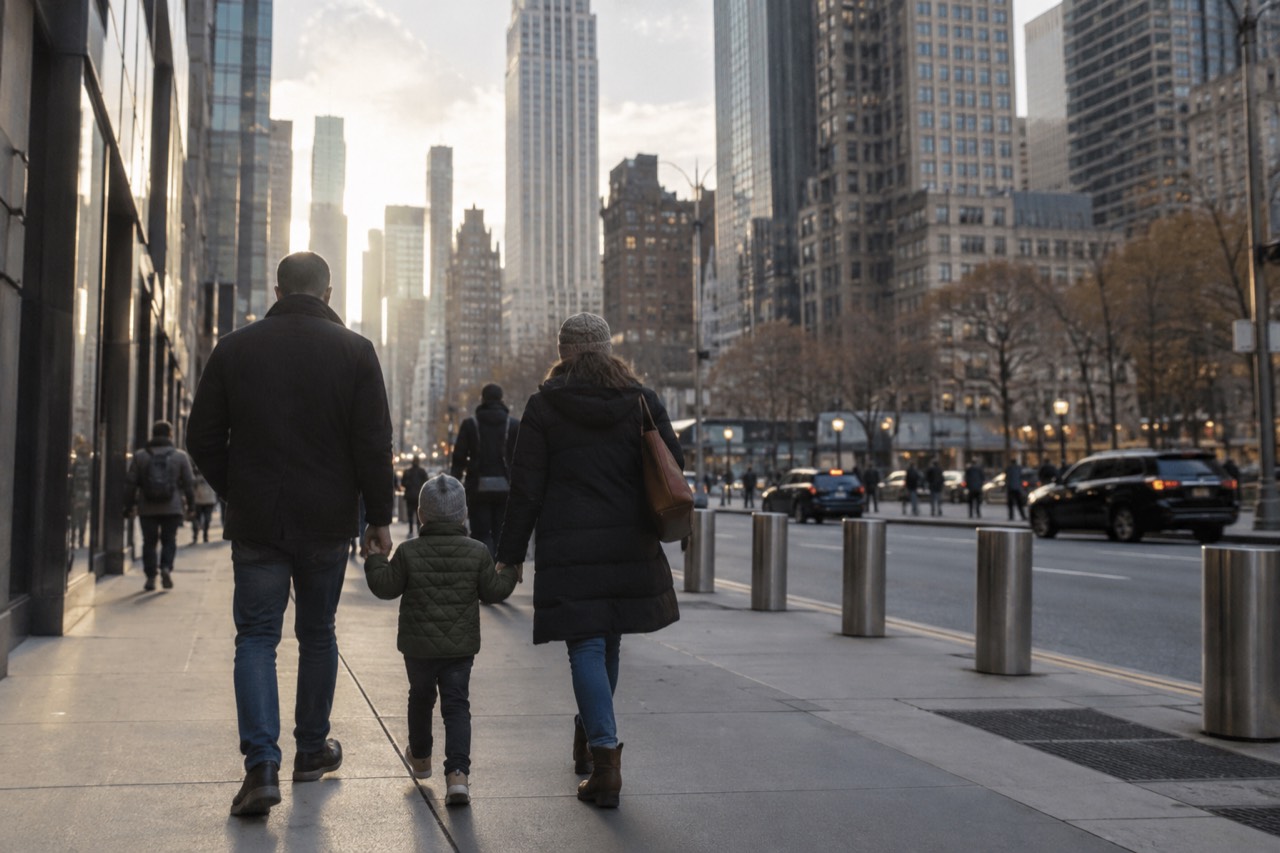
Is It Worth Going to New York with Kids? An Honest Answer
New York rewards families who plan around three numbers: $3.00 for a subway ride, $26.00 for the ferry to Liberty Island, and $129.00 for a child's CityPASS covering five major attractions. Get those right and the city is one of the most kid-friendly destinations in the country. Get them wrong, and a four-day trip can bleed a family budget dry before the second museum.
This page answers the question directly, then earns the rest with real figures from official sources: MTA fare rules, National Park Service ticket tiers, CityPASS pricing and NOAA climate data. The short version is that the city works for children of almost every age, with a few honest caveats about cost, walking distance and summer rain.
Is It Worth Going to New York with Kids?
Yes, for almost every family, New York is worth the trip with kids. Children under 44 inches tall ride the subway and local buses free, the Staten Island Ferry costs nothing, the 9/11 Memorial plaza is free and open daily, and a child CityPASS covers five major attractions for $129 over nine days. The city's density is the point: museums, ferries and parks sit minutes apart, so short legs and short attention spans both win.
The honest qualification is age. Toddlers do fine in Central Park and poorly in Times Square, which is loud, crowded and light-blasted at night. School-age children are the sweet spot: they can handle a subway platform, a two-hour museum block and the walk across the Brooklyn Bridge. Teenagers get the version of the city they see on screen, and it mostly matches.
Cost is the second qualification. New York is not cheap, but the child pricing is more forgiving than most visitors expect. The official ferry to the Statue of Liberty charges $17.00 for ages 4-12 and nothing at all under 4. The Whitney Museum of American Art is free every day for anyone 25 and under. The 9/11 Memorial & Museum releases free admission tickets every Monday at 07:00 ET, first come first served. A family that books those windows deliberately can cut hundreds from a week.
The third factor is pacing. The city punishes families who schedule four attractions a day. Two blocks of activity, a food stop and a park hour is a full day here, and the things to do in NYC master list is worth scanning before locking an itinerary, because the distances between good ideas are longer than the map suggests.
What Does a Family Trip to New York Actually Cost?
Attractions are the main daily line beyond lodging and flights, and transit is the cheapest part. Subway rides cost $3.00 each for adults but nothing for children under 44 inches, the OMNY weekly cap limits an adult to $35 across seven days, and a child's five-attraction CityPASS is $129 against $149 for an adult. Food is the wildcard: a slice-and-bagel diet runs cheap, restaurant meals do not.
Transit is the cheapest part, and it is cheaper than most guides admit, because most guides are out of date. The MetroCard was retired on 1 January 2026: it can no longer be bought or refilled, and the old 7-day unlimited pass no longer exists. Its replacement is automatic. Tap the same credit card, debit card or phone for every subway and local bus ride and the MTA stops charging at $35 in a rolling seven-day window. There is no pass to buy and no decision to make.
| Expense | Adult | Child | Notes |
|---|---|---|---|
| Subway or local bus, single ride | $3.00 | Free under 44 inches | Up to three children per paying adult |
| OMNY weekly cap | $35.00 | n/a | Automatic, rolling 7 days, same card or device required |
| Statue of Liberty ferry, general | $26.00 | $17.00 (4-12), free under 4 | Both islands and both museums included |
| New York CityPASS | $149.00 | $129.00 (6-17) | 5 attractions, 9 consecutive days |
| 9/11 Memorial & Museum | $36.00 | $24.00 (7-12), free 6 and under | Free Monday tickets released 07:00 ET weekly |
| Whitney Museum | $30.00 | Free, 25 and under | Free Friday nights for everyone |
Attractions are where families overspend, and the fix is arithmetic before booking. CityPASS claims its adult bundle saves 51% against combined box-office prices, and its own published numbers bear that out: the five most popular family picks, the Empire State Building, Top of the Rock, the Statue of Liberty ferry, the American Museum of Natural History and the Intrepid Museum, add up to more than the pass costs on their own. The pass only pays if you genuinely use all five choices, so a family with a loose plan should think twice.
A word on the free tier, because it is real and most families miss it. The 9/11 Memorial plaza, the outdoor reflecting pools, is free and needs no ticket. The Staten Island Ferry is a free harbor ride with a view of the Statue of Liberty, though this site advises confirming current service on the official NYC DOT page before relying on it. MoMA's free Friday evenings are for New York State residents only, with proof required, so tourists should not plan around them. The Whitney's free-under-25 policy, by contrast, has no residency condition and applies every day.
Which New York Attractions Genuinely Work with Children?
The strongest picks for families are the American Museum of Natural History, the Statue of Liberty ferry, SUMMIT One Vanderbilt, the Intrepid Museum and Central Park, in roughly that order for younger children. The natural history museum's dinosaur halls and planetarium absorb a full day, the ferry is a boat ride with a landmark attached, and SUMMIT's mirrored rooms are the observation deck kids actually remember. The Met rewards older children more than younger ones.
Age-fit matters more than ranking. A seven-year-old and a fourteen-year-old want different cities.
| Attraction | Best age | Why | Watch out for |
|---|---|---|---|
| American Museum of Natural History | 4-14 | Dinosaurs, the whale, planetarium | Ticketed extras cost more at the door |
| Statue of Liberty and Ellis Island | 6+ | Real boat, real landmark | Allow a half day; security screening at the terminal |
| SUMMIT One Vanderbilt | 6-14 | Mirrors, glass ledges, photo moments | Timed entry; book a slot |
| Intrepid Museum | 6-14 | Aircraft carrier, space shuttle, submarine | Lots of walking, mostly outdoors on deck |
| Central Park | All ages | Zoo, playgrounds, open lawns | Big; a guide beats the map |
| The Met | 10+ | Temple of Dendur, armor, Egyptian halls | Fixed $30 adult admission; free under 12 |
Two pricing notes that save real money. The Met's admission is $30 for adults, $22 for seniors, $17 for students, and free for children 12 and under, but pay-what-you-wish applies only to New York State residents and NY, NJ and CT students, and even then you must pay something. Out-of-state families pay the fixed price. The second note: one Met ticket covers both Met Fifth Avenue and The Met Cloisters on the same day, which is a two-neighborhood outing for one admission if your children have the stamina.
The American Museum of Natural History has a pricing quirk worth knowing: general admission is pay-what-you-wish for New York State residents with ID, while everyone else pays a fixed price, and the all-inclusive ticket that adds special exhibitions, giant-screen films and the planetarium costs more. Decide before you buy whether the dinosaur halls alone are the mission, because they usually are.
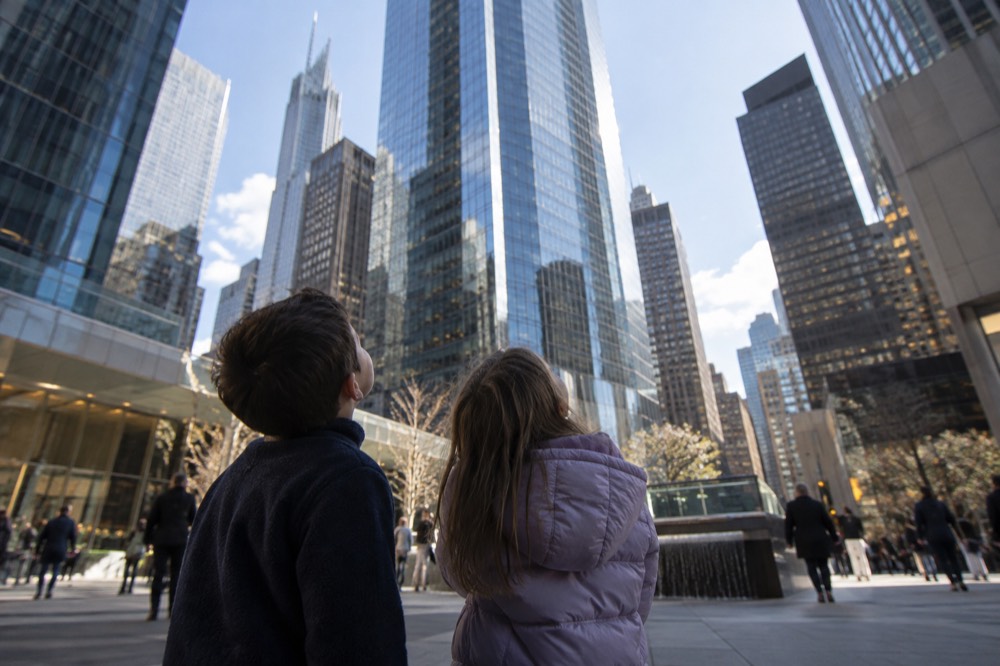
For the observation-deck question, families with children should lean toward SUMMIT One Vanderbilt, where youth tickets for ages 6-12 start from $38 against $44 for ages 13 and up. The mirrored rooms give children something to do rather than just something to look at, and the deck sits next to Grand Central, so a visit slots between other Midtown plans without a long subway leg.
Is the Subway Practical with Kids?
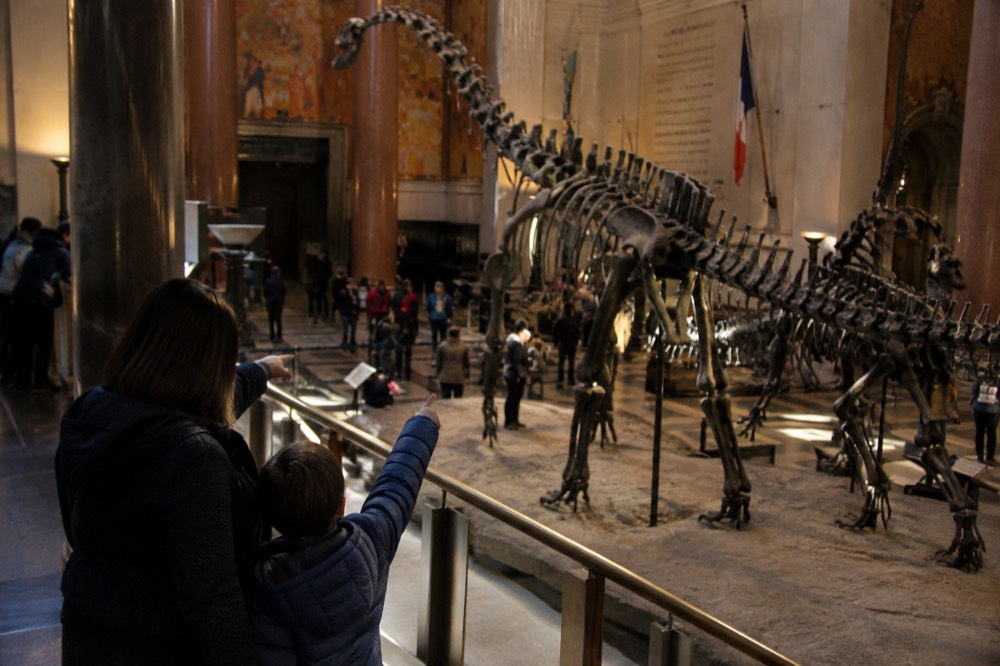
Yes, and it is the single biggest money-saver in the city's family math. A ride costs $3.00, up to three children under 44 inches tall ride free with a fare-paying adult, and the automatic $35 weekly OMNY cap means an adult never pays more than roughly twelve paid rides in seven days. Strollers are allowed, though narrow turnstiles make a folding one easier, and stations list which entrances have elevators.
The mechanics are simple now that the MetroCard is gone. Tap the same card or phone every time, because the cap is tracked per card or device, and mixing a phone with the plastic card in your pocket breaks the cap silently. Each traveler needs their own card or device, since group taps do not pool toward anyone's cap.
Ridership data supports a counterintuitive planning point. In 2025 the subway carried about 1.28 billion rides, and weekend ridership recovered to 88% of 2019 levels while weekday ridership sat at only 73%. The weekend trains are the fuller ones relative to normal, so a family visiting on a Saturday should not expect an empty platform, and a weekday visit is now the calmer ride. Times Sq-42 St was the busiest station complex in the system in 2025, with 61,203,303 riders, about 71% more than Grand Central, so families should avoid changing there at peak hours.
For airport arrivals, the cheapest family transfer in the city is LaGuardia's: the Q70 LaGuardia Link bus is free, so the trip to Midtown costs one $3.00 subway fare per adult and nothing for children under 44 inches. JFK, the airport people assume is the well-connected one, costs $11.75 per adult end to end because the AirTrain adds $8.75 on top of the subway fare.
What About Rain, Snow and Summer Heat?
New York has no dry season, and the wettest month is July, not a winter month. July averages 4.60 inches of rain in Central Park against February's 3.19, and February is both the snowiest month, at 10.1 inches, and the driest. Families booking summer to dodge rain are booking the wrong month; families bracing for January snow should brace for February instead. Pack layers and a rain shell in every season.
The full picture from NOAA's 1991-2020 Central Park normals:
| Month | Avg high | Avg low | Precipitation | Snowfall |
|---|---|---|---|---|
| January | 39.5°F | 27.9°F | 3.64 in | 8.8 in |
| February | 42.2°F | 29.5°F | 3.19 in | 10.1 in |
| July | 84.9°F | 70.1°F | 4.60 in | 0 in |
| October | 64.5°F | 51.4°F | 4.38 in | 0.1 in |
The practical reading: summer trips need indoor backup plans, and the city has good ones. Chelsea Market is indoors, MoMA and the natural history museum are indoors, and a rainy afternoon is when a museum block earns its cost. Winter trips are cheaper and emptier, but February, not January, is the month that closes schools back home, and it delivers both the most snow and the least rain.
Heat is the underrated summer problem. Subway platforms in July and August routinely run hotter than street level, and a child who has walked ten blocks and then waited on a platform is a child about to melt down. The fix is structural: plan outdoor blocks for morning, indoor blocks for the early afternoon, and a park or pool hour after 4pm.
How Do You Keep a Family Fed Without Overspending?
Food is the line where a New York trip is won or lost, and the city is unusually kind to families who eat like locals. Pizza by the slice, bagels, deli sandwiches and street-cart pretzels feed children well for a few dollars each, and a food tour can double as a meal rather than an extra expense. Restaurant dinners for four are where budgets break, so reserve one sit-down meal a day and let lunch be cheap.
The food-tour option deserves a specific mention because it solves two problems at once. A three-hour Chinatown and Little Italy tasting walk includes six dishes that add up to a real meal, with the neighborhood history attached, so the ticket replaces lunch rather than adding to it. Families with picky eaters should skip fixed-tasting formats entirely, since the stops are set, and eat their way through Chelsea Market's stalls instead, where everyone chooses their own food under one roof.
Broadway is the other big family line, and it has a genuine discount culture most visitors ignore. The TKTS booths in Times Square and at Lincoln Center sell same-day tickets at up to 50% off face value plus an $8 per-ticket service fee, and digital lotteries on Broadway Direct and Lucky Seat typically award seats in the $30-$50 range. The Lion King is the reliable family pick, and booking ahead is the safer play for weekend seats, but a lottery entry costs nothing to make.
Is New York Safe for a Family Trip?
Yes, in the areas families actually visit, and the honest answer includes specifics rather than reassurance. The subway recovered its riders through 2025 with fare evasion falling from 12.7% to 10.2% year over year, and the busiest tourist corridors, Midtown, the Museum Mile, Lower Manhattan, are heavily trafficked at all hours. The real risks are mundane: traffic, platform edges, pickpocketing in dense crowds, and exhaustion. Ordinary city rules apply.
Cross with the signal, hold the rail on escalators, keep phones in zipped pockets in Times Square, and agree on a meeting point in case anyone gets separated. The 9/11 Memorial deserves a separate note: it is the site of a mass killing, and families should describe it plainly to children beforehand rather than treating it as a photo stop. The memorial plaza is free and open daily from 08:00 to 20:00, and the museum below is a somber, quiet space better suited to children around ten and up.
For a fuller neighborhood-by-neighborhood breakdown, the site's New York with kids guide covers stroller-friendly routes, playgrounds and the attractions that suit each age band, and this New York City Travel Guide hub carries the full attraction and transit reference.
Common Questions About Taking Kids to New York
Families ask the same five questions before booking, and the answers are mostly reassuring: yes on value, yes on the subway, no on renting a car, spring or fall on timing, and the CityPASS only if all five attractions are genuinely on the list. The details below cover each one, with the figures a family needs to decide.
Is it worth going to new york with kids?
Yes. Children under 44 inches ride the subway free, the child CityPASS is $129 for five attractions over nine days, and the city's headline sights, the Statue of Liberty ferry, the natural history museum, Central Park, SUMMIT One Vanderbilt, are built for families. The caveats are cost and pacing: treat attractions as the main daily expense and plan two activity blocks a day, not four.
Is New York too expensive for a family?
It is expensive but controllable. Transit is cheap, $3.00 a ride with free rides for small children and a $35 weekly cap per adult. Attractions are the cost driver, and the child pricing is forgiving: $17 for the ferry ages 4-12, free under 4 at the ferry, free under 12 at the Met, free 25 and under at the Whitney. Free Monday tickets to the 9/11 Museum are released weekly at 07:00 ET.
Should we rent a car in New York with kids?
No. The subway is faster than driving in Manhattan, parking is costly and scarce, and the fare structure rewards families: up to three children under 44 inches ride free with a paying adult. A car only makes sense for specific day trips outside the city.
What is the best age to take kids to New York?
School age, roughly six to fourteen, is the sweet spot. Children that height ride the subway, handle museum blocks and enjoy SUMMIT's mirrored rooms and the Intrepid's flight deck. Under five, the trip becomes a Central Park and playground trip with a ferry attached, which is fine but different. Ten and up opens the Met and the 9/11 Museum.
When is the best time of year to visit with children?
Late spring and early fall. July is statistically the wettest month in Central Park at 4.60 inches of rain, and February is both the snowiest at 10.1 inches and the driest at 3.19 inches of total precipitation. April, May, September and October combine mild temperatures with the lowest chance of a washed-out day.
One last planning note before the booking links. The CityPASS child rate applies to ages 6-17, so families with a five-year-old pay closer to adult prices at some attractions while still riding the subway for nothing; run the arithmetic for your own children's ages before committing to any pass. And if your dates are flexible, aim for May or late September, when the rain chart is kinder than July's and the subway platforms are cooler than a summer afternoon's.
The closing thought is a practical one. The families who regret New York are almost never the ones who found it expensive; they are the ones who scheduled it like a business trip. Book the ferry, book one deck, book one museum, and leave the afternoons open. The city supplies the rest, and children remember the boat.