Is July a Good Month to Visit New York City?
A direct, sourced answer on whether July is a good month to visit New York City: heat, rain, crowds, prices, free things to do and what to book ahead.
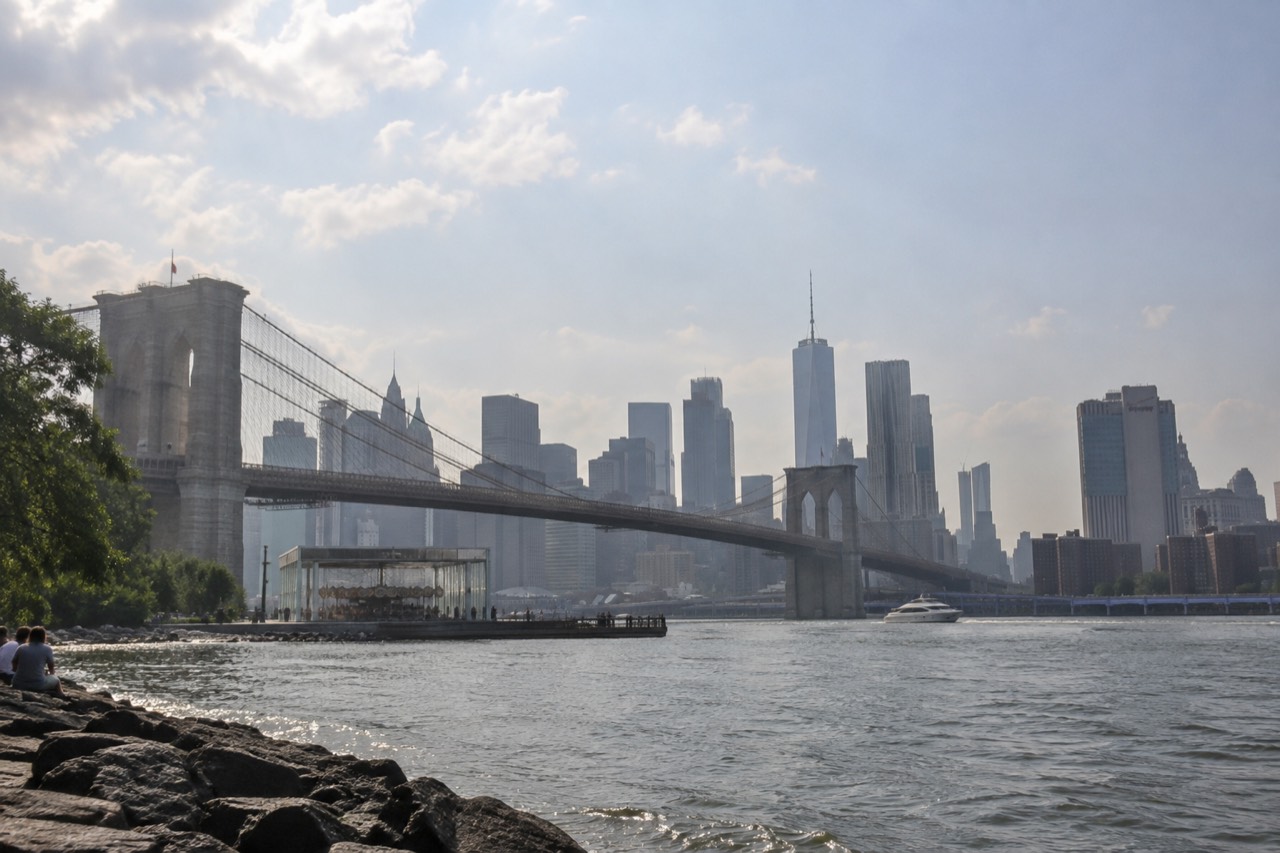

Is July a Good Month to Visit New York City?
July is a good month to visit New York City if your priority is energy over comfort: outdoor events, free movies and concerts, harbor life and long daylight hours are all at their peak. It is a poor choice if you struggle with heat, because average highs run 84.9°F with overnight lows that barely drop below 70°F, and the official climate record shows July is the wettest month of the year in Central Park.
The case for July is not the climate, it is the calendar. This is the month when the city commits hardest to being outdoors: free film screenings in parks, outdoor music, river beaches at spots like Governors Island, and a pace of life that spills onto sidewalks and rooftops after dark. Daylight stretches past 8pm in early July, which effectively adds two usable hours to every day of a short trip.
The case against is equally concrete. The National Weather Service's 1991-2020 climate normals for Central Park put July's average high at 84.9°F and its average low at 70.1°F, and that low matters more than the high: nights that never cool down are what wear visitors down, not the afternoon readings. Add the wettest-month statistic, covered below, and July asks more of your body than any other month except August.
For first-time visitors the trade usually lands on the side of going anyway. The things to do in NYC list does not shrink in summer, and several of the best entries, from the Staten Island Ferry to Central Park's lawns, cost nothing and are at their best in warm weather. Returning visitors who have already done the outdoor circuit in summer often prefer June or September, and that preference is reasonable.
There is a third group worth naming: families. July is the month when school schedules free everyone at once, which is why the parks, the ferries and the family attractions all run at full capacity. If you are traveling with children, the things to do in NYC with kids options are at their widest in July, from sprinkler playgrounds to carousel hours, but you should expect every other family in the region to have had the same idea. Booking anything with timed entry, especially the popular decks and the ferry to Liberty Island, matters more in July than in any other month.
How Hot Does New York Get in July?
Central Park averages a high of 84.9°F in July against an overnight low of 70.1°F, per the official NOAA 1991-2020 climate normals. Those are averages, not ceilings: days in the 90s happen regularly, and the combination of heat and humidity pushes the felt temperature well above the thermometer reading. The saving grace is that New York's buildings, museums and subway system are aggressively air-conditioned, so relief is always a doorway away.
The humidity is the detail that surprises visitors from dry-heat climates. July air in New York carries real moisture, which means sweat does not evaporate efficiently and a hot afternoon can feel far worse than the same reading in Arizona. Locals plan around it: outdoor activity early, indoors during the midday peak, back outside in the evening.
The subway is the one place where the heat genuinely bites. Station platforms are not air-conditioned, and on the hottest days they run several degrees above street level. Trains themselves are cooled, so the strategy is simple: stand near the middle of the platform where the breeze from passing trains is strongest, and let the car rescue you when it arrives.
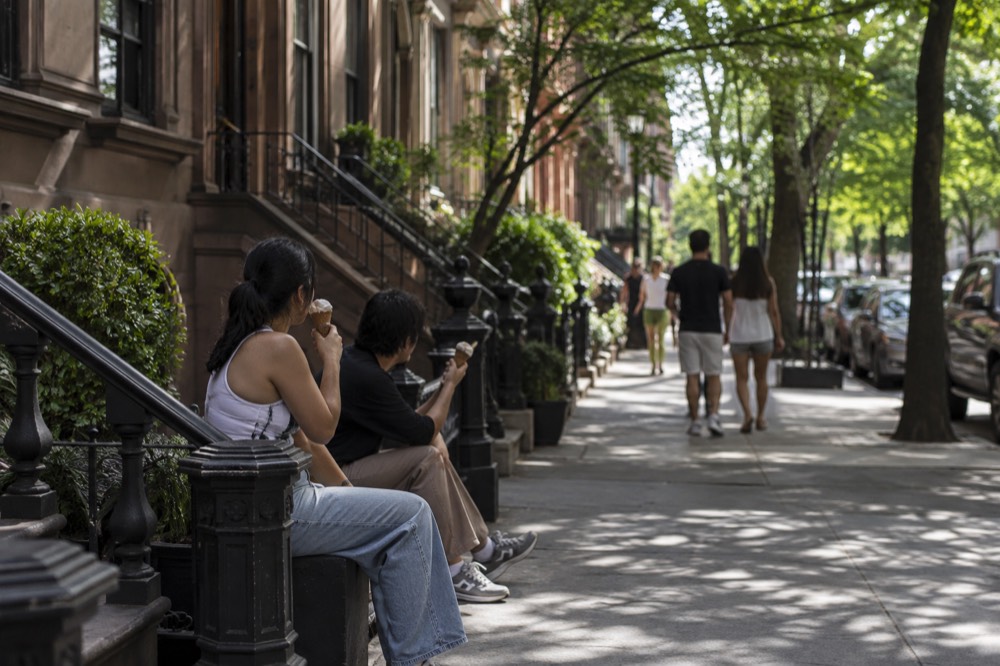
Practical heat management in New York in July:
| Situation | What it feels like | The sensible move |
|---|---|---|
| Midday in Times Square | Heat bouncing off glass and billboards, little shade | Do indoor attractions 11am-4pm instead |
| Subway platforms | Several degrees above street temperature, humid | Move fast, board the first air-conditioned car you reach |
| Central Park lawns | Tolerable, with shade under the trees | Favor the Ramble and the Mall over open sun |
| Harbor cruises | Breezy and pleasant even on hot days | Book a late-afternoon or sunset sailing |
| Museums and decks | Cold air conditioning, sometimes too much | Carry a light layer for galleries |
Does It Rain a Lot in New York in July?
Yes, and this is the fact most guides get wrong. July is officially New York's wettest month: Central Park averages 4.60 inches of precipitation in July, ahead of August at 4.56 and June at 4.54, according to the NOAA 1991-2020 climate normals. Most of it arrives as short, heavy afternoon thunderstorms rather than all-day drizzle, so a typical rainy July day is wet for an hour and bright for the rest.
The shape of July rain matters more than the total. Summer precipitation in New York tends to come in convective bursts: a hot, humid morning builds into a thunderstorm in the mid or late afternoon, which dumps rain for thirty minutes to an hour and then clears. Locals treat these as scheduling events rather than trip-ruiners.
For a visitor, that means two things. First, carry something waterproof even on a blue-sky morning, because the forecast can flip by 3pm. Second, do not cancel outdoor plans at the first drop, because the odds favor the storm passing quickly. The genuinely washed-out July day exists, but it is the exception.
The rain also explains why the rainy day activities in NYC playbook is worth skimming before a July trip. MoMA, the American Museum of Natural History and the Tenement Museum are all a short subway ride from most hotels, and a storm cell is rarely more than an hour long. Booking one or two indoor anchor attractions with timed entry gives you a place to redirect when the sky opens.
One more rain detail that helps with planning: the storms are localized. A downpour in Midtown can coexist with a dry hour in Brooklyn Heights, which means a wet start to your afternoon does not necessarily ruin an evening plan across the river. Check a live radar rather than the day's headline forecast before abandoning an outdoor booking, and remember that observation decks sell timed tickets, so a storm that clears by your slot costs you nothing.
What Is There to Do in New York City in July?
July's program leans hard on free outdoor events: movie screenings in parks, free comedy and theater programming, riverside lawns and the harbor, all running at full throttle. The month also rewards the standard sightseeing circuit less than you might think, because the outdoor attractions, the Brooklyn Bridge promenade, the High Line, Central Park, are the ones that peak. Indoor heavyweights like SUMMIT One Vanderbilt double as heat shelters, which makes a mixed indoor-outdoor plan the strongest July itinerary.
The free layer is the one to plan around. Central Park and other city parks run free outdoor film series in summer, and the harbor, the Staten Island Ferry above all, costs nothing. Bryant Park, Washington Square Park and the High Line are at their best in July evenings, when the heat breaks and the city shifts its life outdoors. The free things to do in NYC guide lists the full set.
The neighborhood layer peaks too. Chinatown and Little Italy are at their liveliest in warm weather, and a guided food walk is one of the few tour formats that improves with summer: the stops sit close together, the pace is easy, and the tastings add up to a real meal in the heat. A food tour also solves the July lunch problem, because deciding where to eat in the midday heat is a decision most people happily outsource.
The observation-deck question in July has a specific answer: go at sunset. The heat is off by then, the light is at its best, and the deck's air conditioning turns the wait into relief rather than endurance. SUMMIT One Vanderbilt sits next to Grand Central, which makes it one of the easiest decks to slot into a Midtown day, and its mirror rooms are an indoor attraction in their own right rather than just a viewpoint.
Water is the other July theme. The harbor cruises, the ferry to Liberty Island and the Staten Island Ferry all put you in the breeze, which is the single most effective heat remedy the city offers. A sunset harbor cruise pairs the evening light with moving air, and the Circle Line's full island loop runs long enough that the hottest hours of the day pass while you are on the water. If your July plan has room for exactly one paid water activity, an evening sailing is the one most visitors say earned its price.
Is July Expensive in New York?
Yes, July sits near the top of the year for trip costs, though the biggest line item is the hotel, not the attractions. Summer is peak season, and attraction admission is flat year-round, so the July premium is concentrated in where you sleep and how far ahead you book.
A pass that bundles several attractions at a fixed price does more work in July than in a shoulder month, because a hot afternoon pushes you indoors and a pass makes that pivot free.
The attraction math does not change with the season. Adult admission to the Metropolitan Museum of Art is $30, the Statue of Liberty and Ellis Island ferry starts at $26.00 for adults, and the major observation decks all use dynamic timed pricing that varies by date rather than by weather. What changes in July is how many attractions you use: heat and afternoon storms push a planned two-a-day schedule toward three or four shorter visits, and per-ticket pricing punishes that fragmentation.
That is the argument for a pass in this specific month. The New York CityPASS bundles a choice of five attractions over nine consecutive days, which covers exactly the pattern a July trip produces: an outdoor morning, an indoor midday, a deck at sunset, repeated across a week. The best time to visit NYC trade-offs matter less than the flexibility math here.
Two costs genuinely rise in July. Hotel rates in Midtown and the Theater District peak with summer demand, and this site does not quote nightly rates because they move constantly, so check current prices rather than trusting any printed figure. Airfares into JFK, LaGuardia and Newark also run high in July, and the Port Authority counted 62.6 million passengers at JFK in 2025, its busiest airport, so book flights and rooms as early as your dates allow.
What July does not charge extra for is the outdoor layer. The parks, the ferry, the bridge walks and the free event calendar cost the same in July as in January, which is nothing. A budget July trip that leans on the free outdoor layer and buys only two or three paid attractions is entirely workable, and the NYC on a budget guide covers that build in detail.
One cost trap deserves a specific warning: the lookalike harbor cruises around the Statue of Liberty. Statue City Cruises is the only ferry operator authorized by the National Park Service to land at Liberty Island and Ellis Island, and plenty of sightseeing boats circle the islands without ever docking, some charging more than the official ferry. If standing on Liberty Island matters to you, the official adult ferry ticket is $26.00 and includes both islands, both museums and the audio tours. The Statue of Liberty tickets guide sorts the legitimate options from the circling boats.
What Should You Pack for New York in July?
Pack for heat and sudden rain together: lightweight breathable clothing, a compact rain layer or small umbrella, comfortable walking shoes, sunscreen and a refillable water bottle. The item most visitors regret skipping is a light layer for indoors, because New York's air conditioning in museums, trains and restaurants runs cold enough that a hot afternoon can turn into a shivery gallery hour. A waterproof bag for phones matters more than most packing lists admit.
The rain layer deserves emphasis because of the storm pattern described above. A packable umbrella that fits a day bag handles 90 percent of July rain, since the storms are short. What it does not handle is the hour when the streets run like gutters during a downpour, which is when waterproof shoes earn their place in the suitcase: canvas sneakers soaked at 2pm stay wet in humidity until midnight.
The water bottle is not a wellness nicety, it is heat management. Public drinking fountains run in the parks through summer, and tap water in New York is safe and good. Walking a sightseeing day in the July heat without regular water is the fastest route to the tired, irritable version of a vacation that no itinerary survives.
The rest of the list is short. Sunglasses and sunscreen, because the sun off Midtown glass is real. One smart-casual outfit if a Broadway show or a nicer dinner is on the plan, since most venues have no dress code but some restaurants do. And comfortable shoes above everything: July itineraries in New York are walking itineraries, and the subway stairs do not take summer off.
A final packing thought on bags. July crowds plus July sweat plus a heavy backpack is a bad combination, so travel light and use your hotel or a luggage storage service for anything you do not need all day. Crossbody bags carried in front are the local habit on crowded trains, and they keep your hands free for the umbrella and the water bottle, the two items you will actually reach for every day of a July trip.
July or August: Which Is the Better Summer Month?
July runs slightly hotter than August on average, 84.9°F against 83.3°F for the daily high, and slightly wetter too, 4.60 inches against 4.56. The practical difference between the two months is small enough that it should not decide your dates: choose July for the fuller free-events calendar and marginally longer daylight, or August if your schedule forces it, and expect a near-identical experience either way. The real upgrade over both is September.
The numbers, from the NOAA 1991-2020 Central Park normals:
| Month | Avg high | Avg low | Precipitation | What it means |
|---|---|---|---|---|
| June | 79.7°F | 64.4°F | 4.54 in | Warm, not yet peak heat |
| July | 84.9°F | 70.1°F | 4.60 in | Hottest and wettest month |
| August | 83.3°F | 68.9°F | 4.56 in | Nearly identical to July |
| September | 76.2°F | 62.3°F | 4.31 in | The comfortable alternative |
June is the sleeper pick for weather, but July wins on programming: the free outdoor event season is fully running by July in a way that June only partially delivers, and school-holiday schedules make July the month when the city feels most populated with visitors in the same situation as you.
September is the honest answer for anyone whose dates are flexible. The crowds thin, the humidity breaks, and the outdoor layer still works. But that advice is only useful if you have September available. If July is when you can travel, the month's problems are all manageable with the plan described above, and none of them are reasons to stay home.
Common Questions About Visiting New York City in July
July visitors ask the same handful of practical questions, and the answers are mostly encouraging: the heat is manageable with simple scheduling, the rain comes in short bursts, and the city's core attractions run at full capacity all month. The one warning worth repeating is that July is the wettest month in the official climate record, so a rain plan is not optional.
Everything else, crowds, prices, booking windows, responds to the same advice: book early and plan indoor midday hours.
Is July a good month to visit New York City?
Yes, if you accept the heat. July offers the city's fullest free outdoor calendar, long daylight hours and peak harbor life, against average highs of 84.9°F and the wettest month of the year. Visitors sensitive to heat and humidity should consider June or September instead.
How hot is New York in July?
Central Park averages a high of 84.9°F and a low of 70.1°F in July, per the NOAA 1991-2020 climate normals. Days in the 90s occur, and humidity pushes the felt temperature higher. Air conditioning in buildings, museums and trains is universal, which makes midday indoor plans the standard local strategy.
Does it rain a lot in New York in July?
July is statistically the wettest month, averaging 4.60 inches of precipitation in Central Park. The rain mostly arrives as short, heavy afternoon thunderstorms rather than all-day rain, so carry a packable umbrella and expect the sky to clear within the hour.
Is New York too crowded in July?
July is peak season, so major attractions and the popular parks are busy. The crowds concentrate at famous outdoor spots in the middle of the day. Early mornings, weekday afternoons inside museums and evenings on the water all feel noticeably calmer.
Is July expensive in New York?
Hotel rates and airfares peak in summer, though attraction admission is flat year-round. Booking rooms and flights early is the main lever. A multi-attraction pass can reduce per-visit costs on a packed itinerary, since July heat tends to push travelers toward more, shorter attraction visits.
What should I wear in New York in July?
Lightweight, breathable clothing and comfortable walking shoes, plus a rain layer and a refillable water bottle. Add one warm-weather layer for heavily air-conditioned museums and trains. Sunglasses and sunscreen matter more than most packing lists suggest.
The final word: July is a good month to visit New York City for travelers who want the city at maximum volume and will trade comfort for it. Book the indoor anchors ahead, keep the midday hours air-conditioned, carry the umbrella, and the month's reputation for being difficult turns out to be mostly a matter of scheduling. The New York City Travel Guide covers the full seasonal breakdown if your dates are still flexible.