Harlem, NYC: What the Neighborhood Is Like as a Visit and as a Base
Harlem sits north of Central Park on the Manhattan grid, and it is the part of the island where the city's cultural history is loudest: gospel, jazz, literature, food, and blocks of brownstones that survived when other neighborhoods did not. This guide covers what Harlem is actually like, what to do there, and whether it works as a base.
Short answer
Harlem is a residential, culturally rich neighborhood in Upper Manhattan, stretching from the top of Central Park up toward Washington Heights. It suits visitors who want gospel music, jazz history, soul food, and real neighborhood life over hotel-district convenience. It works well as a day out and reasonably as a base, since the subway connects it to Midtown in about 20-30 minutes.
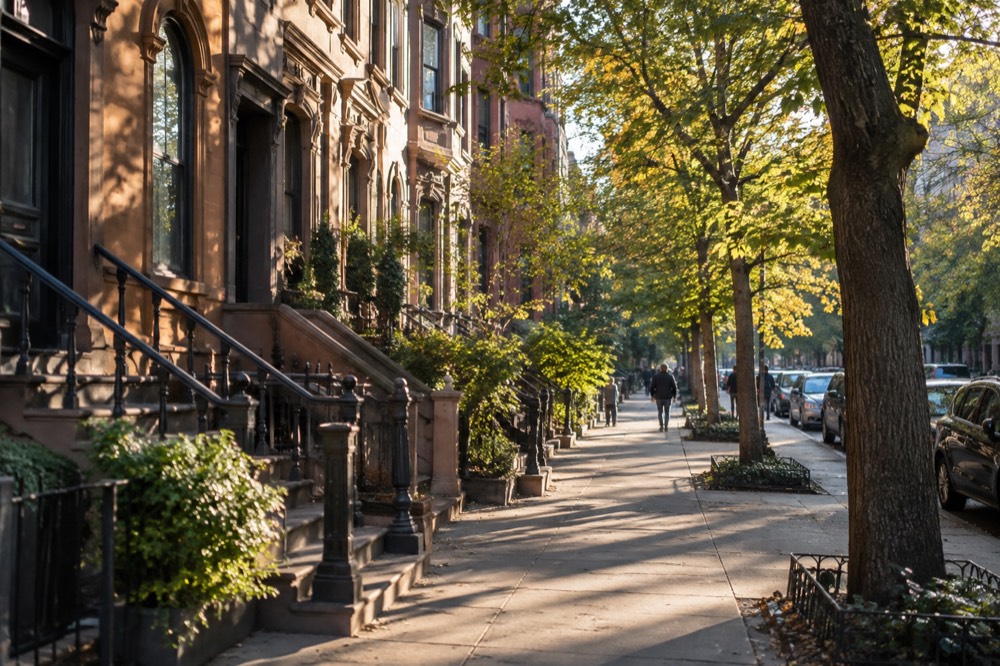
Harlem begins where the Manhattan grid starts to relax. Roughly speaking the neighborhood runs from the top edge of Central Park in the south up toward the Washington Heights line, anchored by 125th Street, its main commercial spine. The blocks between are a mix of brownstone rows, churches with serious musical reputations, historic theaters, and some of the best-priced food on the island. For most of the last century Harlem has been one of the most consequential neighborhoods in American culture, and that is not a marketing line: the music, the writing, and the civil rights history that came out of these blocks changed the country.
What surprises many first-time visitors is how normal Harlem feels. This is not a themed district preserved for tourists. People live here, argue about rent here, go to church here, and eat very well here. The visitor's job is to join that rhythm rather than race through it, which is why this guide spends as much time on how Harlem works as a base and a day out as it does on what to see. If you are building a full itinerary, start with the money guide to things across the whole city and slot Harlem in where it fits.
Where Is Harlem and What Kind of Place Is It?
Harlem occupies Upper Manhattan from the top of Central Park up toward Washington Heights, with 125th Street as its commercial center. It is a residential neighborhood first and a sightseeing destination second, built on human scale: brownstones, churches, theaters, and street life rather than towers. Culturally it is one of the most significant neighborhoods in the United States, and practically it is calmer, cheaper, and more local than Midtown.
The boundaries depend on who you ask. East Harlem, also called Spanish Harlem, sits east of Fifth Avenue and is a distinct neighborhood with its own Puerto Rican and Latin American history, its own food scene, and its own character. West Harlem, including Hamilton Heights and Sugar Hill, climbs the hill toward the Hudson with some of the city's finest row house blocks. When people say "Harlem" without a qualifier they usually mean the central stretch around 125th Street, Marcus Garvey Park, and Strivers' Row, and that is the version this guide focuses on.
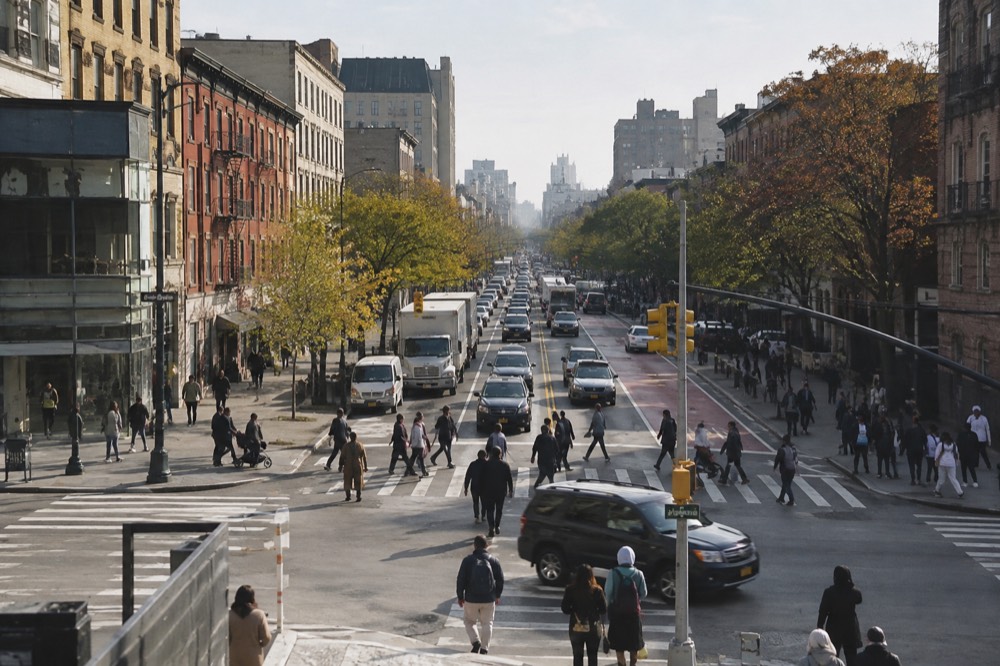
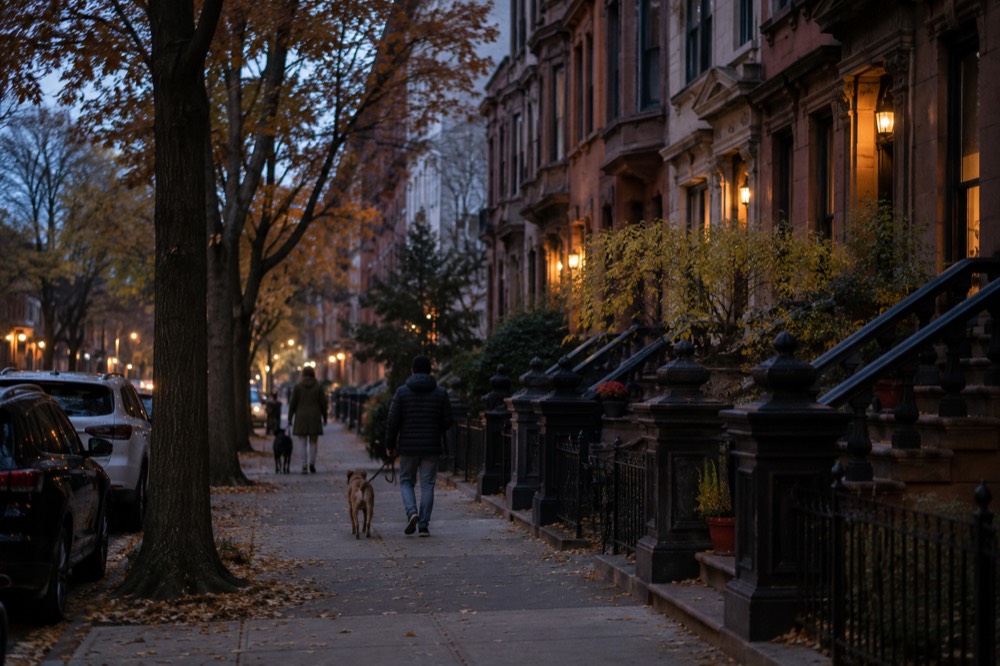
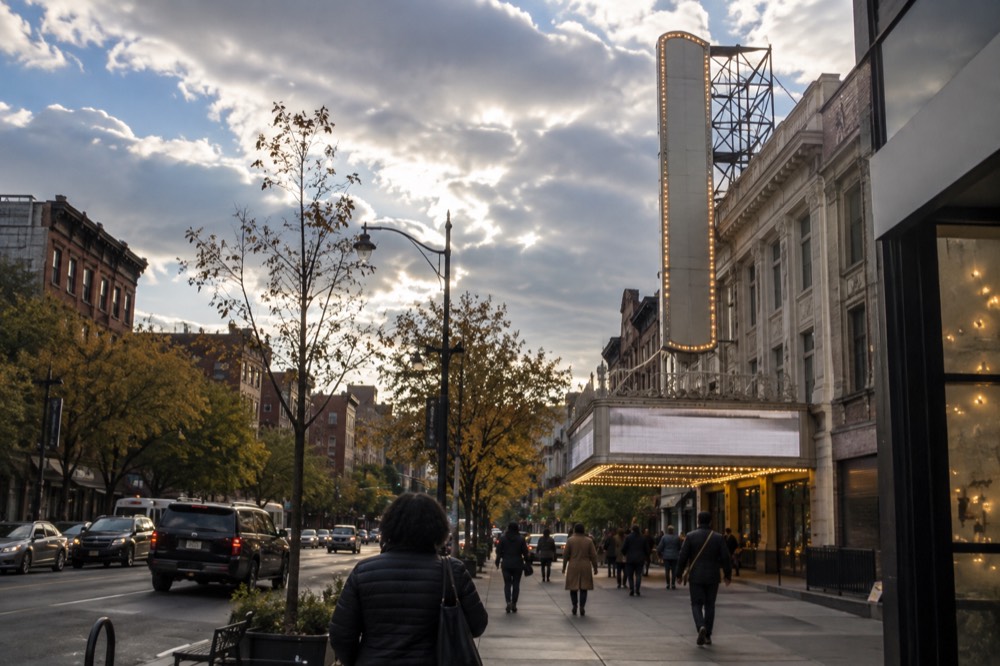
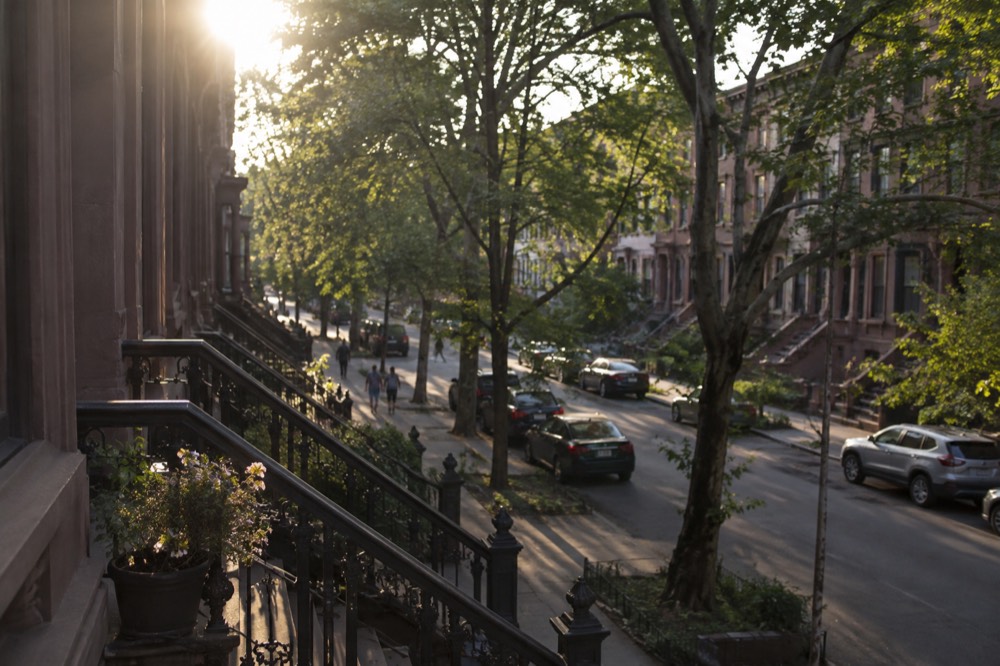
The texture of the place matters more than any single sight. 125th Street is a working shopping corridor: chain stores, local vendors, the Apollo Theater's marquee, and a constant flow of people. A block east or west you are in quiet residential streets where the stoops fill up on summer evenings. Marcus Garvey Park sits in the middle of it all with a fire watchtower at its heart, and the streets around it hold some of the best-preserved 19th-century architecture in Manhattan. The neighborhood rewards walking without an agenda more than almost anywhere else on the island.
One thing to be clear-eyed about: Harlem is not a museum piece. Gentrification has changed parts of it, tensions over that change are real and visible, and the neighborhood contains both a Whole Foods and long-standing soul food institutions within a few blocks of each other. That mixture is the honest picture, and it is more interesting than either extreme of the story.
What Are the Best Things to Do in Harlem, NYC?
The core Harlem experiences are music, food, and walking: a gospel performance, a guided walk through the historic blocks, the Apollo Theater, soul food and Senegalese restaurants, and the brownstone streets around Strivers' Row and Hamilton Heights. Most visitors can cover the essentials in one full day, but the music calendar rewards checking dates before you plan, because Sunday mornings and Wednesday evenings are the anchors of the week.
Music is the reason many people come. The gospel tradition here is genuine and living, not a show put on for visitors, and the practical question is how to experience it respectfully. A midweek concert is the low-commitment option: the Harlem Hallelujah! Gospel Wednesday Concert runs about an hour, seats are limited, and the room fills, so booking ahead is the norm rather than a precaution. A Sunday morning church service is the deeper experience, but call ahead or go with a guide, because congregations are places of worship first.
The Apollo Theater on 125th Street is the other musical landmark. Its amateur night is a Harlem institution, and touring acts play the main stage year-round. Even if you do not see a show, the building is worth standing in front of, and the surrounding blocks are where the neighborhood's jazz and swing history is densest. For visitors who want that history explained rather than guessed at, a guided walk earns its price quickly, because the stories live on specific corners and a guide knows which ones.
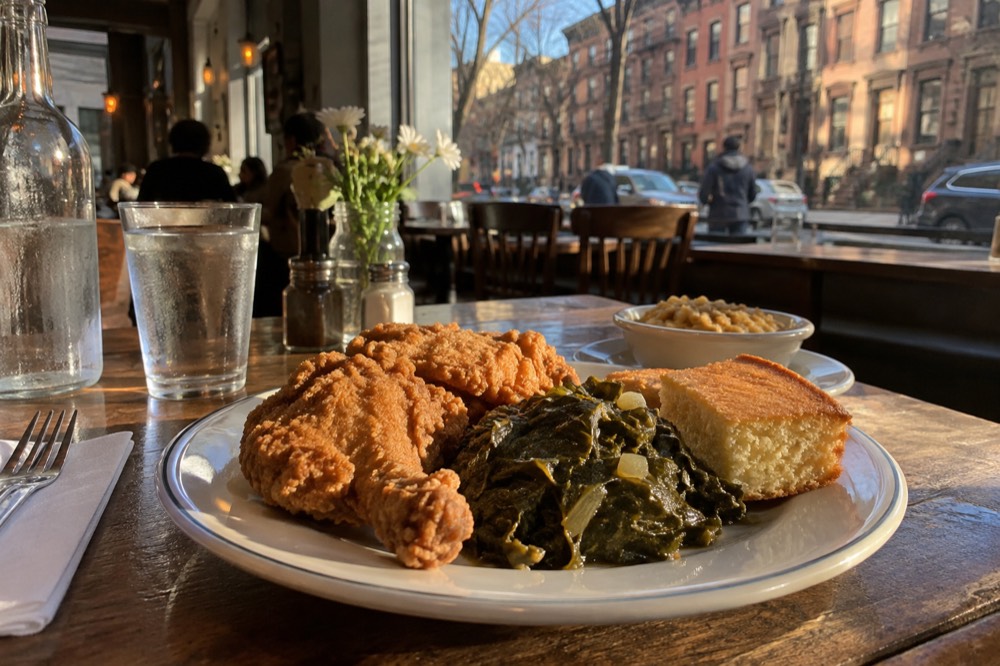
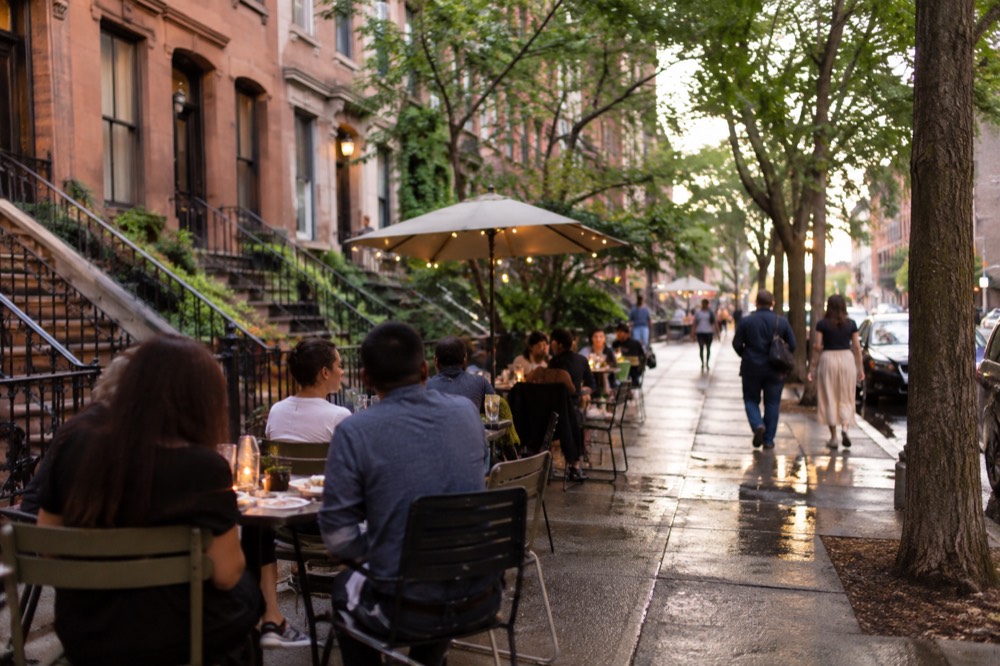
Food is the second pillar. Sylvia's is the famous name in soul food and it delivers, but the neighborhood's range is wider than that: Senegalese restaurants clustered on the blocks around Lenox Avenue north of the commercial core, West African and Ethiopian options, a growing set of bakeries and coffee shops, and old-school spots serving fried chicken and waffles to lines that form before they open. Come hungry and spread your eating across the day rather than betting everything on one sit-down meal.
Here is how the main guided options compare, using the current listings:
| Experience | Type | Duration | Price from | Rating |
|---|---|---|---|---|
| Harlem Hallelujah! Gospel Wednesday Concert | Gospel concert | 1 hour | $25 per person | 4.8 |
| The Soul of Harlem Walking Tour | Guided walk | 2 hours 30 minutes | $60 per person | 5.0 |
| Harlem Renaissance & Heritage Walking Tour (on GuruWalk) | Free, pay-what-you-want walk | 2 hours | Tip-based | 4.85 |
| Harlem Jazz Tour | Guided evening, live music | 4 hours | $139 per person | 4.5 |
One honesty note on the free walks: the Harlem Renaissance walk listed above runs on GuruWalk and is led by Tours by Foot, and several of the free walks across New York belong to a small number of operators rather than a wide market. Free here means the guide works for tips, so bring cash and pay what the walk was worth.
Is Harlem a Good Base for a New York Trip?
Harlem works as a base for travelers who want neighborhood life, lower hotel prices, and easy subway access, and it works less well for visitors who want to walk out of their hotel into the theater district. The ride from 125th Street to Times Square runs roughly 20-30 minutes on the express trains, so the trade is commute time for space, food, and atmosphere. For trips of four days or more it is a genuinely good choice.
The case for staying in Harlem is real. Hotel rates in Upper Manhattan generally sit below Midtown's for comparable rooms, the restaurant prices follow, and you wake up in an actual neighborhood instead of a tourist corridor. The express subway stations along 125th Street put Midtown within a short ride, and the A, B, C, D, 2 and 3 trains all serve the area, so you are never dependent on a single line. Central Park's north end, the Museum of the City of New York's stretch of Fifth Avenue, and the broader Upper Manhattan sights are all on your doorstep.
The case against is equally honest. If your trip is two nights centered on Broadway shows and Midtown dining, the commute eats the savings. Late nights are the weak point: after midnight the ride home is slower and you should budget for a car service on those evenings. And if you want the classic first-timer experience of walking everywhere, Harlem is too far north for that. It suits confident, unhurried travelers more than it suits a first trip on a tight clock.
For a one-day visit rather than a stay, the answer is simpler: Harlem is one of the best day trips within Manhattan. Arrive mid-morning, eat lunch, walk the historic blocks, catch a gospel concert or an Apollo show, and be back downtown by late evening. Many visitors combine it with a morning in Central Park's north end and make a full Upper Manhattan day of it.
How Do You Get to Harlem?
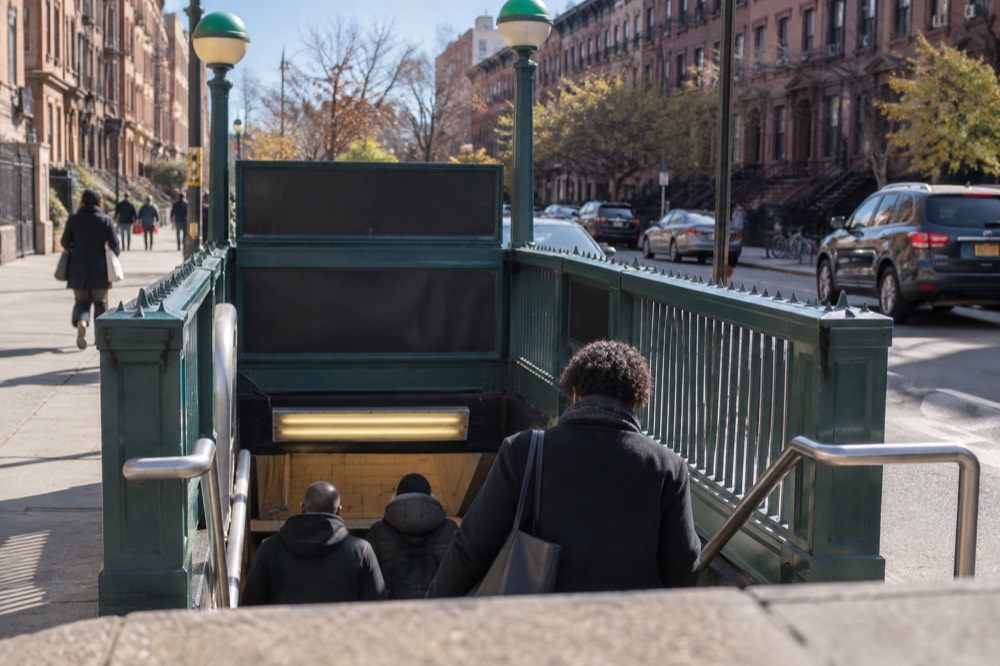
Harlem is one of the better-connected parts of Manhattan: the A, B, C, D, 2 and 3 trains all stop at 125th Street, and a single subway fare is $3.00. From Times Square the express ride takes roughly 20-30 minutes. There is no pass to buy any more, since the MetroCard was retired on 1 January 2026 and the $35 weekly OMNY cap now applies automatically when you tap the same card or device.
The subway geography is straightforward. The A, B, C and D trains run up the Eighth Avenue side of the neighborhood, the 2 and 3 up the Lenox Avenue spine at 125th Street, and the 4, 5 and 6 serve Lexington Avenue on the East Harlem edge. From Midtown, the express A or D from Columbus Circle, or the 2 or 3 from Times Square, are the fastest options. From Brooklyn, the A and C come straight up without a transfer.
The fare system changed recently and older guides have not caught up. You cannot buy a 7-day unlimited MetroCard any more: the MTA stopped selling and refilling MetroCards entirely as of 1 January 2026. The replacement is automatic fare capping through OMNY. Tap the same credit card, debit card, phone or watch at every turnstile and once you have spent $35 in a seven-day window, the rest of that period is free. You must tap the same card or device every time, and each person in a group needs their own, because group taps do not pool toward one cap. The details are on the MTA's OMNY page.
| Route to Harlem | Lines | Typical ride from Midtown | Notes |
|---|---|---|---|
| Eighth Avenue side | A, B, C, D | 20-30 min | A and D are express; B and C run weekdays only |
| Lenox Avenue / 125th St core | 2, 3 | 20-25 min | Express from Times Square, direct from Midtown |
| Lexington Avenue edge | 4, 5, 6 | 25-35 min | Serves East Harlem; 4 and 5 are express |
| Bus along 125th Street | M60-SBS, M100 | n/a | M60 runs to LaGuardia from 125th St |
| Citi Bike | various docks | n/a | Good for the hill up to Hamilton Heights |
One practical note: the M60-SBS bus runs from 125th Street to LaGuardia Airport, which makes Harlem one of the more convenient neighborhoods for an early departure. Taxis and ride-hails from Midtown take roughly 20-40 minutes depending on traffic, and the ride up Fifth or Lenox Avenue is a pleasant one if the traffic cooperates.
When Is the Best Time to Visit Harlem?
Harlem is a year-round neighborhood with a calendar that peaks on Sunday mornings, when the churches fill, and in the evenings around the Apollo and the jazz venues. Weather-wise, May, June, September and October are the most comfortable months, while July and August bring heat that makes the walking tours feel longer than their listed duration. Winter visits work, but outdoor time shrinks and the gospel calendar becomes the main draw.
The seasonal logic follows Manhattan's. The verified Central Park climate normals, which describe the weather a few blocks south of Harlem, put July as the wettest month of the year at 4.60 inches of precipitation, ahead of August and June. Summer visitors often expect dry heat and get afternoon thunderstorms instead, so plan indoor anchors like the gospel concert and restaurants for the middle of the day. October is close to ideal: mild afternoons, falling leaves in the park, and comfortable walking weather. The rest of the planning pages sit on New York City Travel Guide.
The weekly calendar matters more than the monthly one. Sunday morning is Harlem's signature slot: church services, brunch lines, and the neighborhood at its fullest. Wednesday evening is the second anchor, thanks to the midweek gospel concert, which was built for travelers who cannot or do not want to commit a Sunday morning. Saturday works for the Apollo and the restaurants. Monday and Tuesday are the quiet days, when some independent venues and tours run reduced schedules, so check listings before assuming everything is open.
February deserves a specific mention because it out-snows January in the official Central Park normals, 10.1 inches against 8.8, while also being the driest month overall. Winter visitors should expect snow in February rather than January, and should know that the brownstone blocks look extraordinary under a fresh fall, even if the walking gets slower.
What Does a Good Day in Harlem Look Like?
A well-shaped Harlem day runs south to north: start with coffee and a pastry near the residential core, walk the brownstone blocks around Strivers' Row in the late morning, eat a long soul food or West African lunch, spend the afternoon at Marcus Garvey Park and the Apollo's stretch of 125th Street, and finish with a gospel concert, jazz, or an Apollo show in the evening. It is a walking day, so wear real shoes and pace the eating.
Here is a shape that works for most first visits:
| Time | Activity | Notes |
|---|---|---|
| 9:30-11:00 | Coffee and a walk around Strivers' Row | The quietest, prettiest blocks; go before the tours arrive |
| 11:00-12:30 | Marcus Garvey Park and the historic district | Fire watchtower, brownstones, easy walking |
| 12:30-14:00 | Lunch: soul food or Senegalese | Reserve at the famous spots or expect a wait |
| 14:00-16:00 | 125th Street: Apollo marquee, shops, vendors | Good people-watching and street photography |
| 16:00-17:30 | Schomburg Center or a gallery | Check current exhibitions before going |
| 18:00-19:00 | Dinner | West African options cluster around Lenox Avenue |
| 19:30 onward | Gospel concert, jazz, or an Apollo show | Book the music before you book the table |
Adjust for the day of the week. On a Sunday, flip the shape: church or the gospel tradition in the morning, a big brunch at midday, and a slower afternoon. On a Wednesday, the evening belongs to the gospel concert and you should book it before finalizing anything else, because the room is small relative to demand.
Families should know the day compresses well. The park, the food, and the marquee photo stops fit into half a day, and a gospel concert is a one-hour commitment that works for school-age kids. Travelers with mobility considerations should plan around the hill: the streets from 125th up to Hamilton Heights climb steadily, and the nicest architecture sits at the top of that climb, so budget a bus ride or a ride-hail for the uphill leg.
For music-focused travelers, the evening layer is the whole point, and the guided jazz evening is the deepest version: it walks the neighborhood's musical geography with a guide and finishes with live performance. The trade-off is time, at four hours, so treat it as the day's main event rather than an add-on.
Is Harlem Safe for Visitors?
Harlem is a normal New York neighborhood for safety: busy commercial corridors feel secure through the evening, and the residential blocks are quiet and settled. The standard big-city rules apply everywhere in Manhattan, and they apply here: keep your phone in a pocket rather than a back-pocket, stay aware after midnight, and use the same judgment about empty side streets you would use anywhere. Blanket statements about neighborhoods, in either direction, are not honest reporting.
The honest framing is that Harlem is a large residential area with the ordinary texture of New York life. The stretches around 125th Street, the park, and the main restaurant corridors have steady foot traffic into the evening, which is the single best predictor of comfort for a visitor. Far north and far east edges are quieter, and quiet reads differently at 11pm than at 3pm, exactly as it does in any other part of the city.
Practical habits matter more than geography. Take the same precautions you would take in any part of the five boroughs: carry bags closed and forward, keep wallets out of back pockets, and be deliberate about your phone on the subway. If you are leaving an Apollo show or a jazz venue late, 125th Street's main corridors stay active, and the express trains downtown run frequently. A solo walk several blocks east or west at 1am is the situation to avoid, and that advice is true in most of Manhattan.
Visitors attending church services should also know the etiquette dimension: congregations welcome visitors who dress respectfully, arrive before the service starts, and do not treat the choir as a photo shoot. Guides and concierges can tell you which congregations are accustomed to visitors, and going with a structured tour removes the guesswork entirely.
Who Should Visit Harlem, and Who Should Not?
Harlem suits travelers who want culture, food, and neighborhood texture, and it rewards a slower pace: music lovers, food travelers, history readers, and anyone on a second or third New York trip. It fits less well for visitors with one rushed day in the city, people who want everything walkable from a hotel door, and travelers who need a tightly packaged, guided-everything experience. As a day out it suits nearly everyone; as a base it suits the patient.
The strongest matches are easy to name. Music travelers get gospel, jazz, and the Apollo in one neighborhood. Food travelers get soul food, West African cooking, and prices that beat Midtown. Repeat visitors get a Manhattan most first-timers never see, with museum and cultural institutions like the Schomburg Center adding depth. Families get parks, short walks, and an early dinner culture.
The weaker matches are equally clear. If you have 36 hours in New York total, the honest advice is to stay south and save Harlem for a longer trip, because it deserves a full day rather than a squeezed stop. If your trip is built around Broadway and Midtown nightlife, the commute will frustrate you. And if you want a destination that runs entirely on pre-booked experiences, Harlem's best moments, the street life, the food lines, the Sunday atmosphere, are the unbookable kind.
For everyone else, the free walking tour option makes the neighborhood unusually low-risk to try: two hours with a local guide on a pay-what-you-want basis, covering the Harlem Renaissance blocks, with the price decided at the end. It is the cheapest possible way to find out whether Harlem is your kind of place.
That free option pairs naturally with the paid experiences if you want both depth and structure across your stay: the guided walks cover the history on the ground, the concert covers the music, and the jazz evening covers the nightlife. Whichever combination you choose, book the music first, since it is the part of the week with fixed times and limited seats.
Common Questions About Harlem, NYC
The questions visitors ask most about Harlem cluster around the practicalities: how far it is from Midtown, whether gospel experiences require booking, what the food scene actually is, and whether it works as a place to stay. The short answers are 20-30 minutes by express subway, yes for the concerts and services, far more than soul food alone, and yes with the caveats above.
How far is Harlem from Times Square?
Roughly 20-30 minutes on the express 2 or 3 trains from Times Square to 125th Street, or 20-40 minutes by car depending on traffic. It is a genuine commute, not a walkable distance, which is why Harlem suits longer trips better than overnight ones.
Do I need to book the Harlem gospel experiences in advance?
Yes. The Wednesday gospel concert has limited seats and the room fills, and Sunday church visits go better arranged ahead or through a guide. Book the concert before you finalize your day, especially in the summer and around holidays.
What food is Harlem known for?
Soul food is the headline: fried chicken, waffles, collard greens, cornbread. But the neighborhood also has a strong Senegalese and West African restaurant scene around the Lenox Avenue blocks, plus solid bakeries, coffee shops, and Latin American food in East Harlem. Plan to eat more than once.
Is one day enough for Harlem?
One full day covers the essentials: the historic blocks, a long lunch, 125th Street, and an evening of music. Two days let you add Hamilton Heights, East Harlem, and a Sunday morning. Less than a full day means choosing between the music and the walking.
Can you visit the Apollo Theater without seeing a show?
You can see the marquee and the facade freely, and touring acts play the venue year-round, but check the Apollo's own calendar for tour availability and show times, since both vary by season. Amateur night is the classic Harlem ticket if the schedule lines up with your visit.
Which subway should I take to Harlem?
From Midtown, the express A or D from Columbus Circle or the 2 or 3 from Times Square are fastest, all serving 125th Street. The fare is $3.00 per ride, and the $35 weekly OMNY cap applies automatically if you tap the same card or device every time.
Whatever shape your visit takes, the one mistake to avoid is treating Harlem as a drive-by. The neighborhood's value is in its rhythms, the Sunday morning, the long lunch, the evening show, and those do not compress well. Give it a full day, book the music early, and let the blocks do the rest.