SoHo NYC: What the Neighborhood Is Really Like, and Who It Suits
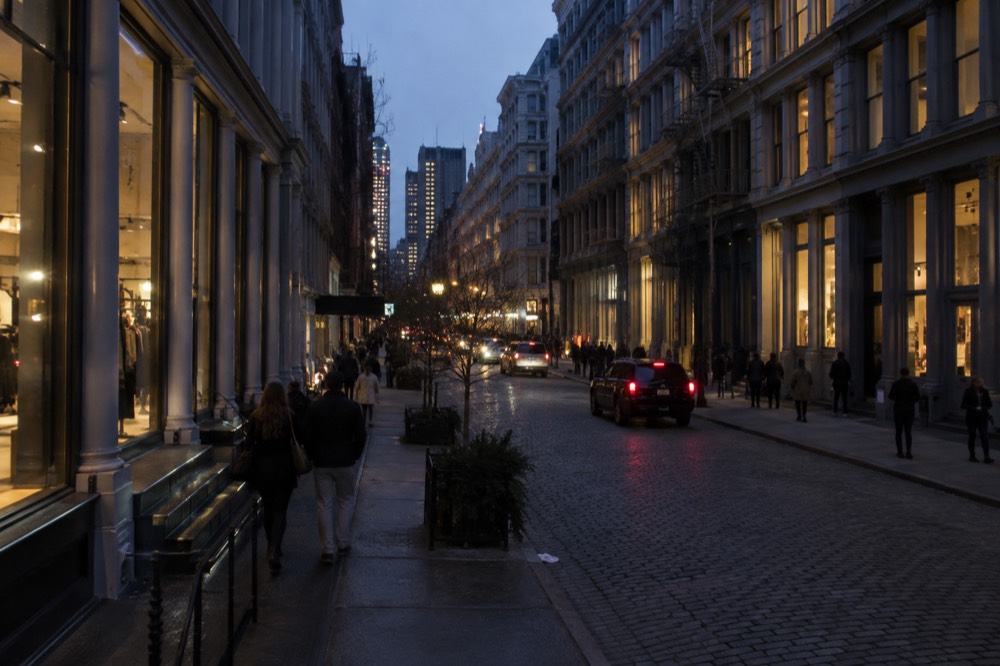
SoHo is the cast-iron district south of Houston Street, a few blocks of 19th-century commercial architecture that became an artists' colony and then one of the most expensive shopping streets in the world.
Short answer
SoHo is the neighborhood south of Houston Street in Lower Manhattan, famous for the world's largest concentration of cast-iron architecture and for high-end shopping along Broadway, Prince Street and West Broadway. It suits shoppers, architecture fans and photographers, works well as a half-day visit, and is an expensive but workable base for a first trip.
The name is a compass direction. SoHo sits south of Houston Street, and that first syllable is pronounced the New York way: HOW-ston, never like the city in Texas. The district runs from Houston down to Canal Street, between Broadway and roughly Sixth Avenue, a grid of blocks where 19th-century commercial buildings wear the most ornate iron fronts ever bolted to brick. It is the largest concentration of cast-iron architecture anywhere, a fact the New York City Travel Guide returns to often because it explains everything else about the neighborhood: why the lofts are huge, why the windows are tall, and why the ground floors became the most coveted retail space in the country.
What Is SoHo NYC, and Where Exactly Does It Sit?
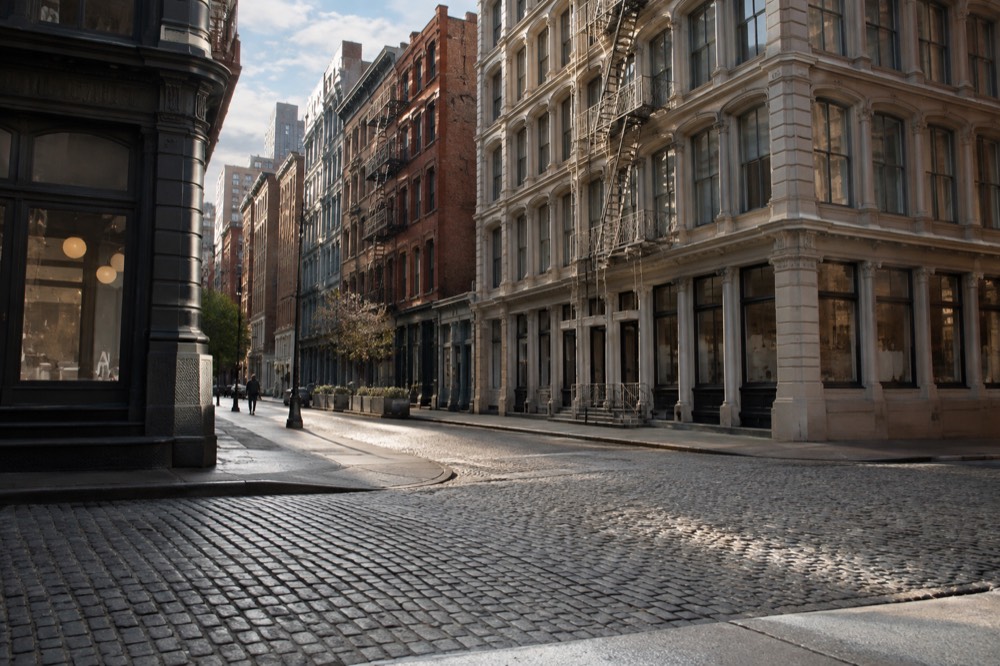
SoHo is the Lower Manhattan neighborhood bounded by Houston Street to the north, Canal Street to the south, Broadway running north-south through its middle, and roughly Sixth Avenue to the west. Its defining feature is the SoHo Cast Iron Historic District, the largest surviving collection of cast-iron buildings on earth, protected as a National Historic Landmark. The blocks between West Broadway and Crosby Street hold the densest cluster, and the cobblestones survive on a handful of side streets.
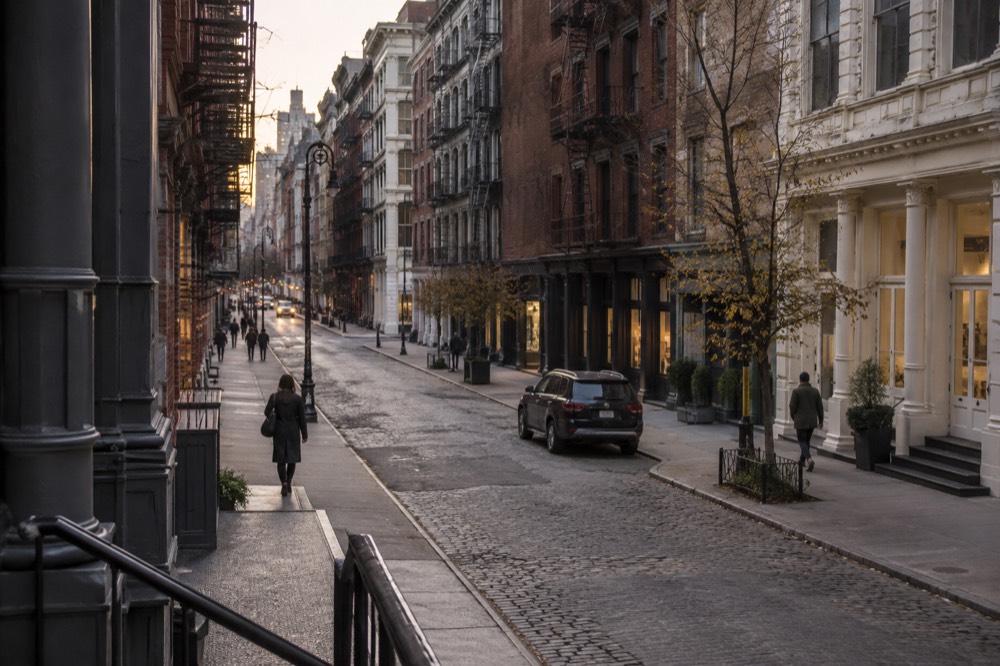
The architecture is the reason SoHo looks like nowhere else. In the 19th century, builders discovered that decorative stonework could be mass-produced in iron, cast in molds, bolted to ordinary brick fronts and painted to imitate limestone. Facades went up fast and looked like Renaissance palazzi at a fraction of the cost. The results are the tall, shallow, column-fronted buildings you see on Greene Street and Prince Street today, many with the iron painted in pale tones that photograph beautifully in morning light.
Those oversized windows and deep floors were built for dry-goods merchants, not residents. When industry left mid-century, the lofts stood empty, and artists moved in illegally at first, living in spaces zoned for manufacturing. The artist-tenant era gave SoHo its galleries and its name recognition, and the loft law that followed made residential use legal. Gentrification did the rest: galleries became flagship stores, and the artists were followed, as always, by shoppers.
The neighborhood is small. SoHo proper is roughly half a mile from Houston to Canal and about a quarter mile across, which means a determined walker can cover the whole district in under an hour. Most visitors spend far longer, because the side streets invite detours and the storefronts are engineered to slow you down.
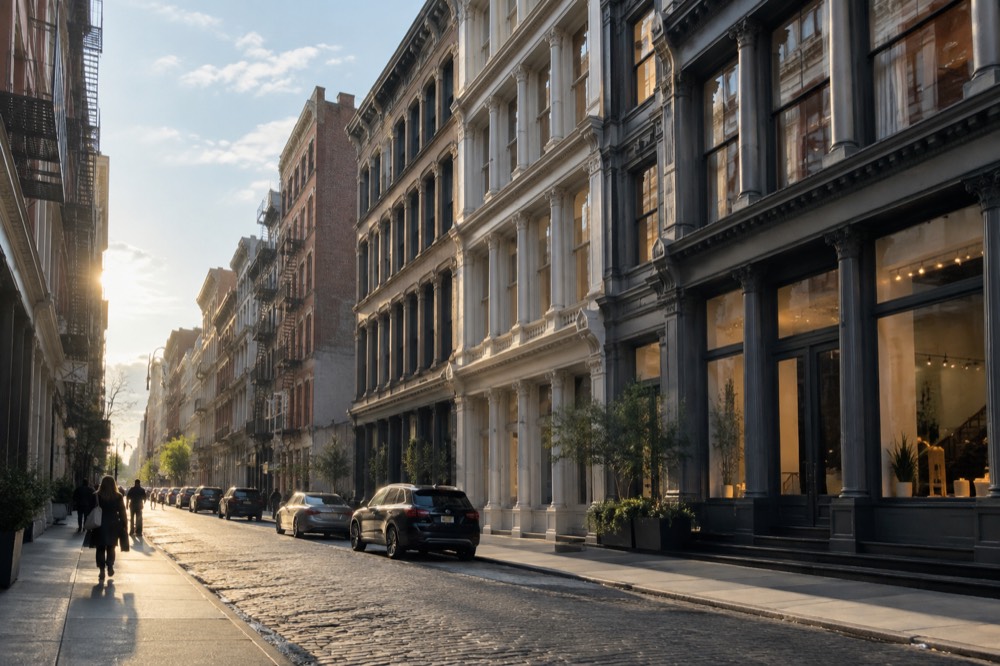
For orientation, think of three north-south spines. Broadway is the wide, commercial spine with the biggest brands and the most foot traffic. West Broadway, one block west, is the glossier gallery-and-boutique spine. Crosby Street, on the east side, is the quieter one, where the fashion industry still works behind unmarked doors. The cast-iron showpieces cluster on the cross streets between them, especially Greene, Prince, Spring and Wooster.
Is SoHo a Good Base for a New York Trip?
SoHo works well as a base for a first or second trip if your budget absorbs boutique-hotel prices and your priorities are shopping, food and downtown neighborhoods rather than Midtown sightseeing. It sits on several subway lines, so the ride to Midtown takes minutes. It is a poor base for visitors who want to fall out of bed into Times Square, and a mixed one for families, since the district is thin on playgrounds and heavy on crowds.
The case for staying here is walkability. From a SoHo hotel you can walk to Chinatown in ten minutes, Little Italy in five, and Greenwich Village in fifteen. The High Line's southern end and the Brooklyn Bridge are both reachable on foot for most travelers. That downtown cluster is exactly what many visitors come for, and SoHo sits in the middle of it.
The case against is price and pace. SoHo hotel rooms are expensive relative to what you get, and the streets are at their most crowded on weekend afternoons, when shoppers from across the region pack Broadway. If your itinerary is built around the Empire State Building, Top of the Rock and Broadway shows, all of which sit in or near Midtown, staying south of Houston adds a commute to every sightseeing day. First-timers chasing the classic checklist usually do better sleeping in Midtown and visiting SoHo as a half-day.
A reasonable pattern for a day based in SoHo: architecture and shopping in the morning before the crowds build, lunch in the neighborhood, then an afternoon walk east into Nolita and Little Italy, or south into Chinatown. The district empties noticeably in the evening, when shops close and the crowds migrate to restaurants elsewhere, so plan dinners a few blocks out.
What Are the Best Things to Do in SoHo?
The best things to do in SoHo are walking the cast-iron blocks of Greene Street and Prince Street, photographing the cobblestone corners early or late in the day, shopping along Broadway and West Broadway, browsing the photography exhibits at the International Center of Photography, and eating your way through the edge streets where Nolita begins. The neighborhood rewards walkers and punishes drivers, so plan it on foot.
Start with the buildings, not the shops. Greene Street between Houston and Canal holds the most photographed stretch of cast-iron in the district, and it takes fifteen unhurried minutes. The best light for photography is early morning, before the shops open, when the cobblestones are empty and the iron fronts catch low sun. By noon the same corners host street vendors, film crews and a queue for photo spots.
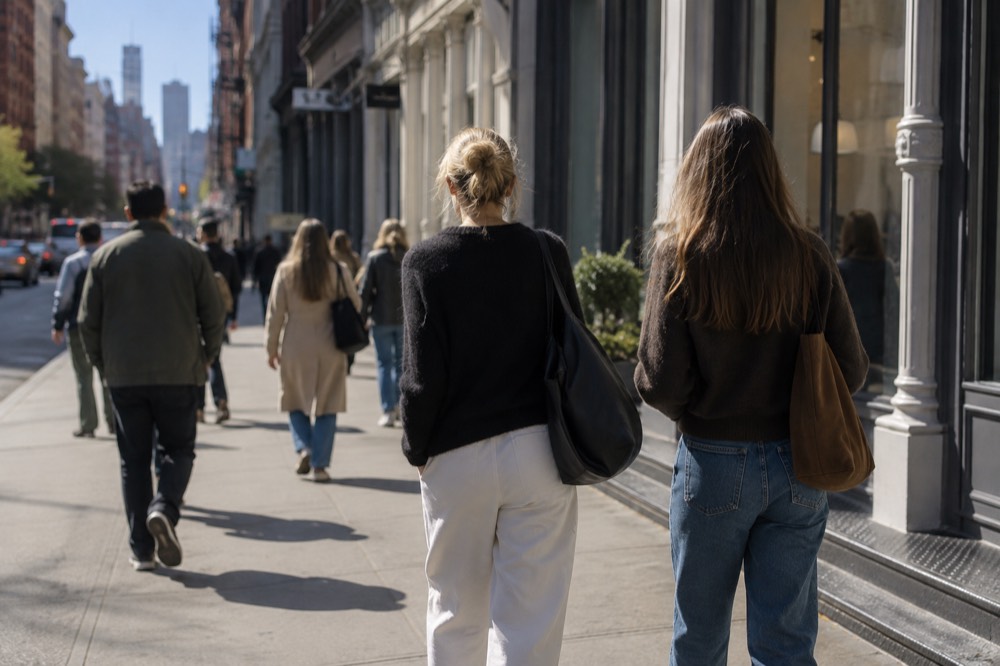
The International Center of Photography, on Essex Street a short walk east, rotates photography exhibitions that suit the neighborhood's gallery heritage. Beyond it, the shopping itself is the main attraction for many visitors, and the district layers three distinct experiences: global flagships on Broadway, designer and independent boutiques on West Broadway and the cross streets, and the remaining art galleries scattered through the side blocks. Street-level window shopping here is free entertainment of a genuinely high standard.
For a guided version of the neighborhood, the SoHo, Little Italy and Chinatown walking tour covers all three downtown enclaves in two hours with a guide handling the history, and it is one of the least expensive guided walks in the city at $25 per person. It suits first-day orientation well. Check availability
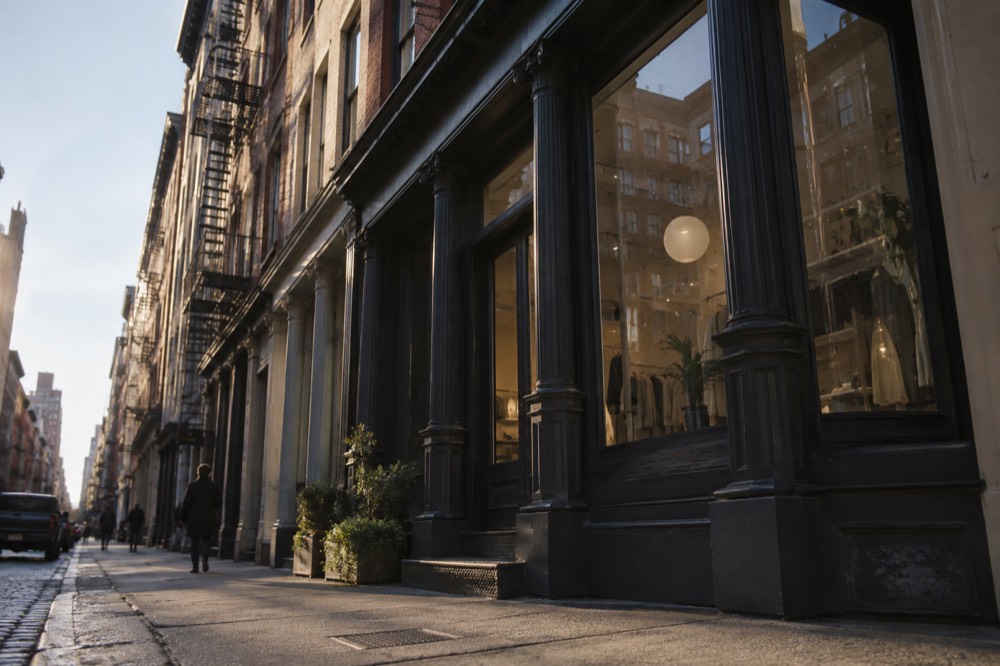
A quieter alternative costs nothing up front. A free, tip-based walk covering the same three neighborhoods runs on GuruWalk, led by independent guides who set no fixed price. It runs about two hours and covers SoHo's cast-iron blocks, Little Italy's old Mulberry Street and Chinatown's busy lanes, with the guide paid by tips at the end.
Where Should You Shop in SoHo?
Shop Broadway for the global flagships and the biggest names, West Broadway and Prince Street for designer boutiques, the cross streets between Greene and Lafayette for independent stores and concept shops, and the western edge along Sixth Avenue for the mainstream chains at lower price points. SoHo's real retail specialty is the independent boutique, not the department store, and the side streets are where you find it.
| Street or zone | What it is best for | Price level | Crowd level |
|---|---|---|---|
| Broadway | Global flagships, sportswear, beauty | High to premium | Heaviest, especially weekends |
| West Broadway | Designer boutiques, concept stores | Premium | Moderate |
| Prince Street | Mixed independents and flagship satellites | High | Heavy afternoons |
| Greene Street | Cast-iron views plus select boutiques | Premium | Lighter mornings |
| Spring Street | Smaller independents, home and design | Mid to high | Light |
| Sixth Avenue edge | Mainstream chains, easier returns | Mid | Moderate |
Two practical notes. First, SoHo's shops cluster at the high end, so visitors hunting bargains should walk east into Chinatown or north to the Village instead. Second, the district's storefronts turn over constantly, and a store recommended in any guide may be gone by the time you visit, so treat street names as the durable layer and any specific shop as provisional.
Where Should You Eat in and Around SoHo?
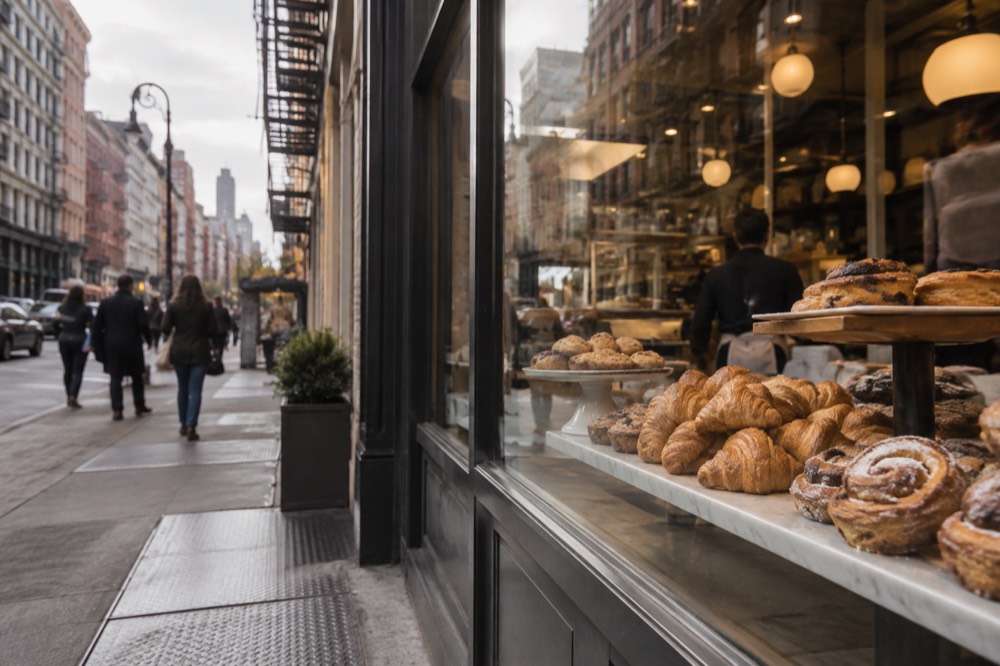
SoHo's own restaurant layer is thin relative to its foot traffic, and the strongest eating sits on the neighborhood's edges: Nolita's Italian cafes and bakeries just north of Prince, Chinatown's dumpling and noodle rooms a few blocks east, and the long-standing French bistros that survived the neighborhood's changes on its quieter west side. For a food-focused visit, a guided tasting walk that strings the districts together beats picking a single restaurant.
The honest summary of eating in SoHo proper is that you are paying partly for the address. There are good tables here, and the café culture on the side streets is pleasant, but the value and the character improve the moment you cross a boundary. Nolita, the small pocket north of Prince, packs bakeries and Italian counters into a few walkable blocks. Chinatown, east of Lafayette, is the city's densest concentration of inexpensive, excellent food, and it begins barely five minutes from Broadway.
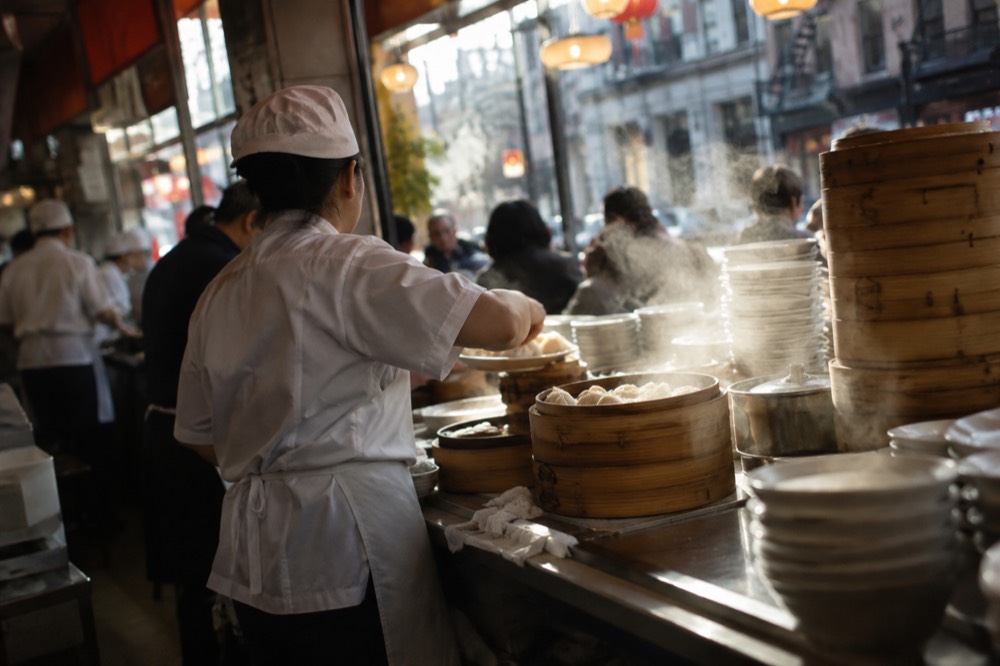
For travelers who want the eating organized, a guided food tour through Chinatown and Little Italy runs six tastings that add up to a real meal, with the neighborhoods' stories woven between the stops. It costs from $99 per person and runs about three hours.
How Do You Get to SoHo by Subway?
SoHo is served by the 6 train at Spring Street, the B, D, F and M trains at Broadway-Lafayette, the N, R and W trains at Prince Street, and the C and E trains at Spring Street on the eastern edge, making it one of the easier downtown neighborhoods to reach from almost any line. A single subway ride costs $3.00, and weekly value comes automatically through OMNY's $35 fare cap with no pass to buy.
| Station | Lines | Where it puts you |
|---|---|---|
| Spring St (6) | 6 | Eastern SoHo, near Crosby Street |
| Prince St | N, R, W | Central SoHo, at Prince and Broadway |
| Broadway-Lafayette | B, D, F, M | Northern SoHo, at Houston Street |
| Spring St (C, E) | C, E | Far eastern edge, toward Sixth Avenue boundary walk |
The fare mechanics matter more than most guides admit. The MetroCard era is over: as of 1 January 2026 the MTA no longer sells or refills MetroCards, and the old 7-day unlimited pass does not exist. You tap the same credit card, debit card, phone or OMNY card at every turnstile, and once your taps total $35 within a rolling seven-day window, the rest of that period is free. There is nothing to buy in advance and no decision to make at the airport. The one rule that trips people up: tap the same card or device every time, because mixing your phone with the plastic card in your pocket breaks the cap silently, and each person in a group needs their own card.
What Does SoHo Suit Best, and What Does It Not?
SoHo suits shoppers, architecture enthusiasts, photographers and anyone who enjoys dense, walkable city streets with strong shopping and food at the edges. It does not suit visitors seeking green space, quiet evenings, budget travel or a car-based itinerary, and it disappoints anyone expecting the bohemian gallery district of legend, because the galleries largely moved out and the flagship stores moved in. Go for the buildings and the boutiques, and eat a few blocks away.
The honest framing is that SoHo is a district you visit on purpose rather than stumble through. It has no major museum, no park of note and no single landmark you must see, so its value depends on your interest in the fabric of the streets themselves. For a traveler who cares about urban design, cast-iron facades and the layered history of a manufacturing district turned artists' colony turned retail showcase, few blocks in the world deliver more per acre. For a traveler ticking off sights, it is a pleasant hour between the Brooklyn Bridge and the Village.
Families can enjoy SoHo in short doses, particularly the photography and the pastry stops, but the district offers little for children beyond window height. Budget travelers should treat the neighborhood as a free outdoor museum, walking the architecture and spending their money in Chinatown. And anyone with limited time should fold SoHo into a larger downtown loop, pairing it with the bridge, Chinatown and the Village in a single day, which is exactly how the neighborhood sits best in an itinerary.
If you are building that downtown loop into a full trip plan, the things to do in NYC page places SoHo in context against every other district, and a guided walk remains the most efficient way to see the cast-iron blocks with the stories attached.
How Should You Plan a Half-Day in SoHo?
A well-shaped half-day in SoHo starts with the cast-iron blocks in the first hour after the shops open, moves to Broadway and West Broadway for shopping as the crowds build, breaks for lunch on the Nolita edge or in Chinatown, and ends with a walk south toward Canal to see the district's grittier southern blocks before the subway home.
The order matters, because morning light and thin crowds are the two things you cannot buy back later in the day.
| Time block | Where to be | Why then |
|---|---|---|
| First hour | Greene Street and the cobblestone corners | Empty streets, low sun on the iron fronts |
| Mid-morning | West Broadway and Prince Street boutiques | Shops open, crowds still thin |
| Midday | Lunch in Nolita or Chinatown | Better value and shorter waits than Broadway |
| Early afternoon | Broadway flagships, then south toward Canal | Flagships absorb the peak crowds; Canal shows the district's working edge |
| Late afternoon | Subway at Prince St or Broadway-Lafayette | Beat the evening rush in the other direction |
The one mistake worth avoiding is arriving at midday on a Saturday and expecting the postcard SoHo. That version of the district exists only in the first hours of the day, and by the time most visitors reach Greene Street the corners are full and the photographs require patience. Flip the day: architecture first, shopping second, food third.
Common Questions About SoHo NYC
Visitors ask the same short questions about SoHo: how to pronounce it, whether it is worth the detour, whether it is expensive, what it stands for, when to go and how it compares with Nolita and NoHo next door. The short answers: HOW-ston, yes for architecture and shopping, yes it is pricey, South of Houston, weekday mornings, and each pocket has a distinct character worth knowing before you route your day.
What does SoHo in NYC stand for?
SoHo is an abbreviation of South of Houston Street. The naming pattern repeats across Lower Manhattan: NoHo is North of Houston, Nolita is North of Little Italy. Houston Street itself is pronounced HOW-ston, not like the Texas city.
Is SoHo NYC worth visiting?
Yes, if cast-iron architecture, window shopping or photography interest you, because the district holds the largest concentration of cast-iron buildings anywhere and the streets photograph beautifully in morning light. If none of those appeal, SoHo is skippable, and your time is better spent in the Village, Chinatown or along the waterfront.
Is SoHo expensive?
Yes. Hotel rates, restaurant prices and retail in SoHo all sit at the premium end of the Manhattan scale, and the flagship shopping on Broadway targets high budgets. The architecture itself is free to walk, and the cheapest good meals sit a few blocks east in Chinatown.
When is the best time of day to visit SoHo?
Weekday mornings, roughly before 11am, when the shops are open or opening, the cobblestone corners are photographable without crowds, and the sidewalks are passable. Weekend afternoons bring the heaviest foot traffic of the week, and the difference between a Saturday at 2pm and a Tuesday at 9am is dramatic.
What is the difference between SoHo, NoHo and Nolita?
SoHo is south of Houston Street, the cast-iron and shopping district. NoHo is north of Houston, a smaller pocket of historic buildings around Bond Street. Nolita sits east of SoHo, north of Little Italy, and runs on Italian cafes, bakeries and independent boutiques. The three blend into one walkable downtown stretch.
Can you see SoHo, Little Italy and Chinatown in one day?
Easily, and in far less than a day. The three neighborhoods sit side by side, and a guided two-hour walking tour covers all of them, while an unguided walker with a map needs about half a day at a relaxed pace with meal stops built in.