Upper East Side, New York: What the Neighborhood Is Really Like
The Upper East Side is the museum district, the park district, and one of the quieter places to sleep in Manhattan. Here is what it is actually like as a base and as a day out.
Short answer
The Upper East Side suits travelers who want Museum Mile, Central Park on the doorstep, and a calmer place to sleep, in exchange for a longer subway ride to downtown sights. The 4, 5 and 6 trains serve it, a single $3.00 OMNY tap pays for the ride, and the Met, the Guggenheim and the Whitney all sit within or beside it.
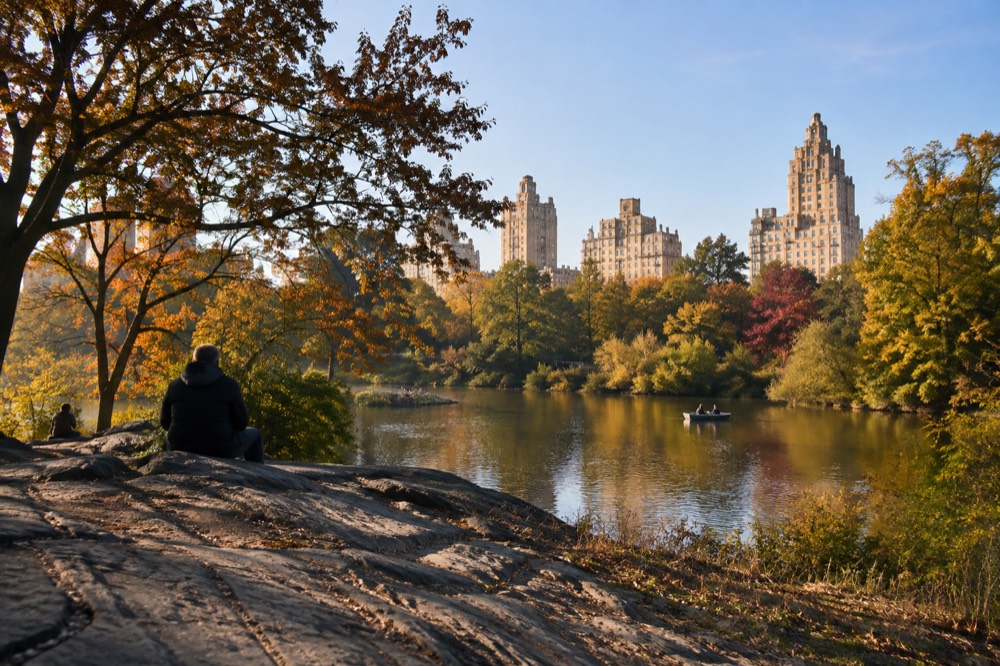
Fifth Avenue on the Upper East Side holds the densest run of major museums anywhere in New York: the Metropolitan Museum of Art, the Guggenheim, and several smaller institutions line roughly a mile of it, with Central Park directly across the street. Yet the neighborhood around that stretch is one of the quietest places to sleep in Manhattan, and that tension, between a world-class cultural strip and residential blocks that empty after dark, is the whole story of visiting here. This guide covers what the Upper East Side is like as a base, what a day there involves, and who it genuinely suits.
What Is the Upper East Side Like as a Base for a New York Trip?
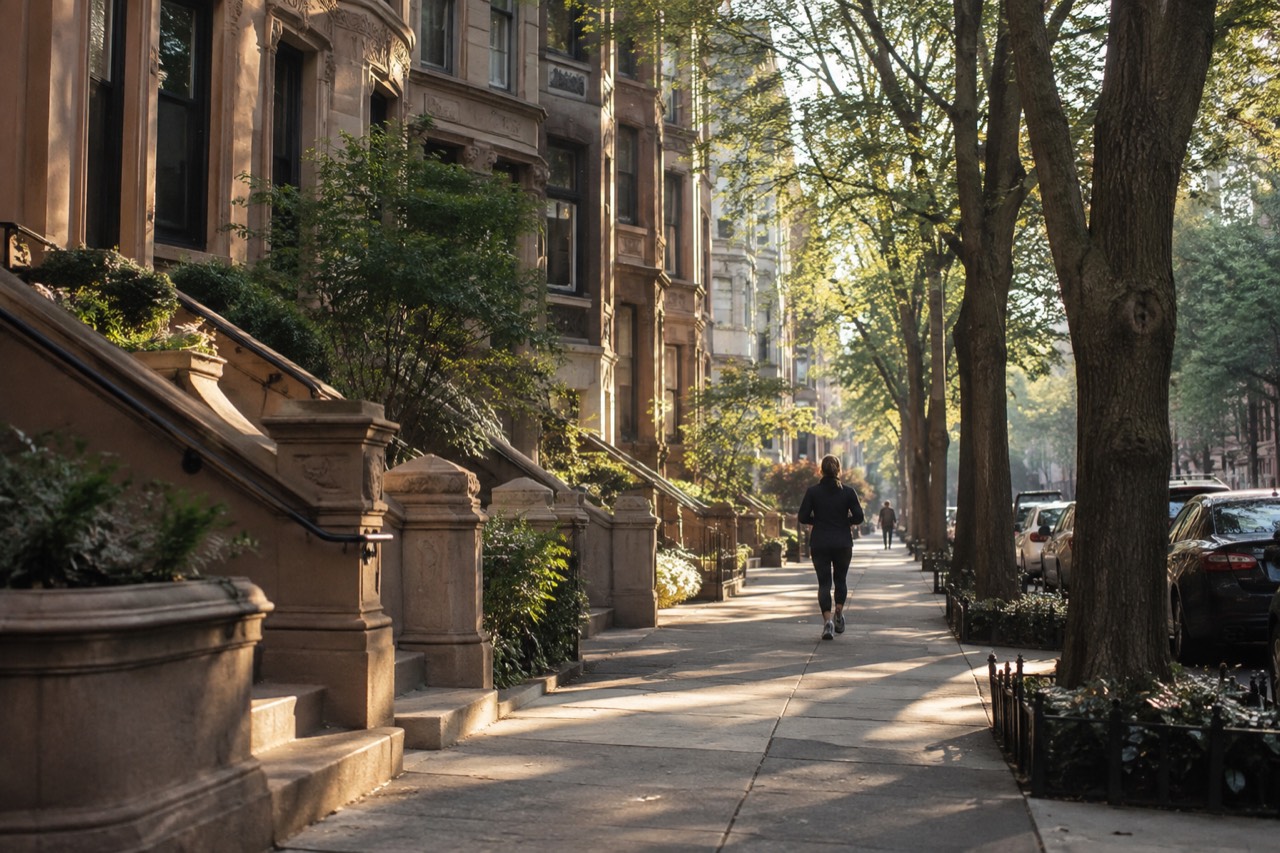
The Upper East Side works as a base for travelers whose priorities are museums, Central Park, and a quiet room, and works against everyone else. It sits on the Lexington Avenue line, so Times Square is a short hop but downtown sights mean 30 to 45 minutes of transit each way. Restaurants close earlier than Midtown and nightlife is thin. For a culture-first itinerary it is excellent.
For a bar-hopping one it is the wrong side of the park.
The trade-off is simple. You get brownstone side streets, a residential calm that is rare this close to Midtown, and the park as your front garden. You give up walkability to the Theater District, the Financial District and Brooklyn, all of which require the 4, 5 or 6 trains, or a crosstown bus, or both.
Prices in the neighborhood's hotels tend to sit below comparable Midtown properties for the same class of room, which is one reason families and longer-stay travelers end up here. The housing stock is older, the blocks are pleasant to walk, and the subway is reliable even if it is the only line on the East Side of this part of Manhattan.
If your itinerary is built around the Met, the Guggenheim, the Whitney, Central Park and the reservoir loop, staying here means most of your day is a walk, not a commute. If it is built around Broadway shows every night, stay in Midtown instead.
Which Subway Lines Serve the Upper East Side, and What Does the Ride Cost?
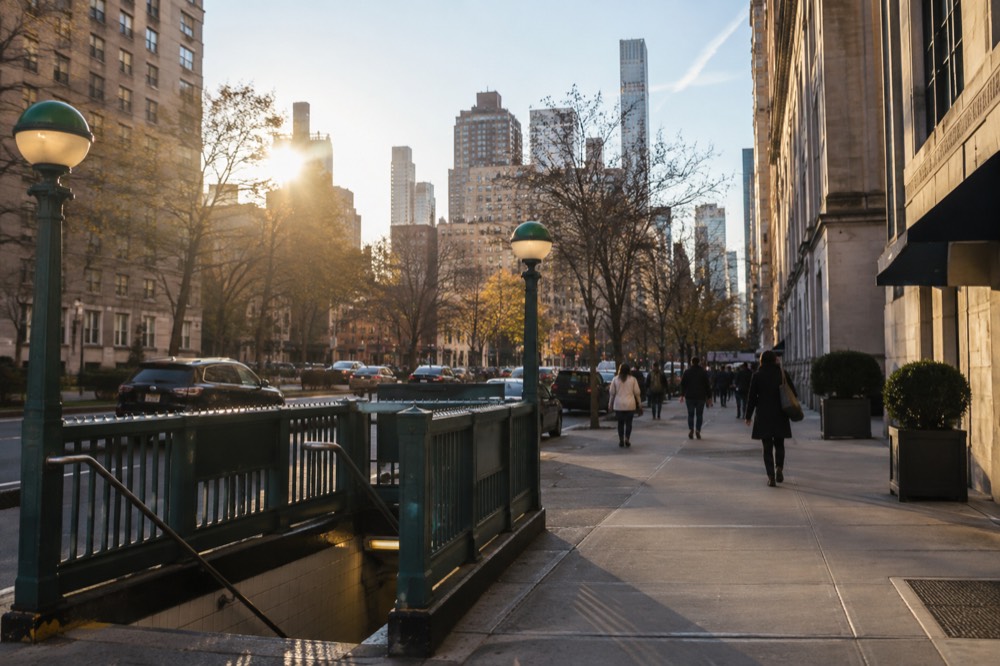
The 4, 5 and 6 trains run under Lexington Avenue the length of the neighborhood, with the 6 stopping at every local station between 59th Street and the top of the district. A single ride costs $3.00 with a tap of the same card or phone every time, and the $35 weekly OMNY cap applies automatically, so a week of rides stops charging after twelve paid trips. The Q train also serves the area's eastern edge.
Two practical notes that most guides still get wrong. First, the MetroCard is retired: as of 1 January 2026 the MTA no longer sells or refills them, so the old advice about buying a 7-day unlimited on arrival sends you looking for a product that no longer exists. The cap replaced it, and it needs no purchase at all.
Second, the cap only works if you tap the same card or device every single time. A traveler who taps their phone in the morning and a plastic card in the afternoon breaks the cap silently and pays for every ride. Each person in a group needs their own card or device.
| Route | What it is | Where it runs |
|---|---|---|
| 4 | Express | Lexington Avenue, limited stops |
| 5 | Express | Lexington Avenue, limited stops |
| 6 | Local | Every station under Lexington Avenue |
| Q | Express | Second Avenue side of the neighborhood |
| M15 SBS | Bus on 1st/2nd Avenues | Along both avenues |
| Crosstown buses | M72, M79, M86 | Run to Central Park and the West Side |
The crosstown buses matter more here than almost anywhere else in Manhattan, because the neighborhood is long and thin and the park is a wall between you and the Upper West Side. The M86 and M79 are the workhorses, and a bus-to-subway transfer within two hours is free.
For orientation beyond the neighborhood, the money page of this site, things to do across NYC, stacks the full sightseeing picture, and the Central Park guide covers the park that sits across the avenue from the museums.
What Are the Best Things to Do on the Upper East Side?
The headline attractions are Museum Mile and Central Park: the Metropolitan Museum of Art, the Guggenheim, the Whitney at the neighborhood's southern edge, and a full mile of park frontage including the Reservoir running track. Secondary draws include the Frick's block of mansions, the walking loop around the Jacqueline Kennedy Onassis Reservoir, and the Gilded Age architecture of Fifth and Madison Avenues. A first visit realistically splits between one museum and the park.
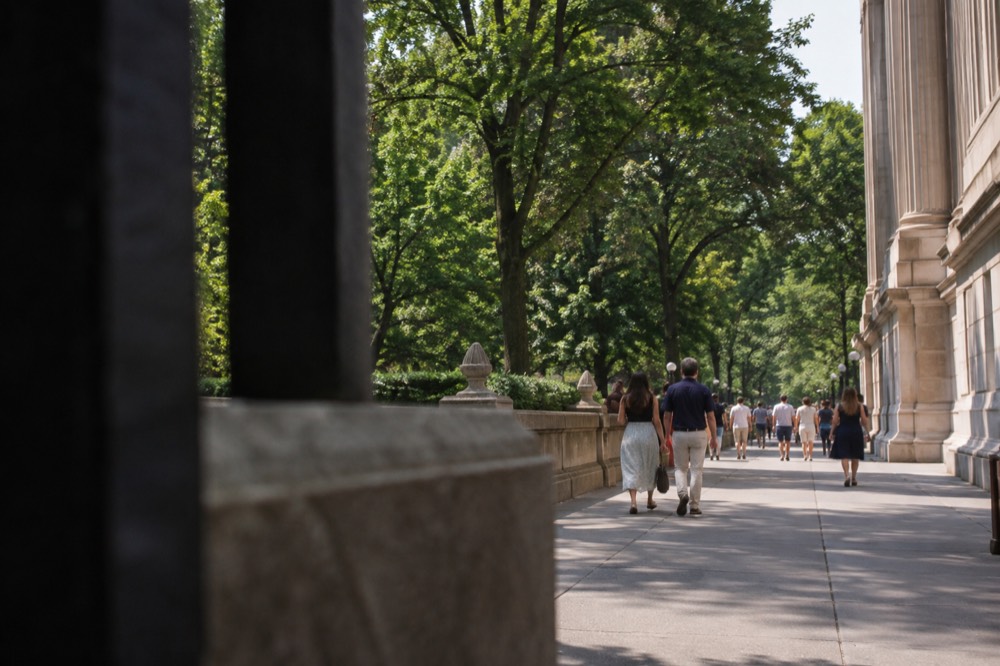
Museum Mile is the reason most visitors come. Fifth Avenue between roughly 70th and 104th Streets holds the Met, the Guggenheim, the Neue Galerie, the Museum of the City of New York and El Museo del Barrio, plus the Cooper Hewitt near the top. Nobody does all of them in a day. The Met alone can absorb an entire afternoon, and the Guggenheim's spiral ramp is a building people visit as much for the architecture as the collection.
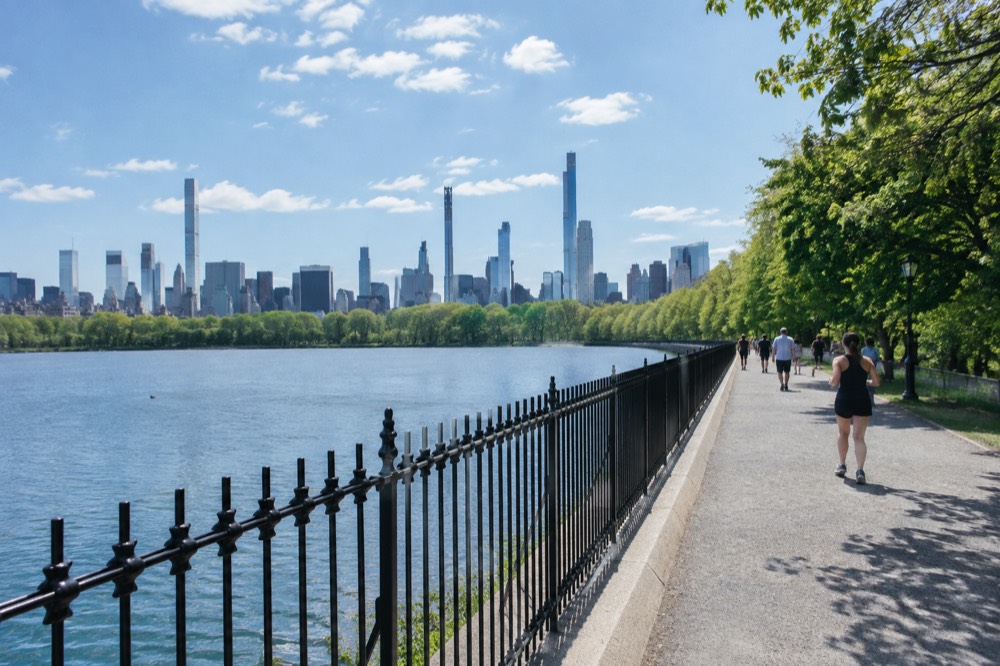
The park side is just as strong. The Reservoir loop is a dirt path of about a mile and a half around the water, flat, with the skyline framed on all sides, and it is where the neighborhood runs. South of it, the Conservatory Water and the northern reaches of the Great Lawn are all within a short walk of the 86th Street stations.
The mansion blocks themselves reward a slow look. The streets east of Madison hold private schools, embassies-in-all-but-name townhouses, and churches, while Fifth Avenue's facing apartment buildings are the vertical descendants of the Gilded Age houses that once stood there. A guide adds the who-lived-where layer that the facades keep to themselves.
Is the Metropolitan Museum of Art Worth the Trip Uptown?
The Met is worth the trip and is the single most commonly misunderstood ticket in New York. Adult admission is a fixed $30, seniors pay $22 and students $17, children 12 and under are free, and pay-what-you-wish applies only to New York State residents and NY, NJ and CT students, who must still pay something. Out-of-state and international visitors pay the full price. Every ticket also covers The Met Cloisters on the same day.
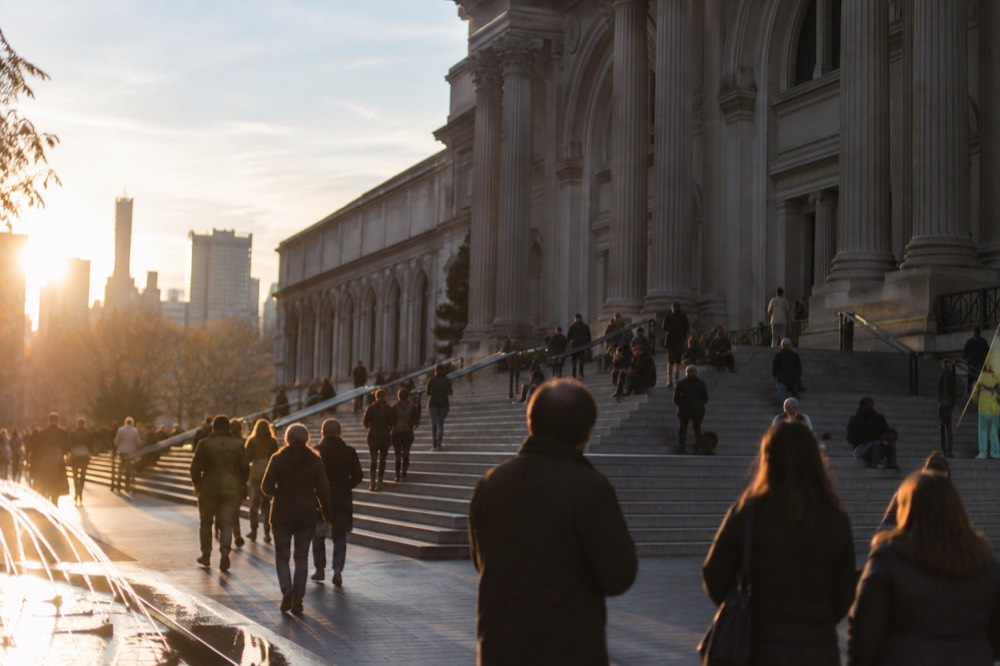
The eligibility rules trip people up constantly, so they are worth spelling out. Pay-what-you-wish is not a general policy and it is not free entry: the minimum is one cent per ticket, proof of residency or student status is required, online pay-what-you-wish purchases need a New York State billing address, and New Jersey and Connecticut students must buy in person with ID. Everyone else pays the posted price. Any guide that tells you to "name your own price at the Met" is describing a policy that ended years ago.
The two-location rule is the pleasant surprise. A ticket covers the Fifth Avenue building and The Met Cloisters, the medieval branch in Fort Tryon Park far uptown, for the same day. Doing both in one day is ambitious, since the Cloisters is a 40-minute subway ride further north, but it is one of the best-value moves in the city for a medieval-art lover.
One current caveat: the museum is open, but a long list of galleries is closed for renovation, including parts of the American Wing, European Paintings 1250-1800, the Costume Institute and the Cantor Roof Garden. Check the Met's own closures page before planning a visit around a specific wing.
A guided highlights tour is worth considering on a first visit. The building is enormous, the good rooms are not adjacent to each other, and two hours with a guide who knows the route covers more than most solo visitors manage in four.
What Other Museums Are on the Upper East Side?
Beyond the Met, the Guggenheim holds the spiral landmark on Fifth at 89th Street, the Whitney sits at the neighborhood's southern edge, and the Museum of the City of New York and El Museo del Barrio line the top of Museum Mile. Admission runs $30 at the Guggenheim and Whitney, and both have free windows: the Guggenheim's is pay-what-you-wish on Tuesday and Sunday late afternoons, the Whitney's is free Friday nights.
| Museum | Adult admission | Free or reduced windows | Notes |
|---|---|---|---|
| Metropolitan Museum of Art | $30 | NY State residents and NY/NJ/CT students only | Ticket includes The Met Cloisters same day |
| Guggenheim | $30 ($16 during exhibition changeover) | Pay-what-you-wish Tue and Sun, 16:00-17:30, $1 minimum | Advance reservation recommended, sells out |
| Whitney Museum of American Art | $30 | Free Friday nights 17:00-22:00; free Second Sundays; free for anyone 25 and under | Sits at the Meatpacking end, technically just outside |
| Museum of the City of New York | Check the listing | Varies | Near the top of Museum Mile |
| Neue Galerie | Check the listing | Varies | Fifth Avenue at 86th Street |
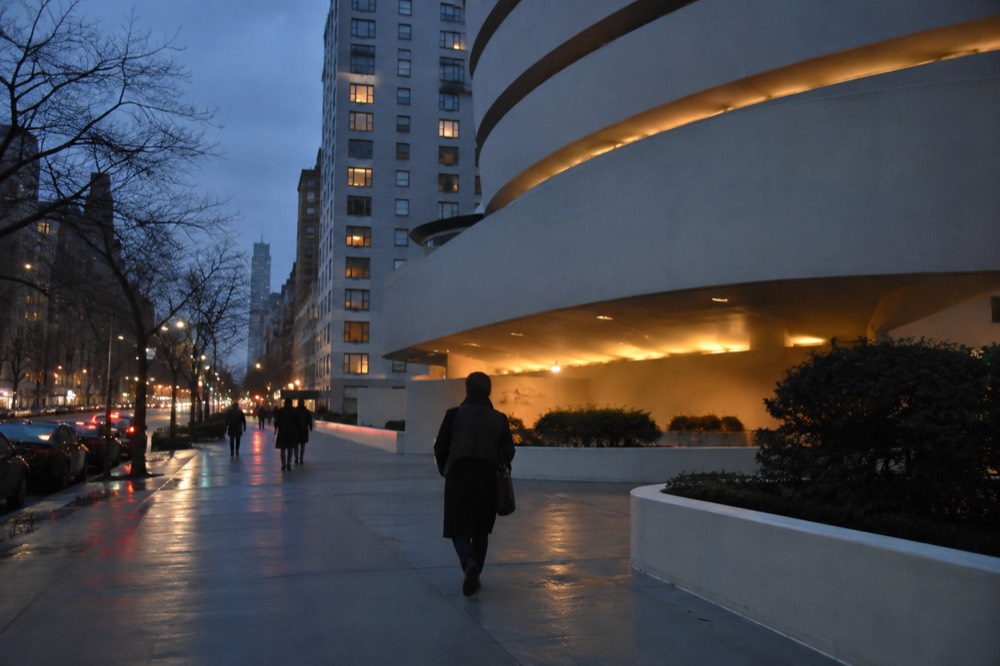
The Guggenheim's changeover pricing deserves a note. The $16 reduced rate applies only while exhibitions are being swapped between shows, and the $30 standard rate otherwise, so the price you see depends on the calendar. The pay-what-you-wish window on Tuesday and Sunday afternoons from 16:00 to 17:30 is the budget route, and it genuinely sells out, so book it rather than walking up.
For planning depth on the big two, this site carries dedicated pages on Metropolitan Museum tickets and the Guggenheim, both of which go deeper on pricing and timing than a neighborhood guide can.
Where Do You Eat on the Upper East Side?
The Upper East Side eats well but quietly: the strength is neighborhood institutions rather than destination restaurants, with a heavy concentration of Italian, classic diners and old-school delis along Lexington, Second and Third Avenues. Restaurant rows close earlier than Midtown's, with many kitchens winding down by 21:30 or 22:00, and the late-night options are limited. Fine dining exists around Madison Avenue, but the everyday eating is casual and unglamorous.
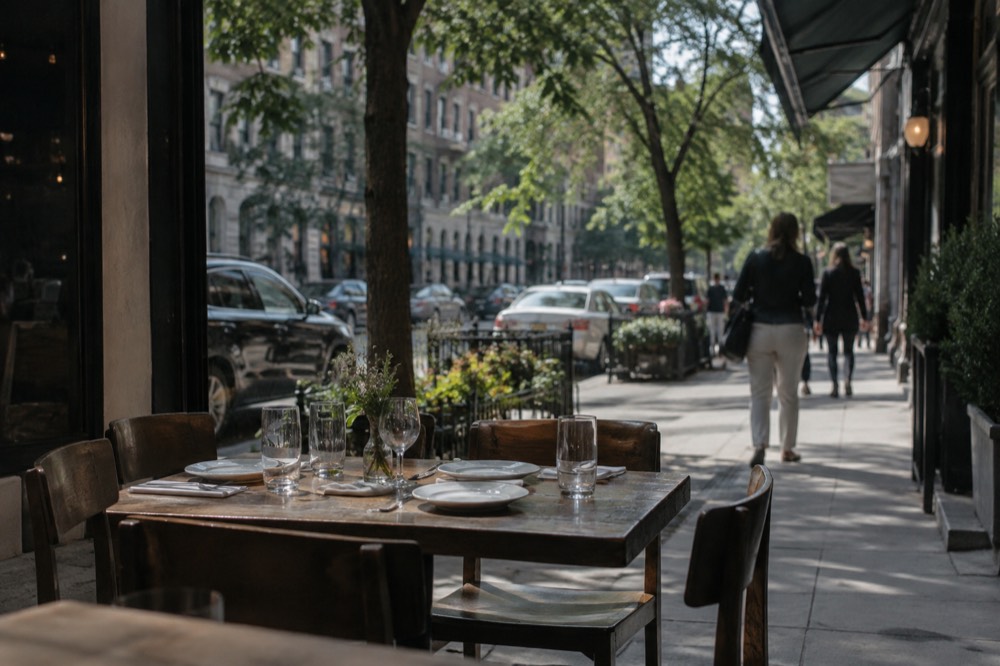
The honest summary is that food is not the reason to choose this neighborhood. It is the reason to leave it for an evening. Downtown eating, especially the Chinatown and Little Italy blocks around Mulberry and Mott Streets, is 20 to 30 minutes away on the 6 train, and that ride ends in one of the best-value food corridors in the city. A tasting walk there covers six stops and doubles as dinner, which is a genuinely efficient use of a museum-heavy day: eat lightly at lunch, ride downtown, and let the walk be the meal.
Closer to home, the blocks around Second Avenue hold the reliable middle of the market: pizza slices, bagels in the morning, coffee shops that fill with strollers before 9am, and a scattering of French bistro-style rooms that have looked the same for decades. Madison Avenue carries the polished, expensive end. Expect to book the better rooms on a weekend.
| Meal | Where | What to expect |
|---|---|---|
| Breakfast | Lexington and Second Avenues | Bagel shops and diners, busy before 9am |
| Lunch near the museums | Madison Avenue and side streets | Cafe sandwiches, higher prices near Fifth |
| Casual dinner | Second and Third Avenues | Italian, sushi, neighborhood staples |
| Special dinner | Madison Avenue | Quieter, pricier, book ahead |
| Food-focused evening | 6 train downtown | The real eating, 20-30 minutes away |
Is the Upper East Side Good for Families?
The Upper East Side is one of the best family bases in Manhattan, and it is not close. Central Park's zoo, carousels and playgrounds sit across the avenue, the American Museum of Natural History is one crosstown bus away on the Upper West Side, the Met and the Guggenheim both admit young children free, and up to three children under 44 inches tall ride the subway free with a paying adult. The quiet streets mean less traffic stress than Midtown.
The transit rules quietly favor families. The under-44-inches rule means many five and six-year-olds ride free, the crosstown buses take strollers, and the park provides a traffic-free corridor for the whole day. The neighborhood's own playgrounds, spaced along the park's eastern edge, are the kind locals actually use, which is itself a signal about who lives here.
The trade-off is the same as for everyone else: getting to downtown attractions means a real ride. But a family itinerary that is museums, the park, the reservoir loop and the zoo is almost entirely walkable from a base here.
A free, tip-based Central Park walk, booked through GuruWalk, is a low-commitment way to cover the park's highlights with children, since you pay what you think the guide earned and can peel off whenever the group runs out of stamina.
What Does a Day on the Upper East Side Cost?
A full day in the neighborhood runs roughly $60 to $120 per adult before hotels: $3.00 per subway ride with the $35 weekly cap applying automatically, $30 for the Met or $30 for the Guggenheim, a $15 to $30 band for lunch and coffee, and dinner from $25 upward. Children under 12 enter the Met free and small children ride transit free, which pulls a family day toward the low end of that range.
| Item | Adult | Notes |
|---|---|---|
| Subway rides (OMNY) | $3.00 each | $35 weekly cap, automatic, same card every tap |
| Met admission | $30 | $22 seniors, $17 students, under 13 free |
| Guggenheim | $30 | $16 during exhibition changeover; PWYW Tue/Sun 16:00-17:30 |
| Lunch, casual | $15-$30 | Higher near Fifth Avenue |
| Dinner, neighborhood | $25-$60 | Madison Avenue runs higher |
| Central Park and the Reservoir loop | Free | Always |
The savings levers are real. The Met's same-day two-location ticket doubles the value of a $30 admission if you can stomach the ride to the Cloisters. The Guggenheim's Tuesday and Sunday late-afternoon pay-what-you-wish window drops that museum to a dollar. The park, the mansion blocks and the reservoir loop cost nothing at all, and they are not consolation prizes, they are the neighborhood's best features.
Against a pass: if your itinerary hits the Met, a second museum and a deck, compare the day's spend against the CityPASS bundle, which lists the Guggenheim among its choices. The maths only works if you use the tickets, so a relaxed one-museum-a-day plan usually loses to à la carte.
Who Should Skip the Upper East Side?
Skip the Upper East Side if your trip is built around late nights: Broadway shows, downtown music venues and Brooklyn restaurants all mean a 30-minute-plus ride home, and the neighborhood's own streets go quiet by mid-evening. It is also the wrong pick for a first trip of two days or fewer, when every hour of transit matters, and for visitors who want the city's noise and density outside their window. It rewards a long, culture-forward stay.
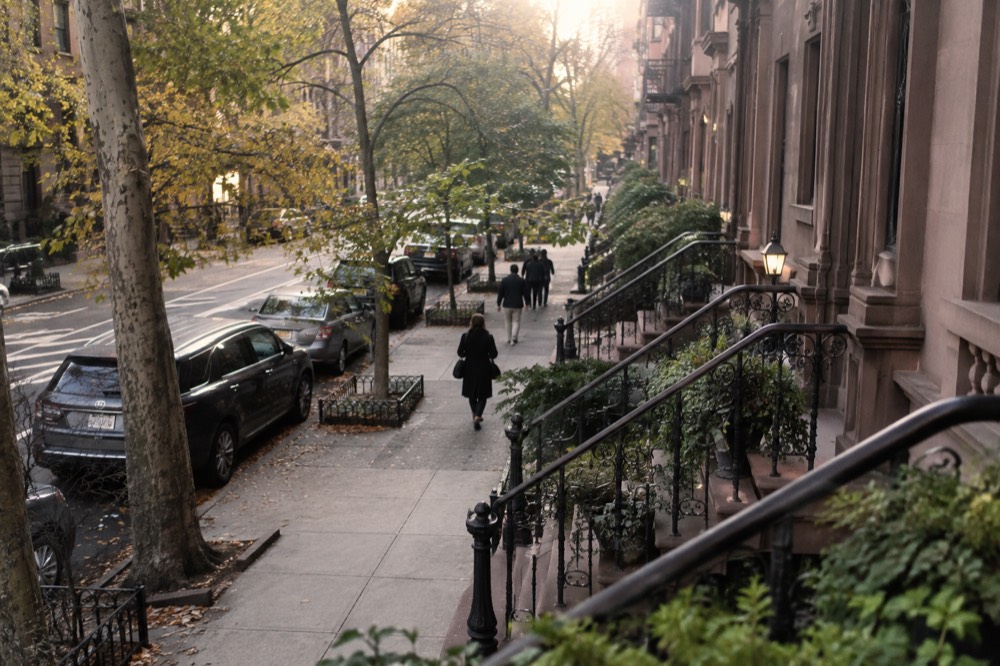
The reverse framing helps: this is the neighborhood for a fourth or fifth visit, or for a family week, or for anyone whose ideal New York day is a museum, a long walk in the park and an early dinner. For that traveler it is not a compromise, it is the point. The room is cheaper, the streets are calm, and the two best things in the neighborhood are free.
The rest of this site's New York City Travel Guide coverage breaks down the alternatives by neighborhood and by itinerary length, which is the better place to compare bases before committing.
Common Questions About the Upper East Side
The questions visitors ask most are about transit, the Met's admission rules, whether the neighborhood is quiet at night, and how it compares to the Upper West Side. The short answers: the 4, 5 and 6 trains serve it, the Met is $30 fixed for visitors and pay-what-you-wish only for New York State residents and NY/NJ/CT students, yes it is quiet after 21:00, and the two park sides differ mainly in museums versus Lincoln Center.
Is the Upper East Side safe?
Yes, by any citywide measure. It is a residential neighborhood with low violent-crime rates for Manhattan, well-lit avenues and heavy foot traffic during the day. As everywhere, keep phones out of back pockets and be aware on near-empty side streets late at night, but the standard precautions of any big city cover it.
Is the Upper East Side boring at night?
Honestly, partly. The museum blocks and residential streets go quiet by mid-evening, and there is no nightlife district to speak of. Madison Avenue holds some polished hotel bars, and Second Avenue has neighborhood restaurants and pubs, but the destination nightlife is elsewhere in Manhattan.
How long does it take to get from the Upper East Side to Times Square?
Roughly 15 to 25 minutes on the 4, 5 or 6 to Grand Central and a transfer, or to 42nd Street directly depending on the route. It is an easy ride, but doing it twice a day, every day, adds up, which is the main argument for staying in Midtown instead.
Can you walk to Central Park from the Upper East Side?
Yes, that is the neighborhood's defining feature. The entire western edge of the Upper East Side is Central Park, and any east-west street leads into it. The Reservoir loop, the Conservatory Water and the Great Lawn are all within a short walk of the Lexington Avenue stations.
Is the Upper East Side or the Upper West Side a better base?
It depends on the itinerary. The Upper East Side has Museum Mile and the Met; the Upper West Side has Lincoln Center, the American Museum of Natural History and easier access to the Theater District. Culture-first trips favor the east side, theater-and-music trips favor the west.