Williamsburg Brooklyn: What the Neighborhood Is Like, and Who It Suits
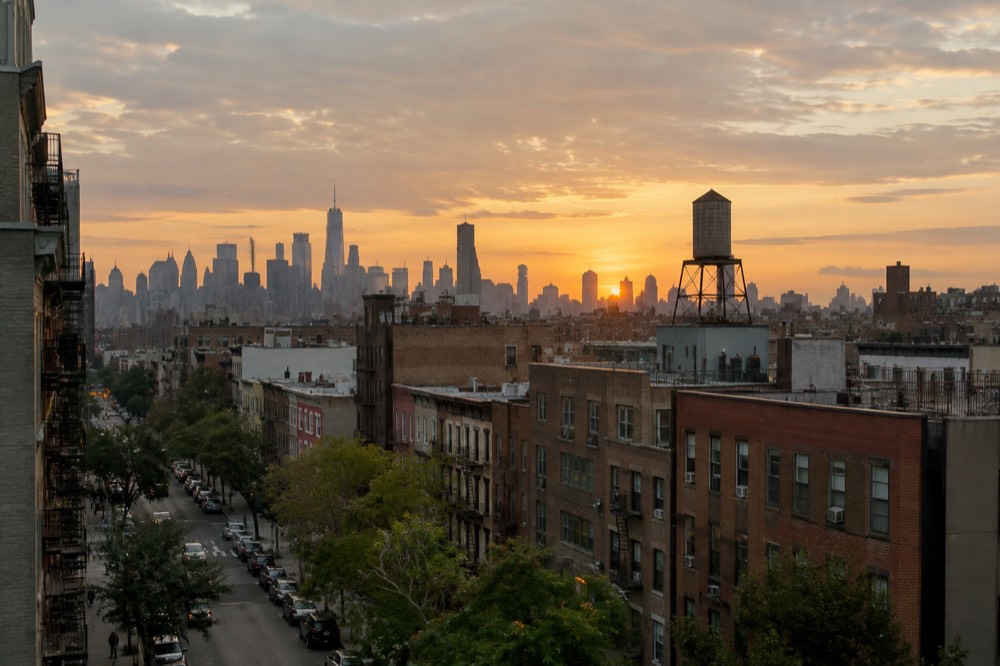
Williamsburg sits one subway stop from Manhattan across the East River, and that single fact shapes everything about it: the rents, the crowds on the L train, the rooftops, the resentment, and the reason it is one of the most imitated neighborhoods in the world.
Short answer
Williamsburg, Brooklyn is a former industrial and immigrant district directly across the East River from Lower Manhattan, reachable on the L train in one stop from 14th Street. It is a strong base for travelers who want restaurants, bars and shopping in a walkable neighborhood, and a good day out for anyone who wants Brooklyn's version of city life at close range.
Williamsburg sits one subway stop from Manhattan across the East River, and that single fact shapes everything about it: the rents, the crowds on the L train, the rooftops, the resentment, and the reason it is one of the most imitated neighborhoods in the world. The L train crosses under the river from 14th Street in Manhattan and surfaces at Bedford Avenue in about five minutes, which puts some of Brooklyn's best eating and drinking within a ten minute walk of a station that is closer to Union Square than most of Manhattan's own neighborhoods are.
This page covers Williamsburg as two different decisions: as a place to base a whole trip, and as a place to spend a day. Those are not the same question, and the answer differs. It also covers the practical parts, fares, food, and the honest limits of the area, in the voice of the New York City Travel Guide's editorial desk.
What Is Williamsburg, Brooklyn?
Williamsburg is a neighborhood in northern Brooklyn, directly across the East River from Manhattan's Lower East Side, and it runs from the riverfront inland in a rough grid of low-rise streets anchored by Bedford Avenue. It is served by the L train at Bedford Avenue, the G train at Metropolitan Avenue, and the J, M and Z trains at Marcy Avenue on its southern edge. The population is a mix of long-standing Hasidic and Latino communities, newer arrivals who transformed the area over recent decades, and the visitors who now fill its hotels and restaurants. It is walkable end to end in under an hour.
The name gets used loosely. Real estate listings stretch "Williamsburg" south past Broadway and east past the Brooklyn-Queens Expressway, but the part visitors mean is compact: North Williamsburg around Bedford Avenue, the South Williamsburg blocks around the Broadway triangle, and the waterfront strip along the East River where the old sugar refineries and warehouses gave way to parks, towers and a public beach of sorts.
Three communities overlap here and the geography matters. South Williamsburg is the heart of the Satmar Hasidic community, one of the largest outside Israel, with its own schools, bakeries and synagogues along Lee Avenue and Bedford Avenue south of Broadway. Further south and east, around Grand Street and the Graham Avenue area, sit long-standing Puerto Rican and Dominican neighborhoods. North of that, from roughly North 12th Street to Metropolitan Avenue, is the Williamsburg most photographed: the bars, the boutiques, the rooftop hotels and the crowds that arrive on the L every weekend evening.
Is Williamsburg a Good Base for a New York Trip?
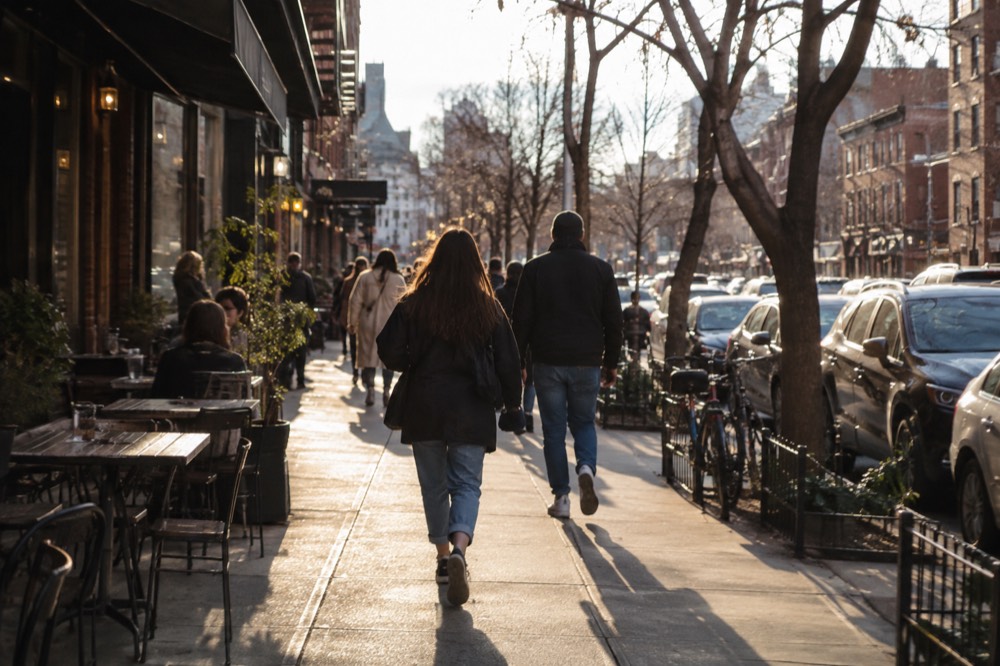
Williamsburg works well as a base for travelers whose New York is more food, bars and neighborhood life than museum-and-monument sightseeing, because the L train delivers you to Manhattan in minutes while the neighborhood itself keeps you fed and entertained at night. It is a weaker base for a first-time visitor whose list is the Met, the Statue of Liberty and Times Square, since every one of those starts with a subway ride. It suits stays of four nights or more better than a rushed two-night first visit, and it rewards travelers who want to come "home" to a place with a sidewalk life rather than a hotel corridor.
The honest trade is time versus atmosphere. A Midtown hotel puts you within walking distance of the Theater District, Rockefeller Center and the Empire State Building. A Williamsburg hotel puts you within walking distance of a dozen very good restaurants, waterfront sunsets over the Manhattan skyline, and the L train, which runs every few minutes for most of the day and night. If your itinerary is half Broadway shows, base in Manhattan. If it is half eating, base here.
Budget cuts both ways. Hotel rates in Williamsburg are generally lower than comparable Manhattan properties, though the gap narrows every year, and the neighborhood's cheaper end of eating, slices, bagels, taquerias, is genuinely cheap. The offset is that the area's celebrated restaurants are not cheap at all. This is not a budget district by default. It is a value district if you cook half the math around drinking and eating well at the low end, and an expensive one if you chase every name on the food-press list.
Who it suits, plainly:
| Traveler type | Williamsburg as a base | Why |
|---|---|---|
| First-time visitor, 2-3 nights | Weak fit | Every classic sight needs a subway ride first |
| Food-focused trip, 4+ nights | Strong fit | Density of good eating within walking distance |
| Nightlife trip | Strong fit | Bars and music venues run late and sit close together |
| Family with young kids | Mixed | Fine by day, loud near Bedford on weekend nights |
| Museum-heavy itinerary | Weak fit | Adds a transfer to every museum day |
| Budget traveler | Mixed | Cheaper rooms, but name restaurants add up |
One structural point in Williamsburg's favor: it is one of the few Brooklyn neighborhoods where you can do a full day, morning coffee through late-night music, without riding the subway at all, then still be in Manhattan's Union Square in under ten minutes when you want to be.
How Do You Get to Williamsburg and Around It?
The L train from Manhattan's 14th Street stops at Bedford Avenue in roughly five minutes, and a single subway ride costs $3.00, tapped with OMNY on a phone or contactless card, with automatic fare capping at $35 in any rolling seven-day period. There is no pass to buy and no decision to make at the turnstile: the cap applies by itself as long as you tap the same card or device every time. The G train connects Williamsburg to Greenpoint, Fort Greene and Park Slope, and the J, M and Z at Marcy Avenue serve the southern edge from the Lower East Side in one stop.
The fare system changed recently and older guides have not caught up. The MetroCard is retired: as of 1 January 2026 the MTA no longer sells or refills them, and the old 7-day unlimited pass no longer exists. The replacement is the OMNY weekly cap, which works out cheaper than the old unlimited pass for most visitor patterns and requires nothing but the credit card already in your pocket. The one rule that matters: tap the same physical card or the same phone every ride. Mixing a phone and the plastic card in your pocket breaks the cap silently, and each traveler in a group needs their own card or device for their own cap to apply.
| Getting to Williamsburg | Route | Cost | Notes |
|---|---|---|---|
| L train from Manhattan | 14 St-Union Sq or 6 Av to Bedford Av | $3.00 | About 5 minutes under the river |
| G train from Brooklyn | Greenpoint or Downtown Brooklyn direction | $3.00 | Crosstown, no Manhattan stop |
| J, M, Z from Manhattan | Essex St or Delancey-Essex to Marcy Av | $3.00 | Serves South Williamsburg |
| NYC Ferry | East River route, North Williamsburg or Brooklyn Navy Yard piers | Ferry fare, check the NYC Ferry site | Skyline approach from the water |
| Walk across the Williamsburg Bridge | From the Lower East Side | Free | About 30-40 minutes, open to pedestrians |
The ferry deserves a mention beyond transport. The East River route puts the Manhattan skyline in front of you the whole way, and the North Williamsburg landing sits a short walk from the Bedford Avenue strip. It costs a little more than the subway and runs less often, but as a sightseeing trip that also happens to be a commute, it is one of the better value rides in the city.
On foot, the neighborhood is flat and compact. Bedford Avenue is the spine; the numbered streets run east from the river and the lettered avenues run north-south. The Brooklyn-Queens Expressway cuts along the eastern edge, and crossing it on foot toward Bushwick is unpleasant, so treat it as the neighborhood's practical boundary.
What Are the Parts of Williamsburg Worth Knowing?
North Williamsburg around Bedford Avenue is the bars-and-boutiques core, the waterfront along the East River holds the skyline parks and the Sunday crowds, South Williamsburg around Lee Avenue is the Hasidic community's quiet commercial heart, and the blocks between Broadway and Grand Street mix Latino bakeries, vintage shops and the music venues on the southern edge. Each part has a different rhythm, and the mistake visitors make is treating the whole neighborhood as one thing. A morning in South Williamsburg and an evening on North 6th Street are two different experiences of the same district.
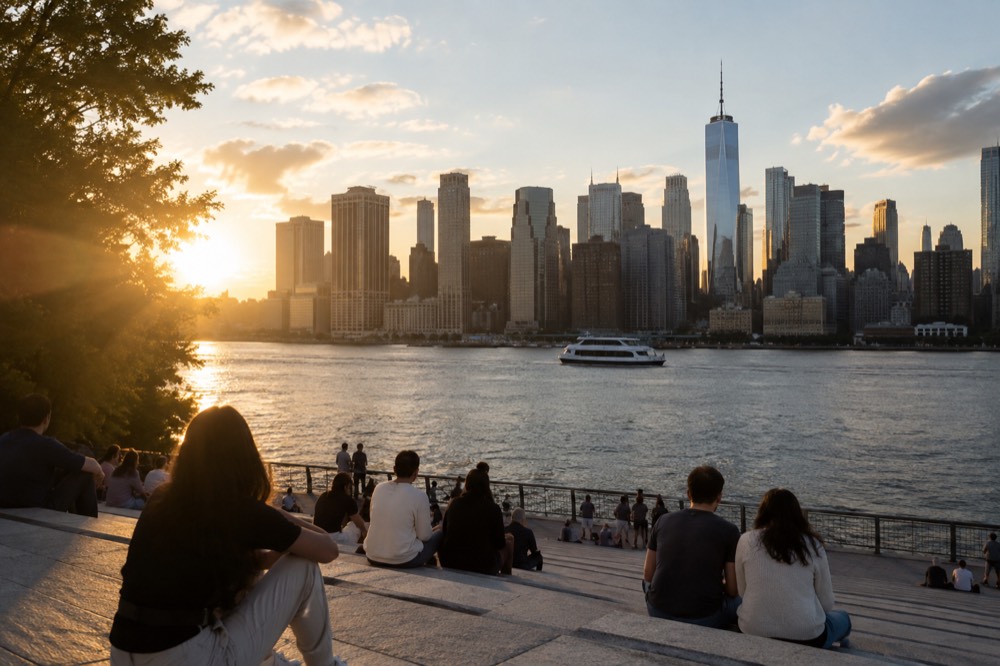
North Williamsburg, roughly from North 12th Street down to Metropolitan Avenue, is where the L train crowd lands. Bedford Avenue between North 4th and North 9th is dense with cafes, record shops, bookstores and restaurants, and the side streets hold the quieter prizes. Domino Park on the waterfront, built around the old Domino Sugar refinery, is the best skyline-facing public space in the neighborhood and fills with strollers, dogs and photographers at sunset.
South Williamsburg is a working Hasidic neighborhood and should be visited as one, with the same courtesy you would extend anywhere people live their daily lives. Lee Avenue is the commercial spine, closed to traffic and busy with families on weekdays and Saturdays, and quiet on Shabbat from Friday sundown to Saturday sundown. The bakeries here are among the best in Brooklyn. The free Williamsburg Jewish quarter walking tour on GuruWalk is a sensible way to see this part with context, since the history of the community and the streets is not something a map explains.
The Broadway corridor and the blocks south of it, around the Williamsburg Bridge approach, are grittier, louder and cheaper, with some of the neighborhood's longest-standing Latino businesses, its music venues, and the Marcy Avenue subway stop. East Williamsburg and Bushwick, across the expressway, are technically separate neighborhoods, though listings blur them constantly. If a hotel or apartment is advertised as "East Williamsburg," check the actual address: it may be a fifteen minute walk from everything described above.
What Is There to Actually Do in Williamsburg?
The short answer is eat, walk the waterfront, browse the shops and vintage stalls, see a band or a comedy set at night, and take the skyline photo from either Domino Park or the riverfront, with the whole day fitting inside a rectangle about a mile and a half long. There is no single landmark attraction in Williamsburg the way there is in Dumbo or at the Brooklyn Bridge, and that is the honest pitch: the neighborhood is the attraction. Visitors who need a tick-box sight will be underwhelmed; visitors happy to assemble a day out of coffee, a market, a park and a long dinner will not be.
The day-out version, in order:
| Time | Stop | What it is |
|---|---|---|
| Morning | Bedford Avenue coffee and a bagel or pastry | The neighborhood's cafe strip wakes late, earlier on weekdays |
| Late morning | Walk the riverfront north from Domino Park | Skyline views, old refinery architecture, public lawn |
| Midday | Lunch on the cheap end, a slice, a taco, a bodega sandwich | The budget eating here is genuinely good |
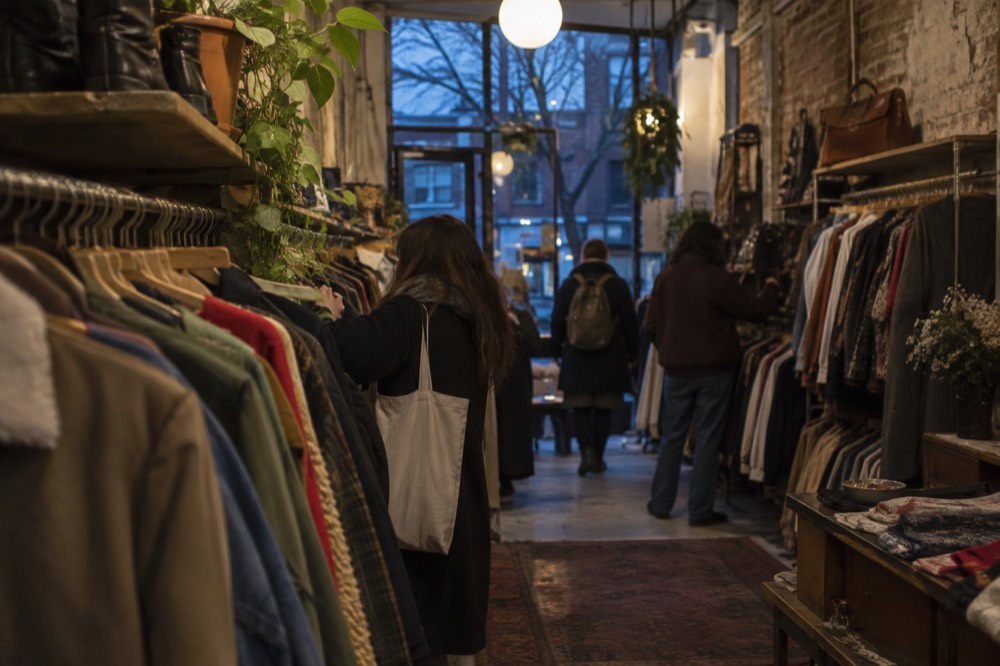
| Afternoon | Vintage and record shops, the bookstores off Bedford | Browsing is the main daytime activity |
| Late afternoon | South Williamsburg bakery stop or a guided walk | Best with context, see the free walks below |
| Evening | Dinner, then a venue, a bar, or the ferry back at sunset | Music and comedy bookend most nights here |
The Brooklyn nightlife here is real and late. The venues on the southern edge book touring bands most nights of the week, the bars around North 6th and Wythe Avenue run deep into the night, and the rooftop scene at the hotels near the waterfront is priced accordingly. For a different kind of Brooklyn evening, Barclays Center in Prospect Heights is a short ride away on the same subway lines that serve the neighborhood, and a Nets game is an easy, good-value night out; the Brooklyn Nets ticket page shows matchups, seating tiers and current pricing on the live listing.
For the bridge-and-waterfront version of Brooklyn, Dumbo sits south along the river and pairs naturally with a Williamsburg day, since the free Brooklyn Bridge and Dumbo walking tour on GuruWalk starts from the Manhattan side and ends in the middle of the postcard. Our broader things to do in Brooklyn guide covers the rest of the borough if Williamsburg is one stop on a longer itinerary.
What About the Free Walking Tours in Williamsburg?
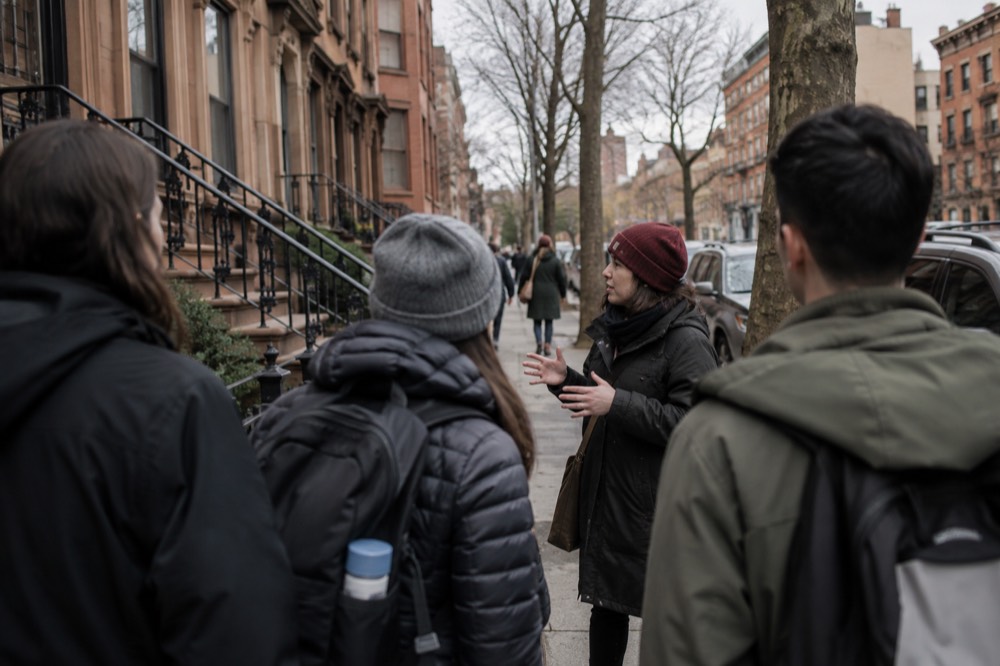
The free, tip-based walks in and around Williamsburg are run on GuruWalk by a small number of independent operators, not a wide marketplace, and the Williamsburg options are led by a couple of guides rather than a roster of companies, which matters for how you plan around them. The walks cost nothing up front and you pay the guide what you think the walk was worth at the end. They suit travelers who want the stories behind the streets, and they do not suit anyone who wants a private, on-demand tour, since these are scheduled group walks with a meeting point and a start time.
The Williamsburg walk covers the Hasidic quarter and the streets around it, tracing the area's immigrant roots, its historic synagogues and its food traditions, and the waves of change that reshaped the neighborhood. It runs about 2 hours 45 minutes, is rated 4.44 from 298 reviews, and is led by an operator called Fractal Travel. Reserve a spot through the listing, since meeting points and days change with the season.
The bridge-focused free walks are worth knowing about even from a Williamsburg base. The Brooklyn Bridge, Brooklyn Heights and Dumbo tour, a three-hour walk rated 4.98 from 615 reviews, crosses from Manhattan into Brooklyn with a guide covering the promenade views and the cobblestone streets under the bridges. These walks are operated by CityShuffles, which also runs several of the other free walks in Manhattan and Brooklyn, so if you take more than one free walk on this trip, there is a fair chance the same company is behind it.
| Free walk on GuruWalk | Area | Duration | Rating | Reviews |
|---|---|---|---|---|
| Williamsburg Jewish quarter and local art walk | Williamsburg | 2h 45m | 4.44 | 298 |
| Brooklyn Bridge, Brooklyn Heights and Dumbo | Dumbo / Brooklyn Heights | 3h | 4.98 | 615 |
| Brooklyn Bridge sunset tour | Brooklyn Bridge | 3h | 4.96 | 81 |
| Williamsburg-adjacent: SoHo, Little Italy, Chinatown | Manhattan | 2h | 4.88 | 545 |
The etiquette is simple. Book through the listing, show up on time, and tip in cash if you can, since the guide keeps what you give. A free walk that earns nothing is a guide working for free, and the good ones are doing this professionally.
Where and What Should You Eat in Williamsburg?
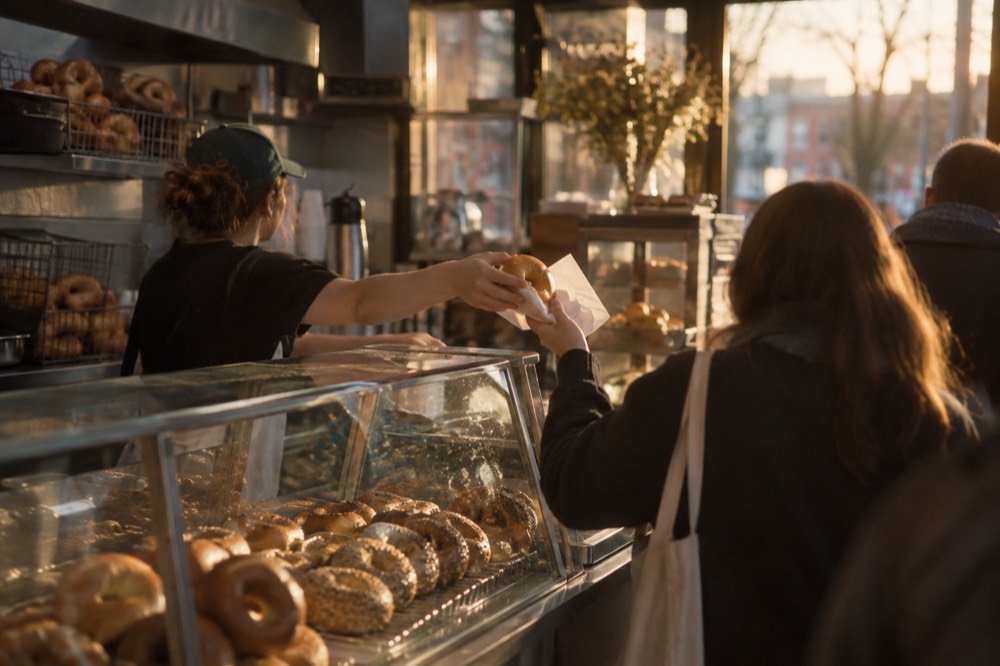
Williamsburg's eating runs from genuinely cheap, a slice-and-taco tier, to some of the most booked tables in Brooklyn, and the practical advice is to plan one splurge meal and otherwise live at the low end, because the neighborhood's cheap food is a real strength rather than a consolation prize. The pizza slices are a Brooklyn institution, the bagels hold their own against Manhattan's, the taquerias on the southern blocks are excellent, and the South Williamsburg bakeries sell some of the best bread and pastry in the borough. The famous restaurants, meanwhile, book out and price like Manhattan.
The structure of the food scene follows the geography. Bedford Avenue and the streets off it hold the highest concentration, from cafes and slice shops to the name restaurants. The area around the Williamsburg Bridge approach and Grand Street holds the Latino bakeries and the older businesses that predate the neighborhood's current reputation. South Williamsburg's Lee Avenue holds the Hasidic bakeries and kosher food shops, which are worth the trip on their own.
A planning table, with honest ranges rather than operator promises:
| Meal tier | Typical range per person | What you get |
|---|---|---|
| Slice, taco, bodega sandwich | $3-$8 | The neighborhood's best value tier |
| Bagel with cream cheese and coffee | $6-$12 | Breakfast standard, cash-friendly shops exist |
| Casual sit-down dinner | $20-$45 | Pasta, Thai, Middle Eastern, most weeknights |
| Name restaurant dinner | $60 and well beyond | Books out; reserve well ahead |
| Rooftop cocktail | $18-$25 | View included, patience required on weekends |
Two practical notes. First, brunch on weekends is a scene here, with waits at the popular spots that can stretch past an hour; go before 11am or after 2pm, or walk a few blocks off Bedford where the waits vanish. Second, the kosher bakeries in South Williamsburg close early Friday and stay closed through Saturday for Shabbat, so time that errand for a weekday or a Sunday.
What Does a Day in Williamsburg Cost?
A comfortable day in Williamsburg for one person runs roughly $60 to $140: the subway fare is $3.00 each way with the $35 weekly cap applying automatically, breakfast and lunch can stay under $25 total at the slice-and-bagel tier, and the variable is dinner and drinks, which can be $20 at a taqueria or well past $100 at a name restaurant with cocktails. The neighborhood itself charges nothing to enjoy; the parks, the riverfront and the skyline views are free, and the free GuruWalks mean a guided experience does not have to add a line to the budget beyond the tip.
The base costs, itemized:
| Item | Cost | Notes |
|---|---|---|
| Subway rides | $3.00 each, capped at $35/week | Tap the same card or phone every time |
| Free walking tour | $0 up front | Tip the guide what the walk was worth |
| Domino Park and riverfront | Free | Open daily, best at sunset |
| Breakfast, coffee and a pastry | $8-$15 | Cheaper off Bedford Avenue |
| Lunch, casual | $10-$20 | Slice, taco or sandwich tier |
| Dinner, casual to name restaurant | $20 and up, rising fast at the top end | The single biggest variable |
| Evening: bar, venue or Nets game | $20-$60 | Nets pricing shows on the live listing |
For a trip-level budget rather than a day-level one, our how much does a trip to NYC cost breakdown covers the whole city, and the money page for things to do in NYC lists what costs what across the boroughs. Williamsburg's contribution to a trip budget is mostly food and lodging; the sightseeing spend that dominates a Midtown-based trip barely exists here, which is either the appeal or the problem depending on what you came for.
When Is the Best Time to Visit Williamsburg?
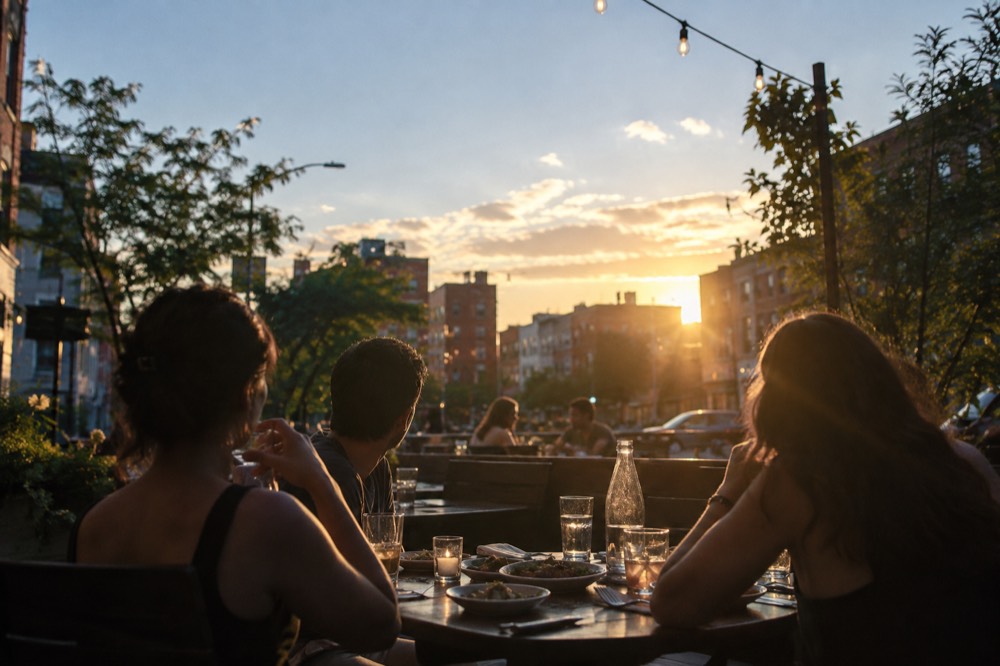
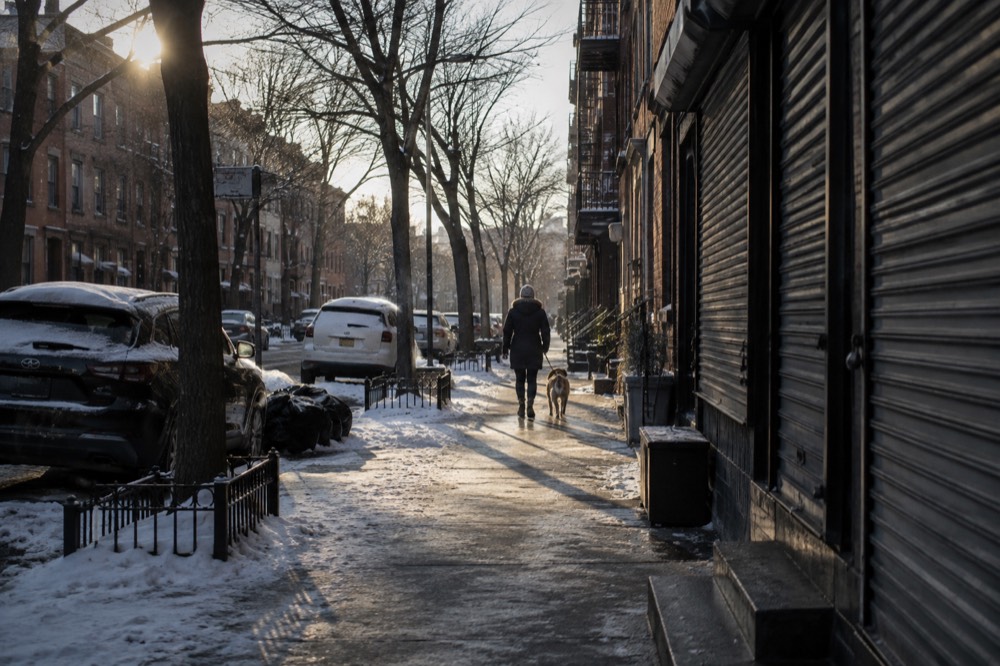
Weekdays and weekend days behave differently here: weekday Williamsburg is a quieter, local-paced neighborhood where you can walk into most restaurants, while weekend Williamsburg fills with visitors arriving on the L and the bars and brunch lines run at capacity, so the best time depends on whether you came for the scene or for the streets. Seasonally, spring and early fall are the comfortable windows, summer weekends are the most crowded and the warmest, and winter weekdays are the quietest version of the neighborhood, with the bonus that its indoor life, bars, venues, restaurants, does not hibernate.
The climate reality, from the official Central Park normals, cuts against intuition. July is New York's wettest month, averaging 4.60 inches of precipitation, ahead of August and June, so the "dry summer" assumption is wrong. February, not January, is the snowiest month, averaging 10.1 inches against January's 8.8, and February is also the driest month by total precipitation. If a winter visit is on the table, the cold is real but the precipitation is lower than the reputation suggests.
| Season | The neighborhood | Weather reality |
|---|---|---|
| Spring (Apr-Jun) | Sidewalk life returns, weekend crowds build | Mild; June averages a 79.7°F high |
| Summer (Jul-Aug) | Peak crowds, rooftop season, long lines | Hot; July's average high is 84.9°F, and it is the wettest month |
| Fall (Sep-Oct) | The best balance of weather and pace | Comfortable; September's average high is 76.2°F |
| Winter (Dec-Feb) | Quiet streets, indoor life carries on | Cold; February is both snowiest and driest |
One timing note specific to South Williamsburg: Shabbat, from Friday sundown to Saturday sundown, closes the Hasidic community's shops and shifts the streets to a different, quieter register. It is not a reason to avoid the area, it is a reason to know what you are walking into, and a guided walk earlier in the week covers the context you will not get from the storefronts alone.
Should You Stay in Williamsburg or Just Visit for a Day?
Stay in Williamsburg if your trip is four nights or more, food and nightlife are the priority, and you want a neighborhood to come home to; visit for a day if you are on a short first trip centered on Manhattan's classic sights, because a single day captures the waterfront, Bedford Avenue and a good dinner without paying the hotel premium. The day trip from Manhattan costs one subway fare each way and about ten minutes of travel, which makes it one of the cheapest half-days out in the city. The overnight version only pays off when the evenings matter to you.
The case for basing here is the evenings. A Manhattan hotel empties you into Midtown at 11pm; a Williamsburg base puts you a short walk from a venue, a bar or a late slice, and the neighborhood's own late-night life is better than most of what sits within walking distance of a Times Square hotel. The case against is the morning: every museum, every deck, every boat tour starts with a ride across the river, and on a packed itinerary that friction compounds.
The case for the day visit is efficiency. Arrive mid-morning, walk the riverfront from Domino Park, lunch cheap, browse the afternoon away, take the free walk if the schedule allows, eat one serious dinner, and take the L home. That is a complete Williamsburg day, and it leaves your hotel bill in Manhattan where your sightseeing already is. For the borough-wide version of this decision, the things to do in Brooklyn guide and the Dumbo guide cover the neighborhoods that pair with this one.
Common Questions About Williamsburg, Brooklyn
Visitors ask the same handful of questions about Williamsburg, and the answers are mostly practical: it is one subway stop from Manhattan, it is safe by big-city standards with normal urban caution, it is not a budget district by default, and its main attractions are food, waterfront and nightlife rather than monuments. The questions below are the ones that come up repeatedly, answered directly. The through-line is that Williamsburg rewards a plan, a dinner reservation, a sense of which part of the neighborhood you are in, and punishes the assumption that Brooklyn is one undifferentiated place.
Is Williamsburg, Brooklyn worth visiting?
Yes, for most travelers, with the caveat that it depends what you are visiting for. Williamsburg has no single landmark attraction, but it has one of the best concentrations of restaurants, bars, cafes and independent shops in New York, a waterfront park with a full Manhattan skyline view, and a mix of Hasidic, Latino and newer communities that makes it more interesting than the boutiques alone suggest. If your trip is a two-night sightseeing sprint, spend the time in Manhattan. If you have a spare day or a food-focused trip, it earns its place.
How far is Williamsburg from Manhattan?
The L train crosses from 14th Street in Manhattan to Bedford Avenue in about five minutes, making Williamsburg closer to Union Square than most Manhattan neighborhoods are. The Williamsburg Bridge also connects the neighborhood to the Lower East Side by foot, a walk of roughly 30 to 40 minutes, and the East River ferry route serves the waterfront with skyline views the whole way.
Is Williamsburg Brooklyn safe?
Williamsburg is a busy residential and commercial neighborhood where normal big-city caution applies, and where the practical risks visitors face are the same ones they face anywhere in New York: keep track of your phone and bag in crowds, especially on weekend nights along Bedford Avenue. Blanket statements about any neighborhood being dangerous are not accurate, and this one is, by the everyday measure of foot traffic and family life on its streets, a well-populated area at most hours. As with the rest of the city, our is NYC safe page covers the sourced figures.
Is Williamsburg expensive?
It can be, but it does not have to be. The neighborhood's cheap tier, slices, tacos, bagels, bodega sandwiches, is genuinely cheap, while its name restaurants price like Manhattan and book out. Lodging generally costs less than comparable Manhattan hotels. The realistic budget for a day is $60 to $140 per person depending almost entirely on dinner and drinks.
What is the best way to spend one day in Williamsburg?
Arrive on the L to Bedford Avenue mid-morning, walk the riverfront from Domino Park, eat lunch at the cheap tier, spend the afternoon on the shops and vintage spots off Bedford, take the free GuruWalk of the Jewish quarter if the schedule allows, eat one serious dinner, and finish at a venue, a bar or the ferry back at sunset. That single day captures the neighborhood without exhausting it.
Do you need a car in Williamsburg?
No. The subway serves the neighborhood on three lines, the streets are flat and walkable, and Citi Bike stations sit throughout. Renting a car for New York City is a mistake almost everywhere, and Williamsburg is among the places where it is most clearly one: parking is scarce and the L train runs every few minutes.
The last word belongs to the bridge. The Williamsburg Bridge carries subway trains, cars and a pedestrian walkway across the East River, and walking it at sunset, Manhattan ahead, the neighborhood behind, is the single free experience that best explains what this part of Brooklyn is: close enough to the skyline to touch it, far enough to see it whole.