American Museum of Natural History Tickets: Prices, Hours and What Your Ticket Includes
The American Museum of Natural History sits on the Upper West Side facing Central Park, and it is one of the largest museums in the world. Before you buy, you need to know one thing: what a general admission ticket covers and what costs extra are two different questions, and the answer changes what you pay at the door.
Short answer
General admission covers the museum's permanent halls. Pay-what-you-wish general admission applies only to New York State residents with ID; everyone else pays a fixed price. The Super Saver ticket adds the planetarium space show, giant-screen films and special exhibitions, which cost more if bought separately. The museum is open daily 10:00-17:30 and closed on Thanksgiving and Christmas.
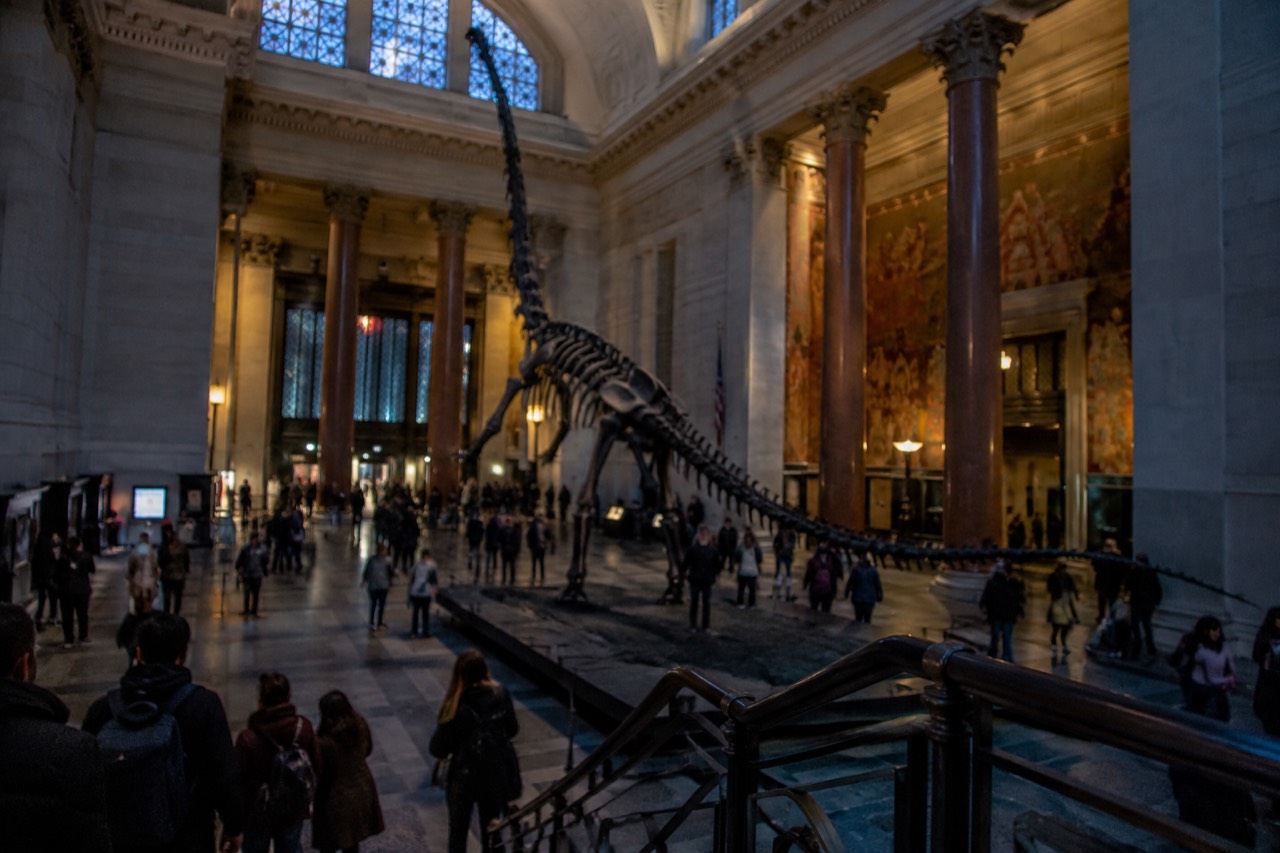
The American Museum of Natural History occupies four city blocks on Central Park West, and almost nobody sees all of it in one visit. That is the honest starting point for any ticket decision. What you pay, and what your money covers, depends on whether you are a New York State resident, whether you want the planetarium and giant-screen films, and whether you bundle everything into a single Super Saver ticket or pay for halls and add-ons separately. This page lays out the mechanics: the admission structure, the free-entry rules, the hours, the transit math, and whether the upcharges earn their price. If you are still sketching the wider trip, our things to do in NYC page places the museum inside the bigger itinerary picture.
How Much Do American Museum of Natural History Tickets Cost?
General admission is a fixed price for visitors from outside New York State, and pay-what-you-wish for New York State residents who show ID. The pay-what-you-wish option covers general admission only, never the special exhibitions or the planetarium, and it is selected online through a New York State residents option requiring an eligible ZIP code. The museum posts its current fixed general admission price on its own ticketing page.
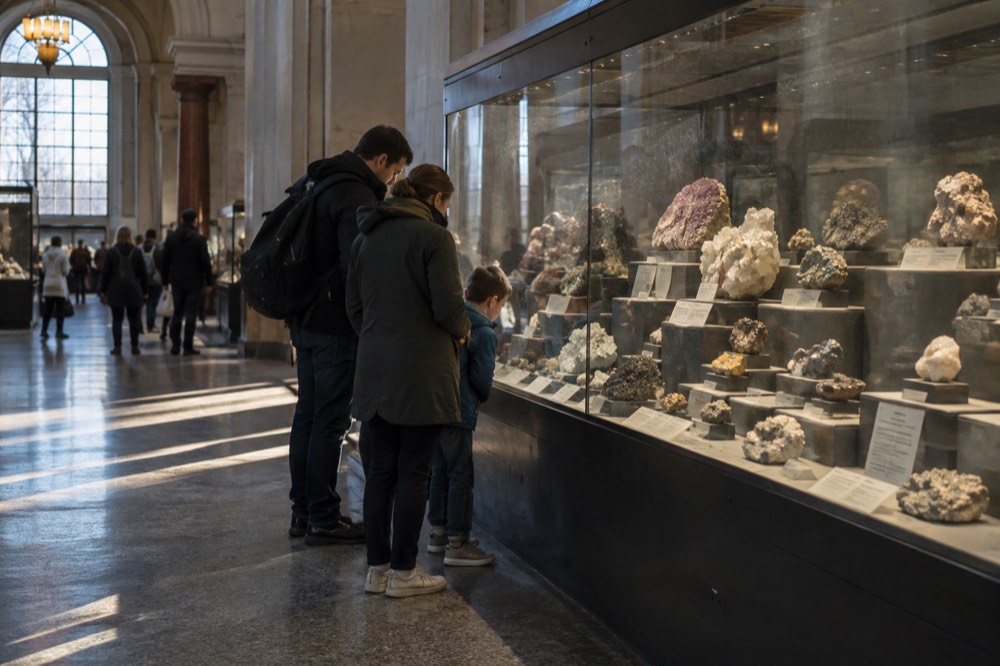
The pricing structure splits into two layers, and the split matters more than the headline number. The first layer is general admission, which gets you into the permanent halls: the dinosaur rooms, the ocean life displays, the halls of meteorites and gems, and everything else that makes the museum famous. The second layer is the ticketed extras: the planetarium space show, the giant-screen films, and the rotating special exhibitions. These cost more at the door if you buy them on top of a general admission ticket, which is why the bundled Super Saver ticket exists.
The one thing to be careful about, and the thing most out-of-date guides get wrong, is the residency rule. Pay-what-you-wish is real at this museum, but it is not universal. The museum's own ticketing page states it plainly: the amount you pay for general admission is up to you if you are a New York State resident, and there is a separate fixed-price option for visitors from outside New York State. Online, the resident route asks for an eligible ZIP code. Show up from out of state expecting to name your own price and you will pay the fixed general admission figure instead.
For context against the city's other big museums, the fixed adult prices at the major houses cluster tightly. Here is how the headline general admission prices compare, using figures verified from each museum's own channels:
| Museum | Adult general admission | Free or pay-what-you-wish condition |
|---|---|---|
| American Museum of Natural History | Fixed price, posted on ticketing site | Pay-what-you-wish on general admission for NY State residents with ID |
| Metropolitan Museum of Art | $30 | Pay-what-you-wish only for NY State residents and NY/NJ/CT students |
| MoMA | $30 | Free Friday evenings for NY State residents only, proof required |
| Whitney Museum | $30 | Free daily for visitors 25 and under; free Friday nights for everyone |
| Guggenheim | $30 standard | Pay-what-you-wish Tuesdays and Sundays 16:00-17:30 |
| Intrepid Museum | $38 | 50% off for NYC residents every day |
Notice the pattern. Nearly every major New York museum restricts its discounts to local residents, and the AMNH is no exception. Budget the fixed price if you are visiting from elsewhere, and treat any resident discount you happen to qualify for as a bonus rather than the plan.
What Is the Super Saver Ticket and What Does It Include?
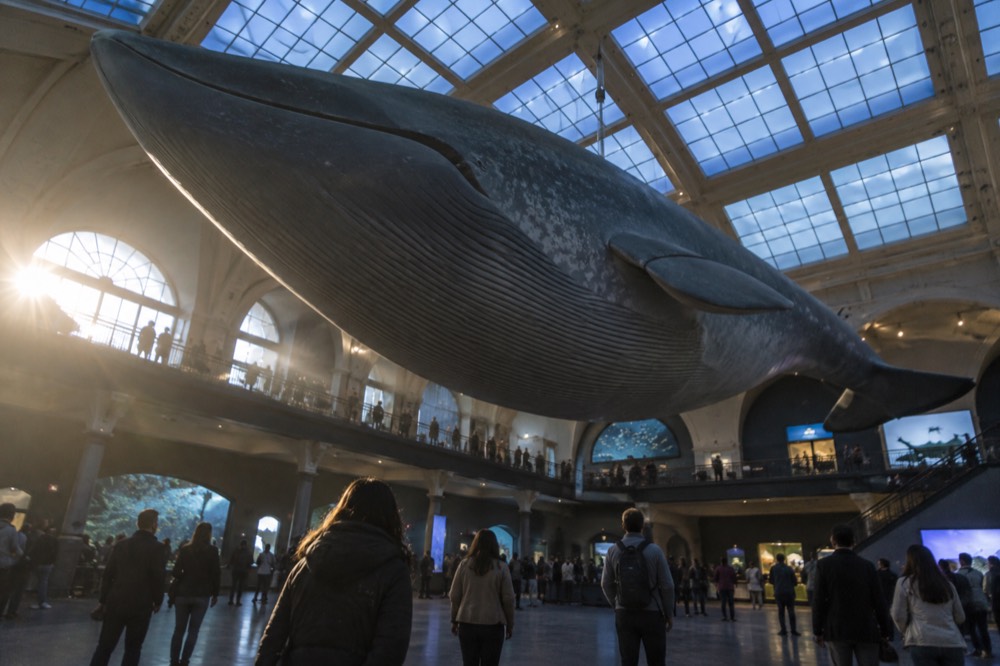
The Super Saver bundles general admission with the museum's ticketed add-ons: the planetarium space show, the giant-screen films and the special exhibitions, all on one ticket. Bought separately, those extras each cost more at the door, so the bundle saves money only if you use most of it. If you came for the dinosaur halls and the great blue whale and plan to leave by mid-afternoon, plain general admission is the cheaper choice.
The Super Saver is the museum's all-in ticket, and it exists because the add-ons add up. The Hayden Planetarium space show inside the sphere at the north side of the building is a timed, seated presentation, and it is the single most popular upcharge. The giant-screen films run in the museum's theater on a schedule. The special exhibitions rotate, and they are often the reason a first-time visitor books at all. Stack all three onto a general admission ticket bought individually and you will pay more than the bundle.
The decision is really about your pace. A family with kids who want the planetarium show and the film and the current special exhibition, with a lunch break in the middle, is doing a full day, and the Super Saver is built for exactly that day. A solo visitor with three hours who mainly wants the fossil halls is not, and should not buy it out of caution. The cheapest ticket is the one whose contents you use.
One more planning point: the timed elements mean your day has appointments in it. A planetarium show at a fixed hour anchors the schedule, so work outward from it. Book the earliest show slot you can manage and let the permanent halls fill the gaps, rather than the reverse, because the permanent halls are always there and the show times are not.
Do You Need to Book AMNH Tickets in Advance?
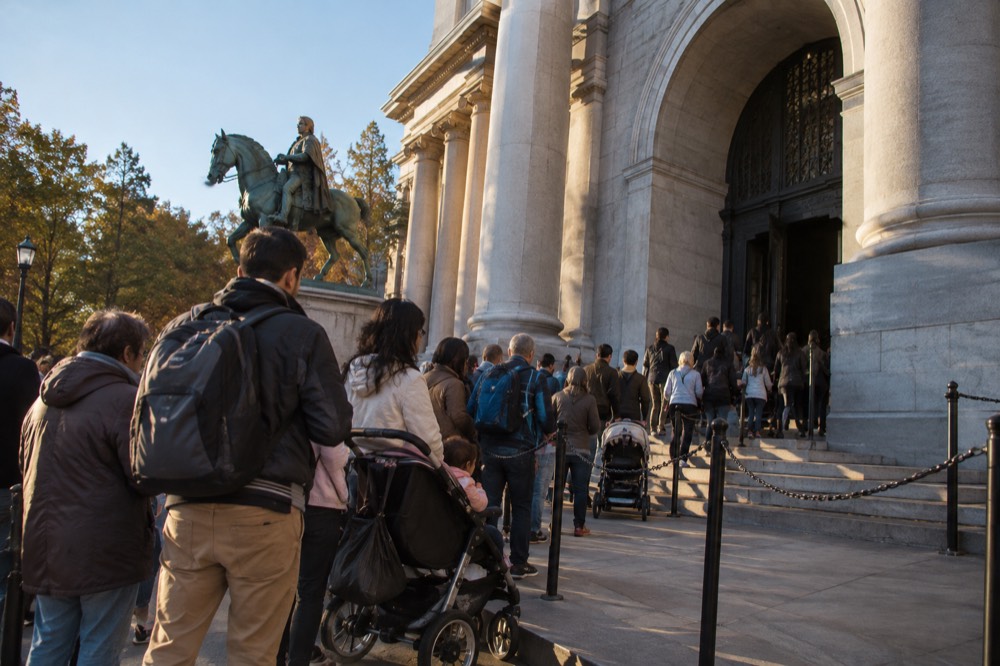
Booking ahead is the practical default for weekends, school holidays and any day in summer, because ticketed extras like the planetarium sell their timed slots first and walk-up visitors get the leftovers. The ticket line on Central Park West can also stretch long on busy days. Advance booking does not cost more and it lets you pick your entry window and show times.
The museum does not sell out in the way a Broadway show does, but its timed experiences behave like timed experiences everywhere in the city: the good slots go first. If you arrive at 1pm on a Saturday hoping for two planetarium seats together, you may be offered a 4:45pm show or nothing. Midweek mornings are a different world, and a same-day ticket bought at the desk is usually painless then. Know which week you are walking into.
The other reason to book ahead is what the line looks like. On peak days the ticket desks inside the museum handle a steady stream of visitors who could have printed or scanned their way past the queue. A pre-booked ticket with a timed entry window turns the entrance into a formality. For anyone building a tight itinerary, that fifteen saved minutes is real money.
There is a booking option that bundles the whole process. The museum's ticket is also sold through a reservation platform, and the listing below handles the Super Saver configuration with your date and slot chosen at checkout:
Whichever route you take, the same rule applies: pick your date, pick your slot, and keep the confirmation somewhere your phone can reach it. The entrance desks scan mobile tickets without any printing step, and a booked visitor walks past the ticket-purchase line entirely.
What Are the Museum's Hours and the Best Time to Visit?
The American Museum of Natural History is open daily from 10:00 to 17:30, with hours varying seasonally, and it is closed on Thanksgiving and Christmas Day. The quietest windows are weekday mornings right at the 10:00 opening and the late afternoon after most school groups depart. Weekends run fullest from late morning through mid-afternoon, and any school holiday week behaves like a weekend.
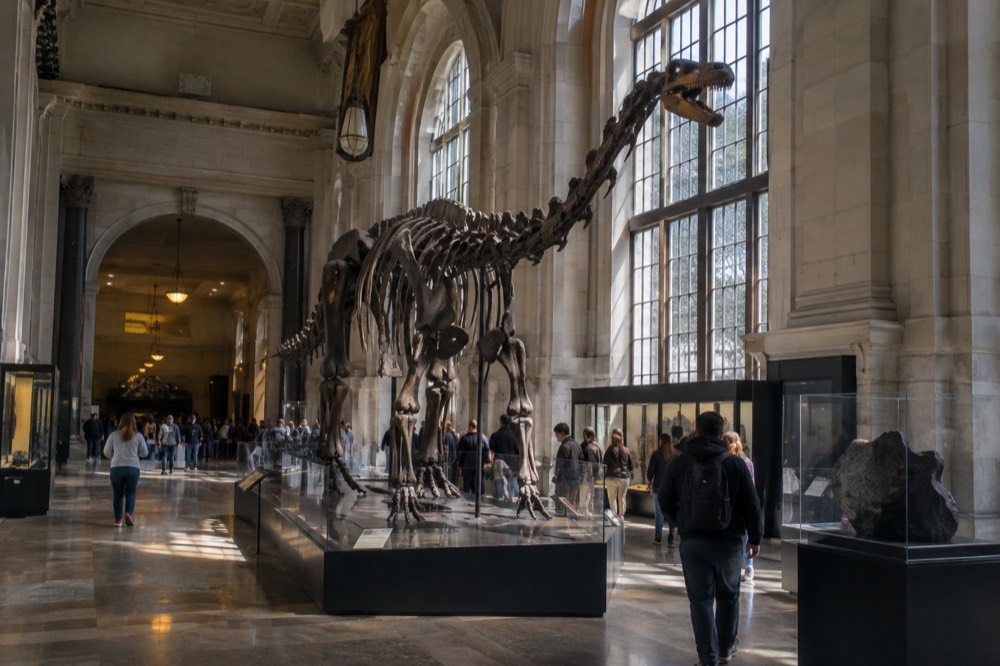
The daily rhythm of this museum is unusually predictable because its audience is unusually family-heavy. School groups arrive mid-morning on weekdays and thin out by early afternoon, so a visitor who enters at 10:00 sharp gets the fossil halls close to quiet before the wave lands. Locals and tourists dominate weekends, and they arrive later and stay later, which makes an early weekend entry nearly as calm as a weekday one. The last hour before close is the other soft spot, but with timed shows and films it is hard to use well.
Season matters too, and not just for weather. Summer brings vacation crowds every day of the week. The weeks around Thanksgiving and Christmas concentrate visitors into fewer open days. And if you are planning a New York trip around the calendar generally, our best time to visit NYC guide covers the citywide picture.
| Period | Expected crowd level | Best strategy |
|---|---|---|
| Weekday, 10:00 opening | Lowest | Arrive at opening, do the popular halls first |
| Weekday afternoon | Moderate | Good for timed shows booked in advance |
| Weekend morning | Moderate, building | Enter at 10:00, expect crowds by 11:30 |
| Weekend afternoon | Highest | Book early slots or accept full galleries |
| School holiday weeks | High all day | Treat as a weekend, arrive at opening |
| Thanksgiving and Christmas | Closed | Plan around these dates entirely |
How Do You Get to the American Museum of Natural History?
The museum sits on Central Park West on the Upper West Side, facing the park, and the subway is the honest answer for getting there. A single subway or local bus ride costs $3.00, and fare capping means a week of rides stops at $35 automatically with no pass to buy. Up to three children under 44 inches tall ride free with a fare-paying adult.
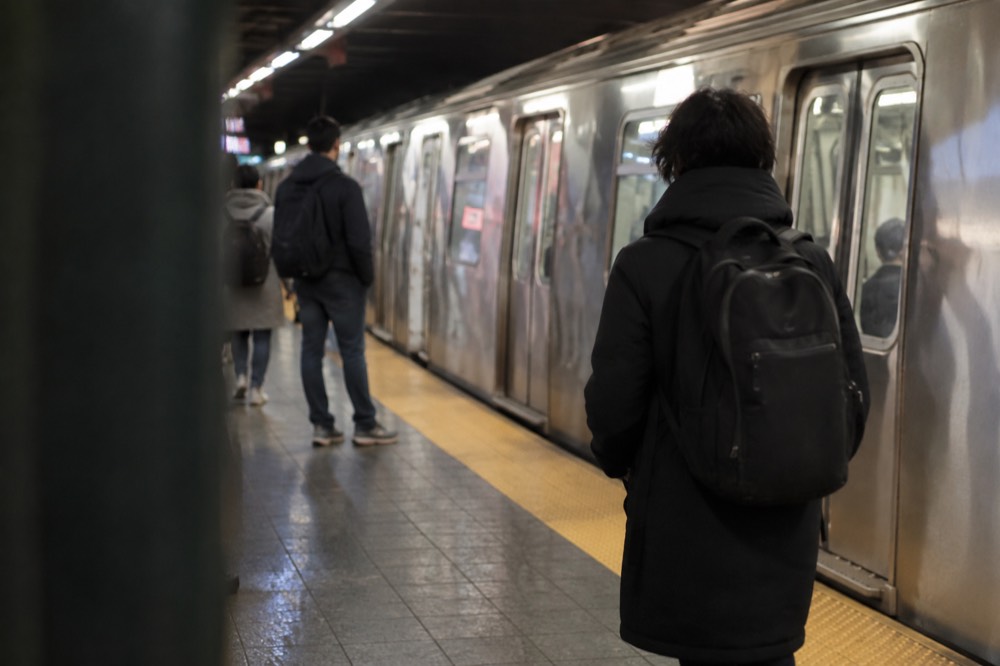
A transit fact that a lot of guides still get wrong, and one worth knowing before you arrive: the MetroCard era is over. As of 1 January 2026 the MTA no longer sells or refills MetroCards, so the old advice about buying a 7-day unlimited card when you land points at a product that no longer exists. The replacement is OMNY, the tap-to-ride system, and its weekly value comes from automatic fare capping at $35 for subway and local bus rides within a rolling seven-day window that starts with your first tap. There is no pass to purchase and no decision to make. The one rule that matters: tap the same card or the same device every time, because mixing your phone with the plastic card in your pocket silently breaks the cap.
The museum's position on the park makes arrival simple from either direction. From the east side or Midtown you cross the park, which on a nice day is a walk worth taking on purpose. From the Upper West Side itself you are already there. For anyone combining the visit with the rest of a Manhattan day, the Upper West Side guide covers the neighborhood around the museum, and the broader how to get around NYC page covers every transit option in detail.
| Transit option | Cost per ride | Notes for museum visitors |
|---|---|---|
| Subway | $3.00 | Lines stop within a short walk of the museum's Central Park West entrance |
| Local bus | $3.00 | Includes a free transfer to or from the subway within 2 hours |
| Express bus | $7.25 | Runs from outer boroughs; overkill for most visitors |
| Reduced fare (eligible seniors 65+ / disabled) | $1.50 | Applies to subway and local bus at all times |
| Children under 44 inches | Free | Up to three per fare-paying adult, subway and local bus |
Is the AMNH Worth It for Adults and for Kids?
For families with children the museum is close to a guaranteed win: dinosaur skeletons, a giant blue whale, a planetarium and a scale of exhibits that reward short attention spans. For adults without kids it is still worth the trip, with a caveat: pick two or three halls you actually care about and do them properly, because attempting the whole building in a day exhausts everyone.
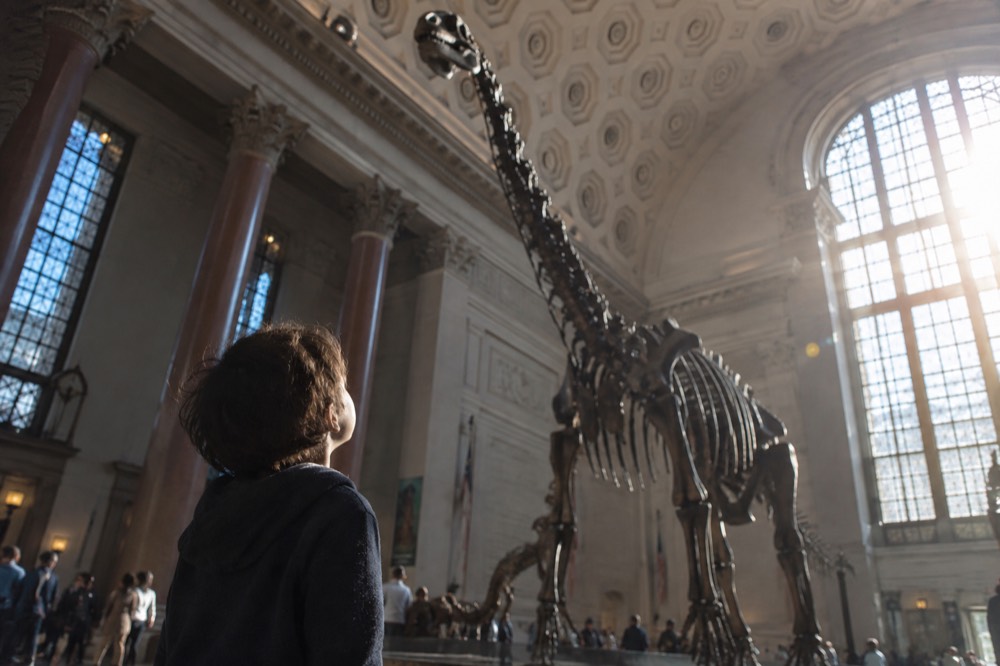
The museum's reputation as a kids' destination undersells its adult appeal. The fossil halls are serious paleontology presented at full scale, and the biodiversity halls and the halls of meteorites hold their own against any science museum in the world. What the museum is not, for an adult visitor, is a single cohesive narrative you absorb in order. It is forty-plus halls across four connected buildings, and the experience you get out of it tracks almost exactly with how deliberately you chose what to walk toward.
The practical adult strategy is to pair the museum with something complementary on the same day. It sits directly across the park's edge from Central Park itself, and the Natural History pairing that works best for most visitors is a morning in the museum, a walk through the park, and an afternoon elsewhere. Our Central Park guide covers the park side of that plan, and the museums in NYC roundup places the AMNH among the city's other serious collections if you are deciding between them.
For families, the honest advice is about timing and food. The museum is enormous, the cafe options inside are functional rather than memorable, and kids hit a wall somewhere in hour three or four. Plan the planetarium show or a film for the stretch right after lunch, when legs are tired but eyes and ears still work. Do not promise the whole museum; promise the whale.
Are There Free or Discounted Ways Into the AMNH?
Yes, but every route has conditions. New York State residents get pay-what-you-wish general admission with proof of residency, chosen online through the residents option with an eligible ZIP. Visitors 25 and under have free-entry options at several other city museums but not a blanket one here. The New York CityPASS includes AMNH admission among its eleven selectable attractions, which is where multi-attraction visitors usually find the biggest saving.
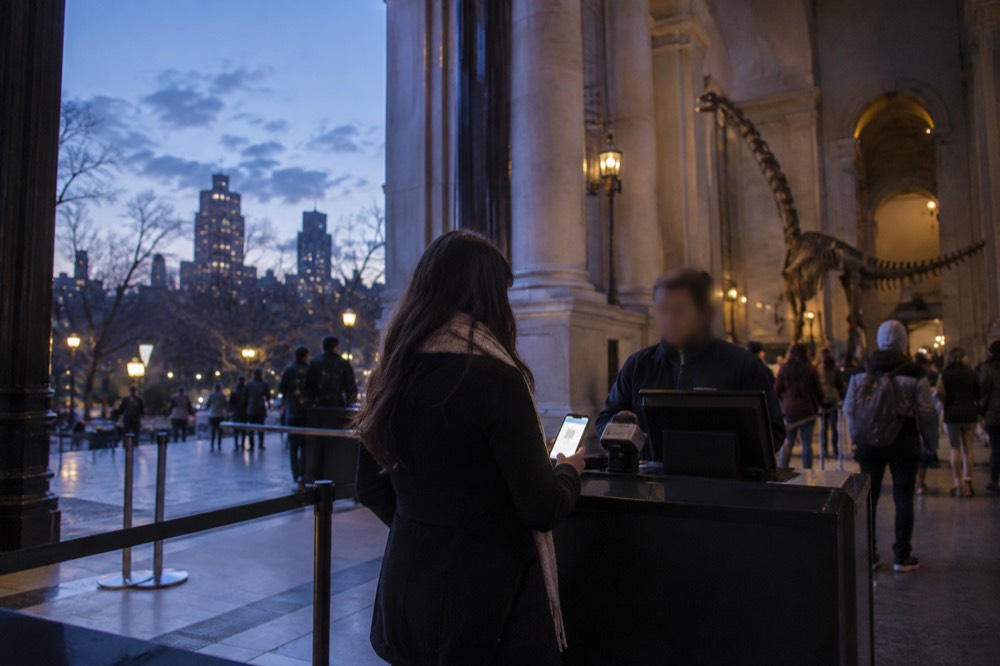
Start with the resident rule, because it is the most generous and the most commonly misunderstood. New York State residents pay what they wish for general admission, and the museum's ticketing page is explicit that the amount is genuinely up to the resident, with the purchase made through a New York State residents option that asks for an eligible ZIP code. What it does not cover is the ticketed extras: the planetarium, the films and the special exhibitions are separate purchases on top of any general admission, however that admission was priced.
For visitors from outside the state, the honest answer is that there is no resident-style discount at the desk, and the real savings route is bundling. The New York CityPASS, verified at $149 adult and $129 child, lets you choose five attractions from a list of eleven, and the American Museum of Natural History is on that list alongside the Empire State Building, Top of the Rock, the Statue of Liberty ferry, the 9/11 Memorial & Museum, the Intrepid, the Guggenheim, the Whitney, Edge and a Circle Line cruise. The pass is valid for nine consecutive days from first use. It pays off only if you use all five choices, so match it against your actual itinerary before committing. Our New York CityPASS guide runs the full maths.
| Discount route | Who qualifies | What it covers |
|---|---|---|
| Pay-what-you-wish general admission | New York State residents, proof required | General admission only, never the add-ons |
| New York CityPASS | Anyone, $149 adult / $129 child | AMNH plus four other attractions, your choice, 9 consecutive days |
| Go City Explorer | Anyone, from $89 adult | Choose-as-you-go attraction visits over 30 days from first use |
| Child admission | Check the ticketing page for current ages and prices | Reduced rate on general admission |
One caution worth stating plainly: the pay-what-you-wish policy at this museum is real, but it is local-only, and no page on this site will tell you otherwise. Guides that promise free or name-your-price entry to everyone are describing a policy that ended years ago at museums across the city. Arrive knowing the rule and the ticket desk holds no surprises.
Common Questions About American Museum of Natural History Tickets
The questions below cover the details visitors ask about most: whether tickets are needed at all, how the Super Saver works, what free entry actually means here, and how the museum's hours shape a visit. Each answer reflects the museum's posted policies, including the New York State residency rule and the daily 10:00-17:30 schedule with Thanksgiving and Christmas closures.
How much are American Museum of Natural History tickets?
General admission is a fixed price for visitors from outside New York State, and pay-what-you-wish for New York State residents with proof of residency, covering general admission only. The current fixed price is posted on the museum's own ticketing page. Ticketed add-ons, the planetarium space show, giant-screen films and special exhibitions, cost extra, or come bundled in the Super Saver ticket.
Can New York State residents get into the AMNH for free?
Not free, but pay-what-you-wish. New York State residents choose their own amount for general admission, with the purchase made through the New York State residents option, which requires an eligible ZIP code. The rule applies to general admission only, and the resident must be able to show proof of residency. The special exhibitions and the planetarium are never included.
What does the Super Saver ticket include?
The Super Saver bundles general admission with the museum's ticketed extras: the planetarium space show, the giant-screen films and the special exhibitions. Buying those add-ons individually at the door costs more than the bundle, so the Super Saver saves money only when you plan to use most of what it contains. Visitors who want only the permanent halls do better with plain general admission.
Do you need to book AMNH tickets in advance?
Advance booking is the sensible default for weekends, school holidays and summer days, because the timed planetarium shows and films sell their best slots first. Midweek mornings are more forgiving. Booking ahead costs no more than waiting and lets you choose your entry window, so the only reason to delay is an undecided schedule.
What are the American Museum of Natural History hours?
The museum is open daily from 10:00 to 17:30, with hours varying seasonally, and closed on Thanksgiving and Christmas Day. The quietest windows are weekday mornings right at opening, before school groups arrive, and the late afternoon. Weekends run fullest from late morning through mid-afternoon.
Is the AMNH included on the New York CityPASS?
Yes. The New York CityPASS, $149 adult and $129 child, includes your choice of five attractions from a list of eleven, and the American Museum of Natural History is on that list. The pass runs for nine consecutive days from first use, so it suits visitors doing the classic sightseeing circuit rather than a single-museum day.
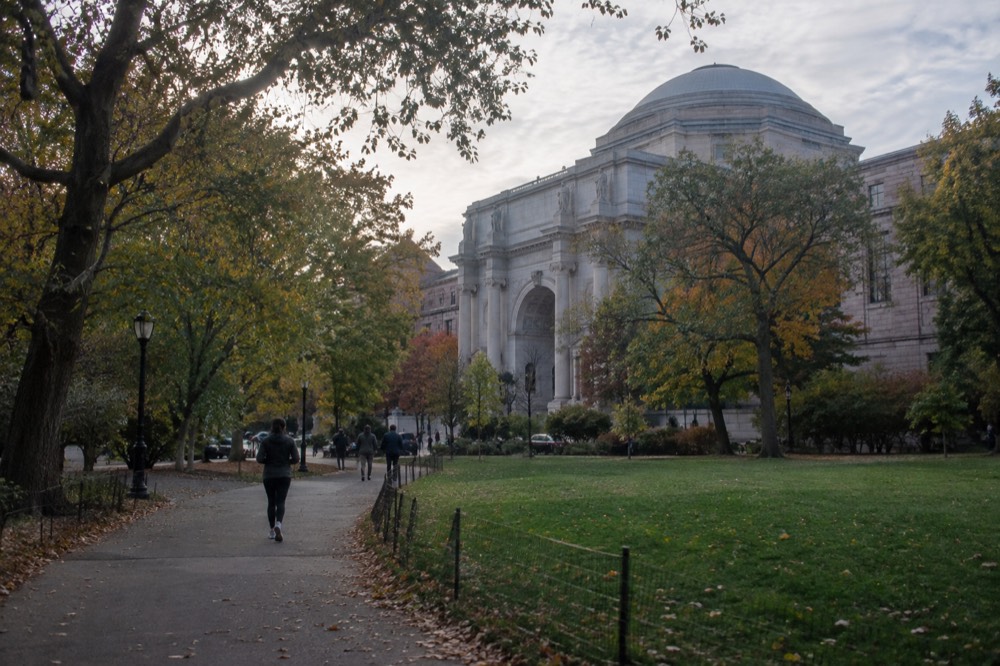
One last planning thought, and it is the one that decides whether the day feels good or gruelling: the American Museum of Natural History rewards visitors who arrive with a short list. Two halls you care about, one timed show if the budget allows it, a walk through Central Park afterward while your legs still work. That is a great day. Attempting all four buildings because the ticket technically admits you to them is how people leave at 3pm with sore feet and a blurred memory of bones. Choose narrow, go early, and let the rest of the Upper West Side fill the afternoon. More of this site's planning advice lives at New York City Travel Guide.