Best Time to Visit NYC: A Month-by-Month Guide to Weather, Crowds and Prices
September and early October are the best time to visit NYC for most travelers: dry, mild days, thinner summer crowds and full outdoor programming. Here is the month-by-month evidence.
Short answer
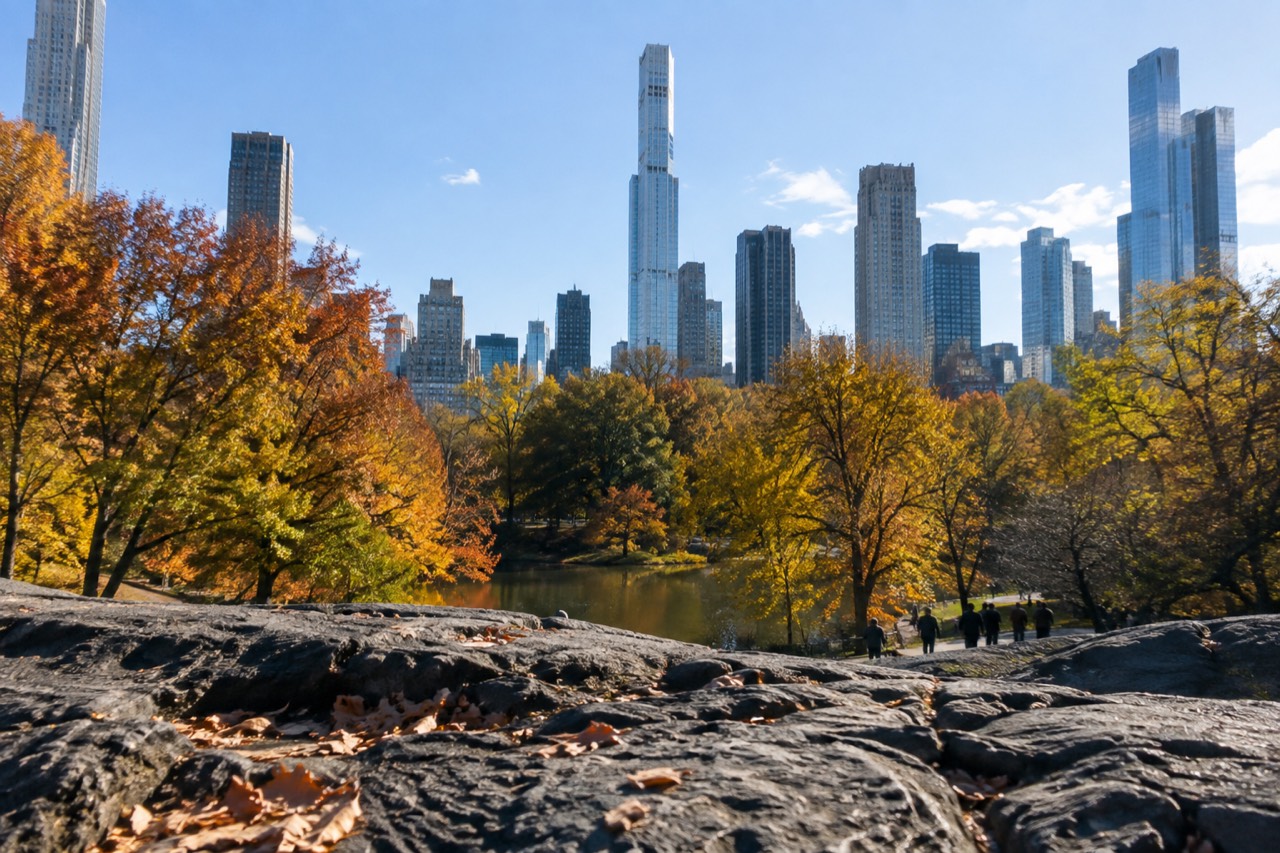
The best time to visit NYC is mid-September through late October, when Central Park averages highs near 70°F, rainfall drops after the wettest summer months, and hotel rates soften before the December rush. May and early June are the runner-up window. December wins only if Christmas in the city is the point of the trip.
New York City welcomed 65 million visitors in 2025, up 0.7 percent on the year before, and every one of them asked the same question before booking: when should I go? The honest answer is not one month. It is a trade between weather, crowds and price, and the trade shifts week to week. The good news is that the official data makes the choice much easier than the folklore does, because two of the things most visitors believe about New York weather are simply wrong.
This guide walks through what the climate record, the transit data and the current ticket prices actually say, month by month, and names the windows where the trade-offs line up in your favor. It is part of the planning coverage at New York City Travel Guide, alongside the full things to do in NYC roundup.
When Is the Best Time to Visit NYC?
For most travelers the best time to visit NYC is mid-September through late October, when Central Park averages daytime highs falling from 76.2°F to 64.5°F, monthly rainfall drops below the summer peak, and hotel rates sit below the December ceiling. May and early June are the close second choice. December is the best month only if the holiday season is the entire reason for the trip.
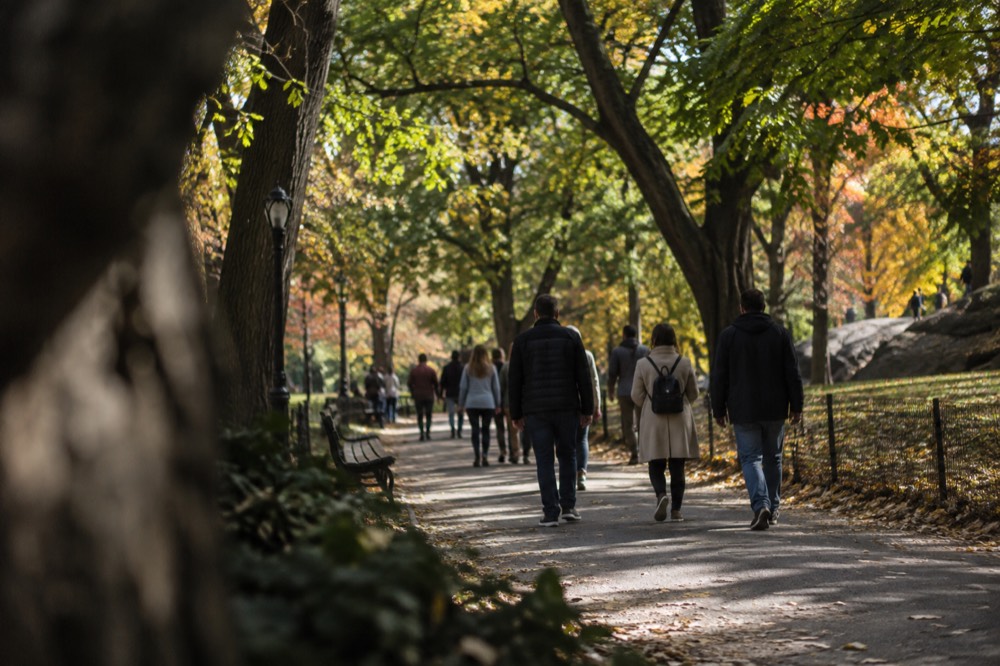
Why September and October win is arithmetic as much as aesthetics. Summer in New York is not just hot, it is the wettest stretch of the year: July averages 4.60 inches of precipitation in Central Park, August 4.56 and June 4.54, the three wettest months on the calendar according to the NOAA 1991-2020 climate normals. By September the average falls to 4.31 and by October to 4.38, but the character of the rain changes, breaking into shorter showers rather than the sustained summer downpours. Meanwhile the average high slides from 76.2°F in September to 64.5°F in October, which is walking weather for ten hours a day without anyone overheating.
The crowd logic reinforces the weather logic. School holidays empty out after Labor Day, and the December wave of holiday travelers has not yet arrived, so the gap between mid-September and mid-November is the longest quiet stretch on the New York calendar. Museum lines shorten, observation deck time slots open up, and the TKTS booth's same-day Broadway inventory widens because demand dips between the summer tourists and the Christmas rush.
May works on the same principle from the other side of summer. The average high is 71.4°F, rainfall is a moderate 3.96 inches, and the parks are at their greenest. The one caveat is Memorial Day weekend, which is busy everywhere in the city and priced accordingly.
What the Weather Actually Does, Month by Month
New York has no dry season: the spread between its driest month, February at 3.19 inches of precipitation, and its wettest, July at 4.60 inches, is only about 1.4 inches. The real monthly differences are temperature and snow, not rain. Average highs run from 39.5°F in January to 84.9°F in July, and snowfall concentrates almost entirely in December through March.
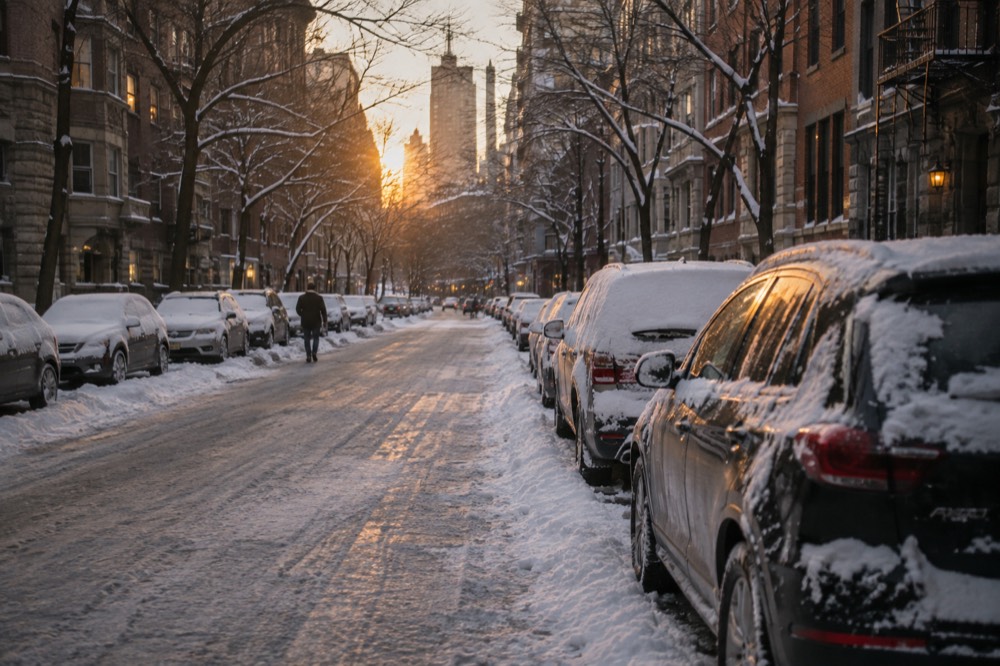
These figures come straight from the official NOAA climate normals for the Central Park station, the National Weather Service's 30-year benchmark dataset. They are worth internalizing before booking, because they overturn two common assumptions. First, visitors book summer trips expecting dry weather and get the three wettest months of the year. Second, they brace for January blizzards, when February is actually the snowiest month in New York, averaging 10.1 inches against January's 8.8. February is simultaneously the driest and the snowiest month, which sounds like a contradiction until you remember snow is measured separately from rain.
| Month | Avg high | Avg low | Precipitation | Snowfall | Verdict for visitors |
|---|---|---|---|---|---|
| January | 39.5°F | 27.9°F | 3.64 in | 8.8 in | Cold, quiet, cheapest hotels |
| February | 42.2°F | 29.5°F | 3.19 in | 10.1 in | Snowiest month, low crowds |
| March | 49.9°F | 35.8°F | 4.29 in | 5.0 in | Unpredictable, thaw begins |
| April | 61.8°F | 45.5°F | 4.09 in | 0.4 in | Good value, cherry blossoms |
| May | 71.4°F | 55.0°F | 3.96 in | 0.0 in | Excellent, busy by late month |
| June | 79.7°F | 64.4°F | 4.54 in | 0.0 in | Warm but wet |
| July | 84.9°F | 70.1°F | 4.60 in | 0.0 in | Hottest and wettest month |
| August | 83.3°F | 68.9°F | 4.56 in | 0.0 in | Humid, city thins out |
| September | 76.2°F | 62.3°F | 4.31 in | 0.0 in | Best overall window |
| October | 64.5°F | 51.4°F | 4.38 in | 0.1 in | Best overall window |
| November | 54.0°F | 42.0°F | 3.58 in | 0.5 in | Cold sets in, pre-holiday lull |
| December | 44.3°F | 33.8°F | 4.38 in | 4.9 in | Holiday magic, peak prices |
The table's practical reading: if your trip is built around walking, the months where the average high sits between 64.5°F and 79.7°F are May, June, September and October. If it is built around indoor sightseeing, museums and Broadway, the cheap and quiet months of January and February reward you with short lines everywhere except the cold itself. The full breakdown continues in NYC weather by month.
How Crowds and Prices Shift Through the Year
Crowd pressure in New York concentrates in three waves: July and August, the two weeks around Christmas and New Year's Eve, and the smaller spring bump around Easter and Memorial Day. The quietest stretches are January through early March and the mid-September to mid-November lull. Prices follow crowds with a lag, so the cheapest hotel nights of the year are usually in late January and early February.
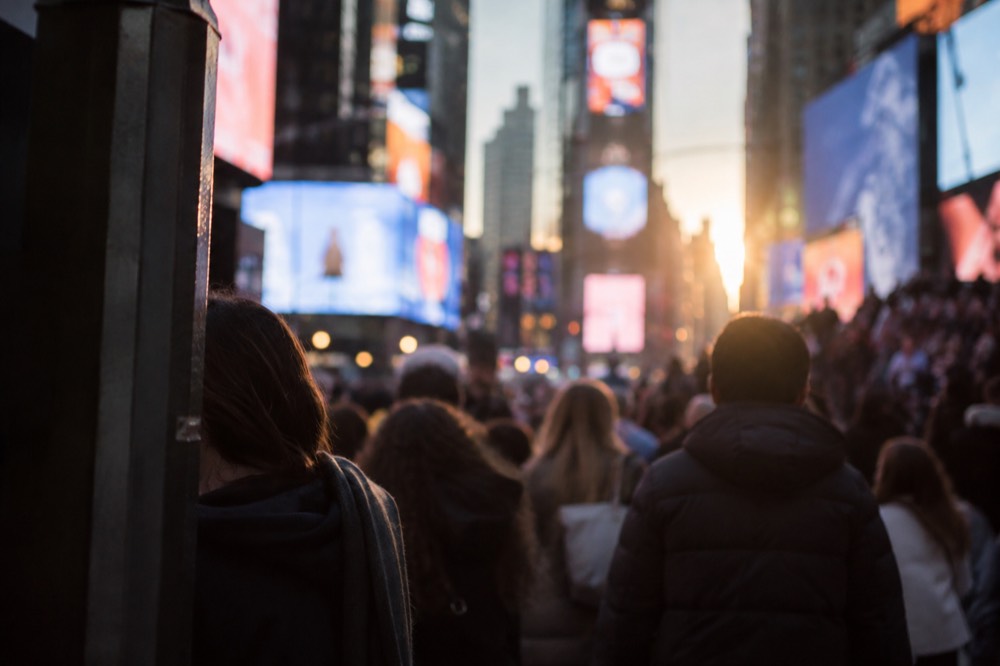
The transit data shows how differently the city behaves on weekends now. The MTA's 2025 ridership figures show subway use at about 75 percent of 2019 levels overall, but the split is stark: average weekday ridership sits at only 73 percent of pre-pandemic levels while weekend ridership has recovered to 88 percent. Weekend bus ridership has actually overtaken weekday bus ridership, 1,598,000 against 1,396,000 per day. Hybrid work emptied the weekday commute and left the weekends fuller than ever relative to the norm. For a visitor, that means Saturday trains and Saturday attractions are the crowded ones, and a Sunday-through-Thursday trip often feels emptier than the calendar suggests.
The single busiest station in the system is not a commuter terminal at all: Times Sq-42 St recorded 61,203,303 riders in 2025, 71 percent more than Grand Central's 35,764,931. The tourist station wins by a wide margin, per the MTA's 2025 ridership data, which tells you where the out-of-town pressure actually lands.
Price-wise, the December holiday period is the annual ceiling. The year-end travel wave between 22 December 2025 and 4 January 2026 was the single busiest holiday period the Port Authority has ever recorded, 5.8 million passengers across the three airports, and hotel rates in Midtown track that surge. Against that, late January and early February routinely post the year's lowest room rates, and attraction time slots are plentiful.
| Period | Crowds | Prices | What you trade |
|---|---|---|---|
| Jan to early March | Lowest | Lowest | Cold, short days, some snow |
| Mid-March to April | Moderate | Moderate | Unpredictable weather |
| May to mid-June | Building | Rising | Nearly nothing, book early |
| July to August | High | High | Heat, humidity, peak rain |
| September to October | Moderate | Moderate | The best all-round window |
| November (pre-Thanksgiving) | Moderate | Moderate | Early darkness, cold evenings |
| Late November to December | Highest | Highest | Everything costs more |
Is Summer a Bad Time to Visit NYC?
Summer is not a bad time to visit, but it is the most overrated window: July is both the hottest and the wettest month in New York, averaging 84.9°F highs and 4.60 inches of rain. The compensation is that August in particular sees the local population thin out, outdoor programming peaks, and rooftop bars, harbor cruises and free events run at full volume every single week.

The honest summer strategy is to build your days around the heat rather than fight it. Museums and observation decks in the morning, shade or water in the afternoon, outdoor life after 6pm. The harbor is the city's air conditioning: a 50-minute Statue of Liberty express cruise or a two-hour sunset loop puts you on moving water with the skyline behind you, and the evening sailings catch the switch from golden hour to lit-up skyline. An evening on the water is covered in the NYC harbor cruise guide.
Summer also concentrates the free programming. Bryant Park's lawn fills at lunchtime, the Philharmonic plays outdoors, and movie nights run in the parks. If your dates are locked to July or August by school schedules, the trip is still worth taking. Just book restaurants with air conditioning for dinner, treat the 4pm hour as a hotel-rest reset, and expect at least one afternoon where a thunderstorm rearranges your plans.
When Is the Cheapest Time to Visit NYC?
The cheapest time to visit NYC is late January through February, when hotel rates post their annual lows, attraction queues are short, and Broadway discounting is at its deepest because demand is soft. The trade is real winter weather: February averages a high of 42.2°F and is the snowiest month at 10.1 inches, so the savings come with gloves. November before Thanksgiving is the best mild-weather value window.
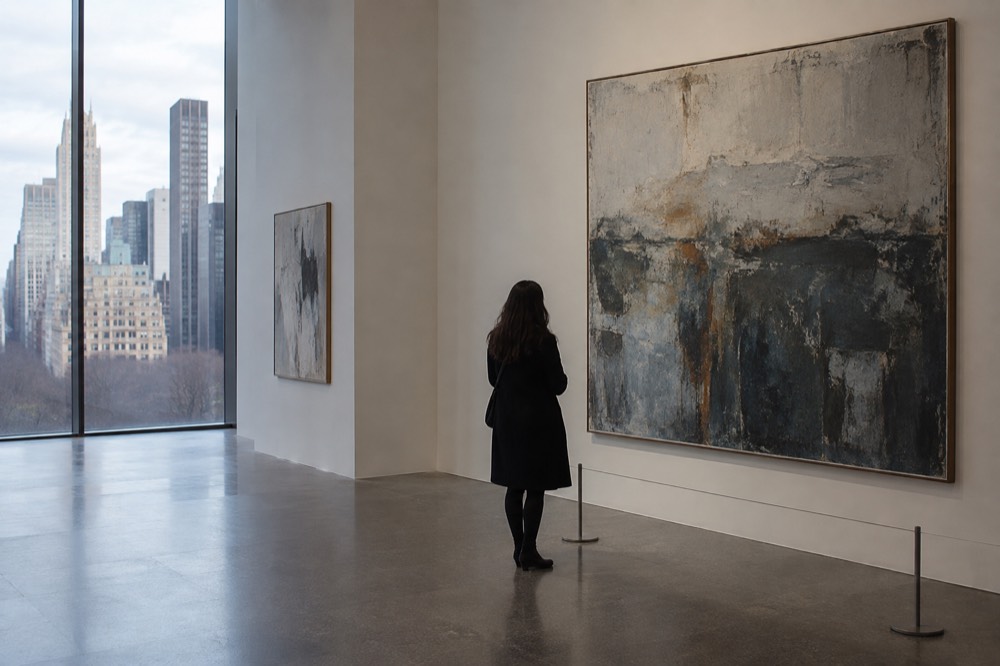
What makes the winter cheap is not just rooms. The TKTS booth discounts up to 50 percent off face value every day of the year, but winter's softer demand means the shows on the board skew better and the lines move faster. Museum pay-what-you-wish windows also pay off more in winter, because the resident-only queues are shorter and you are indoors anyway. MoMA's free Friday evenings are reserved for New York State residents, so out-of-state visitors should not plan around them, but the Whitney's free Friday nights from 5pm to 10pm are open to everyone, capacity permitting.
The big-ticket arithmetic matters more than small discounts. Adult admission to the Metropolitan Museum of Art is $30, seniors $22, students $17, and that ticket covers both Met Fifth Avenue and The Met Cloisters on the same day, which most guides never mention. The official Statue of Liberty and Ellis Island ferry runs $26.00 for adults, and the crown reservation costs just thirty cents more, $26.30, if you can get it, since crown tickets sell out months ahead. Observation decks cluster between roughly $44 and $48 at the low end of their dynamic pricing, with One World Observatory the outlier from $39.
| Cost item | Typical adult price | Cheaper workaround |
|---|---|---|
| The Met (adult, out of state) | $30 | Same-day ticket includes The Cloisters |
| Statue of Liberty and Ellis Island ferry | $26.00 | Book direct with Statue City Cruises, avoid lookalike cruises |
| Observation decks (from prices) | $39-$48 | Pick one deck, not three |
| Broadway full price | Varies by show | TKTS up to 50% off, plus an $8 fee per ticket |
| Subway rides | $3.00 each, capped at $35 per 7 days | The cap applies automatically with OMNY |
| Five-attraction CityPASS | $149 | Only worth it if you use all five |
Is December Worth the Peak Prices?
December is worth the peak prices for one reason only: the holiday transformation is real and concentrated, from the Rockefeller Center tree to the Dyker Heights lights to the shop windows on Fifth Avenue. It is the most expensive and most crowded month of the year, with the year-end travel wave setting all-time records, so go for the season itself and accept that you are paying a premium for it.
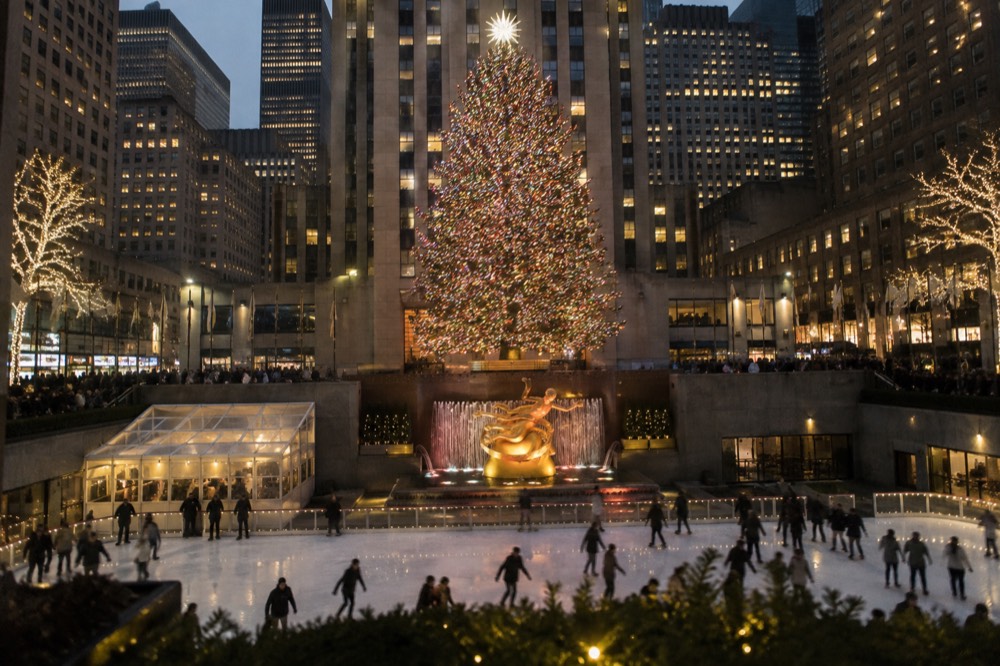
The seasonal calendar is genuinely unmatched. The tree lighting anchors Midtown, the holiday markets spread across Bryant Park and beyond, and in Brooklyn, Dyker Heights residents wrap entire houses in lights every December, reachable on a guided evening tour that handles the subway ride for you. The full seasonal rundown, including the markets and the New Year's Eve logistics, is in Christmas in NYC.
If December is your month, timing within the month matters almost as much as the month itself. The first two weeks of December deliver nearly everything the last two weeks do, the tree, the windows, the markets, at noticeably lower prices and thinner crowds. The stretch between Christmas and New Year's Eve is the annual peak, when the airports and hotels run at their ceilings. Book the first week if the calendar allows.
One planning note that catches December visitors every year: the Met is closed on 25 December and 1 January, and MoMA closes Thanksgiving and Christmas. The 9/11 Memorial plaza itself is free and open daily, but museum hours shift around the holidays, so check the specific institution before you lock an itinerary.
Getting Around Whenever You Visit
Getting around New York is the same in every season: the subway at $3.00 a ride, with OMNY fare capping at $35 per rolling seven-day period applied automatically to any credit card, debit card or phone. The 7-day unlimited MetroCard no longer exists, since the MTA stopped selling and refilling MetroCards entirely on 1 January 2026. Do not let any older guide send you hunting for a pass that is not sold.
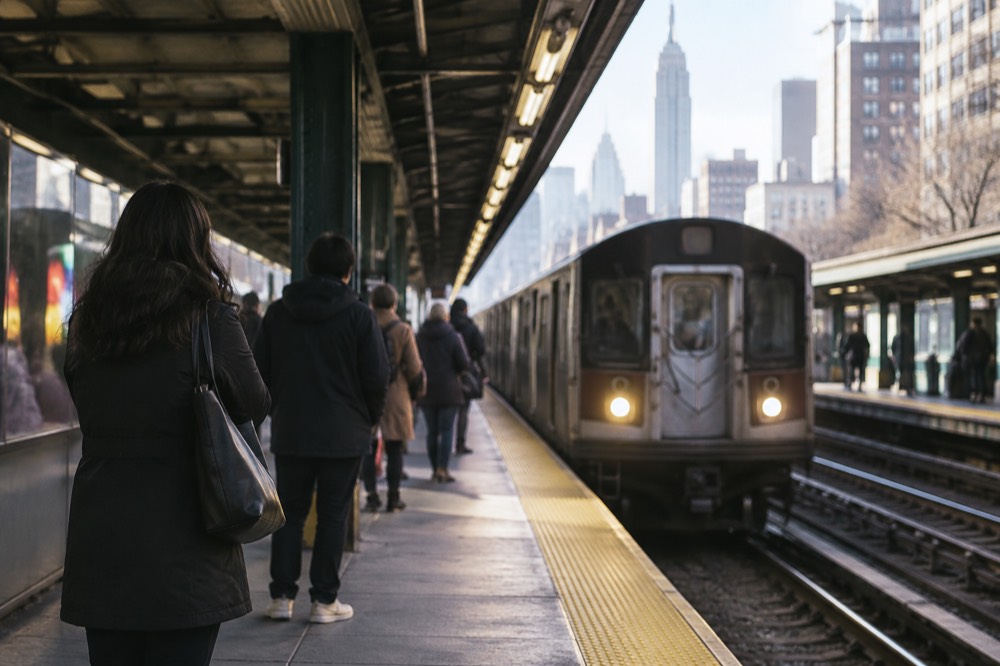
Season changes the experience of the system, not the mechanics. Summer platforms are saunas and winter ones are wind tunnels, but the trains run the same. The one weather caveat worth planning around is snow: heavy winter storms slow outdoor lines, particularly the elevated tracks in the outer boroughs, while the underground core keeps moving. If a February blizzard hits during your trip, the subway plus indoor museums is the itinerary that still works.
For airport arrivals, the arithmetic is stable year-round. The LaGuardia Link Q70 bus is free, making the subway-plus-bus run to Midtown $3.00 total, the cheapest airport transfer in the city. JFK's AirTrain adds $8.75 on top of the subway fare, $11.75 end to end. Weekday travelers to Newark should budget extra time, because the AirTrain segment between the terminals and the NJ Transit station is currently replaced by shuttle buses on weekdays from 5am to 3pm.
Common Questions About the Best Time to Visit NYC
The short answers: September and October are the best overall months, February is both the cheapest and the snowiest, July is the wettest despite its summer reputation, and the December holidays are worth their cost only if the season is the point. Rain is roughly constant all year in New York, so pack for it whenever you come.
What is the best month to visit NYC?
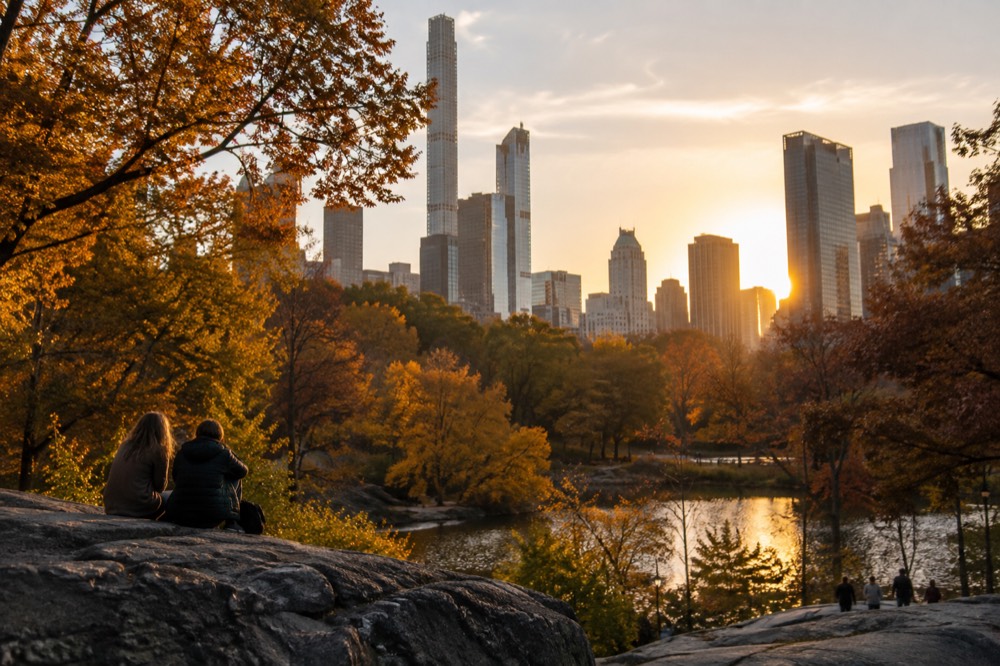
September is the single best month for most travelers: average highs of 76.2°F, rainfall short of the summer peak, post-Labor Day crowds and pre-holiday prices. October is a near-tie, cooler at 64.5°F average highs, with the added bonus of fall foliage in Central Park.
What is the cheapest month to visit New York?
Late January and February. Hotel rates post their annual lows, attraction lines are short, and Broadway discounting is deepest because demand is soft. The trade is real winter: February averages a 42.2°F high and is the snowiest month of the year at 10.1 inches.
Is summer a good time to visit NYC?
Summer works if you plan around the heat, but it is the most overrated window. July is both the hottest month, averaging 84.9°F highs, and the wettest, at 4.60 inches of rain. The upside is peak outdoor programming, rooftop culture and harbor cruises, plus an August city that thins out as residents leave.
Is December worth visiting NYC?
For the holiday season specifically, yes, and nothing else matches it: the Rockefeller Center tree, the markets and the Dyker Heights lights. It is also the most expensive and crowded month of the year. The first two weeks of December deliver most of the experience at a fraction of the peak-week cost.
What is the rainiest month in New York?
July, at 4.60 inches of precipitation on average, ahead of August at 4.56 and June at 4.54. Most visitors assume summer is the dry season and book accordingly. The driest month, February, still averages 3.19 inches, which is why New York has no true dry season at all.
How many days do you need in NYC?
Four to five full days covers the core: one observation deck, the Statue of Liberty and Ellis Island, two major museums, a Broadway show and a neighborhood walk or two. Fewer days works with ruthless prioritization, and the itinerary guides for one through seven days break down exactly what fits in each window.
Whichever window you pick, the one booking that rewards early action most is the ferry. Statue City Cruises is the only operator authorized by the National Park Service to land at Liberty Island and Ellis Island, and plenty of lookalike harbor cruises circle the islands without ever docking, some charging more than the real ferry. The official ticket covers both islands, both museums and the audio tours, so check the live listing for sailing times before you commit to a date.
The last planning decision is the one people skip: book the scarce things before the flexible things. Crown tickets for the Statue of Liberty sell out months ahead, Broadway seats for weekend performances go first, and observation deck sunset slots vanish early in every busy season. The weather you cannot control, but the sellable inventory you can, and the travelers who enjoy New York most are usually the ones who reserved the four things that run out and improvised everything else.