Radio City Music Hall Tour: What You See, What It Costs, and Whether It's Worth It
Radio City Music Hall sits in the middle of Rockefeller Center, six acres of Midtown that most visitors cross without ever going inside the building itself. A guided tour is the only way to see the hall when nothing is playing, and it answers a simple question: is the inside worth an hour of your itinerary?
Short answer
The Radio City Music Hall Tour is a guided walk through the auditorium and backstage areas of Rockefeller Center's landmark venue, running roughly an hour, with tickets sold through the venue's official channels. Pricing is set by the box office and shifts seasonally, so check the official listing before you plan. It suits architecture fans, theater lovers and first-time visitors; anyone on a tight schedule may prefer Top of the Rock next door.
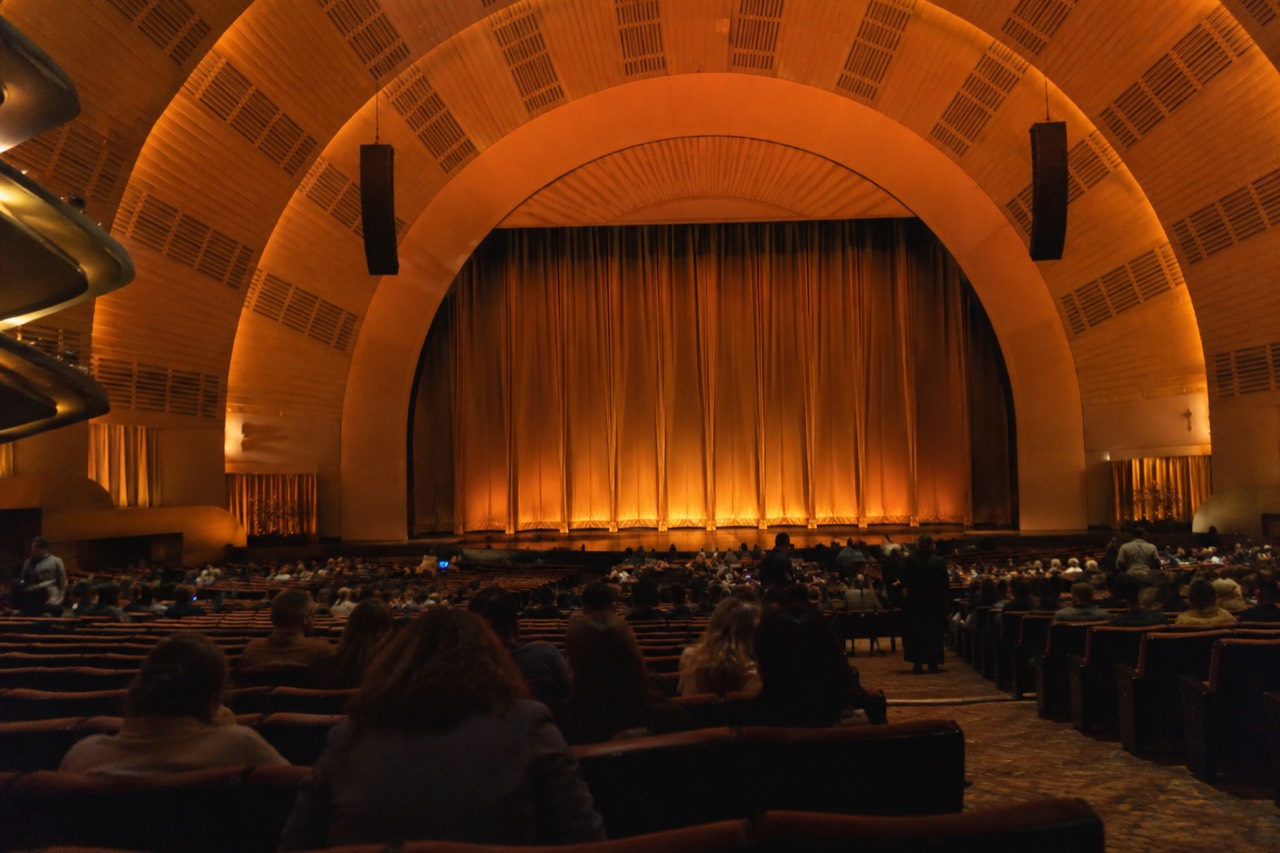
Radio City Music Hall is the largest indoor theater in the world by seat count, and it sits directly under the Rockefeller Center complex that most visitors already have on their list. Yet the overwhelming majority of people who photograph the marquee on 6th Avenue never step past it. The guided tour exists for the opposite kind of traveler: the one who wants to stand in the empty auditorium, hear how the building works, and see the spaces a show ticket never opens up.
This guide, from the editorial desk at New York City Travel Guide, walks through what the visit involves, what it costs to get in the door, how the hall fits into a Rockefeller Center day, and how to judge whether it belongs on your itinerary. One honest caveat up front: tour inclusions, schedules and prices for the venue are set and changed by the venue's own ticketing operation, and they do shift seasonally, especially around the Christmas season. Every structural fact here is stable; every operational figure should be confirmed on the official listing before you book.
What Does the Radio City Music Hall Tour Actually Include?
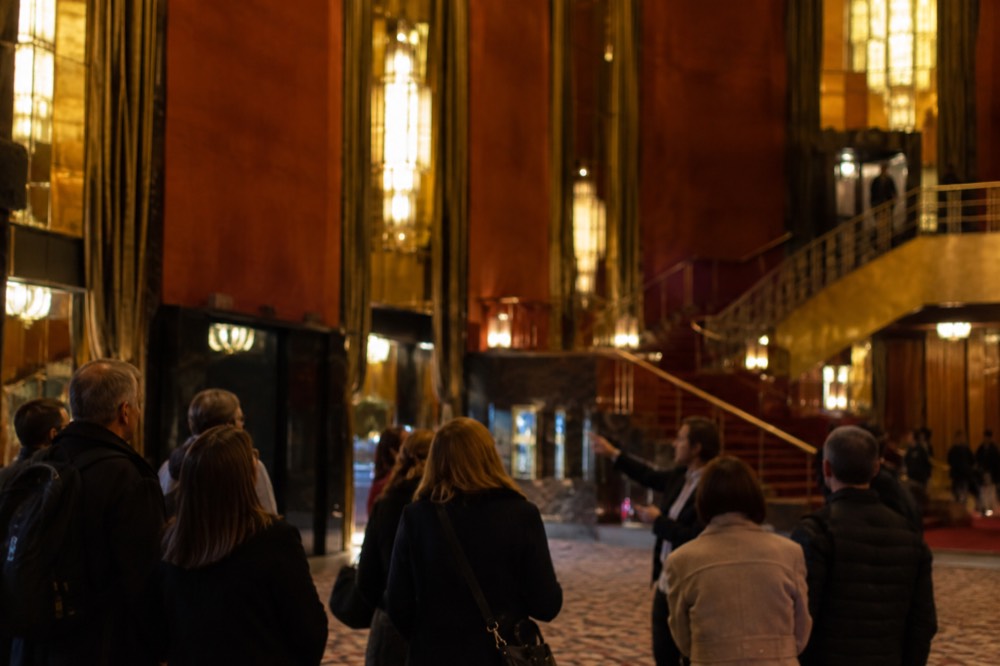
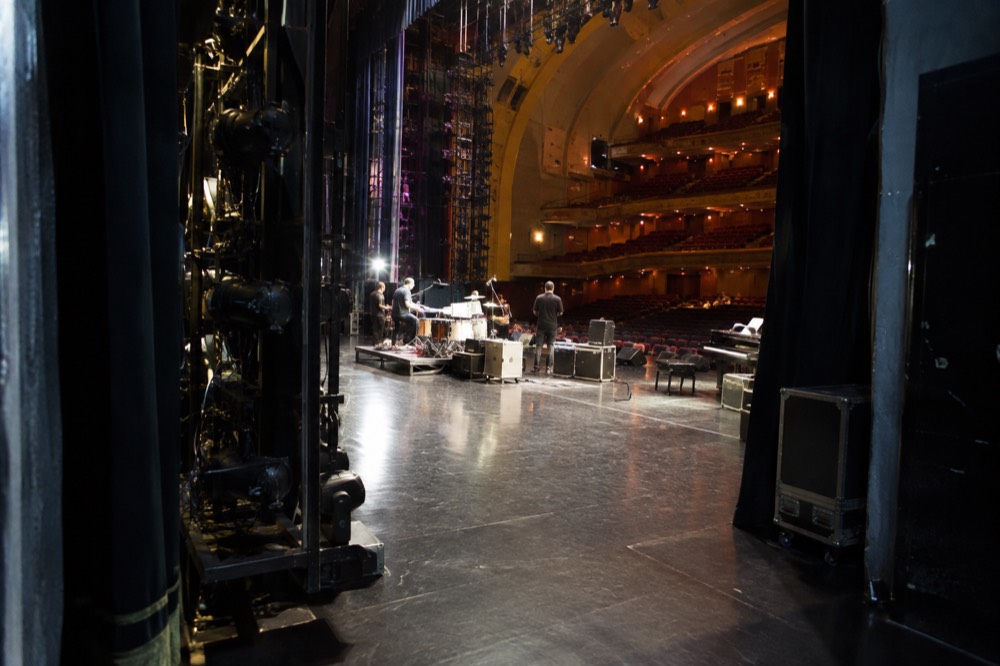
The Radio City Music Hall Tour is a guided, roughly hour-long walk through the public and production spaces of the landmark venue, led by a guide who covers the auditorium, the stage area and the building's design history. Exact rooms on the route vary with the performance calendar, because the hall is a working theater first and a tourist attraction second. The tour does not include a show ticket.
That last point matters more than people expect. Radio City is not a museum that happens to host events; it is one of the busiest large venues in the country, and the tour route bends around whatever is on stage that week. If a production is loading in, sections of the backstage route close. If the Christmas Spectacular season is in full swing, tour availability compresses dramatically because the building is running multiple shows a day.
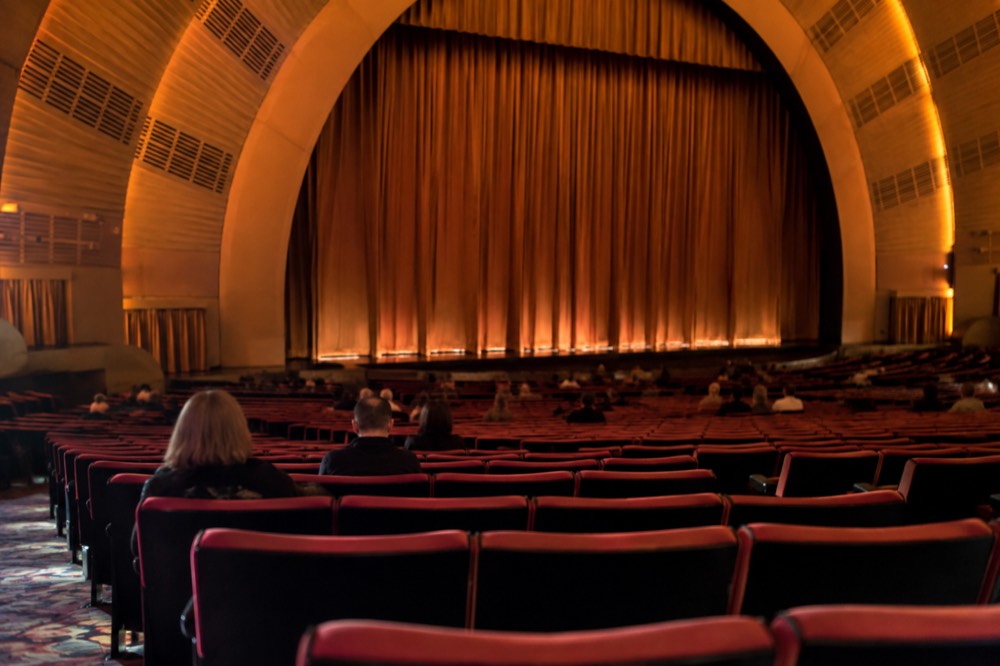
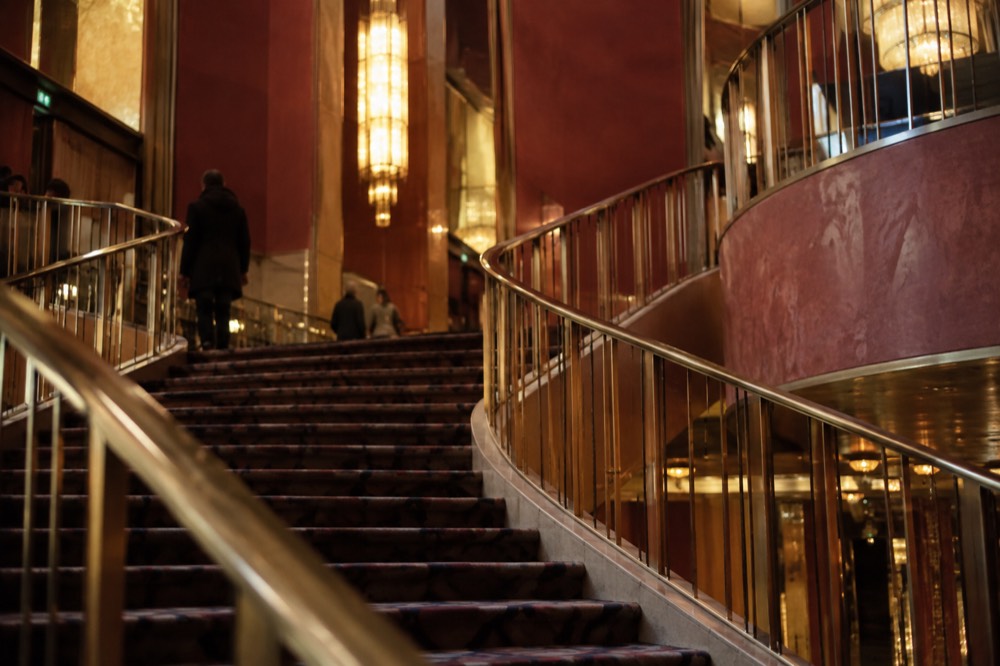
What you reliably get is time in the auditorium itself, which is the point of the whole exercise. The room is enormous, designed in the era of movie palaces, and the guided commentary covers the design ideas behind it, the venue's role in Rockefeller Center, and the Rockettes, the precision dance company that has made the hall famous worldwide. Guides also touch on the mechanics of the stage, including the hydraulic system beneath it, one of the features the venue itself highlights.
What you should not expect: a show. The tour ticket is not a performance ticket. If seeing the Rockettes or a concert is the goal, buy a show ticket and skip the tour, because the tour is about the building, not the entertainment.
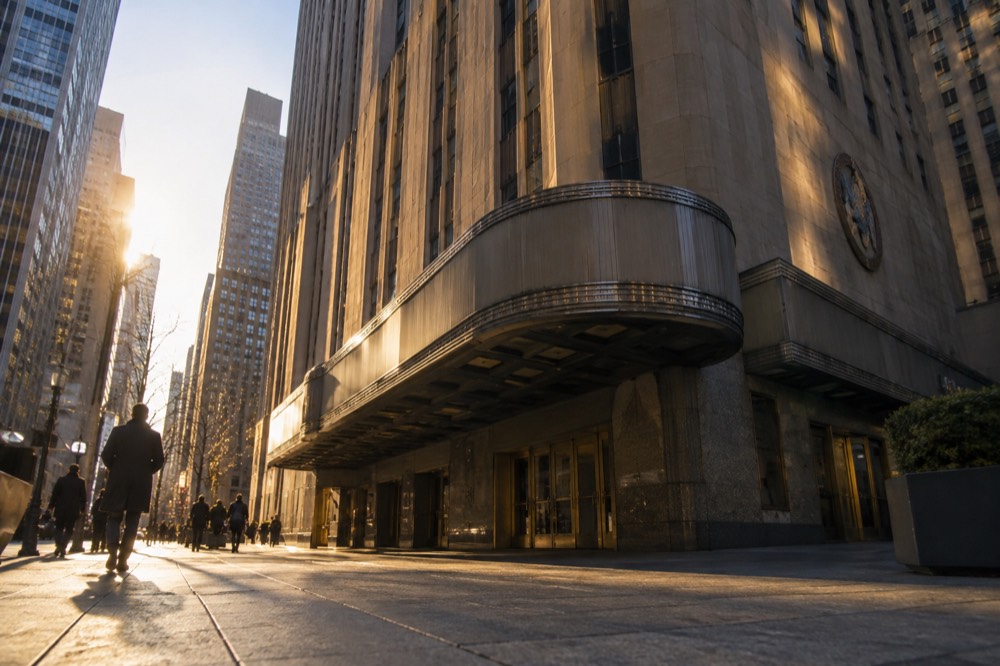
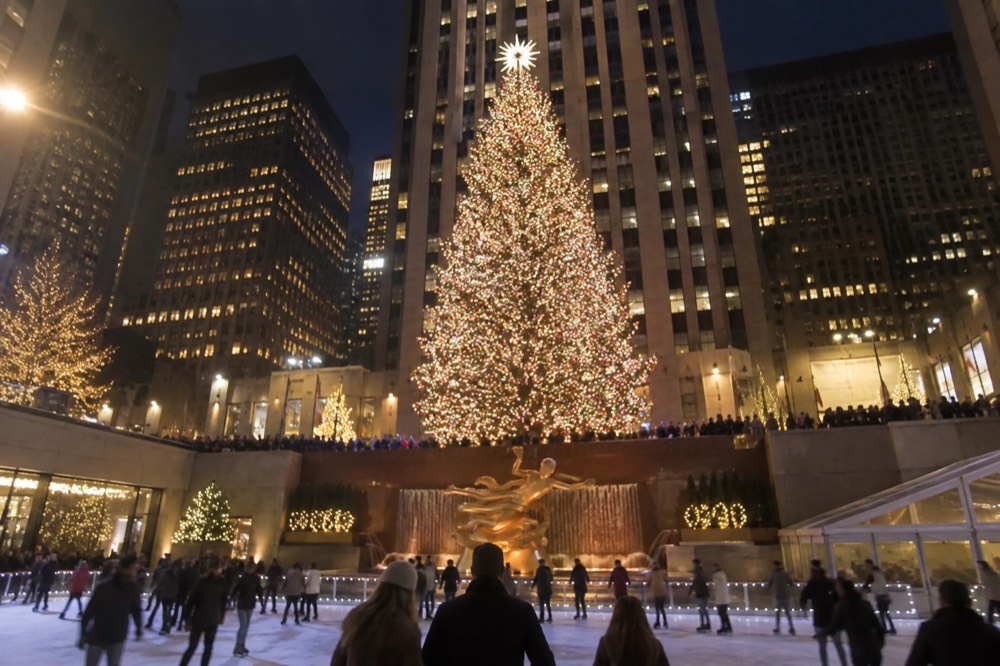
A quick orientation on the building itself. Radio City Music Hall anchors the western side of Rockefeller Center, the Midtown complex that also holds 30 Rockefeller Plaza, the Top of the Rock observation deck, the seasonal ice rink and the plaza that becomes the home of the famous Christmas tree each winter. If you are planning a broader visit, our Rockefeller Center visitor guide covers the whole complex, and the hall makes a natural indoor anchor for that day. The address puts it on 6th Avenue between 50th and 51st Streets, a two-minute walk from 5th Avenue and the rink.
Is the tour accessible? The venue is a modern operating building with elevator service, and the standard route is designed to be manageable for most visitors, but anyone with specific mobility needs should confirm the current route with the venue directly before booking, since backstage sections can involve changes in level. The same advice applies to photographers: policies on flash and tripods are set by the venue and can vary.
How Much Does the Radio City Music Hall Tour Cost?
Tour pricing is set by Radio City's own ticketing operation, not by any fixed published rate we can responsibly quote, and it moves with the calendar: shoulder-season tours, holiday-period tours and premium tour formats all price differently. Booking is handled through the venue's official ticketing channels, with the tour often bundled alongside Top of the Rock admission in combination products. Confirm the current figure on the official listing before budgeting.
That answer may sound evasive, so here is the reasoning. Prices for guided tours at New York attractions are among the most volatile numbers in this city's travel ecosystem. The venue reprices seasonally, adds holiday versions, and adjusts combination tickets depending on what its observation deck partner is doing. Any specific figure printed in a guide like this one has a shelf life measured in months. The honest move is to describe the structure of the pricing and let the listing carry the number.
The structure is this. There is a standard guided tour, priced per person, with discounts that typically apply to children and seniors. There are combination tickets that pair the hall tour with Top of the Rock, the observation deck directly across the plaza, which is usually the better value if you were going up anyway. And there are specialty and seasonal formats, including VIP-style versions with smaller groups, that cost more and offer more access.
One cost comparison is safe to make, because it comes from verified box-office data: the surrounding attractions. Here is what the Rockefeller Center neighborhood's other paid entries cost, so you can see where a hall tour fits in a day's budget.
| Attraction near Radio City | Adult price basis | Notes |
|---|---|---|
| Top of the Rock Observation Deck | from $42 | Timed entry; box-office price published at $71.86 |
| SUMMIT One Vanderbilt | from $44 (13+) | Plus $3 online processing per order |
| Edge at Hudson Yards | from $34-$45 | Plus $2 processing per ticket |
| Museum of Modern Art (MoMA) | $30 | Free Friday evenings for NY State residents only, proof required |
| Metropolitan Museum of Art | $30 | Also covers The Met Cloisters same day |
| One World Observatory | from $39-$44 | Plus $3.50 processing fee and tax |
The pattern worth noticing: Midtown's paid attractions cluster in a fairly narrow band once you include the processing fees that get added at checkout. Budget roughly the price of a museum ticket per person for the hall tour, confirm the exact figure on the listing, and plan around it.
If you are stacking several of these in one trip, a pass may beat individual tickets. Our New York CityPASS and pass comparison guide breaks down when the bundled products pay off, and the short version is this: passes reward itineraries that already include three or more of the marquee attractions, and they punish loose plans.
How Long Does the Tour Take, and When Is the Best Time to Go?
Plan on the tour itself taking about an hour, with door-to-door time in Rockefeller Center running closer to ninety minutes once you clear security and check in. Morning slots on weekdays are the calmest; weekend afternoons and the entire Christmas season are the busiest. Book timed tickets ahead rather than walking up, especially between late November and early January.
The timing question has two layers: the time of day and the time of year.
Time of day is simple. The venue runs tours during daytime hours on most days when performances allow, and the earlier slots see smaller groups and a quieter building. A morning tour also leaves your afternoon free, which matters because Rockefeller Center rewards wandering: the plaza, the underground concourse, the shops, and 5th Avenue are all within a five-minute walk.
Time of year is where New York's actual climate data is worth knowing, because most people plan around assumptions the official numbers contradict. NOAA's 1991-2020 climate normals for Central Park show that July is the wettest month in New York, averaging 4.60 inches of precipitation, ahead of August and June. And February out-snows January, 10.1 inches of snowfall against 8.8. Visitors who book summer to dodge rain and brace for January blizzards have it backwards on both counts.
For the hall specifically, an indoor, climate-controlled hour is an asset exactly when the weather is at its worst, which by the data means a humid July afternoon or a snowy February morning. Our best time to visit NYC guide covers the full monthly picture if you are still choosing dates.
Christmas deserves its own heading, and gets one further down. The short version: the Christmas Spectacular season transforms the building's schedule, and touring during it is possible but requires the most advance planning of anything in this article.
How Do You Get to Radio City Music Hall?
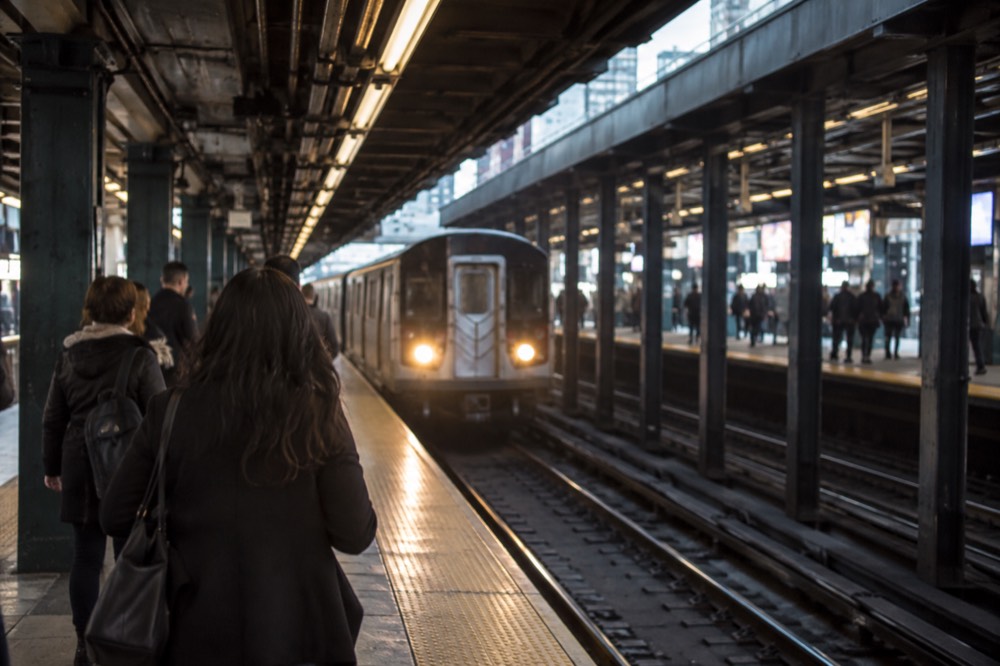
Radio City Music Hall sits on 6th Avenue between 50th and 51st Streets in Midtown Manhattan, and the subway is the correct way to reach it: the B, D, F and M trains stop at 47-50th Sts Rockefeller Center, an underground station that exits directly into the complex. A single subway ride costs $3.00, paid by tapping a card or phone with OMNY.
That station deserves emphasis, because it is the rare New York subway stop that delivers you indoors. The 47-50th Sts Rockefeller Center station puts you inside the complex's underground concourse, from which you can reach the hall, the shops and the elevators toward Top of the Rock without surfacing, which is a genuine asset in rain, heat or snow. The N, Q, R and W at 49th St and the 1 at 50th St work as backups.
On fares, the current system is simpler than the old one and many guides still get it wrong. The MetroCard has been retired: as of 1 January 2026, the MTA no longer sells or refills MetroCards at all, and the old 7-day unlimited pass no longer exists. The replacement is automatic fare capping under OMNY. Tap the same credit card, debit card, phone or watch every ride, and once you hit $35 in a rolling seven-day window, every additional subway and local bus ride that week is free. No pass to buy, nothing to activate.
| Fare item | Cost | What it covers |
|---|---|---|
| Single subway or local bus ride | $3.00 | One ride, plus one free transfer within 2 hours |
| OMNY weekly cap | $35 | All subway and local bus rides in a rolling 7-day window, applied automatically |
| Paper Single-Ride OMNY ticket | $3.50 | 2 hours validity, no subway-to-bus transfer |
| Express bus | $7.25 | Express routes from the outer boroughs |
| Reduced fare (seniors 65+, eligible disabled riders) | $1.50 | Subway and local bus, all times |
The cap rule has one trap: it applies per card or device. A couple sharing one contactless card will each be charged full fare for every ride, because the system counts the card, not the person. Two phones, two caps. Each traveler taps their own.
For anyone arriving from JFK, LaGuardia or Newark, our airport transfer guides cover the full door-to-door picture, including why the LaGuardia run is the cheapest airport trip in the city at $3.00 via the free Q70 bus and one subway fare, while JFK's AirTrain adds $8.75 on top of the subway fare.
Driving is the wrong answer for this destination. Midtown parking is expensive, congestion pricing tolls apply to vehicles entering Manhattan's core, and the hall sits above the single best-served subway station for tourists in the city. Our how to get around NYC guide has the full picture.
What Else Should You Pair with a Radio City Visit?
The strongest pairing is vertical: Top of the Rock sits directly across the Rockefeller Center plaza and is the one observation deck in Manhattan that puts the Empire State Building in your photograph, so a hall tour followed by a sunset deck visit is the classic sequence. Beyond Rockefeller Center, MoMA is a five-minute walk east and Times Square is five minutes north.
This is where the hall tour earns its place in an itinerary, because it occupies mid-afternoon slots that other attractions fill awkwardly. Museums close in the early evening. Observation decks are best at sunset. A tour that finishes by mid-afternoon slots neatly before either.
The neighborhood loop, in walking order:
| Stop | Walk from Radio City | What it is |
|---|---|---|
| Rockefeller Center plaza and ice rink | 2 minutes | The complex's heart; the Christmas tree stands here in season |
| Top of the Rock | 3 minutes | Observation deck with Empire State Building views; from $42 |
| St. Patrick's Cathedral | 4 minutes | Gothic Revival landmark on 5th Avenue, open to visitors |
| Museum of Modern Art | 5 minutes | Van Gogh's Starry Night and the design galleries; $30 adult |
| Times Square | 7 minutes | The lights and the TKTS booth for same-day Broadway discounts |
| Bryant Park and NYPL | 12 minutes | Public park, seasonal markets, and the marble lions of the library |
If the evening is free after the tour, Midtown is also the country's densest live-entertainment district, and the tour has a way of making people want to see something on a stage that same night. Three evening options worth weighing, with current listing figures:
For a different register entirely, comedy is the cheapest live ticket in the Theater District. The Broadway Comedy Club's All-Star Stand-Up showcase runs about ninety minutes, from $20 per person, with a rotating bill of working New York comics, a 4.1 rating across 625 reviews, and the two-drink minimum that is standard at clubs of this kind. It is a bet on the room rather than a famous name, which is exactly the appeal.
Between a comedy set and a jazz evening sits a wide middle ground of guided music experiences, and the one with the deepest historical thread runs uptown rather than in the Theater District. Harlem's jazz circuit sits a short express ride from Midtown, and a guided version turns a night of listening into a walk through the neighborhood that shaped the music.
The Harlem Jazz Tour runs four hours, from $139 per person, pairing a guided walk through the neighborhood's musical past with live performance, rated 4.5 across 102 reviews. It is a longer commitment than the other two options, but it is the one that tells a story the Midtown theaters cannot.
Whichever direction the evening takes, the practical point is the same: book before you leave for the day, because the best seats and the cheapest tiers go first, and a Midtown evening is easy to plan from a phone over an early dinner.

What Is Radio City Like During the Christmas Season?
From roughly mid-November through early January, Radio City becomes the center of the city's Christmas economy: the Rockettes' Christmas Spectacular runs multiple performances a day, the Rockefeller Center tree draws its biggest crowds of the year, and tour availability shrinks as the show schedule takes priority. Tickets for the Spectacular go on sale well in advance, and the prime dates sell out first.
The Christmas Spectacular is the venue's flagship production, the show most of the world knows Radio City for, and the reason the Rockettes are a household name. It is a family-oriented spectacle built around the dance company's precision choreography, running roughly ninety minutes with an intermission. If your trip falls in that window and the show is the goal, book it before almost anything else on your itinerary, because the combination of holiday demand and limited seat count makes it one of the season's hardest tickets.
Touring the hall during the Christmas season is a different experience from touring it in March. The building is running at full capacity almost every day, the schedule is dominated by performances, and tour slots are fewer and fuller. The compensation is that the whole Rockefeller Center complex is at its most beautiful: the tree, the rink, the angel sculptures on 5th Avenue, and the shop windows along Fifth Avenue all sit within the same walkable loop.
For the full seasonal picture, our Christmas in NYC guide and the Rockefeller Center Christmas tree guide cover dates, viewing strategy and how to escape the worst of the crowds. If you want the seasonal magic without Radio City's peak prices, the free option nearby is the tree and plaza themselves, which cost nothing and need no ticket at all.
One weather note for December planning, straight from the verified climate normals: December averages 4.38 inches of precipitation and 4.9 inches of snow in Central Park, while January brings 3.64 inches and 8.8 of snow. December in New York is a wet month more than a white one. Pack layers and a waterproof layer, and the indoor portions of the Rockefeller Center loop, the hall included, become your friends.
Is the Radio City Music Hall Tour Worth It?
For architecture fans, theater lovers and first-time visitors with a free afternoon, yes: the hall is one of the great interiors in New York, an hour with a guide unlocks spaces a show ticket does not, and the Rockefeller Center location makes it nearly free to slot into an existing plan. For tight itineraries, tight budgets or visitors who only want the Rockettes, no: put the money toward a show ticket instead.
The honest breakdown of who should book:
Book the tour if you care about design and interiors, you have already seen a Broadway show or plan to, your trip includes Rockefeller Center anyway, or you are traveling with people whose attention span suits an hour indoors more than another museum. The auditorium is genuinely remarkable, and standing in it empty, in silence, is something a performance ticket cannot give you.
Skip the tour if you are on a one- or two-day first trip and have not yet done the essentials, in which case our things to do in NYC guide should drive your priorities. Skip it too if money is the binding constraint, since the free Rockefeller Center experiences, the plaza, the tree in season, the walk to 5th Avenue, deliver a real slice of the same visit. And skip it if the Rockettes are the actual draw, because the tour will not scratch that itch.
For travelers who want the show experience without Broadway prices, the comparison is instructive. The evening entertainment options around Midtown range widely in cost, and the hall tour sits at the low end of a spectrum that extends up through premium Broadway seats.
| Evening option | Duration | Price from (per adult) | Rating | Reviews |
|---|---|---|---|---|
| Broadway Comedy Club All-Star Stand-Up | 1.5 hours | $20 | 4.1 | 625 |
| MJ the Musical on Broadway | 2h 30m | $71.27 | 4.8 | 2,786 |
| Harlem Jazz Tour | 4 hours | $139 | 4.5 | 102 |
The pattern across all of this article's pricing is consistent: Midtown entertainment spans roughly a 10x range from a comedy set to a premium musical seat, and the hall tour slots in near the bottom of that range. That is the arithmetic that makes it an easy add-on and a hard centerpiece. Treat it as one hour of a Rockefeller Center day, not the day itself.
A final practical note on booking. Like most timed New York attractions, the hall tour is best booked in advance for holiday periods and weekend slots, and can often be bought same-day in shoulder season. Combination tickets with Top of the Rock deserve a close look if both are on your list. And if your dates are flexible, aim for a weekday morning: the building is calmer, the groups are smaller, and the whole Rockefeller Center complex is at its most walkable before the afternoon crowds arrive.
Common Questions About the Radio City Music Hall Tour
The questions below cover the practical details readers ask most: whether you can visit without a tour, what the tour costs, how long it runs, whether children enjoy it, and how it compares with simply seeing a show. The short answers: the auditorium is generally open only to tour groups and ticket holders, prices appear on the official listing, the tour runs about an hour, and a show ticket beats the tour if performance is the goal.
Can you visit Radio City Music Hall without a tour?
Not in any meaningful way. The hall is a working performance venue, and on show days access is limited to ticket holders. The guided tour is the standard way to see the auditorium and backstage spaces when nothing is playing. The public lobby and exterior are viewable to anyone, but the building's interior is the attraction, and the tour is how you reach it.
How much does the Radio City Music Hall Tour cost?
Pricing is set by the venue's official ticketing operation and varies by season and format, including combination tickets with Top of the Rock. Rather than quote a figure that will go stale, check the official listing for your dates. Budget in the same range as a Midtown museum ticket per person, and look closely at the combination products if you plan to visit the observation deck anyway.
How long is the Radio City Music Hall Tour?
The tour itself runs roughly an hour, with check-in and security adding time on either end. Plan on ninety minutes inside the building, and more if you linger in the Rockefeller Center concourse afterward. Morning slots leave the rest of the day free for the plaza, Top of the Rock or MoMA, all of which sit within a five-minute walk.
Is the Radio City Music Hall Tour good for kids?
Generally yes. The tour is short enough to hold a child's attention, the building is dramatic, and the Rockettes are a genuine draw for families. The caveats are routine ones: an hour of listening is an hour of listening, so very young children may sag toward the end, and stroller policies in backstage areas are set by the venue, so confirm before you go.
Should I do the tour or see a show at Radio City?
If the Rockettes or a concert is what you actually want, buy the show ticket and skip the tour, because the tour is about the building rather than the performance. If you are curious about the venue's design and history, or your dates do not line up with a performance, the tour is the right product. Doing both in one trip is a perfectly reasonable splurge for theater lovers.
Can I combine the tour with Top of the Rock?
Yes, and it is often the smartest booking. The two attractions share the Rockefeller Center complex, combination tickets exist that pair them, and the natural sequence is the hall tour in the morning or early afternoon followed by Top of the Rock at sunset, when the deck's signature asset, a view that includes the Empire State Building itself, is at its best.