The Hamptons from NYC: The Route, the Stops and How Long It Really Takes
The Hamptons sit at the far eastern end of Long Island, roughly 90 to 120 miles from Manhattan depending on which village you are heading for, and the journey is a bigger part of the trip than most guides admit.
Short answer
The Hamptons are 90 to 120 miles east of Manhattan. Driving takes two to three and a half hours depending on traffic, the LIRR takes about three hours to Southampton, and an organized day tour removes the driving entirely.
The Hamptons begin where the Long Island Expressway runs out of lanes, roughly two and a half hours east of Manhattan on a good day and four on a bad July Saturday. They are not one place. They are a string of villages and hamlets spread across the towns of Southampton and East Hampton, at the eastern end of Long Island, and the distance between the first stop and the last is itself about 30 miles. A day trip is possible. A day trip that feels relaxed takes planning, and the planning starts with the road.
This page covers the route, the transport options, the towns worth stopping in, the real cost of a day, and the honest answer to whether you need a car. For the wider picture of escaping the city for a day, see our day trips from NYC guide, and for everything the city itself holds, start with things to do in NYC.
How Far Are the Hamptons from NYC?
The Hamptons sit 90 to 120 miles east of Manhattan, depending on which village you count as the start of the region. Westhampton Beach, the westernmost of the hamlets, is about 80 miles from Midtown. East Hampton village is about 100 miles, and Montauk, at the very tip, is roughly 120 miles. Driving time runs from two hours with no traffic to well past three, and summer weekend traffic regularly pushes the run past four.
Those ranges matter more than the mileage. The Long Island Expressway is the spine of the drive, and it narrows from expressway to surface road near Riverhead, where the Hamptons properly begin. From there the routes split: County Road 39 into Southampton, Montauk Highway east through the villages, or the continuation of the main road out to the tip.
The practical takeaway is simple. Where you are going inside the Hamptons changes your travel time by an hour or more. Westhampton is a shorter, easier trip than Montauk, and Montauk is far enough east that some travelers treat it as its own destination rather than a Hamptons add-on.
What Is the Best Way to Get from NYC to the Hamptons?
Driving gives freedom and frustration in equal measure, the Long Island Rail Road gives predictable timing, and an organized tour gives you the region with none of the logistics. The drive runs two to three and a half hours each way. The LIRR from Penn Station takes about three hours to Southampton and longer to Montauk. A guided bus tour runs about 14 hours door to door, most of it on the coach.
There is no perfect option, only trade-offs, and the right one depends on the season, the day of the week and how much of the driving you are willing to do.
| Option | Approx. time each way | Rough cost per person | Best for |
|---|---|---|---|
| Car via the Long Island Expressway | 2 to 4 hours | Fuel, tolls and parking | Flexibility, small groups, off-season |
| LIRR from Penn Station | 3 to 3.5 hours | Off-peak rail fare | Avoiding traffic, solo travelers |
| Jitney or Hampton Coach bus | 2.5 to 4 hours | Bus fare, varies by season | Budget, no driving |
| Organized day tour | 7 hours out of a 14-hour day | Tour price, all transport included | First-timers who want the stops chosen |
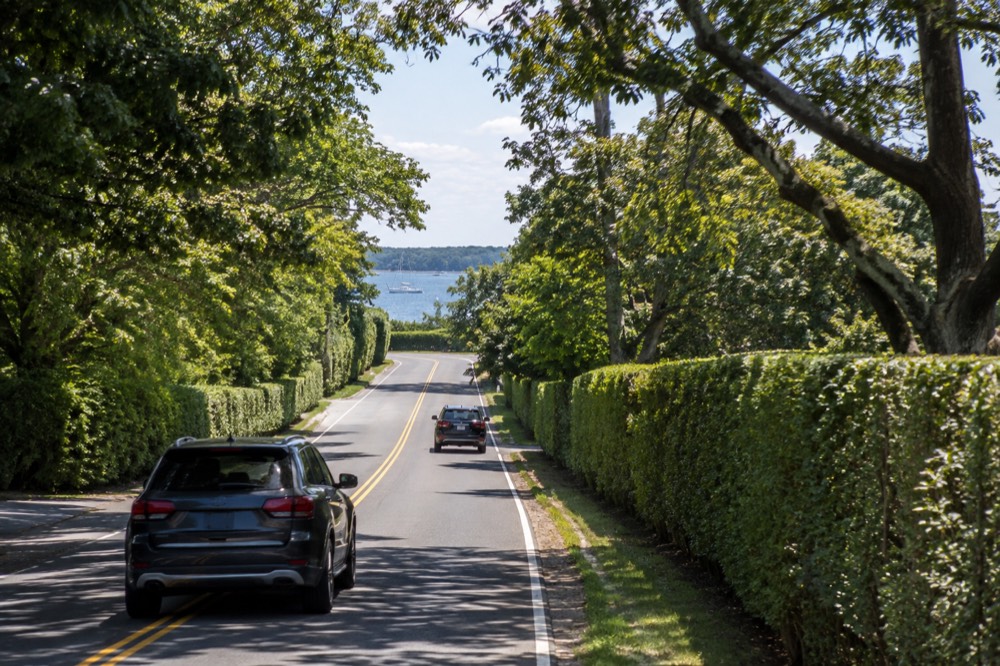
Driving. The route is straightforward: the Long Island Expressway east to its end near Riverhead, then the Montauk Highway and its offshoots through the Hamptons. The problem is not navigation, it is volume. Summer Saturdays eastbound and Sunday afternoons westbound are the worst windows, and locals plan their lives around avoiding them. Parking in the villages is a mix of free municipal lots, metered street spots and private lots that get expensive in July and August. Off-season, from late September through May, the drive is genuinely pleasant and parking is easy.
Train. The Long Island Rail Road runs from Penn Station to Southampton, East Hampton, Montauk and the villages between. Trains are frequent on summer weekends, with extra service added in season, and the ride is long but predictable: no traffic variable. The stations sit at the edge of the villages, walkable to main streets but not to the beaches. A bicycle or a taxi from the station fills the gap.
Bus. The Hampton Jitney and its competitors run coaches from Manhattan stops straight into the village centers, which is a real advantage over the train for anyone staying near a stop. The same highway traffic applies.
Tour. A guided day trip trades your freedom for someone else's handling of the road, the parking and the clock. The Hamptons and Sag Harbor style of itinerary typically pairs village stops with a shopping break on the return leg.
For travelers weighing organized day trips generally, these three compare well on value and structure:
Which Hamptons Towns Are Worth Stopping In?
Southampton and East Hampton are the two classic village stops, Sag Harbor is the working waterfront alternative, and Montauk is the surf-town end of the line. Each has a distinct character: Southampton for grand estates and a polished main street, East Hampton for galleries and a handsome village green, Sag Harbor for boats and history, Montauk for waves and a lighthouse at the literal end.
Picking two, or at most three, is the realistic limit for a day trip. Trying to see all of them turns the day into a driving tour with the windows up.
| Place | Character | Signature stop | Time needed |
|---|---|---|---|
| Southampton | Estates, boutiques, oldest settlement character | Main Street and jobs-lane shops | 1 to 2 hours |
| Sag Harbor | Historic whaling port, working docks | Waterfront and Main Street | 1 to 2 hours |
| East Hampton | Polished village, galleries, pond | Village green and pondside walk | 2 hours |
| Montauk | Surf town, beaches, state park | Lighthouse and Atlantic beaches | Half a day |
| Westhampton Beach | Closest village, easy day trip | Beach and main street | 1 to 2 hours |
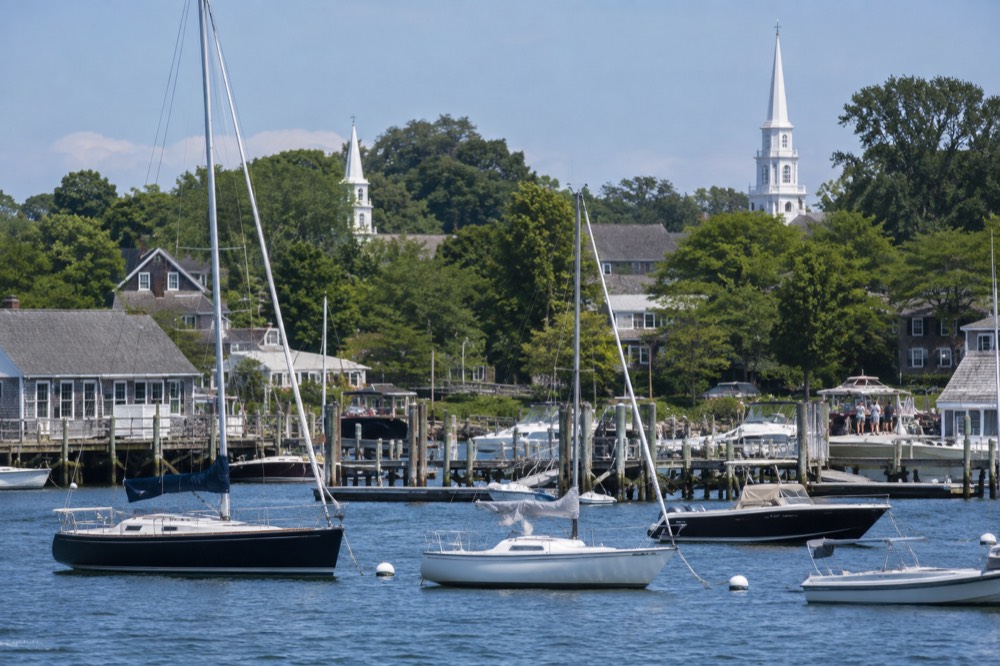
Southampton's Main Street runs past boutiques and restaurants in a streetscape that still reads as a 17th-century English settlement grown rich. Sag Harbor, a short drive north, is the counterweight: a genuine former whaling port with a working harbor, bookshops and a slower, year-round feel. It was also a busy port of a very different kind, and its history connects to the wider story of migration and maritime trade that shaped Long Island's ports.
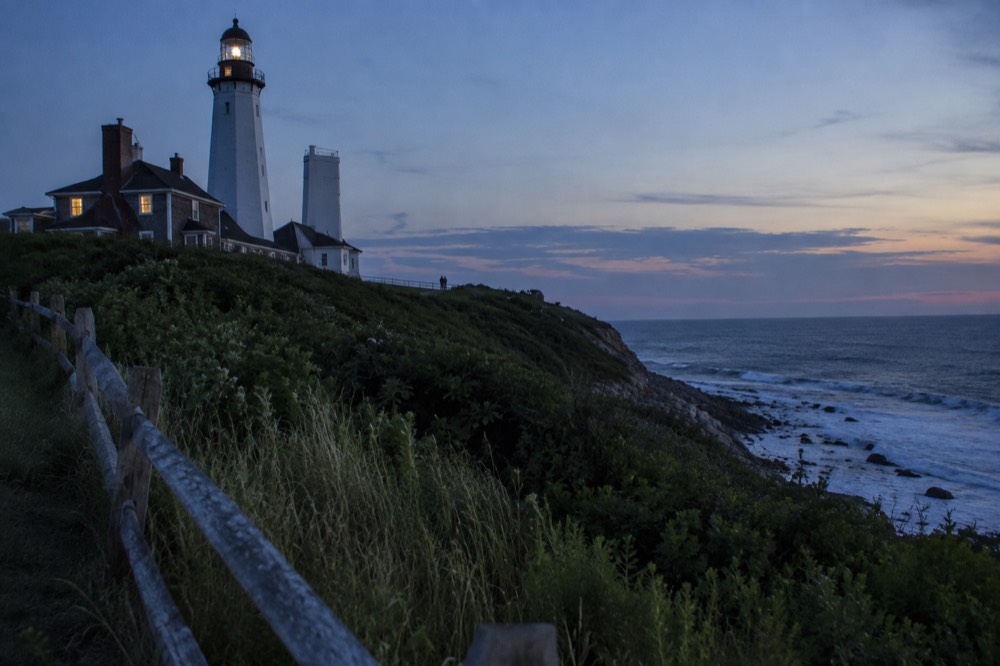
East Hampton village is the most manicured of the set, centered on a green with a pond beside it, and the lanes off the main drag hide some of the region's oldest houses. Montauk is a different proposition entirely, another 45 minutes east, where the beaches face open Atlantic and the lighthouse sits on the bluffs at Montauk Point.
If this is your first Long Island excursion and you are weighing it against other classic escapes from the city, the most useful question is what you want from the day: beaches and villages, or landmarks and monuments. If it is the latter, a structured itinerary like the Washington and Philadelphia full-day tour covers two historic cities in one long outing.
Can You Do the Hamptons as a Day Trip from NYC?
Yes, and thousands do every summer weekend, but the honest arithmetic is that a day trip spends five to seven hours traveling for four to six hours on the ground. Leave Manhattan by 7am and you can be walking a village main street by 10am, with a full afternoon before a 5 or 6pm departure back. Anything less disciplined and the day collapses into traffic.
The shape of a workable day looks like this. Depart early, before the worst of the Saturday eastbound wave. Stop in one western village, Southampton or Westhampton, for coffee and a walk. Push on to Sag Harbor or East Hampton for lunch and the afternoon. Leave by 5pm at the latest, and accept that the return on a summer Sunday, or a Saturday after beach closing time, can be slow.
The alternative that removes the arithmetic is an organized tour, where the schedule is set and the coach does the work. The Hamptons and Sag Harbor day trip from Manhattan runs about 14 hours and includes village stops plus an outlet shopping break on the way home.
That last element, the outlet stop, is more of the trip than most people expect. The Tanger outlets sit right on the main eastbound corridor at Riverhead, which is why so many Hamptons itineraries fold shopping into the return leg. Travelers who specifically want the outlet experience, rather than the beach, can take a dedicated coach:

What Does a Hamptons Day Trip Really Cost?
A do-it-yourself day by car starts at roughly $60 per person for fuel, tolls, parking, lunch and an ice cream, assuming a shared vehicle, and climbs from there with your lunch choices. By train or bus, transport runs roughly $30 to $60 round trip in season before a single meal. An organized tour prices the whole day at one figure, from around $161 per person, with the coach, stops and guide included.
The budget range is wide because the Hamptons price both ways. A deli sandwich eaten on a bench is ordinary Long Island pricing; a table with a water view in July is not. What follows are planning ranges, not promises: check each place on the day.
| Item | Typical range | Notes |
|---|---|---|
| Fuel, round trip | $25-$45 | Split across the car's occupants |
| Tolls | $10-$20 | Depends on crossings and route |
| Village parking | $0-$40 | Free municipal lots off-season, private lots in summer |
| LIRR or bus fare | $30-$60 | Peak summer weekends price higher |
| Lunch | $18-$45 | Deli counter to sit-down |
| Beach parking (in season) | $30-$50 per car | Many town beaches require permits or day fees |
One structural cost note: most Hamptons beaches are not free-and-open in the way city beaches are. Village and town beaches are commonly permit-based for parking, with day passes available for non-residents at some lots and at some beaches only. The sand itself is public below the high-water line, but reaching it by car in July without a plan is how a day trip goes wrong. Train and bus travelers mostly arrive at village centers, where the beach question needs a local taxi, a bike or a long walk.
When Is the Best Time to Visit the Hamptons from NYC?
Late May through late September is the season, with July and August the busiest and most expensive months and September the locals' favorite. Off-season, from October through April, the villages stay open and the crowds vanish, but the beach day is over and many seasonal businesses close. For a day trip specifically, weekdays in June or September hit the sweet spot of open businesses and sane traffic.
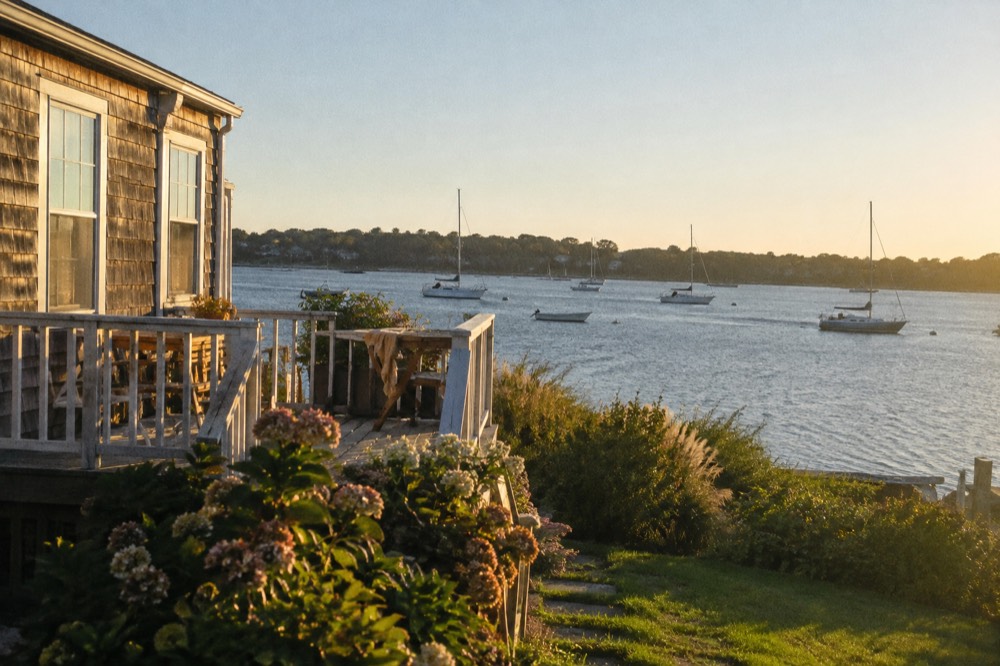
The summer rhythm is severe. On a July Saturday the eastbound expressway is a parking lot by mid-morning, restaurant waits stretch past an hour, and the villages feel less like villages. By late September the same streets are walkable, the water is still swimmable, and the light, which is the thing painters have chased out there for over a century, is at its best.
Shoulder-season timing also changes the economics. Parking that costs real money in August is free or trivial in October, and lodging, for anyone turning the day trip into an overnight, drops sharply. Our best time to visit NYC guide covers the city-side calendar; for Long Island, the rule of thumb is that the Hamptons season starts on Memorial Day weekend and effectively ends after Labor Day, with a soft, quiet, underrated October.
A weather note worth internalizing before any New York trip planning: July, not a winter month, is the wettest month in the region by the official climate normals, averaging 4.60 inches of precipitation in Central Park, and February out-snows January, 10.1 inches against 8.8. Summer trips plan around thunderstorms, not just heat.
Is the Hamptons Worth It Without a Car?
Yes, with conditions. The LIRR and the coach services deliver you to village centers, and Southampton, East Hampton and Sag Harbor are all walkable from their stations, with restaurants, shops and harbors within a short stroll. What a car-free day cannot easily reach is the beaches, which sit beyond walking distance of most stations, and the spread-out estates and farm stands between villages.
Car-free travelers have two workable patterns. The first is the village day: train or bus in, lunch and a wander in one or two villages, train or bus back. The second is the tour day, where the coach covers the distances between stops and the beach question is handled by the itinerary.
For anyone whose real interest is seeing the region's coastline without driving, the tour format wins outright. The trade is time on a coach, which is real: a 14-hour door-to-door day includes several hours of sitting. Whether that is a cost or a convenience depends entirely on the traveler.
It is also worth saying plainly what the Hamptons are not. They are not a compact resort strip. They are a dispersed, semi-rural region of villages, farms and estates, and the distances between the things you came to see are measured in miles. Travelers who prefer their day trips dense with sights may get more from a city-focused escape instead.

What Do Locals Know That Visitors Don't?
Locals know the timing rules and the back ways, and both are simple. Never drive east on a summer Saturday morning or west on a Sunday afternoon if it can be avoided. The weekend wave peaks between 11am and 4pm on Saturdays eastbound, and the reverse on Sundays, and shifting a departure by two hours can halve the drive. Off the main highway, the parallel local roads through the villages move when the highway does not.
The other local knowledge is about what the region is. The Hamptons have a year-round population, working farms, fishing docks in Montauk and a full off-season economy, and the villages in February are quiet, open and genuinely beautiful. The summer-only picture, of crowds and traffic, is one season of four.
There is a quieter point about scale that first-time visitors miss. The distance from the first Hamptons village to the last is comparable to a drive across an entire borough, and the region spans two towns, dozens of hamlets and two very different coastlines: the calm bay side facing the Peconic and the open Atlantic side at the eastern end. A day that tries to see both coastlines usually sees neither well.
Common Questions About the Hamptons from NYC
The questions below are the ones travelers actually ask before booking this trip: how far, how long, whether a day is enough, whether you need a car, and what it costs. Each answer is the short, honest version of the section above it, so you can check a single fact without rereading the page.
How far are the Hamptons from NYC?
Roughly 90 to 120 miles east of Manhattan, depending on the village. Westhampton is closest at about 80 miles, East Hampton village about 100, and Montauk, at the tip, about 120.
Can you do a day trip to the Hamptons from NYC?
Yes. With an early start, roughly 7am, you get four to six hours in the villages before a late-afternoon return. Organized tours do it in about 14 hours door to door with the stops chosen for you.
Do you need a car in the Hamptons?
Not for the villages. The LIRR and coach buses reach Southampton, East Hampton, Sag Harbor and Montauk, and those village centers are walkable. A car helps for beaches, farm stands and moving between villages quickly.
What is the best time of year to visit the Hamptons?
June and September for a day trip, combining open businesses with manageable traffic. July and August are peak season, with the most traffic and the highest prices. October is quiet and still pleasant.
Which Hamptons town should I visit if I only have one stop?
East Hampton for the most polished village experience, Sag Harbor for the waterfront and history, Southampton for shopping and grandeur. Montauk is worth it only if the beach is the point, since it adds significant travel time.
Is the Hamptons day trip worth it?
It depends on your tolerance for travel time. If five to seven hours of transit for a coastal afternoon sounds fair, yes. If not, a closer escape, or a tour that fills the transit with other stops, may suit you better.
Whatever you choose, book the transport or tour before the summer weekend arrives. The trains fill, the coaches fill, and the Saturday traffic does not negotiate. More on the city and its escapes is at New York City Travel Guide.