Aladdin Broadway Tickets in New York: Prices, Discounts and How to Buy
Aladdin has been one of Broadway's most reliable family hits for over a decade, and its tickets follow the same rules as every other show on the street: face value at the box office, steep discounts through TKTS and lotteries, and a Theater District that rewards planning. Here is how the pieces fit together.
Short answer
Aladdin Broadway tickets are sold at the theater's box office, through the official show ticketing site, and through authorized resellers, with discounts of up to 50 percent available at the TKTS booth and through digital lotteries that typically award seats in the $30-$50 range. There is no single fixed price: Broadway seats are priced by date, seat location and demand.
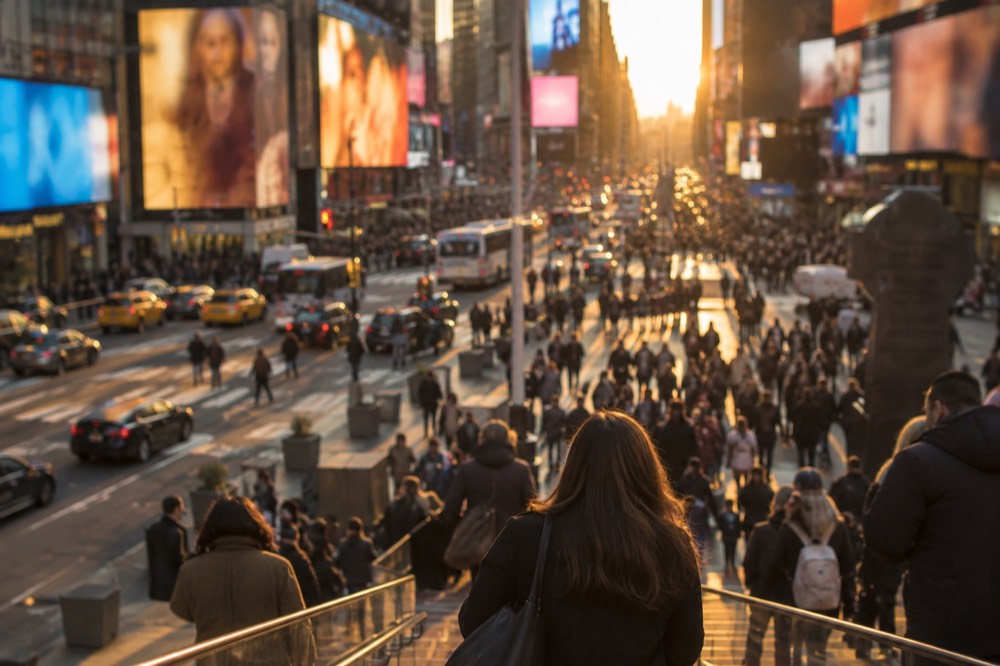
The TKTS booth under the red steps in Times Square sells discounted Broadway tickets, and every single ticket it sells is discounted, typically 20 to 50 percent off face value with an $8 per-ticket service fee. That fact anchors everything about buying Aladdin tickets in New York: the show is expensive at the box office on a Saturday night, cheap through the right channel on the right day, and the difference between the two can fund a very good dinner.
Aladdin sits in the Theater District, the blocks between roughly 40th and 54th Streets around Broadway and 7th Avenue, and it draws the audience most Broadway shows would envy: families, first-time visitors and people who already know the songs. This guide covers what tickets actually cost, where the discounts hide, which seats reward the money, and how to build the evening around the curtain.
How Much Do Aladdin Broadway Tickets Cost in New York?
There is no single fixed price for Aladdin on Broadway. Like every large Broadway musical, seats are priced dynamically by performance date, seat section and demand, so a midweek rear-mezzanine seat and a Saturday orchestra seat are entirely different products. Face value at the box office is the ceiling, and the discount channels below bring the realistic floor down dramatically, with lottery wins commonly landing in the $30-$50 range.
Broadway does not publish one price the way a museum does. Each show sets its own pricing tiers, and those tiers move with demand: holiday weeks cost more, Tuesday evenings cost less, and premium orchestra rows carry a separate premium tier entirely. For Aladdin specifically, the honest answer for any given date is the live listing: the show's own ticketing page and the box office both show real-time prices for real seats, and any number printed in a guide today will be wrong for some performance six weeks from now.
What can be stated with confidence is the shape of the market. Face-value Broadway pricing for a major Disney musical runs high, often well into three figures for prime orchestra seating on peak dates. Discounts exist at every level. TKTS, the TDF-operated booth, sells at 20 to 50 percent off, set by each show each day. Digital lotteries through Broadway Direct and Lucky Seat award seats to winners at prices that typically fall between $30 and $50. Rush tickets, where a show offers them, sit in a similar range.
The practical rule: never assume the first price you see is the price. Check the box office, check TKTS inventory, and enter the lottery, all at once. The three channels do not exclude each other.
Where Is Aladdin Playing and Which Seats Are Worth It?
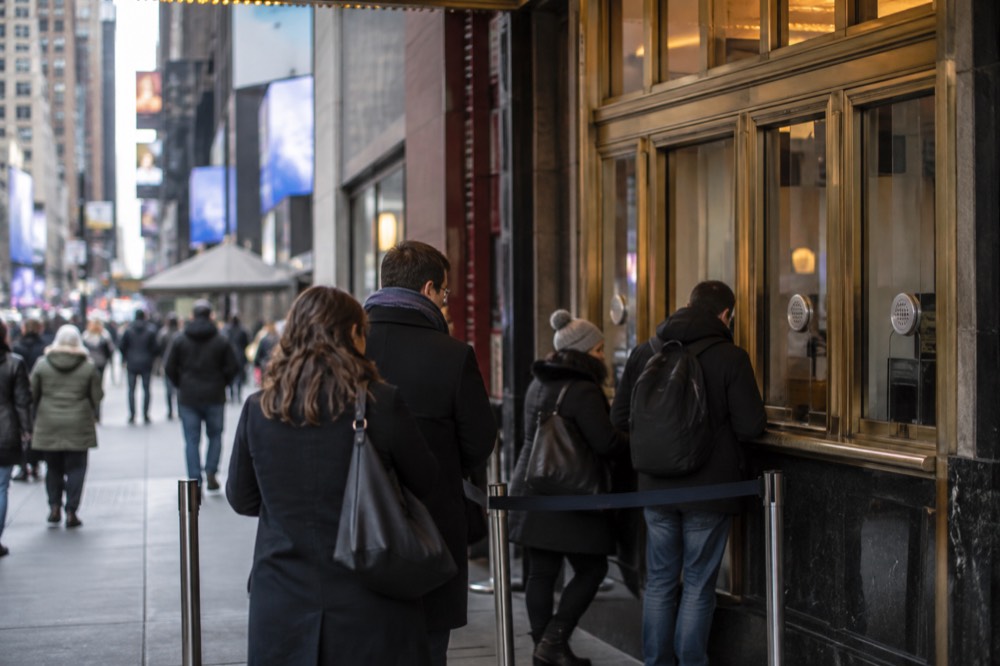
Aladdin plays in the Theater District in Midtown Manhattan, within a few blocks of Times Square, and the seating advice for any large Broadway house applies: the orchestra section buys proximity, the front mezzanine often buys the better overall view of big ensemble staging, and rear rows trade sightlines for savings. Aladdin is a visually large show with flying effects and ensemble numbers, so a seat that sees the full stage width beats a seat that is merely close.
The Theater District is compact. Every legitimate Broadway house sits between about 40th and 54th Streets, which means the practical question is not really "where is the theater" but "which subway gets me there." The 1, 2, 3, 7, N, Q, R, W and S trains all stop at Times Sq-42 St, and the B, D, F, M and A, C, E serve nearby stations at 42nd Street and 47th-50th Streets. From almost anywhere in Manhattan the trip is one or two trains.
On seats: a big spectacle musical rewards elevation. From the front mezzanine you see the choreography as a whole, and the flying and transformation effects read better from a slight distance than they do from row K of the orchestra, where you may spend scenes looking up. Rear mezzanine seats are the cheapest tier and, in a well-raked house, still perfectly watchable. The box seats at the extreme sides are the ones to approach with care: they are discounted for a reason.
Book by seat, not by section name. Theatres publish their own seat maps on their ticketing pages, and the difference between row A and row D of the same mezzanine can be the difference between a great night and a craned neck.
If Aladdin is sold out on your dates, or the remaining seats are priced beyond what you want to spend, the other big family-friendly musicals on Broadway right now are worth a look, and the listings below show current prices and availability.

How to Buy Aladdin Broadway Tickets Cheap?
The four reliable discount channels for Aladdin are the TKTS booth (up to 50 percent off, same-day plus next-day matinees, $8 fee per ticket), digital lotteries through Broadway Direct and Lucky Seat (winners typically pay $30-$50), in-person or online rush where offered, and simply choosing off-peak performances at the box office. Each channel trades something: time, flexibility or certainty. Stacking a lottery entry with a TKTS fallback is the standard play.
TKTS deserves the first explanation because it is the most misunderstood. It is not a scalper and not a lottery: it is a booth, run by the nonprofit TDF, selling real seats for that day's performances at discounts each show sets that morning. The Times Square booth sits in Duffy Square at West 47th Street between Broadway and 7th Avenue, and there is a second booth at Lincoln Center, at the David Rubenstein Atrium on West 62nd Street, with more limited hours. Ignore any guide directing you to a South Street Seaport or Brooklyn TKTS booth: no such booth is currently listed. Live inventory appears in the TKTS app and at tdf.org/tktslive, though the app does not sell advance tickets beyond the same-day and next-day-matinee window.
Lotteries are the cheapest route when luck cooperates. Broadway Direct and Lucky Seat, which pairs with Telecharge, run the main platforms, plus some shows run their own entries on their websites. You enter online, usually a day or several days ahead, and winners are notified by email or text shortly before the performance. The winning price varies by show but typically lands between $30 and $50. The cost is a minute of your time, and the odds are real but not good.
Rush and standing room are set per show, not standardized across Broadway, so check Aladdin's own channels for current policy rather than assuming. Rush commonly falls in the $30-$50 range where it exists.
| Channel | Typical saving | Fee | What you trade |
|---|---|---|---|
| Box office, off-peak | Cheapest face-value dates | None | Choice of day and seat |
| TKTS booth | 20-50% off face value | $8 per ticket | Same-day commitment, queue time |
| Digital lottery | Winners pay roughly $30-$50 | None | Long odds, short notice |
| Rush (where offered) | Commonly $30-$50 | None | Early arrival, limited seats |
The simplest discount of all needs no booth: go on a Tuesday. A midweek evening performance of the same show, from a comparable seat, routinely costs meaningfully less than the Saturday equivalent, and you spend the difference on dinner instead.
If your dates are firm and the show matters more than the discount, booking ahead through a listing locks the seats in. For a milestone night, MJ the Musical tickets and the other big titles below can be checked for current prices and seat tiers in one place.
Is Aladdin the Right Broadway Show for Your Group?
Aladdin is the safest big-musical pick in New York for families with children and for first-time theatergoers, because the story is widely known, the comedy is broad and physical, and the spectacle effects land with almost every audience. It is a weaker fit for visitors who want edge, novelty or a quieter, more adult evening, and anyone expecting a beat-for-beat retelling of the film should expect new songs and characters instead.
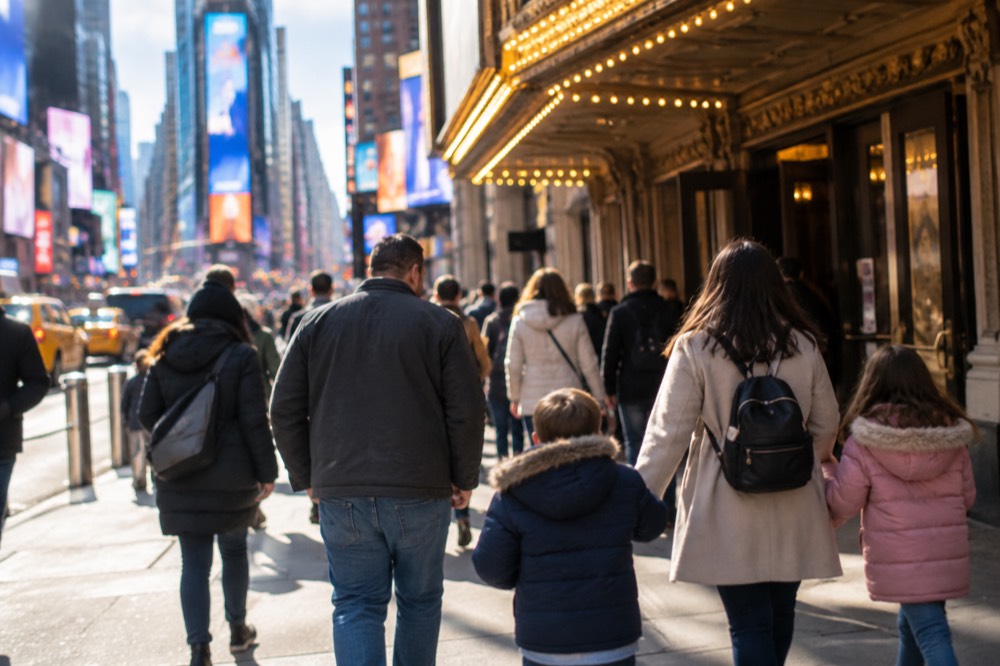
The show's core audience is families, and the Theater District reflects it: you will see more children at an Aladdin matinee than at almost any other title on the street. The staging leans on visual spectacle, ensemble comedy and the famous flying carpet, which is exactly the right formula for a kid's first Broadway show. The score mixes the film's best-known songs with material written for the stage, so the soundtrack your children already know is present but not complete. Other pages covering the same trip are gathered on New York City Travel Guide.
For adults without children, the honest framing is: it is a polished, expensive, joyful production of a story you already know. People who love craft, costume and stage machinery will enjoy the sheer competence on display. People who want to be surprised by a plot should pick something else.
Comparing the big titles helps. Wicked tickets suit visitors who want a big, polished night with an unfamiliar angle on a familiar world. The Lion King tickets are the other great family pick, with masks and puppetry that read as art rather than effects. And for a full comparison of what is playing and who each show suits, our best Broadway shows guide breaks the current lineup down by audience.
How Do You Get to the Theater District and Home Again?
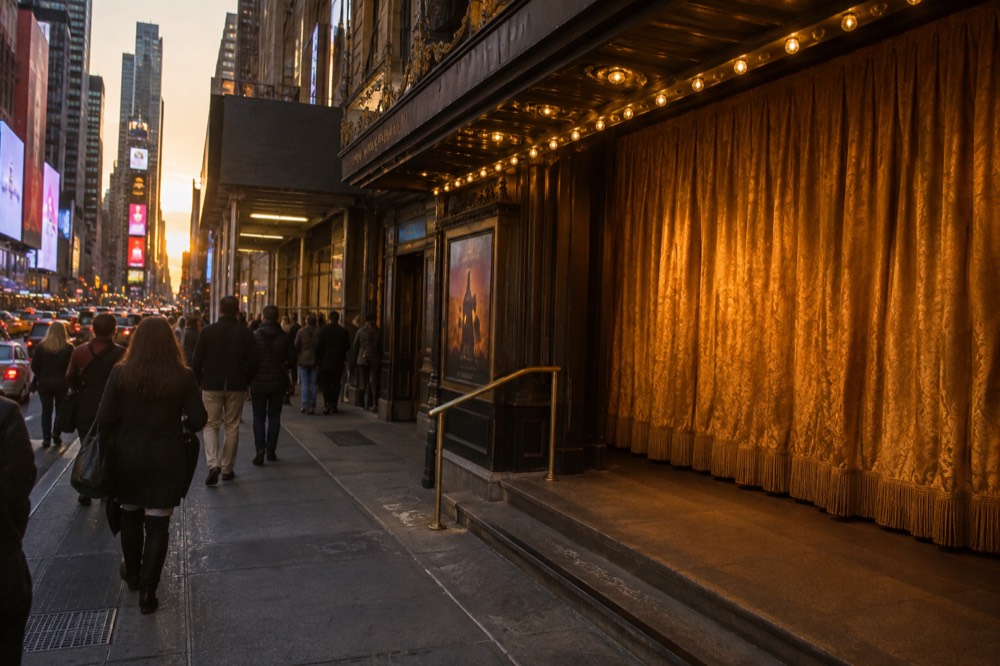
The subway is the correct way to reach the Theater District from anywhere in New York, at $3.00 per ride with a free transfer within two hours, and an automatic $35 weekly cap through OMNY if you tap the same card or device every time.
Times Sq-42 St is served by the 1, 2, 3, 7, N, Q, R, W and S trains, and trains run late enough that an 8pm curtain leaves comfortable options for getting back to your hotel.
One piece of advice that appears in nearly every older New York guide is now simply wrong: you cannot buy a 7-day unlimited MetroCard any more. As of 1 January 2026 the MTA no longer sells or refills MetroCards at all. The replacement is automatic: tap a contactless card or phone with OMNY, and once your paid rides in a rolling seven-day window reach $35, everything after that is free. There is no pass to buy and no decision to make. The one rule that matters is to tap the same physical card or the same device every time, because mixing a phone and a plastic card breaks the cap silently.
Taxis and rideshares work too, but the arithmetic after a Broadway curtain is brutal: several thousand people exit theaters within minutes of each other, and the surge pricing and queue lengths reflect it. The train is frequently the faster door-to-door option at 11pm, not the compromise.
| From | Best subway route | Approximate ride cost |
|---|---|---|
| Midtown hotels | Walk, or 1 stop on the N, Q, R, W | $0-$3.00 |
| Upper West Side | 1, 2, 3 direct to Times Sq-42 St | $3.00 |
| Upper East Side | 4, 5, 6 to Grand Central, transfer to the S | $3.00 |
| Brooklyn (Williamsburg) | L to 14 St-Union Sq, then 4, 5 or 6 north | $3.00 |
| Lower Manhattan | 1, 2, 3 or A, C, E uptown to 42nd Street | $3.00 |
For everything else the area offers before and after curtain, our things to do in NYC page maps the full city, and the TKTS booth guide covers booth mechanics in detail.
What Should You Plan Around the Curtain Time?
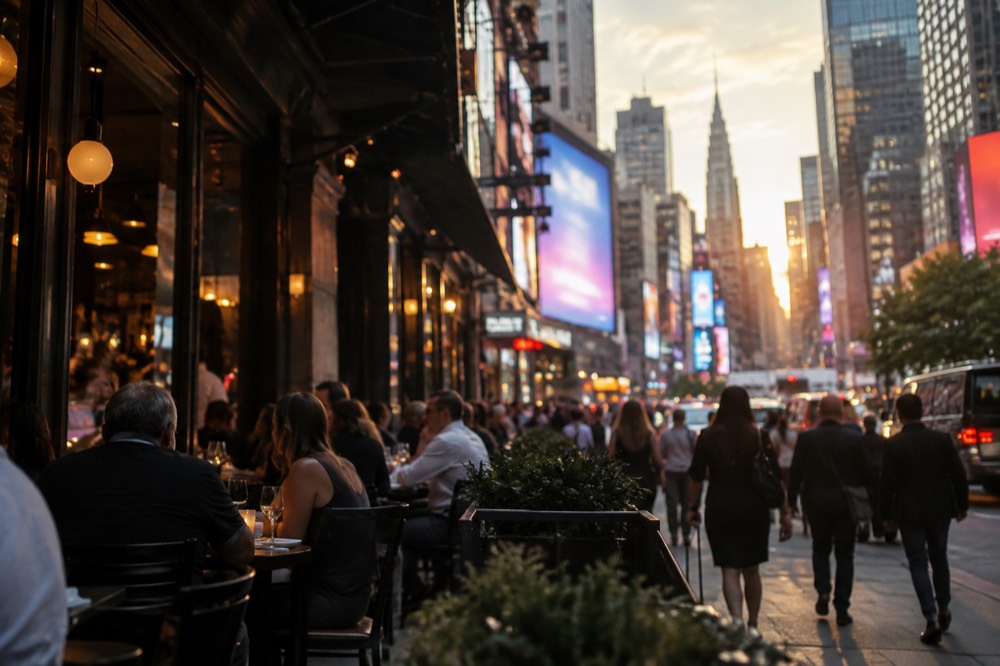
A Broadway evening runs roughly four hours door to door: about 90 minutes for a pre-show dinner, the performance itself at around two and a half hours including intermission, and 30-45 minutes afterward for the street to clear and the crowd to drain. Booking dinner before the show, within a ten-minute walk of the theater, beats squeezing a meal after, when Hell's Kitchen is at its loudest and every other family had the same idea.
The standard Broadway curtain is 8pm for evening performances, with matinees through the day on Wednesdays, Saturdays and Sundays for most shows, and Aladdin's exact schedule appears on its ticketing page. Work backwards from the curtain. A 6pm dinner reservation in Hell's Kitchen, the restaurant strip on 8th and 9th Avenues west of the theaters, leaves time to eat properly and walk over without rushing. After the show, the blocks around the theater are gridlocked with people for twenty minutes; either accept the crowd as part of the evening or duck into a bar one block west and let it clear.
| Time | Plan |
|---|---|
| 5:30pm | Leave hotel, subway toward Times Square |
| 6:00pm | Dinner in Hell's Kitchen, west of 8th Avenue |
| 7:30pm | Walk to the theater, collect tickets, use the restroom before the queue |
| 8:00pm | Curtain |
| ~10:45pm | Exit; walk one block west before hailing or heading down to the subway |
Two small logistics points that matter. First, arrive at the theater no later than 30 minutes before curtain: security bag checks operate at Broadway houses, and the line moves slower on peak nights. Second, intermission at a family show is a scrum at the restrooms; if you do not need the bar, stay in your row and enjoy the empty theater.
Aladdin or Another Broadway Show: Which Fits Your Night?
If the choice is between Aladdin and the other current Broadway heavyweights, pick by audience: Aladdin for families and first-timers, The Lion King for visual artistry and younger children, Wicked for a big polished night with an unfamiliar story, and MJ for fans of a specific songbook. All four play within a short walk of one another and follow the same discount channels, so the decision is about tone rather than logistics.
The three musicals below are the natural alternatives if Aladdin's remaining seats are thin or the price has climbed. Each listing shows current dates, seat categories and prices, and each can be booked with free cancellation terms that let you adjust plans if a lottery win comes through elsewhere.
For a wider view of discounted tickets across the whole street, our cheap Broadway tickets guide covers the channels in depth, including how the lotteries and rush policies differ show by show.
Common Questions About Aladdin Broadway Tickets
The questions below cover the practical details buyers ask most: how far ahead to book, whether children need tickets, what the show costs through each channel, how the lottery works and what to wear. The short version: book two to four weeks ahead for peak dates, enter the lottery regardless, assume children need full-price seats unless the listing says otherwise, and dress for comfort rather than formality.
How far in advance should I buy Aladdin Broadway tickets?
For peak dates, holiday weeks, weekends and summer, book two to four weeks ahead at minimum, since the best price tiers sell first. For midweek performances in quieter months, same-week buying is often fine, and TKTS same-day inventory is a realistic fallback if your dates are flexible.
Do children need a full-price ticket for Aladdin?
Yes, Broadway shows generally require a ticket for every attendee regardless of age, and children's pricing is rare on major musicals. Very young children who cannot sit through a roughly two-and-a-half-hour show will be happier at a matinee than an 8pm curtain. Check the listing for any age policy before booking.
Can I get Aladdin tickets at TKTS?
Often, yes. TKTS sells discounted same-day tickets plus next-day matinees, at 20 to 50 percent off with an $8 per-ticket fee. Inventory changes daily and is set by each show that morning, so check the live board at tdf.org/tktslive or the TKTS app before queuing.
How does the Aladdin ticket lottery work?
You enter online through lottery platforms such as Broadway Direct or Lucky Seat, usually a day or several days before the performance, and winners are notified by email or text shortly before showtime. Winning prices typically fall between $30 and $50. Entry is free, so there is no reason not to enter while also holding a backup plan.
What should I wear to Aladdin on Broadway?
There is no dress code at Broadway theaters. Business casual is common at evening performances and entirely optional; New Yorkers also show up in jeans and sneakers, especially at matinees. Prioritize comfortable shoes over formality, because you will walk to and from the subway.
Is Aladdin a good first Broadway show for kids?
It is one of the best. The story is familiar, the comedy is physical and visual, the effects deliver genuine surprise, and the runtime sits around two and a half hours with an intermission, which most children past kindergarten age handle well. Matinee seats are the low-stakes way to test a child's theater stamina.
One last planning note: Broadway schedules shift. Performance times, lottery policies and rush offerings change without much notice, so confirm the details on the show's own ticketing page for your date rather than any guide, including this one. The channels described here, TKTS, lotteries and off-peak booking, are stable; the exact numbers attached to them are not.