NYC in Spring: Weather, Events and What Actually Worth Doing
Spring in New York runs cooler and wetter than most visitors expect. The official Central Park climate record puts March at an average high of 49.9°F with 5 inches of snow still on the books, while May averages 71.4°F. Here is what that actually means for planning.
Short answer
NYC in spring means highs climbing from about 50°F in March to 71°F in May, with rain in every month and the last snow possible into April. The payoff: park season opens, outdoor dining returns, and the city is at its best before summer crowds and prices peak.
Spring in New York runs cooler and wetter than most visitors expect. The official Central Park climate record puts March at an average high of 49.9°F with 5 inches of snow still on the books, while May averages 71.4°F. Here is what that actually means for planning: which weeks are reliably mild, what opens when, and where the season delivers something summer cannot.
This guide draws on the NOAA 1991-2020 climate normals for Central Park, the MTA's current fare rules, and the operators' own published prices. Where a figure is dynamic, it says so. Start with the weather, because it shapes everything else: what you pack, which neighborhoods you walk, whether the ferry deck is open, and how many museum afternoons you need to keep in reserve.
What Is Spring Weather Really Like in NYC?
Spring in New York is a slow climb, not a switch. March averages a high of 49.9°F and a low of 35.8°F, April 61.8°F and 45.5°F, and May 71.4°F and 55.0°F. Rain falls in every month, and March still averages 5 inches of snow.
The city does not warm evenly: a 70°F afternoon in March can be followed by a 40°F morning, so layers matter more than any single jacket.
The numbers come from the NOAA 1991-2020 monthly normals for the Central Park station, the same record the National Weather Service publishes. A few of them cut against the guidebook clichés. April is not the wettest spring month; March is, at 4.29 inches against April's 4.09 and May's 3.96. And snow is a real March possibility, with April averaging 0.4 inches too. Anyone booking early March on the strength of a calendar-page spring should know that winter gear still has a role in the suitcase.
| Month | Avg high | Avg low | Precipitation | Snowfall |
|---|---|---|---|---|
| March | 49.9°F | 35.8°F | 4.29 in | 5.0 in |
| April | 61.8°F | 45.5°F | 4.09 in | 0.4 in |
| May | 71.4°F | 55.0°F | 3.96 in | 0.0 in |
What that means in practice: early March feels like winter with longer daylight, late April is genuinely pleasant, and May is the first month where a warm evening is the norm rather than a gift. The transition is not smooth. Locals talk about spring in New York as a season that arrives twice, retreats once, and then commits. If your dates are flexible, the second half of April through May is the sweet spot. The full month-by-month breakdown, including what summer and winter look like, is in our NYC weather by month guide.
Rain strategy matters more than most visitors plan for. There is no dry month in New York; the spread between the driest and wettest month of the entire year is only about 1.4 inches. That means a five-day spring trip will almost certainly include at least one wet afternoon, and possibly two. Pack a compact umbrella and treat a rainy stretch as a museum afternoon rather than a lost day. The city's indoor inventory is deep enough that a washout never has to be a washout.
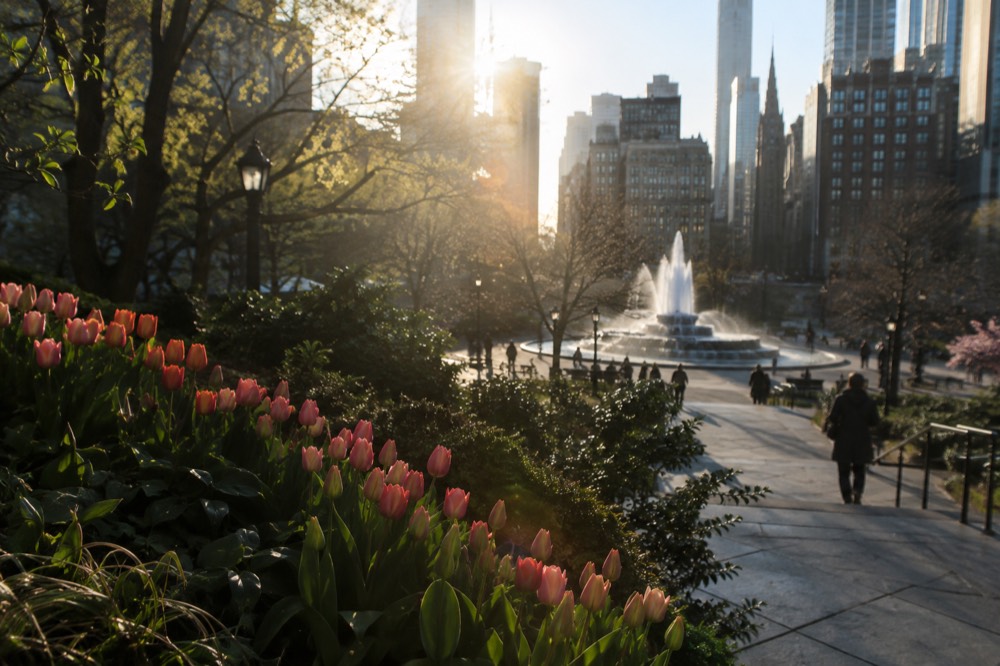
Daylight is the quiet bonus of the season. By late April the sun sets well past 7:30pm, and by mid-May past 8pm, which extends the usable sightseeing day by hours compared with winter. That matters for the harbor cruises, the bridge walks and the observation decks, where a golden-hour slot is the one everyone wants.
What Are the Best Things to Do in NYC in Spring?
The best spring activities in NYC are the ones that are unpleasant or closed in winter: Central Park's lawns and Bethesda Terrace, the High Line in bloom, outdoor dining, the Staten Island Ferry with the top deck open, and the seasonal openings that come with warmer weekends. May adds rooftop season and harbor cruises in daylight that stretches past 8pm. Museums and observation decks run year-round and make good backups on the wet days spring guarantees.
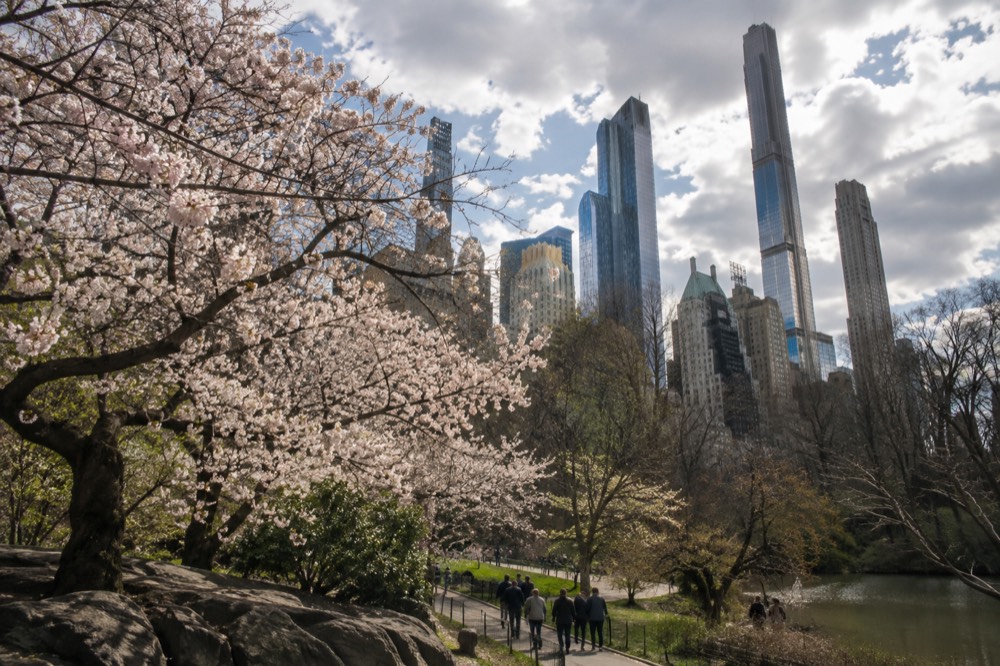
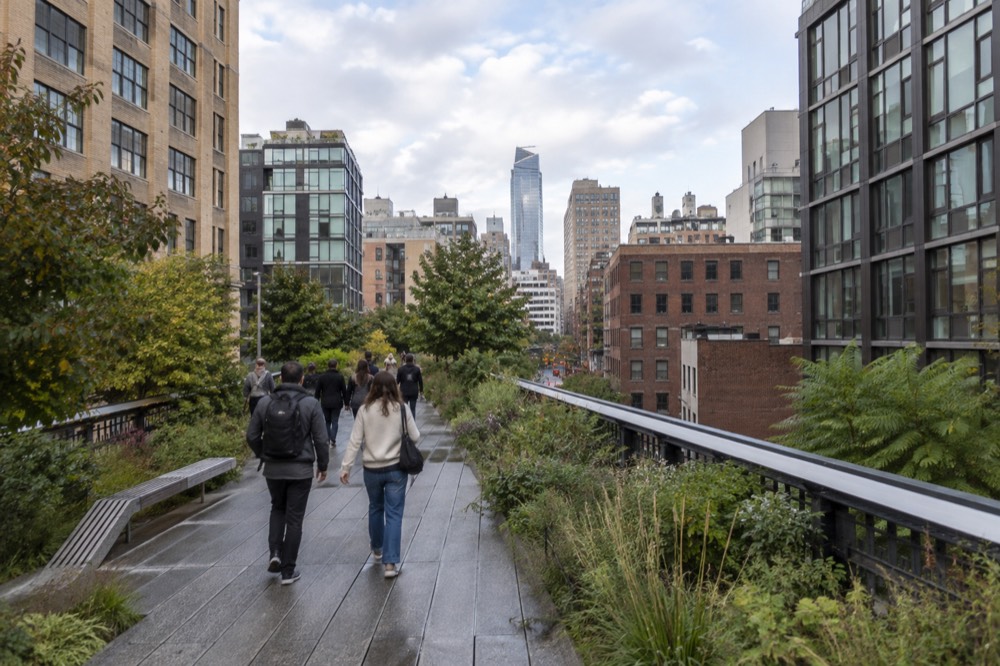
Spring is when the city's outdoor life restarts, and the parks are the headline. Central Park's Bethesda Terrace, the Mall and Bow Bridge are the classic circuit, and a guided walk is worth considering if you want the design stories rather than just the postcards; the Central Park walking tours page covers the options. The High Line pairs well with a Chelsea morning, and Washington Square Park is at its best when the fountain is running and the weather draws everyone out. Bryant Park's lawn chairs reappear with the season, and the riverside parks in Brooklyn and Queens open their full programming once the temperature cooperates.
For a fuller rundown of what the city offers across every season, the things to do in NYC page is the site's master list, and the free things to do in NYC page covers the no-cost side, which is larger in spring than any other time of year: parks, promenades, the ferry, and the outdoor public spaces all come free.
If you are stacking the big sights, observation decks, museums and a harbor cruise into one trip, a pass may beat buying individually:
A note on the water: spring harbor cruises run, but the wind on deck is colder than the street, and the circle-the-statue cruises do not land on Liberty Island. If standing on the island itself is the goal, you need the official ferry, which our Statue of Liberty tickets page covers in detail. The Staten Island Ferry remains the free alternative for a harbor crossing, and a mild spring day is exactly when its upper deck is worth claiming.
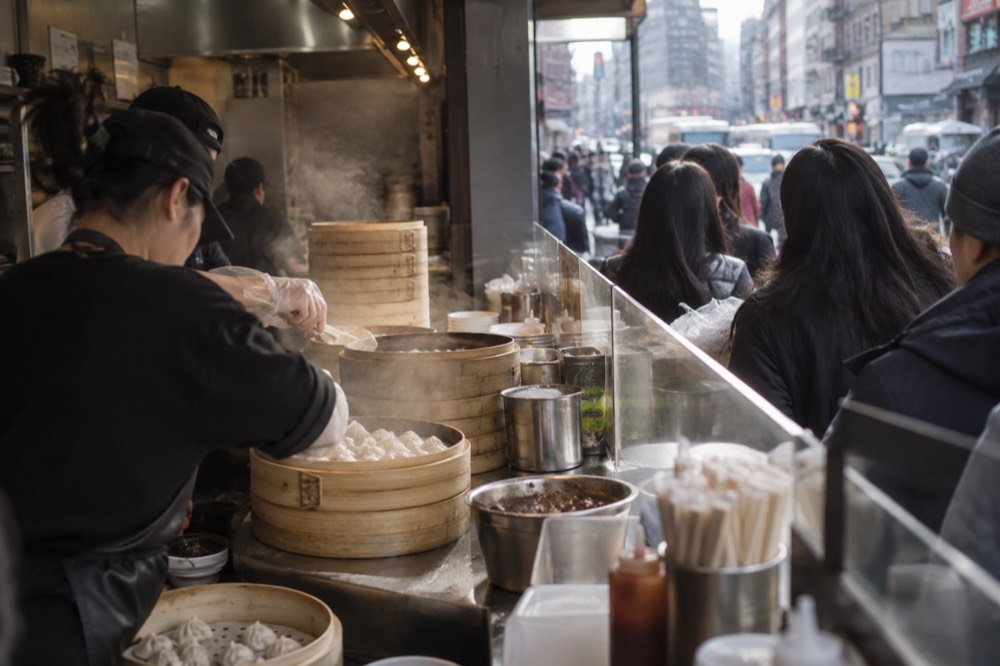
Food tours also come into their own in spring, when a three-hour walk between tastings stops being an endurance test. The Chinatown and Little Italy route is the classic:
How Much Does an NYC Spring Trip Cost?
A spring trip's biggest costs are the room and the attractions, and spring sits in the middle of the price year: cheaper than the December holidays and summer peak, more expensive than deep winter. A CityPASS at $149 adult covers five major attractions against $307.04 bought separately, a single subway ride is $3.00, and the $35 weekly OMNY fare cap applies automatically with no pass to buy. Food and show tickets vary more than any other line.
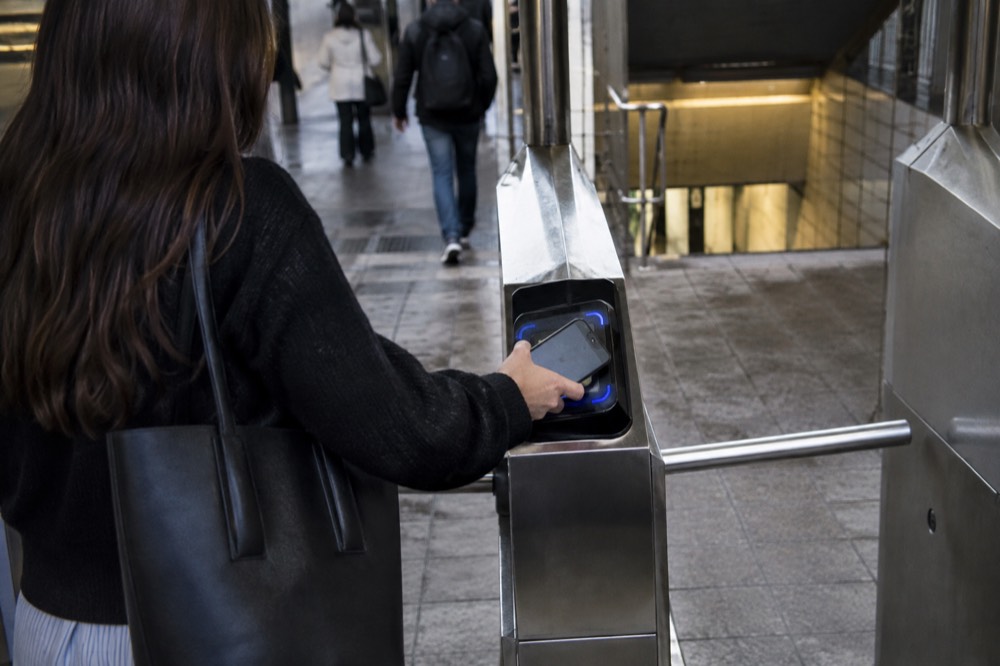
The transport math is simpler than it used to be, and most guides still get it wrong. The MetroCard is retired: as of 1 January 2026 the MTA no longer sells or refills them, and the old 7-day unlimited no longer exists. Its replacement is automatic. Tap the same card or phone for every subway and local bus ride, and once your fares total $35 inside a rolling seven-day window, the rest of that period is free. There is nothing to buy in advance and no decision to make at a machine. The only rule that trips people up: you must tap the same physical card or the same device every time, because mixing a phone with the plastic card in your pocket breaks the cap silently.
| Cost item | Figure | Notes |
|---|---|---|
| Subway or local bus ride | $3.00 | Tap with OMNY, any contactless card or phone |
| Weekly fare cap | $35 | Automatic, rolling 7-day window, same card or device required |
| CityPASS adult | $149.00 | Choice of 5 attractions, valid 9 consecutive days |
| CityPASS child (6-17) | $129.00 | Same 5-choice structure |
| Statue of Liberty ferry, adult | $26.00 | Both islands, both museums, round trip |
| 9/11 Memorial & Museum, adult | $36.00 | Plaza itself is free, daily 8am-8pm |
On the attraction side, the arithmetic depends on your list. If it includes the Empire State Building, Top of the Rock, the official Liberty ferry, the 9/11 Memorial & Museum or the museums on the pass menu, the five-choice bundle pays for itself when you use all five tickets. If your spring plan is mostly parks and neighborhoods, skip the pass entirely. The pass runs on nine consecutive days from first use, which fits a spring week neatly but punishes a leisurely ten-day stay.
One spring-specific note on the observation decks: they all use dynamic timed pricing, so the quoted "from" prices move by date and slot. Sunny spring weekends price higher than gray Tuesdays. Booking a slot rather than walking up is close to mandatory at the popular decks in any case, and sunset slots in May are the first to disappear.
If the five-attraction bundle matches your list, this is the moment to decide:
The bundle is not the only pass on the market, and the alternatives suit different trip shapes. The choose-as-you-go Explorer option, from $89 adult, works when your plans are loose and you want to pick attractions day by day. The all-inclusive option, from $169 adult, rewards packed itineraries that stack several paid sights per day. The comparison lives in our New York City Pass rundown, and the short version is this: fixed five-choice for first-timers on the classic circuit, choose-as-you-go for everyone still deciding.
What Should You Not Miss in Spring: The Seasonal Calendar?
The spring calendar runs from the St Patrick's Day Parade in March through the parks fully leafing out by mid-May, with Easter events, baseball season opening, and free-admission windows along the way. The 9/11 Memorial & Museum releases free Monday tickets at 7am ET each week, the Whitney runs free Friday nights from 5pm to 10pm, and MoMA's Friday-evening free hours are for New York State residents only.
The Mets and Yankees both open their home schedules in late March or early April.
The free windows deserve a plan, because several of the city's expensive museums have them. The Whitney Museum of American Art is free for anyone 25 and under every day, and free for everyone on Friday evenings and on the second Sunday of each month. The 9/11 Memorial & Museum's free Monday tickets go fast; they are released on the website each Monday at 7am ET, first come first served. The outdoor memorial plaza, with its two reflecting pools, is free and open daily from 8am to 8pm, no ticket at all.
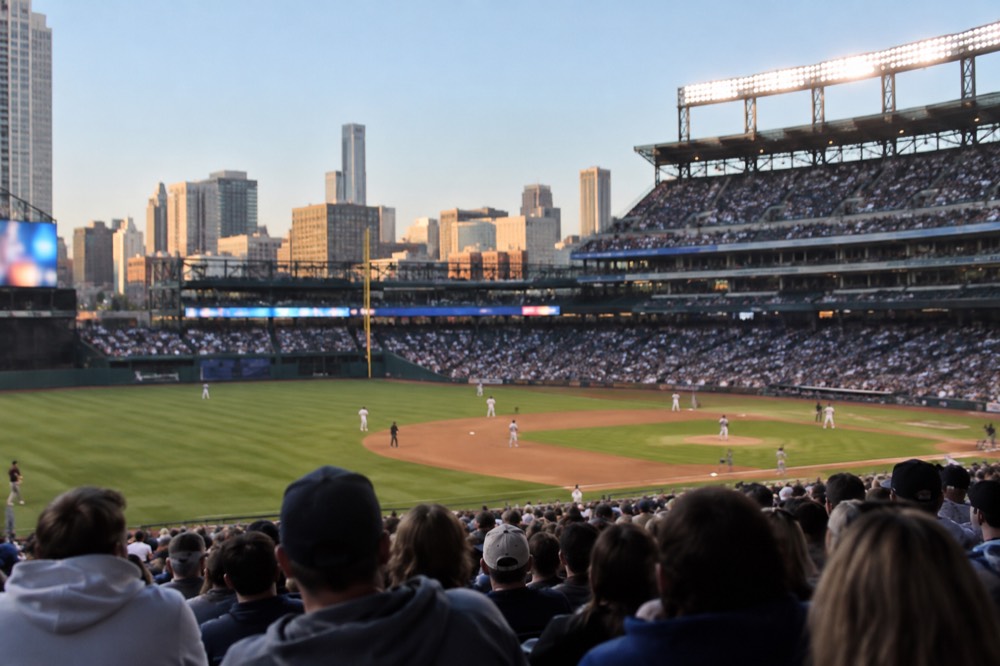
Baseball is the other spring constant. Yankee Stadium in the Bronx and Citi Field in Queens both open their seasons in late March or early April, and a weeknight game is one of the better-value big nights out in the city. Our Yankee Stadium tour page covers the ballpark visit if a game does not fit your dates.
The bloom calendar is softer than the event calendar, and it shifts with the year's weather. Cherry blossoms in Central Park and the Brooklyn Botanic Garden typically peak across a window in late April into early May, but a warm March can pull them forward and a cold one can hold them back. Tulips and daffodils come earlier and are more reliable. If the blossoms are the reason for the trip, keep the dates loose until the forecasts firm up, and treat any specific bloom date in a guide, including this one, as a window rather than a promise.
What Should You Pack for NYC in Spring?
Pack for three climates in one week: a warm midlayer and a real jacket for March and early April, lighter layers for May, a compact umbrella for all of it, and comfortable shoes you can walk miles in. The daily swing between morning low and afternoon high runs 14 to 16 degrees Fahrenheit in every spring month, so the practical answer is layers you can shed and carry, not one heavy coat.
Rain gear beats a heavy coat more often than visitors expect.
The numbers say it plainly. March swings from a 35.8°F average low to a 49.9°F high, April from 45.5°F to 61.8°F, May from 55.0°F to 71.4°F. A day that starts with a jacket weather morning can end with an outdoor dinner, and the reverse happens too. The detailed packing logic, including what works across the whole year, is in our what to pack for NYC guide.
| Item | March | April | May | |---|---|---| | Heavy jacket | Yes, evenings and mornings | Light one, some days | Rarely | | Midlayer or sweater | Yes | Yes | Evenings only | | Umbrella | Yes | Yes | Yes | | Shorts | No | No | Late month, some days | | Sunscreen | Low sun, still bring it | Yes | Yes |
Footwear is the underrated item. A spring itinerary in New York is a walking itinerary: the parks, the High Line, the bridges, the neighborhoods. Shoes that fail on day two cost more enjoyment than any ticket you bought. Add a spare pair of socks if rain is in the forecast, because a soaked afternoon walk is a real possibility in every spring month.
Which Neighborhoods Are Best in Spring?
The neighborhoods that change most in spring are the ones built around outdoor space: Greenwich Village and Washington Square Park, the Lower East Side once the sidewalk tables return, DUMBO and the Brooklyn Heights Promenade for the skyline view in mild air, and Harlem, where the walking-tour season and the Wednesday gospel concert calendar both pick up. SoHo and Chinatown are year-round, but spring makes their walking distances painless instead of punishing.
The logic is simple: spring removes the two things that make New York walking hard, summer heat and winter wind. That lifts the neighborhoods where the street itself is the attraction. Greenwich Village's crooked blocks and Washington Square's fountain crowd are a half-day well spent. DUMBO's Washington Street view of the Manhattan Bridge is a short walk over the Brooklyn Bridge, which is itself at its best before the summer foot traffic peaks; our Brooklyn Bridge page covers the crossing.

Harlem rewards a spring visit more than most, because its best experiences are walking-and-music ones. The Soul of Harlem walk covers the Apollo and the Renaissance blocks, and the midweek gospel concert gives you the choir tradition without the Sunday-morning scheduling squeeze. Williamsburg across the river makes the same list for the same reason: its street life, from the Hasidic quarter to the waterfront, reads best on foot in mild weather.
For the deck-and-view side of spring, SUMMIT One Vanderbilt sits next to Grand Central and its glass-and-mirror rooms photograph best in the long light of a spring afternoon:
And if the weather turns, as it will at least once on any spring trip, the museum pages hold the answer: the museums in NYC roundup and the rainy day activities guide are both built for exactly that afternoon.
Common Questions About NYC in Spring
Spring visitors ask the same few things: whether March is too cold, when the parks bloom, whether rain will ruin the trip, and which pass or ticket is worth buying. The short answers: March is jacket weather but workable, the parks leaf out through April with May at full green, rain is a monthly certainty rather than a risk, and a pass only pays if your list genuinely matches its attractions.
The detail sits in the sections above, and the questions below cover the rest.
Is March a good time to visit NYC?
March works if you pack for it. The average high is 49.9°F and snow is still possible, averaging 5 inches across the month. The payoff is thinner crowds, lower room rates than the holidays, and the St Patrick's Day Parade. Late March is noticeably milder than the first week.
Is April a good month to visit New York City?
April is one of the best. The average high climbs to 61.8°F, snow is effectively over, and the parks begin their spring green. Rain is close to certain, averaging 4.09 inches, so keep a museum afternoon in reserve.
Is May a good month to visit NYC?
May averages a 71.4°F high with a 55.0°F low, which is outdoor-dining and rooftop weather. It is also the start of the summer pricing curve, so book rooms and popular timed-entry attractions earlier than you would for March.
Does it rain a lot in New York in spring?
Every spring month carries real rain: 4.29 inches in March, 4.09 in April, 3.96 in May, per the NOAA normals for Central Park. There is no dry season in New York at all; the annual spread is only about 1.4 inches between the driest and wettest months. Pack an umbrella and plan one indoor backup per day.
What should I do in NYC on a rainy spring day?
The museums, mostly. The Met, MoMA, the American Museum of Natural History and the 9/11 Memorial & Museum all fit a wet afternoon, and Chelsea Market covers the indoor half of a High Line plan. The rainy day activities page on this site has the full list.
Do I need a transit pass for a spring trip?
No. The MetroCard is retired and the 7-day unlimited no longer exists. Tap a contactless card or phone with OMNY and the $35 weekly cap applies automatically; after 12 paid rides inside seven days on the same card or device, the rest of the period is free.
The honest summary of spring in New York: it is the season where the city earns its reputation, but you pay for it in weather variance rather than dollars. March is a bargain with a jacket. April is the all-rounder. May is the one people picture when they book. Pick your month against the numbers above, keep an umbrella in the bag, and the rest of the plan writes itself. For everything that runs regardless of season, start from the New York City Travel Guide homepage and work outward.