5 Days in NYC: A Realistic First-Timer Itinerary, Day by Day
Five days is the sweet spot for New York: long enough to leave Manhattan, short enough that you do not need a vacation from the vacation. This plan paces the classic sights across five realistic days, with the booking decisions that actually matter flagged where they matter.
Short answer
Five days in NYC is enough for the Statue of Liberty, one observation deck, two major museums, a Broadway show, Central Park and at least one other borough, if you book the statue ferry and Broadway seats before you fly. The biggest mistakes are trying to do Midtown in one day and never leaving Manhattan.
Five days is the itinerary length most New York guides are secretly written for, even the ones that promise three. It is enough time to see the headliners without sprinting, to leave Manhattan at least once, and to absorb one genuinely boring afternoon, which every good trip needs. The 2025 ridership data backs the pacing argument: weekend subway trains now run closer to their pre-pandemic norm than weekday ones do, so a five-day trip that spans a weekend rides a system that is busier on Saturday than the old commuter logic suggests.
This plan assumes you walk a lot, use the subway rather than taxis, and book exactly three things in advance: the Statue of Liberty ferry, a Broadway seat, and your observation deck slot. Everything else can be decided the night before. For the full menu of options, start with the site's things to do in NYC page and work backwards.
Is 5 Days in NYC Enough Time?
Five days is enough for a confident first visit that covers the Statue of Liberty, one observation deck, two major museums, Central Park, a Broadway show and one full day outside Manhattan, with slack left over. It is not enough to do everything, and trying to is how people end up seeing the inside of the subway more than the city. A first trip of five days should feel slightly unfinished, because that is what earns the second one.
The arithmetic is simple. New York has five boroughs and roughly a dozen world-class attractions, and each of the big ones eats half a day once you count travel, queues and recovery. Five days gives you ten half-day blocks. Reserve two for the harbor and Lower Manhattan, two for Midtown's towers and museums, two for Central Park and the Upper East or West Side, one for Brooklyn, and leave three flexible. That is a full trip with room for weather, jet lag and the slice of pizza that derails an afternoon.
Comparisons help. The site's shorter 3 days in NYC plan cuts Brooklyn and one museum; the 7 days in New York plan adds day trips. Five days sits in the middle, and it is the length where a sightseeing pass starts to make arithmetic sense, which we get to below.
What Should You Book Before You Fly to NYC?
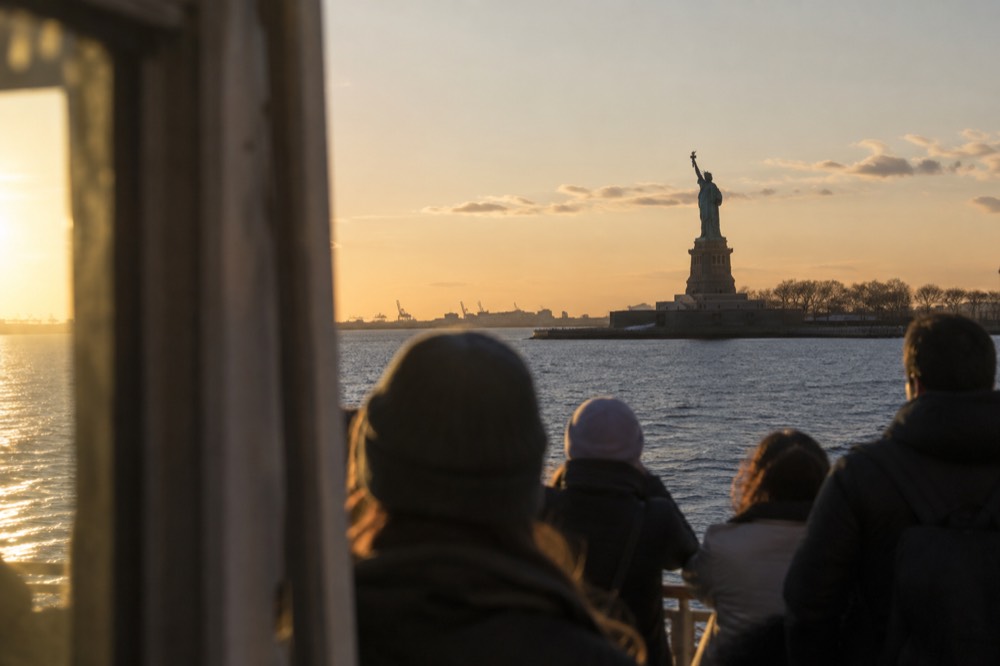
Book three things in advance for a five-day trip: the official Statue of Liberty ferry, a Broadway seat for a specific night, and a timed observation deck slot. Everything else can wait until you are in the city. The statue ferry is the most time-sensitive, because crown tickets are reported to sell out months ahead and even pedestal access is capacity-limited, so reserve as early as your dates allow.
The ferry point matters more than most guides admit. Statue City Cruises is the only operator authorized by the National Park Service to land at Liberty Island, and plenty of lookalike harbor cruises circle the islands without ever docking, sometimes charging more than the real ferry. An adult general ferry ticket is $26.00, which covers both islands, both museums and audio tours. The crown tier costs $26.30, thirty cents more, and the real barrier is availability, not price: tickets are name-bearing, photo ID is checked, and orders are capped at four per household.
Broadway works on the opposite logic. If you want a specific show and a decent seat on a weekend night, book early. If you are flexible, the TKTS booths in Times Square and at Lincoln Center sell same-day seats at up to 50% off face value plus an $8 fee per ticket, and digital lotteries typically land winners tickets in the $30-$50 range. Five days gives you enough evenings to gamble on one and pre-book the other.
What to book ahead, and when:
| Item | Book when | Why it is time-sensitive |
|---|---|---|
| Statue of Liberty ferry (crown) | As early as possible | Reported to sell out months ahead, max 4 per order |
| Statue of Liberty ferry (grounds/pedestal) | 2-4 weeks ahead | Pedestal access is capacity-limited |
| Broadway, specific show | 2-4 weeks ahead | Weekend seats in good tiers go first |
| Observation deck slot | 1-2 weeks ahead | Timed entry, sunset slots sell first |
| Museum timed tickets | A few days ahead | Mainly to skip ticket lines |
| Everything else | In the city | Walk-up works fine |
For the observation deck, the honest comparison is not price, it is view. Three of the five decks price within a couple of dollars of each other at the entry tier, while One World Observatory is the outlier at the bottom, so choose by what you want in the frame rather than by a few dollars. The site's NYC observation decks guide breaks down each one.
Day 1: Lower Manhattan, the Harbor and the Financial District
Start with Lower Manhattan on day one, because the harbor sights anchor the trip and the morning ferry queues are shortest before 10am. The official ferry covers Liberty Island and Ellis Island in one loop, roughly five hours if you give both islands real time, and the 9/11 Memorial plaza is free, open daily, and sits twenty minutes' walk from the ferry terminal. End the day at the waterfront rather than pushing uptown.
Take the first ferry you can manage from Battery Park. The general ticket includes the Statue of Liberty Museum on the island and the Ellis Island National Museum of Immigration, and ranger programmes are free when running. Ellis Island deserves more of your time than the statue itself: the immigration halls are quiet, moving and rarely crowded past mid-morning. Treat the site plainly. It is history, not a photo stop.
Back on land, walk north through the Financial District. Wall Street, Federal Hall and the colonial-era lanes that survive between the towers take an hour at a slow pace, and the Wall Street NYC guide maps it. The 9/11 Memorial plaza, the two reflecting pools set into the footprints of the towers, is free and needs no ticket; the museum beneath it is a separate, ticketed visit, and many people prefer to give it its own morning rather than tack it onto a full day. If the museum is on your list, book a timed slot, since walk-up lines on Fulton Street stretch long on busy days.
Finish on the water again. The free Staten Island Ferry is the classic budget move: it passes the statue at a distance, runs around the clock, and costs nothing. If you would rather have commentary and a close pause at the statue without landing, a 50-minute express cruise from Pier 16 does exactly that, and the site's NYC harbor cruise guide compares the options.

Day 2: Midtown, the Deck and Broadway
Day 2 is Midtown: Grand Central, the New York Public Library, Bryant Park and an observation deck at sunset, with a Broadway show at night. Midtown is dense enough that walking between its landmarks beats the subway, and the deck visit should be timed for the last hour of daylight, when the city shifts from skyline to lights. Book the show for tonight, not the weekend, and seats are both cheaper and easier.
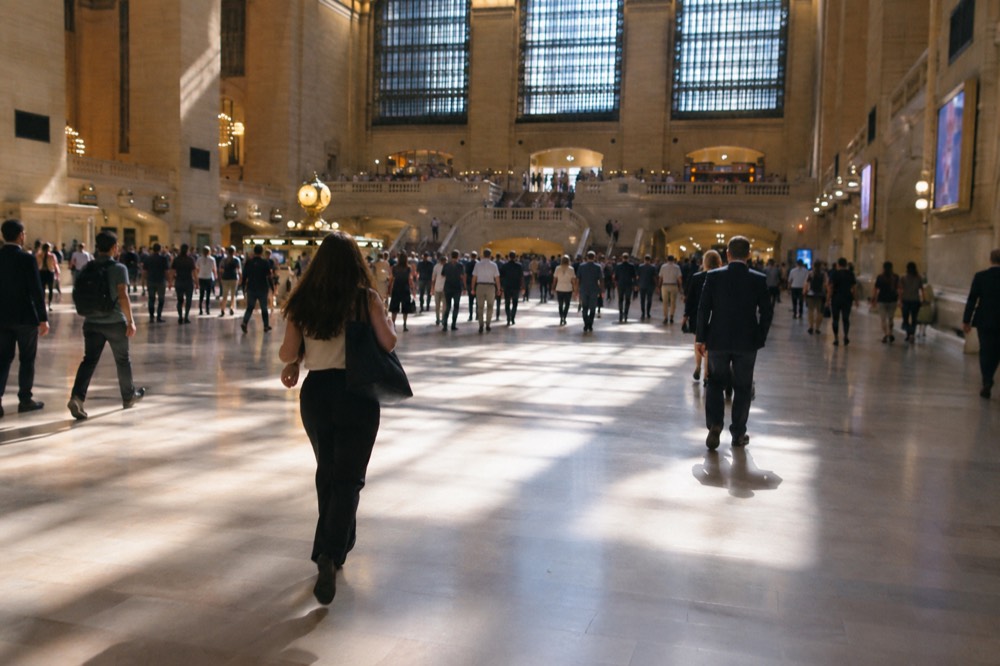
Start at Grand Central Terminal. The main concourse, the celestial ceiling and the whispering gallery take an unhurried hour, and the building sits directly next to SUMMIT One Vanderbilt, which makes the pairing obvious: tour the station, then ride up. SUMMIT's mirrored rooms and glass ledges are the most theatrical of the five decks, and its location means you can be at street level again within minutes. The Grand Central Terminal guide covers the details most commuters walk past.
From there, walk west. The New York Public Library's Rose Main Reading Room is free to visit, Bryant Park sits behind it, and Times Square is ten minutes further, which is about the right amount of time to spend in Times Square unless you are seeing a show or eating in the Theater District. The Times Square guide has the honest version: go once, at night, and do not plan your day around it.
The evening is Broadway. If you pre-booked, collect seats and eat early, since the Theater District's best-value dinners are the ones finished by 6:30pm. If you are gambling, the TKTS booth at Duffy Square posts the day's inventory from late morning, and every ticket sold there is discounted, typically 20-50% off. The site's cheap Broadway tickets guide explains lotteries, rush and standing room, all of which land in roughly the $30-$50 range when they land at all.
A sample Midtown day, costed at the entry tier:
| Stop | Time | Cost, adult |
|---|---|---|
| Grand Central Terminal | 09:00-10:00 | Free |
| NYPL reading room | 10:15-11:00 | Free |
| Bryant Park and lunch nearby | 11:00-13:00 | Lunch, your budget |
| SUMMIT One Vanderbilt | 14:00-15:30 | From $47.91, timed entry |
| Times Square walk-through | 16:00-16:45 | Free |
| Broadway show | 20:00 | Varies widely by show |
| Subway rides during the day | as needed | $3.00 each, capped at $35/week |
Day 3: Central Park and Museum Mile
Day 3 splits between Central Park and one major museum, and the honest advice is to pick one museum, not two. The Metropolitan Museum of Art alone holds more art than a person can absorb in a day, and its ticket also covers The Met Cloisters on the same day, which is the most underused perk in New York sightseeing. Walk the park's southern half in the morning while it is cool, then go indoors.
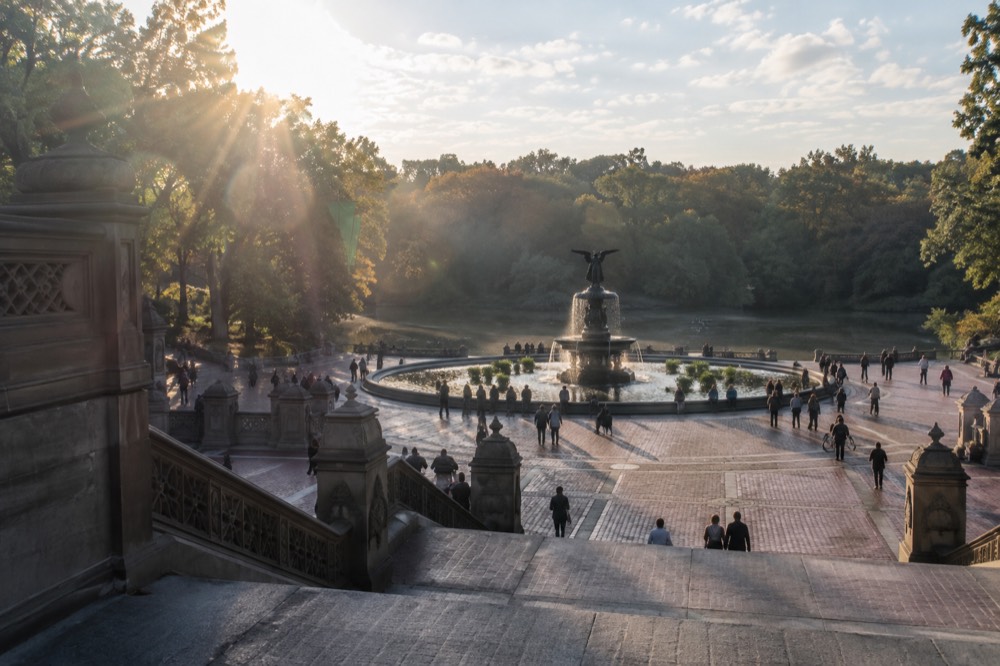
Central Park rewards the morning. Bethesda Terrace, the Mall, Bow Bridge and the Ramble sit within a two-mile loop from the Grand Army Plaza entrance at 59th Street, and the paths confuse even locals, which is the argument for a guided walk if you want the movie locations without the map. The Central Park guide has the full route.
The Met's admission policy is the most commonly botched fact in New York travel writing, so it is worth stating precisely. General admission is a fixed $30 for adults, $22 for seniors, $17 for students, free for children 12 and under. Pay-what-you-wish applies only to New York State residents and students from New York, New Jersey and Connecticut, and even then you must pay something, with a one-cent minimum. Out-of-state and international visitors pay the fixed price. What the ticket covers is the perk: same-day entry to both the Fifth Avenue building and The Met Cloisters, plus exhibitions.
One caveat before you plan a specific gallery. The museum is open, but a long list of galleries is closed for renovation, including parts of the American Wing, the Costume Institute, the Cantor Roof Garden and stretches of Modern and Contemporary Art. Check the Met's own gallery-closures page before promising yourself a particular room. The Metropolitan Museum of Art tickets guide carries the detail.
If modern art is more your language, swap the Met for MoMA, where adult entry is $30 and visitors 16 and under enter free. Free Friday evenings exist but are restricted to New York State residents with proof, so do not build a plan around them as a visitor. The MoMA tickets guide compares the two museums honestly.
Day 4: Brooklyn
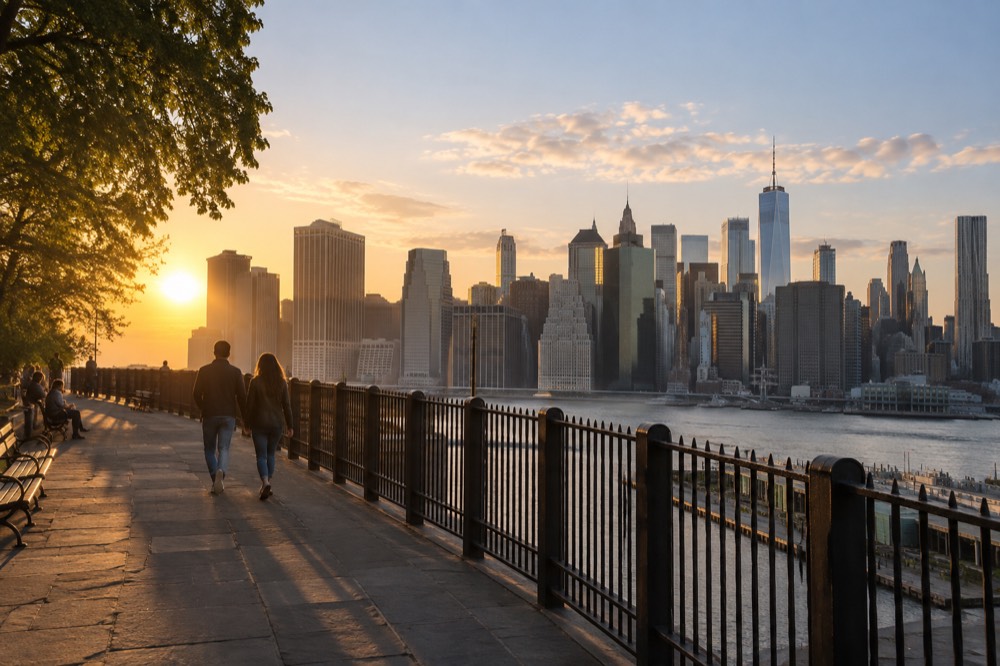
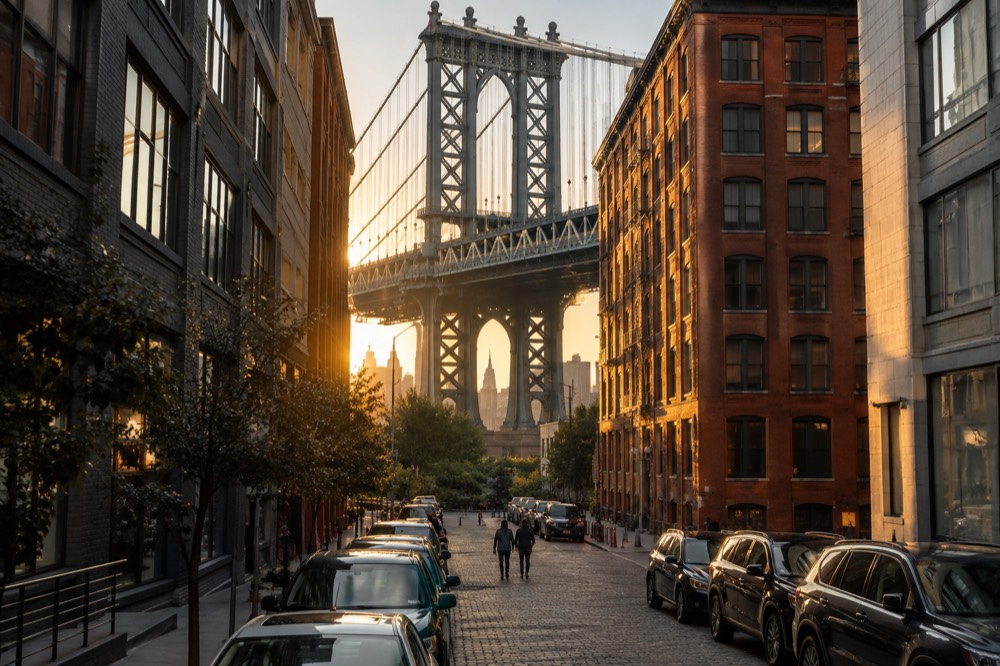
Day 4 is the day you leave Manhattan, and the Brooklyn Bridge walk into Dumbo and Brooklyn Heights is the route that earns its photographs. Walk the bridge's pedestrian promenade in the morning before the crowd thickens, drop down into Dumbo for the Washington Street view of the Manhattan Bridge, then take the Brooklyn Heights promenade back along the waterfront. Allow a full day if you add Williamsburg or Green-Wood; a half day if you do not.
The bridge takes about forty minutes at a sightseeing pace, and the promenade is shared with cyclists, so keep to the walking lane. Once in Dumbo, the cobblestone streets under the two bridges hold the most photographed corner in Brooklyn, and Brooklyn Heights' promenade gives the skyline view that makes people understand why anyone lives here. The Brooklyn Bridge and DUMBO Brooklyn guides cover the walk in both directions.
The afternoon depends on your energy. Williamsburg, reachable by the L train from Bedford Avenue, mixes Hasidic bakeries, vinyl shops and waterfront parks in a way no Manhattan neighborhood does, and the Williamsburg Brooklyn guide sorts it. Families with kids should consider the reverse: skip Williamsburg and take the whole day slowly, because day four is when five-day trips start to sag.
Brooklyn day, by foot and train:
| Segment | Mode | Rough time |
|---|---|---|
| Lower Manhattan to bridge entrance | Walk | 15 min |
| Brooklyn Bridge crossing | Walk | 40-50 min |
| Dumbo, Washington Street, waterfront | Walk | 60-90 min |
| Dumbo to Brooklyn Heights | Walk | 15 min |
| Promenade and lunch in the Heights | Walk | 90 min |
| To Williamsburg | L train from Brooklyn Bridge-City Hall area | 25 min door to door |
| Return to Manhattan | L train | 15-20 min |
A free, tip-based walk is a legitimate way to do this day if you prefer a guide's stories to your own map-reading. Several free Brooklyn Bridge and Dumbo walks run on GuruWalk, operated on tips, and you pay the guide what you think the walk earned at the end. Note that most of New York's free walks on that platform, including the bridge ones, come from a single operator, CityShuffles, so treat the menu as one company's programme rather than a wide market.
Day 5: Choose Your Second City, or Finish Manhattan
Day 5 is your flex day, and the honest choice is between finishing Manhattan's leftovers, a downtown neighborhoods walk, or a day trip. With five days you have earned the right to repeat what you loved rather than tick a new box, and a morning in SoHo, Little Italy and Chinatown followed by an afternoon you leave unplanned is a perfectly good final day. Save a day trip for a longer stay.
The downtown neighborhoods loop is the best-value final morning. SoHo's cast-iron blocks, Little Italy's old Mulberry Street and Chinatown's busy lanes sit within a fifteen-minute walk of each other, and a two-hour guided walk through all three costs from $25 with a guide who covers the immigration waves that shaped each one. The SoHo NYC and Chinatown NYC guides carry the self-guided version.
If you would rather buy than walk, the Woodbury Common coach takes a full day. If you would rather see a second city, Washington DC and Philadelphia both work as day trips, but each burns 11 to 15 hours on a coach, and the honest advice for a five-day trip is to skip both and save them for the 7 days in New York version of your visit. The day trips from NYC guide ranks what is worth the travel time.
End the trip where you started, on the water, or with the one thing you missed. A sunset cruise is the standard answer, and a two-hour harbor lights run from Midtown West gives you the skyline after dark with a drink in hand, which is a better last night than a fourth museum.

How Much Does 5 Days in NYC Cost?
The fixed, bookable costs of a five-day trip are easy to state: $35 maximum per person for a week of subway rides thanks to the automatic OMNY fare cap, $26.00 for the official statue ferry, $30 for the Met, and $149 for an adult New York CityPASS covering five attractions. Food and hotel vary too widely by taste and season to quote honestly, so plan those from your own budget rather than a number a guide invented.
The transit line deserves its own sentence, because it is where most guides are now wrong. The 7-day unlimited MetroCard no longer exists: as of 1 January 2026 the MTA no longer sells or refills MetroCards at all. The replacement is automatic fare capping. Tap the same card or device for every subway and local bus ride, and once you have paid $35 within a rolling seven-day window, the rest of that period is free. There is no pass to buy and nothing to decide, but the cap only works if you tap the same card or phone every time. The OMNY NYC guide explains the mechanics.
| Category | Cost, adult | Notes |
|---|---|---|
| Subway and bus, 5 days | $35 max | OMNY weekly cap, automatic, $3.00 per ride before the cap |
| Statue ferry + both islands | $26.00 | Crown tier $26.30, book far ahead |
| Observation deck | from $30.49 | One World Observatory is the entry-tier outlier; three decks price near $47.91 |
| Museums, one or two | $30-$60 | Met $30 fixed for visitors, MoMA $30 |
| Broadway, one show | from $71.27 | MJ from $71.27, Wicked from $99.61, The Lion King from $144 |
| Walking tours | from $25 | Free tip-based walks exist on GuruWalk |
| Food and hotel | Varies | Date- and taste-dependent; plan from your own budget |
The pass question, answered honestly: a New York CityPASS costs $149 adult and covers your choice of five attractions from an eleven-attraction list, valid over nine consecutive days. Five days is exactly the window where it can pay off, but only if the five you choose are five you actually wanted. The Empire State Building, Top of the Rock and the official statue ferry anchor the list, and CityPASS claims up to 51% savings against box-office prices if you use all five. If your plan already includes three of the list's heavy hitters, it is worth running the numbers on the New York CityPASS page before you buy anything individually.
By this point in the plan you know which of the big three bookings, the ferry, the deck and the show, you have locked and which you are still weighing. If the pass, the deck and the ferry are all still open, the trio below is the exact set this itinerary is built around, and checking all three against your dates takes ten minutes.
Common Questions About 5 Days in NYC
The questions below are the ones a five-day planner actually asks, and each answer is short enough to act on. The pattern across all of them is the same: book the three scarce things, cap your daily ambition at two anchor sights, and let the subway do the rest. If a day plan has you crossing Manhattan more than twice, redraw it.
Is 5 days in NYC enough?
Yes, for a first visit. Five days covers the statue ferry, one observation deck, two major museums, Central Park, a Broadway show and one day in Brooklyn, with slack for weather and jet lag. It is not enough for everything, and a good five-day trip ends with a short list for next time.
What should I book before a 5-day NYC trip?
Three things: the official Statue of Liberty ferry (crown tickets sell out months ahead, and even the grounds and pedestal tiers benefit from early booking), a Broadway seat for a specific night, and a timed observation deck slot. Museums and everything else can be booked a few days ahead or on arrival.
Should I buy a city pass for 5 days in NYC?
Only if the pass's attraction list matches your plan. New York CityPASS at $149 adult covers five attractions from an eleven-attraction list over nine consecutive days, which fits a five-day trip well. If three or more of your intended stops are on the list, it usually wins; if your plan is museums and walking, it usually does not.
How do I get around NYC during a 5-day trip?
The subway, tapped with the same card or phone every time. There is no 7-day unlimited MetroCard any more: since 1 January 2026 the MTA sells no MetroCards, and the automatic $35 weekly OMNY cap has replaced it. Five days of riding will cost you $35 at most, and probably less.
Can I do a day trip during a 5-day NYC stay?
You can, but you should not have to. Washington DC and Philadelphia trips run 11 to 15 hours door to door, which burns a full day of your five for a compressed visit. Save day trips for a seven-day or longer stay, and spend day five finishing Manhattan or repeating what you loved.
What is the biggest mistake in a 5-day NYC itinerary?
Trying to do Midtown in one block and never leaving Manhattan. Midtown spreads across two days better than one, and Brooklyn is the difference between seeing New York and seeing a postcard of it. The second biggest mistake is buying a lookalike harbor cruise instead of the official ferry, then discovering it never lands on Liberty Island.
One last piece of planning advice that most itineraries skip: leave day five's afternoon empty on purpose. The five-day trips people remember are the ones with an unplanned hour in a park, not the ones where every slot was filled before the flight landed. Book the ferry, the show and the deck, let the $35 fare cap handle the movement, and give the city room to surprise you. That is the whole method behind this New York City Travel Guide approach, and it holds for every itinerary length on the site.