NYC in Winter: A Realistic Cold-Weather Plan for the City
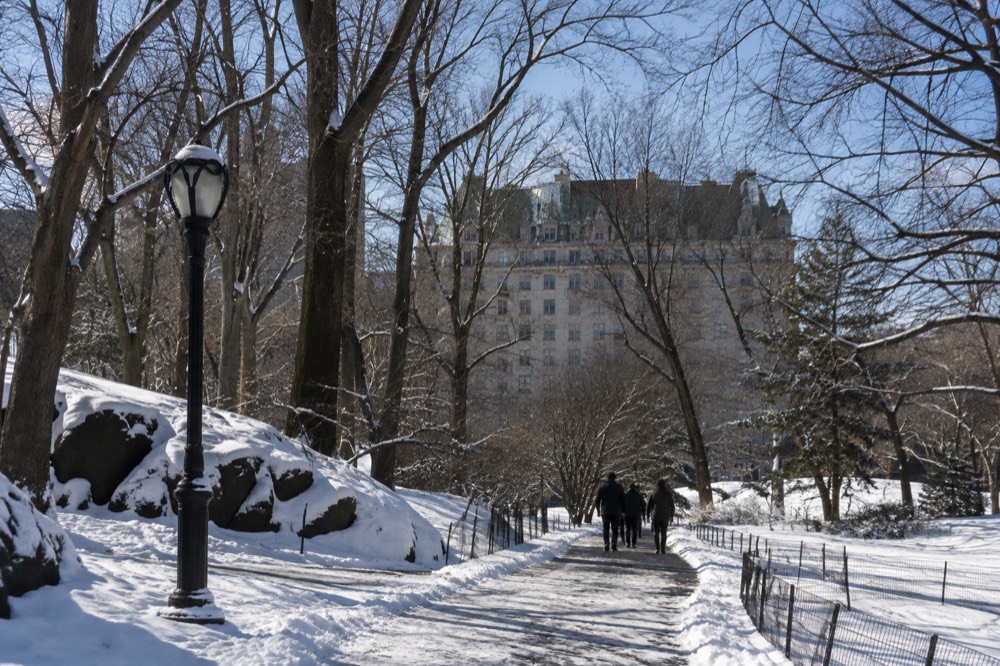
New York in winter is a city of short days and long indoor possibilities. February averages 10.1 inches of snow in Central Park, more than January, so a good winter plan treats the outdoors as the bonus and the indoors as the engine.
Short answer
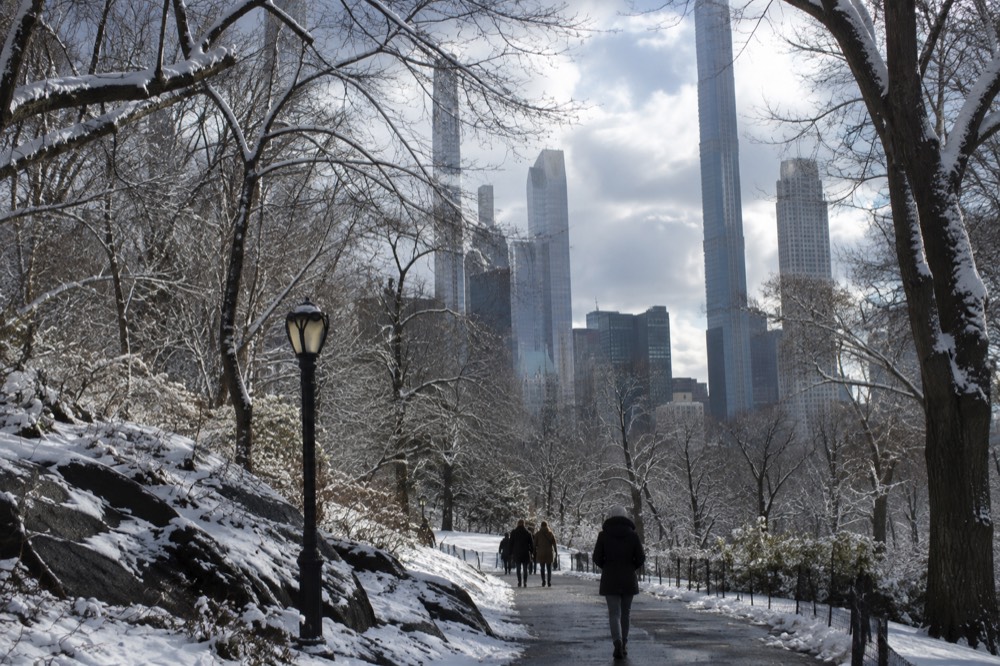
NYC in winter works best as a city plan built around indoor anchors, museums, observation decks, Broadway, with short outdoor bursts between them. Budget roughly $35 a day per person for subway travel with the OMNY weekly cap, dress in real layers, and book timed-entry attractions ahead. Expect snow, cold wind off the rivers, and fewer crowds outside the holiday weeks.
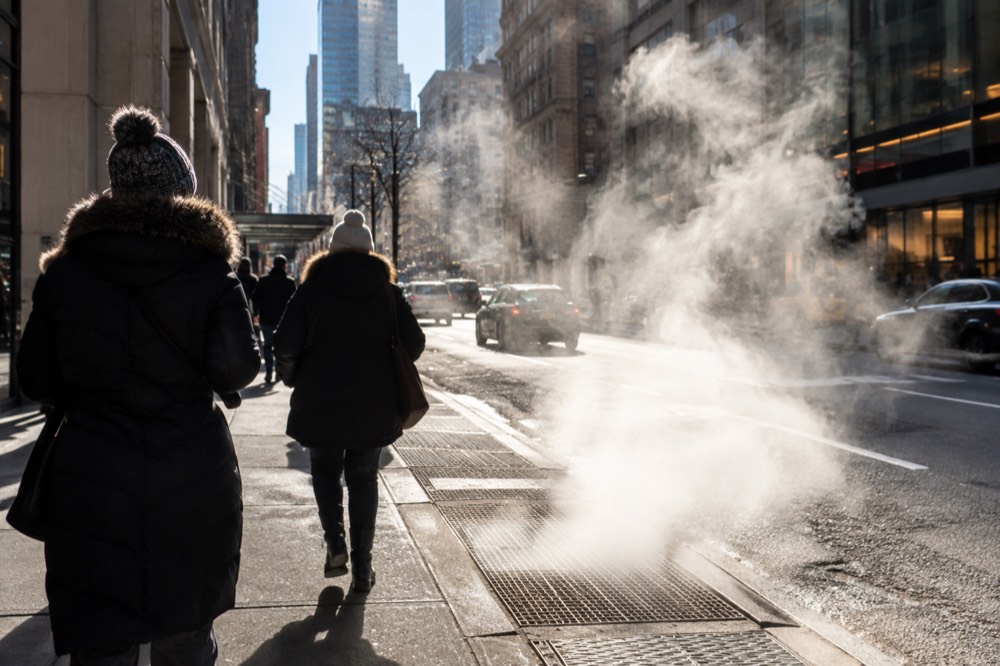
New York in winter punishes vague plans. The days are short, the wind off the Hudson cuts through a bad coat, and the city's best-known outdoor sights, the High Line, the Brooklyn Bridge promenade, Central Park's open lawns, are all better in twenty-minute bursts than in two-hour marathons. The visitors who enjoy January and February here are the ones who build the day around a warm anchor and treat the walk between anchors as the experience.
The data backs that approach up in ways most guides never mention. The official NOAA 1991-2020 climate normals for Central Park show February, not January, as the snowiest month of the year, averaging 10.1 inches of snow against January's 8.8. February is also, oddly, the driest month by total precipitation, at 3.19 inches. Cold and dry with sudden snow: that is the honest profile of a New York winter, and the itinerary below is paced for it.
This plan assumes four days in the city, the length most winter travelers actually book, and it is built so any single day can be swapped for a rainy or frozen one without wrecking the rest. For the broader picture of what the city offers, start with our things to do in NYC page, and for the seasonal overlay, read Christmas in NYC if your trip falls in December.
What Is Winter in New York City Really Like?
Winter in New York runs cold and dry rather than grey and relentless, with average highs of 39.5°F in January and 42.2°F in February, and lows below freezing in both months. Snow averages 8.8 inches in January and 10.1 in February, while total precipitation stays modest, under four inches a month. Daylight is scarce in late December, and wind between the towers makes it feel far colder than the forecast number.
The Central Park climate normals, measured at the city's official station, give the precise shape of the season:
| Month | Avg high | Avg low | Precipitation | Snowfall |
|---|---|---|---|---|
| December | 44.3°F | 33.8°F | 4.38 in | 4.9 in |
| January | 39.5°F | 27.9°F | 3.64 in | 8.8 in |
| February | 42.2°F | 29.5°F | 3.19 in | 10.1 in |
| March | 49.9°F | 35.8°F | 4.29 in | 5.0 in |
Two things follow from that table. First, the city does not shut down for snow in the way smaller places do; the subway keeps running and the museums stay open. Second, the "worst" month depends on what you hate. If it is snow, February is your enemy. If it is raw damp, March, with almost 4.3 inches of precipitation, can be grimmer than either midwinter month.
Crowds follow the calendar, not the thermometer. Late December is among the busiest stretches of the year. January and early February, after the holiday visitors leave, are among the quietest weeks the city sees, which makes them the best-value window of the entire winter for hotel prices and restaurant reservations, though we do not quote nightly rates here because they move constantly.
How Should You Get Around NYC in Winter?
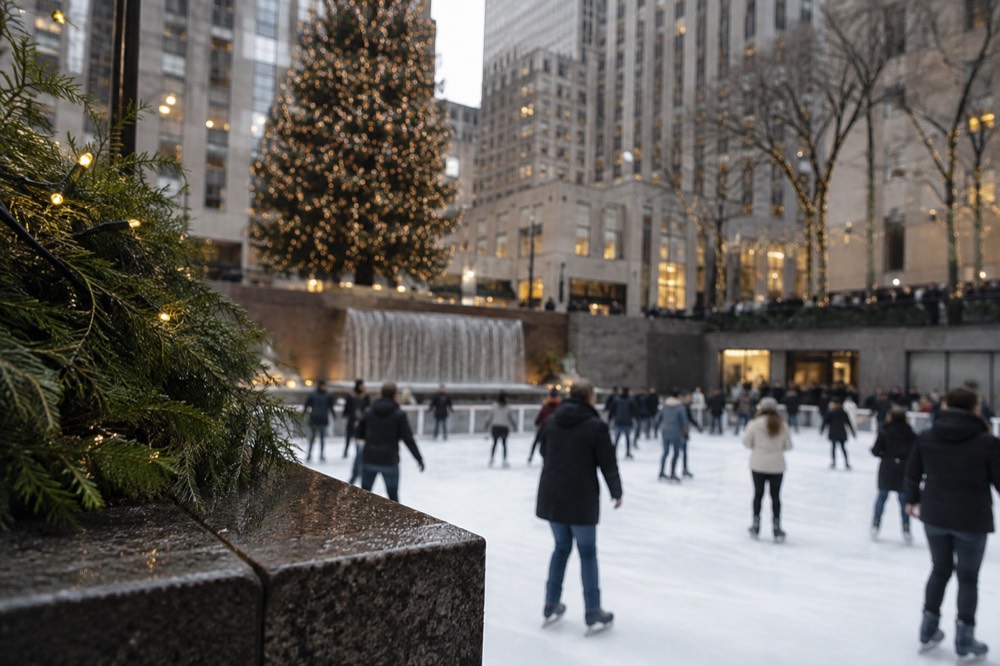
The subway is the winter answer, full stop. A single ride costs $3.00, and the OMNY system caps your subway and local bus spending at $35 per rolling seven-day period automatically, with no pass to buy in advance. MetroCards are no longer sold or refilled as of 1 January 2026, so arriving visitors simply tap a contactless card or phone at the turnstile and the cap handles itself. Walking between nearby stops beats waiting on cold platforms.
The MetroCard retirement is the single biggest change to New York transport advice in decades, and most guides still have it wrong. The old "buy a 7-day unlimited when you land" routine now sends people looking for a product that no longer exists. The replacement is simpler: tap the same card or phone every time, and once you have spent $35 in a seven-day window that starts with your first tap, every further subway and local bus ride that week is free.
The details that matter for visitors:
| Fare item | Cost | Note |
|---|---|---|
| Subway or local bus single ride | $3.00 | Tap contactless card, phone, or OMNY Card |
| OMNY weekly cap | $35 | Automatic, rolling 7 days from first tap |
| Express bus | $7.25 | Separate $67 cap if combined with subway |
| Reduced fare (65+ / eligible disabled) | $1.50 | Apply ahead; not automatic for tourists |
| Children under 44 inches | Free | Up to three with a fare-paying adult |
The cap only works if you tap the same physical card or the same device every single time. Mixing your phone and the plastic card in your pocket breaks the cap silently, so pick one before the trip and stick to it. Each person in a group needs their own card or device; a single card paying for four people earns no cap at all. Full detail is in our OMNY in NYC guide.
Winter-specific advice: minimize outdoor platform time by checking a transit app before leaving a building, and prefer stations with enclosed waiting areas when the wind is brutal. The subway runs at full frequency regardless of cold; only heavy snow events disrupt it.
Day 1: Midtown, Timed Entry, and the View After Dark
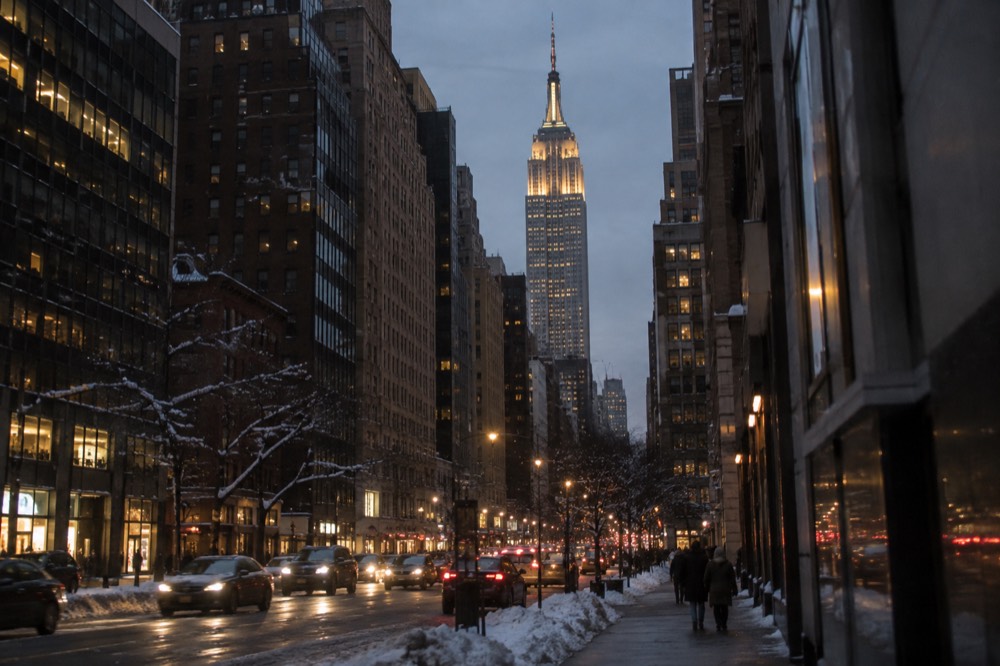
A strong first winter day pairs an observation deck with a museum and ends at a Broadway show, because all three are warm, all three reward booking ahead, and together they cover the classic Midtown circuit without leaving you outside for long. The Empire State Building's ticket covers the 86th floor deck plus a museum, timed so you choose your slot when booking. Evening slots give you the lit skyline, with the cold felt only on the deck itself.
Start at the Empire State Building in the late afternoon. Timed entry means the queue moves even in the busy weeks, and the museum galleries on the way up are genuinely worth fifteen minutes, covering the building's construction and history rather than being a gift shop corridor. Adult admission on the listing starts from $47.91, against a box office AM/PM Experience price of $75.12 that includes same-night re-entry; check the listing for which option suits.
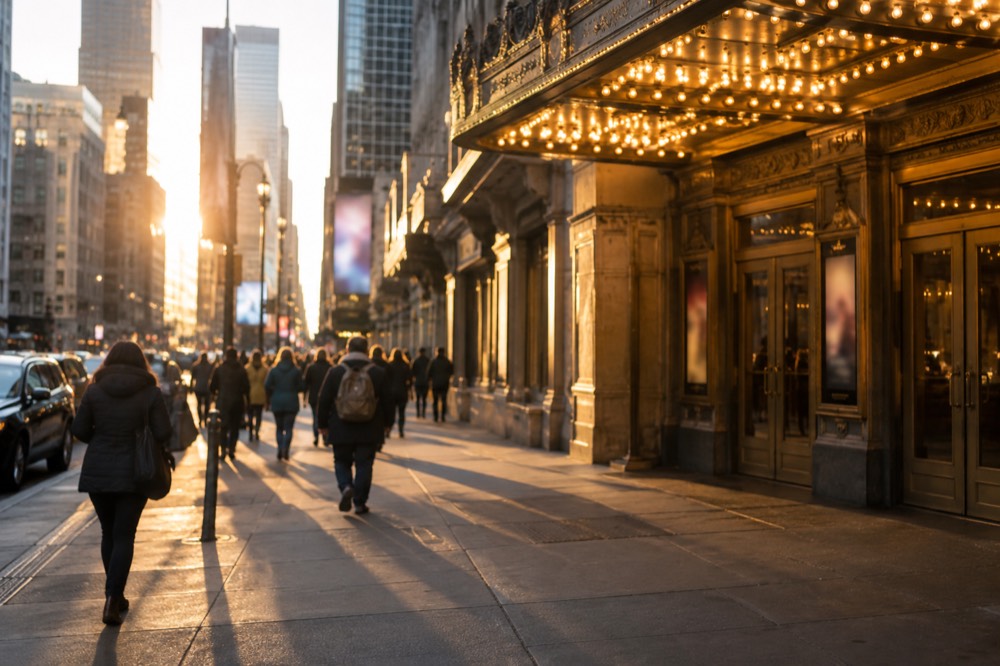
From there, dinner in Midtown, then a show. Winter is Broadway's strongest season for availability outside the holiday fortnight, and a musical like MJ the Musical, which plays the Neil Simon Theatre in the Theater District, runs about two and a half hours, which is exactly the right length for a cold night because you are indoors, seated, and entertained until late evening. Tickets start from $71.27 on the live listing.
If the weather turns during the day rather than at night, swap the deck for MoMA, which stays open until 17:30 daily and until 20:30 on Fridays, with free Friday-evening entry for New York State residents only, reservations and proof of residency required. Out-of-state visitors pay $30, and the galleries from Van Gogh's Starry Night through the sculpture garden justify an entire afternoon on their own.
Day 2: The Museum Day, Built for Bad Weather
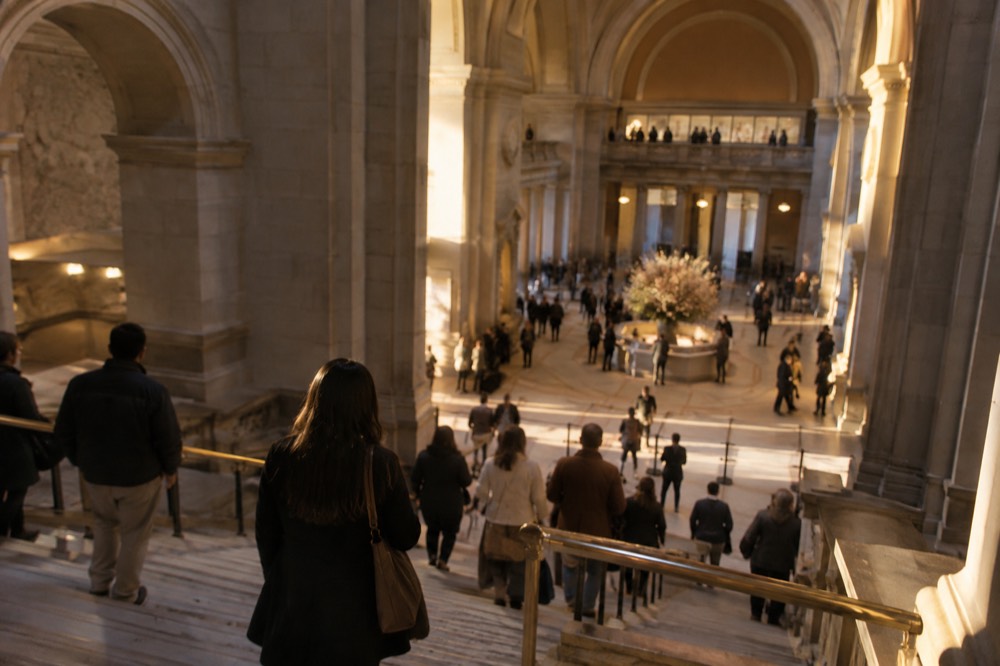
When the forecast is grim, the correct move is a full museum day on the Upper East Side or Upper West Side, where several of the world's best collections sit within a short stretch of Fifth Avenue and Central Park West. The Metropolitan Museum of Art charges $30 adult admission, fixed and mandatory for out-of-state visitors, and that one ticket also covers same-day entry to The Met Cloisters. Other museums cluster within a few blocks.
The Met is the anchor, and the fact most guides get wrong is worth repeating: pay-what-you-wish applies only to New York State residents and NY, NJ and CT students, and even then you must pay something, a minimum of $0.01 per ticket. Everyone else pays the fixed $30. What the ticket quietly includes is the better fact: exhibitions and same-day entry to both Met locations, Fifth Avenue and The Met Cloisters, which is a genuinely good cold-weather add-on if you have the energy for the trip uptown.
One honest caveat: the Met currently has significant gallery closures affecting the American Wing, parts of the European Paintings galleries, the Costume Institute, the Cantor Roof Garden and much of Modern and Contemporary Art. The museum is open and vast, but check the Met's own closures page before planning your visit around a specific wing.
| Museum | Adult admission | Winter note |
|---|---|---|
| Metropolitan Museum of Art | $30 (seniors $22, students $17, under 12 free) | Ticket includes same-day Met Cloisters entry; closed Wednesdays |
| MoMA | $30 (under 16 free) | Fridays until 20:30; free Friday nights are NY State residents only |
| Guggenheim | $30 standard, $16 during exhibition changeover | Pay-what-you-wish Tue and Sun 16:00-17:30, $1 minimum |
| Whitney Museum | $30 (25 and under free) | Free Friday nights 17:00-22:00 for everyone, capacity limited |
| American Museum of Natural History | Fixed price for out-of-state visitors, pay-what-you-wish for NY State residents | Check the ticketing page for the current adult rate |
The AMNH row deserves its own note. Two verified sources conflict on the exact adult figure, so this site does not print one. What is directly sourced from the museum's own ticketing page is the policy: New York State residents pay what they wish for general admission, and everyone else pays a fixed price. Verify the current number on the museum's ticketing site before budgeting.
Across the park, the American Museum of Natural History and the Intrepid Museum on the Hudson at Pier 86 make a solid science-and-machines alternative day, the Intrepid being an aircraft carrier with a space shuttle prototype and a walk-through guided missile submarine, which is a strong sell for kids with cabin fever.
Day 3: Lower Manhattan, the Harbor, and History Indoors
A winter day downtown works because the three essential stops sit within a fifteen-minute walk of each other, and two of the three are at least partly indoors. The official ferry adult ticket is $26.00 and includes both islands, both museums, and audio tours. The memorial plaza outside is free and open daily 08:00-20:00, and the museum below it is a timed-entry visit at $36 for adults.
Book the ferry through Statue City Cruises, the only operator authorized by the National Park Service to land at Liberty and Ellis Islands. This distinction matters in winter especially: numerous sightseeing cruises circle the islands without landing, and some charge more than the real ferry. If you want to stand on Liberty Island, the official ferry is the only way.
The crown, if you are planning months ahead, costs $26.30 adult, thirty cents more than the grounds ticket. The barrier is never price; crown tickets are name-bearing, limited to four per household, photo ID is checked, and they sell out months in advance. In winter you still need to book early.
The 9/11 Memorial and Museum should be described plainly. The outdoor pools are free, open to all, and require no ticket. The museum beneath them is a timed-entry exhibition space, $36 for adults, with free admission on Mondays released online each Monday at 07:00 ET, first come first served. There is no urgency language needed here; the site speaks for itself. The One World Observatory sits at the same complex if you want a downtown view, from $30.49 on the listing, the cheapest of the city's five decks.
| Statue of Liberty ticket tier | Adult | Child 4-12 | Senior 62+ |
|---|---|---|---|
| General / Reserve (both islands, both museums) | $26.00 | $17.00 | $23.00 |
| Pedestal Reserve | $26.30 | $17.30 | $23.30 |
| Crown Reserve | $26.30 | $17.30 | $23.30 |
| Ellis Island Hard Hat Tour (13+) | +$55 | n/a | n/a |
Round the day out with the free walks option if the budget is tight: several tip-based walking tours run through the Financial District year-round on GuruWalk, covering Wall Street and the memorial plaza, with a modest number of operators rather than a wide field. You set the guide's pay at the end.
Day 4: Brooklyn, Bridges, and the Cold-Weather Walk Done Right
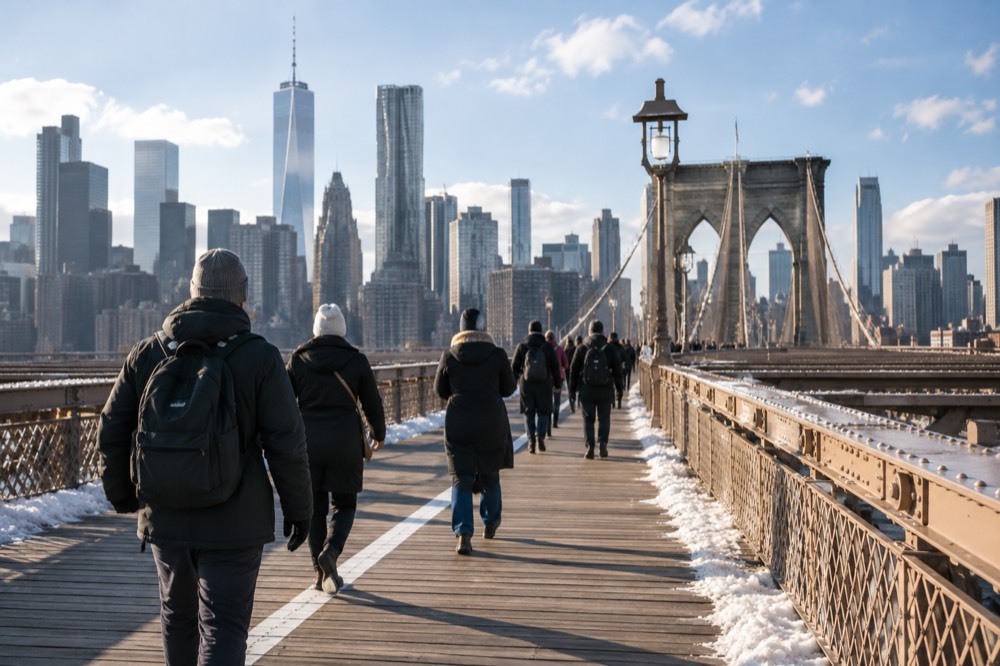
The Brooklyn Bridge walk in winter is best done as a one-way crossing with a warm destination waiting on the far side, not an out-and-back. The promenade is open in all weather, the skyline is often at its clearest in cold air, and Dumbo's cafes, shops, and the famous Washington Street view of the Manhattan Bridge sit within ten minutes of the Brooklyn-side exit. Give the crossing under an hour with photo stops, dressed properly.
Start from City Hall Park on the Manhattan side and walk toward Brooklyn. The pedestrian promenade is above the traffic lanes, exposed to wind, so a real hat and gloves matter more here than anywhere else in the itinerary. On the Brooklyn side, drop down into Dumbo: the cobblestone streets under the bridges, the waterfront view of Lower Manhattan, and the warm coffee stops make the crossing worth it.
A guided version handles the route and the history, including the bridge's 19th-century engineering story and the Brooklyn Heights promenade, in about two hours.
If the day is truly foul, invert the plan: take the subway straight to Brooklyn, spend the middle of the day indoors at the Brooklyn Museum or browsing the shops of Williamsburg, and cross the bridge on the return only if the sky clears. A bridge walk in horizontal sleet is nobody's memory of the year.
What Should You Budget for a Winter Trip to NYC?
A four-day winter trip's attraction and transit costs depend almost entirely on how many big-ticket items you stack. The subway adds at most $35 for the week with the OMNY cap, museum admission runs $26-$36 per major institution, Broadway starts near $71 for a hit musical, and a pass can beat individual tickets if your list matches its inclusions. Food is the most variable line, from dollar slices to tasting menus, so treat it separately.
The CityPASS is the pass to examine first, because its inclusions map neatly onto a winter plan: $149 adult for a choice of five attractions from a list of eleven, valid nine consecutive days. The box-office values of the five most likely winter picks, the Empire State Building at $75.12, Top of the Rock at $71.86, the 9/11 Museum at $36.00, the Statue of Liberty ferry at $26.00, and the Intrepid at $38.00, add up to more than the pass costs, and that is exactly the arithmetic to run against your own wishlist before buying.
One honesty note that most pass comparisons skip: The Sightseeing Pass, one of the products older guides still recommend, ceased trading in 2025. Do not buy it, and treat any article listing it as out of date. The New York Pass now sits inside the Go City family rather than being a separate product.
| Budget line | Realistic winter range (per adult) | Notes |
|---|---|---|
| Subway and local bus, 4 days | Up to $35 | OMNY weekly cap, automatic |
| Major museum, per visit | $26-$36 | Met, MoMA, AMNH, Guggenheim, 9/11 Museum |
| Observation deck | From $30.49 | One World is the cheapest deck; ESB box office reaches $75.12 |
| Broadway hit musical | From $71 | MJ from $71.27 on the listing; lotteries run $30-$50 |
| Statue of Liberty ferry | $26.00 | Both islands, both museums, audio tours included |
| Food per day | The widest variable in the budget | Dollar slice to tasting menu; set your own line before you fly |
For the full pricing breakdown including the pass math worked three ways, see our how much does a trip to NYC cost guide.
What Should You Pack for a New York Winter?
Pack for wind and wet, not just cold: a real waterproof outer layer with a hood, insulated gloves, a hat that covers the ears, and waterproof shoes with actual grip, because snow turns to grey slush on the avenues within hours. Dress in layers you can shed indoors, since museums and theaters are heated heavily. A compact umbrella helps, but the wind kills cheap ones, so a hooded shell is the better tool.
The slush point is the one first-time visitors always miss. New York snow does not stay picturesque on the pavement; it becomes ankle-deep melt at every corner crossing, and sneakers are ruined by lunch. Boots or waterproof shoes with tread are the difference between a good walking day and a miserable one.
Skip the car entirely. Winter is the worst season to drive in the city, between ice, holidays, and parking, and the subway renders the question moot. The only sensible winter car use is a day trip out of town, and even then the trains cover most of the good options, which we detail in the day trips from NYC guide.
Common Questions About NYC in Winter
Winter trips to New York raise the same handful of questions every year, and the honest answers are mostly reassuring: the city does not close for cold, the subway ignores the weather, outdoor attractions stay open with shorter queues, and the savings and crowd levels in January and February are the best of the year. The real risks are cold-weather clothing mistakes and over-scheduling outdoor time, both fully avoidable with a little planning.
Is NYC worth visiting in winter?
Yes, and for some travelers it is the best season. January and February bring the year's lowest hotel prices and thinnest crowds outside the holiday weeks, museums run full schedules, Broadway is in season, and the city under fresh snow is genuinely beautiful. The trade is short daylight and real cold, so the plan has to fit the weather rather than fight it.
How cold does New York get in winter?
Average highs run 39.5°F in January and 42.2°F in February, with average lows below freezing in both months. The feels-like temperature between Midtown towers is often far colder than the forecast, and wind off the Hudson and East Rivers is a real factor on the waterfront.
Does it snow a lot in New York City?
Measurably, yes, but not constantly. Central Park averages 8.8 inches of snow in January and 10.1 inches in February, the snowiest month of the year. It arrives in discrete storms rather than a permanent blanket, and the streets usually clear to slush within a day.
What is there to do in NYC in winter when it's freezing?
Museums, Broadway, observation decks at sunset, food halls like Chelsea Market, the 9/11 Memorial Museum, comedy and jazz clubs, and the city's restaurant scene are all fully operational. The Museum of Broadway in Times Square is a good spare-hour option, timed and self-paced. Winter is when the indoor city earns its keep.
Is the subway OK in winter weather?
Yes. The subway runs through cold snaps and ordinary snow without disruption; only major storms cause delays, and those are rare. Tap a contactless card at the turnstile, mind the $35 weekly OMNY cap, and use a transit app to minimize time on exposed platforms.
The Short Version
A winter New York trip rewards a simple rule: anchor the day indoors and let the outdoors be the intermission. Museums, Broadway, observation decks and the harbor ferry carry the season, January and February hand them over with shorter lines, and the cold is a wardrobe problem rather than a planning one. Book the timed things ahead, tap the same card on the subway, and let any snow be the bonus rather than the plan.
The city's indoor infrastructure, five world-class museums within a single park's reach, forty-plus Broadway houses, observation decks with timed warmth, a harbor ferry that runs in all seasons, is the equal of anywhere on earth. Dress like you mean it, and let the rest take care of itself. The rest of the New York City Travel Guide covers every piece of this itinerary in more depth if one day catches your interest.