How Much Does It Cost to Attend New Year's Eve in Times Square, New York City?
A direct, sourced answer to how much does it cost to attend new year's eve in times square, with the real costs of transit, food, gear and lodging.
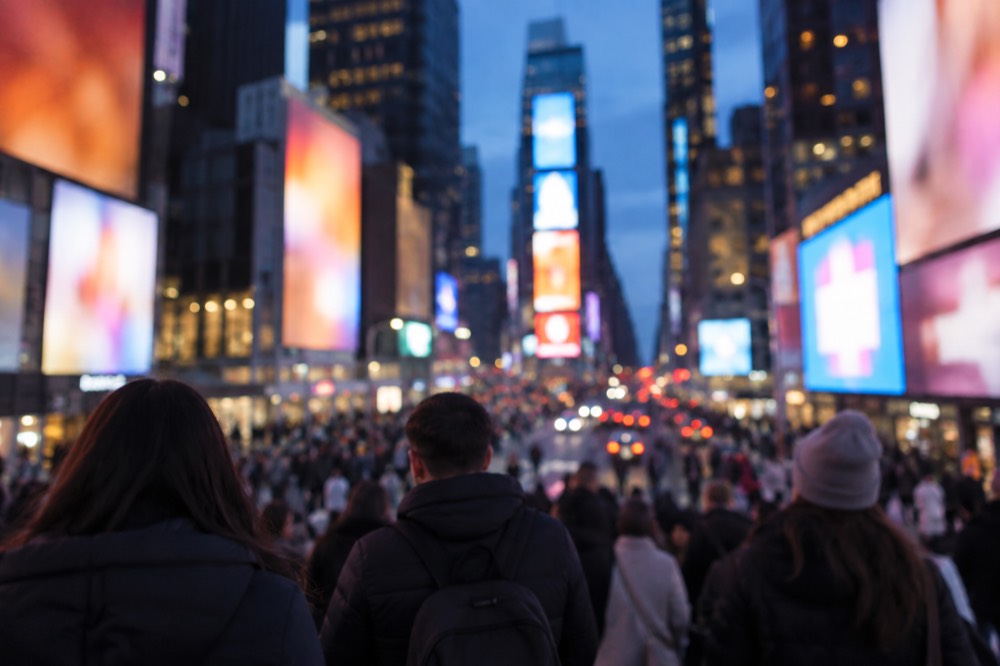
The cheapest major event ticket in New York is the one that does not exist. There is no box office for the Times Square New Year's Eve celebration, no paid viewing section run by the city, and no official pass to buy. The money you spend on the night goes somewhere else entirely: the subway fare, the dinner you eat at 4pm because nothing near the pens is open, the thermal layers, and above all the hotel room, which is the line item that turns a free evening into a four-figure one. This page answers the cost question directly, then breaks down where the real spending happens, using current, verified transit and attraction figures rather than guesses.
How Much Does It Cost to Attend New Year's Eve in Times Square?
Attending the Times Square New Year's Eve celebration itself costs nothing. There is no ticket, no entry fee and no official paid viewing area; the event is free and open to the public, and the city does not sell access to it. The costs that matter are everything around it: the subway fare, meals eaten early, cold-weather gear, and a hotel room in the most expensive week of the Manhattan calendar.
That free admission comes with a catch that is worth stating plainly, because it is the thing people most often misunderstand. The viewing areas fill up over the course of the afternoon and evening, and holding a spot means hours of standing in one place, in late-December cold, with no ability to step out and return. The price of admission is denominated in time and discomfort rather than dollars. Anyone who treats that as a cost is pricing the event correctly.
The other thing worth knowing early: the area around the celebration is locked down tightly on the night, and the businesses inside the perimeter mostly close. Dinner before you arrive is not a suggestion, it is close to a requirement. More on the practical shape of the evening in the Times Square New Year's Eve guide.
The timing question is really a cost question in disguise. The pens closest to the square begin filling in the early afternoon, and by evening the police are directing newcomers to sections many blocks away. A spot near the ball drop can mean arriving before 3pm and standing for nine or more hours. A spot further out means arriving later but seeing less. Neither option charges money, and neither option lets you leave and come back, which is why the food, water and bathroom calculus of the day matters as much as the fare.
A sensible way to spend the daylight hours before the pens fill is a guided walk through the same blocks, so you know the geography before the barriers go up. The free Times Square and Grand Central walk on GuruWalk covers exactly this territory, and at a tip-based price it fits a night whose whole point is spending as little as possible on the event itself.
What You Actually Spend Money On
The realistic minimum spend for a local or a day-tripper is small: roughly $6.00 in subway fares for the round trip, a meal bought away from the perimeter, and whatever winter clothing you already own. A visitor staying in Manhattan faces a different ledger, since hotel rates in the last week of December are among the highest of the year. The event is free; the trip around it can cost anywhere from pocket change to thousands.
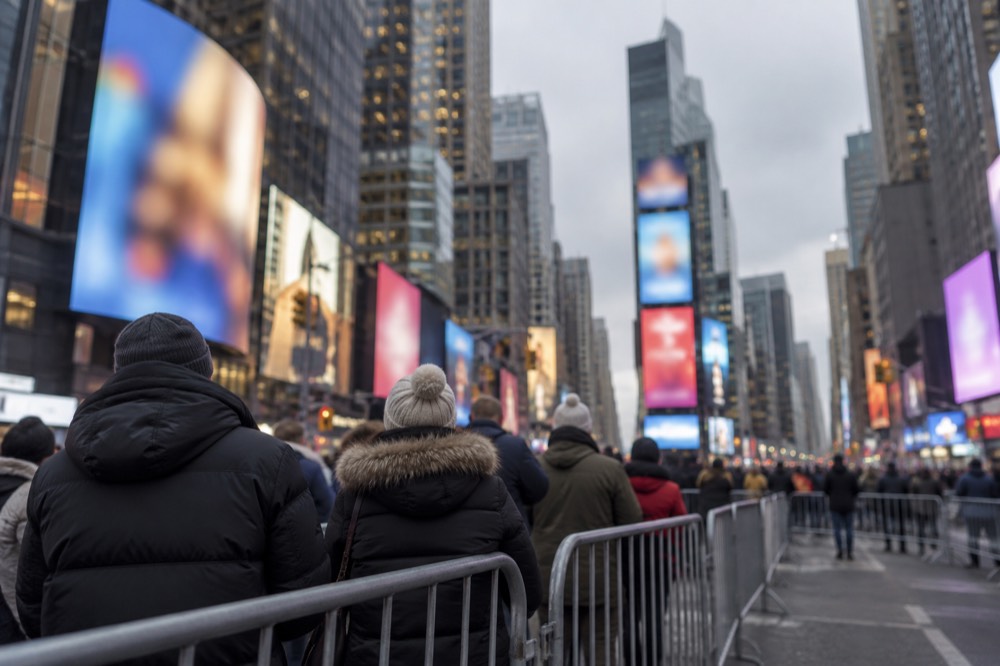
Here is the breakdown, using the transit figures verified directly from the MTA and the attraction prices confirmed on official sources. Anything marked as a range is a planning estimate, not an operator promise: check current prices before you commit.
| Cost item | What you should expect to pay | Notes |
|---|---|---|
| Event admission | $0 | No ticket exists; entry is free and unticketed |
| Subway ride, each way | $3.00 | Current MTA single-ride fare, subway and local bus |
| Weekly transit ceiling | $35.00 | Automatic OMNY fare cap in a 7-day period; no pass to buy |
| Dinner before the pens | $20-$60 per person | Buy it away from the perimeter; much inside closes early |
| Snacks and drinks to carry | $10-$25 | Bring them with you; options inside the pens are minimal |
| Hand warmers, thermal layers | $0-$60 | Free if you already own winter gear |
| Hotel, Manhattan, that week | Not quotable | Rates move daily; book early and expect the year's peak |
The transit line deserves emphasis because it is the one figure that competing guides keep getting wrong. The old 7-day unlimited MetroCard no longer exists: the MTA stopped selling and refilling MetroCards on 1 January 2026, and the weekly value now comes from an automatic $35 fare cap applied when you tap the same card or device on OMNY. A visitor who reads older advice and goes looking for a weekly pass will be looking for a product that has been retired.
The meal line deserves equal emphasis, because it is the cost people forget until it is too late. Once you are inside a pen, you cannot leave for food, and the restaurants inside the security perimeter close early in any case. The practical pattern is a substantial late lunch or early dinner somewhere outside Midtown, then snacks and water carried in. Budget for that meal as a real line item rather than an afterthought, because a cold, hungry nine-hour stand is the difference between a memorable night and a miserable one.
If your New Year's Eve trip is part of a longer stay and you plan to hit the paid attractions around it, a pass can change the arithmetic. New York CityPASS, at $149.00 adult, covers a choice of five attractions over nine consecutive days, including the Empire State Building, Top of the Rock and the official Statue of Liberty ferry. Whether it pays off depends entirely on using all five tickets; for a one-night trip with no sightseeing, it does not.
Getting There and Back on the Night
The subway is the only sane way in and out of Midtown on New Year's Eve, and it costs $3.00 per ride, with an automatic $35 weekly cap if you tap the same card or device all week. Times Sq-42 St is the busiest station in the entire system, 61,203,303 riders in 2025, some 71% more than Grand Central, and on this night it operates under crowd-control conditions with some entrances closed.
The ridership figure is worth internalizing because it explains the night. Times Sq-42 St already carries nearly twice the traffic of Grand Central on an ordinary day; on December 31 the station and its neighbors are managed as a crowd-safety problem first and a transit service second. Expect entrances and exits to be directed rather than chosen, and expect to walk a few blocks to whatever exit the police are using.
A few practical points that follow from the verified fare rules. Up to three children under 44 inches tall ride free with a fare-paying adult, which matters for families pricing the night. The $35 cap only counts rides on the same physical card or device, so a couple sharing one card earns no cap; each traveler needs their own. And the rolling seven-day window starts with your first tap, so a visitor arriving on December 28 is already inside a cap period that covers New Year's Eve itself.
The ride home is the part of the night people plan least and regret most. After midnight, roughly a million people try to leave the same few blocks at the same time. Trains run, but they run packed, and station entrances reopen gradually as the crowd drains. Build the expectation of a forty-five-minute to hour-long wait-and-shuffle into your plan, and dress for standing outside during it, because the cold does not end when the ball finishes falling.
For getting oriented in the neighborhood beforehand, the free Financial District walk on GuruWalk is a different part of town, but the same logic applies to Midtown: a tip-based walk costs whatever you decide it cost at the end, which is the right price for a trip whose headline event is free.
Hotels and the One Cost That Dominates
For out-of-town visitors, lodging is the cost that dwarfs everything else on this night, and no honest guide can print a nightly rate for Times Square hotels on December 31 because the figures change daily and sit behind booking engines. What can be said with confidence is that the final week of December is peak season in Midtown. Book months ahead, or stay outside Midtown and ride the subway in.
The geography matters more than usual on this night. Anything within the security perimeter is unreachable by car as the evening progresses, and hotels a few blocks from the square can still mean a twenty-minute walk around barricades with a suitcase. Staying near a subway stop in another borough or further uptown, then traveling in during the afternoon, is the pattern that keeps the total cost of the night in double digits rather than four figures. The where to stay in New York guide breaks the neighborhood trade-offs down in detail.
One honest caveat about the "book a hotel room overlooking the party" idea: rooms with a view of the square exist, but they are among the most sought-after and least reliably available inventory in the city, and any specific price quoted for them in advance would be fiction. Treat a view room as a lottery, not a plan.
The alternative worth pricing is staying somewhere entirely different and treating the night as a day trip. A hotel in Long Island City, Downtown Brooklyn or Jersey City sits one or two subway or PATH rides from Midtown, at rates well below the Midtown peak, and the trip home after midnight is crowded but functional. Visitors doing the math should compare the total of a cheaper room plus transit against a Midtown room plus a shorter walk, because on this one night the shorter walk is not always shorter once the barricades are up.
What Should You Bring, and What Costs Nothing?
Everything you genuinely need for the night is either free or cheap: layered clothing, a hat and gloves, hand warmers at a few dollars a pair, snacks, water, and a fully charged phone. Backpacks and large bags are subject to police restrictions at the checkpoints, so the spending that matters is small, portable and bought in advance. The expensive mistake is buying any of it in Midtown on the day, when prices are at their worst.
Buy the hand warmers and the thermos before you travel, from a drugstore or hardware store anywhere in the city, not from a convenience store inside the perimeter zone. The same logic applies to food: a deli sandwich bought at 2pm costs what a deli sandwich costs, while anything available near a captive crowd of a million people costs more, if it is available at all.
The clothing question is where the cost varies most from person to person. New York in late December averages a high around 44°F and a low around 34°F, per the official Central Park climate normals, but standing still for hours in that temperature is a different experience from walking through it. A visitor from a warm climate who owns no real winter coat faces a genuine expense; a visitor from Chicago owns the whole kit already. Neither should rent or buy gear in Midtown on December 31.
Is the Free Night Worth the Hidden Costs?
Judged purely as entertainment per dollar, the Times Square New Year's Eve celebration is unbeatable, because the dollars are zero. Judged as an experience, it suits travelers who want to say they did it, tolerate cold and crowds well, and have nowhere better to be at midnight. Visitors who value comfort, warmth or a good meal at a normal hour will get more value elsewhere, at costs from a subway fare to a few hundred dollars.
The comparison is not really free versus paid. It is hours of standing in the cold versus almost any alternative. A harbor lights cruise runs about two hours on the water with the skyline lit up around you, from $45 per person on the current listing. A dinner cruise aboard a glass-sided boat is a splurge at $257 per person and up. A Brooklyn rooftop with a Manhattan view costs whatever the bar charges. All of them let you sit down, eat and use a bathroom, three things the pens do not offer.
There is also a middle path that costs almost nothing: the free things to do in New York roundup includes vantage points across the water where the midnight skyline does most of the same work. The fireworks and the roar of a million people are unique to the square, but the view of the city turning over a new year is available from several boroughs.
If you do go the paid-attraction route on the days around the night, the three picks below cover the bases: a free orientation walk, a pass that bundles the big observation decks and the statue ferry, and a free walk through the oldest part of the city.
Common Questions About Times Square New Year's Eve Costs
The questions below are the ones visitors actually ask about money on this night, and the answers are short because the facts are short: attendance is free, transit is $3.00 a ride with a $35 weekly cap, food must be bought before you enter the pens, and no hotel rate can be honestly quoted in advance. The one recurring misunderstanding is that people arrive expecting to buy a ticket somewhere. There is no ticket, and anyone selling you one is selling something else.
How much does it cost to attend new year's eve in times square?
Nothing. The event is free and unticketed, with no official paid viewing area. Your real costs are transit at $3.00 per subway ride, food bought before you enter, warm clothing, and lodging if you are not local.
Do you need to buy tickets for the Times Square ball drop?
No. There are no tickets and no official seller. Anyone offering paid entry or a guaranteed spot is not affiliated with the event. Access is first-come, controlled by the police, and free.
How much is the subway on New Year's Eve?
The same as any other night: $3.00 per ride. If you tap the same card or device all week, the automatic OMNY cap stops charging you at $35 in a rolling seven-day window.
Can I buy a 7-day unlimited MetroCard for my trip?
No. The MTA stopped selling and refilling MetroCards on 1 January 2026. The replacement for the weekly unlimited is the automatic $35 OMNY fare cap, which requires no purchase at all.
What is the cheapest way to do New Year's Eve in New York?
Take the subway in, eat before you arrive, dress in layers you already own, and either stand in the free pens or watch from a free vantage point outside Midtown. Done that way, the night costs a subway fare or two.
Should I book a Times Square hotel for the night?
Only if the location itself is the point and you book far ahead. Rates that week are the year's peak, no honest guide can quote a nightly figure, and the street closures make even nearby hotels a long walk from the pens on the night.
One last planning note: the event is the single most crowded night of the year in the busiest station complex in the system, per the MTA's own 2025 ridership data. Arrive fed, arrive warm, carry as little as possible, and treat every dollar you do spend as a purchase of comfort rather than access, because access was never for sale. More on planning the whole trip, night or no night, sits in the things to do in NYC guide, and this site's New York City Travel Guide homepage collects the transport and attraction basics in one place.