Where to Stay in NYC: The Best Neighborhoods for Every Trip
The honest answer to where to stay in NYC depends on what kind of trip you are taking, and the single biggest mistake visitors make is treating Manhattan as the whole city. This guide matches each neighborhood to a real itinerary, with verified transit costs and no invented hotel prices.

Short answer
First-time visitors should stay in Midtown East, the Theater District or the Upper West Side for subway access; budget travelers do better in Long Island City, Harlem or Jersey City; and anyone who books a lookalike harbor cruise instead of the official ferry, or quotes a 7-day unlimited MetroCard price, is working from outdated advice.
Times Sq-42 St is the busiest subway station in New York, and it is not close: 61,203,303 riders passed through in 2025, 71% more than Grand Central-42 St, and Penn Station does not even make the top five because the MTA counts it as two separate complexes. That single statistic explains most of what follows. Where you stay in New York decides how much of your trip you spend underground, on trains, and standing on platforms, and the neighborhoods around the biggest tourist stations are not always the best places to sleep.
This guide does something most "where to stay in NYC" articles skip: it treats New York as five boroughs, not one island, and it uses only verified figures. The MTA retired the MetroCard on 1 January 2026, so any advice built around buying a 7-day unlimited pass is dead wrong now. A subway ride costs $3.00, the $35 weekly OMNY cap applies automatically when you tap the same card or device, and the cheapest airport transfer in the city is the $3.00 run from LaGuardia via the free Q70 bus. Those numbers shape every neighborhood recommendation below. For the full menu of activities once you have picked a base, see the site's things to do in NYC guide.
Where to Stay in NYC: The Short Answer
For a first visit, stay in Manhattan between 14th Street and 86th Street, close to an express subway stop: Midtown East, the Theater District or the Upper West Side are the safest picks. For a cheaper trip, look at Long Island City, Harlem or downtown Brooklyn, where you trade a 15-minute train ride for meaningfully lower rates. Never book a hotel purely because it is near an airport.
The logic is simple. New York's subway is the fastest way across the city, and an express stop on the west side (the 1, 2, 3) or the east side (the 4, 5, 6) puts most of Manhattan within 20 minutes. A hotel two blocks from an express station beats a hotel with a skyline view that sits on a slow local line or, worse, on a bus route.
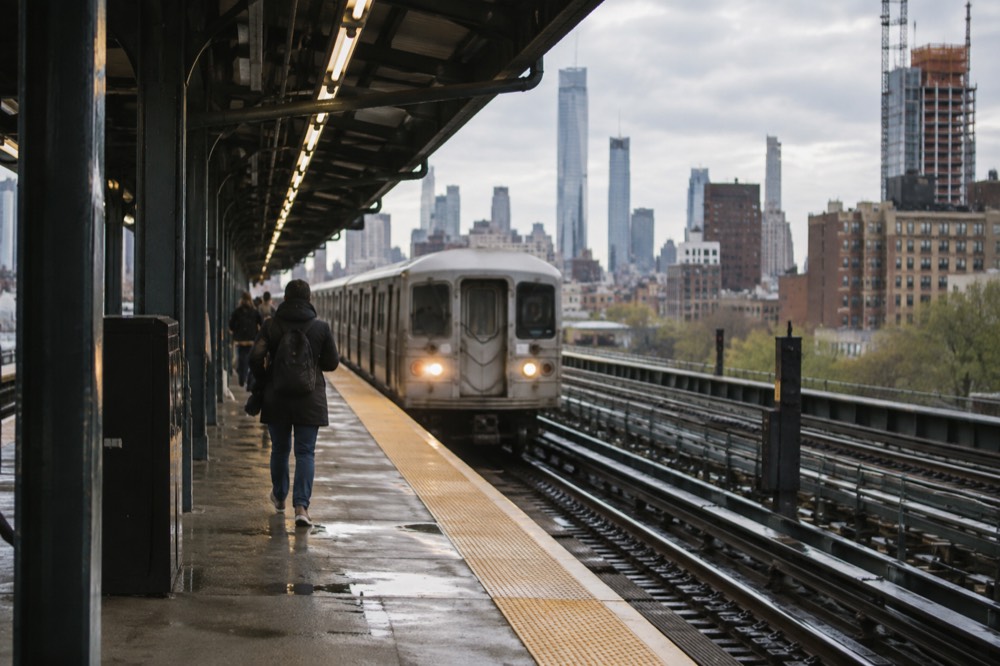
The second decision is Manhattan versus the outer boroughs, and the honest framing is cost versus convenience, not character. Brooklyn, Queens and Jersey City all have excellent bases. They also all add 10 to 25 minutes to every trip into Manhattan, which compounds across a week. If your itinerary is Manhattan-heavy, pay for Manhattan. If you plan to spread across boroughs, the math changes, and things to do in Brooklyn deserves real space in your plans.
The Best Neighborhoods to Stay in NYC, Matched to Your Trip
Midtown East and the Theater District suit first-timers who want to walk to Times Square, Rockefeller Center and Grand Central; the Upper West and Upper East Sides suit museum-goers and families; SoHo and Greenwich Village suit walkers who want downtown's streets, not its stations; Harlem, Long Island City and downtown Brooklyn suit travelers trading a short train ride for lower prices. Jersey City works for anyone who wants the skyline view without the Manhattan rate.
That is the whole decision in one paragraph. The table below breaks it down by trip type, because "best" without a trip attached is meaningless.
| If your trip is... | Stay in | Why | Nearest subway lines |
|---|---|---|---|
| First visit, classic sights | Midtown East, Theater District | Walkable to Times Square, Grand Central, Rockefeller Center | 4 5 6 7, N Q R W, B D F M |
| Museums and Central Park | Upper East Side, Upper West Side | Steps from the Met, MoMA side, AMNH, the park | 4 5 6, 1 2 3, B C |
| Downtown streets, food, nightlife | SoHo, Greenwich Village, NoHo | Walkable to Washington Square, cast-iron blocks, jazz basements | 6, B D F M, N R W |
| Budget, still close | Long Island City, Harlem | One express stop from Midtown, lower rates | 7, N W, 2 3, A B C D |
| Families | Upper West Side, Battery Park City | Parks, playgrounds, quieter nights, wide sidewalks | 1 2 3, 4 5, R W |
| Skyline view, lower rate | Jersey City (Newport, Exchange Place) | PATH trains run 24 hours into Manhattan | PATH, plus the ferry |
Two corrections to common advice are worth making here. First, staying near Times Square itself is louder and rarely cheaper than staying four blocks east in Midtown East, which has the same subway access with fewer crowds at midnight. Second, the Financial District is quiet on weekends because it is an office district; the 9/11 Memorial plaza is free and open daily, and the 9/11 Memorial & Museum guide covers visiting it properly, but FiDi as a sleep zone suits business travelers more than tourists.
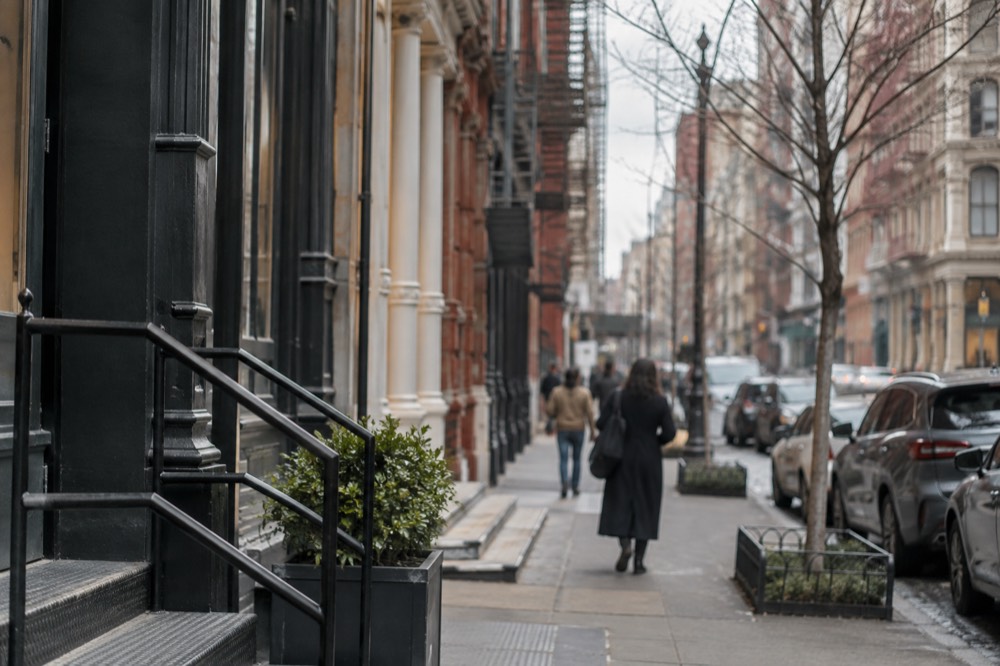
If you base yourself downtown, in SoHo or the Village, the neighborhoods become the attraction. A guided walk is the efficient way to learn them on day one: the SoHo, Little Italy and Chinatown walking tour covers three neighborhoods in two hours, and the same route pairs naturally with a food tour if you would rather eat your way through.
How Much Does a Hotel in NYC Cost?
Hotel rates in New York move constantly with dates and demand, so no honest guide can print a nightly figure that will still be true when you book. What is stable is the structure: Midtown and Times Square carry the premium, the outer boroughs run cheaper, and the biggest controllable costs are the add-ons, transit at $3.00 a ride with a $35 weekly OMNY cap, and airport transfers from $3.00 to $16.80 each way.
This site does not quote nightly hotel rates, because they are date-specific and any number printed today is wrong by the time you read it. What can be sourced is everything around the room, and those figures add up fast:
| Cost item | Figure | Notes |
|---|---|---|
| Subway or local bus ride | $3.00 | Tap with OMNY, same card or device every time |
| Weekly transit cap | $35 | Automatic after 12 paid rides in 7 days; no pass to buy |
| LaGuardia to Midtown | $3.00 | Free Q70 bus plus one subway fare |
| JFK to Midtown | $11.75 | $3.00 subway plus $8.75 AirTrain |
| Newark to Midtown | $16.80 | NJ Transit plus AirTrain, airport ticket |
| New York CityPASS | $149 adult | 5 attractions over 9 consecutive days |
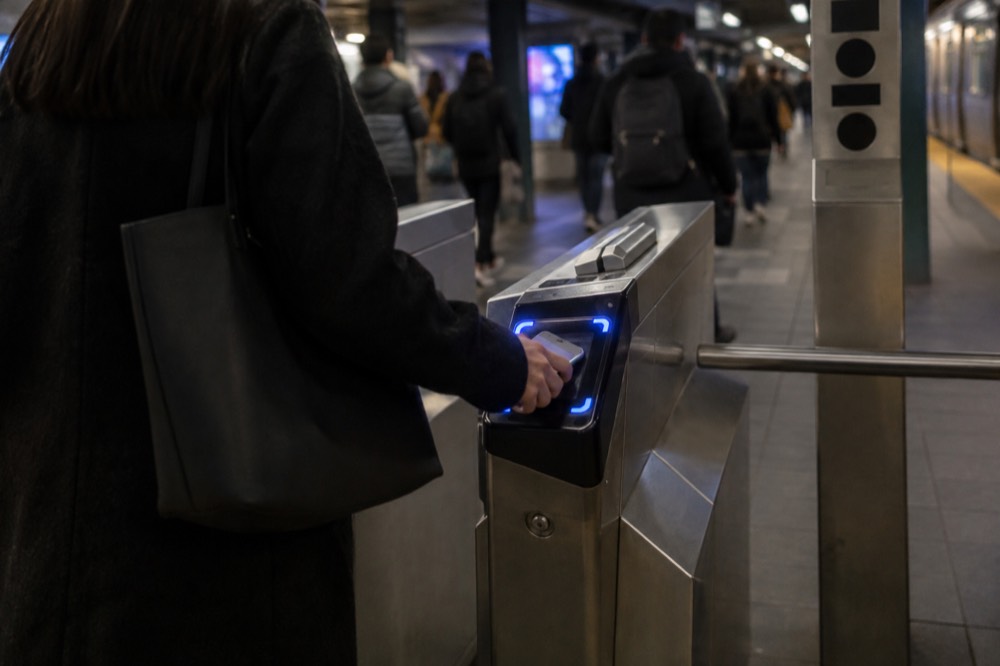
The transit row matters more than it looks. The MetroCard is retired: as of 1 January 2026 the MTA no longer sells or refills them, and the 7-day unlimited pass that every older guide still quotes does not exist. The $35 OMNY cap replaced it, and it applies automatically as long as you tap the same card or phone every ride. A couple that splits taps across two devices will each build separate caps and pay more than they need to. The site's OMNY guide covers the mechanics in detail.
For the room itself, the practical advice is structural. Book refundable rates early and re-check prices, because New York rates fall as often as they rise outside holiday weeks. Avoid the first week of September (UN General Assembly) and the late December holiday window, when rates spike citywide. And when comparing a Manhattan room against a cheaper borough room, add the transit time honestly: a $35 weekly transit cap is trivial, but an extra 40 minutes a day is not.
Where to Stay in NYC for First-Time Visitors
Midtown East is the strongest first-visit base: it sits between Grand Central and the 4, 5 and 6 trains, puts Times Square, Rockefeller Center and the Museum of Modern Art within walking distance, and is quieter at night than the Theater District itself. The Upper West Side is the runner-up, trading proximity to Midtown for Central Park, the American Museum of Natural History and a genuinely residential feel with real restaurants on Columbus Avenue.
The mistake first-timers make is optimizing for the view from the room instead of the walk from the door. A hotel room is where you sleep; the neighborhood is where you live for a week. Midtown East's daily life, coffee, delis, Grand Central's food hall, beats the Theater District's souvenir shops and chain restaurants by a wide margin.

Grand Central itself deserves an hour of your first day, and it is a two-minute walk from most Midtown East hotels. The Secrets of Grand Central tour covers the whispering gallery and the celestial ceiling's deliberate error in ninety minutes, a good orientation stop that also teaches you the station you will pass through all week.
From Midtown East, the classic first-day circuit is walkable: Grand Central to the New York Public Library to Bryant Park to Times Square, all within a mile. The nyc-for-first-timers guide builds full itineraries on this spine.
Where to Stay in NYC on a Budget
Long Island City in Queens is the best budget base near Manhattan: one stop on the 7 train from Grand Central, with waterfront skyline views that Midtown hotels charge a premium for. Harlem is the runner-up, an express ride down the 2 or 3 to Times Square in under 20 minutes. Jersey City's PATH trains run 24 hours and undercut Manhattan rates on the other river.
The budget math is not just the room. It is the room plus everything you can walk to for free. Harlem's street life, the free things to do in NYC guide covers the citywide list, and the Staten Island Ferry's free harbor ride all stretch a cheap trip into a good one.
| Budget base | Train to Midtown | Rough ride | Best for |
|---|---|---|---|
| Long Island City | 7 to Grand Central | ~10 min | Skyline views, modern hotels |
| Harlem | 2 or 3 express to Times Sq | ~15-20 min | Food, gospel, jazz history |
| Downtown Brooklyn | 2, 3, 4, 5 to Fulton St | ~15-20 min | Brooklyn exploring, BAM |
| Jersey City | PATH to Midtown or the Financial District | ~20-25 min | Skyline views, 24-hour trains |
| Astoria, Queens | N or W to Midtown | ~20-25 min | Food, Greek and Egyptian blocks |
Harlem rewards a guide more than most neighborhoods, because its stories are the attraction. The Soul of Harlem walking tour covers the Apollo, the jazz blocks and the Harlem Renaissance landmarks in two and a half hours, and it earns its price in context you cannot get from a plaque.
Where to Stay in NYC with Kids
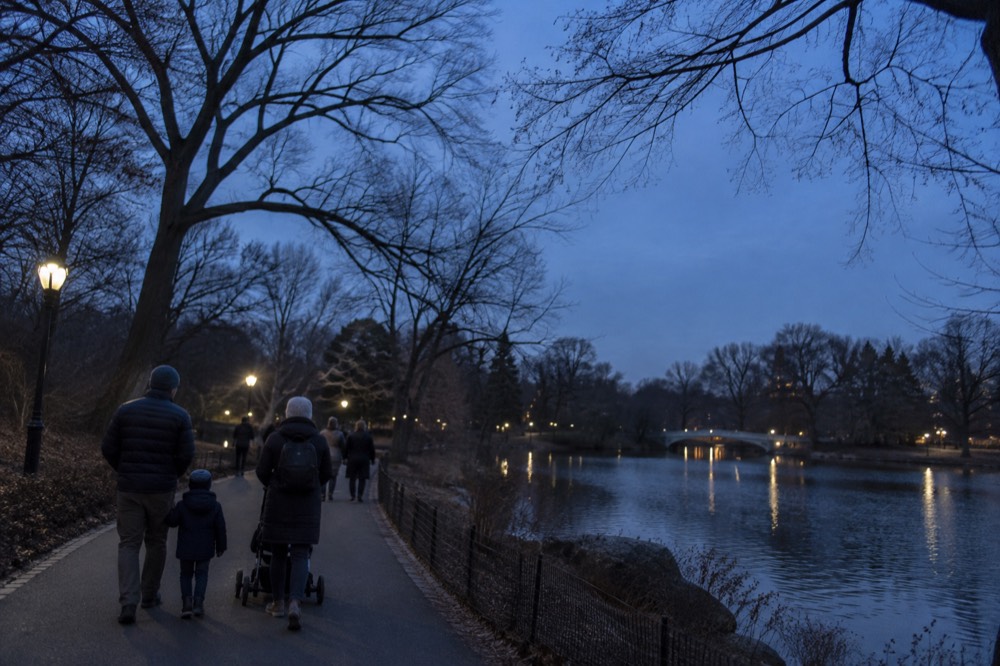
The Upper West Side is the best family base in New York: Central Park, the American Museum of Natural History and the Children's rooms of the New York Public Library all sit within a short walk, the 1, 2 and 3 trains run express to Midtown, and the neighborhood quiets down at night. Battery Park City is the quieter alternative downtown, with wide sidewalks, playgrounds and the harbor on one side, though it needs more train time for uptown sights.
Families should weight two factors above all others: playground access and subway stairs. The Upper West Side wins on both. Central Park's west side holds playground after playground, and up to three children under 44 inches tall ride the subway free with a fare-paying adult, which quietly halves a family's transit budget.
The nyc-with-kids guide carries the full family itinerary. One neighborhood note: avoid basing small children in the Theater District. The crowds are dense late at night, the sidewalks are slow, and the rooms are smaller for the money. A ten-minute train ride from the Upper West Side costs nothing and buys sleep.
Where Not to Stay in NYC, and the Mistakes to Avoid
Do not stay near JFK, LaGuardia or Newark unless your trip is one night and you have a dawn flight; every airport sits far from the sights, and the cheap airport room costs an hour of train each way. Do not book a hotel you have not placed on a map relative to a subway line. And do not trust any guide that still quotes a 7-day unlimited MetroCard price.
The airport point deserves its own sentence, because it is the most common expensive mistake. JFK handled 62.6 million passengers in 2025, more than any other New York airport, and the fastest rail run from there to Midtown still costs $11.75 and takes well over an hour from most terminals. A hotel near the airport saves money on the room and spends it twice on time.

The second mistake is subtler: booking a lookalike harbor cruise. Statue City Cruises is the only ferry operator authorized by the National Park Service to land at Liberty Island, and numerous sightseeing boats circle the islands without ever docking, some charging more than the real ferry. The site's Statue of Liberty tickets guide covers the difference. The same skepticism applies to lodging: a listing that names a famous neighborhood but sits on its far edge, twenty minutes from the nearest train, is not in that neighborhood in any way that matters.
Manhattan or the Outer Boroughs: How to Decide
Stay in Manhattan if your itinerary is mostly Manhattan and your trip is short: every saved transfer compounds across four days. Stay in an outer borough if your trip is a week or more, or if the rate difference funds two extra nights. The honest tiebreaker is time: a borough base adds roughly 10 to 25 minutes per journey into Manhattan.

The borough case is stronger than most guides admit. Downtown Brooklyn, Williamsburg and Long Island City each hold enough restaurants, bars and views to fill evenings without crossing a river, and the PATH from Jersey City runs around the clock. The Manhattan case is equally simple: on a three-day trip, four extra transfers a day is an hour of your city lost to platforms. For a deeper comparison, the nyc-neighborhoods guide profiles the areas borough by borough.
One hybrid worth naming: split your stay. Two or three nights in Midtown for the classic sights, then two or three in Williamsburg or Harlem for the city New Yorkers actually live in. New York hotels hold luggage, and the subway makes the move a 20-minute non-event. Travelers who do this rarely regret it; travelers who spend five nights within three blocks of Times Square often do.
Common Questions About Staying in NYC
The questions below are the ones that decide a booking: how many nights, which side of the park, whether the outer boroughs are safe, and what a week of getting around actually costs. Each answer is short and sourced, and the figures come from the MTA and the operators themselves, not from a five-year-old forum thread. Read them before you put a deposit down.
Where should first-time visitors stay in NYC?
Midtown East, the Theater District or the Upper West Side. All three sit on express subway lines, put the major sights within a short ride or walk, and avoid the worst of the Times Square crush. Midtown East is the strongest all-round pick for a first visit.
Is it cheaper to stay in Brooklyn or Queens than Manhattan?
Generally yes, but compare the full cost, not just the rate. A borough base adds 10 to 25 minutes per trip into Manhattan, while transit costs barely move: a subway ride is $3.00 either way, and the $35 weekly OMNY cap applies wherever you sleep.
How many days do you need in New York City?
Four days covers the classic Manhattan circuit well: the observation decks, the Met, Central Park, the Statue of Liberty ferry and a Broadway show. Five to seven days lets you add Brooklyn, Harlem and a day trip. The site's itineraries from one to seven days break this down.
Should I stay near Times Square?
Usually not. The area is loud, crowded late at night, and rarely cheaper than Midtown East four blocks away, which has the same subway access. Stay a short walk away and visit Times Square on your own schedule.
Is it safe to stay in the outer boroughs?
Yes, in the neighborhoods visitors actually book: Long Island City, downtown Brooklyn, Williamsburg, Jersey City and Harlem are all normal, busy city districts. New York's subway runs 24 hours and the busiest station in the entire system is the one under Times Square. Take the same precautions you would in any large city.
Do I need a rental car in NYC?
No. Parking is expensive and scarce, and the subway is faster than driving across Manhattan at almost any hour. A car only makes sense for day trips beyond the commuter rail network; within the city, tap and ride.
Whatever you choose, book a refundable rate early, check the subway line before the room, and plan your first day around the neighborhood you are actually sleeping in. The best base in New York is the one you can leave quickly and come back to happily, and the second-best is the one you can afford without counting every coffee. More planning help lives across this New York City Travel Guide, from transit mechanics to itineraries by length.