Things to Do in Brooklyn: A Practical Guide to New York's Most Populous Borough
Brooklyn is not Manhattan's quieter suburb. It is a borough of 2.5 million people with its own downtown, its own museum, its own beach and its own basketball team, and it rewards at least a full day of any New York trip.
Short answer
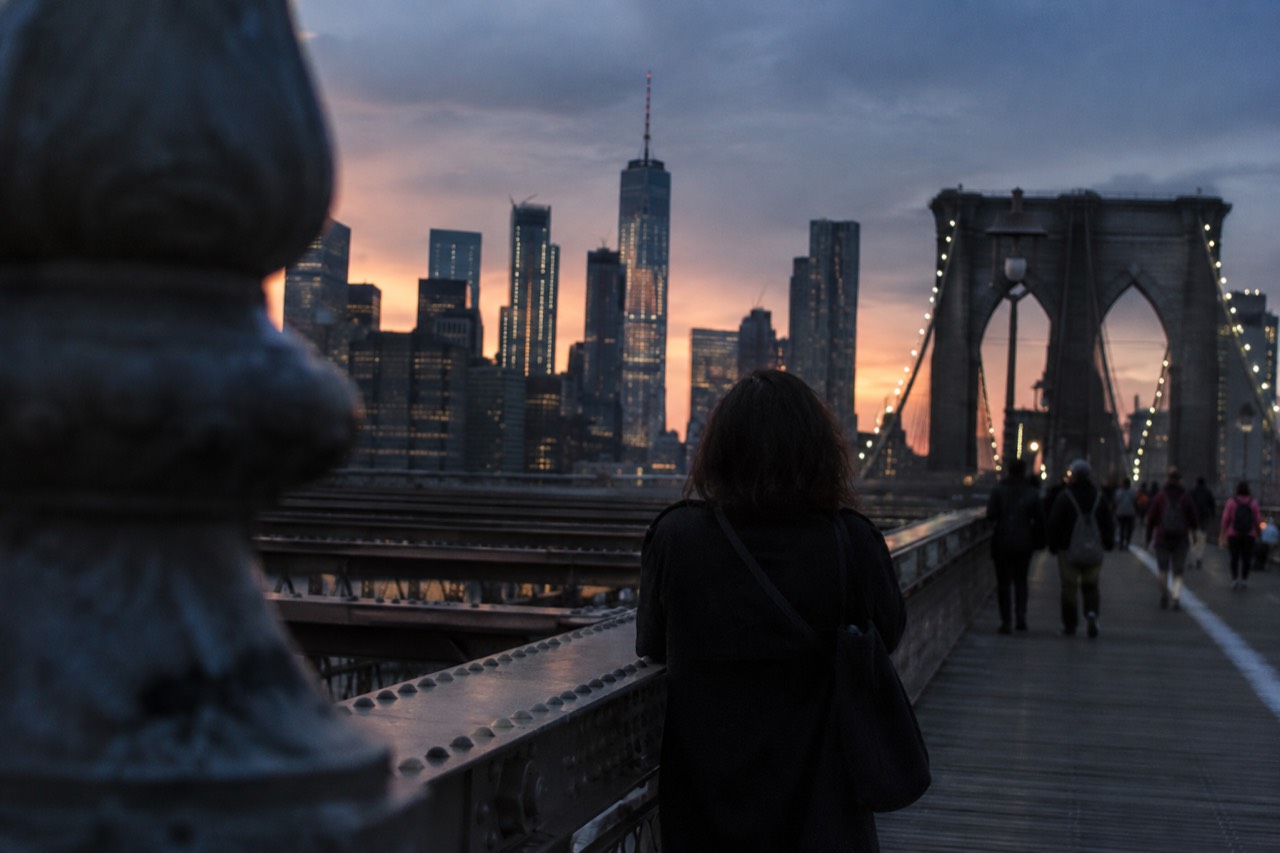
Spend at least one full day in Brooklyn: walk the Brooklyn Bridge in the morning, explore Dumbo and Brooklyn Heights, then pick Williamsburg for food and shopping or Coney Island for the boardwalk. The subway connects it all, and the free, tip-based walking tours on GuruWalk cover the bridge, Heights and Williamsburg if you prefer a guide.
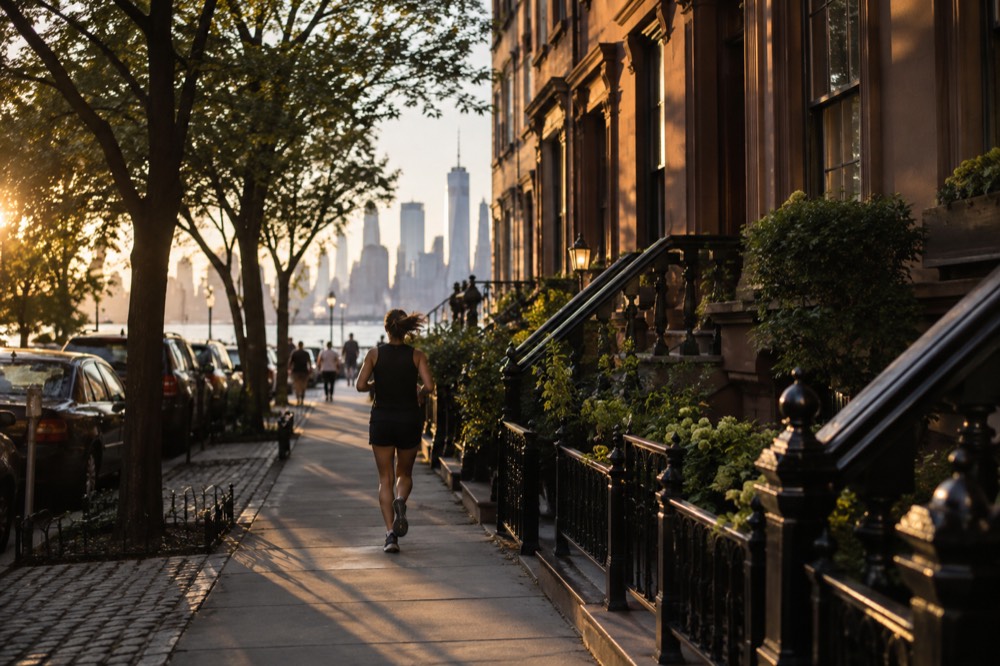
The Brooklyn Bridge ends in a borough that would be America's third-largest city on its own. Roughly 2.5 million people live here, spread across neighborhoods as different from one another as Coney Island's boardwalk is from Brooklyn Heights' brownstone lanes. Visitors who treat Brooklyn as a single photo stop at the Washington Street view in Dumbo miss nearly all of it.
This guide lays out the borough the way you would actually visit it: the bridge and the waterfront first, because that is where most people arrive, then the neighborhoods inland and south, with honest notes on transit, timing and what is worth paying for. If you are still sketching the whole trip, start with the master list on things to do in NYC and slot Brooklyn in from there.
What Is Brooklyn, and How Much Time Does It Deserve?
Brooklyn is New York's most populous borough, home to roughly 2.5 million people, and it functions as a city in its own right, with its own downtown, major museum, botanical garden, beach and NBA arena. Most first-time visitors should give it at least one full day; travelers with three or more days in the city should give it two. Trying to see it in a two-hour photo stop sells it short.
The borough sits directly across the East River from Lower Manhattan, and the geography surprises people. Brooklyn is big. Walking from the bridge to Coney Island is a four-hour commitment, which is why the subway matters more here than almost anywhere else in the city. The D, F, N and Q trains all run deep into the borough, and the 2 and 3 connect downtown Brooklyn to Harlem through Manhattan.
A sensible split: one day for the bridge, Brooklyn Heights, Dumbo and either the Brooklyn Museum and Prospect Park or Williamsburg; a second day for Coney Island and whatever you missed. Families with children often invert this, since Coney Island alone can absorb a full day in summer. For a fuller borough-by-borough framing, see our guide to things to do in Manhattan for the other side of the river.
What Are the Best Things to Do in Brooklyn Near the Bridge?
The Brooklyn Bridge, Brooklyn Heights and Dumbo form a walkable triangle that is the single best-morning itinerary in the borough. Cross the bridge on foot from Manhattan, drop down into Dumbo for the famous Washington Street photo, then climb into Brooklyn Heights for the promenade's skyline view and quiet brownstone streets. All of it is free, all of it is within a mile, and it works in every season.
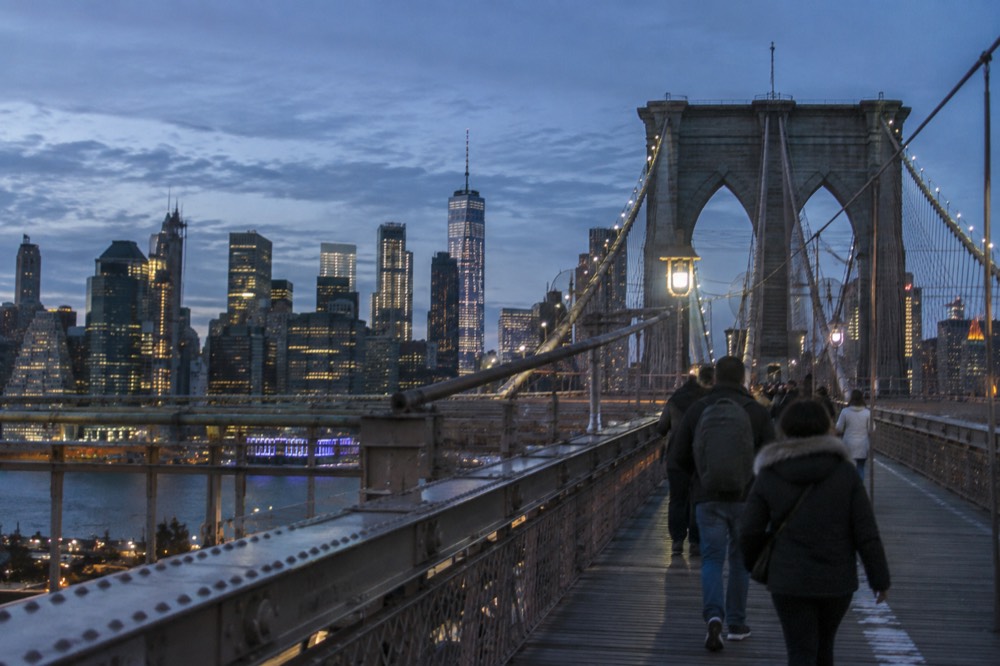
Walk the bridge from the Manhattan side, not the Brooklyn side. The skyline stays in front of you the entire way, and the promenade's wooden planks are easier on the feet than the approach ramps. Early morning is the quiet window; by late morning the walkway carries bikes, strollers and tour groups shoulder to shoulder. Our full Brooklyn Bridge guide covers access points, timing and the elevator options if stairs are a problem.
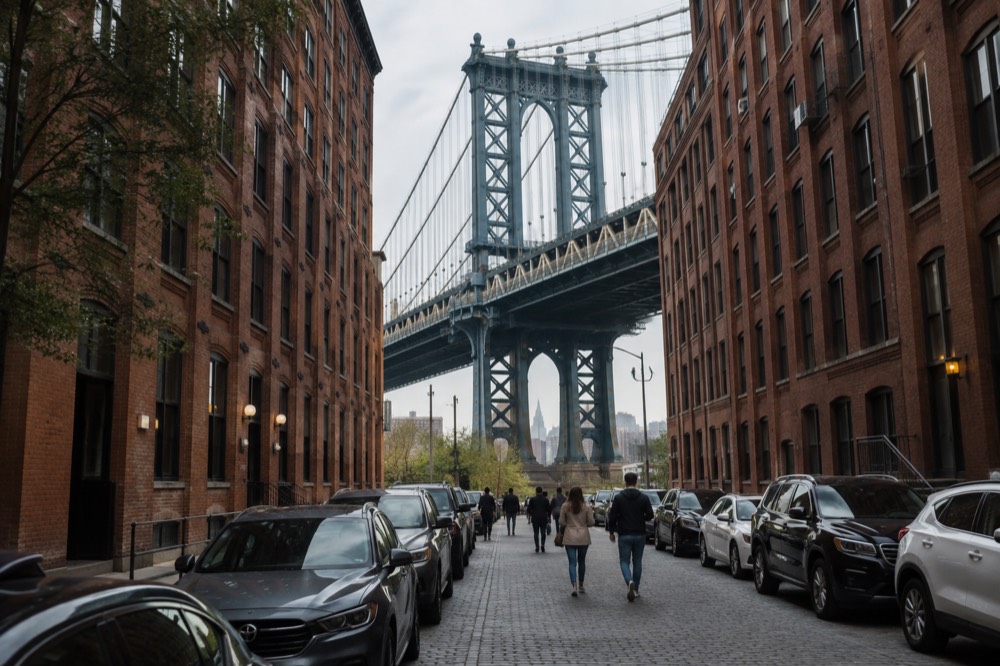
Dumbo sits at the bridge's Brooklyn base, a former industrial stretch of cobblestone streets now lined with shops and a small waterfront park. The Washington Street view, where the Manhattan Bridge appears framed between brick walls, draws a steady queue of photographers, and it is worth the five-minute wait. Brooklyn Heights above it is the opposite mood: 19th-century row houses, quiet lanes and the Promenade, a cantilevered walkway with the postcard view of Lower Manhattan.
If you would rather have a guide handle the route and the history, a free, tip-based walk covers all three. The Brooklyn Bridge, Brooklyn Heights and Dumbo tour on GuruWalk runs about three hours, is rated 4.98 across 615 reviews, and you pay the guide what you choose at the end.
For travelers who want the same route with a paid guide and a fixed price, the Brooklyn Bridge and Dumbo walking tour runs two hours from $49 per person and ends near the subway back to Manhattan.
Is Williamsburg Worth Visiting, and What Do You Do There?
Williamsburg is Brooklyn's most visitable inland neighborhood: a former industrial and immigrant district turned into a dense walkable strip of restaurants, vintage shops, record stores and rooftop bars, plus a Hasidic Jewish quarter that predates all of it by decades. It suits travelers who want to eat, browse and drink rather than tick off landmarks, and the L train puts it eight minutes from Manhattan.
The neighborhood divides along Bedford Avenue. South and west of it sit the boutiques, the brunch lines and the music venues of the gentrified decades. North and east, around Lee Avenue, is the Satmar Hasidic community, with bakeries, synagogues and shops that run on an entirely different rhythm, and which deserve the same respect as any working religious neighborhood: modest dress, no photos of residents without permission.
The Williamsburg Bridge and the East River waterfront bookend the area. Domino Park, built on the old sugar refinery site, gives a clean skyline view with room to sit. Smorgasburg, the open-air food market, runs on the Williamsburg waterfront on summer weekends and draws crowds that justify its reputation; check its current schedule before you go, since it moves and pauses seasonally.
The free option here is the Williamsburg walking tour on GuruWalk, run by Fractal Travel. It runs about two hours and 45 minutes, covers the Hasidic quarter and the streets around it, and is rated 4.44 across 298 reviews. It is a tip-based walk, so the price is whatever you decide at the end.
One honest note on the free walks: six of the ten free GuruWalk walks in New York belong to a single operator, CityShuffles. The Williamsburg walk is one of the exceptions, run by a different outfit, but the choice of free-walk operators here is narrower than the listing count suggests.
Which Brooklyn Neighborhoods Should First-Time Visitors Prioritize?
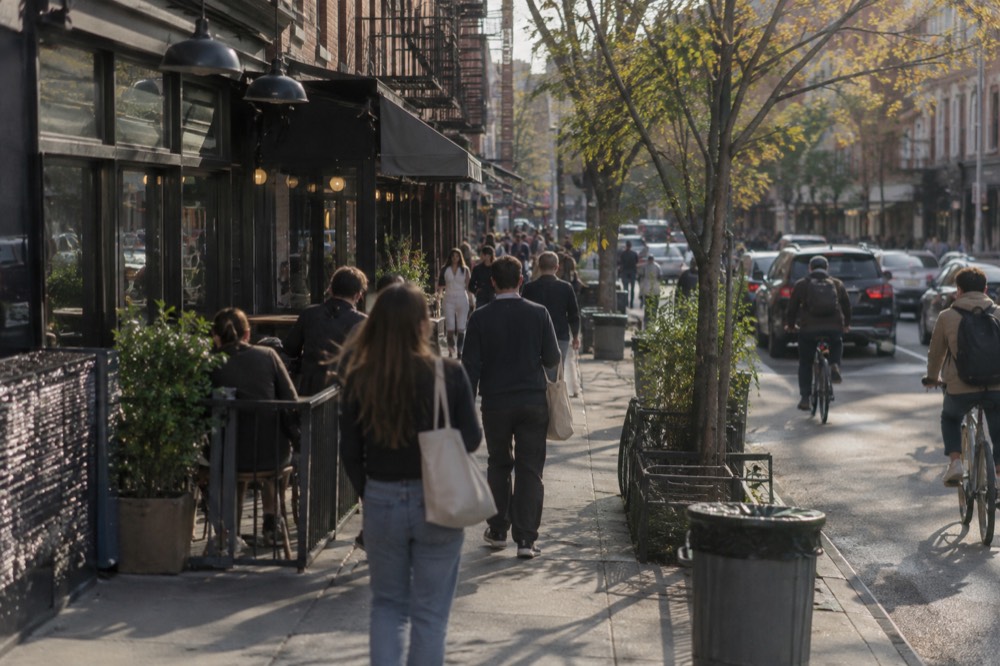
First-time visitors should prioritize five areas: Brooklyn Heights and Dumbo for the classic skyline views, Williamsburg for food and shopping, Park Slope and Prospect Park for green space and family pace, Downtown Brooklyn for the Barclays Center and transit hub, and Coney Island for the boardwalk and beach. Green-Wood Cemetery, Sunset Park and Bushwick reward second visits but should not crowd out the first five.
The table below is the honest triage. Distances are walking-time feel, not straight-line miles, and the subway column is the line you will most likely use from Manhattan.
| Neighborhood | What it is best for | Subway from Manhattan | Realistic time needed |
|---|---|---|---|
| Brooklyn Heights / Dumbo | Skyline views, the bridge, brownstones | 2, 3 to Clark St; A, C to High St | Half day |
| Williamsburg | Food, vintage shops, nightlife | L to Bedford Av | Half day to evening |
| Park Slope / Prospect Park | Park, zoo, family pace | B, Q to 7 Av; 2, 3 to Grand Army Plaza | Half day |
| Downtown Brooklyn | Barclays Center, shopping, transit hub | Many lines to Borough Hall / Atlantic Av | 2-3 hours, or an evening |
| Coney Island | Boardwalk, beach, amusement rides | D, F, N, Q to Coney Island-Stillwell Av | Full half day |
| Bushwick | Street murals, breweries | L to Morgan Av | Half day |
Two of these deserve their own deep dives: our Williamsburg guide covers the neighborhood block by block, and the Dumbo guide does the same for the waterfront.
What Are the Best Free Things to Do in Brooklyn?
Brooklyn's best free attractions are the Brooklyn Bridge promenade, the Brooklyn Heights Promenade, Prospect Park, the Brooklyn Botanic Garden's free winter weekdays, the Coney Island boardwalk itself, and the free tip-based walking tours on GuruWalk that cover the bridge, Heights, Dumbo and Williamsburg. A visitor on a tight budget can fill two full Brooklyn days without buying a single attraction ticket.
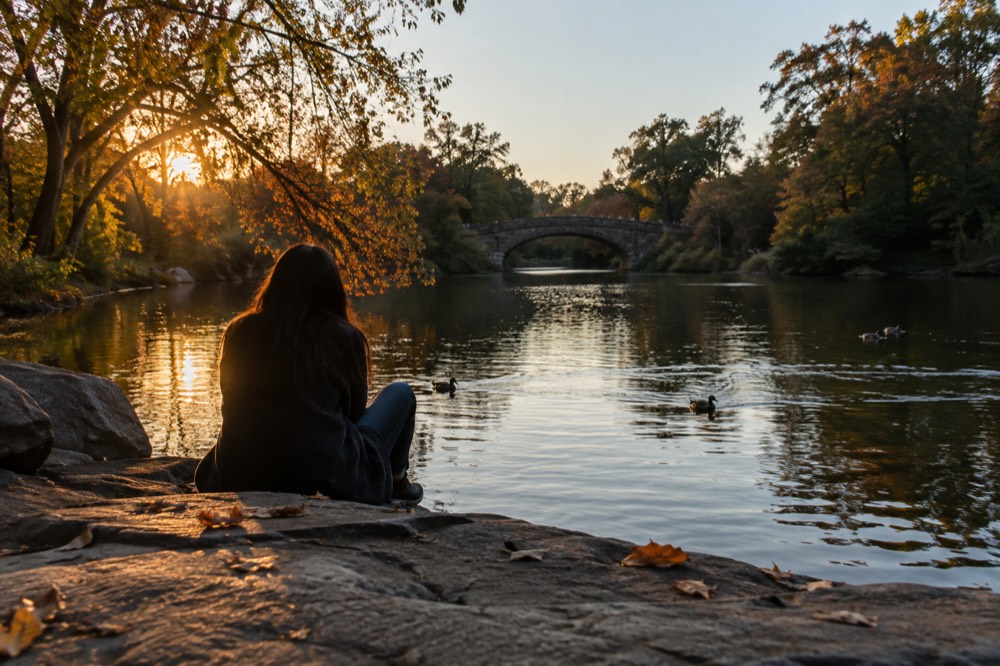
The bridge walk costs nothing and is the borough's single greatest free experience. Prospect Park, designed by the same landscape architects as Central Park, is 90 acres larger than its Manhattan cousin and, in the honest view of many New Yorkers, the better park: the Long Meadow is a continuous unbroken lawn, rare in this city, and the Ravine in the north end feels like upstate forest dropped into Flatbush. The rest of the planning pages sit on New York City Travel Guide.
The Brooklyn Botanic Garden, adjacent to Prospect Park, runs free admission on weekdays from December through February, and the Brooklyn Museum, next door, is one of the largest museums in the country with a pay-what-you-wish structure for its general galleries, though you should check its current policy before counting on it. The Coney Island boardwalk is free to walk year-round; the rides and the aquarium are what cost money.
For structure without a price tag, the free walks are the honest pick. Both the bridge-and-Dumbo walk and the Williamsburg walk run on tips, so a tight budget pays what it can.
| Free walking tour on GuruWalk | Operator | Duration | Rating | Reviews |
|---|---|---|---|---|
| The Brooklyn Bridge, Brooklyn Heights, Dumbo Tour | CityShuffles | 3 hours | 4.98 | 615 |
| Walking Tour of Contrast, Williamsburg / Jewish Quarter | FRACTAL TRAVEL | 2h 45m | 4.44 | 298 |
| The Brooklyn Bridge Sunset Tour | CityShuffles | 3 hours | 4.96 | 81 |
How Do You Get Around Brooklyn Without a Car?
You do not need a car in Brooklyn, and renting one for the city is a mistake: the subway, a single $3.00 tap per ride, reaches every neighborhood in this guide, and the $35 weekly OMNY cap applies automatically when you tap the same card or device. Driving means bridge tolls, scarce parking and traffic that erases the point of a day out.
The fare system changed recently, and older guides are wrong about it. The MetroCard is retired: as of 1 January 2026 the MTA no longer sells or refills it, and the 7-day unlimited pass no longer exists. The replacement is OMNY, the tap-to-pay system that takes any contactless credit card, debit card, mobile wallet or the OMNY card itself. Tap the same card or device every time, and after $35 of subway and local bus rides in a rolling seven-day window, the rest of that week is free. The MTA explains the cap on its official OMNY page.
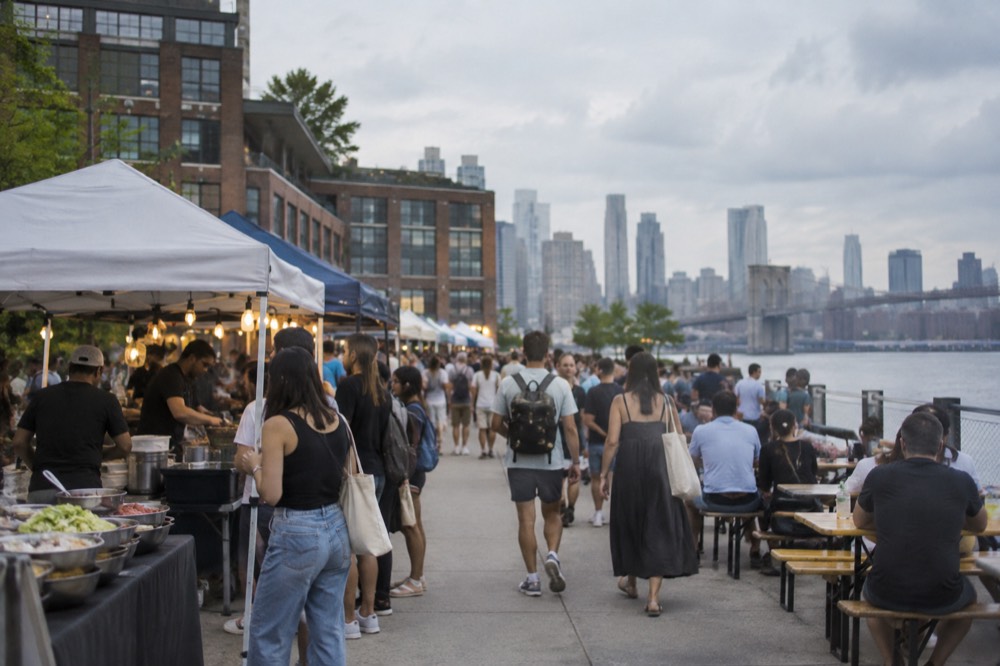
The lines that matter for visitors: the 2 and 3 run down the borough's western edge to Borough Hall and Atlantic Av; the A and C serve High Street for the Heights; the L crosses from Manhattan's 14th Street straight into Williamsburg; the G is the odd one, a crosstown line that never enters Manhattan, connecting Williamsburg, Fort Greene, Park Slope and Greenpoint to each other; and the D, F, N and Q run the long hauls to Coney Island.
| Going to | From Manhattan | Lines | Rough ride from Midtown |
|---|---|---|---|
| Brooklyn Heights / Dumbo | Financial District side | 2, 3, A, C | 15-20 min |
| Williamsburg | 14th St side | L | 10-15 min |
| Park Slope / Prospect Park | Midtown or Downtown | B, Q, 2, 3 | 25-35 min |
| Downtown Brooklyn / Barclays | Multiple | 2, 3, 4, 5, B, Q | 20-25 min |
| Coney Island | Anywhere | D, F, N, Q | 45-60 min |
Is Coney Island Worth the Trip, and When Should You Go?
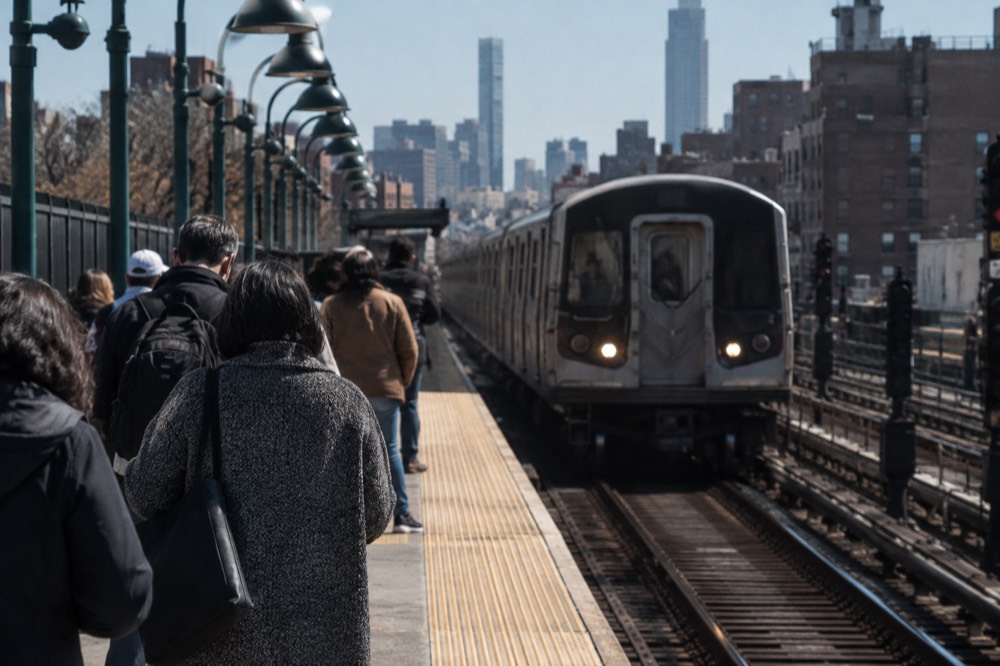
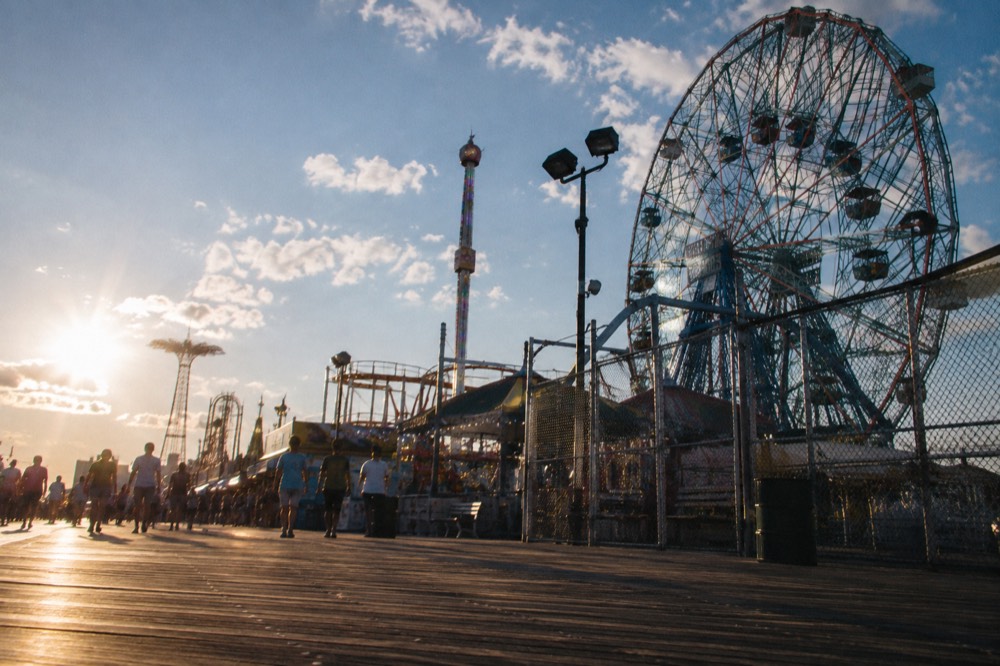
Coney Island is worth the trip if you want the full boardwalk-and-rollercoaster version of New York that most visitors never see, and it is a 45-to-60-minute subway ride from Midtown on the D, F, N or Q. Summer weekends bring the crowds and the full carnival energy; the off-season boardwalk walk, with the ocean and the closed rides, is a quieter, stranger and equally legitimate experience.
The amusement area, Luna Park, runs seasonally, with the rides typically open from around Easter through late October and weekends-only in the shoulder months. The beach is free, the boardwalk is free, and Nathan's Famous hot dogs have been on the corner of Surf and Stillwell since long before the subway reached the neighborhood. The New York Aquarium sits at the boardwalk's western end.
The honest timing advice: go on a summer weekday if you can. Summer weekends pack the beach and the rides, and the Stillwell Avenue station, the largest above-ground terminal in the system, fills accordingly. Our Coney Island guide covers the seasonal calendar, the rides and the aquarium in detail, and it is the page to check before you commit to the long ride out.
Where Do Locals Spend an Evening in Brooklyn?
Locals spend Brooklyn evenings at the Barclays Center for a Nets game, in the music venues and bars of Williamsburg and Bushwick, at the restaurants of Fort Greene and Cobble Hill, and on the summer movie nights and concerts in Prospect Park and Brooklyn Bridge Park. The borough's nightlife is less about a single strip and more about choosing a neighborhood and staying in it, since the distances between scenes are real.
The Barclays Center is the borough's biggest single evening out. It sits directly above the Atlantic Av-Barclays subway complex, where nine lines converge, which makes it one of the easiest major arenas to reach in the country. A Brooklyn Nets ticket is rated 4.7 across 2,506 reviews, and the price varies widely by opponent and seat tier, so the live booking page is the honest source for the matchup you want.
Williamsburg's venue strip along and around Bedford Avenue carries the music weight: the neighborhood's clubs and record stores built its reputation, and the rooftop bars along the waterfront carry the summer. Bushwick, one L-train stop further, is the murals-and-breweries district, louder and younger. Fort Greene, near the arena, is the dinner-and-a-show neighborhood, with a deep bench of restaurants within walking distance of the Barclays Center.
In summer, Brooklyn Bridge Park's piers run free movies and performances against the skyline, and Prospect Park Bandshell hosts its long-running concert series. Both are the kind of evenings that cost nothing and feel like the actual city rather than a tour of it.
What Does a Perfect Day in Brooklyn Look Like?
A perfect first day in Brooklyn starts with an early walk over the bridge from Manhattan, drops into Dumbo for the Washington Street photo and a coffee, climbs to the Brooklyn Heights Promenade, then takes the L or a short ride to Williamsburg for lunch, vintage browsing and the Domino Park waterfront, and finishes with dinner in Fort Greene before an event at Barclays Center. That single day covers the bridge, two waterfronts and three neighborhoods without rushing.
The sequencing matters more than the list. The bridge walk is best before 10am, both for the light and for the crowd levels. Dumbo and the Heights fill late morning. Williamsburg is a natural afternoon, since its shops and markets hit their stride after noon, and the L train from Borough Hall or a short 2/3-and-L transfer makes the hop painless. Fort Greene for dinner keeps you near the arena if there is a game, or near the trains back to Manhattan if there is not.
| Time | Stop | Why |
|---|---|---|
| 8:30-9:30am | Brooklyn Bridge walk | Light, thin crowds, skyline ahead of you |
| 9:30-11:00am | Dumbo | Washington Street photo, waterfront park, coffee |
| 11:00am-12:30pm | Brooklyn Heights | Promenade view, brownstone lanes |
| 12:30-4:00pm | Williamsburg | Lunch, shops, Domino Park |
| 4:00-6:00pm | Prospect Park or Brooklyn Museum | Green space or galleries, your pick |
| Evening | Fort Greene dinner, Barclays Center | Dinner near the arena, then the game or concert |
A second day swaps the inland neighborhoods for the long ride to Coney Island, or goes deeper on the cultural stops: the Brooklyn Museum, the Botanic Garden and Green-Wood Cemetery, the sprawling Victorian landscape cemetery that is one of the borough's most underrated walks.
Common Questions About Things to Do in Brooklyn
Brooklyn deserves at least one full day of any New York trip, the bridge-and-Dumbo walk is the essential morning, Williamsburg is the essential afternoon, and the subway's $35 weekly OMNY cap makes moving between them cheap. The questions below cover the details travelers ask most: safety, the best month, whether the borough suits kids, and whether a Nets game is worth the evening.
Is Brooklyn safe for tourists?
Yes, in the same way New York City generally is: the neighborhoods visitors actually visit, including Brooklyn Heights, Dumbo, Williamsburg, Park Slope and the Coney Island boardwalk, are busy, policed and walkable. Use the same street sense you would in any large city, and treat no neighborhood as either dangerous or risk-free as a blanket statement. Our is NYC safe guide covers the specifics.
How many days should you spend in Brooklyn?
One full day for the bridge, Dumbo, the Heights and Williamsburg. Two days if you want Coney Island or the museum-and-park cluster around Prospect Park. Three or more days in the city overall, and Brooklyn can take two of them without repeating anything.
What is the best month to visit Brooklyn?
May through October for the parks, the boardwalk and the outdoor markets, with September the strongest single month: warm water at Coney Island, thinner crowds than July, and the bridge walk at its best. December brings the Dyker Heights Christmas lights, a genuinely extravagant residential display in southern Brooklyn that draws tour buses.
Is Brooklyn good for kids?
Very. Prospect Park has a zoo and a carousel, Coney Island has Luna Park and the beach, the Brooklyn Children's Museum is the oldest of its kind in the world, and the bridge walk itself is a thrill for most children. Our NYC with kids guide has the full family itinerary.
Do you need a tour guide for Brooklyn?
Not for the bridge-and-Dumbo walk, which is easy to self-navigate with a map. A guide adds real value in Williamsburg, where the Hasidic quarter's context is easy to misread alone, and in Harlem-style historic districts where the stories carry the blocks. The free tip-based walks on GuruWalk cover both, and the paid Brooklyn Bridge and Dumbo walking tour runs from $49 if you prefer a fixed price.
Is a Brooklyn Nets game worth going to?
For a local-flavor evening, yes: Barclays Center is one of the easiest arenas to reach by subway in the country, the crowd is a Brooklyn crowd rather than a tourist one, and the tickets sit well below Broadway prices for most matchups. Pick your matchup with care, since opponents and seat tiers move the price a lot.
The borough rewards the traveler who treats it as a destination rather than a detour. Cross the bridge early, pick one inland neighborhood and go deep instead of three and go shallow, and let the subway, not a car, do the connecting. That is the whole strategy, and it has not changed in a century.