Is It Better to Stay in Manhattan or Times Square for a New York Trip?
A direct, sourced answer to whether it is better to stay in Manhattan or Times Square, with transit costs, noise trade-offs and neighborhood picks.
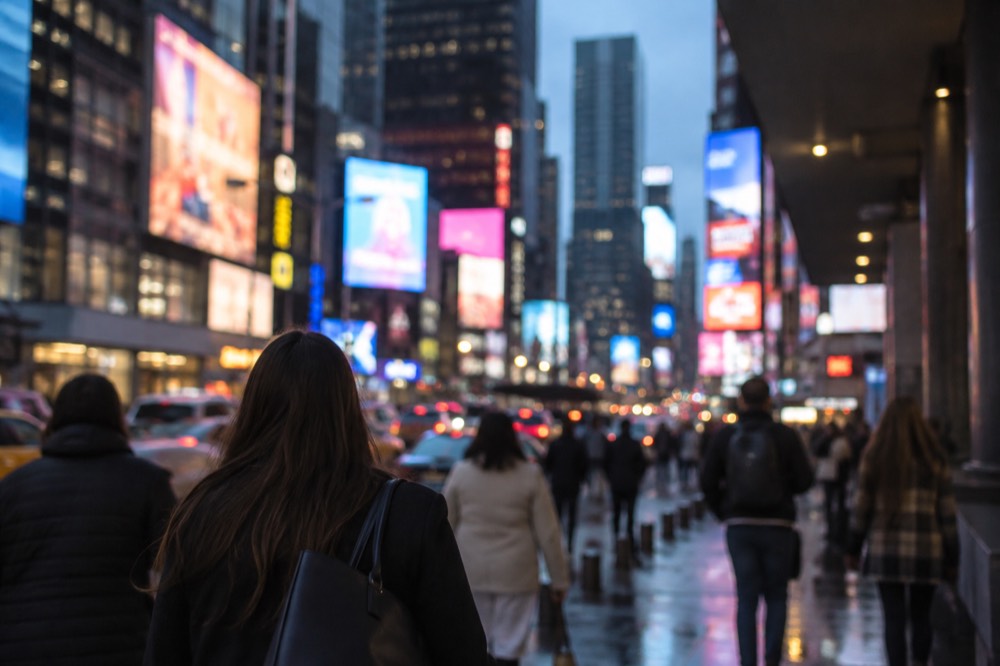
Times Sq-42 St was the busiest subway station complex in New York in 2025 by a wide margin: 61,203,303 riders against Grand Central's 35,764,931, a gap of 71 percent. That single figure explains most of what follows. The blocks around Times Square are where the city funnels its maximum number of people through the minimum amount of sidewalk, every day of the year, and the hotels sitting on top of that funnel charge a premium for the privilege.
The question itself contains a trap, though. Times Square is in Manhattan. It is a roughly ten-block patch of Midtown, not a separate city. So the honest version of the question is: should you sleep in the loudest corner of Midtown, or in one of Manhattan's other neighborhoods, or accept that the best answer might send you outside the island entirely. This page answers it directly, with the transit numbers and the trade-offs laid out.
Is It Better to Stay in Manhattan or Times Square?
For most visitors, staying in Manhattan but outside the Times Square blocks is the better choice. Times Square is a place to visit for an hour, not a place to sleep: the hotels cost more, the rooms run smaller, the noise is constant, and the food within a two-block radius is priced for a captive audience. Every Manhattan neighborhood with a subway station puts you within twenty minutes of it anyway.
The case for Times Square collapses quickly once you check the map. The things people book hotel proximity for, Broadway theaters, Rockefeller Center, the Empire State Building, sit within a fifteen-minute walk of each other, and the subway connects all of it regardless of where your bed is. A hotel in the Upper West Side, Murray Hill or the Financial District reaches Times Square on a single train ride. What you lose by not sleeping there is the ability to walk home in five minutes, and what you gain is quiet, space, better food and usually a lower rate.
The case for Times Square is real but narrow. If your trip is one or two nights, you have theater tickets, and you want zero transit logistics, the theater blocks are defensible. If you are traveling with small children who want to see the lights, or you have mobility constraints that make a single walkable hub valuable, the premium buys something tangible. For everyone else, the premium buys a view of a Walgreens sign.
What Staying in Times Square Actually Gets You
Staying in Times Square buys walkability to Broadway theaters, Rockefeller Center, MoMA and the observation decks, plus a dense concentration of subway lines under a single intersection. What it costs you is sleep quality, room size and honest food. The 1, 2, 3, 7, A, C, E, N, Q, R and W trains all serve the Times Sq-42 St complex, so the transit access is genuinely the best on the island.
That density of trains cuts both ways, and it is worth dwelling on. The station funneling 61 million riders a year is the reason the neighborhood is easy to reach and the reason the sidewalks are unbearable. You step out of your hotel into a crowd that never thins. On a weekday evening the pedestrian plazas between 42nd Street and 47th Street are shoulder-to-shoulder; at 2am the billboards keep the sky lit and the street busy. Hotel rooms facing the plazas are loud, and interior rooms, the quiet ones, often have no window worth mentioning.
The food problem is structural, not a matter of finding hidden gems. Restaurants inside the tourist core pay some of the highest commercial rents in the country, and the menu prices reflect it. Walk five blocks west to Hell's Kitchen, or south to Koreatown, and the same money buys a better meal. This is not a secret; it is just a walk most tired visitors do not make after a show, which is exactly what the core's restaurants count on.
If you do stay in the theater blocks, one genuinely good use of an evening hour is a guided orientation walk. The free Times Square, Grand Central, Rockefeller tour on GuruWalk, run by CityShuffles, links the billboards with Grand Central's concourse and celestial ceiling in about two hours, and you pay the guide what you think the walk was worth. One honesty note: CityShuffles runs six of the ten free New York walks listed on GuruWalk, so the free-walk scene here is narrower than the platform's listing page suggests.
What Staying Elsewhere in Manhattan Gets You
Staying outside the Theater District gets you a real neighborhood instead of a corridor: quieter nights, larger rooms at the same or lower rates, restaurants that rely on repeat customers, and subway rides of ten to twenty minutes to reach Times Square when you want it. Manhattan's residential districts all sit on express or frequent local lines, so the island stays fully accessible without sleeping at its noisiest intersection.
The Upper West Side is the classic answer for first-timers who want Central Park at their doorstep and a neighborhood feel, with the 1, 2 and 3 trains running express down the west side. The Financial District is the value play: hotel rates there often undercut Midtown for comparable rooms, the 4 and 5 trains reach Midtown in under twenty minutes, and weekends are quiet because the office crowd leaves. Murray Hill and Koreatown sit close enough to walk to the theaters while escaping the worst of the plaza crush.
The east side of the island deserves more attention than it gets. The 4, 5, 6 trains along Lexington Avenue and the F, Q along Second Avenue serve the Upper East Side and Gramercy quickly, and those neighborhoods have the restaurant density that the theater core lacks. Where exactly to base yourself is a bigger question than this page can settle alone, and our where to stay in New York guide breaks Manhattan and the outer boroughs down neighborhood by neighborhood.
The counterargument is honest and should be stated plainly: transferring between lines with luggage is a real cost, and a hotel ten minutes from your show means leaving earlier and returning later. If your trip is short and theater-heavy, that friction adds up. On any trip longer than two nights, it does not.
How the Subway Changes the Math
A single subway ride costs $3.00, and the OMNY system caps your weekly spending at $35 automatically, with no pass to buy, as long as you tap the same card or device every time. That cap is the number that settles the location question: once you have paid $35 in a seven-day window, every further subway and local bus ride is free. At that point the distance between your hotel and Times Square costs you nothing but minutes.
The MetroCard era is over, and a lot of competing guides have not noticed. As of 1 January 2026 the MTA no longer sells or refills MetroCards at all, and the old 7-day unlimited pass it was famous for does not exist any more. The replacement is automatic: tap a contactless card, phone or OMNY card at the turnstile, and the system stops charging you after $35 in a rolling seven-day window that starts with your first tap. There is nothing to purchase in advance and no decision to make at a machine. More of these guides are collected on New York City Travel Guide.
Two details trip people up. First, the cap only works if you tap the same physical card or the same device every ride; mixing your phone and the plastic card in your pocket breaks the cap silently. Second, each traveler needs their own card or device, since group taps do not pool toward one cap. Children up to 44 inches tall ride free with a fare-paying adult, up to three per adult.
| Trip | Cost | Notes |
|---|---|---|
| Single subway or local bus ride | $3.00 | Free transfer between subway and bus within 2 hours |
| Weekly OMNY cap | $35 | Automatic, rolling 7 days, same card or device required |
| Express bus ride | $7.25 | Separate, higher cap ($67) if you ride these |
| Reduced fare (seniors 65+, eligible disabled) | $1.50 | At all times of day |
| Children under 44 inches | Free | Up to 3 per fare-paying adult |
One more transit fact worth knowing before you pick a hotel district: the subway recovered from the pandemic on weekends, not weekdays. Average weekend subway ridership in 2025 ran at 88 percent of 2019 levels while weekday ridership sat at 73 percent, and weekend bus ridership now actually exceeds weekday. The practical meaning for a visitor is that weekend trains run full and the old advice about empty weekend cars is out of date. Plan your show-night return accordingly.
Cost, Noise and Room Size Compared
Times Square hotels charge a location premium for smaller rooms: Midtown commercial rents push nightly rates up and square footage down, and rooms facing the pedestrian plazas contend with billboard light and street noise at all hours. Hotels ten to twenty minutes away typically deliver a larger room for the same money, with the trade-off being a subway ride to the theater blocks. Noise, not price, is the factor visitors most consistently underestimate.
We do not quote nightly hotel rates on this site, because they are date-specific and change constantly. What we can say is structural: the same chain often operates properties both inside the theater core and a few stops away, and the difference in room size between those two properties at similar prices is something you can verify yourself on any booking site in ten minutes. The pattern holds across the market, and it is the single fastest way to see the premium with your own eyes rather than taking a guide's word for it.
| Factor | Times Square / Theater District | Elsewhere in Manhattan |
|---|---|---|
| Nightly rate for comparable rooms | Premium | Same or lower |
| Room size at a given rate | Smaller | Larger |
| Noise at night | Constant, plaza-facing rooms worst | Varies by block, generally quieter |
| Food within 2 blocks | Priced for captive tourists | Mixed, often local-priced |
| Walk to Broadway theaters | 0-10 minutes | 10-25 minutes or one train ride |
| Subway lines at the doorstep | 10+ lines, one complex | 2-4 lines, depends on neighborhood |
| Evening atmosphere | Crowded until late | Neighborhood-dependent |
If you are stacking several paid attractions, a pass can shift the cost math in ways that have nothing to do with your hotel. The New York CityPASS bundles a choice of five attractions, including the Empire State Building, Top of the Rock and the official Statue of Liberty ferry, over nine consecutive days, and CityPASS's own published comparison puts the combined box-office value at $307.04 against the $149 adult pass price. That math only works if you use all five, and it is worth checking against your actual wishlist before buying.
Which Neighborhoods Work Best If You Skip Times Square
The strongest alternatives to the Theater District are the Upper West Side for families and park access, the Financial District for value and quiet weekends, Murray Hill or Koreatown for walkability without the plaza crush, and the Upper East Side for museums and residential calm.
Each sits on a subway line that reaches the theaters in under twenty minutes, which is the whole point: with the $35 weekly OMNY cap absorbing your transit costs, you give up only the five-minute walk home.
Pick by trip type. Families do well on the Upper West Side, near Central Park, the American Museum of Natural History and the 1, 2, 3 express trains. Theater-goers on a short trip should look at Murray Hill or Koreatown, which sit within walking distance of most houses while escaping the plaza crowds. Budget travelers and anyone who values sleep should check the Financial District, where weekend quiet and hotel value both run high. Museum-heavy itineraries pair naturally with the Upper East Side along Museum Mile.
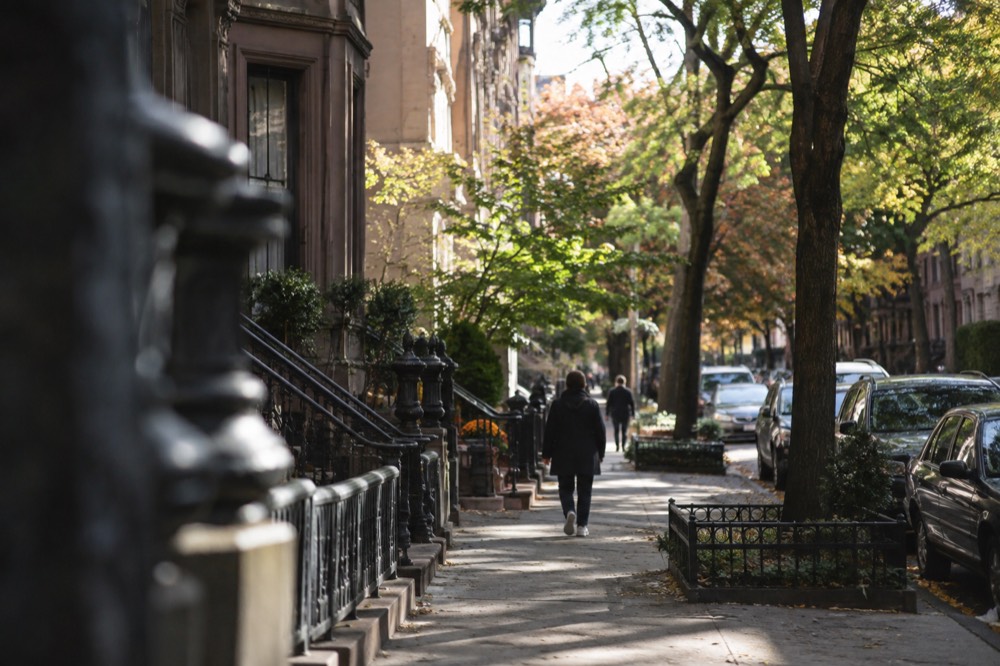
One caution that applies across all of this: Manhattan is not New York City, and the five-borough version of this question has a different answer. Brooklyn, particularly the neighborhoods around Downtown Brooklyn and Long Island City in Queens, often delivers more hotel room for less money, one stop outside Manhattan. If your budget is tight, treat the outer boroughs as a real option rather than a compromise. Our things to do in NYC guide covers the whole city, not just the island, and is worth a skim before you commit to a booking.
For a first visit, the honest summary from this desk, which has reported on the city but does not run hotels: sleep somewhere you can rest, and treat Times Square as a destination you visit, at night, once, when the billboards are doing their job. The Times Square guide covers when to go and what is worth your time there. The rest of the time, the island belongs to whoever is willing to ride ten minutes for a better dinner, and that ride is free once the fare cap kicks in.
Common Questions About Staying in Manhattan or Times Square
The short answers: Times Square is inside Manhattan, so the choice is really which part of the island. Most visitors sleep better and pay less outside the Theater District, reach everything by subway for no more than $35 a week under the OMNY cap, and lose nothing but a short walk. The exceptions are one-night theater trips, visitors with mobility constraints, and families who specifically want the lights on the doorstep.
The questions below cover the details people ask most.
Is it better to stay in Manhattan or Times Square?
Times Square is in Manhattan, so the real question is whether the Theater District is the right part of the island to sleep in. For most trips it is not: hotels there charge a premium for smaller, louder rooms, while neighborhoods like the Upper West Side, Murray Hill and the Financial District offer better value and reach the theaters by subway in under twenty minutes. Stay in Times Square only for a very short, theater-focused trip where walking home matters more than sleep quality.
Is Times Square too noisy to sleep in?
Often, yes. The pedestrian plazas stay busy late, and the billboards keep the sky lit all night, so plaza-facing rooms get both light and street noise at all hours. Interior rooms are quieter but frequently have minimal or no real window view. If you book there, request a high floor facing away from the plazas, and read recent reviews specifically mentioning noise.
How far is Times Square from other parts of Manhattan?
By subway, most of Manhattan is within twenty minutes: the Upper West Side is about ten minutes on the express 2 or 3, the Financial District about fifteen on the 1 or the R, and the Upper East Side about fifteen on the N, Q, R or W via the shuttle connection. Walking, Central Park's southern edge is roughly fifteen minutes and the Empire State Building about ten.
Is it cheaper to stay outside Times Square?
Generally yes. Midtown's theater-core commercial rents push both nightly rates and restaurant prices up, while comparable rooms in the Financial District or the Upper West Side often cost the same or less. Hotel rates are date-specific, so compare directly for your dates, but the structural premium in the theater core is consistent across the market.
Do I need a transit pass if I stay far from Times Square?
No, and you cannot buy the old one anyway. MetroCard sales ended on 1 January 2026. You tap a contactless card or phone with OMNY instead, and the system caps your charges at $35 per rolling seven-day period automatically, after which further subway and local bus rides are free. Use the same card or device every time, or the cap breaks silently.
Is it worth staying in Brooklyn or Queens instead?
For budget-focused travelers, often yes. Neighborhoods just across the river, such as Downtown Brooklyn and Long Island City, typically offer more room for the money and sit one subway stop from Manhattan. The trade-off is a longer ride to the theaters and fewer hotel options within walking distance of a given sight. Treat it as a real option, not a downgrade.