Times Square: What a Visit Actually Involves, from Costs to Timing
Times Square is free to walk through, reachable by more subway lines than any other station in New York, and at its best either early morning or after dark. Here is what a visit actually involves.
Short answer
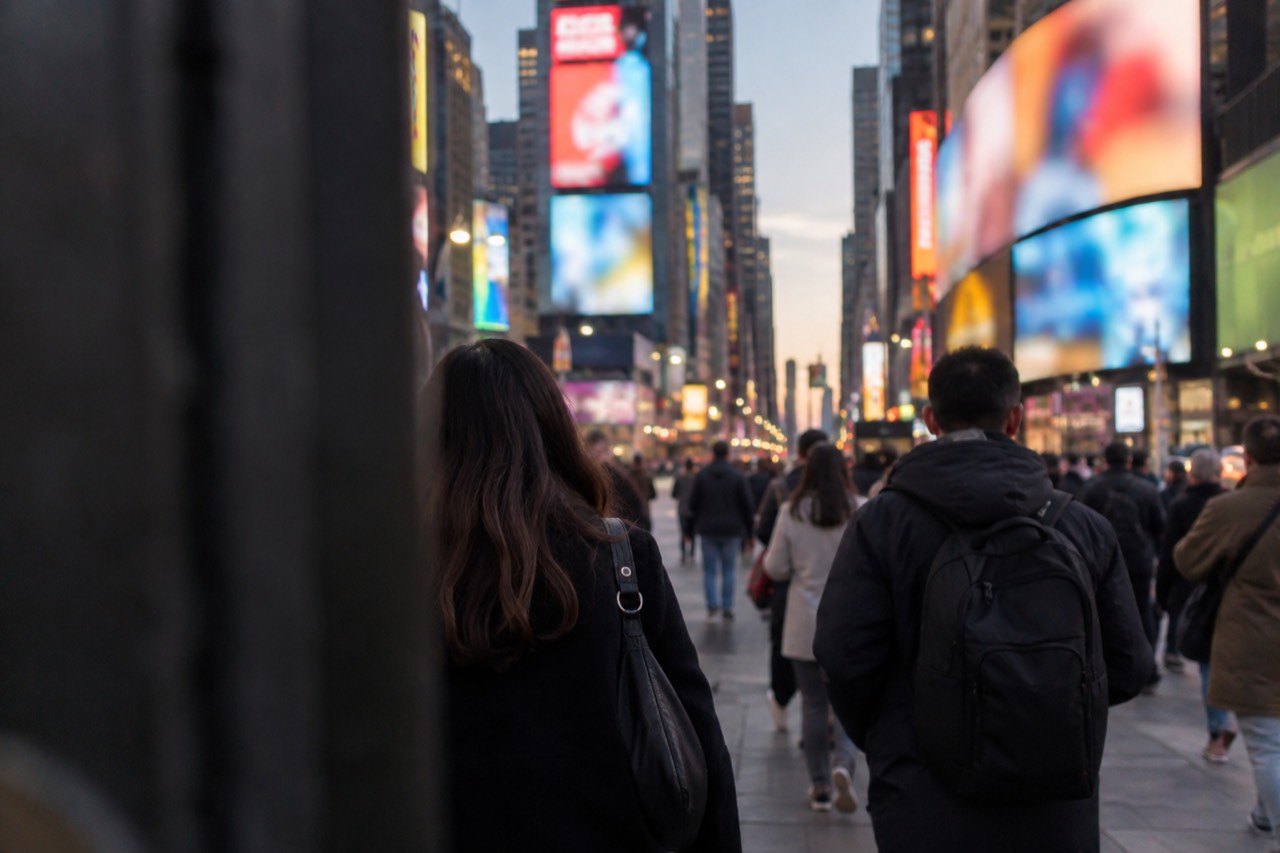
Times Square is a pedestrian plaza where Broadway crosses Seventh Avenue in Midtown Manhattan. It costs nothing to visit, the Times Sq-42 St station is served by more subway lines than anywhere else in the system, and the billboards are the attraction. Go early morning or after dark, expect dense crowds, and budget an hour unless you are pairing it with a show or a museum.
Times Square: What a Visit Actually Involves, from Costs to Timing
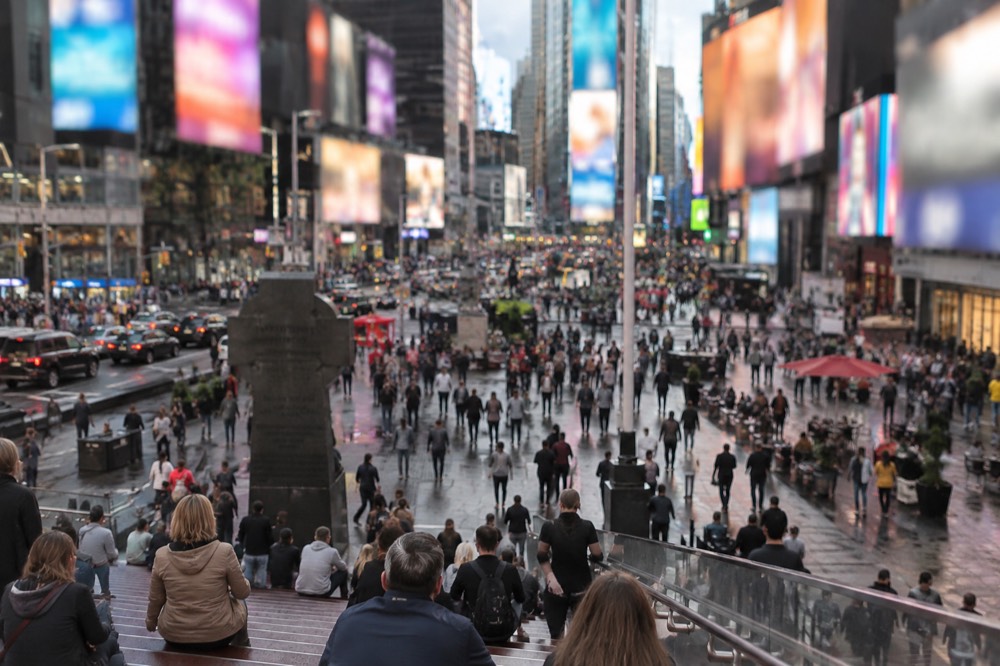
Roughly 61 million riders passed through the Times Sq-42 St subway complex in 2025, according to the MTA's own ridership data, which is 71% more than Grand Central and makes it the busiest station in the entire system. That single figure tells you most of what you need to know about visiting Times Square: you will not have it to yourself, you will not need a car, and the experience is defined less by any single attraction than by the plaza itself, the light, and the crowd.
This page covers the practical mechanics of a visit: how to get there, what it costs, when to go, what to actually do once you are standing in it, and an honest answer to the question every visitor eventually asks, which is whether the place is worth the hype. The short version: it is free, it is unavoidable, and it is better than its reputation if you time it right.
Where Is Times Square and How Do You Get There?
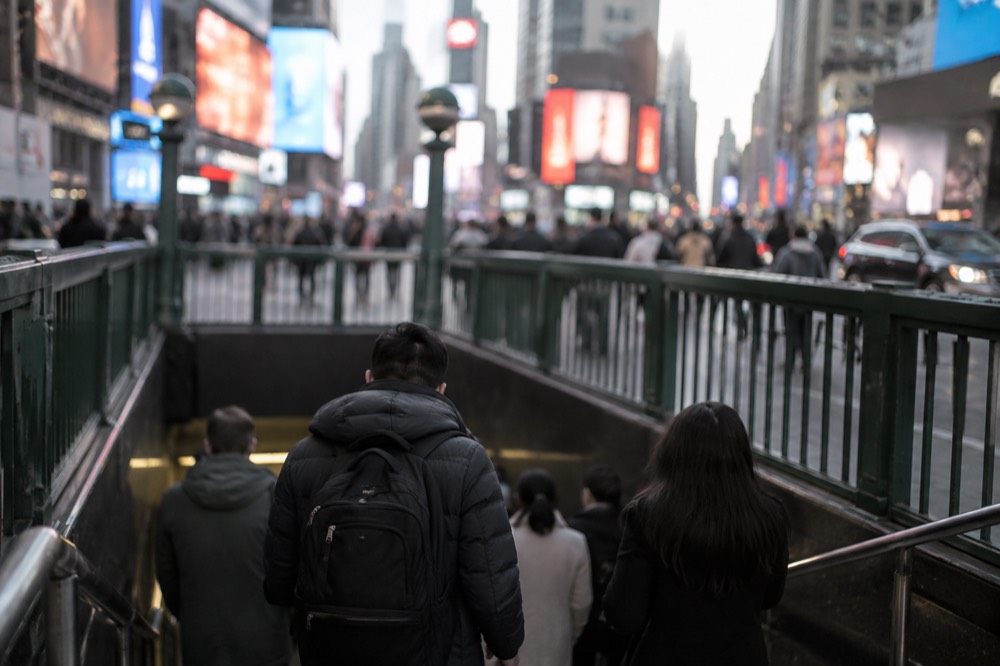
Times Square sits in Midtown Manhattan where Broadway crosses Seventh Avenue, forming the bowtie-shaped pedestrian plaza between 42nd and 47th Streets. The Times Sq-42 St subway station is served by twelve lines, more than any other station in New York, and the plaza itself is a car-free pedestrian zone, so you arrive on foot, by subway, or by bus. The A, C and E trains stop one block west at 42 St-Port Authority.
The geography matters more than it sounds. Broadway cuts diagonally across Manhattan's otherwise regular street grid, and where it slices through Seventh Avenue it creates the triangular plazas that give the square its distinctive shape. Broadway theaters cluster along the side streets running west toward Eighth Avenue and north toward 47th Street. Rockefeller Center is a ten-minute walk east, Central Park begins about fifteen blocks north, and the Hudson Yards decks sit a similar distance southwest. Whatever you do, you do not drive into the plaza itself: it has been closed to cars for well over a decade, and the streets feeding it are among the most congested in Midtown.
| Line | Direction from Times Sq-42 St | Useful for visitors heading to |
|---|---|---|
| 1, 2, 3 | Uptown and downtown | Upper West Side, Central Park west side, 72nd Street |
| 7 | Uptown and downtown | Hudson Yards west, Grand Central east, Queens |
| N, Q, R, W | Uptown and downtown | Fifth Avenue at 59th Street, Coney Island via the N or Q |
| A, C, E | From 42 St-Port Authority, one block west | High Line, SoHo, JFK via the A to Howard Beach |
| S (shuttle) | East only | Grand Central Terminal, one stop |
One transit fact that catches out returning visitors: the MetroCard is retired. As of 1 January 2026 the MTA no longer sells or refills MetroCards at all, and the old 7-day unlimited pass no longer exists. You tap in with a contactless credit or debit card, a mobile wallet, or an OMNY Card. A single subway ride costs $3.00, and once you have spent $35 on subway and local bus rides within a rolling seven-day window on the same card or device, the rest of that period is free. There is no pass to buy and nothing to decide in advance; the cap applies automatically.
If you are building a wider itinerary, our things to do in New York planner covers how the square fits into a first visit, and this site, New York City Travel Guide, breaks the city down borough by borough rather than treating Manhattan as the whole of it.
Is Times Square Free to Visit?
Walking through Times Square costs nothing. The plaza is a public pedestrian space with no gate, no ticket and no opening hours, and the billboards are the attraction, so the core experience is genuinely free. You only start paying when you add things: a Broadway show, a museum visit, a guided tour, or food in one of the surrounding blocks, all of which are priced separately and none of which are required to enjoy the square itself.
The honest framing is that Times Square is one of the few headline New York experiences with no entry cost at all. You are not paying for a view from a deck or admission to a museum. You are standing in a public space that happens to be one of the most photographed places on earth. What you spend is entirely a function of what you bolt on.
| What | Typical cost | Notes |
|---|---|---|
| Walking the plaza | Free | No ticket, no hours, open around the clock |
| Subway ride there | $3.00 | Tap contactless; $35 weekly cap applies automatically |
| Broadway ticket at full price | Varies by show and seat | Check the show's own box office or ticketing site |
| Broadway ticket at TKTS | Up to 50% off, plus an $8 per-ticket fee | Same-day performances and next-day matinees only |
| Broadway digital lottery win | Roughly $30-$50 | Varies by show; Broadway Direct and Lucky Seat are the main platforms |
| Museum of Broadway | Ticketed, timed entry | Self-paced; book a slot that suits your day |
| Guided walking tour | Free, tip-based on GuruWalk | You pay the guide what you choose at the end |
Two of those rows deserve a warning. First, TKTS: the discount booth operates from Times Square itself, at Duffy Square on West 47th Street between Broadway and Seventh Avenue, plus a second booth at Lincoln Center. There is no downtown or Brooklyn booth currently operating, despite what older guides say, and hours vary by day, so check tdf.org rather than trusting a printed timetable. Second, lotteries: winning prices vary widely by show, and rush and standing-room policies are set per production, not standardized across Broadway.
If your visit involves stacking several paid attractions, a pass can change the arithmetic. New York CityPASS, for example, bundles your choice of five attractions from a menu of eleven for $149 adult, valid over nine consecutive days, and it pays off only if you genuinely use all five tickets. It is worth comparing against single tickets before committing.
When Is the Best Time to Visit Times Square?
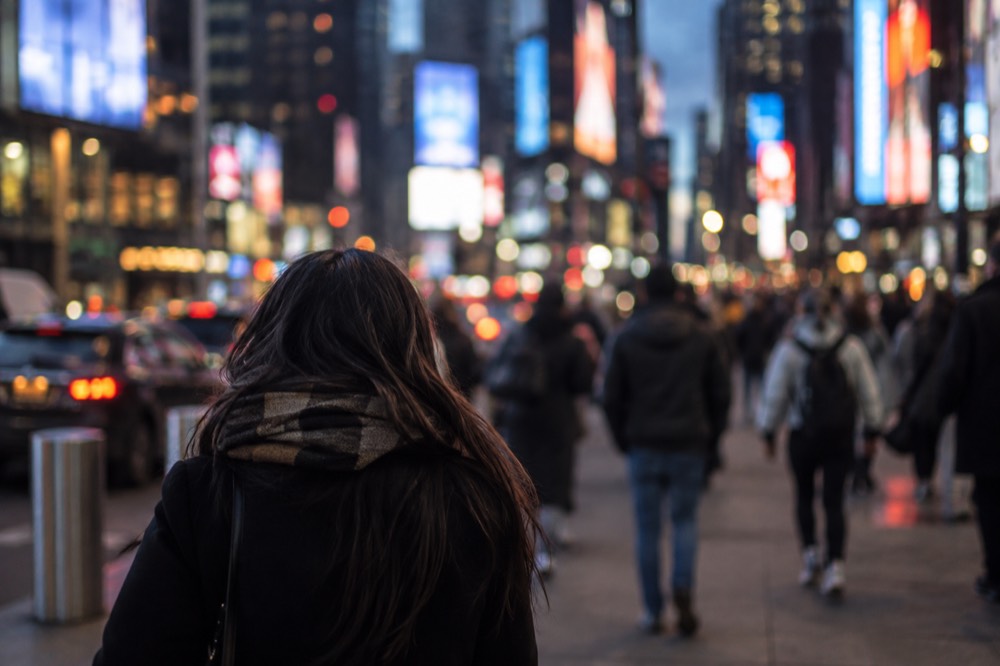
Early morning, roughly 7am to 9am, gives you the plaza with the fewest people and the billboards still running at full brightness. After dark, from about 8pm onward, is when the square looks the way the photographs promise, because the light from the screens does the work that sunshine cannot. Midday is the worst slot: the crowds peak, the light flattens the billboards, and there is no shade anywhere in the plaza.
The billboards run constantly, day and night, which means the classic argument between daytime and nighttime visits comes down to two things: crowd density and light. In daylight the screens look like large televisions. After dark they become the plaza's only illumination, and the whole bowl of buildings glows. Most of the square's character lives in that evening version.
| Time of day | Crowds | Billboard impact | Verdict |
|---|---|---|---|
| 7-9am | Lowest of the day | Full brightness, easy to photograph | Best for photos and quiet |
| 9am-noon | Building fast | Screens visible but flat | Acceptable, nothing special |
| Noon-6pm | Peak density | Washed out by daylight | Worst window |
| 6-8pm | Heavy, show traffic building | Transition to glow | Busy but atmospheric |
| 8pm-midnight | Heavy but spread out | Full effect, the postcard version | Best for the experience itself |
One planning note that surprises people: New York's weather data undercuts the summer-booking instinct. July is actually the wettest month in Central Park, averaging 4.60 inches of precipitation against June's 4.54 and August's 4.56, per the official NOAA 1991-2020 normals. And February out-snows January, 10.1 inches to 8.8. Since Times Square is an entirely outdoor experience with no cover in the plaza itself, that matters more here than at a museum-heavy stop. Our month-by-month New York weather guide has the full table if you are choosing travel dates around it.
What Can You Actually Do in Times Square?
Beyond standing in the plaza, the real activities are Broadway shows, the TKTS discount booth, the Museum of Broadway, a free tip-based walking tour, and the observation decks a short walk away. The square functions as a theater district hub more than a destination with a fixed itinerary, so most visitors spend under an hour in the plaza itself and put the rest of their time into a show, a tour, or a deck.
The theater district is the square's reason for existing as a visitor magnet. The playhouses cluster along West 45th and 46th Streets and the blocks around them, and the TKTS booth at Duffy Square sells discounted same-day seats, which turns a Times Square visit into a full evening if you let it. If you are working out how to see a show without paying full price, our cheap Broadway tickets guide walks through TKTS, lotteries and rush policies in detail.
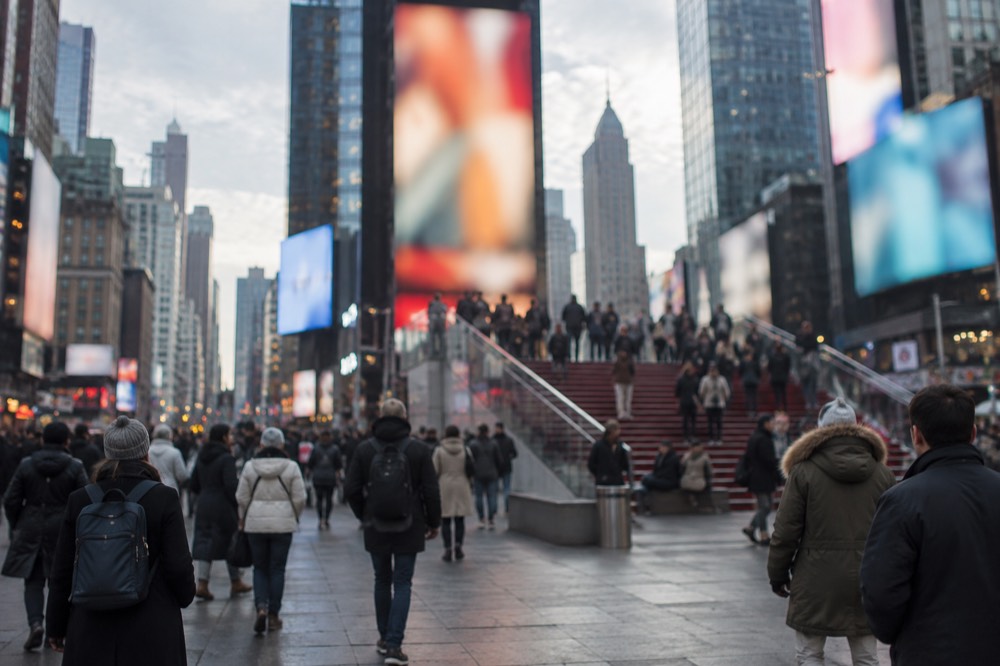
For the square itself, a guide adds more than you might expect, because the stories are the substance. A free, tip-based walk on GuruWalk covers Times Square, Grand Central and Rockefeller Center in one two-hour route, ending with you deciding what the guide earned. Six of the ten free GuruWalk walks in New York belong to a single operator, CityShuffles, so the choice of free-walk operators here is narrower than the platform's listings page suggests, which is worth knowing before you book.
The Museum of Broadway, a self-paced museum on West 45th Street devoted to the street's theatrical history, sits inside the district itself, and it rewards anyone with a spare hour or two between a matinee and dinner. It is timed entry, so book a slot. Comedy is the other evening option: the Theater District has stand-up rooms with rotating bills of working New York comics, cheap by Broadway standards, though lineups change nightly and two-drink minimums are common at clubs like these.
For the view version of the square, the observation decks cluster nearby. SUMMIT One Vanderbilt sits next to Grand Central, roughly a ten-minute walk east, and its mirrored rooms and glass ledges make it the most theatrical of the Midtown decks. Adult admission starts from $44 with a $3 online processing fee per order, and it runs daily from 8am to midnight. The full deck-by-deck comparison, including which ones put the square itself in your frame, is in our NYC observation decks guide.
If the walking tour sounds like your speed but you would rather have the details and current departure times in front of you first, the listing shows upcoming dates, meeting points and languages before you reserve anything. Booking ahead costs nothing and holds your spot, since the free walks cap group sizes.
Is Times Square Worth Visiting or a Tourist Trap?
Yes, it is worth visiting, with conditions. The plaza is free, unlike anywhere else in New York, and the concentration of light and crowd has no real equivalent in any other city. It is loud, crowded, lined with chain restaurants, and full of costumed characters and ticket sellers. The visitors who enjoy it go with calibrated expectations, spend an hour rather than an afternoon, and treat it as a pass-through on the way to something else.
The trap version of Times Square is the one where you arrive at 2pm with no plan, eat at a national chain because it is right there, and leave having spent $80 on lunch and a novelty photo. The worthwhile version is the one where you walk through at night after a show, look up for twenty minutes, and keep moving. The costumed characters and ticket sellers deserve the specific warning: they can turn a short walk across the plaza into a gauntlet of tipping requests and pitch interruptions if you engage with every one of them. Same place, completely different experience depending on how you handle it.
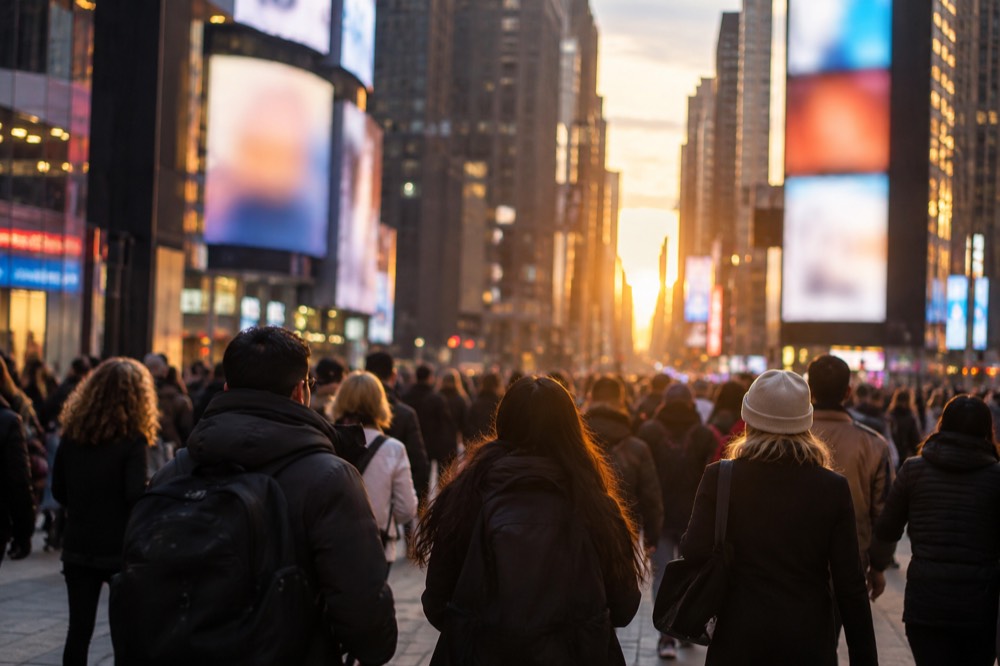
A few practical cautions, stated plainly. The costumed characters in the plaza work for tips, and some are aggressive about collecting them; agree a price before any photo or decline politely. Ticket sellers offering show seats or comedy club entry on the street are best skipped in favor of the box office or the discount booth. And pickpocketing risk in a crowd this dense is real, so a crossbody bag in front of you beats a backpack behind you. None of this makes the area unsafe; it makes it a place where ordinary crowd-safety habits matter.
Where to Eat Near Times Square
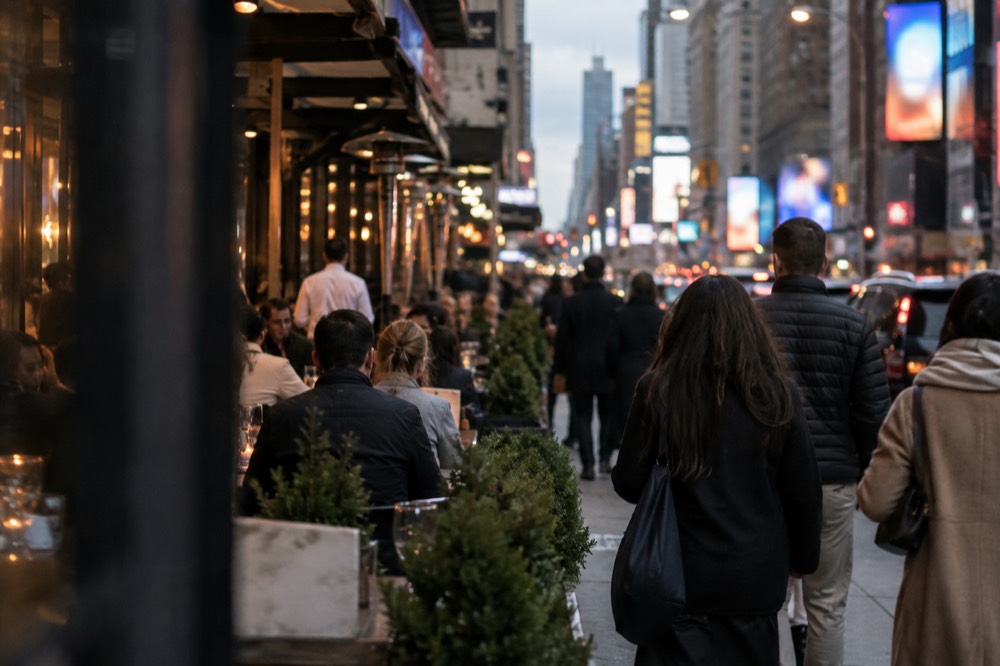
The blocks immediately facing the plaza are dominated by national chains and tourist-priced restaurants, and the food improves sharply one to three blocks west or east of the square itself. Ninth Avenue in Hell's Kitchen, a ten-minute walk west, carries the neighborhood's restaurant row, and the side streets toward Sixth Avenue hold long-running local institutions. The honest advice is to use the square for the view and eat a few blocks away.
This is not a restaurant review, and prices move constantly, so the useful thing here is geography rather than a list. West of the square, Ninth Avenue between about 42nd and 55th Streets is the densest strip of independent kitchens within walking distance, spanning everything from Thai to old-school American diners. East, toward the Theater District's quieter blocks, the pre-theater dinner scene exists specifically to serve the show crowd, which means early seatings, fixed-price menus and a hard commitment to getting you out before curtain.
| Eating strategy | Where | What to expect |
|---|---|---|
| Pre-theater dinner | 44th-46th Streets between Sixth and Eighth Avenues | Early seatings, set menus, timed for curtain |
| Neighborhood row | Ninth Avenue, Hell's Kitchen, west of the square | Independent kitchens, wide range, walkable |
| Classic New York counter | A few blocks east or south | Old institutions, cash-friendly, no reservations |
| Chains on the plaza | Directly on the square | Familiar, expensive for what they are, fastest seats |
| Food halls | South and east within a 15-minute walk | Multiple vendors, good for groups who disagree |
If a show is the anchor of your evening, work backward from the curtain time. A 7pm curtain means a 5pm or 5:30pm dinner seat, which the pre-theater restaurants are built to accommodate. A matinee day inverts the problem entirely: eat after 2pm, when the theater crowd has cleared and the kitchens have slack.
What About Times Square at Night, on New Year's Eve, and with Kids?
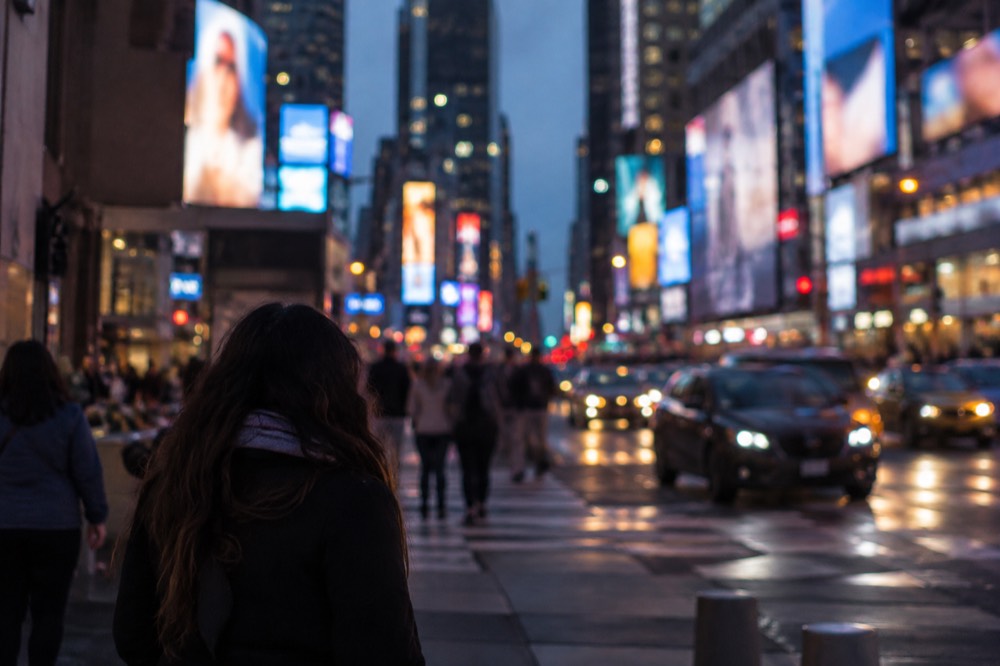
At night the square becomes the postcard version of itself, with the billboards as the only real illumination, and it is the single best time to be there. On New Year's Eve the plaza hosts the famous ball drop, which means standing outside for hours in winter with no restrooms and no way in or out once the pens fill.
With kids, the lights land with almost every child, but the crowd and the character-solicitation make a brief visit better than a long one.
New Year's Eve deserves its own warning, and we give it one. The pens open in the afternoon, the drop happens at midnight, and in between you are standing in a December crowd with no access to facilities once you are inside the secure area. It is free to attend, and hundreds of thousands do, but it is an endurance event rather than a party. The full logistics, including when to arrive and what to bring, are in our New Year's Eve in Times Square guide.
With kids, the calculus is simpler than parents fear. The lights are a genuine spectacle for children, the pedestrian plaza is car-free, and the theaters themselves, particularly the long-running family musicals, are the reason many families are in the neighborhood at all. The two adjustments: keep the plaza visit short, because an hour of dense crowd exhausts children faster than a theme park queue, and set the ground rules about costumed characters before you arrive rather than mid-negotiation.
Common Questions About Times Square
The questions visitors ask most are about cost, timing, safety and how long to stay. The consistent answers: the plaza is free and open around the clock, early morning and after dark are the two good windows, the area is heavily policed and safe by any reasonable standard, and an hour in the square itself is enough unless a show or a tour extends the visit. The detail behind each answer follows.
Is Times Square free?
Yes. The plaza is a public pedestrian space with no gate, no ticket and no hours. You pay only for what you add, such as a show, a museum or a tour, and the billboards, the light and the crowd are all free to stand in.
What is the best time of day to visit Times Square?
Early morning, roughly 7am to 9am, for the thinnest crowds, or after 8pm for the full effect of the billboards as the plaza's only illumination. Avoid midday, when crowd density peaks and daylight flattens the screens.
How long should I spend in Times Square?
About an hour in the plaza itself is enough for most visitors. If you are pairing it with a Broadway show, a museum visit or a walking tour, the neighborhood easily fills half a day, but the square on its own is a short experience.
Is Times Square safe at night?
The area is one of the most heavily policed and surveilled public spaces in New York, and the crowd never thins out enough to leave you alone there. The realistic risks are pickpocketing in a dense crowd and aggressive tipping solicitation from costumed characters, both of which ordinary precautions handle.
Can you drive to Times Square?
The plaza itself is closed to cars, so no. The subway is the honest answer for getting there, and the Times Sq-42 St complex is served by more lines than any other station in the system, with the A, C and E one block west at Port Authority.
Where is the TKTS booth in Times Square?
At Duffy Square, the northern end of the pedestrian plaza on West 47th Street between Broadway and Seventh Avenue. It sells discounted same-day tickets plus next-day matinees, with an $8 per-ticket service fee, and live inventory appears on tdf.org.
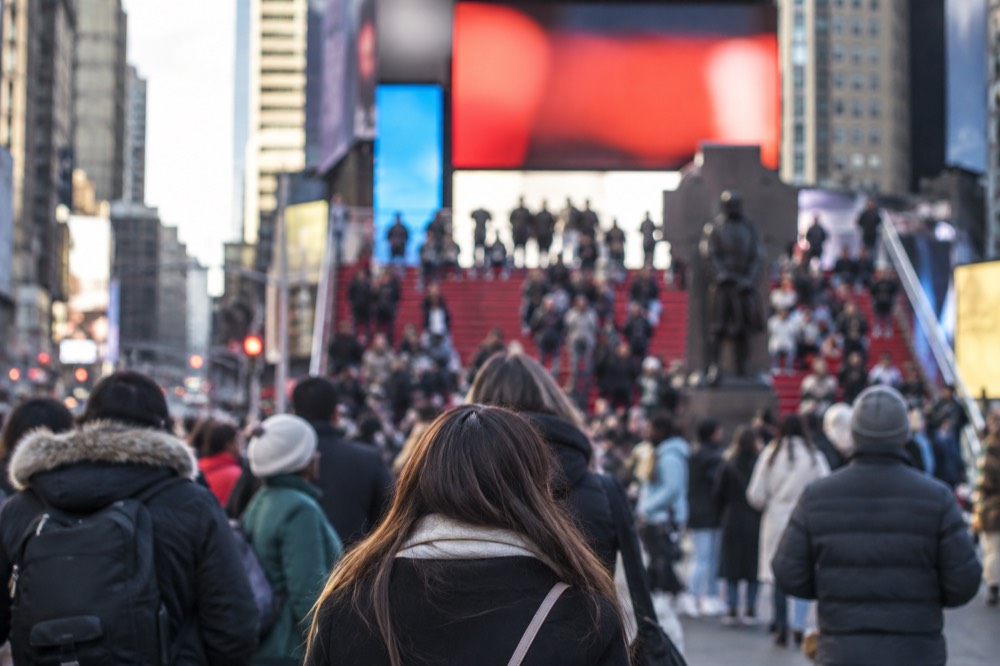
The final word is a scheduling one. Times Square rewards the visitor who treats it as a moment rather than a destination: arrive early or arrive after dark, look up, keep your wallet in front of you, and let the show, the deck or the dinner a few blocks away do the rest. The visitors who resent the square are almost always the ones who gave it an afternoon it only needed an hour.