Is It Better to Stay in Midtown or Times Square in New York?
A direct, sourced answer on whether it is better to stay in Midtown or Times Square in New York, covering noise, subway access, walkability and who each area suits.
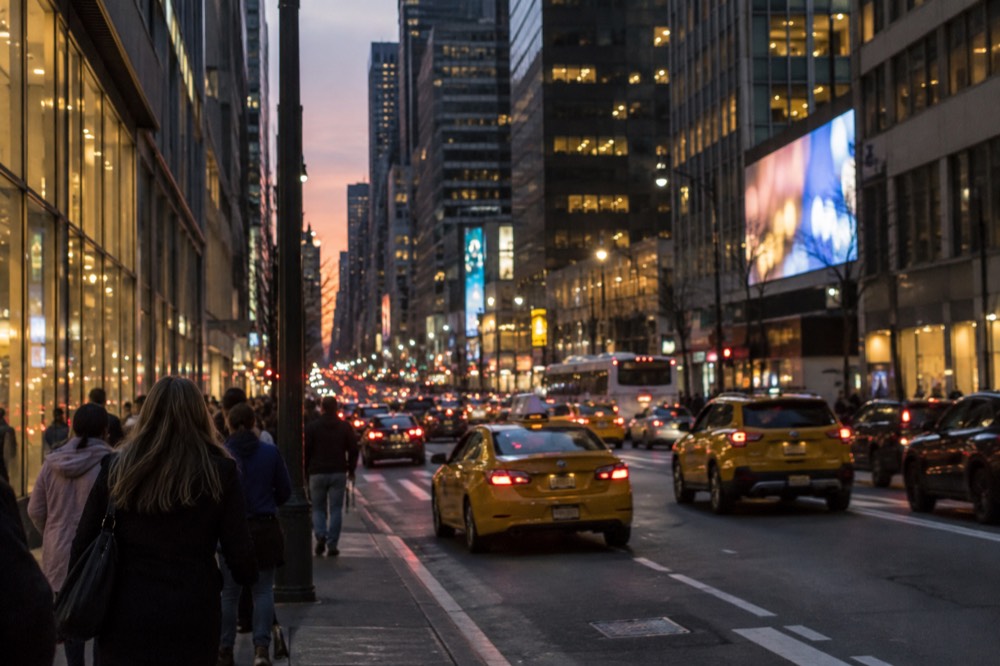
The confusion starts with the map. Times Square is not a separate neighborhood from Midtown; it is a roughly five block stretch of it, the corner where Broadway crosses 7th Avenue between 42nd and 47th Streets. When a hotel listing says "Midtown," it can mean a quiet block two streets from the billboards or a tower directly overlooking them. The difference between those two addresses, at 2am, is the whole decision.
This page gives the direct answer first, then the reasoning: where the boundary actually runs, what each area feels like at night, how the subway access compares with real ridership numbers, and which kind of traveler each one genuinely suits.
Is It Better to Stay in Midtown or Times Square?
For most visitors, Midtown outside the Times Square core is the better place to sleep: it is quieter at night, equally walkable to the same attractions, and the hotel money goes further on room quality. Times Square itself suits theater-goers on short stays, travelers who love the lights, and anyone arriving late who wants everything at the door. The gap is not huge, but the noise and crowd levels differ sharply a few blocks apart.
The practical dividing line is 42nd Street to the south, roughly 8th Avenue to the west and 6th Avenue to the east. Inside that box you get the billboards, the crowd crush and the 24 hour glow. Step two blocks in any direction and you are in Midtown proper: still central, still surrounded by subway lines, but with sidewalks you can actually walk down and hotel rooms where the windows close on something close to silence.
That is why the question is worth asking carefully rather than dismissing. A first-time visitor who books "Midtown" blindly can end up in either world. A visitor who books "Times Square" blindly almost always ends up in the loud one.
Where Does Times Square End and Midtown Begin?
Times Square is the bowtie-shaped junction where Broadway crosses 7th Avenue between 42nd and 47th Streets, plus the surrounding theater and hotel blocks. Midtown Manhattan is the far larger district around it, running roughly from 34th Street to 59th Street, Hudson to East River. Every Times Square hotel is a Midtown hotel, but most Midtown hotels sit a five to fifteen minute walk from the square, and that walk is the difference worth noticing.
The blocks just outside the core matter most. West of 8th Avenue, the streets turn to restaurants and smaller theaters with a genuinely local feel after dark. East of 6th Avenue you are in the corporate Midtown of office towers, which goes very quiet on weekends. South of 42nd Street sits Bryant Park and the library, calmer again. None of these areas is far from anything: the whole debate happens within a twenty minute walk.
| Area | Rough bounds | Night character | Best for |
|---|---|---|---|
| Times Square core | 42nd to 47th St, Broadway to 7th Ave | Bright, loud, crowded until late | Theater trips, one or two night stays |
| Midtown West / Hell's Kitchen edge | West of 8th Ave | Livelier, restaurant-heavy, more local | Food-focused travelers |
| Midtown East | East of 6th Ave | Quiet, corporate, dead-ish on weekends | Business travelers, light sleepers |
| Midtown South | 34th to 42nd St | Calmer, near Bryant Park and Empire State Building | Walkers who want quiet plus centrality |
If you want the full neighborhood picture, our Midtown Manhattan area guide breaks the district down block by block. For the wider question of which part of the city to base in, start with where to stay in New York, which compares every major base from downtown to the park.
How Loud Is Times Square at Night, Really?
Times Square does not dim. The billboards run all night, the plazas stay busy past midnight, and street performers and traffic continue around the clock, so a room facing the square gets light and noise continuously. Midtown outside the core quiets down dramatically after the office crowd leaves, especially on weekends east of 6th Avenue.
The fix is the same in both cases: request a high floor or a room facing away from the street, and treat that request as the most important line in your booking.
No hotel in the core can promise silence, and the honest framing is that the noise is the product. People pay to be in the middle of it. The visitors who regret a Times Square stay are almost never the ones who wanted the lights; they are the ones who booked a "great location" without realizing what that location does at 3am.
Light sleepers should also know that the problem is not only sound. The glow from the billboards is bright enough that a hotel room facing the square can feel like midday at midnight unless the curtains are heavy. Midtown East, by contrast, can feel almost suburban on a Sunday, which is either a relief or a disappointment depending on what you came for.
Which Area Has Better Subway Access?
Both areas share the same transit crown: Times Sq-42 St was the busiest subway station complex in New York in 2025 with 61,203,303 riders, and the surrounding Midtown stations put more than a dozen lines within a short walk. Staying a few blocks from the square loses you almost nothing in transit terms, because the lines fan out across Midtown.
A subway ride costs $3.00, and the OMNY weekly cap of $35 applies automatically with no pass to buy.
The surprise in the official ridership data is how lopsided it is. Grand Central-42 St, the great commuter terminal, carried 35,764,931 riders in 2025, meaning Times Square handled 71% more. Penn Station does not even make the top five as a single complex, because the MTA counts its two halves separately. The lesson for a hotel decision: the transit density around Times Square is unmatched, but it extends across the whole of Midtown, so you do not need to sleep on top of the busiest station to use it.
One honest caveat about the busiest station: crowds. The Times Square complex is where tourists, commuters and theater crowds all collide, and at rush hour or after a show lets out it is the most congested underground space in the city. Staying at the quieter end of Midtown, near Bryant Park or east of Grand Central, often means boarding the same trains from calmer platforms, which matters more than you would expect when you are tired at the end of a sightseeing day.
A good way to test both areas on foot before you commit to a hotel is the free Times Square and Grand Central walking tour on GuruWalk, a tip-based walk run by CityShuffles that links the billboards with the terminal's celestial ceiling. Note that CityShuffles runs six of the ten free New York walks on GuruWalk, so the free-walk scene here is narrower than the listing count suggests.
Which Is Better for First-Time Visitors to New York?
First-time visitors with two to four days should stay in Midtown, close to but not inside the Times Square core, because it puts Central Park, the Empire State Building, Rockefeller Center, MoMA and the theater district all within a twenty minute walk while keeping the room quiet enough to recover in. Times Square is worth visiting for an evening, not necessarily sleeping in. The exception is a one night stopover, where central beats quiet.
The geometry favors Midtown for a simple reason: it is the middle of the Manhattan sightseeing map. Most first-timers spend their days split between downtown, the park and the museums, and every one of those trips starts from a Midtown subway station or a short walk. The money page on this site, things to do in NYC, lays out the full attraction map, and you will notice how much of it clusters within walking distance of a Midtown base.
The theater question tilts the other way. If your trip is built around shows, the Theater District wraps around Times Square, and staying there means a five minute walk home after curtain instead of a subway ride at 11pm. Dinner before the show is easier too, since the blocks west of 8th Avenue hold some of the densest restaurant rows in the city, full enough that even a pre-theater crowd can usually find a table without a reservation if they eat early.
What About the Cost Difference Between the Two?
There is no honest nightly rate we can print, because New York hotel pricing moves daily with demand, but the reliable pattern is this: rooms inside the Times Square core carry a location premium and tend to be older, smaller and louder for the money, while the same budget spent three to six blocks away buys a newer or larger room in a quieter building. The premium shrinks on weekends when business travelers leave Midtown East.
What you should weigh instead of headline price is what the premium buys you. Inside the core, it buys walkability to theaters and the lights, and nothing else. Outside it, the same dollars buy sleep, space, or both. Midtown East hotels often sit above or beside office towers, which means weekend rates drop noticeably when the weekday crowd is gone, and the streets around them empty out in a way that surprises visitors expecting a city that never sleeps.
There is also a timing dimension worth knowing. Midtown hotel demand peaks around major events: the Thanksgiving parade, the December holiday rush, and big Broadway openings all push core prices up hardest, because those are exactly the trips that want to be in the square. If your dates are flexible, the same room a few blocks east or south can cost meaningfully less during those windows, and the walk to the lights is still under ten minutes.
| What you value | Better pick | Why |
|---|---|---|
| Sleep quality | Midtown outside the core | Quieter blocks, fewer street-facing rooms |
| Theater nights | Times Square core | Five minute walk after curtain |
| Food scene | Midtown West edge | Restaurant-dense blocks west of 8th Avenue |
| Weekend value | Midtown East | Business demand drops, rates follow |
| One-night stopover | Times Square core | Everything at the door, no transit needed |
| Family trip | Midtown near the park | Calmer streets, park access, bigger rooms |
One cost that is identical in both areas is sightseeing, and it is worth planning before you book anything. The New York CityPASS bundles a choice of five attractions, including the Empire State Building, Top of the Rock and the official Statue of Liberty ferry, for $149 adult and $129 child, valid over nine consecutive days. If your Midtown or Times Square stay includes three or more of the heavy hitters, it usually beats buying separately. Check availability on the listing before you commit.
Is Times Square Safe to Stay In?
Yes, in the ordinary urban sense: Times Square is one of the most heavily policed and camera-covered public spaces in New York, and the crowd density that makes it exhausting also makes street crime rare there. Midtown shares the same citywide reality, with busy avenues feeling safe at all hours and quieter side streets emptier late at night. Standard visitor precautions apply everywhere in Manhattan: keep bags closed and in front of you.
Neither area should be treated as a blanket risk or a blanket guarantee. The honest answer for any New York safety question is that the city is a dense, ordinary place where millions of people move around daily without incident, and the standard advice is specific rather than fearful.
The Times Square-specific nuisance is not crime, it is the crowd economy: costumed characters, ticket sellers and CD vendors who can be persistent with tourists. A polite no and walking on handles nearly all of it. None of this is a reason to avoid staying there; it is a reason to know what the streets feel like before you book, and to budget your patience accordingly on a Saturday night.
Which Area Is Better for Views and Attractions?
Midtown holds nearly every classic view and attraction within walking distance of itself, so the two hotel areas barely differ here: the Empire State Building, Top of the Rock, SUMMIT One Vanderbilt, MoMA and Rockefeller Center all sit in Midtown, and the observation decks all use timed entry that rewards booking ahead. The real choice is which deck, not which hotel block, since every one of them is reachable on foot or one subway stop from either.
The deck decision deserves more thought than the hotel block. SUMMIT One Vanderbilt, next to Grand Central, is the most theatrical of the Midtown decks, with mirrored rooms and glass ledges, and it carries a 4.7 rating across nearly sixty thousand reviews on the listing. The Empire State Building is the classic, Top of the Rock frames the Empire State Building itself in the shot, and One World Observatory is downtown for anyone splitting their stay.
If you do base yourself in Midtown and want a deck plus a museum plus a cruise, the CityPASS math improves further, since five choices across nine days fits a four or five night stay almost exactly. A shorter stay of one or two nights should just buy single tickets for the two or three things it will actually use.
Common Questions About Staying in Midtown or Times Square
The short version of everything above: Times Square is a small, loud, brilliantly located core inside Midtown, and Midtown is the larger, quieter district around it that reaches the same attractions on foot. Most travelers sleep better just outside the core, theater-focused trips justify staying inside it, and the subway access is effectively identical because the lines fan out across the whole district. Below are the specific questions travelers ask most often, answered directly.
Is it better to stay in midtown or times square?
For most visitors, Midtown just outside the Times Square core: same walkable attractions, same subway access, noticeably quieter rooms. Choose the core itself for theater trips, very short stays, or if you specifically love the lights.
Is Times Square a good area to stay in?
It is good for one specific kind of trip: a short, theater-heavy stay where you want everything at the door. For longer visits, the noise, the crowds and the location premium wear on most travelers by the second or third night.
Is Midtown the same as Times Square?
No. Times Square is the bowtie junction where Broadway crosses 7th Avenue between 42nd and 47th Streets, plus its surrounding theater and hotel blocks. Midtown is the much larger district roughly from 34th to 59th Street that contains it.
Where should a first-time visitor to New York stay?
Midtown, close to but not inside the square. It puts Central Park, the Empire State Building, Rockefeller Center and the museums within a twenty minute walk, and the subway lines under Midtown reach every other part of the city quickly.
Is it too loud to sleep in Times Square?
Street-facing rooms in the core get continuous light and noise all night. High floors and rooms facing away from the square help a lot, but if you are a light sleeper, book a few blocks away instead and visit the square in the evening.
Is it cheaper to stay in Midtown or Times Square?
Rates move daily, so there is no fixed answer, but the pattern is consistent: the core charges a location premium for older, smaller rooms, and the same budget a few blocks out buys more room in a quieter building, especially on weekends in Midtown East.
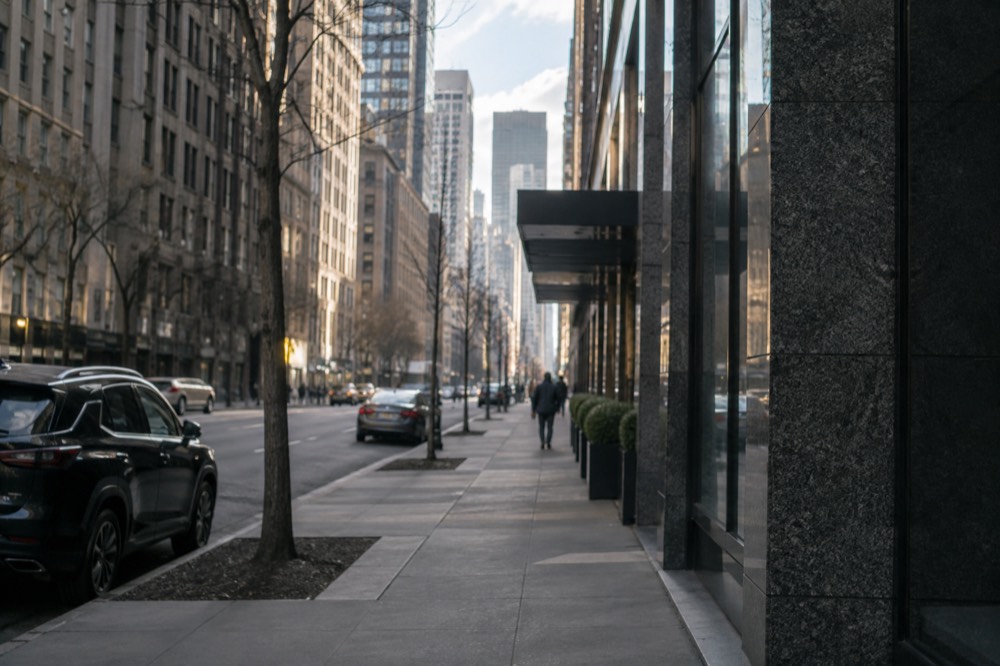
The last word belongs to the walk itself. Both areas reward being tested on foot before you commit: spend an evening in the square, then walk three blocks west or east and feel the volume drop. This New York City Travel Guide exists to make that kind of call with real numbers rather than slogans, and the subway ridership data above is the clearest proof that the center of gravity is exactly where you are standing either way. Book the room two blocks out, keep the theater nights, and use the $35 weekly fare cap to make everywhere else in the city feel like your neighborhood.