Midtown Manhattan: What to Expect from New York's Most Crowded Square Mile
Midtown Manhattan holds more of the postcard city per block than anywhere else in New York, and more crowds to go with it. Here is what it is actually like to spend a day, or a whole trip, there.
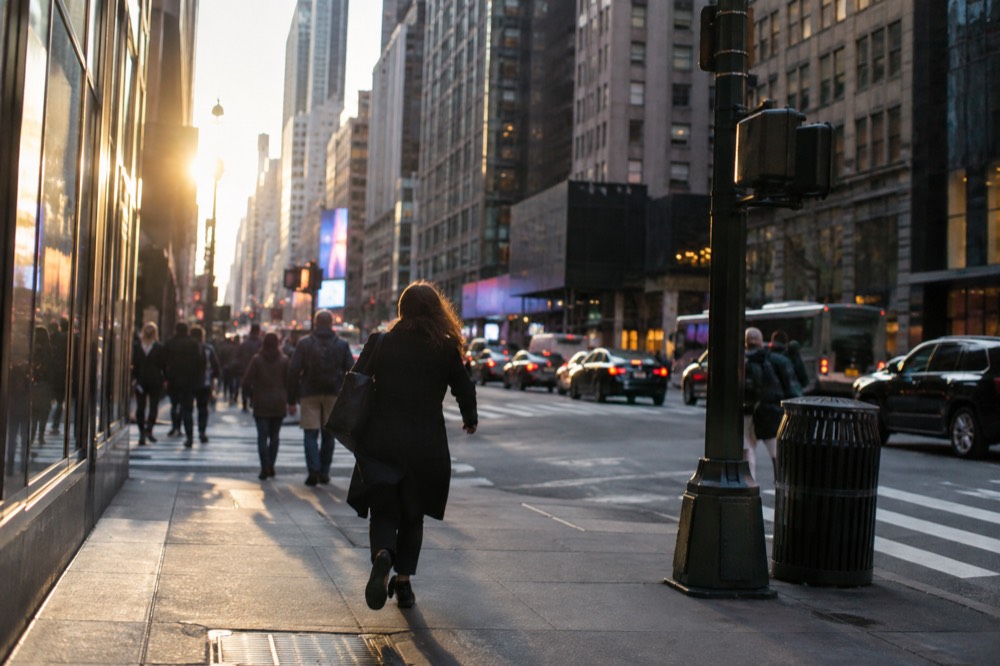
Short answer
Midtown Manhattan is the dense slab of the island between roughly 34th and 59th Streets, holding Times Square, Grand Central, the Empire State Building, MoMA, Rockefeller Center and Bryant Park. It suits first-time visitors who want the famous sights walkable, and suits nobody who wants quiet, character or good food at 9pm within three blocks of their hotel.
Roughly 61,203,303 riders passed through the Times Sq-42 St subway complex in 2025, about 71% more than Grand Central's 35,764,931, and every one of them surfaced into the same square mile: Midtown Manhattan. This is the slab of the island where almost every image people hold of New York was actually taken. The skyscraper canyons, the glowing billboards, the Art Deco lobby that appears in every third film set in the city. It is also the part of New York where locals complain they never go, which is half true and half snobbery, and this page tries to give you the honest version of both.
This guide covers Midtown as a base for a trip and as a day out: where its edges actually are, whether you should sleep there, what the sights cost, how to move through it without wasting an afternoon, and when the right answer is to get on a train and leave. It sits alongside the site's wider things to do in NYC coverage, and the New York City Travel Guide homepage pulls the whole destination together.
What Is Midtown Manhattan, Exactly?
Midtown Manhattan is the central section of the island, running roughly from 34th Street up to 59th Street between the two rivers, and containing Times Square, Grand Central Terminal, the Empire State Building, Rockefeller Center, MoMA, Bryant Park and St Patrick's Cathedral. It is the office core of the United States and, at the same time, the most tourist-dense district in New York, which explains both its convenience and its crowds.
The boundaries are looser than the list above suggests. Real estate brokers stretch "Midtown" down toward the lower twenties and up past the park; the old "Midtown South" label swallows NoMad and the Flatiron end of things. For a visitor the working definition is simpler: if the sidewalks are shoulder-to-shoulder at 11am on a Tuesday and the buildings are tall, corporate and famous, you are in Midtown.
It helps to think of it as a set of distinct quarters rather than one place. Each has its own rhythm, and the differences matter when you are picking a hotel or planning a day.
| Quarter | Rough bounds | What it is | Who it suits |
|---|---|---|---|
| Times Square / Theater District | 42nd St upward, Broadway to 8th Ave | Billboards, Broadway houses, tourist retail | First-timers who want the lights outside the window |
| Midtown East / Grand Central | Lexington to 5th Ave, 42nd to 59th St | Grand Central, Chrysler Building, office towers | Anyone who wants quieter nights and fast subway access |
| Midtown West / Hell's Kitchen edge | 8th Ave to the Hudson | Intrepid Museum, restaurant rows on 9th Ave | Visitors who want better food within walking distance |
| Rockefeller / 5th Avenue corridor | 5th Ave, 47th to 59th St | Rockefeller Center, St Patrick's, MoMA, shopping | Sightseeing days, retail therapy |
| NoMad / Flatiron edge | 23rd to 30th St | Lower-key hotels, food halls | Travelers who want Midtown convenience with less noise |
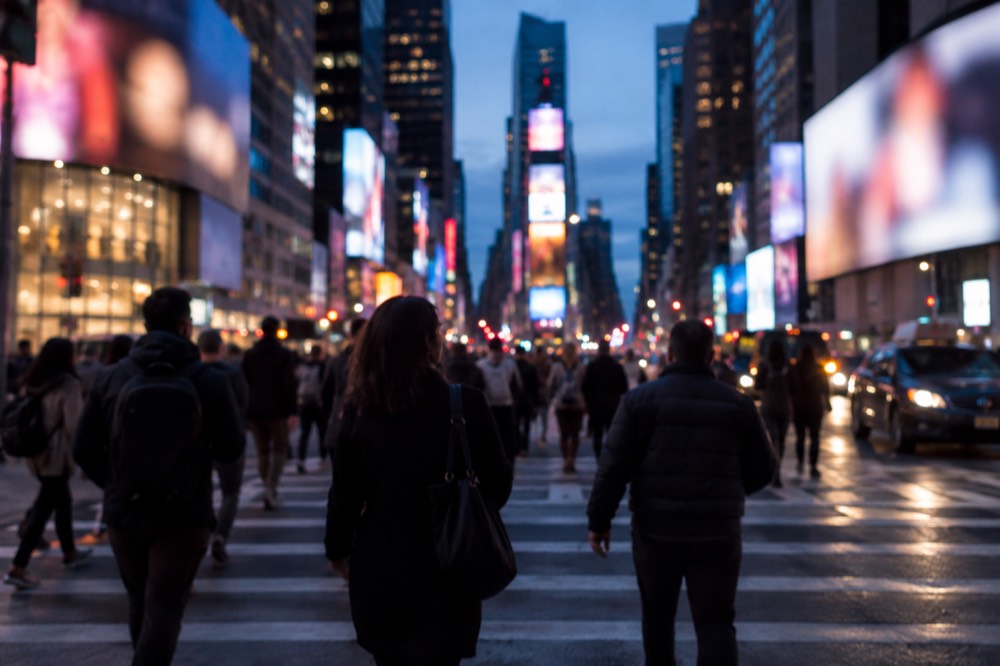
The thing that surprises people is the speed of the change at the edges. Walk two blocks west of Times Square and the billboards stop; walk east of Lexington and the crowds thin to office workers. Midtown punishes visitors who treat it as a monolith and rewards the ones who know which quarter they are standing in.
Is Midtown Manhattan a Good Place to Stay?
Midtown is the most convenient base in New York for a first visit and the least atmospheric one, and that trade is the whole decision. Nearly every subway line passes through it, and you can walk to the Empire State Building, Bryant Park, MoMA and Rockefeller Center without going underground. The cost of that is noise, chain restaurants, high hotel rates and sidewalks that belong to tourists rather than residents.
The honest case for staying there: if your trip is three days or fewer and your list is the classic one, Midtown saves you an hour a day in transit. Grand Central Terminal alone puts you on the 4, 5, 6, 7 and S trains, and Times Square adds the 1, 2, 3, 7, N, Q, R and W. There is no other district in the five boroughs with that spread.
The honest case against: you will eat worse, pay more, and sleep less. The restaurants within two blocks of a Times Square hotel are mostly aimed at people who will never return, and the theater exit at 10:30pm dumps thousands of people onto the same blocks your room overlooks. Ask for a high floor or an interior room, or pick Midtown East, where the towers go quiet at night because the offices empty out.
A pattern that works for many visitors: sleep in Midtown, spend your evenings elsewhere. Downtown neighborhoods like SoHo and Greenwich Village are a single express ride away, and a guided walk is the easiest way to make that transition without planning it yourself.
One of the best-value ways to spend a Midtown evening is not in Midtown at all. The Financial District, Wall Street and 9/11 Memorial free walking tour on GuruWalk runs two and a half hours on a pay-what-you-want basis, which makes it an easy add-on to any itinerary without committing a chunk of budget sight unseen.
The Best Things to Do in Midtown Manhattan
The core Midtown sights are the Empire State Building's observation decks, Rockefeller Center and Top of the Rock, Times Square, Grand Central Terminal, MoMA, Bryant Park and St Patrick's Cathedral, and most sit within a fifteen-minute walk of one another. Two are free and open around the clock, the decks cost roughly $42 to $75 at the box office depending on package, and the museums run $30 for adults. The trick is sequencing, not finding things to do.
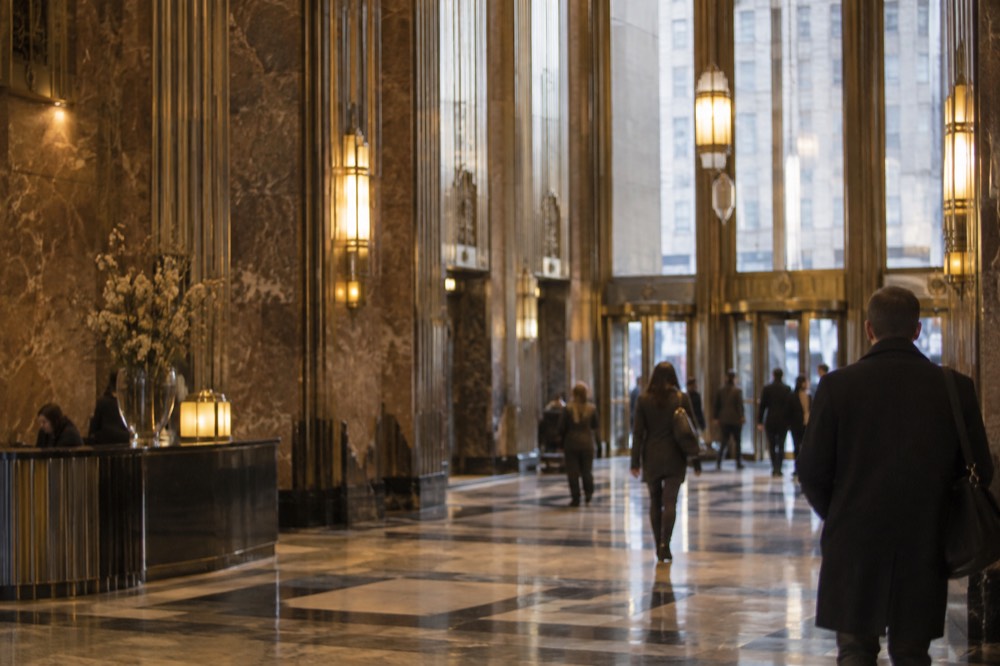
Start with the free ones, because they anchor everything else. Bryant Park sits behind the New York Public Library's main building and works as the resting point between sights; the lawn, the games tables and the seasonal programming cost nothing. Grand Central is technically a station, but the main concourse, the celestial ceiling and the whispering gallery make it a legitimate sight in its own right, and the Grand Central Terminal guide covers the details worth hunting for.
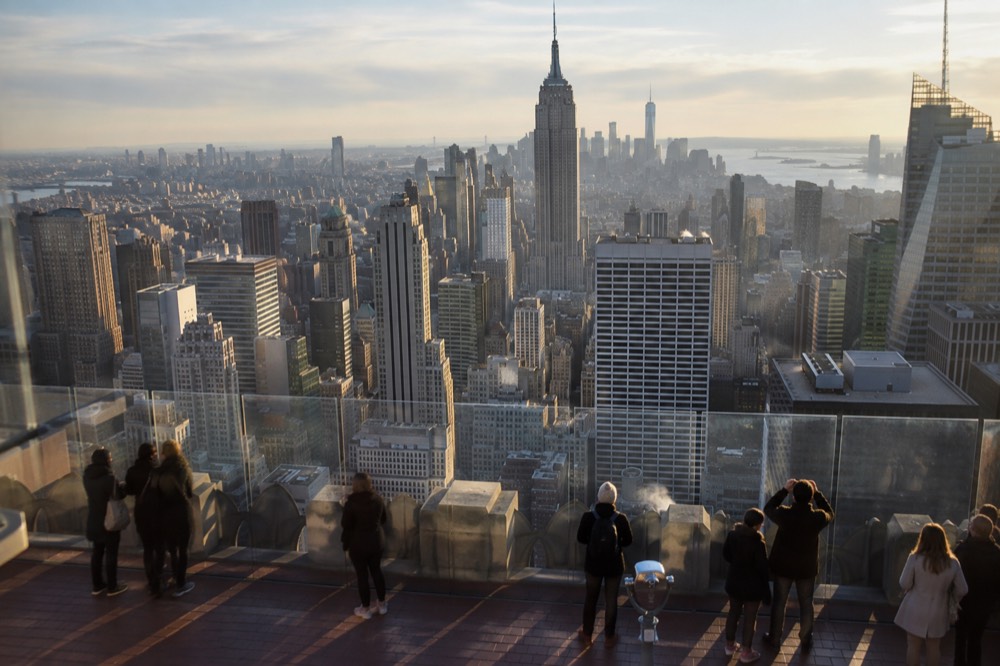
Then the paid tier. The Empire State Building is the classic deck: open-air views from the 86th floor, timed entry, and a museum portion downstairs that most visitors skip and shouldn't. Top of the Rock, thirty blocks north, is the deck that puts the Empire State Building itself in your photo, which is why photographers prefer it. MoMA holds Starry Night and the rest of the modern canon a short walk from Rockefeller Center, and adult entry is $30, with free Friday evenings reserved for New York State residents only, so plan on paying if you are visiting from elsewhere.
For structure rather than wandering, a guided walk solves Midtown's biggest problem, which is that the famous things are close together but the stories behind them are not obvious from the sidewalk.
That one heads downtown, but the same logic applies in Midtown itself: the Times Square and Bryant Park pages on this site carry the block-by-block detail for the two spaces most visitors pass through fastest.
If your day in Midtown runs long and you want a change of scene for the evening, the food tour below is the one most worth the detour.
How Much Do Midtown Manhattan Attractions Cost?
The headline Midtown costs are $30 for MoMA adult admission, roughly $44 plus a $5 booking charge for an Empire State Building 86th-floor ticket bought online, and $42 and up for Top of the Rock, against box-office prices of $75.12 and $71.86 for the fuller packages those operators sell.
A subway ride between all of them is $3.00 each way, and a pass can beat individual tickets if you are doing three or more big ones.
The deck pricing deserves a table, because the operators price dynamically and the "from" figures only tell part of the story.
| Attraction | Adult price from | Notes on the box-office price | Hours |
|---|---|---|---|
| Empire State Building (86th floor) | from $44, plus $5 booking charge per transaction | $75.12 for the AM/PM Experience with museum and same-night re-entry | Daily, entry door closes 22:00 |
| Top of the Rock | from $42 | $71.86 published box office; add-ons like The Beam cost extra | Daily 08:00-24:00 |
| SUMMIT One Vanderbilt | from $44, plus $3 processing fee per order | Glass and mirror rooms; timed entry | Daily 08:00-24:00 |
| Edge at Hudson Yards | from $34-$45, plus $2 per ticket | $62.06 with the immersive experience | Check edgenyc.com for current hours |
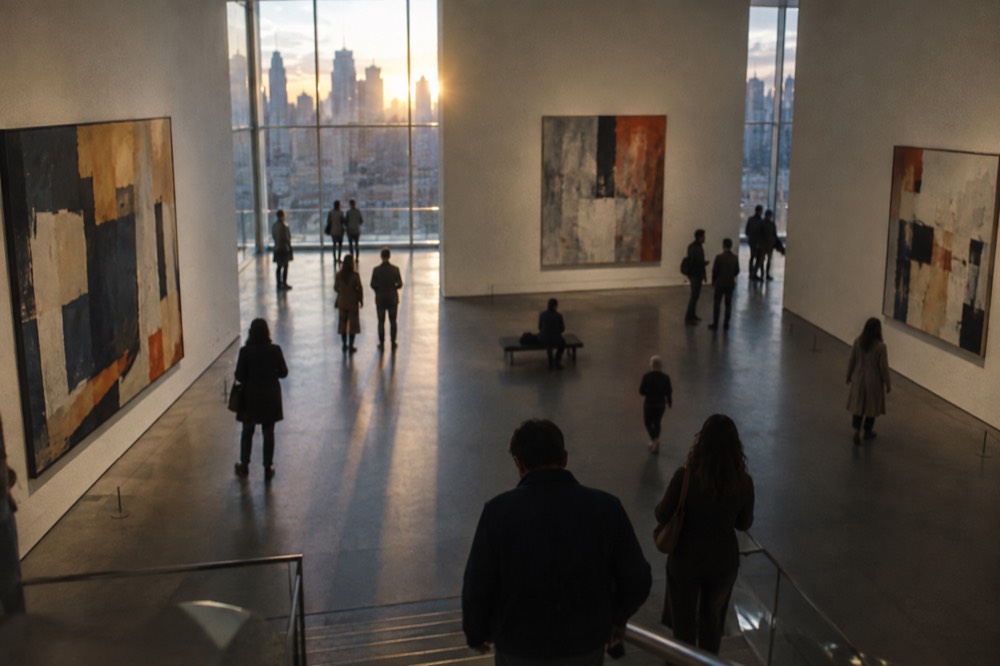
| MoMA | $30 | Free Friday nights for NY State residents only, proof required | Daily 10:30-17:30, Fridays to 20:30 |
If you are stacking several of these, compare the individual totals against a pass before you buy anything. The New York CityPASS covers your choice of five attractions, including the Empire State Building, Top of the Rock and the official Statue of Liberty ferry, over nine consecutive days, and this site's pass comparison pages run the maths in detail.
One Met-related warning that does not apply to Midtown but gets asked constantly: the Metropolitan Museum of Art sits on Fifth Avenue well above Midtown's northern edge, up by Central Park, and it is not pay-what-you-wish for tourists. Adult admission is a fixed $30, and the pay-what-you-wish option belongs only to New York State residents and NY, NJ and CT students, who must still pay something.
Getting Around Midtown Manhattan
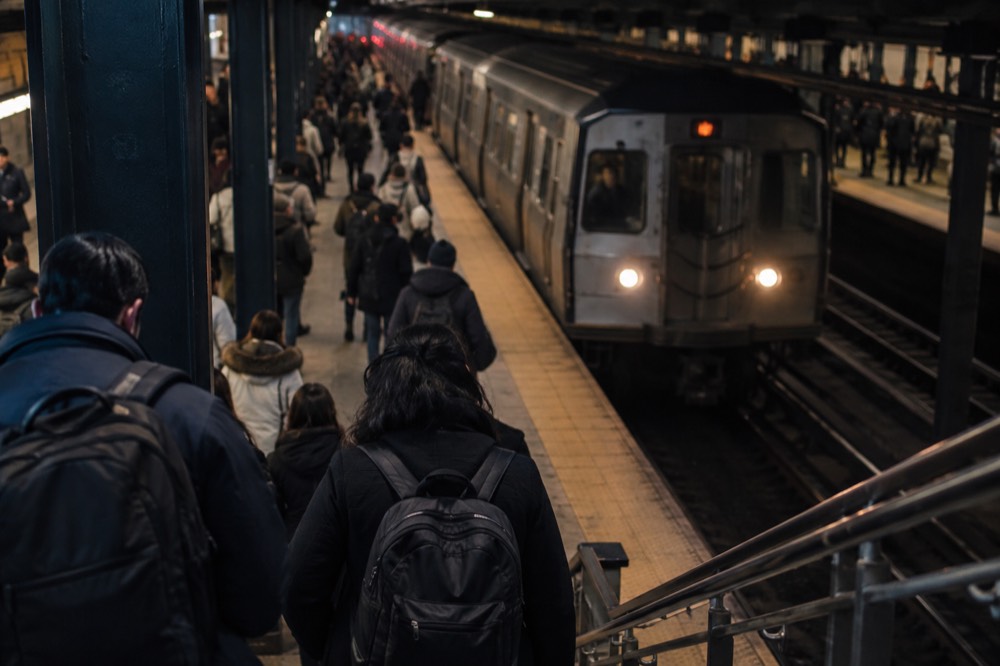
A single subway or local bus ride costs $3.00, and OMNY caps your weekly spending at $35 automatically as long as you tap the same card or device every time, with no pass to buy. The MetroCard as a purchasable product is gone: since 1 January 2026 the MTA no longer sells or refills them, so any guide telling you to buy a 7-day unlimited on arrival is sending you to a product that no longer exists.
Inside Midtown, walking is usually faster than the subway for anything under a mile, because the grid is flat, the blocks are short, and the stations are deep. The crosstown buses along 34th, 42nd and 57th Streets are slow but useful when your destination is a long walk east or west and you do not want to descend two flights of stairs to ride one stop.
Two Midtown-specific transit facts worth knowing. First, Grand Central and Times Square are not on the same lines, so a hotel "near Grand Central" and a hotel "near Times Square" put you on genuinely different networks even though they are a fifteen-minute walk apart. Second, the east side and west side of Midtown connect poorly underground; the shuttle across 42nd Street exists precisely because of that gap.
| Journey from Midtown | Best option | Cost |
|---|---|---|
| Midtown to Lower Manhattan sights | The 2 or 3 express from Times Sq, or the 4/5 from Grand Central | $3.00 |
| Midtown to Brooklyn Bridge | 4/5/6 to Brooklyn Bridge-City Hall | $3.00 |
| Midtown to the Met | The 4/5/6 to 86th St, then a walk west | $3.00 |
| Week of heavy sightseeing, same card every tap | OMNY automatic cap | $35 maximum per 7-day window |
| JFK to a Midtown hotel | E, J or Z plus AirTrain | $11.75 |
Do not rent a car for any of this. Parking in Midtown is expensive, traffic is slow, and the subway reaches everything in the district faster. Car hire makes sense only for day trips out of the city, and even then the coach tours to the Hudson Valley and beyond handle the driving for you.
Where to Eat in Midtown Manhattan
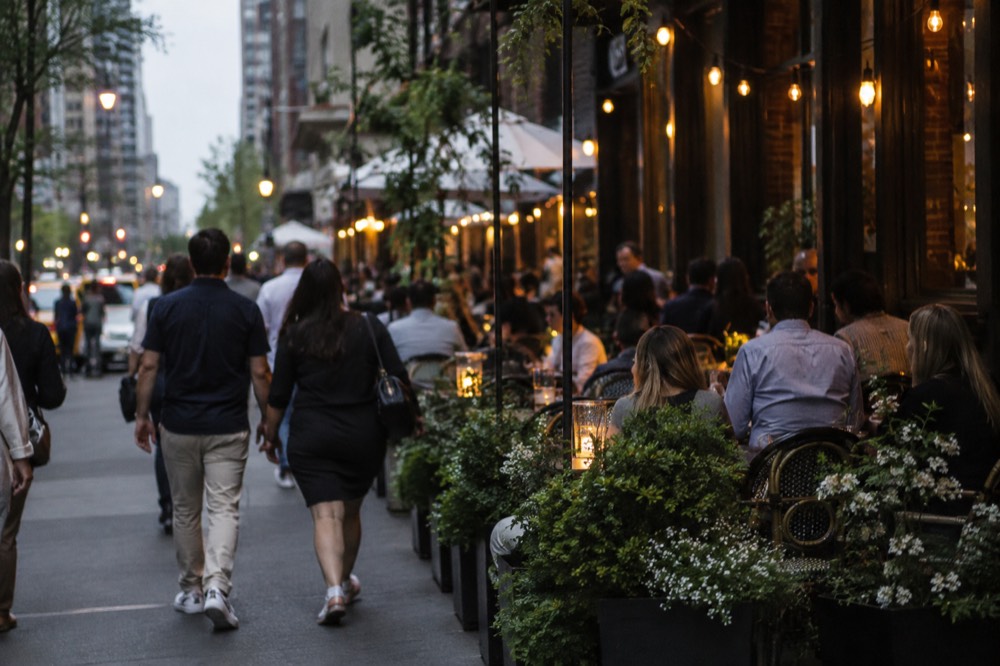
Midtown's food problem is real but overplayed: the blocks immediately around Times Square are dominated by chains and tourist-priced restaurants, while genuinely good eating clusters at the district's edges, especially the 9th Avenue restaurant rows in Hell's Kitchen to the west, the food halls around the NoMad end, and the old-school lunch counters and steakhouses of Midtown East. The rule of thumb is simple: never eat on the same block as a billboard.
Hell's Kitchen is the reliable answer for dinner. Ninth Avenue from the 40s through the 50s is lined with small, owner-run kitchens covering Thai, Brazilian, Italian and about a dozen other cuisines, and it is a ten-minute walk from the Theater District, which is why the pre-show and post-show crowds go there. Book ahead on a show night, because everyone else had the same idea.
For lunch, Midtown's own institutions are better than their reputation suggests. The classic delis and the old steakhouse lunchrooms around Midtown East still serve the kind of meal people picture when they picture New York, at prices that reflect the zip code but with the portion sizes to match. The site's wider New York food coverage, including the dedicated pizza and bagel pages, sorts the classics from the traps.
| Hunger situation | Where to look | Why |
|---|---|---|
| Pre-theater dinner, 6pm | 9th Avenue, Hell's Kitchen | Owner-run kitchens, ten minutes from the theaters |
| Quick sightseeing lunch | Food halls near the NoMad end | Many vendors, one decision |
| Old New York lunch | Midtown East steakhouses and counters | The institutional version of the city |
| Late evening after a show | Hell's Kitchen or head downtown | Midtown's core kitchens close early |
| Best single food experience | Leave Midtown entirely | The downtown food tours outclass anything in the center |
That last row is not a joke. If you eat one memorable meal on this trip, the odds are much better three subway stops south of Midtown than within it, and a guided tasting walk is the most efficient way to find it.
Six tastings across Chinatown and Little Italy add up to a full meal, and the walk doubles as a tour of two neighborhoods most Midtown-based visitors would otherwise only see from a train window. It is a three-hour commitment, so treat it as the evening's main event rather than a stop on a longer crawl.
When to Leave Midtown Manhattan
The right time to leave Midtown is your second full day, and the right direction depends on what you are missing: downtown for food and old streets, Brooklyn for the bridge and the waterfront, Harlem for music and history, or uptown for Central Park and the museums.
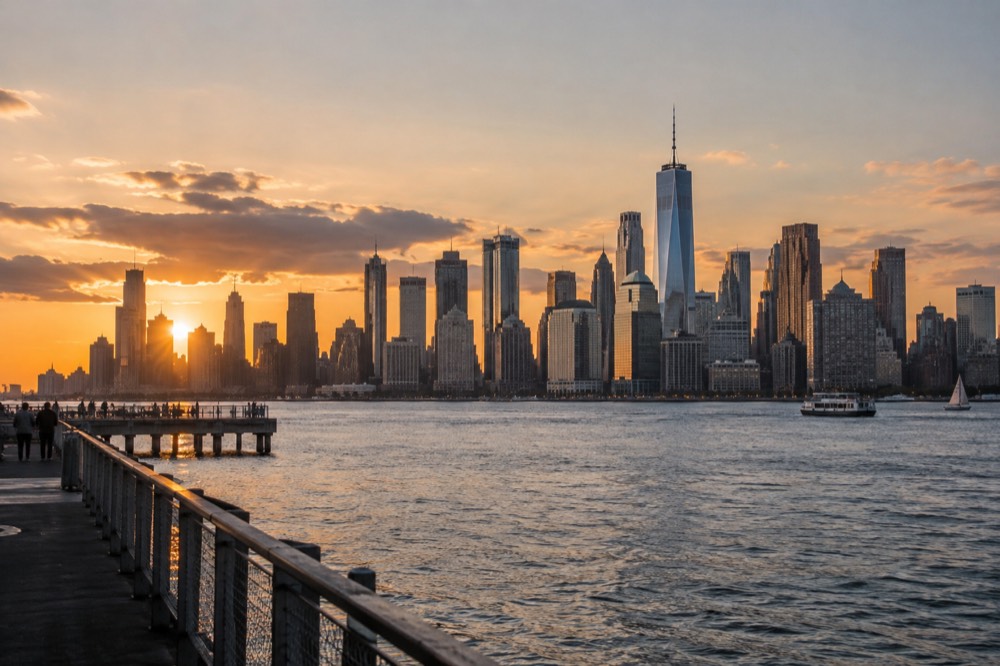
Midtown gives you the skyline and the landmarks; it does not give you the city New Yorkers live in, and a trip spent entirely inside it produces a strange feeling of having visited without actually seeing the place.
The subway makes leaving cheap, which is the point of the fare table above. Downtown is fifteen minutes on an express train. The Brooklyn Bridge is reachable from City Hall, one stop past it. Central Park begins at 59th Street, which is technically the top of Midtown, but the park only becomes itself once you are north of the crowded southern end.
For evenings, the pattern that works: see your Broadway show, then do not linger. The blocks around the theaters at 11pm are the same blocks they were at noon, minus the daytime office crowd and plus everyone who just left a theater. A ten-minute walk west to Hell's Kitchen or a short ride downtown lands you somewhere with an actual night life.
And if the weather or the crowds have beaten you, remember what Midtown's own numbers say about the rest of the city. The subway's weekend ridership has recovered far better than its weekday ridership, which means the trains you will ride as a visitor are running full. The city you are joining is not a quiet one, and Midtown is simply its loudest square mile. Leave it regularly, and it stops feeling like a trap and starts feeling like what it is: the most convenient launch pad in New York.
Common Questions About Midtown Manhattan
Midtown is bounded roughly by 34th and 59th Streets, walkable end to end in under an hour, anchored by Times Square, Grand Central, the Empire State Building, Rockefeller Center and MoMA, and served by more subway lines than any other district in New York. It is the right base for a short, sightseeing-heavy first trip and the wrong base for anyone prioritizing food, atmosphere or sleep.
The two best things in it, Bryant Park and Grand Central's public spaces, cost nothing.
Is Midtown Manhattan the same as Times Square?
No. Times Square is one part of Midtown, the blocks around Broadway and 7th Avenue from 42nd Street upward. Midtown as a whole runs from about 34th Street to 59th Street and includes much quieter quarters like Midtown East, where the streets empty out after office hours.
How walkable is Midtown Manhattan?
Extremely. The grid is flat, the blocks are short, and the major sights sit within a fifteen-minute walk of one another. Most visitors only need the subway to arrive and leave, not to move around inside the district. Crosstown journeys east to west are the exception, where the 34th, 42nd and 57th Street buses help.
Where does Midtown Manhattan start and end?
There is no official line, but the working bounds are 34th Street in the south and 59th Street in the north, with the Hudson and East Rivers on either side. Real estate listings stretch the label in both directions, and neighborhoods like NoMad sit in the gray zone at the southern edge.
Is it safe to walk around Midtown Manhattan at night?
Midtown is one of the most policed and most crowded districts in the city, and it stays busy late because of the theaters. Normal city precautions apply, as they do anywhere in New York. The bigger nighttime nuisance is noise and crowd crush around Times Square after a show, not crime.
Should I stay in Midtown or somewhere else?
Stay in Midtown if your trip is short and your list is the classic sights, because the transit access saves real time. Stay elsewhere, downtown or in Brooklyn, if you have four or more days, care about food, or are a light sleeper. Many visitors split the difference: sleep in Midtown, spend evenings downtown.