What Is the Coldest Month in Brooklyn, NY?
January is the coldest month in Brooklyn, NY, with an average low of 27.9°F. Here is the full month-by-month breakdown, why February often feels worse, and what to do in Brooklyn in deep winter.
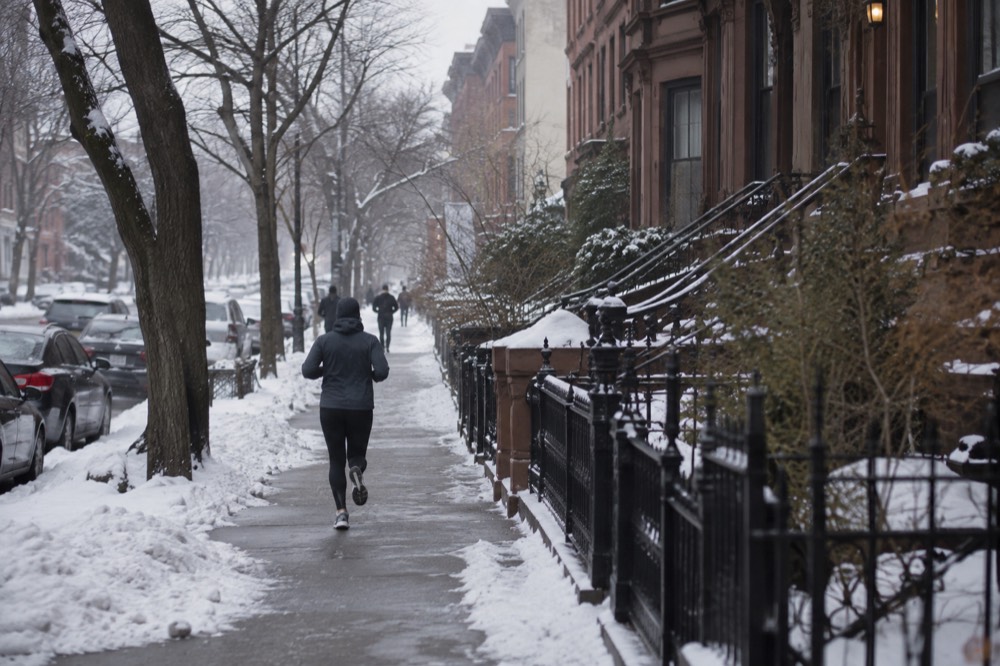
The National Weather Service keeps its official New York City climate station in Central Park, and that station's 1991-2020 normals are the record every forecast for Brooklyn is built on. By that record, the coldest month in the city, Brooklyn included, is January, with an average daily low of 27.9°F and an average daily high of 39.5°F. February sits just behind it, and it holds a different title: it is the snowiest month of the year in New York, averaging 10.1 inches against January's 8.8.
That second fact is the one that catches people out. Visitors brace for January as the brutal month and then discover that the biggest snowfalls, and often the rawest wind-chill days, arrive after the calendar has turned. This page walks through the full monthly picture, what those numbers feel like on a Brooklyn sidewalk, and what is actually worth doing in the borough when the mercury bottoms out.
What Is the Coldest Month in Brooklyn, NY?
The coldest month in Brooklyn, NY is January, which averages a low of 27.9°F and a high of 39.5°F, the lowest pair of figures in the official New York City climate record. February is a close second, and it is also the snowiest month, averaging 10.1 inches of snow against January's 8.8. Brooklyn has no separate official climate station, so the Central Park normals serve as the standard data for the whole city.
The numbers come from the NOAA 1991-2020 climate normals for station USW00094728, NY City Central Park, the closest long-running official station to Brooklyn and the one used for New York City climate reporting generally. Brooklyn's weather does not differ meaningfully from Manhattan's in winter. The borough's waterfront edges, along the East River and the harbor, can feel a degree or two rawer when the wind comes off the water, but the thermometer readings are effectively the same.
What the averages hide is variance. A January night in Brooklyn can drop into the teens, and cold snaps pushing temperatures into the single digits happen most winters. On the other hand, January thaws with highs in the 50s are not rare either. The average is a middle, not a promise.
| Month | Avg high °F | Avg low °F | Precipitation (in) | Snowfall (in) |
|---|---|---|---|---|
| December | 44.3 | 33.8 | 4.38 | 4.9 |
| January | 39.5 | 27.9 | 3.64 | 8.8 |
| February | 42.2 | 29.5 | 3.19 | 10.1 |
| March | 49.9 | 35.8 | 4.29 | 5.0 |
Notice the pattern across the three core winter months. December is milder but wetter. January is the coldest by temperature. February is slightly warmer on paper than January, yet it delivers more snow and less total precipitation, which tells you its storms come in colder, fluffier form. Anyone planning a winter visit around "the worst month" needs to decide whether they mean the coldest air or the most snow on the ground, because in New York those are two different months.
For context, here is the full year as the official record reports it. The table is worth reading all the way down, because it corrects two assumptions visitors routinely bring to the city: that summer is the dry season, and that winter is the wet one. Neither is true.
| Month | Avg high °F | Avg low °F | Precipitation (in) | Snowfall (in) |
|---|---|---|---|---|
| January | 39.5 | 27.9 | 3.64 | 8.8 |
| February | 42.2 | 29.5 | 3.19 | 10.1 |
| March | 49.9 | 35.8 | 4.29 | 5.0 |
| April | 61.8 | 45.5 | 4.09 | 0.4 |
| May | 71.4 | 55.0 | 3.96 | 0.0 |
| June | 79.7 | 64.4 | 4.54 | 0.0 |
| July | 84.9 | 70.1 | 4.60 | 0.0 |
| August | 83.3 | 68.9 | 4.56 | 0.0 |
| September | 76.2 | 62.3 | 4.31 | 0.0 |
| October | 64.5 | 51.4 | 4.38 | 0.1 |
| November | 54.0 | 42.0 | 3.58 | 0.5 |
| December | 44.3 | 33.8 | 4.38 | 4.9 |
The spread across the whole year is remarkably even. The driest month, February at 3.19 inches, and the wettest, July at 4.60 inches, sit barely 1.4 inches apart. New York has no dry season and no monsoon season, just a steady drum of precipitation that turns white for about a quarter of the year. That is the practical reason winter packing advice for Brooklyn always centers on waterproof footwear rather than rain gear: the water arrives, the only question is whether it falls as liquid or as snow.
Does Brooklyn Have Its Own Weather in Winter?
No, not in any way a thermometer can detect. Brooklyn has no separate official climate station, so the National Weather Service applies the Central Park normals to the entire city, and winter temperatures in Brooklyn match Manhattan's to within a rounding error. The only real difference is felt rather than measured: Brooklyn's long waterfront exposures catch more wind, so the same 30°F afternoon can feel several degrees rawer on the promenade than on a sheltered side street.
The geography explains the wind. Brooklyn has more open water frontage than almost any other part of the city: the East River along Brooklyn Heights and Dumbo, the Upper Bay along the Red Hook and Sunset Park shores, and the full Atlantic-facing sweep of Coney Island. When a northwest flow follows a cold front, that water is frozen-free but wide, and the fetch funnels wind straight onto the borough's edges.
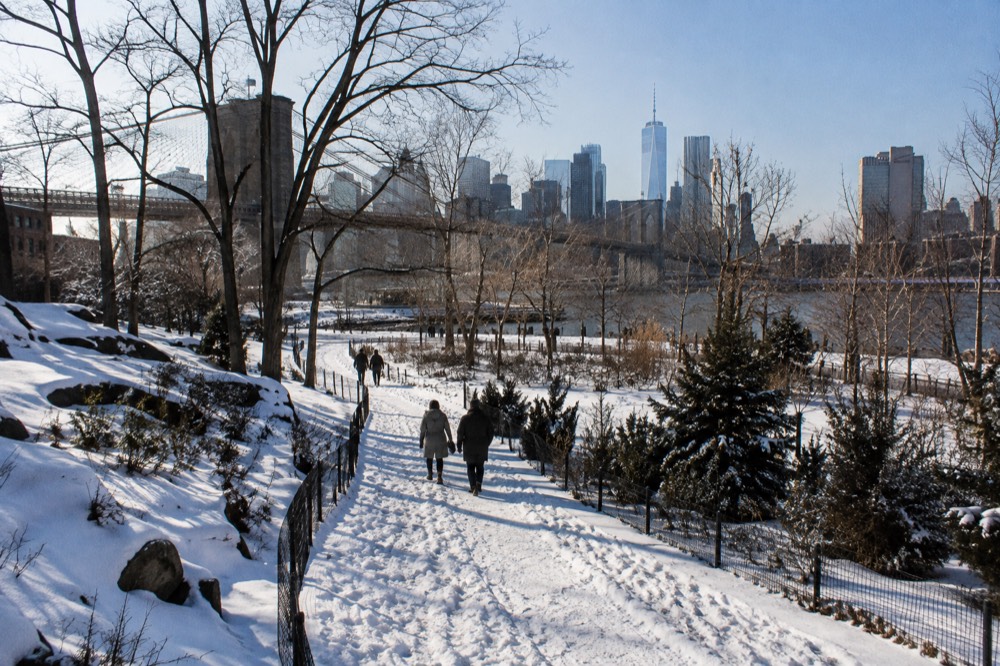
The classic example is the Brooklyn Heights Promenade, which locals know as one of the coldest pleasant walks in the city. On a bright January afternoon the skyline view across to Lower Manhattan is at its clearest of the entire year, because cold air is dry air and visibility peaks, but the railing-side wind can drive you back inland within twenty minutes. The same rule applies to the Brooklyn Bridge walk: the promenade is exposed for its full length, and winter crossings are best done with a hat that stays on.
Inland Brooklyn behaves differently. Park Slope, Prospect Lefferts Gardens and the brownstone belts generally sit low and sheltered, with building canyons that cut the wind dramatically. On the coldest days the difference between a promenade stroll and a Prospect Park loop is not the temperature, it is the wind, and locals choose between them accordingly.
How Cold Does Brooklyn Actually Get in January?
An average January day in Brooklyn starts around 28°F and tops out near 40°F, but the real range is much wider: hard cold snaps push lows into the teens and occasionally the single digits, while January thaws can touch the 50s. Wind chill along the waterfront can run 10 to 15 degrees below the air temperature. Snowfall averages 8.8 inches for the month, typically across two or three storms rather than one big dump.
The averages are honest but incomplete. A 39.5°F average high in January means plenty of days in the low 30s balanced against a handful in the upper 40s or above. The nights are the consistent part: lows below freezing are the norm, and pipes, radiators and sidewalk ice all behave accordingly.
Wind is the multiplier that the raw numbers never capture. Brooklyn Bridge Park, the Brooklyn Heights Promenade and the Coney Island boardwalk are all wide-open exposures where a 30°F afternoon with a 20 mph northwest wind feels dramatically worse than the same temperature among the brownstones of Park Slope. Locals plan around this instinctively: the windy waterfront on a January day is a short-visit proposition, while the sheltered side streets stay comfortable for a long walk.
Ice is the other daily reality the averages do not mention. New York's winter pattern of daytime thaw and overnight refreeze means that a week after any snowfall, side streets and crosswalks still hold patches of black ice well after the parks look clear. The borough's busiest pedestrian corridors get salted and scraped quickly, but the quieter residential blocks keep their patches for days. Footwear with real tread matters more here than in cities that stay hard-frozen all winter, because the hazard is invisible and intermittent rather than constant.
If you are visiting in the coldest stretch of the year, the indoor options earn their keep, and one of the best cold-weather evenings in the borough is indoors by design.
Barclays Center sits directly above the Atlantic Avenue subway complex in Prospect Heights, one of the best-connected spots in Brooklyn, so a Nets game is a low-hassle night even when the pavement is glazed. The arena is warm, loud and a genuine Brooklyn night out rather than a tourist obligation, and ticket prices vary widely by opponent and seating tier, so check the live listing for the matchup you are eyeing.
Why February Often Feels Colder Than January
February averages 42.2°F for a high and 29.5°F for a low, slightly warmer than January on paper, yet it delivers more snow, 10.1 inches versus 8.8, and it is the driest month of the entire year at 3.19 inches of total precipitation. That combination, cold storms with little rain to soften them, is why February often feels like the harsher month even though January owns the temperature record.
The snow statistic is the surprise worth repeating. Conventional wisdom in most of the northeast holds that January is the snow month. In New York City the official normals say otherwise: February out-snows January by more than an inch on average, and it does so while receiving less total precipitation overall. February storms are more likely to fall as snow and to stick, because the ground and the air are at their coldest cumulative point of the season.
There is also a psychological layer that every New Yorker knows. January cold is new. By mid-February the city has been through two-plus months of it, the snow banks are grey, the wind has had time to grind, and the calendar says spring is near while the sidewalk says otherwise. The average temperature rises slightly and the felt experience often does not.
For visitors, the practical read is this: do not book a February trip expecting a milder version of January. Book it expecting comparable cold, a somewhat higher chance of a proper snowfall, and shorter daylight than you might expect this late in winter. A snowy Prospect Park or a snow-dusted Brooklyn Bridge walk is genuinely beautiful, but it comes with the same layers, the same boots and the same respect for ice.
Is January a Good Time to Visit Brooklyn?
January is a good month to visit Brooklyn if your priorities are lower hotel rates, shorter lines and indoor culture, and a bad one if you wanted warm-weather icons like the Coney Island boardwalk or long ferry rides. The cold is real but manageable with proper layers, and the borough's museums, restaurants, music venues and arenas all run at full tilt through the winter. Just plan for ice on side streets and build indoor stops into every outdoor stretch.
The honest case for a January visit is economic and practical. Winter is New York's low season for hotel demand, and the attractions that queue for an hour in July often walk you straight in. Brooklyn Botanic Garden is dormant, but the Brooklyn Museum, the Brooklyn Children's Museum and the borough's independent venues do not close for cold. The restaurant scene, from fine dining to slice shops, is if anything easier to book.
The honest case against is the outdoor bucket list. Coney Island's rides follow a seasonal calendar and the beach is a wind tunnel in January. The East River ferry is still running but it is a cold-weather ride, not a pleasure cruise. A Dyker Heights Christmas lights trip has ended with the holidays. If your mental image of Brooklyn is summer stoop life and boardwalk Nathan's, deep winter will not deliver it.
The middle path is what most winter visitors actually land on: pick one substantial outdoor thing per day, timed for midday when the temperature peaks, and fill the rest with the borough's indoor depth. A morning in the Brooklyn Museum, an early-afternoon walk across the Brooklyn Bridge while the sun is highest, then dinner and a Nets game or a show is a full, warm, very Brooklyn day that never fights the weather.
For a fuller picture of how the whole year stacks up, month by month, see the site's New York City weather by month guide, and for winter-specific planning across the boroughs, start with winter in NYC.
What to Do in Brooklyn During the Coldest Months
The best cold-weather Brooklyn days lean on the borough's indoor depth, museums, music venues, restaurants and Barclays Center, while timing one outdoor highlight, the bridge, Prospect Park, the Heights promenade, into the midday temperature peak. Free guided walks run year-round on tip-based platforms, and winter is when they are quietest. The subway makes it easy to hop between warm stops instead of grinding through cold blocks.
Winter is arguably the best season for a guided walk, because the crowds thin and the guides have time to talk. The Brooklyn Bridge, Brooklyn Heights and Dumbo route is the classic, and it is at its most photogenic with a low winter sun or fresh snow on the promenade. A tip-based walk through Williamsburg's Hasidic quarter and surrounding streets covers a slice of Brooklyn most tourists never see, and the fixed stops include bakeries, which is exactly what you want when it is 30°F outside.
The Nets ticket deserves its own mention because it solves the winter evening problem outright. Once the sun sets in January, outdoor sightseeing stops being pleasant, and an evening tip-off at Barclays Center fills that dead stretch perfectly. The arena is a five-minute walk from the subway exit, and the surrounding blocks are dense with pre-game dinner options.
Beyond the arena, the winter shortlist is straightforward. The Brooklyn Museum holds its full schedule, so check its current admission terms before you go. Grand Army Plaza and Prospect Park's entrance loops are lovely under snow. And the borough's food tours keep running all winter, which is one of the few tourist activities that is arguably better in cold weather, since you are moving between warm rooms every twenty minutes.
One planning note that winter visitors consistently underestimate: the subway is the cold-weather tool, not just the cheap one. Brooklyn's attractions cluster around stations, and a well-chosen route keeps your outdoor exposure to a block or two at a time. The fare is $3.00 per ride, and if you tap the same card or device for every ride, the fare caps automatically at $35 in a seven-day period, so a heavy sightseeing week of rides stops charging you once the cap is reached. There is no pass to buy in advance; the cap simply applies.
What Should You Pack for a Brooklyn Winter Day?
Pack for two climates at once: a 28°F sidewalk and a 70°F restaurant. That means a serious insulated coat, hat and gloves, waterproof boots with real grip for icy side streets, and enough layers that you can shed one indoors without roasting. The gap between outside and inside is the defining feature of a New York winter day, and dressing only for the street is the most common first-day mistake visitors make.
The boots deserve the most thought. Because New York winters cycle through thaw and refreeze rather than staying hard-frozen, the hazard is intermittent black ice on side streets and crosswalks, not deep snow. A boot with a lug sole and some insulation beats a sleek city shoe every time, and locals who walk everywhere treat tread as non-negotiable from December through March.
The layering question is about the indoors. Subway platforms sit outside and can be colder than street level, while the trains themselves are heated, and restaurants, museums and the arena run warm. Three layers under the coat, one of which comes off easily, covers every transition the day will throw at you. A scarf earns its space in the bag for the waterfront stretches, where the wind arrives sideways and the collar of a coat alone does not hold it.
One last item that is specific to the coldest months: plan your day around the temperature curve rather than fighting it. The low lands near dawn, the high near mid-afternoon, so the exposed walks belong in the early afternoon and the indoor blocks belong at the edges of the day. It is a small piece of scheduling discipline that converts a survivable winter visit into a genuinely enjoyable one.
Common Questions About the Coldest Month in Brooklyn
The most frequent questions about Brooklyn's coldest month are whether January or February is worse, how cold it really gets, and whether the cold makes the borough worth visiting. The short version: January is the coldest by temperature, February brings the most snow, hard cold snaps drop lows into the teens, and the borough remains very much worth visiting if you dress for it and plan around the short daylight. These answers cover the details.
What is the coldest month in brooklyn ny?
January. It averages a low of 27.9°F and a high of 39.5°F, the coldest pairing of any month in the official New York City climate record, which is measured at the Central Park station and applies to Brooklyn as well.
Does it snow more in January or February in Brooklyn?
February. The official 1991-2020 normals record an average of 10.1 inches of snow in February against 8.8 inches in January, despite February being slightly warmer on average. February is also the driest month of the year overall, which means its precipitation arrives disproportionately as snow.
How cold does Brooklyn get at its worst?
January lows average 27.9°F, but most winters include cold snaps that push overnight temperatures into the teens, and occasionally into the single digits. Wind chill along the open waterfront, at the bridge, the promenade or Coney Island, can run 10 to 15 degrees below the air temperature.
Is Brooklyn colder than Manhattan in winter?
Not meaningfully. There is no separate official climate station for Brooklyn, and the Central Park normals are used for the whole city. Brooklyn's exposed waterfront spots can feel rawer in the wind, but the thermometer readings are effectively identical across the East River.
Is winter a bad time to visit Brooklyn?
Only if your trip depends on warm-weather attractions like the Coney Island beach season. Winter brings lower hotel demand, shorter lines and full indoor programming at the borough's museums, venues and arenas. Dress in layers, plan one outdoor highlight per day around the midday temperature peak, and the cold becomes a scheduling problem rather than a dealbreaker.
What should I pack for Brooklyn in January or February?
A serious insulated coat, hat and gloves, waterproof boots with real grip for icy side streets, and enough layers that you can shed one indoors. The gap between a 28°F sidewalk and a heated restaurant or arena is large, so plan for both ends of it rather than dressing only for the street.
The coldest month in Brooklyn is January, and the snowiest is February, and knowing both lets you plan for the winter New York actually has rather than the one people assume. Dress for the wind, book the indoor evenings before you arrive, and the cold months become one of the better times to see the borough at its own pace. For everything the city offers across all five boroughs and all four seasons, start with the New York City Travel Guide homepage and the site's master list of things to do in NYC.