What Restaurant Does Robert De Niro Own in NYC?
Robert De Niro's NYC restaurants explained: Nobu, Tribeca Grill, and the TriBeCa empire around them, plus how to actually get a table.
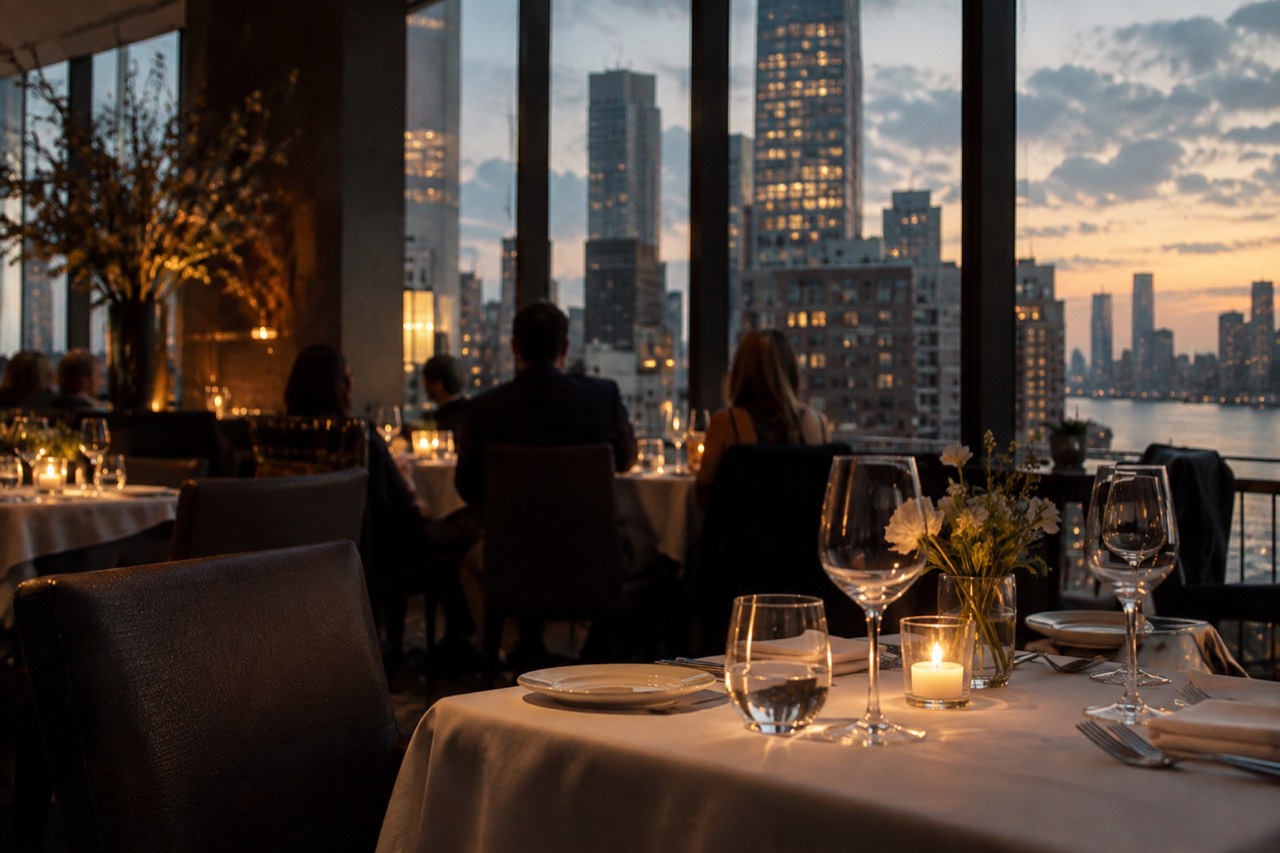
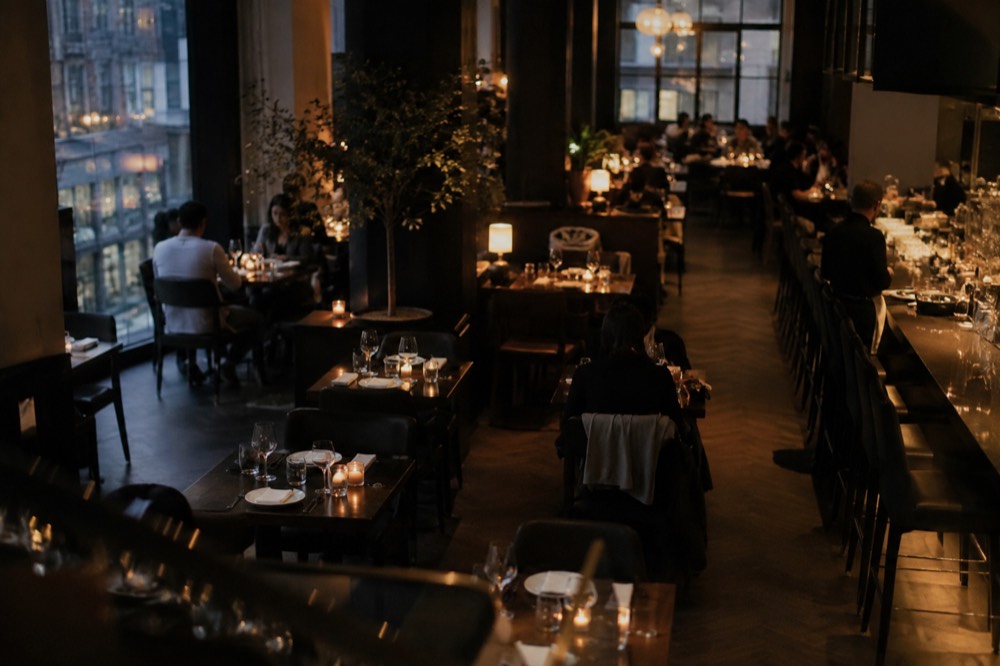
Robert De Niro does not just act in New York, he owns a meaningful slice of it. The actor's restaurant portfolio centers on two names: Nobu, the Japanese-Peruvian fine-dining empire he co-founded with chef Nobu Matsuhisa, and Tribeca Grill, the American restaurant he co-owns with restaurateur Drew Nieporent in the neighborhood he has called home for decades. Both sit in or near TriBeCa, the low-rise district below Canal Street that De Niro is widely credited with helping to revive, first with his production company, then with the Tribeca Film Festival, and steadily with restaurants and hotels along the way.
The question sounds like celebrity trivia, but it has a real travel answer. Visitors who want to eat at a De Niro property can do it, and the experience ranges from a mid-hundreds-per-person tasting at Nobu to a comparatively ordinary dinner at Tribeca Grill. This page lays out exactly what he owns, what he does not, where each place sits, and how a traveler should think about booking. Along the way it covers the TriBeCa context most guides skip, because the restaurants only make sense once you understand what the actor did for those blocks south of Canal.
What Restaurant Does Robert De Niro Own in NYC?
Robert De Niro owns stakes in two headline New York restaurants: Nobu, the Japanese-Peruvian fine-dining chain he co-founded with chef Nobu Matsuhisa, and Tribeca Grill, the American bistro he co-owns with restaurateur Drew Nieporent on Greenwich Street in TriBeCa. He is also a co-owner of the Greenwich Hotel, which houses other people's restaurants. Nobu is the globally famous one; Tribeca Grill is the local one.
That is the clean answer, and it is worth being precise about the wording. De Niro does not own a restaurant the way a sole proprietor does. He is a partner in businesses with other principals, and in Nobu's case the creative identity belongs to the chef whose name is on the door. Matsuhisa runs the kitchens and defines the food; De Niro's role from the beginning has been as the investor and front-of-house visionary who believed a downtown Manhattan location could carry a global brand. The partnership began after De Niro became a regular at Matsuhisa's restaurant in Los Angeles and convinced him to open in New York. The first Nobu in the city opened in TriBeCa, blocks from De Niro's production offices, when the neighborhood was still a stretch of empty lofts and printing businesses rather than the family-friendly, hotel-lined district it is today.
Tribeca Grill came earlier in spirit and sits even closer to home. It occupies the ground floor of a building that also houses De Niro's film company, and its ownership list has long read like a film credits crawl, with investors drawn from the actor's circle. The restaurant survived the neighborhood's lean years, the post-September 11 collapse in downtown business, and decades of restaurant-industry churn, which in New York is its own kind of achievement.
For a visitor, the practical summary looks like this:
| Restaurant | Neighborhood | Cuisine | De Niro's role | Who he shares it with |
|---|---|---|---|---|
| Nobu (downtown original) | TriBeCa | Japanese-Peruvian | Co-founder and partner | Chef Nobu Matsuhisa and other partners |
| Nobu Fifty Seven | Midtown | Japanese-Peruvian | Co-founder and partner | Same Nobu group |
| Tribeca Grill | TriBeCa | Contemporary American | Co-owner | Drew Nieporent and a large investor group |
| The Greenwich Hotel | TriBeCa | Hotel, with restaurants inside | Co-owner | Hotel partners; the restaurants are run by others |
The distinction in the last row matters. People often assume any restaurant inside a De Niro building is a De Niro restaurant. It is not. His ownership of the Greenwich Hotel makes him a landlord and hotelier, but the dining venues inside operate under their own chefs and management. Treat the list above as the accurate answer rather than the rumor version, and you will not repeat the most common mistake people make about this question.
Nobu: The De Niro Restaurant Everyone Has Heard Of
Nobu is the restaurant Robert De Niro is most famous for owning. He co-founded it with chef Nobu Matsuhisa, and the original New York location sits in TriBeCa, with a second Manhattan outpost, Nobu Fifty Seven, in Midtown. The food is Japanese with Peruvian influences, the black cod with miso is the signature dish, and dinner for two without drinks routinely runs into the hundreds of dollars.
The origin story is one of the better-known partnerships in American dining. De Niro ate at Matsuhisa's Los Angeles restaurant so often that he eventually proposed opening a New York version together, with himself as the money and name behind the downtown location. That first New York dining room became the seed of what is now a worldwide brand, with locations across multiple continents, hotels attached to many of them, and a reputation that long ago outgrew any single city. The chef's Japanese training and his years cooking in Peru produced the fusion the menu is built on: yellowtail jalapeño sashimi, ceviche-style preparations, and the black cod that has been imitated so widely it has become a genre of its own.
The downtown original is the one with the De Niro story attached. It sits in TriBeCa, the neighborhood he lived in and championed before it was fashionable, and the room itself is quieter and more local-feeling than the Midtown sibling. Nobu Fifty Seven, as the name suggests, sits on 57th Street and skews toward business dinners, theater-goers and out-of-towners who want the brand without riding downtown. The menus overlap heavily; the atmosphere does not.
What should a visitor actually expect at the table? A few honest notes:
- The signature dishes are the reason to go. Black cod with miso, yellowtail with jalapeño, and the rock shrimp tempura appear on nearly every table for a reason.
- It is expensive, and it is priced like a special-occasion restaurant rather than a casual dinner. Check the current menu before you go, because prices move and no honest guide should print a number that will be wrong by the time you book.
- Reservations open well in advance and the prime slots go fast, especially weekends. Book as early as your dates allow.
- The dress code is not formal, but this is not a shorts-and-flip-flops room either, particularly in the evening.
Is it worth it? That depends on what you want. If you want to eat at a De Niro property and tick a globally famous restaurant off the list, Nobu is the one, and the downtown original gives you both the brand and the neighborhood story in a single visit. If you just want excellent sushi in New York, the city is full of superlative Japanese restaurants that cost less and take walk-ins, and an honest guide should say so. Nobu is an experience purchase as much as a dinner.
Tribeca Grill: De Niro's Other Restaurant, and the Locals' One
Tribeca Grill is the second restaurant Robert De Niro owns in New York, a contemporary American restaurant on Greenwich Street in TriBeCa that he co-owns with Drew Nieporent. It is more casual and considerably cheaper than Nobu, with a menu of steaks, seafood and pasta, a serious wine list, and a dining room that has hosted the film industry's private dinners for decades.
If Nobu is the global statement, Tribeca Grill is the home base. It sits at street level in the building that houses De Niro's production company, which tells you most of what you need to know about its role in his life: this is the restaurant attached to his working day. Nieporent, one of New York's most respected restaurateurs, runs the operation, and the partnership has held since the restaurant's early days in a neighborhood that was then far from the dining destination it is now.
The room itself is a TriBeCa classic: high ceilings, exposed brick, a long bar, and a general air of a place designed for people who work in the neighborhood rather than for tourists photographing their plates. The food is straightforward American with Italian accents, which is to say steaks, chops, fish, and a pasta section, executed properly rather than experimentally. The wine program is genuinely deep, and it has won the restaurant recognition over the years for a cellar that punches well beyond what a neighborhood bistro needs.
Practically, Tribeca Grill is the easier of the two De Niro properties to visit. It is less expensive than Nobu, it takes reservations without the same scramble, and it works for a regular dinner rather than an occasion. If your goal is to say you ate at a De Niro restaurant and enjoy a relaxed evening in the neighborhood he rebuilt, this is the better pick. If your goal is the famous one, it is Nobu.
One more piece of context that makes the place worth understanding: the restaurant sits at the center of the Tribeca Film Festival's history. De Niro co-founded the festival, along with his producing partner and others, to bring visitors and spending back to lower Manhattan after the attacks of September 11 gutted the downtown economy. The festival's corporate offices and its signature venues cluster in TriBeCa, and the restaurant has functioned as an informal headquarters across festival seasons. Eating there during the festival in spring means sharing the room with the film industry, which is either a draw or a deterrent depending on your taste.
Does De Niro Own Locanda Verde and the Greenwich Hotel Restaurants?
No, not the restaurants themselves. Robert De Niro co-owns the Greenwich Hotel in TriBeCa, and Locanda Verde operates inside it, but the restaurant is run by its own chef and management team, not by De Niro. The same logic applies to the hotel's other food venues. His ownership covers the building's hospitality business, not every kitchen inside it.
This is the point where most celebrity-restaurant guides go wrong, so it deserves its own section. The Greenwich Hotel is a genuine De Niro property, a boutique hotel he co-owns in TriBeCa, and it houses Locanda Verde, a well-regarded Italian restaurant. Because the actor's name is attached to the hotel, the restaurant gets folded into "De Niro's restaurants" in countless listicles and search snippets. That is sloppy. Locanda Verde has its own celebrated kitchen and its own identity, and crediting it to De Niro does a disservice to the people who actually cook there.
The honest framing for a visitor: if you want to sleep in a De Niro property, book the Greenwich Hotel. If you want to eat at a De Niro restaurant, book Nobu or Tribeca Grill. If you happen to be staying at the hotel and want a very good Italian dinner downstairs, Locanda Verde will serve you well, just know whose restaurant it actually is.
The same caution applies in reverse. There are restaurants in TriBeCa that trade on proximity to the actor, and there are stories about various ventures over the years, some of which closed. Ownership lists in restaurants shift, investors come and go, and a guide that names a dozen "De Niro restaurants" is usually padding a list. Two headline restaurants and a hotel is the accurate answer, and it is a more interesting answer, because it maps onto the actual history of a neighborhood.
Why De Niro's Restaurants Are All About TriBeCa
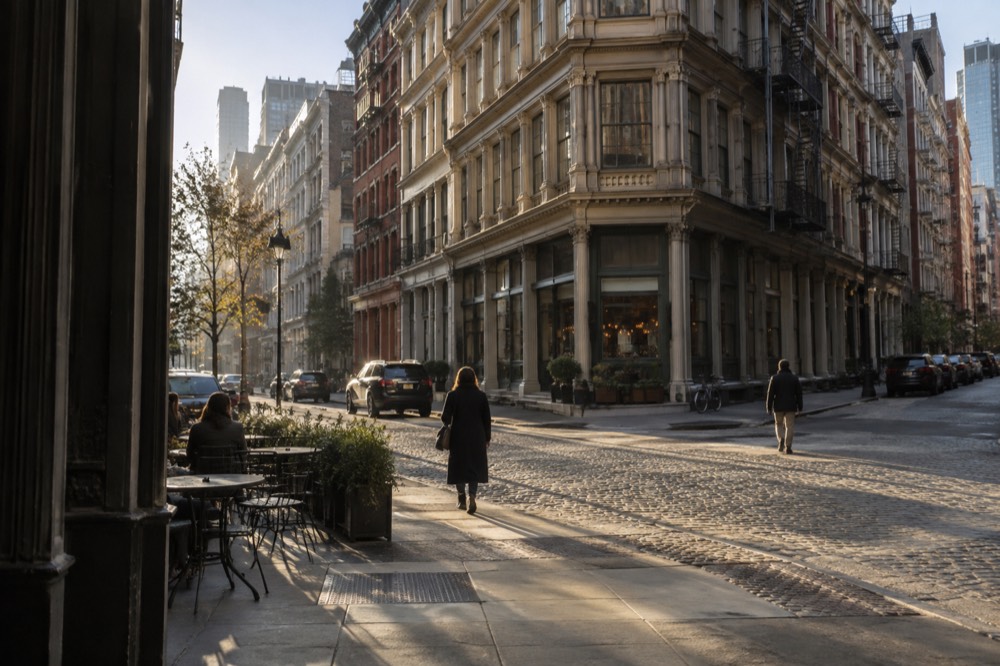
Every De Niro restaurant in New York sits in or near TriBeCa, the neighborhood south of Canal Street that he helped transform from an industrial loft district into one of the city's most expensive residential areas. His production company, his film festival, his hotel and his restaurants cluster within a few blocks of each other, which is why the actor's name and the neighborhood's revival are permanently linked.
TriBeCa, the name being a compression of "Triangle Below Canal Street," was a district of warehouses and textile merchants for most of the last century. Artists took the lofts because the space was cheap. De Niro was one of the early prominent residents, and he put his businesses there when almost nobody else was: the production company downtown, the restaurant on Greenwich Street, and later the festival and the hotel. The pattern is unusual for a celebrity. Most famous New Yorkers attach their names to ventures in Midtown or the Theater District, where the traffic already is. De Niro built where he lived, and the neighborhood's fortunes rose around him.
For a visitor, that concentration is useful. You can walk the whole De Niro footprint in an afternoon: the Tribeca Grill block, the hotel a few minutes away, the original Nobu nearby, and the festival's home venues scattered through the same low-rise streets. The neighborhood rewards the walk generally, with cobblestone corners, cast-iron fronts and a quieter pace than almost anywhere in Manhattan, and it connects naturally to the rest of downtown. Chinatown and Little Italy sit just across Canal Street to the east, SoHo is a few blocks north, and the Financial District's harbor front is south.
If you are building a downtown day around the restaurants, the practical route is to arrive by subway, walk TriBeCa in the afternoon, eat in the early evening, and finish with the harbor or the Financial District after dark. The neighborhood's restaurant scene has grown far beyond two celebrity names, so a failed reservation at either De Niro property is not a ruined evening; within a short walk you will find a dense concentration of well-reviewed kitchens. For a fuller picture of the district, read our TriBeCa neighborhood guide, and for the broader downtown sweep, start with things to do in NYC, which covers how the neighborhoods fit together for a first visit.
Can You Get a Table at Nobu or Tribeca Grill Without Booking Ahead?
Walk-ins are possible but risky at both restaurants. Nobu takes reservations well in advance and its prime dinner slots fill first, particularly on weekends, while Tribeca Grill is more forgiving and often has room at the bar or an early table. The honest advice is identical for both: book ahead if you have a date in mind, and treat the bar as the backup plan if you did not.
At Nobu, the calculus is simple supply and demand. The brand's global fame means the downtown original and the Midtown outpost both fill their books, and the most desirable times, weekend evenings around seven and eight, are the first to go. Reservations typically open about a month out, so if your trip dates are fixed, set a reminder and book the day the calendar opens. If you are already in the city and want to try your luck, go at opening or late, and ask specifically about the bar, where seats turn over faster and the kitchen serves the full menu. Lunch is the quieter, cheaper, and frankly underrated window at both locations.
Tribeca Grill is a different animal. It is a neighborhood restaurant with a celebrity attachment, not a global destination, and its booking pressure is lighter. Weekday dinners are usually gettable, and the bar is a genuine option rather than a consolation prize. If your heart is set on dinner there during the Tribeca Film Festival in spring, book early, because the room fills with industry events. Otherwise, same-day and short-notice reservations are realistic.
A few practical notes for either booking:
| Nobu (TriBeCa / Midtown) | Tribeca Grill | |
|---|---|---|
| Booking window | Reserve as far ahead as the calendar allows | Short notice usually works, weekends busier |
| Walk-in odds | Low at peak dinner, better at lunch and the bar | Reasonable, especially weekdays |
| Price level | High, special-occasion territory | Moderate for the quality, cheaper than Nobu |
| Best slot for a first visit | Early dinner or weekday lunch | Any weekday dinner, or the bar |
| Dress | Smart casual, no shorts at dinner | Smart casual, neighborhood standard |
One more thing worth knowing: neither restaurant is a movie-memorial museum. You are going for the food and the rooms, not props and posters. De Niro is an active partner, not a host; sightings happen occasionally, because his offices and home base are in the neighborhood, but nobody should plan a dinner around the hope of one. The people-watching is excellent anyway, because the film industry still eats in these rooms.
What to Order at Nobu If It Is Your First Time
Order the black cod with miso, the yellowtail jalapeño, and the rock shrimp tempura, because those three dishes built the restaurant's reputation and remain the reason most tables are there. Add sashimi or a sushi selection to taste, share everything, and expect the bill to reflect a tasting-style meal rather than a single entree each. Skip the temptation to over-order; the dishes are rich and the portions are designed for sharing.
The black cod deserves its specific mention because it is the single dish most associated with the brand, a miso-marinated fillet that has been copied across the restaurant world since the original opened. If you order one thing, that is it. The yellowtail with jalapeño is the raw counterpoint, clean heat against buttery fish, and it arrives fast, which makes it the natural first course. From there, the menu splits between the Peruvian-leaning cold kitchen and the hot plates, and a table of two or three does well with one cold dish, one or two hot ones, and a sushi finisher.
Drinks are part of the experience whether you want them to be or not. The sake list is serious, the cocktails are built to match the food, and a non-drinker is well served by asking for the pairings without the alcohol. Service is professional and quick-paced; this is a restaurant that turns tables, so a two-hour dinner is the norm rather than a leisurely three.
If the price gives you pause, remember the alternative framing: the weekday lunch at Nobu delivers the same kitchen at a gentler price point and a calmer room, and it is the insider's move rather than the compromise. Either way, check the current menu and prices on the official site before you book, because a guide that prints today's prices is lying to you about next month's.
Other Celebrity-Owned Restaurants Near De Niro's Turf
Downtown Manhattan carries a surprising number of celebrity-connected restaurants within walking distance of TriBeCa, though ownership claims are often looser than they sound, with many stars holding licensing deals or minor stakes rather than running kitchens. The honest rule: verify who actually owns a place before traveling for a name, because the celebrity restaurant business runs heavily on branding.
The pattern repeats across the city. A famous actor or athlete attaches a name, the press calls it "their restaurant," and the ownership turns out to be a licensing arrangement or a small stake in a hospitality group's project. That is not a scandal, it is how the business works, but it means a visitor who cares about the distinction should look at who the operating partners are, not just whose face is on the announcement. De Niro's portfolio is unusual precisely because his involvement is long-running, structural and local: he did not license his name to a chain, he co-founded businesses in his own neighborhood and kept them running for decades.
If celebrity dining is your theme, a few practical pointers:
- Anchor the day on the two verified De Niro properties, Nobu and Tribeca Grill, both in TriBeCa.
- Treat any other "celebrity restaurant" claim as a branding claim until you check the operating company.
- Remember that downtown's best meals are mostly owned by chefs, not actors, and the chef-owned rooms are where the food-first traveler should spend their budget.
For a broader map of where the city's serious eating happens, our guide to the best restaurants in NYC sorts the landscape by neighborhood and budget, and it is a better starting point than any celebrity list if dinner quality is the real goal.
Seeing the Neighborhood by Foot, with a Guide
A guided food walk is the most efficient way to eat through the downtown blocks around TriBeCa, because Chinatown and Little Italy sit a few minutes east of De Niro's restaurants and their best kitchens are scattered across side streets a solo visitor wastes time finding. A guide who knows the route turns a vague appetite into a structured meal with the neighborhood history attached, and it pairs naturally with a De Niro-themed downtown day.
TriBeCa, Chinatown and Little Italy sit shoulder to shoulder below Canal Street, and the food history of those blocks is exactly the kind of thing a good guide can unlock. A guided tasting walk through Chinatown and Little Italy covers six dishes that add up to a real meal, with the stories of the families and waves of immigration behind each neighborhood woven between the stops. It is the natural companion to a De Niro-themed downtown day, because it takes you from the actor's polished dining rooms into the older, louder, cheaper food culture a few blocks east, the one that was there long before the lofts converted.
A walking tour also solves a real logistics problem. Downtown Manhattan's food neighborhoods are dense, walkable and easy to waste time in, because the best dumpling shop and the best cannoli counter are never on the same block. A guide who knows the route saves you the research and gets you eating faster. For travelers who prefer to wander solo, the same logic applies with a map and an appetite; just go hungry and pace yourself.
Common Questions About Robert De Niro's NYC Restaurants
The short version of everything above: Robert De Niro owns stakes in Nobu and Tribeca Grill, both in TriBeCa, and co-owns the Greenwich Hotel, whose restaurants belong to other people. Nobu is the famous, expensive, book-ahead one; Tribeca Grill is the casual neighborhood one. Everything else you may have read about his restaurant empire is either a licensing rumor or a closed venture.
What restaurant does robert de niro own in nyc?
Robert De Niro co-founded Nobu with chef Nobu Matsuhisa and co-owns Tribeca Grill with restaurateur Drew Nieporent. The original Nobu is in TriBeCa, with a second Manhattan location, Nobu Fifty Seven, in Midtown. He also co-owns the Greenwich Hotel in TriBeCa, though the restaurants inside it are run by others.
Is Nobu actually owned by Robert De Niro?
De Niro is a co-founder and partner, not the sole owner. The brand was built with chef Nobu Matsuhisa, whose name and kitchen define it, along with other partners. De Niro's role from the start was as the investor and New York presence who convinced Matsuhisa to open downtown.
Which is better for a tourist, Nobu or Tribeca Grill?
It depends on the goal. Nobu is the globally famous special-occasion restaurant, expensive and requiring advance booking. Tribeca Grill is more casual, cheaper, easier to book, and gives you the De Niro neighborhood story in a relaxed room. Tourists chasing the name usually pick Nobu; travelers chasing a good dinner often prefer Tribeca Grill.
Can you walk in without a reservation?
It is possible but risky at Nobu, where prime dinner slots book out well ahead; try lunch or the bar for the best walk-in odds. Tribeca Grill is far more forgiving, especially on weekdays, and its bar is a genuine option rather than a fallback.
Does Robert De Niro own Locanda Verde?
No. Locanda Verde operates inside the Greenwich Hotel, which De Niro co-owns, but the restaurant has its own chef and management. Crediting it to De Niro is a common error in celebrity restaurant lists.
Where are De Niro's restaurants located?
Both headline restaurants are in TriBeCa, the neighborhood below Canal Street where De Niro has lived and worked for decades. The original Nobu is downtown, Nobu Fifty Seven is in Midtown on 57th Street, and Tribeca Grill sits on Greenwich Street near his production company's offices.
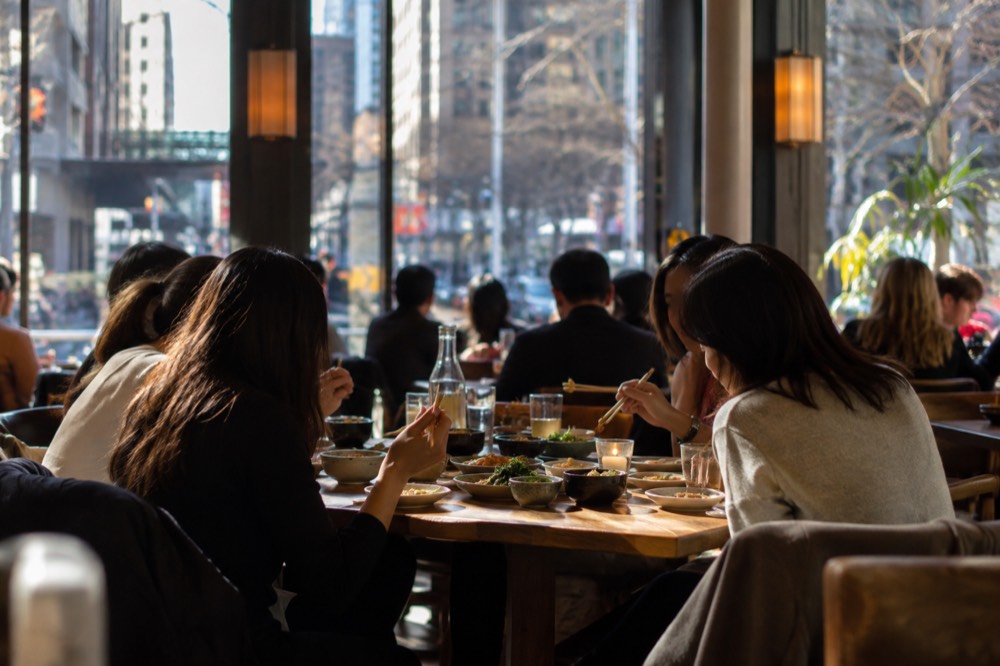
One last practical note to close on. The De Niro restaurant question is really a TriBeCa question, and TriBeCa is one of the few Manhattan neighborhoods that is better in the evening than at midday, when its quiet streets can feel almost empty. Plan accordingly: spend the afternoon in the louder blocks east of Canal, walk TriBeCa as the light drops, and eat at whichever of the two restaurants matched your budget and your booking luck. If you want a deeper dive into the neighborhood before you plan the evening, the New York City Travel Guide covers TriBeCa and the rest of the five boroughs in detail, from the Greenwich Village food scene to the full downtown walking tour options.