East Village NYC: What the Neighborhood Is Really Like for Visitors
The East Village is the part of Manhattan where the city drops to walk-up height: brick, noise, cheap eats and a nightlife scene that starts late and ends later. This guide covers what the neighborhood is like as a base, what to do with a day there, and who it genuinely suits.
Short answer
The East Village is a dense, walkable downtown Manhattan neighborhood east of the Bowery, known for restaurants, bars, music venues and a grittier, lower-rise feel than Midtown. It suits travelers who want food and nightlife on their doorstep more than sightseeing landmarks, and it is best explored on foot or by subway using the L, 6 or F trains.
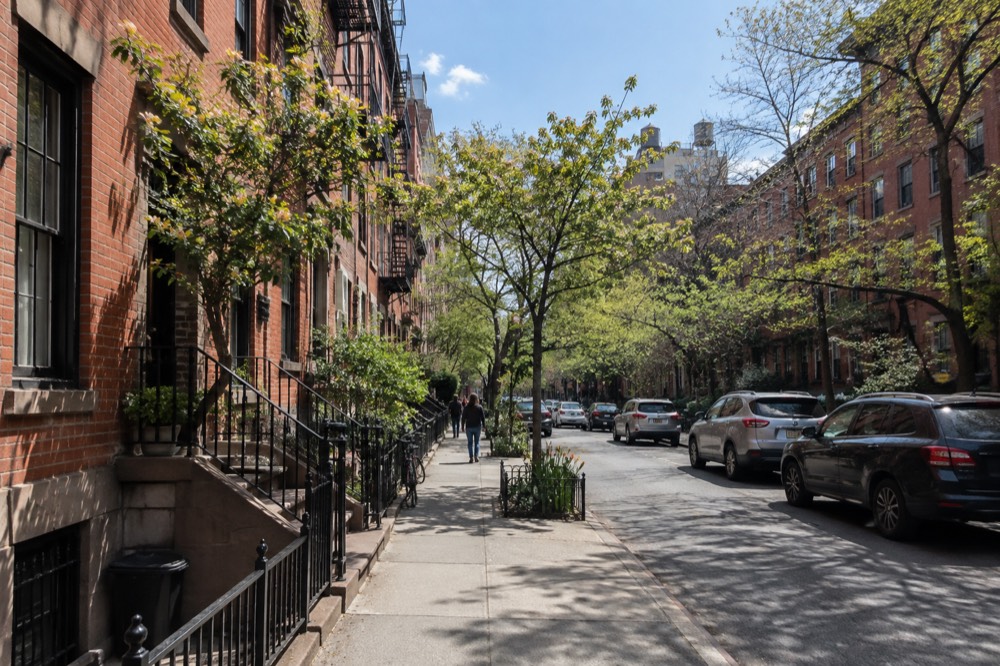
The East Village is the part of Manhattan where the city drops to walk-up height. East of the Bowery and west of the East River, the neighborhood runs on brick, noise, cheap eats and a nightlife scene that starts late and ends later. There is no single landmark here that draws tour buses. What draws people is the texture: blocks of tenement buildings, restaurant rows, record shops and the feeling that the neighborhood still belongs to the people who live in it.
This guide covers the East Village as both a base and a day out. It explains where the neighborhood actually sits, what you can do there, where the food concentrates, how the subway and the new OMNY system work for getting around, and who the area genuinely suits versus who should sleep elsewhere. Where a figure matters, like subway fares, it comes from the MTA's own published pages. Where something is a matter of taste, it says so plainly.
Where Is the East Village in New York City?
The East Village sits in Lower Manhattan, bounded roughly by the Bowery and Third Avenue on the west, the East River on the east, 14th Street on the north and Houston Street on the south. Alphabet City, the blocks east of First Avenue where the avenues are lettered A through D, is part of it. The neighborhood sits directly east of NoHo and the Bowery, north of the Lower East Side, and south of Stuyvesant Town.
That geography matters more than it sounds. Because the East Village sits between two of the busiest food and nightlife zones in the city, the Lower East Side on one side and the blocks around Union Square on the other, almost everything worth doing is within a fifteen minute walk. The trade-off is that the neighborhood has no direct link to the east side of Central Park or to the Museum Mile stretch of Fifth Avenue. Those are a subway ride, not a stroll.
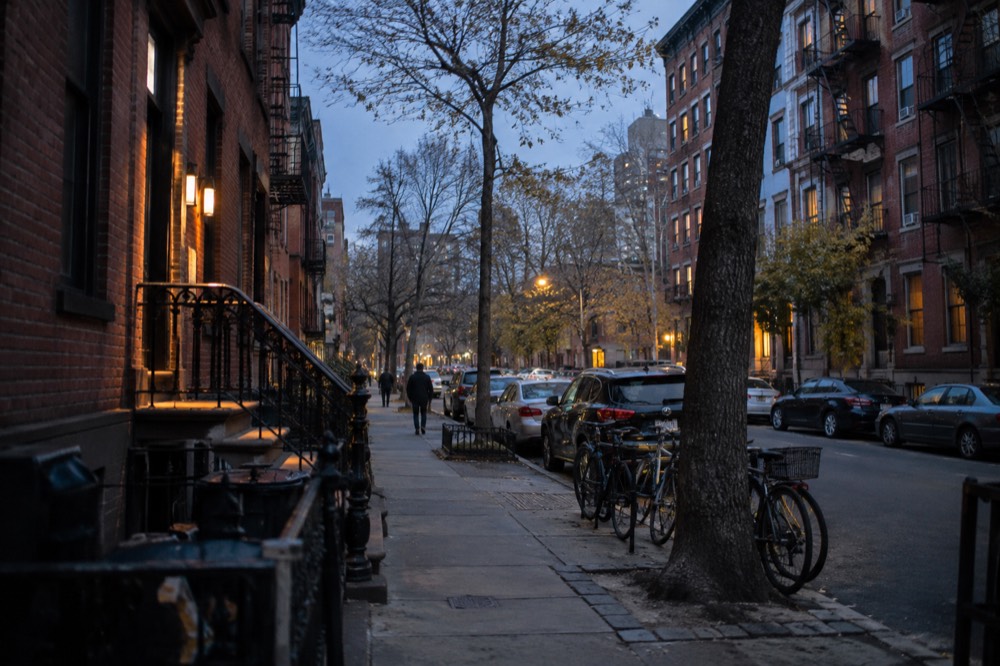
The streets themselves are the attraction. The grid here is old and slightly crooked, with St. Mark's Place cutting diagonally into the blocks and Tompkins Square Park anchoring the eastern side. Unlike Midtown, where everything towers, the East Village is mostly four to six story buildings, which keeps light on the sidewalks and makes the whole area feel walkable in a way that Midtown never does. Visitors who base themselves here tend to walk far more than they ride.
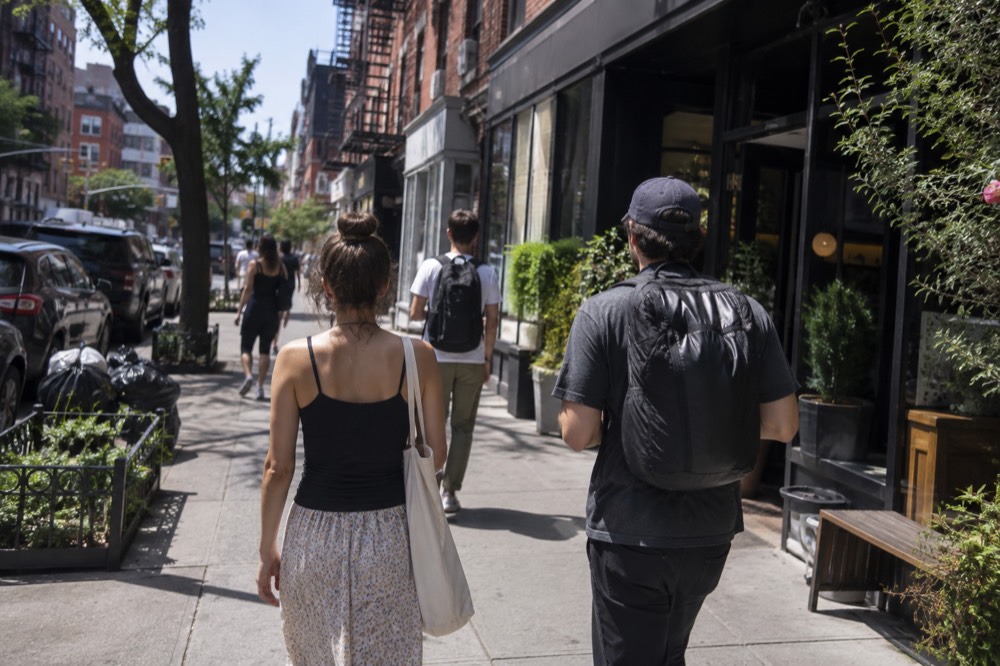
For orientation on a first visit, three spots do the job. Astor Place, at the northwest corner, is where the 6 train stops and where the neighborhood's busiest blocks begin. Tompkins Square Park, in the middle of Alphabet City, is the neighborhood's living room, with lawns, benches and a steady crowd of locals. And the East River waterfront along the eastern edge gives you the clearest view of Brooklyn and the bridges that you can get without leaving the neighborhood.
Is the East Village a Good Base for a New York Trip?
The East Village is a strong base for travelers whose trip is built around food, bars and walking, and a weaker one for travelers whose trip is built around Midtown sightseeing. It has no observation deck, no flagship museum and no major landmark inside its borders, but the L, 6 and F trains put Midtown, Brooklyn and the Financial District within reach. Expect smaller hotels and more walk-up buildings than areas farther uptown.
The honest case for basing here is density of life. Within ten minutes on foot you can reach hundreds of restaurants, bars, comedy rooms and music venues at a wider spread of prices than almost anywhere else in Manhattan. The neighborhood also sits close to two other food-heavy areas, the Lower East Side and Chinatown, which means you are never more than a short walk from another full evening. Travelers who hate commuting to dinner tend to love it here.
The honest case against is the sightseeing commute. The Empire State Building, Times Square, the Museum of Modern Art and the observation decks are all in or near Midtown, which means a subway ride of roughly fifteen to twenty minutes each way from Astor Place. If your itinerary is deck, museum, deck, you will spend more time on the 6 train than a Midtown-based visitor would. Families with young kids may also find the nightlife noise and the shortage of large hotels a poor fit.
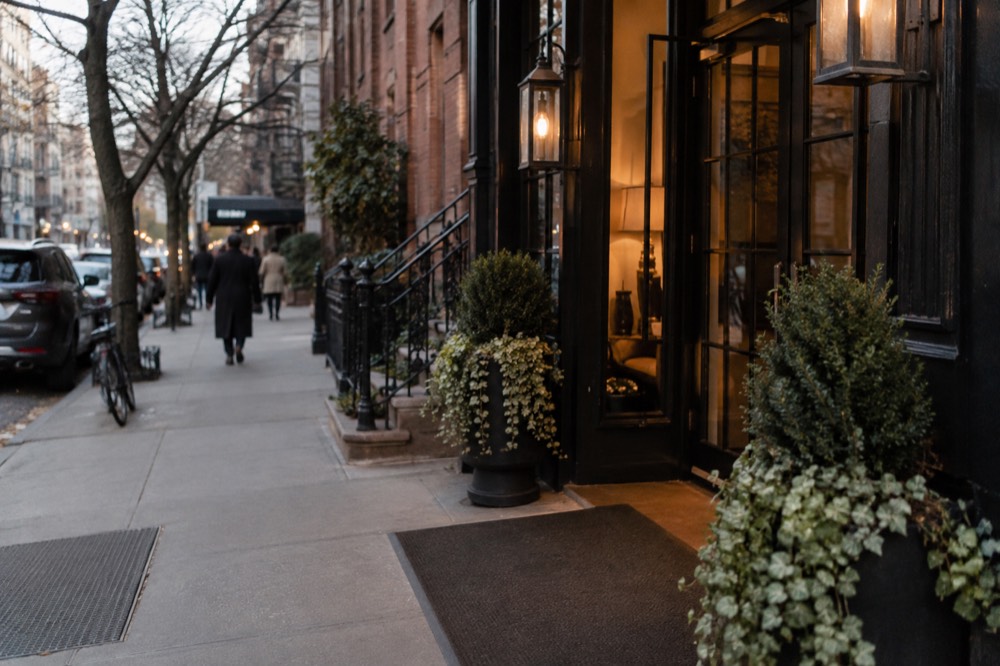
One structural point worth knowing before you book anything: the East Village's hotel stock is genuinely limited. The neighborhood is dominated by residential tenement buildings, so accommodations skew toward small boutique properties, hostels and short-term rentals rather than full-service hotels. Travelers who want a gym, a lobby and a concierge should compare carefully, and may prefer to sleep elsewhere and visit the East Village for evenings instead. The where to stay in New York guide breaks down the trade-offs across all the major hotel districts.
What Can You Actually Do in the East Village?
The East Village's core activities are eating, drinking, live music and park time, not sightseeing. The main draws are Tompkins Square Park, the restaurant rows along First and Second Avenues, the bars and venues scattered through the side streets, and the East River waterfront path. A full day here is a walking day: coffee, a long lunch, a park or river pause, then an evening that runs late.
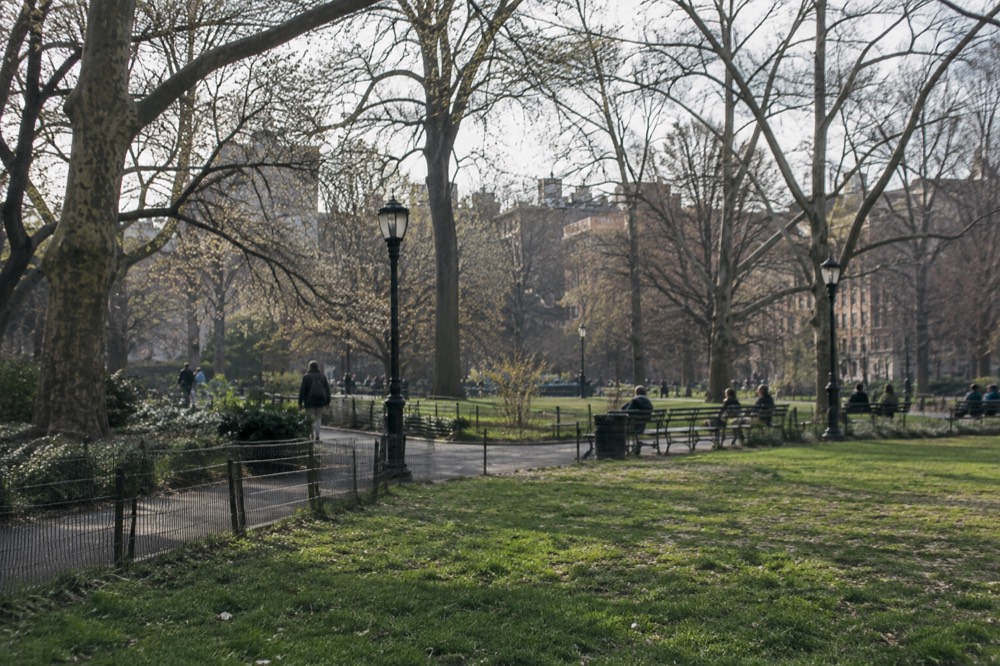
Tompkins Square Park is the neighborhood's center of gravity. It is a real local park, with dog runs, playgrounds, lawns and a mixed crowd that shifts by hour. It is also one of the few places in Manhattan where sitting on a bench for an hour feels like participating in the neighborhood rather than observing it. On weekends the surrounding blocks fill with brunch crowds, and the park itself hosts events and markets on a seasonal schedule, so check what is on before you plan around it.
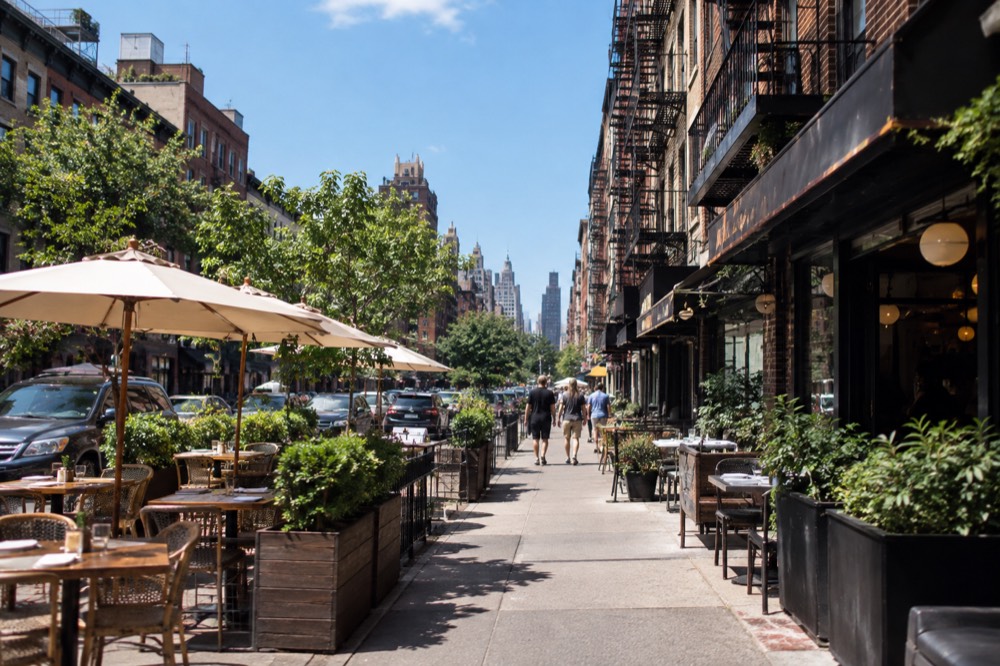
The restaurant rows are the practical reason most visitors come. First Avenue and Second Avenue, plus the cross streets between them, hold one of the densest concentrations of eating in the city: ramen shops, Ukrainian diners, pizza counters, taco spots and a long tail of small kitchens run by owners who cook the food they grew up with. The best restaurants in New York guide covers the citywide picture, but in the East Village the strategy is simpler: walk, read menus, walk more. The neighborhood rewards wandering more than planning.
Live music and comedy are the neighborhood's other engine. The East Village has carried New York's alternative music and counterculture scene for generations, and while the famous venues of the past are largely gone, the infrastructure remains: basement rooms, small bars with back stages, and comedy rooms that run most nights of the week. Sets start late here, often after 9pm, and the rooms are small enough that a ticket bought the same afternoon usually gets you a decent spot. Visitors who want a big polished Broadway night should look uptown instead; the best Broadway shows guide covers that side of the city.
The waterfront is the underrated third act. The East River path along the neighborhood's eastern edge delivers open views across to Brooklyn and the bridges, and it connects north toward the larger East River Park. It is at its best in the early evening, when the light comes across the river and the Manhattan skyline behind you starts switching on. Runners, dog walkers and cyclists share it, and it costs nothing, which makes it a useful reset between a long lunch and a late night.
For a structured introduction to the neighborhoods just south, the Chinatown and Little Italy food tour is the closest guided option to the East Village, with six tastings that add up to a real meal. Check availability if a guided walk through the food blocks sounds better than working out them alone.
Where Should You Eat in the East Village?
Eating is the East Village's main event, and the neighborhood covers an unusually wide price range, from slice counters and dollar dumplings to full-service restaurants that hold their own against anywhere in the city. The densest strips are First and Second Avenues and the cross streets between them, with a second cluster around St. Mark's Place. Reservations matter at dinner on weekends; at lunch almost nowhere needs one.
The practical strategy is to treat the neighborhood as a tasting grid rather than a destination restaurant. Because the blocks are small and the kitchens are many, you can build an evening out of three or four stops: a snack from one counter, a slice from another, a proper sit-down course somewhere else. This is also the cheapest way to eat well here. The cheap eats in New York guide covers the citywide budget picture, and the East Village contributes more entries to that list than almost any other neighborhood.
Two food traditions run deep here and are worth seeking out specifically. The first is the old Eastern European dining culture, including the Ukrainian restaurants that have served the neighborhood for decades; pierogi and borscht here are a genuine local institution rather than a novelty. The second is the slice-and-counter culture: the East Village holds some of the most argued-about pizza in the city, and the arguments are part of the fun. The best pizza in New York guide sorts the citywide scene, and several of the names in it are within a few blocks of Astor Place.
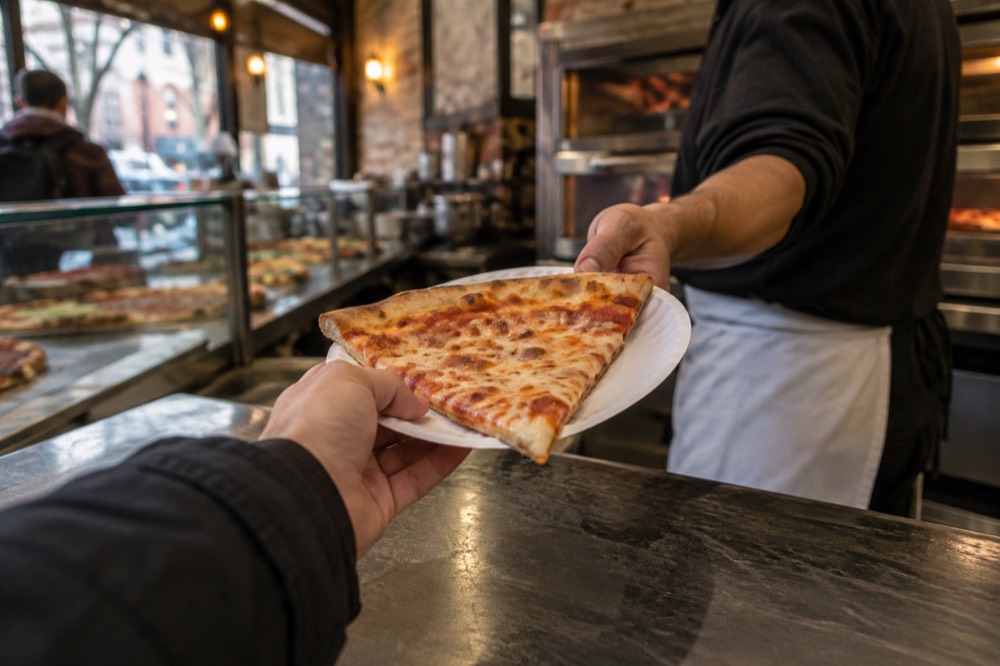
For coffee and breakfast, the neighborhood is well covered, with independent roasters and bakeries on most of the main avenues. For late night, the East Village is one of the few Manhattan neighborhoods where the kitchen lights stay on past midnight across a wide stretch of blocks, which is exactly why the after-show crowd ends up here. If your evening plan involves a venue that finishes at 11pm, dinner afterwards is not a problem in this neighborhood. That is not true everywhere in New York.
A rough planning range for a day of eating in the East Village, based on typical counter and mid-range pricing rather than any single operator's promise:
| Meal | Typical range per person | Notes |
|---|---|---|
| Slice and a drink | $5-$10 | Counter service, no reservation |
| Dumpling or taco counter | $8-$15 | Cash-friendly spots common |
| Casual sit-down lunch | $15-$25 | Walk-in usually fine |
| Dinner, mid-range restaurant | $25-$45 | Book ahead on weekends |
| Splurge dinner | $60+ | A handful of high-end rooms |
How Do You Get to and Around the East Village?
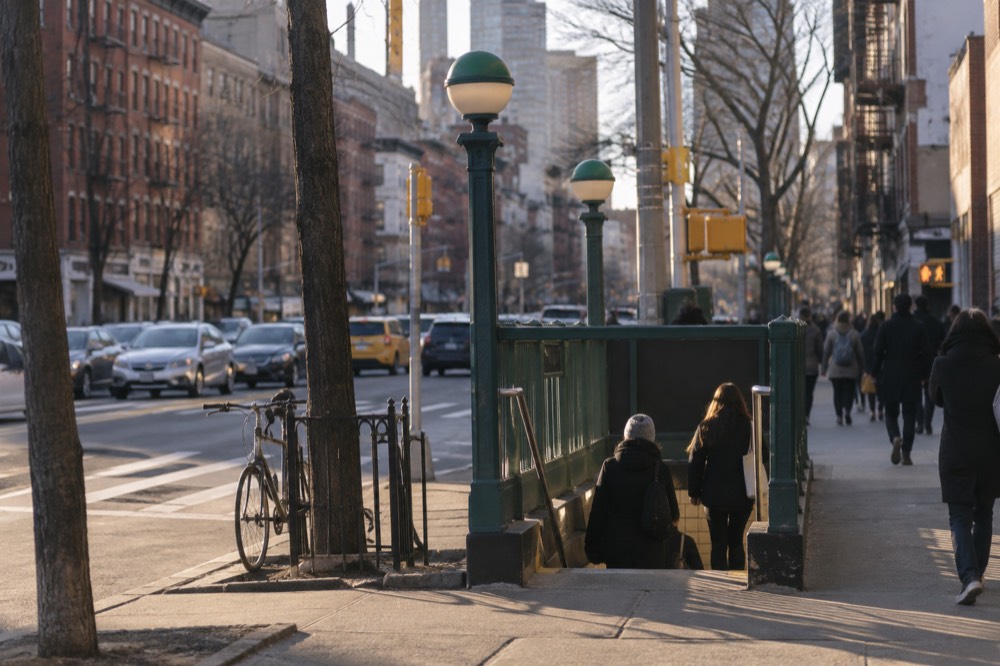
The East Village is served by three subway lines: the L at 14th Street stations along the northern edge, the 6 at Astor Place, and the F at Second Avenue and Delancey Street-Essex Street. A single subway or local bus ride costs $3.00, and the MTA's automatic OMNY fare cap means you never pay more than $35 across seven days of subway and local bus rides, with no pass to buy in advance.
The fare system is the part most guides still get wrong, so it is worth being precise. The MetroCard is retired: as of 1 January 2026 the MTA no longer sells or refills them at all, and the old 7-day unlimited pass no longer exists. The weekly value now comes from OMNY, the tap-to-pay system, which caps your spending at $35 in a rolling seven-day window automatically. You tap the same credit card, debit card, mobile device or OMNY card every time, and once you hit the cap the rest of the week's subway and local bus rides are free. There is nothing to buy in advance and no decision to make at the airport.
For the East Village specifically, the three lines split the neighborhood neatly. The 6 at Astor Place serves the western blocks and connects uptown to Grand Central and the Upper East Side. The F at Second Avenue serves the middle and connects to Midtown and Brooklyn. The L runs along 14th Street at the northern edge and is the crosstown workhorse, connecting to Union Square and across to Williamsburg in Brooklyn. From most addresses in the neighborhood, you are within a five to eight minute walk of at least one of them.
| Line | Key East Village stops | Where it takes you |
|---|---|---|
| The 6 | Astor Place | Uptown to Grand Central and the Upper East Side; downtown to Brooklyn Bridge-City Hall |
| The F | Second Avenue | Midtown, Rockefeller Center area, and across the river into Brooklyn |
| The L | 14th Street stations (1 Av, 3 Av) | Crosstown to Union Square, then Williamsburg in Brooklyn |
Walking, honestly, beats all of it inside the neighborhood. The East Village is compact enough that most trips within it take ten minutes on foot, and the side streets are where the neighborhood's character lives. Save the subway for leaving. Cabs and rideshares work here as they do everywhere in Manhattan, but for trips inside the neighborhood they are rarely faster than walking, and on weekend evenings the avenue traffic can make them slower.
Is the East Village Safe for Visitors?
The East Village is a busy, well-populated residential neighborhood and is considered safe for visitors by normal New York standards, with the usual big-city caveats about late-night streets and unattended phones. Like the rest of Manhattan, it is busiest and most active in the evenings, which works in a visitor's favor: the streets that feel most comfortable are the ones with restaurants and bars still open.
No blanket statement about any neighborhood is honest, so treat safety here as street-by-street common sense.
The honest framing is the same one that applies across New York. The streets around the main avenues carry foot traffic late into the night, which is the single biggest practical safety factor in any Manhattan neighborhood. The quieter blocks, especially the lettered avenues of Alphabet City, empty out later, and a visitor walking home at 2am should use the same judgment they would in any large city: main streets over side streets, lit over unlit, and a phone in a pocket rather than in a hand. The is New York safe guide covers the citywide picture with sourced figures rather than impressions.
One local nuance worth knowing: the East Village's nightlife means its risk profile changes by hour more than by block. A quiet residential street at 8pm is a different street at 3am, not because of the residents but because of the bar traffic moving through it. Visitors staying in the neighborhood should expect noise on weekend nights as a fact of life, and travelers who sleep lightly should request a room facing a side street or bring earplugs. That is a comfort issue rather than a safety one, but it is the complaint most likely to color a stay here.
How Does the East Village Compare to Nearby Neighborhoods?
The East Village is louder, cheaper and more food-driven than its neighbors, and each bordering area offers a different trade-off. The Lower East Side to the south is its closest cousin with a similar bar-and-restaurant energy, NoHo and the Bowery to the west are quieter and more polished, and Greenwich Village to the northwest is calmer, leafier and more expensive.
Brooklyn's Williamsburg, one L train stop away, is the true rival for visitors choosing between nightlife bases.
The comparison matters because visitors often choose between these areas for a hotel or rental, and the differences are real. Greenwich Village, covered in the Greenwich Village guide, gives you Washington Square Park, quieter streets and a more established feel, at a higher price. The Lower East Side, next door to the south, shares the East Village's late-night energy but packs it into an even smaller footprint. The East Village sits in the middle: more residential than the Lower East Side, more energetic than the Village, and generally cheaper than both of its western neighbors.
| Neighborhood | Best for | Trade-off |
|---|---|---|
| East Village | Food, bars, music, walking | Noise, limited hotels, no landmarks |
| Lower East Side | Nightlife, restaurants | Even denser, less green space |
| Greenwich Village | Calm, charm, Washington Square | Higher prices, quieter nights |
| NoHo / Bowery | Central location, polish | Fewer cheap eats |
| Williamsburg (Brooklyn) | Nightlife base, one L stop away | Commute to Manhattan sightseeing |
For a free, guided way to see the downtown blocks, there are tip-based walking tours on GuruWalk that cover the Financial District and Wall Street, including the free Financial District and Wall Street walk on GuruWalk, which ends near the waterfront. Note that six of the ten New York free walks on GuruWalk belong to a single operator, so the choice of free-walk guides is narrower than the platform's listing count suggests.
What Is a Good Day Plan for the East Village?
A good East Village day runs coffee, park, food, river, then a late evening, in that order. Start with coffee near Astor Place, walk Tompkins Square Park mid-morning, eat a long counter-hopping lunch along First and Second Avenues, take the river path in the late afternoon, then pick a music venue or comedy room and let dinner happen after dark. The neighborhood rewards a loose plan over a timed one.
The shape of the day matters more than the specific stops, because the East Village changes character by hour. Morning belongs to dog walkers, parents and coffee lines. Afternoon belongs to the lunch crowds and the park. Evening belongs to everyone, and night belongs to the bars and venues. A visitor who tries to do the neighborhood at 10am and leave by 4pm sees perhaps a third of what it is, which is the single most common mistake people make here.
A sample day, with realistic timing:
| Time | What to do | Why it works |
|---|---|---|
| 9-10am | Coffee and a pastry near Astor Place | Bakeries open early, lines are short |
| 10am-12pm | Tompings Square Park and the Alphabet City blocks | Quietest hours of the day |
| 12-2pm | Counter-hopping lunch on First or Second Avenue | Kitchens at full strength, no reservations needed |
| 2-5pm | East River path walk, or a museum or shop detour | River light is best late afternoon |
| 5-7pm | Rest, or drinks on a quieter side street | Bridges the dead hours before dinner |
| 7pm onward | Dinner, then a venue or comedy room | The neighborhood's real day starts now |
If you want structure rather than self-navigation, the SoHo, Little Italy and Chinatown walking tour covers three downtown neighborhoods in one guided sweep just west and south of the East Village, and it works well as a first-day orientation to the whole downtown grid before you explore it on your own.
Who Should Skip the East Village?
Travelers who should skip the East Village as a base are those whose itinerary is Midtown-heavy, families who need large hotels and early quiet, and visitors who want landmark sightseeing within walking distance. The neighborhood has no observation deck, no flagship museum and no major monument, and its nightlife noise runs late.
For those travelers, Midtown, the Upper West Side or the Financial District are better fits, and the East Village works better as an evening destination than a home base.
The distinction between visiting and staying is the useful one. Almost every traveler benefits from an East Village evening: the food alone justifies the trip, and the neighborhood is one of the best places in the city to feel New York's street life at full volume. Staying is a different decision, and it depends on what your mornings look like. If your mornings are a subway ride to a museum, base elsewhere. If your mornings are a walk to a coffee shop and a slow start, this neighborhood is hard to beat.
The broader picture of what the city offers, neighborhood by neighborhood, is in the things to do in NYC guide, which is the right next stop if you are still deciding which part of New York deserves your hotel nights. This site, New York City Travel Guide, covers the East Village's neighbors in the same depth, from the Lower East Side to Greenwich Village.
Common Questions About the East Village in NYC
The most common visitor questions about the East Village concern safety, cost, transit, how long to spend there and how it differs from neighboring areas. The short answers: it is a normal, busy Manhattan neighborhood by safety standards, it is cheaper to eat in than most of Manhattan, the L, 6 and F trains serve it, an evening is the minimum and a full day is better, and it is louder and more food-driven than Greenwich Village while being calmer than the Lower East Side.
Is the East Village in NYC safe for tourists?
The East Village is a busy, well-populated residential neighborhood and is safe for visitors by normal New York standards. The main avenues carry foot traffic late into the night, which is the biggest practical safety factor. Use standard big-city judgment on quiet side streets late at night.
What is the East Village known for?
It is known for food, bars, live music and comedy, and for a low-rise, walkable character rare in Manhattan. The neighborhood carries New York's alternative music and counterculture heritage, and its restaurant rows along First and Second Avenues are among the densest in the city.
How do I get to the East Village by subway?
Take the 6 train to Astor Place, the F train to Second Avenue, or the L train to one of the 14th Street stations along the northern edge. A single ride costs $3.00, and OMNY caps your weekly subway and local bus spending at $35 automatically.
Is the East Village expensive?
Eating in the East Village spans a wide range, from slice counters and dumpling shops to full-service restaurants. It is generally cheaper to eat and drink here than in Greenwich Village or Midtown, though rents and hotel prices reflect Manhattan levels.
How much time should I spend in the East Village?
An evening is the minimum and a full day is better. The neighborhood's character changes by hour, and its restaurants, venues and bars come alive after dark, so a visit that ends by late afternoon misses the part most people come for.
What is the difference between the East Village and the Lower East Side?
The East Village sits north of Houston Street and the Lower East Side south of it. They share a late-night, food-driven energy, but the East Village is more residential with more green space in Tompkins Square Park, while the Lower East Side is denser and skews even harder toward nightlife.