Things to Do in Staten Island: The Borough Most Visitors Only Sail Past
Most visitors see Staten Island for twenty-five minutes through a ferry window and never come back. Here is what they are missing, and how to do the borough properly.
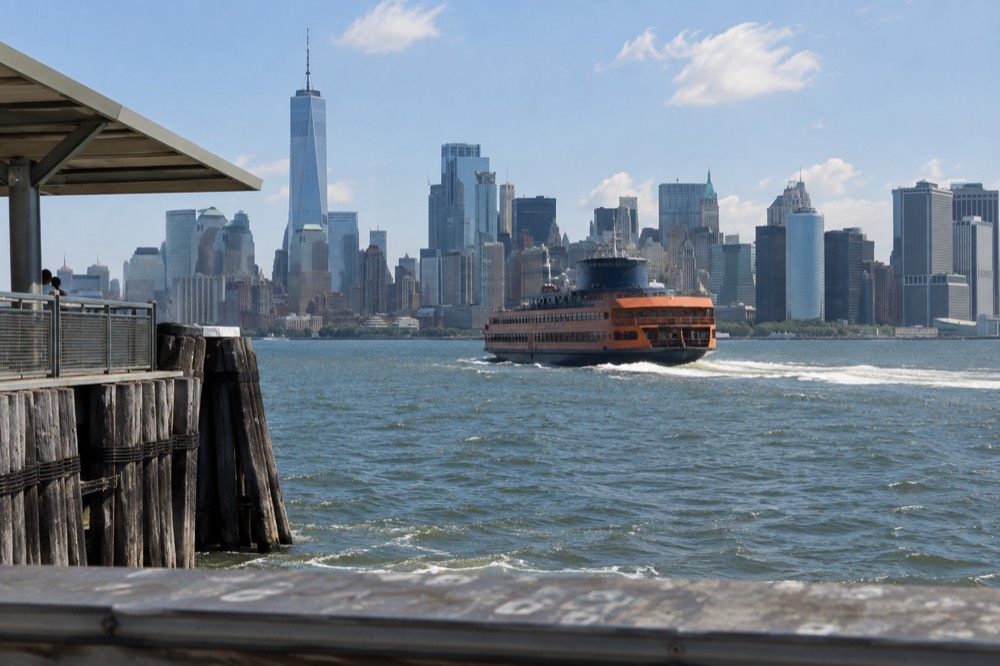
Short answer
Staten Island rewards a half-day: ride the ferry, walk the St George waterfront, visit Snug Harbor Cultural Center, and eat along Victory Boulevard or in St George. It suits travelers who want the relaxed, residential side of New York, and it works as a budget base if you accept the commute.
The Staten Island Ferry carries millions of riders a year, and the overwhelming majority of them never leave the terminal. They ride for the free view of the harbor, the Statue of Liberty and the Lower Manhattan skyline, then turn straight around. That is a fine free boat ride. It is also a waste of a borough.
Staten Island is the least visited of the five, and the least understood. It has a cultural center built on the grounds of a former sailors' retirement home, a lighthouse museum on the waterfront, a four-mile boardwalk, some of the best Sri Lankan food in the country, and house prices that let locals actually live there. This guide, from the New York City Travel Guide desk, covers what to do on the island, how to get around once the ferry has dropped you, and whether the borough deserves a slot in your itinerary at all.
What Is Staten Island, and Why Do Most Visitors Skip It?
Staten Island is New York City's southernmost and least populated borough, connected to Manhattan by a single ferry route and to Brooklyn by bridge, and it holds the smallest share of the city's visitors by a wide margin. Most tourists treat it as a boat ride, not a destination, because the ferry delivers the skyline view without requiring them to step ashore. The result is a borough that stays quiet even in August, which is exactly the argument for going.
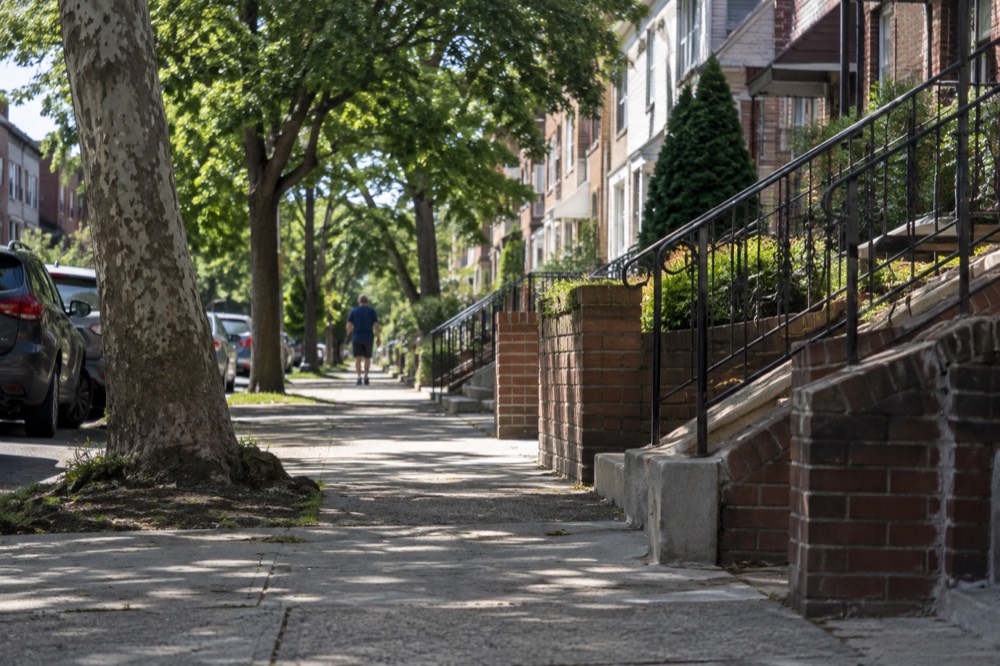
Geography is the honest explanation. Manhattan, Brooklyn and Queens sit on the same subway web. Staten Island does not. There is no subway line to it at all: the connection is the ferry from Whitehall Street in Lower Manhattan, the Verrazzano-Narrows Bridge from Brooklyn, and the buses that cross it. Once you are on the island, the Staten Island Railway runs from St George down the eastern side to Tottenville, and buses knit together the rest.
That separation shaped the borough's character. Staten Island is the most suburban of the five: detached houses, lawns, a car culture, and neighborhoods that feel closer to the Jersey shore than to Midtown. For a visitor saturated with skyscrapers, that contrast is the attraction. You get the harbor, the pace and the pizza of New York without the crowds of the other four boroughs.
It is worth being direct about the trade-off. You will not find the density of landmarks that fills a things to do in NYC list. What you get instead is a handful of genuinely good sights spaced across a spread-out borough, linked by a rail line and buses, with the best free boat ride in the country as your commute.
How Do You Get to Staten Island, and How Do You Pay for the Ride?
The Staten Island Ferry runs between Whitehall Street in Lower Manhattan and St George Terminal on the island, and you pay with the same OMNY system the subway uses: tap a credit or debit card or a phone at the reader. One important planning note for anyone who read an older guide: the MetroCard was retired on 1 January 2026, so the old advice about buying a 7-day unlimited card no longer works, because that product no longer exists.
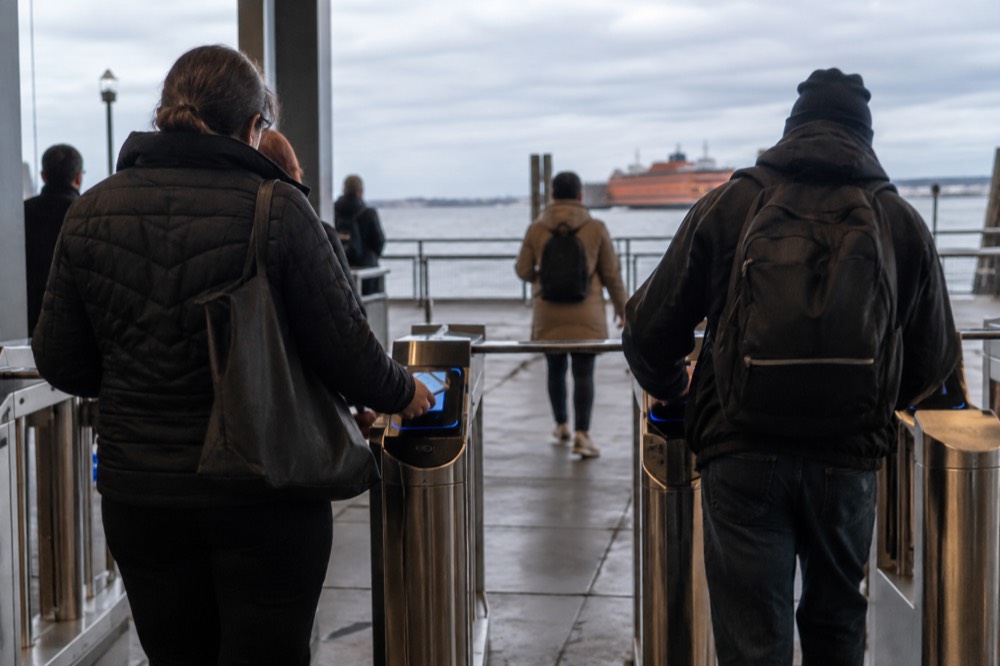
The fare mechanics come straight from the MTA. A single subway or local bus ride is $3.00. The weekly value that the old unlimited pass used to provide now arrives automatically: OMNY fare capping stops charging you once you hit $35 in a seven-day rolling window, as long as you tap the same card or device every time. There is nothing to buy in advance and no pass to activate. The cap simply applies. Mixing your phone and the plastic card in your pocket breaks it silently, so pick one and stick with it.
The details that matter for the ferry itself are in our Staten Island Ferry guide, including schedules and the practical question of where to stand on board for the best photos. The short version: sit or stand on the right side leaving Manhattan for the Statue of Liberty view, and the left side coming back for the skyline.
If you are driving, or arriving from Brooklyn, the Verrazzano-Narrows Bridge carries traffic westbound into Staten Island toll-free for passenger cars, with tolls charged eastbound; check the current toll arrangement with the MTA before you drive, and honestly, do not drive. The ferry plus the island's rail and bus network covers a visitor's needs.

Here is the planning picture in one table:
| Way in | Where it starts | What to know |
|---|---|---|
| Staten Island Ferry | Whitehall St, Lower Manhattan | The classic arrival; the ride is the sight. Board on the right side heading over. |
| Staten Island Railway | St George Terminal | Runs down the island's east side to Tottenville; same OMNY tap as the subway. |
| Bus from Brooklyn | Over the Verrazzano-Narrows Bridge | Useful from Bay Ridge and Sunset Park; slower but direct from Brooklyn. |
| Car | Verrazzano-Narrows Bridge | Toll rules apply; parking is far easier than Manhattan but not free everywhere. |
Is the Ferry Ride Worth Doing Even If You Skip Everything Else?
Yes, and this is the one part of Staten Island every visitor should experience regardless of the rest. The ferry crosses New York Harbor past the Statue of Liberty, Governors Island and the Brooklyn waterfront, with the Lower Manhattan skyline stacked behind you, and it does it on a scale no sightseeing cruise can match for the money. Riders ride in the open air on the outer decks, and the views repeat in reverse on the way back.
The crossing has been the working commuter's route for generations, which is exactly why it feels different from a tourist boat. You are surrounded by locals going home, bikes, strollers and coffee cups. The Statue of Liberty passes at a distance close enough for a good phone photo, and the approach to St George gives you the island's north shore, including the stadium and the ferry terminal's own clock tower.
If you only have an hour between other plans, ride over, walk out of St George, look at the harbor from the other side, and ride back. That is a legitimate, satisfying micro-visit. But if the ferry is your only impression of the borough, you have seen the wrapper and not the contents.
Since the ferry drops you at Whitehall Street, minutes from the Financial District, a smart pairing is to combine the round trip with time in Lower Manhattan. The Financial District and Wall Street walking guide covers what to see within a short walk of the terminal.
What Are the Best Things to Do in Staten Island Near St George?
The north shore around St George Terminal holds the borough's most visitor-friendly cluster: the St George Esplanade and its harbor views, the Staten Island Museum and its natural-history and art collections, the National Lighthouse Museum on the former Coast Guard station site, and the Staten Island Ferry itself. Everything in this cluster sits within roughly fifteen minutes' walk of the terminal, which makes it the one part of the borough you can explore entirely on foot.
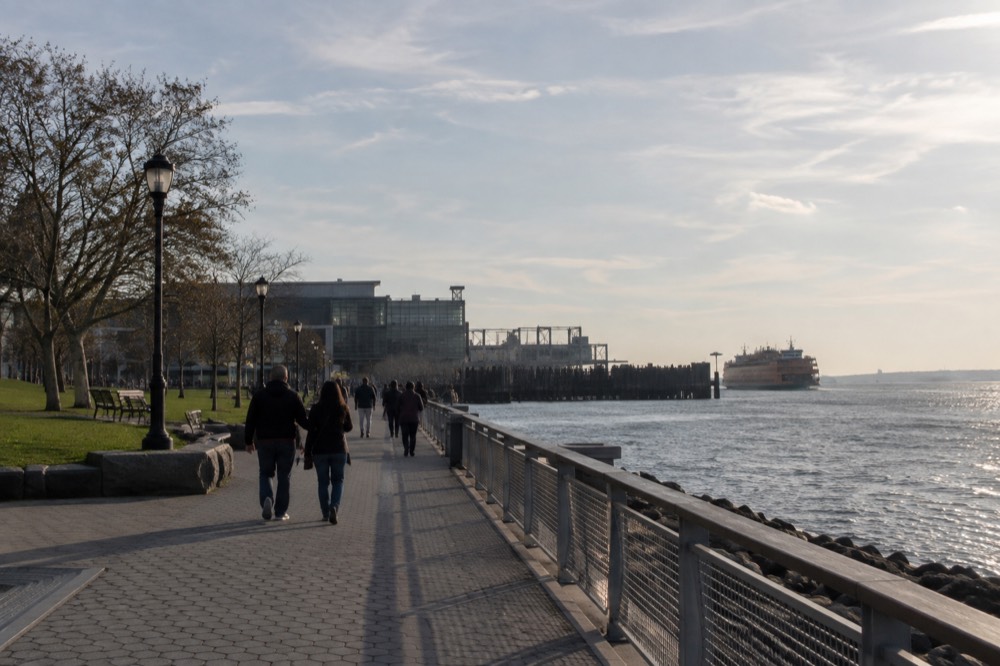
Start with the esplanade outside the terminal. The view back across the harbor is the reverse of the one you just photographed from the boat, and in late afternoon the light comes across the water and hits the skyline full on. From there, the Staten Island Museum sits a short walk away at Snug Harbor's Building A, sharing the campus with the rest of the cultural center. Its collections span natural science, art and the borough's history, and it makes a solid rainy-day stop.
The National Lighthouse Museum occupies the former site of the United States Lighthouse Service depot, on the waterfront just west of the ferry terminal. It is small, cheap to visit and genuinely specialized: lenses, lamps, keeper's tools and the story of the lighthouses that still dot the harbor. If you have ever wondered how a Fresnel lens actually works, this is where you find out.
For baseball fans, the ballpark near the terminal hosts minor-league games through the summer, and the outfield looks straight across the water at Manhattan. Check the schedule before you plan an evening around it.
A rough walking map of the north shore cluster:
| Stop | Distance from St George | Allow |
|---|---|---|
| St George Esplanade | At the terminal | 20-30 min |
| National Lighthouse Museum | Short walk west | 45-60 min |
| Staten Island Museum (Snug Harbor) | Rail one stop or a 30-40 min walk | 1-2 hours |
| Snug Harbor gardens and galleries | Same campus as the museum | 1-2 hours |
What Is Snug Harbor Cultural Center, and Why Is It the Borough's Best Attraction?
Snug Harbor Cultural Center and Botanical Garden is a campus of historic buildings, gardens and arts venues on the island's north shore, built on the grounds of a retirement home for aged sailors and now housing the Staten Island Museum, a children's museum, an art school, artist studios and extensive themed gardens. It is the single richest sight on Staten Island, and the one destination that justifies the trip on its own for most visitors.

The campus centers on a row of grand Greek Revival buildings that formed the sailors' home, fronted by one of the finest open lawns in the city. Behind and around them spread the botanical gardens: a Chinese Scholars' Garden that is the most photographed corner of the borough, a Tuscan garden, a rose garden and perennial beds that peak from late spring through summer. The Chinese Scholars' Garden alone, with its pavilions, koi and moon gate, is unlike anything else in the five boroughs.
Plan half a day if gardens are your thing, or two hours if you just want the highlights: the main row, the Chinese Scholars' Garden and one gallery. The grounds are also a genuinely pleasant place to simply sit, which is not something you can say about many Manhattan sights in July.
Check the center's own site before visiting for current opening hours and any event closures; the campus hosts concerts, theater and festivals through the year, and an event day changes the character of a visit, sometimes for the better, sometimes not.
What About Staten Island's Beaches, Parks and the South Shore?
Staten Island's South Shore holds the Franklin D. Roosevelt Boardwalk at South Beach, a four-mile oceanfront stretch with a fishing pier and a sea-level promenade, along with a string of large parks running down to Conference House Park at the island's southern tip. These are local beaches, not resort beaches, but they are real, sandy and rarely crowded, and the boardwalk is a fine walk in any season.
South Beach is the easiest to reach, a straight ride down Richmond Road from the ferry, and the boardwalk there runs along the Lower Bay with views out to the Verrazzano-Narrows Bridge. Midland Beach continues the same shoreline. Neither is a swimming rival to the Hamptons, and visitors should follow posted water-quality advisories as with any New York beach, but for a free afternoon of sand and boardwalk food they deliver.
Conference House Park, at Tottenville at the end of the railway line, is where the island ends: waterfront paths, meadows, a historic house museum and the view across to New Jersey. It is the quietest corner of the quietest borough, and riding the train the full length of the island to reach it is a good way to see how Staten Islanders actually live, block by block, from apartment buildings near St George to detached houses with driveways.
Word of caution on planning: the South Shore sights are spread out, and bus connections between them are slower than the rail line. Pick either the boardwalk or Conference House Park for a given day, not both, unless you have a car.
Where Should You Eat on Staten Island?
Staten Island's food identity is built on two pillars: a deep Italian-American restaurant scene along the island's main drags, and one of the largest Sri Lankan communities in the country, concentrated along Victory Boulevard on the north shore. Between them they offer some of the most distinctive eating in New York outside Manhattan, at prices noticeably below the tourist core, and the Sri Lankan strip in particular has no real equivalent anywhere else in the city.
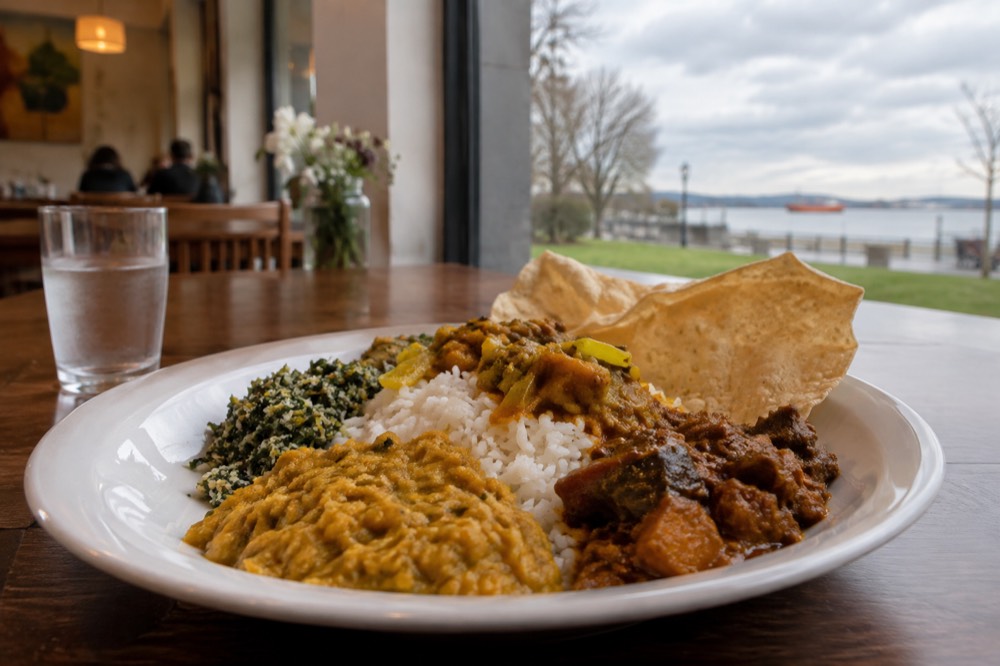
The Sri Lankan corridor along Victory Boulevard near Tompkinsville is a five-minute rail hop from the ferry and worth the trip for the food alone: rice and curry plates, hoppers, kottu and short eats served in no-frills rooms. This is neighborhood eating, not a food hall, and it is some of the most authentic South Asian food in the United States.
The Italian side of the island runs through neighborhoods like Great Kills, Annadale and Eltingville, where red-sauce restaurants, bakeries and pizzerias line Hylan Boulevard and Amboy Road. Staten Island takes its pizza seriously, and the borough's pizzerias hold their own in the eternal New York argument. For a deeper dive into the city's pizza culture generally, our best pizza in NYC guide sets the borough in context.
A simple food plan, by area:
| Area | What to eat | Getting there |
|---|---|---|
| Tompkinsville / Victory Blvd | Sri Lankan rice and curry, hoppers, kottu | One rail stop from St George |
| St George / Bay Street | Waterfront cafes and bars near the terminal | Walk from the ferry |
| Hylan Blvd corridor (South Shore) | Italian-American, pizzerias, bakeries | Rail to Great Kills or Eltingville plus a short bus |
| Forest Ave / West Brighton | Neighborhood restaurants and old-school delis | Bus from St George |
Is Staten Island a Good Base for a New York Trip?
Staten Island works as a budget base for one specific traveler: someone who wants lower accommodation costs, does not mind a ferry commute into Manhattan, and values a quiet place to return to at night. It does not suit a first-timer who wants to step out of the hotel into the middle of things, and it punishes anyone who plans tightly packed days in Midtown, because the ferry crossing plus connections adds real time to every single outing.
The honest arithmetic is about the commute. Every trip into Manhattan starts with the ferry or a bus over the bridge, and the ferry, while scenic, is a fixed cost in your day both ways. If you are the kind of traveler who returns to the hotel in the afternoon to rest, you will pay that crossing four times. If you leave once in the morning and come back once at night, it is a pleasant bookend and the money saved goes a long way.
The compensations are real. Evenings on the island are quiet and genuinely local. The food is cheaper and, on the Sri Lankan strip, better than what most visitors eat in Midtown. And the view on the commute home is one people pay sightseeing-cruise money for.
Once you are on the Manhattan side, make the crossing count. A guided walk is an efficient way to spend the hours before the return ferry, and Central Park is the classic choice for a first visit: the Central Park Guided Walking Tour runs about two hours, covers Bethesda Terrace, the Mall and Bow Bridge with a guide handling the navigation, and the flat paths suit most fitness levels. Check availability if that sounds like your speed.
If your Manhattan hours are in the evening instead, the free-walk scene is worth knowing about. A free Brooklyn Bridge and Dumbo walk on GuruWalk crosses the bridge into Brooklyn Heights and Dumbo with a local guide, runs about three hours, and costs nothing up front: the guides work on tips, and you pay what you think the walk was worth at the end. It is one of the better free options in the city, and one thing worth being clear about is that six of New York's ten GuruWalk walks are run by a single operator, CityShuffles, so the free-walk menu is narrower than it first appears.
How Much Time Should You Spend, and What Should a Day Look Like?
A well-planned day gives Staten Island roughly six hours: the ferry over, the St George waterfront and National Lighthouse Museum in the morning, the rail hop to Tompkinsville for a Sri Lankan lunch, Snug Harbor's gardens in the early afternoon, and the ferry back with the skyline lighting up behind you. Two days lets you add the South Shore boardwalk or Conference House Park, but a single day is enough for the borough's best.

Sample shape of a day, with generous margins:
| Time | Where | Doing what |
|---|---|---|
| Morning | Whitehall St | Ferry over, right side for the statue |
| Late morning | St George | Esplanade, lighthouse museum, coffee on Bay Street |
| Lunch | Tompkinsville | Sri Lankan rice and curry, one rail stop away |
| Afternoon | Snug Harbor | Gardens, the Chinese Scholars' Garden, museum |
| Evening | St George | Ferry back, left side for the skyline after dark |
Check the ferry schedule for evening sailings before you commit to a late dinner on the island; boats run around the clock, but the gap between departures widens late at night, and the last thing you want is a cold hour at Whitehall Street.
If you want a fuller New York week with Staten Island as one chapter rather than the whole book, the pairing that works best is one island day plus concentrated Manhattan or Brooklyn days on either side. For the eating-and-walking day, the Chinatown and Little Italy food tour strings six tastings, from dumplings to cannoli, into a three-hour walk with the stories of both neighborhoods woven in, and the tastings add up to a real meal.
The same logic applies to the walks above: book the slot that fits your ferry timing, and keep the rest of the day loose. Below are the three tours that pair best with a Staten Island itinerary, all bookable through the operator's live listing.
One seasonal note drawn from the verified Central Park climate record: if you are picking a month for this itinerary, July is actually New York's wettest, averaging 4.60 inches of rain against June's 4.54 and August's 4.56, so the assumption that summer dodges the rain is backwards. The boardwalk and gardens are best in late spring or early fall.
Common Questions About Visiting Staten Island
Most Staten Island questions come down to three worries: whether the borough is worth the ferry time, whether there is enough to fill a day, and whether it is safe and easy to get around. The answers are yes, yes with planning, and yes, with the caveat that the island is spread out and sights beyond the north shore cluster need rail or bus time. The ferry is the arrival, the north shore is the destination, and the food is the argument for staying past lunch.
Is the Staten Island Ferry free to ride?
The ferry charges no fare for passengers, which is why it doubles as the best free sightseeing ride in New York. Our dedicated Staten Island Ferry guide covers schedules, boarding strategy and the best side of the boat for photos.
Can you see the Statue of Liberty from the Staten Island Ferry?
Yes. The ferry passes Liberty Island at a distance close enough for clear photos from the open decks, and it also passes Governors Island and the Brooklyn waterfront. It does not stop at the statue, so if you want to set foot on Liberty Island itself you need the official ferry from Battery Park, covered in our Statue of Liberty tickets guide.
Is one day enough for Staten Island?
One day covers the north shore cluster, a Sri Lankan lunch and Snug Harbor comfortably. Two days let you add the South Beach boardwalk or Conference House Park, but the borough's essential sights fit a single well-paced day.
Is Staten Island safe for visitors?
The areas a visitor visits, the St George waterfront, Snug Harbor, Tompkinsville and the South Shore beaches, are ordinary residential and parkland neighborhoods, and the borough as a whole is among the calmest in the city. Use the same normal city precautions you would anywhere in New York, and check our is NYC safe guide for the broader picture.
Do you need a car on Staten Island?
No. The ferry, the Staten Island Railway and buses reach every sight in this guide, and the north shore cluster is walkable from the terminal. A car saves time between South Shore stops, but for a day trip the transit route is simpler and cheaper.
What is the best time of year to visit Staten Island?
Late spring through early fall for the gardens, the boardwalk and the ferry decks. July is statistically New York's wettest month in the official Central Park normals, so June or September tends to combine good weather with thinner crowds.
The borough will never top a first-timer's list, and it should not. But as a free boat ride that turns into an afternoon of gardens, harbor museums and the best rice and curry in New York, Staten Island earns its day better than almost anywhere else within sight of the Manhattan skyline. Ride the ferry for the view. Stay for lunch.