Celebrity Restaurants NYC: Where the Famous Eat and How to Get In
New York has more celebrity-owned and celebrity-frequented restaurants than any other American city, and most of them take reservations from anyone with a credit card and a bit of planning.
Short answer
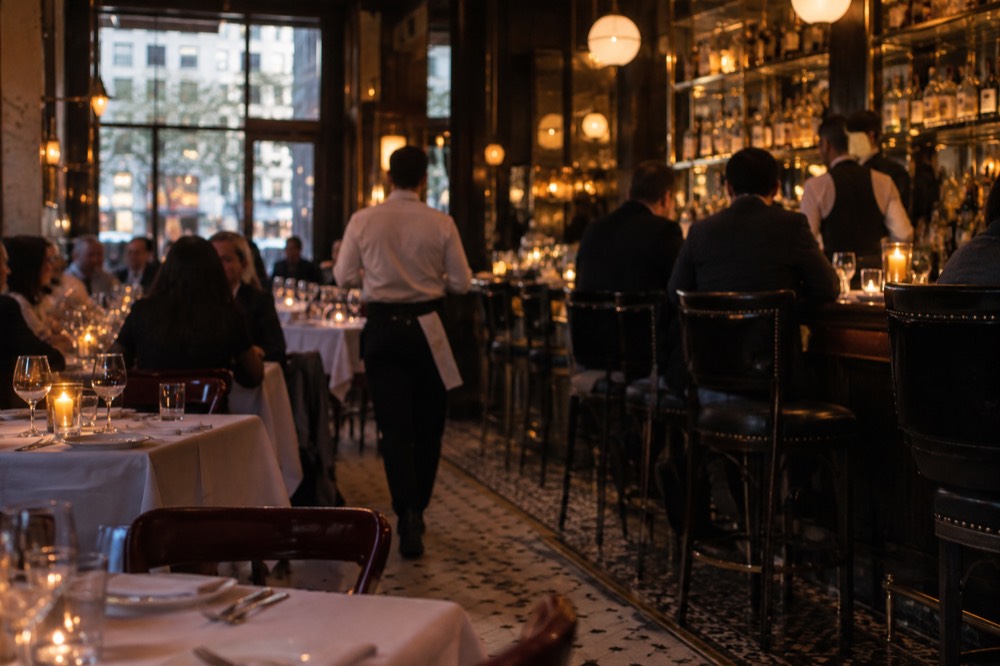
Celebrity restaurants in NYC fall into two groups: places owned or co-founded by famous names, and ordinary great restaurants where famous people happen to eat. Most are bookable by anyone weeks ahead, and the hardest part is timing, not access.
The phrase "celebrity restaurant" gets thrown around loosely in New York, and it means at least three different things. Some places are owned or co-founded by famous actors, athletes and musicians. Some are run by chefs who became celebrities in their own right. And a great many have no famous ownership at all but show up constantly in the press because famous people keep walking through the door. This guide separates those categories, tells you where each one clusters in the city, and explains how an ordinary visitor gets a table at the ones worth the effort.
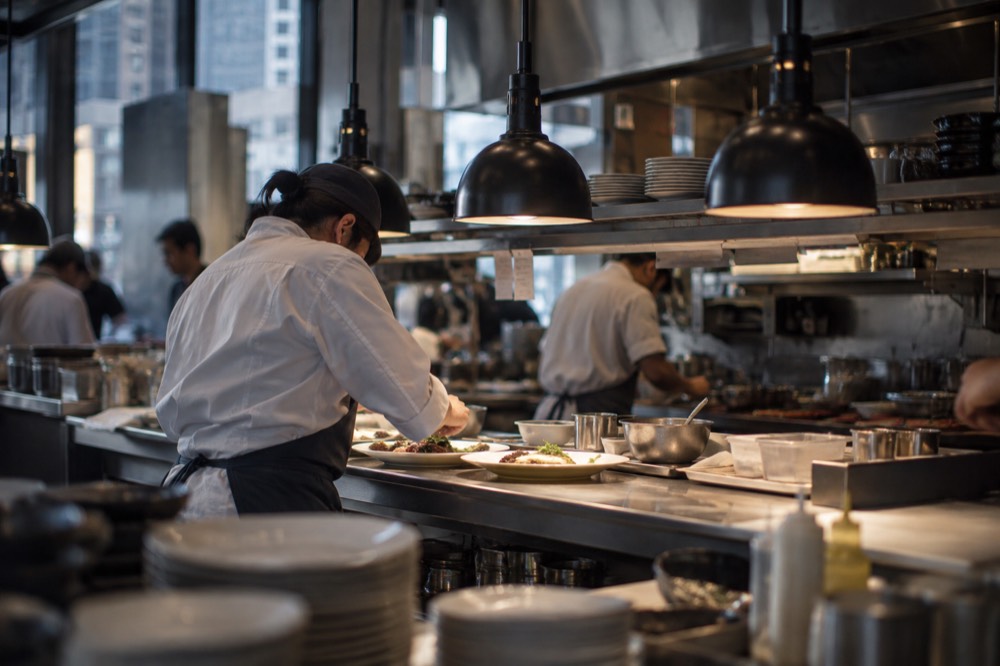
One warning before anything else: a celebrity name on a restaurant is a marketing asset, not a quality guarantee. Some of the best-known celebrity-owned rooms in this city are genuinely excellent. Others trade almost entirely on the name above the door. Knowing which is which before you spend a fortune on dinner is the difference between a memorable night and an expensive shrug.
What Counts as a Celebrity Restaurant in New York?
A celebrity restaurant in New York is any dining room with a famous name attached, and the attachment comes in three forms: ownership, chef fame, or regular famous clientele. Ownership means a star put money in and often appears in the marketing. Chef fame means the kitchen, not a Hollywood investor, is the draw. Famous clientele means nothing is attached at all, and the restaurant earned its reputation the hard way, one reservation at a time.
The distinction matters because it changes what you are paying for. At an ownership-driven room, part of the price is the association: the chance to sit in a space a famous person built and, occasionally, to see them in it. At a chef-driven room, you are paying for food that made the chef famous, and the celebrity is a byproduct. At a clientele-driven room, you are paying for the same meal everyone else gets, with a small chance of a recognizable face at the next table.
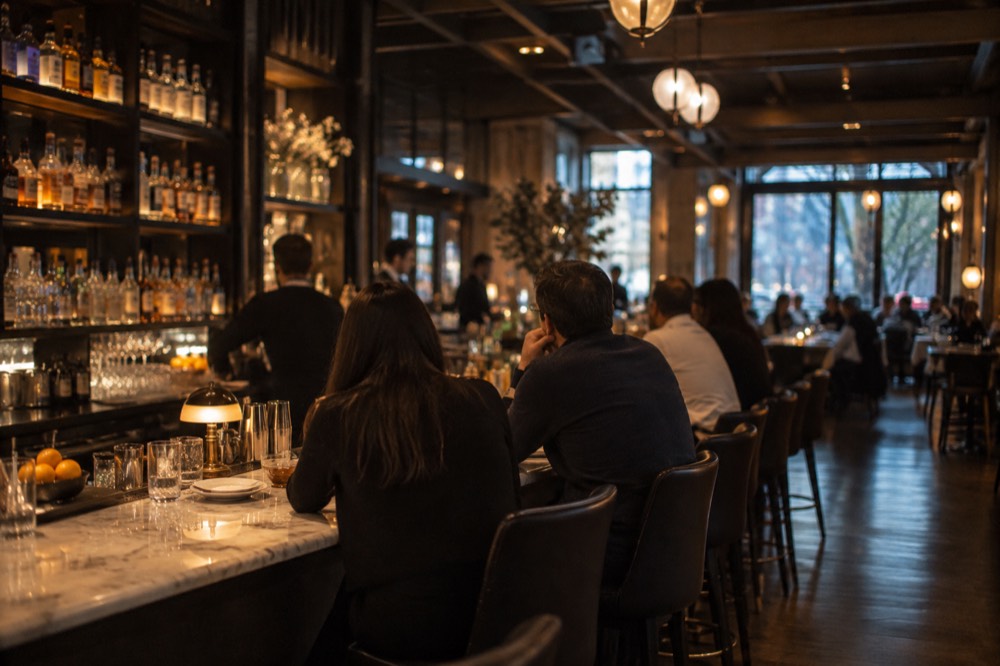
New York's dining press covers all three categories heavily, which is why the label gets muddy. A restaurant can land in the gossip columns for a single high-profile dinner and carry the "celebrity spot" tag for years afterward, long after the famous patron has moved on. The site's own reporting digs into specific cases: the question of Robert De Niro's restaurant and hotel in New York is one readers ask constantly, and the honest answer is more interesting than the mythology around it.
| Type | What the famous name is | What you are paying for | Risk |
|---|---|---|---|
| Celebrity-owned | An actor, athlete or musician with a stake | The association and the room | Food can be an afterthought |
| Chef-celebrity | A kitchen that made its chef famous | The cooking itself | Prices track the fame |
| Celebrity-frequented | Nothing on paper | The same meal as everyone else | You may see nobody famous |
The practical takeaway: decide which of the three experiences you actually want before you book. If the goal is food, chase the chef. If the goal is a story to tell, the ownership rooms deliver that more reliably, because the decor and the mythology are part of the product.
Where Do Celebrities Actually Eat in New York?
Celebrities in New York eat mostly in the same handful of neighborhoods where the city's most ambitious restaurants cluster: Tribeca, SoHo, the West Village, the Meatpacking District and Midtown around the Theater District. The pattern is simple. Famous New Yorkers live downtown, work in Midtown, and book tables within a short ride of both. A visitor who understands that geography can predict where the famous eat without reading a single gossip column.
Tribeca is the classic celebrity-resident neighborhood, and its restaurant scene reflects that: quiet, expensive, low-key rooms designed for people who do not want to be photographed while eating. SoHo and the West Village carry a mix of chef-driven destinations and old neighborhood institutions. The Meatpacking District skews louder and newer. Midtown's celebrity dining is functional rather than glamorous, concentrated around pre-theater and post-show timings.
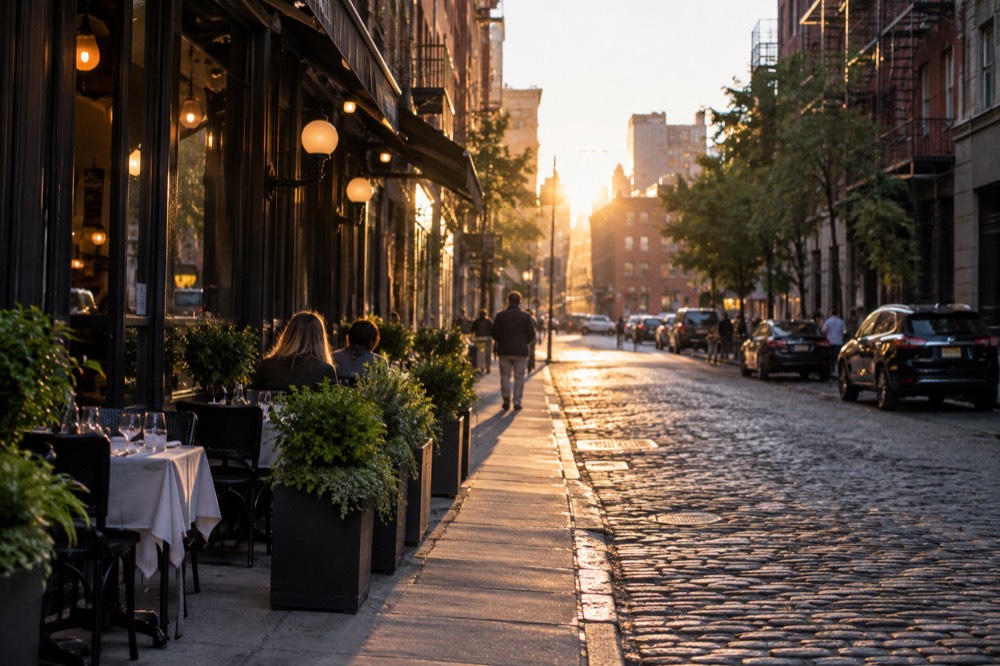
For visitors, the smart move is to plan a dining-heavy day around one of these neighborhoods rather than chasing a single name across the city. The site's neighborhood guides do this properly: start with things to do in SoHo and let dinner grow out of the afternoon. A food tour is the most efficient version of this, because a local guide steers you to the places that matter and skips the ones that coast on reputation.
The Chinatown and Little Italy food tour above is a good example of the neighborhood-first approach: six tastings across two historic districts, with the stories behind both. It is not a celebrity tour, but those blocks sit minutes from the downtown dining scene, and the walk gives you the geography that makes the evening reservation make sense.
How Do You Get a Reservation at a Hard-to-Book New York Restaurant?
Almost every hard-to-book New York restaurant releases tables online, on a fixed schedule, typically 14 to 30 days ahead, and the prime slots go in minutes. The tactics that work are unglamorous: know the release time, book exactly on the hour, take bar seating when it is offered, and eat at 5pm or 9pm instead of 8pm. Walk-ins still exist, and the bar at a famous restaurant is often the same kitchen at half the wait.
The release window is the single most important fact. Most New York restaurants using the major booking platforms open their calendars two weeks to a month out, and the prime Saturday slots disappear fast. Set an alarm for the release minute, have your party size and card ready, and accept that the 5:30pm Tuesday table is a real table. Solo diners and parties of two have far better odds than groups of six.
| Tactic | How it works | Best for |
|---|---|---|
| Book at release time | Calendar opens 14-30 days ahead, prime slots go first | Weekend dinners |
| Sit at the bar | First-come, same kitchen, no reservation needed | Solo and pair diners |
| Off-peak hours | 5pm-6pm and after 9pm slots linger | Flexible schedules |
| Hotel concierge | Some rooms hold tables for hotel guests | Guests of upscale hotels |
| Cancellation watch | Re-check the booking page day-of | Persistent planners |
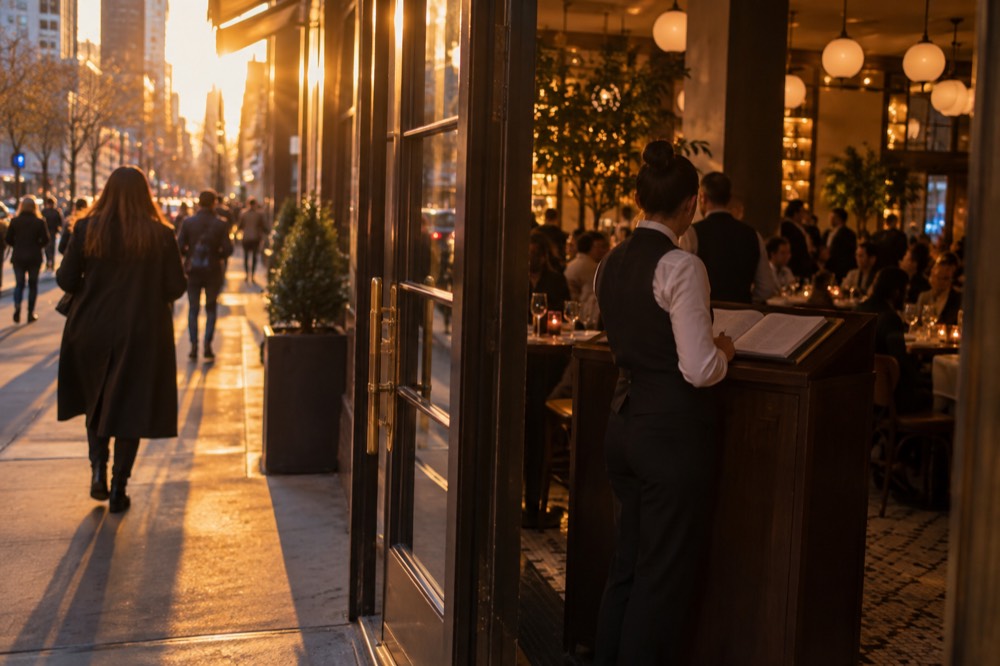
One honest note on the concierge route: it works, but mainly at the hotel's own partner restaurants and mainly for guests. A concierge cannot conjure a table that the restaurant will not give them. Treat it as one channel among several, not a magic key.
If the dinner is the anchor of your evening, build the rest of the day around it rather than squeezing it in. A sightseeing morning paired with a big dinner reservation is the classic New York day, and the New York CityPASS covers five major attractions across nine consecutive days, which is enough flexibility to plan around a hard reservation without paying attraction-by-attraction prices.
Which New York Neighborhoods Are the Celebrity Dining Scenes?
The celebrity dining geography of New York runs through five areas: Tribeca for quiet resident-focused rooms, SoHo for sceney chef destinations, the West Village for old-money intimacy, the Meatpacking District for the loudest rooms, and Midtown's Theater District for pre- and post-show dining. Brooklyn adds Williamsburg, where the fame is more musical than theatrical. Each area has a distinct character, and matching your evening to it matters more than matching it to a single restaurant name.
Tribeca's rooms are designed for discretion. SoHo's are designed to be seen in. The West Village trades on intimacy and history, with small rooms on crooked streets that predate every celebrity who now eats in them. The Meatpacking District is where the nightlife energy is, and Midtown's celebrity dining is scheduled around curtain times, which makes it the most predictable and the most tourist-accessible.
| Neighborhood | Character | Best time | Getting there |
|---|---|---|---|
| Tribeca | Quiet, expensive, resident-focused | Weekday dinner | 1, 2, 3, A, C trains |
| SoHo | Sceney, chef-driven | Weekend evening | 6, N, R, W, B, D, F, M trains |
| West Village | Intimate, historic | Any evening | 1 train, A, C, E, B, D, F, M |
| Meatpacking District | Loud, late | Late evening | L train, A, C, E |
| Theater District, Midtown | Pre- and post-show | 5pm-7pm, after 10pm | 1, 2, 3, 7, N, Q, R, W, S trains |
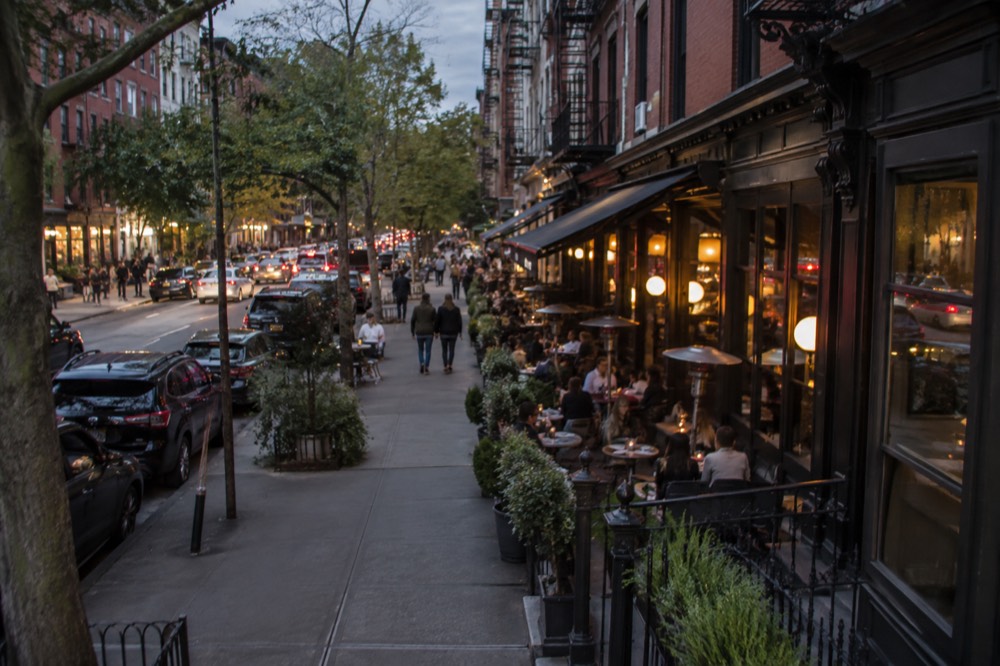
Getting between these neighborhoods is the easy part, and it is cheaper than most visitors expect.
The subway also runs later and fuller than many visitors expect on weekends, so a late dinner in the Meatpacking District is easy to get home from. Plan the ride, not the taxi.
Are Celebrity-Owned Restaurants Worth the Money?
Some celebrity-owned restaurants in New York are worth every dollar and some are not, and the reliable predictor is whether a real chef runs the kitchen. Rooms where a famous name invested but a serious chef cooks tend to hold up. Rooms where the name is the product tend to serve forgettable food at premium prices. Check who is in the kitchen before you book, not whose face is on the website, and the hit rate improves dramatically.
The honest framing is that you are buying different products. A great chef-driven room sells dinner. A pure celebrity room sells proximity and atmosphere, and if you go in wanting that, a mediocre plate matters less. The disappointment comes from expecting one and getting the other.
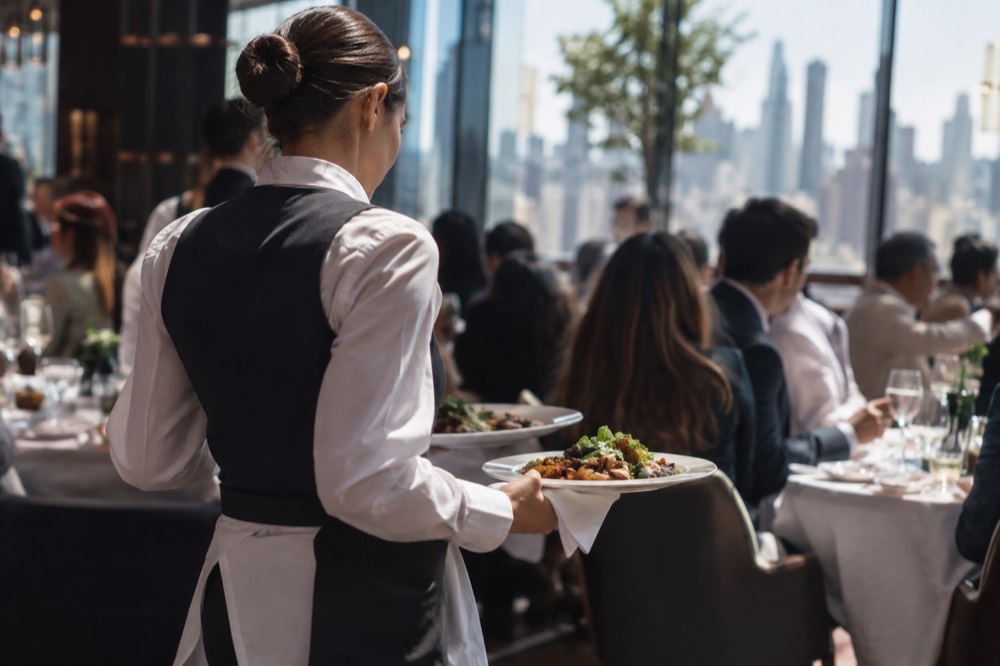
For readers chasing the specific famous-name stories, the site answers those questions directly rather than gesturing at them: whether Taylor Swift's favorite New York restaurant is a bookable destination, what Frank Sinatra's favorite NYC restaurant was, and where Anthony Bourdain ate in the city. Those answers are researched individually, because the honest answer to each is different, and a single list would flatten them.
A useful budget sanity check before you commit to a splurge room:
| Spend level | What it typically buys in NYC | Planning note |
|---|---|---|
| $25-$50 per person | Casual neighborhood spots, slices, counter food | Walk-in friendly |
| $50-$100 per person | Solid mid-range dining, many chef rooms | Book a few days out |
| $100-$200 per person | Upscale rooms, tasting-menu entry points | Book at release time |
| $200+ per person | Top tasting menus, celebrity splurge rooms | Book weeks ahead |
These are planning ranges, not promises: prices vary by restaurant, by season and by what you order, and the only figure that counts is the one on the menu when you are there. The ranges hold well across the city, though, and they are a fair way to decide whether a famous name is worth it to you before you are seated with the menu.
How to Spot a Celebrity in New York Without Stalking One
The realistic way to see a famous person eating in New York is to be in the neighborhoods they live and work in at the hours they eat: downtown restaurants on weekday evenings, Midtown around show times. Famous New Yorkers dine early or very late to dodge peak crowds, and they favor rooms with side entrances and spaced tables. Expect nothing, treat any sighting as a bonus, and never interrupt someone mid-meal.
The behavior rules matter as much as the geography. New York's unspoken contract with its famous residents is that dining out is not a performance. Photographing a stranger mid-bite, asking for a photo during dinner, or posting their exact table location in real time are all considered serious violations, and restaurant staff will intervene. If a sighting matters to you, the acceptable version is noticing quietly and letting people eat.
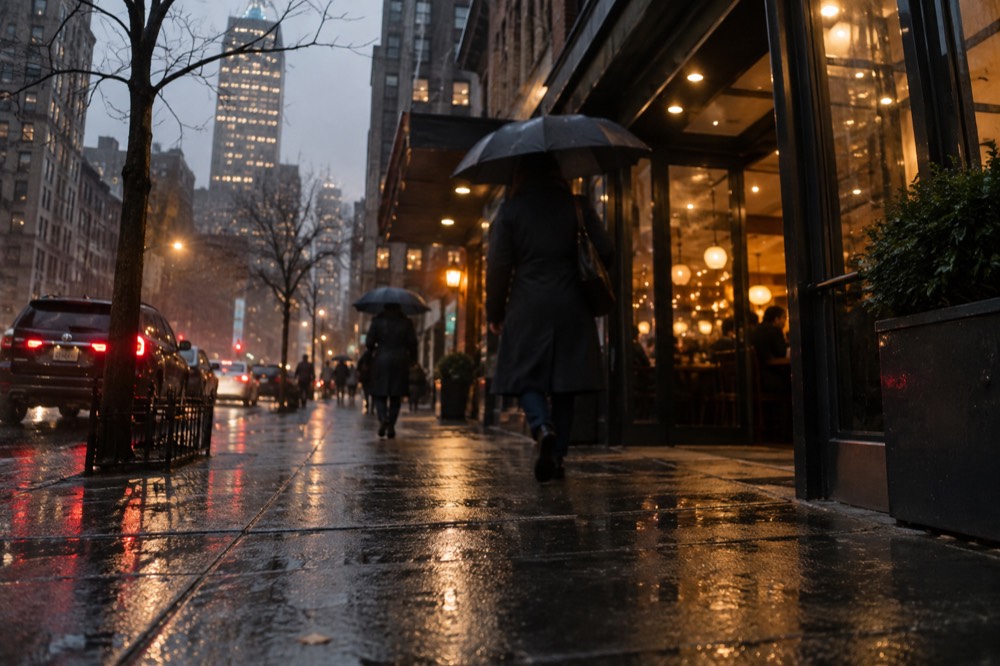
Timing helps. Weekday evenings are quieter than weekends, and the early and late seatings attract regulars rather than one-time crowds. Weather helps too: the rooms that fill hardest on a perfect July Saturday are calmer on a wet Tuesday, and July is statistically the month to expect rain, averaging 4.60 inches of precipitation in Central Park, more than any other month of the year.
The food tour route is the lowest-effort version of all this. A guided walk through neighborhoods with deep food history puts you in the right blocks with a local steering, and the guides know which institutions matter and which merely persist. The Greenwich Village tour is the strongest fit for this: six tastings at neighborhood institutions, with the music and bohemia history woven through the walk.
It is worth saying plainly what a food tour is not: it is not a celebrity-sighting vehicle, and any tour promising famous faces is selling something it cannot deliver. What it does deliver is context, and context is what turns a dinner reservation from a name on a list into a night you actually understand.
What Does a Celebrity-Restaurant Meal Cost in New York?
A meal at an upscale New York restaurant runs roughly $100-$200 per person before drinks, with celebrity-frequented and chef-driven rooms at the top of that range and neighborhood spots well below it. The add-ons move the bill: cocktails and wine can add $30-$100 a head, and service is tipped at 18-20 percent. Budget the drinks and the tip as part of the meal, not as extras, and the arithmetic stops surprising people.
The city's own economics make this predictable. New York's restaurant labor and rent costs are among the highest in the country, and the famous rooms carry the most of both. What that buys, at the good ones, is a kitchen running at full ambition and a front of house that has done this ten thousand times.
For visitors pairing a splurge dinner with a full sightseeing itinerary, the arithmetic across a whole trip matters more than any single bill. That is where a pass earns its keep: the New York CityPASS bundles five major attractions for $149 adult against a combined box-office value CityPASS itself lists at $307.04, valid across nine consecutive days. Saving that much on the sightseeing side is what makes the splurge dinner defensible.
A practical way to structure a food-heavy trip: one splurge dinner, one great cheap meal a day, and a food tour somewhere in the middle. New York's cheap-eats tier is world class, and the best pizza in the city costs a fraction of what a celebrity room charges for bread. Alternating the tiers is how locals actually eat here, and it is a better trip than four consecutive splurge dinners.
Where Should a Visitor Start with New York's Food Scene?
A visitor should start with one neighborhood food tour, one splurge reservation and the free sights around them. The tour teaches the geography, the reservation rewards it, and the free layer, the walks, the parks, the ferry views, fills the gaps at no cost.
This is also the honest answer to the celebrity-restaurant question: the famous rooms are one layer of a food city that runs from dollar slices to tasting menus, and the visitors who eat best sample more than one layer.
The full picture of what the city offers, food included, lives on the things to do in NYC page, which is the right next stop after this one. For the food-specific planning, the site's guide to the best restaurants in New York covers the rooms worth booking regardless of who owns them, which is the list that actually decides where you should eat. This whole site, from the New York City Travel Guide desk, is built on that principle: names attract attention, but the reporting underneath is what earns the click.
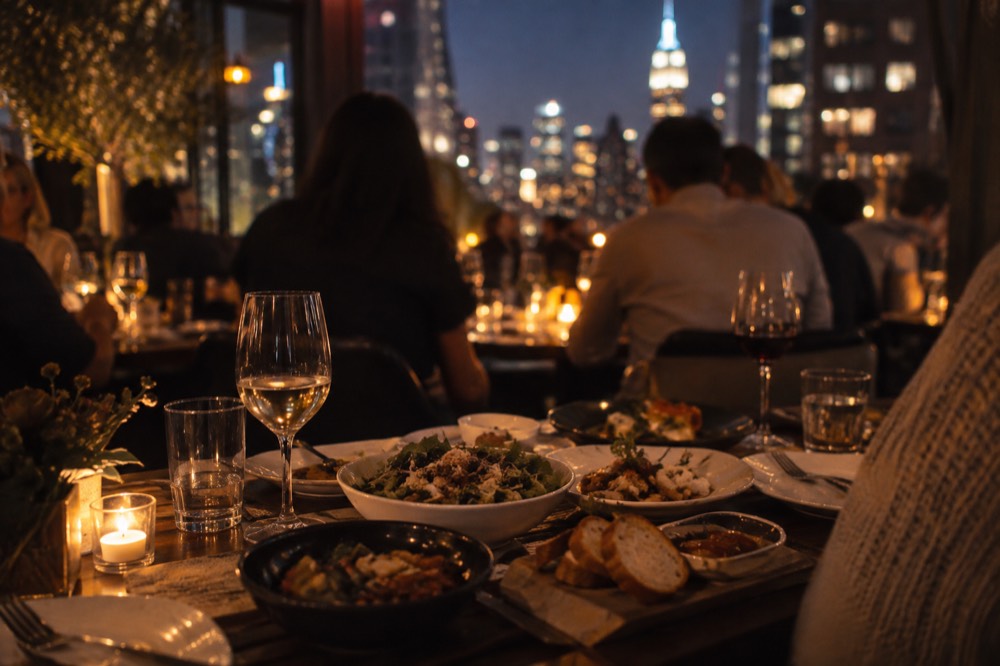
And the Chelsea Market and High Line food tour is the single best first move for a first-time visitor, because it pairs an indoor market with the most famous elevated park in the world, and the route ends within walking distance of the Meatpacking District's dining scene. Do it on day one and the rest of the trip plans itself.
The same logic applies to the Chinatown and Little Italy walk: it is the cheapest way to eat two historic neighborhoods in one afternoon, and it leaves your evening free for the reservation you actually planned ahead for. Between the tours, the pass and one well-chosen splurge, a first trip can cover the whole range of what New York food is, from the famous names down to the slice joints, without a single wasted meal.
Common Questions About Celebrity Restaurants in NYC
The questions below are the ones readers ask most about celebrity dining in New York, and the short answers are: yes, most celebrity-owned rooms take public reservations, no, you cannot reliably count on seeing anyone famous, and yes, the chef-driven rooms are usually the better meal. The details that matter are timing, neighborhood and who actually cooks, and each answer below covers the specific version of that.
Can anyone eat at a celebrity restaurant in New York?
Yes. Nearly every celebrity-owned or celebrity-frequented restaurant in New York takes public reservations, and the bar at most of them is open to walk-ins. The barrier is timing, not access: prime weekend tables at the most famous rooms go quickly when the booking calendar opens, typically 14 to 30 days ahead. Book at the release time, take an off-peak slot, or sit at the bar.
Do celebrities actually eat at their own restaurants?
Sometimes. Owners who live in New York appear at their own rooms more often than absentee celebrity investors, and sightings cluster at weekday dinners and private events rather than peak Saturday nights. Treat any appearance as a possibility, never a promise, and pick the restaurant for the food first.
What is the difference between a celebrity-owned restaurant and a celebrity-chef restaurant?
A celebrity-owned restaurant has a famous actor, athlete or musician as an investor or founder, and the famous name is usually the marketing. A celebrity-chef restaurant is built around a kitchen that made its chef famous, and the food is the product. The chef-driven rooms are generally the safer bet for the quality of the meal itself.
Where are you most likely to see a celebrity dining in NYC?
Downtown Manhattan, in Tribeca, SoHo and the West Village, on weekday evenings, plus Midtown around theater show times. Famous New Yorkers live and work in predictable places and eat at predictable hours. Expect nothing, never interrupt a meal, and treat a sighting as a bonus rather than the point of the evening.
Are celebrity restaurants in New York worth the money?
The ones with a serious chef running the kitchen usually are. The ones that trade purely on a famous name often serve forgettable food at premium prices. Before booking, check who is in the kitchen rather than whose name is on the door, and decide whether you are buying dinner or buying the story.
How far in advance should I book a celebrity restaurant in NYC?
Book the moment the calendar opens, usually 14 to 30 days ahead depending on the restaurant's platform. Saturday prime-time tables at famous rooms go within minutes of release. If you miss it, watch for cancellations on the day, take a 5pm or 9pm slot, or try the bar, which is often the same kitchen with no reservation at all.