Hidden Gems in NYC: The Quiet New York Most Visitors Walk Past
New York hides its best parts in plain sight. This guide covers the quiet corners, free museum windows and overlooked islands that most itineraries skip, with every price and policy checked against official sources.
Short answer
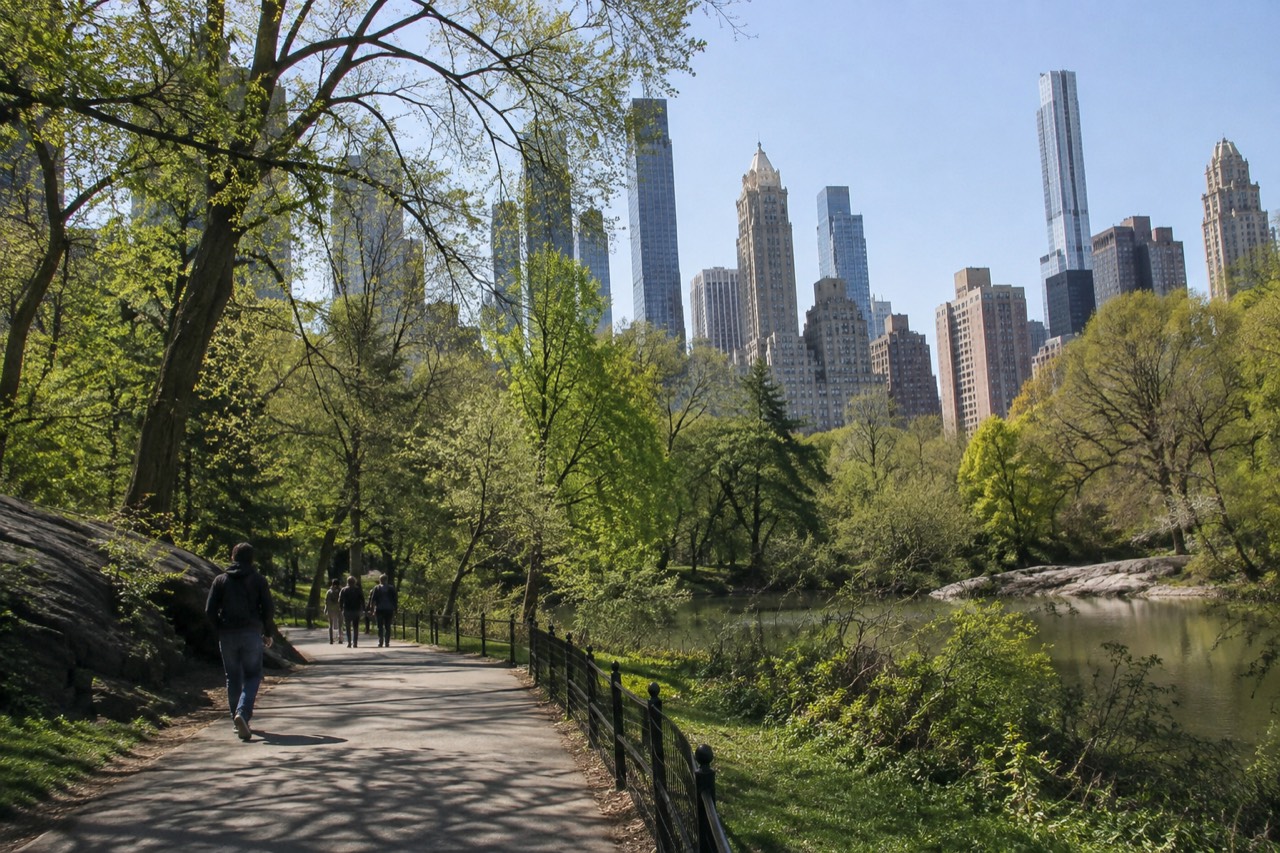
The best hidden gems in NYC are the ones hiding inside famous places: the Ramble inside Central Park, the free admission windows at the Whitney and Guggenheim, the Roosevelt Island Tram, Little Island on the Hudson, and the whispering gallery inside Grand Central. None require a special ticket or a secret address, just knowing where to look.
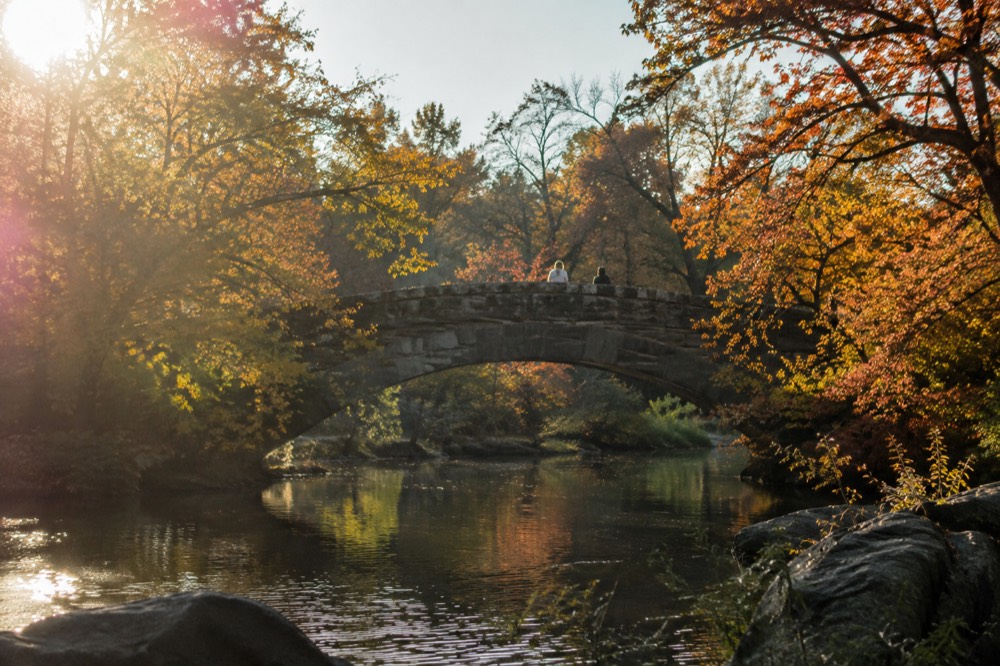
Times Sq-42 St carried 61,203,303 riders in 2025, which is 71% more than Grand Central and the busiest subway complex in the city. Almost every one of those people surfaces into the same six blocks. The strange truth about New York is that its hidden gems are rarely hidden at all. They sit a ten minute walk from the crowds, unmarked, free, or priced so low nobody bothers to advertise them. The Ramble, a 36 acre woodland inside Central Park, swallows visitors who then re-emerge confused that they were never more than 400 yards from the Mall.
This guide is built from verified sources: MTA fare pages, museum admission policies read directly from the institutions, and National Park Service pricing. Where a figure could not be confirmed, it does not appear. Start with the money page of things to do if you want the headliners first, then come back here for everything the crowds walk past.
What Counts as a Hidden Gem in NYC?
A hidden gem in New York is usually a quiet part of a famous place, not an obscure one. The Ramble sits inside Central Park, the whispering gallery sits inside Grand Central, and The Cloisters is included with a Metropolitan Museum of Art ticket. The pattern holds across the city: the gem is not a secret address but a detail, a timing, or a side door that the crowds never use because nobody sold it to them.
That definition matters because it changes how you plan. Chasing "secret spots" leads people to invented venues and outdated lists. Looking sideways at famous ones leads you to real, checkable places: a free ferry, a museum hour nobody books, an island reached by cable car. Every gem in this guide falls into one of three types, and the table below sorts them so you can pick by budget and energy.
| Type | What it is | Cost | Example |
|---|---|---|---|
| The quiet corner | A calm space inside a famous attraction | Free or included | The Ramble, Central Park |
| The timing trick | A free or cheap window most visitors miss | Free | Whitney free Friday nights |
| The overlooked place | A whole site tourists skip | Low | Roosevelt Island, The Cloisters |
The third type rewards effort most. Roosevelt Island, Little Island and The Cloisters each need a deliberate trip, and each delivers something the six blocks around Times Square cannot: silence, water, and a skyline seen from somewhere other than the middle of it.
Which Central Park Corners Do Most Visitors Miss?
The Ramble, a wooded 36 acre section between 73rd and 79th Streets, is the park's biggest missed gem. Most visitors walk the Mall, see the lake from the shore, and leave. The Ramble sits one slope away, and its winding paths and outcrops feel like upstate forest while the skyline floats above the trees. Bow Bridge and the Hallett Nature Sanctuary round out a loop that takes under two hours.
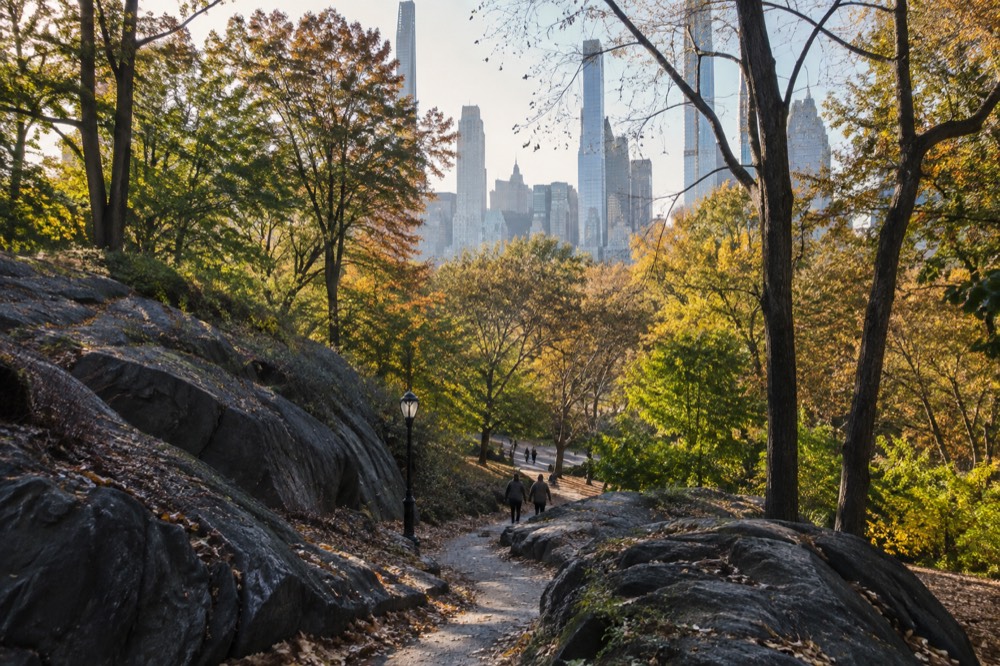
The park rewards getting lost on purpose. Its paths loop and cross without warning, which is exactly why a guide helps here: the Central Park guide covers the whole layout, and a two hour guided walk is the efficient way to see the Ramble, Bethesda Terrace and the spots the map does not label. There is also a free option: a tip-based nature walk on GuruWalk covers the Ramble, the Lake and the lawns most visitors never reach, and you pay the guide what you feel at the end.
Timing matters more than route. Weekday mornings belong to joggers and dog walkers, and the park is genuinely quiet before 9am anywhere south of the reservoir. Afternoon weekends are the opposite: the Mall and Bethesda Terrace fill completely. The Hallett Nature Sanctuary, a four acre preserve at the southeast corner of the lake, has limited opening hours, so check the park's official calendar rather than assuming.
Which Free Museum Hours Do Locals Actually Use?
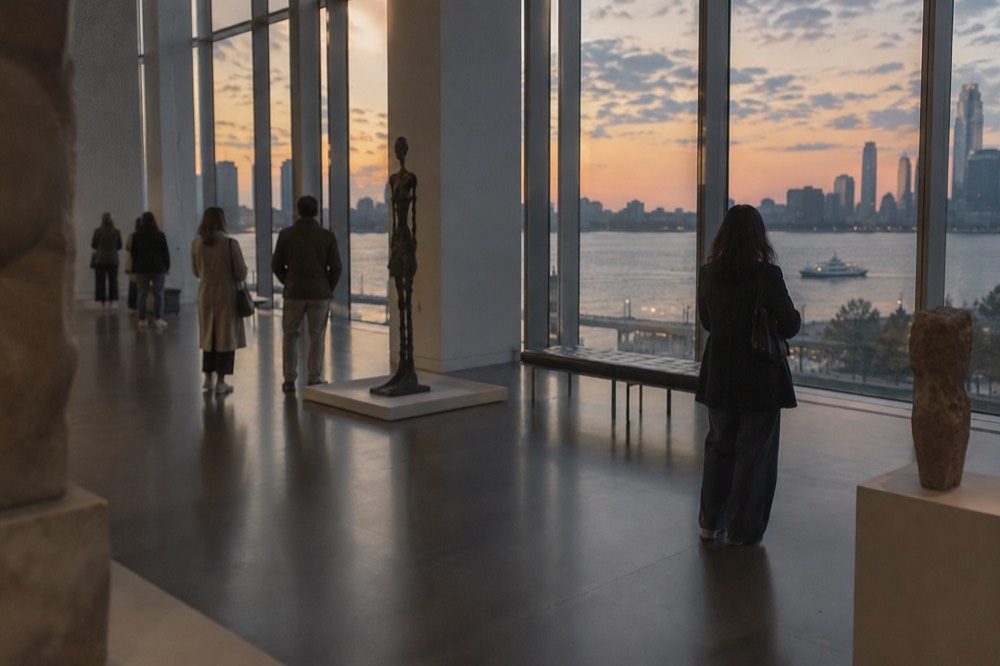
The Whitney Museum of American Art is free on Friday nights from 17:00 to 22:00 for everyone, and free every day for anyone 25 and under. The Guggenheim runs pay-what-you-wish on Tuesdays and Sundays from 16:00 to 17:30, with a $1 minimum. The 9/11 Memorial & Museum releases free Monday admission tickets on its website each Monday at 07:00 ET, first come first served.
MoMA's free Friday window is for New York State residents only.
These windows are the single best value in New York culture, and almost nobody plans around them. The catch is capacity: the Whitney's Friday nights and the Guggenheim's pay-what-you-wish hour both sell out, so reserve in advance rather than walking up. The 9/11 free Monday tickets go quickly too, and the museum's last free entry is 17:30.
| Museum | Free window | Who qualifies | The catch |
|---|---|---|---|
| Whitney | Friday nights 17:00-22:00; every day for 25 and under | Everyone | Advance tickets recommended, capacity limited |
| Guggenheim | Tuesday and Sunday 16:00-17:30 | Everyone, pay what you wish, $1 minimum | Sells out; limited on-site tickets |
| 9/11 Memorial & Museum | Free Mondays, released online each Monday 07:00 ET | Everyone | First come first served, last entry 17:30 |
| MoMA | Friday evenings 17:30-20:30 | New York State residents only, proof required | Not open to out-of-state visitors |
| AMNH | Pay-what-you-wish general admission | New York State residents, ID required | Covers general admission only, not special exhibitions |
The 9/11 Memorial plaza itself, the two reflecting pools outside, is free and open daily from 08:00 to 20:00 with no ticket at all. Many visitors do not realize the outdoor memorial and the indoor museum are separate things. The museum sits beneath the pools and deserves unhurried time; the plaza can be walked in twenty minutes. Treat both with the gravity the site deserves, and plan the rest of your day around the visit rather than stacking it between entertainments.
If museums are the spine of your trip, a pass changes the maths. The CityPASS bundles five attractions from a menu of eleven, including the Guggenheim and the Whitney, at $149 adult against a $307.04 combined box-office price, valid nine consecutive days. It only pays if you use all five, so check the menu against your list first.
Is Roosevelt Island Worth the Detour?
Roosevelt Island is a two mile sliver in the East River that most visitors never set foot on, and the tram that reaches it is the best cheap view in Manhattan. The Roosevelt Island Tram runs from 59th Street and Second Avenue alongside the Q train tracks, charges the regular subway fare, and lifts you over the river with Midtown on one side and Queens on the other.
The island is flat, quiet and walkable end to end in an hour.
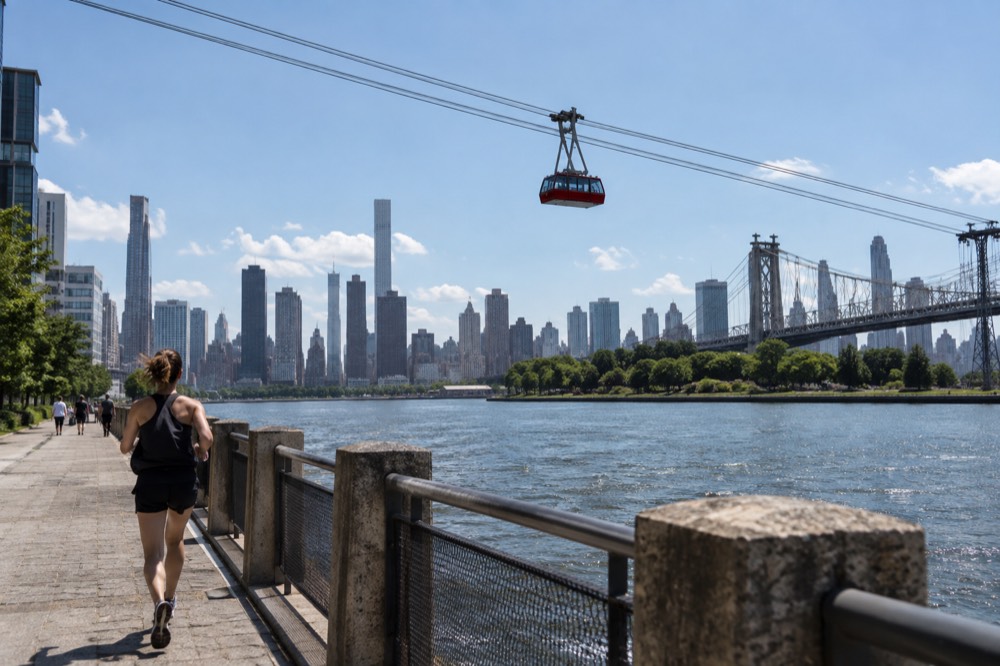
The tram is the point. It is a working commuter line, not a tourist attraction, which is why it stays cheap and uncrowded on weekday middays. Ride it east, walk the island's length south to north, and take the F train back through the tunnel. Four Freedoms Park at the southern tip, a granite memorial to Franklin Roosevelt designed as a quiet lawn tapering toward the water, is the island's one genuinely striking space.
The whole detour costs one subway fare each way if you ride the tram over and the train back. That makes it one of the cheapest half days in the city, and it pairs naturally with the Upper East Side: exit the tram on the Manhattan side and you are a short walk from the Met.
What Is Little Island and Why Does Nobody Know It?
Little Island is an artificial park on pilings over the Hudson River at 13th Street, opened on the site of the old Pier 54, and its rolling landscape of paths, lookout corners and a small amphitheater makes it feel like a park sculpted rather than built. Entry is free, though timed reservations are required during busy periods and for performances. It sits at the southern end of the High Line's stretch through Chelsea.
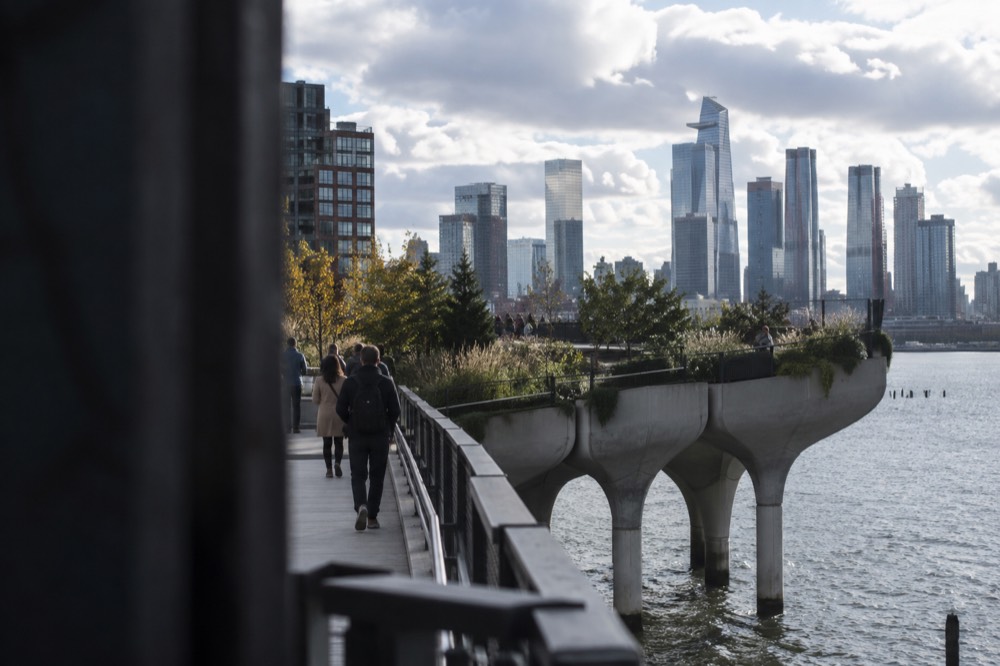
The honest pairing is Little Island plus the High Line, done in that order. Start at Little Island in the late afternoon, then walk the elevated rail line north as the light drops. The Whitney sits right at the High Line's southern end, which means a free Friday night visit, the park, and the river view can stack into one of the best cheap evenings in the city. The Meatpacking District and Chelsea stretch around it rewards slow walking too.
Check the official Little Island site before you go for timed-entry rules on the day you visit, since performance days change the crowd profile completely. On a quiet weekday morning it is one of the few places in Manhattan where you can hear the river. The wider set of guides lives on New York City Travel Guide.
What Downtown Secrets Are Worth Crossing the City For?
The whispering gallery inside Grand Central Terminal is the best known of them: an unmarked spot outside the Oyster Bar where two people facing opposite corners can speak in a whisper and hear each other clearly across the archway. The Financial District holds the rest: the colonial-era lanes that survive between the towers, Federal Hall, and the old Dutch street plan that still shapes the area's crooked blocks. None of it costs anything.
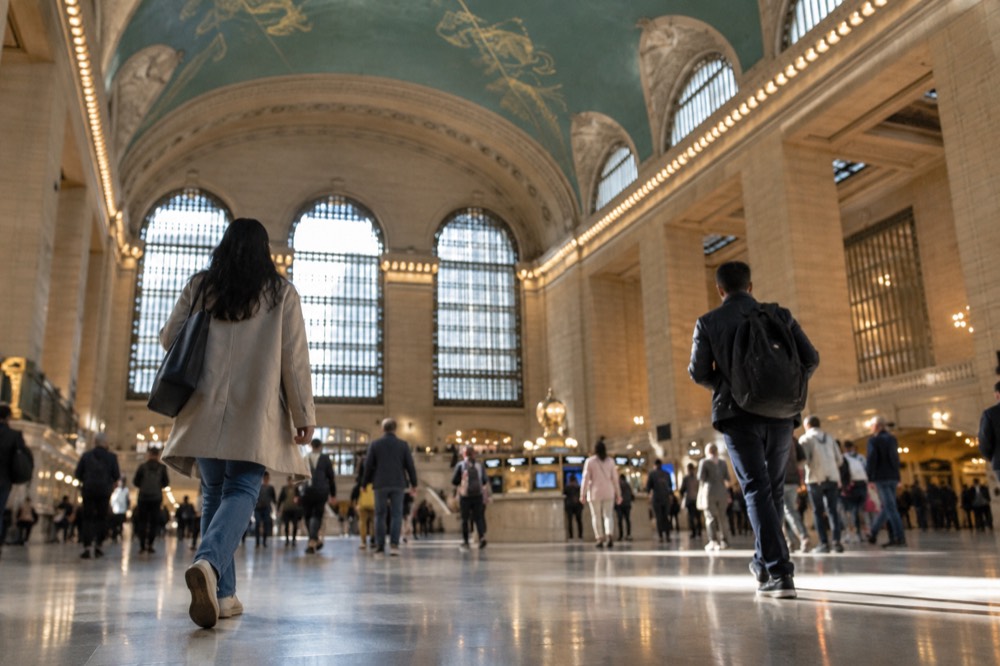
Grand Central rewards a full hour. The celestial ceiling, the whispering gallery, the main concourse faces carved into the east facade: a secrets of Grand Central tour covers the details commuters rush past daily, including the deliberate error in the ceiling's constellation. The station survived demolition threats, and the fact that it stands at all is part of what a guide tells you there.
Downtown, the Financial District is at its best early. Wall Street before 9am is a working street, quiet and almost empty; by 11am it is a photo stop. The Financial District guide maps the colonial lanes, and a free tip-based walk on GuruWalk covers Wall Street, the Stock Exchange and the 9/11 Memorial in one loop, ending near the waterfront. You decide the guide's pay at the end.
From the Battery, the harbor is closer than most visitors realize. The official Statue City Cruises ferry, the only operator authorized by the National Park Service to land at Liberty Island, costs $26.00 adult round trip including both islands and both museums. Lookalike cruises circle the islands without landing, and some charge more than the real ferry, so check what you are buying.
Which Brooklyn Gems Sit Right Across the Bridge?
The Washington Street view in DUMBO, where the Manhattan Bridge frames the Empire State Building between two brick buildings, is the borough's most famous photo spot, and Brooklyn Heights' promenade above it delivers the skyline view that Manhattan cannot give you: Manhattan in the frame. Further out, Williamsburg's Hasidic quarter and its historic synagogues sit blocks from the water, a slice of the city most tourists never see.
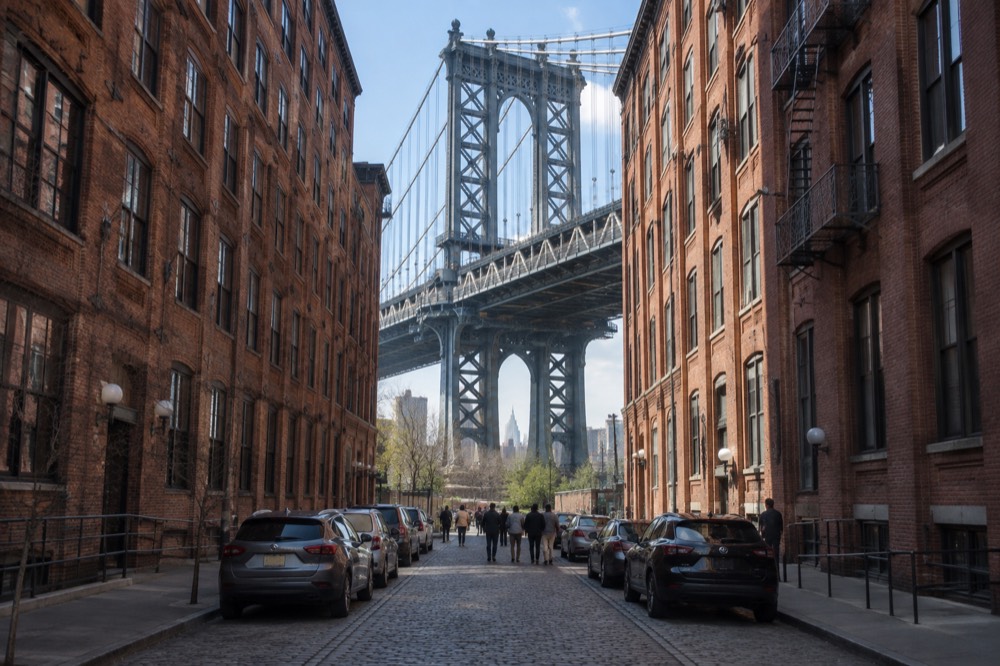
The things to do in Brooklyn page covers the borough at full length, but the compressed gem route is simple: walk the bridge promenade early, drop into DUMBO for the Washington Street frame, climb to the Brooklyn Heights promenade, then take the F to Williamsburg. A free tip-based walk on GuruWalk covers the bridge, Heights and DUMBO in one guided loop with the demolition-threat history of the waterfront blocks explained along the way, and there is a free sunset version timed to the skyline lighting up.
The bridge itself is the gem people underrate. Its pedestrian promenade sits above the traffic, and walking it Brooklyn-bound at sunrise means an empty boardwalk and the sun coming up over Queens. By noon the promenade is a slow-moving crowd. The engineering story, the troubled construction, the men who died building it: a guided Brooklyn Bridge walk is worth it for that alone.
How Do You Fit Hidden Gems Into a Short Trip?
Plan one gem per day beside one headline attraction, not a separate gems day. The geography does the work: the Met and The Cloisters share a ticket, the Whitney sits at the foot of the High Line, Little Island is a block from its southern end, and the Roosevelt Island tram departs a short walk from the Upper East Side museums. Pairing each famous stop with a quiet one keeps the trip balanced and costs almost nothing extra.
| Day shape | Headline attraction | Hidden gem beside it | Extra cost |
|---|---|---|---|
| Upper East Side | Metropolitan Museum of Art | The Cloisters, same ticket, same day | $0 |
| Midtown | Grand Central or SUMMIT One Vanderbilt | Whispering gallery, then the tram to Roosevelt Island | Subway fare |
| Chelsea | Whitney Museum on a free Friday night | Little Island, then the High Line north | $0 |
| Downtown | Statue of Liberty and Ellis Island ferry | Financial District's colonial lanes before 9am | $0 |
| Brooklyn | Brooklyn Bridge walk | DUMBO's Washington Street, Brooklyn Heights promenade | $0 |
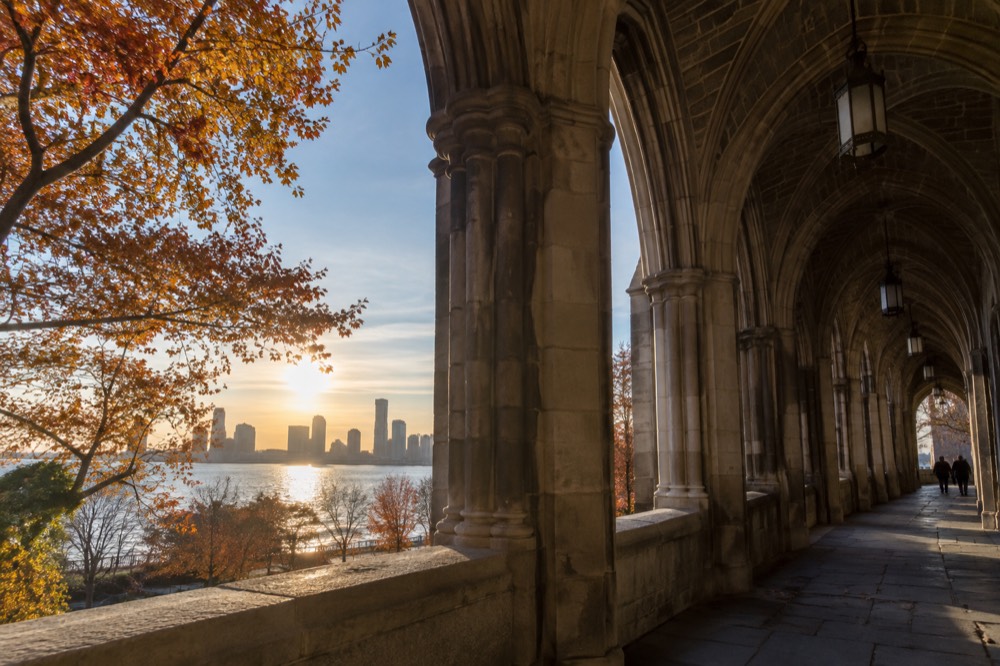
The Cloisters deserves its own note. It is the Met's second location, a medieval-art collection in a purpose-built cloister at the top of Fort Tryon Park, and the Met's ticketing page states plainly that all tickets include same-day entry to both locations. The trip uptown takes about an hour from Midtown, and the park around it is the closest Manhattan gets to a forest ridge. Check the Met's gallery closures page before a visit for the Fifth Avenue building, since a long list of wings there is currently closed for renovation, including the roof garden and parts of the modern galleries.
One practical warning for the whole guide: the OMNY fare cap only works if you tap the same card or device every time. Mixing your phone and the plastic card in your pocket breaks the $35 weekly cap silently, and with no MetroCards sold any more, there is no paper fallback to buy. Tap one thing, every ride.
Common Questions About Hidden Gems in NYC
The questions below are the ones visitors actually ask, and the answers are short because the details are already covered above. The common thread: almost every hidden gem in New York is free, cheap, or included in something you were already buying. The planning effort is not about money, it is about knowing which corner to turn and which hour to arrive.
What is the most underrated place in NYC?
The Cloisters. It is included with a Metropolitan Museum of Art ticket on the same day, sits in a forested park at the top of Manhattan, and most visitors never make the trip uptown. The Met's own ticketing page confirms both locations are covered by one ticket.
Are there free things to do in NYC that are actually good?
Yes, and many are listed in our free things to do in NYC guide. The strongest free picks here: the Whitney's Friday nights, the 9/11 Memorial plaza, Little Island, the Brooklyn Bridge promenade, and the Roosevelt Island tram ride for a single subway fare.
What should I skip to see the hidden gems?
Skip the second observation deck. One deck gives you the skyline; a second gives you the same skyline from 40 feet higher. The quiet corners in this guide, from the Ramble to Four Freedoms Park, give you the city the decks cannot.
Is the Roosevelt Island Tram really worth it?
Yes. It is a working commuter cable car that charges the regular subway fare and lifts you over the East River with Midtown on one side. It runs from 59th Street and Second Avenue, and the island it serves is flat, quiet and walkable end to end in about an hour.
How do I avoid crowds at the famous spots?
Arrive before 9am or after 6pm, and go on weekdays. Central Park's Ramble, the Brooklyn Bridge promenade and Wall Street are all transformed by early timing. The MTA's own ridership data shows weekend trains are now the fuller ones relative to pre-pandemic normal, so weekday mornings are your friend.
The pattern across every gem in this guide is the same one: New York does not hide its best parts, it just fails to advertise them. The Cloisters waits at the end of an A train ride, the whispering gallery waits four blocks from a station carrying 61 million riders a year, and the Ramble waits one slope from a promenade full of people looking the other way. Book the headliners, then leave room in each day for the corner nobody pointed you to.