NYC Ferry Guide: Routes, the Staten Island Ferry, and Getting on the Water
New York is a harbor city that most visitors experience entirely from land. The ferry network changes that: a working commuter boat system that happens to serve some of the best views in the five boroughs, plus a free ride past the Statue of Liberty that costs nothing at all.
Short answer
The NYC Ferry system runs scheduled boats linking Manhattan, Brooklyn, Queens and the Bronx across six routes, all with skyline and harbor views from the deck. The Staten Island Ferry is a separate, free service between St. George and Whitehall. The only ferries that land at the Statue of Liberty and Ellis Island are operated by Statue City Cruises under National Park Service authorization, with adult grounds tickets at $26.00.
New York is a city built around water, and the fastest way to understand its shape is to get out onto it. The harbor, the East River and the Hudson frame every borough, and the ferry network that crosses them is not a tourist operation dressed up as transport. It is transport that happens to be worth riding for the views alone. This guide covers the NYC Ferry system, the free Staten Island Ferry, the sightseeing cruises that circle the harbor, and the one operator that can actually put you on Liberty Island.
What Is the NYC Ferry?
NYC Ferry is the city's scheduled passenger boat network, run under contract to the city's transportation department, with six routes linking Manhattan, Brooklyn, Queens and the Bronx across the East River and New York Harbor. It is a commuter service first: boats run on published timetables, take bikes on board, and connect waterfront neighborhoods that the subway reaches badly or not at all.
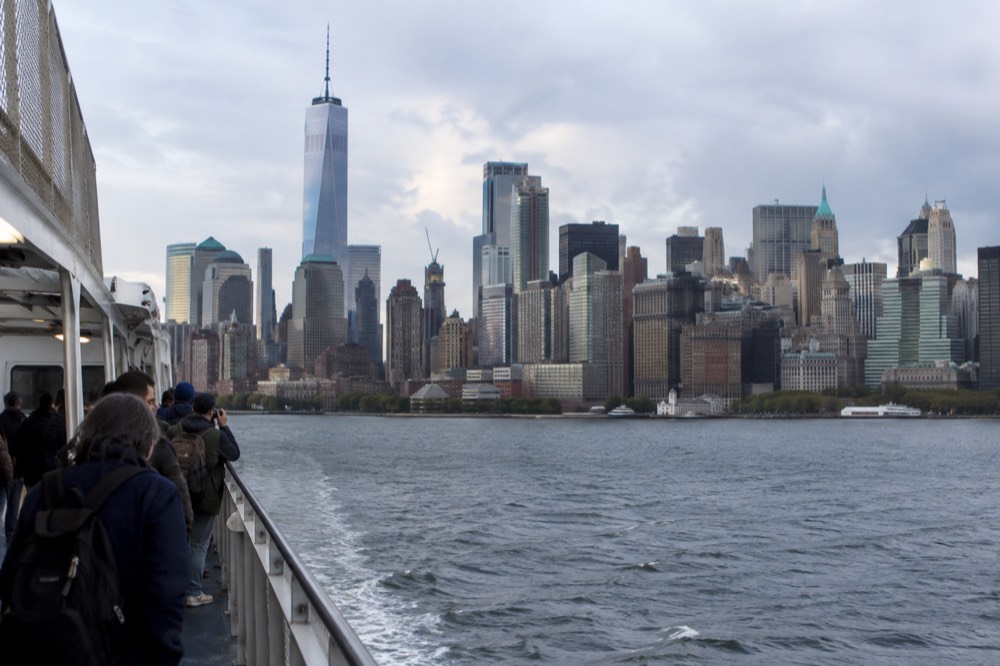
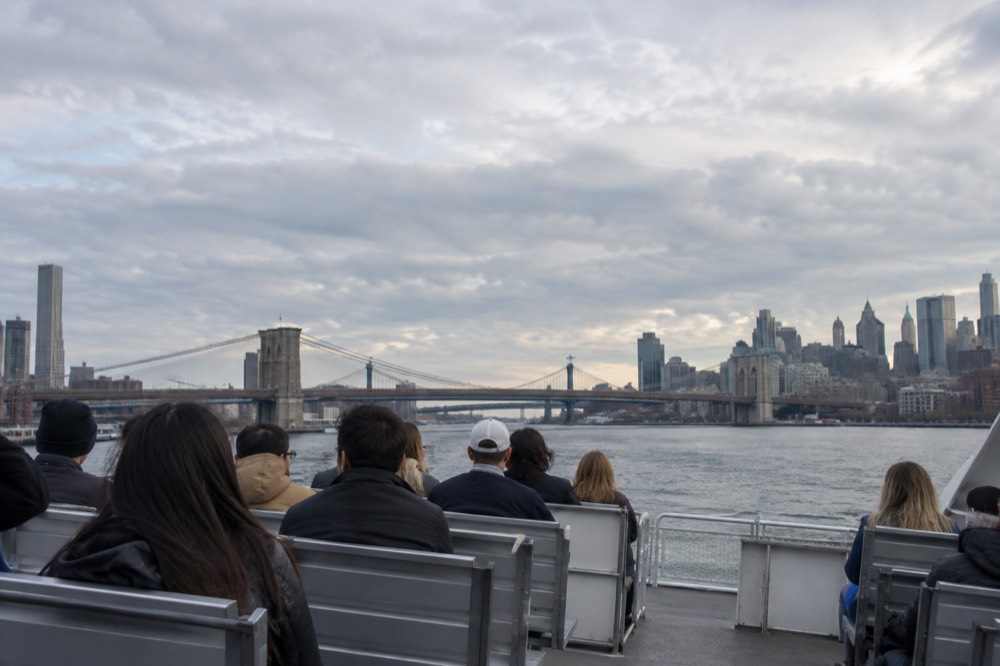
For visitors, the same deck that carries workers to their offices also carries you past the Brooklyn Bridge and the Lower Manhattan skyline.
The system exists because New York's waterfront neighborhoods grew faster than its rail lines. Places like Astoria in Queens, Red Hook in Brooklyn and the Soundview section of the Bronx sit close to Manhattan as the crow flies but far from it by train. The ferries stitched those gaps together, and in doing so created a set of rides that rival any paid sightseeing cruise in the city.
Two things distinguish the NYC Ferry from every other boat in this guide. First, it is point-to-point transport: you board at one landing, you get off at another, and you can build a day around it. Second, it is not the only ferry in town, and confusing the networks is the single most common mistake visitors make on the water. The Staten Island Ferry is a separate, free service. The Statue of Liberty ferries are a third thing entirely, run by an operator authorized by the National Park Service. The sightseeing cruises are a fourth. Each is covered in its own section below.
Which NYC Ferry Routes Should Visitors Actually Use?
The routes that matter most to visitors are the East River route, which links Wall Street and Lower Manhattan with Brooklyn Heights, DUMBO and Williamsburg, and the South Brooklyn route, which reaches the redevelopment at Brooklyn Bridge Park. The Astoria route gives Queens waterfront and Midtown views, and the St. George route ties the Staten Island Ferry terminal into the wider network.
The East River crossing under the Brooklyn and Manhattan Bridges is the best cheap boat ride in the city.
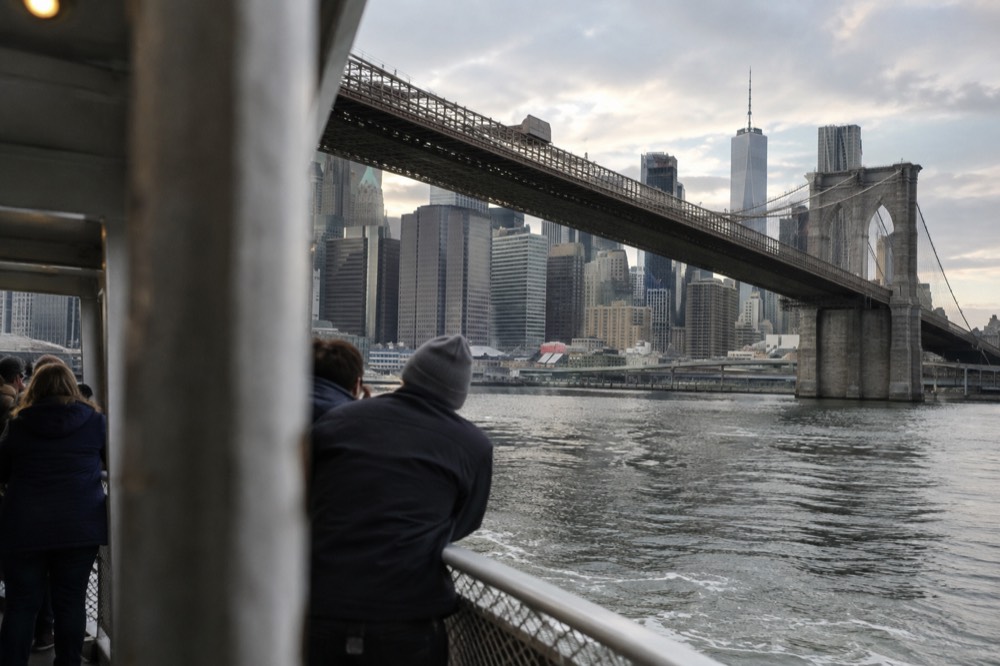
The East River route is the one to ride if you only ride one. It runs between Manhattan's east side and Brooklyn, passing directly under the Brooklyn Bridge, the Manhattan Bridge and the Williamsburg Bridge in sequence. Standing on the open deck as all three pass overhead is a perspective no subway ride and no walk can reproduce, and it links two neighborhoods worth exploring on foot at either end.
| Route | Serves | Why a visitor would ride it |
|---|---|---|
| East River | Wall Street, Corlears Hook, Brooklyn Heights, DUMBO, Williamsburg, Astoria | The three-bridge crossing, the best single ride on the network |
| South Brooklyn | Wall Street, Red Hook, Sunset Park, Bay Ridge | Brooklyn Bridge Park, Red Hook warehouses, the harbor approach |
| Astoria | Wall Street, Long Island City, Astoria | Long Island City skyline view of Midtown from across the river |
| St. George | St. George, Bay Ridge, Wall Street | Ties Staten Island into the network from its ferry terminal |
| Soundview | East 90th Street, Astoria, Soundview | The Bronx waterfront, Upper East Side access |
| Governors Island | Wall Street, Governors Island (seasonal) | The car-free island and its harbor views |
The table above is the practical core of this guide. If you are staying in Manhattan and want a half-day loop, ride the East River route to DUMBO, spend a few hours walking the waterfront and the streets under the bridges, and ride back. The landing sits within a short walk of the famous Washington Street view of the Manhattan Bridge, and the Brooklyn Heights Promenade is up the hill from the Brooklyn Bridge Park piers. Our DUMBO neighborhood guide covers the area on foot, and the Brooklyn Bridge guide explains how to fold the bridge walk itself into the same day.
Bikes ride free on the NYC Ferry, which turns the network into a cycling tool. A reasonable day: take a bike on the East River route to Williamsburg, ride the Brooklyn waterfront greenway south to Brooklyn Bridge Park, then board again at DUMBO for the crossing back. Check the operator's app or ticket machines at the landing for the current fare before you travel; this site does not quote a price it has not verified at source, and ferry fares are the kind of figure that changes.
Is the Staten Island Ferry Really Free?
Yes. The Staten Island Ferry charges no fare at all in either direction, between St. George on Staten Island and Whitehall Street in Lower Manhattan. The 25-minute crossing passes the Statue of Liberty, Ellis Island and the whole Lower Manhattan skyline, and the ride is a working commuter run, so there are no reserved sightseeing seats, no commentary and no island stops. You simply board, cross, and get off.
The Staten Island Ferry is the best free thing on the water in New York, and the trick to enjoying it is to treat it as a round trip. Board at Whitehall, ride to St. George, walk straight through the terminal and back onto the next returning boat. You get the harbor twice, once from each side, for nothing. The outbound and return legs frame different skylines: leaving Manhattan you face the towers, returning you face the harbor and the statue off to the north.
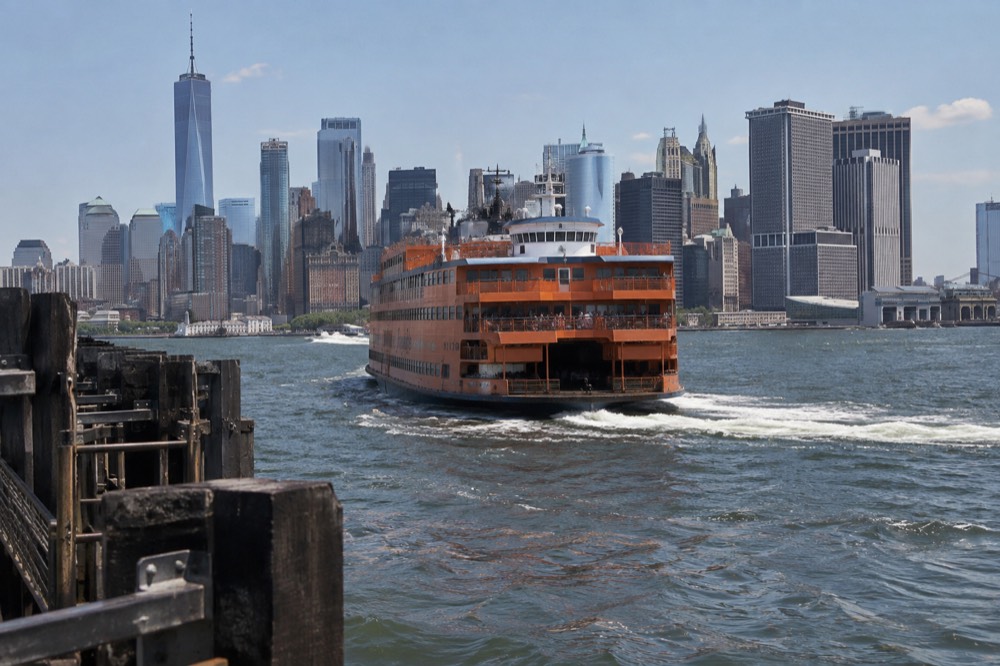
Be clear about what it is not. The Staten Island Ferry does not stop at the Statue of Liberty and does not circle it closely. The statue passes at a distance on one side, a photo opportunity rather than a visit. If standing on Liberty Island itself is the goal, this is the wrong boat, and the next section is the one you need. Our Staten Island Ferry guide covers the terminals, the frequency and the rest of the borough if you decide to stay on Staten Island rather than ride straight back.
How Do You Get to the Statue of Liberty and Ellis Island by Ferry?
Only one operator is authorized by the National Park Service to sell tickets for and dock at Liberty Island and Ellis Island: Statue City Cruises, sailing from Battery Park in Manhattan and Liberty State Park in New Jersey. The adult grounds ticket costs $26.00 with fees and taxes included, covering the round-trip ferry, access to both islands, both island museums and audio tours. No other boat can land you there.
That exclusivity matters commercially and practically. Numerous lookalike cruise operators sell harbor trips that circle the islands and never land, and some charge more than the real ferry. A visitor who buys one of those cannot set foot on Liberty Island, and the fine print usually says so. If the islands are the point, buy the official ticket.
| Ticket tier | Adult | Child 4-12 | Senior 62+ |
|---|---|---|---|
| General / Reserve (grounds of both islands, both museums) | $26.00 | $17.00 | $23.00 |
| Pedestal Reserve | $26.30 | $17.30 | $23.30 |
| Crown Reserve | $26.30 | $17.30 | $23.30 |
| Ellis Island Hard Hat Tour (south-side hospital, 13+ only) | +$55 | n/a | n/a |
Under 4 rides free. The striking thing in that table is the crown: it costs thirty cents more than the grounds ticket. The barrier to the crown is not money, it is availability. Crown tickets are name-bearing, limited to four per order, photo ID is checked at boarding, and they are released on a rolling basis that is reported to sell out months ahead. Book as early as your dates allow, and check the National Park Service's official fees page for the current rules before you plan around it.
The guided alternative is worth knowing about. The Statue of Liberty & Ellis Island tour with reserved ferry entry adds a guide on both islands to the same ferry access, which suits travelers who want the immigration history decoded rather than read off an audio guide. If you would rather move at your own pace, the official ticket alone does everything the islands require. Our Statue of Liberty tickets guide breaks down every tier in detail.
What Do Harbor Cruises Give You That the Ferries Do Not?
Sightseeing cruises trade transport for theater: they loop the harbor on a fixed route, pause at the Statue of Liberty for photographs, and return to their departure pier without landing anywhere. The payoffs are a close statue approach without an island visit, a full skyline panorama including the Brooklyn Bridge, and time budgets as short as fifty minutes. The trade-off is that you never step off the boat, so they complement rather than replace the official ferry.
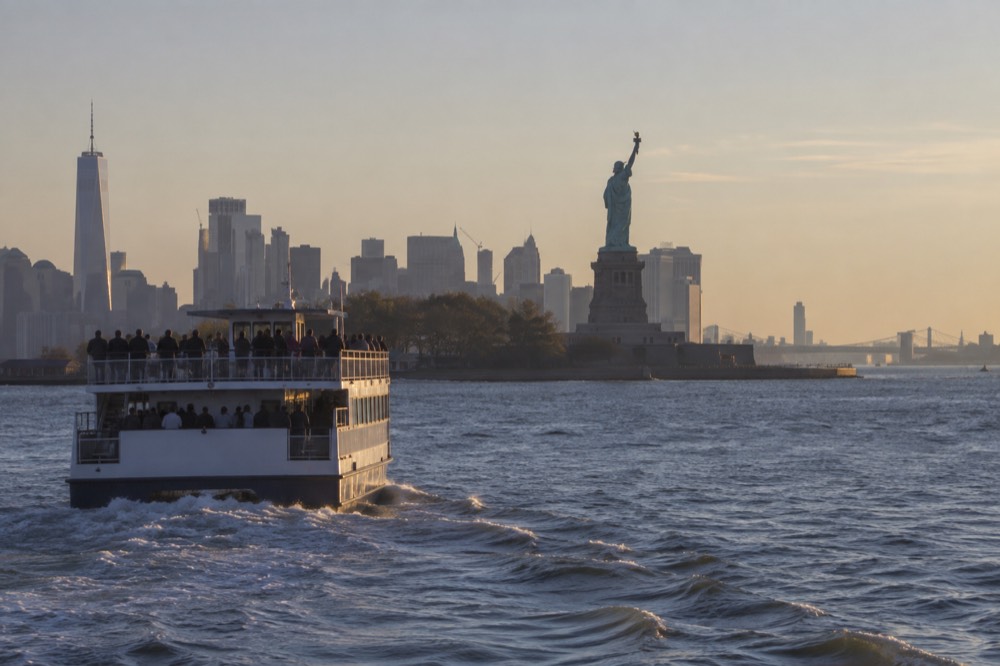
The express option is the 50-minute Statue of Liberty Super Express cruise from South Street Seaport, which runs down the river, pauses near the statue and returns past the Brooklyn Bridge and the Lower Manhattan skyline. It suits anyone who wants the water and the photo without giving up half a day, and it is a particularly good pick for a layover or a tightly packed first day. Check availability if that profile fits your trip.
For a fuller afternoon, the 2.5-hour Complete Manhattan Island Cruise circles the entire island: up the East River, around the northern tip at Spuyten Duyvil, and back down the Hudson, passing three boroughs and every major bridge. It is the only way to see the whole shape of Manhattan in one sitting, and it pairs naturally with a morning in a museum. The Circle Line full island cruise runs from Midtown West.
Evening changes the product entirely. The sunset and harbor lights cruise departs Midtown as the light goes gold, loops past the statue, the Brooklyn Bridge and the Lower Manhattan skyline as the city switches on, and carries a bar on board. It is an atmosphere pick rather than a commentary pick, best for photographers and for anyone whose sightseeing day ends at dinner. See the sunset harbor cruise for dates and departure times.
| Service | Lands at Liberty Island? | Typical duration | Best for |
|---|---|---|---|
| NYC Ferry (East River route) | No | 20-40 min per leg | Point-to-point transport, bridge views |
| Staten Island Ferry | No | 25 min each way | A free harbor crossing, skyline photos |
| Statue City Cruises (official ferry) | Yes, both islands | About 5 hours with museums | Actually visiting the statue and Ellis Island |
| Express statue cruise | No, close pass only | 50 minutes | Quick photo run, tight schedules |
| Full island cruise | No | 2 hours 30 minutes | The whole Manhattan shoreline |
| Sunset harbor cruise | No | 2 hours | Evening atmosphere, skyline after dark |
Which Ferry Rides Give the Best Views of the New York Skyline?
The East River route's bridge crossings and the Staten Island Ferry's harbor approach are the two rides that consistently produce the best photographs from the water. The East River route frames the Brooklyn, Manhattan and Williamsburg Bridges overhead in sequence with Lower Manhattan behind you. The Staten Island Ferry gives the classic receding-skyline shot from the harbor, with the statue passing off the port side outbound. Neither requires a booking.
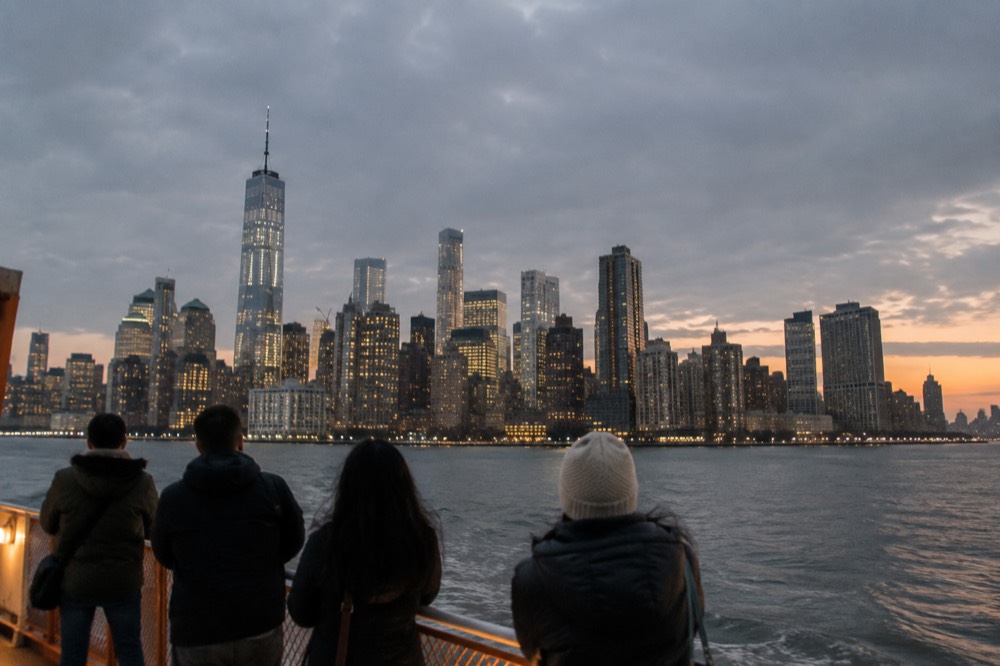
Timing matters more than route. The light on the harbor is at its best in the last hour before sunset, when the glass in the Lower Manhattan towers goes gold and the bridges silhouette cleanly. Morning light favors the east-facing Brooklyn shore. Midday is flat, and it is also when the decks are fullest with commuters and school groups. If photography is the goal, ride in the golden hour in each direction and stand at the rail on the side facing the skyline.
For a full rundown of the best vantage points on land as well as on the water, our best views in NYC guide ranks the decks, rooftops and waterfront spots, and the wider things to do in NYC page places the ferry rides in a full itinerary.
How Does the Ferry Compare with the Subway for Getting Around?
For most trips the subway remains faster and more frequent, but the ferry wins on three counts: neighborhoods the trains reach badly, such as Red Hook, Astoria's waterfront and Soundview; trips where the view is part of the point; and bike-carrying journeys along the Brooklyn and Queens waterfront. The honest planning rule is to use the subway as the spine of your trip and the ferry as the scenic detour, not the reverse.
That aside matters to ferry planning more than it first appears. Because the ferry landings sit a walk from most subway stations, nearly every ferry trip begins or ends with a train ride, and the $35 weekly OMNY cap covers the subway side of those journeys automatically. The ferry fare is separate and paid at the landing or in the operator's app.
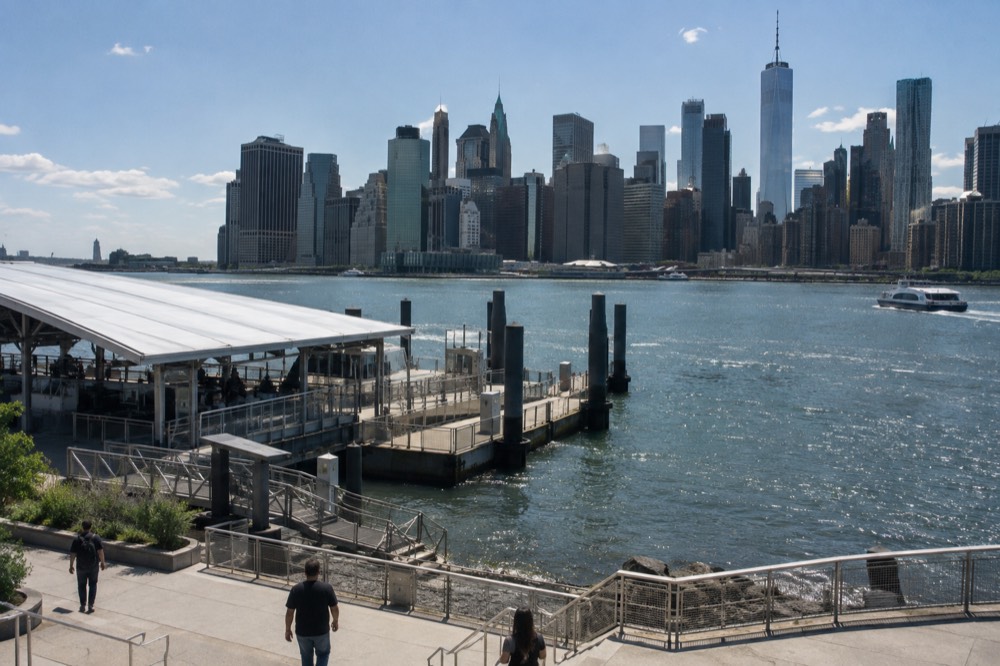
Frequency is the ferry's real weakness. Boats on most routes run every 20 to 35 minutes, with longer gaps midday and on weekends, so a missed boat is a real delay in a way a missed train is not. Check the timetable before you commit a tight connection to one. In summer the outdoor seats fill fast on fine weekends, and in winter the enclosed cabins are heated but the views fog over at the glass.
When Do Ferries Run, and What About Weather?
The NYC Ferry network runs year-round on published timetables, with the outdoor decks at their best from late spring through early fall and the Governors Island shuttle running only in that island's open season. The Staten Island Ferry runs around the clock, every day, at roughly half-hour intervals for most of the day and hourly overnight. Weather rarely stops the big boats, but it changes the experience completely: wind and spray are constants on the harbor.
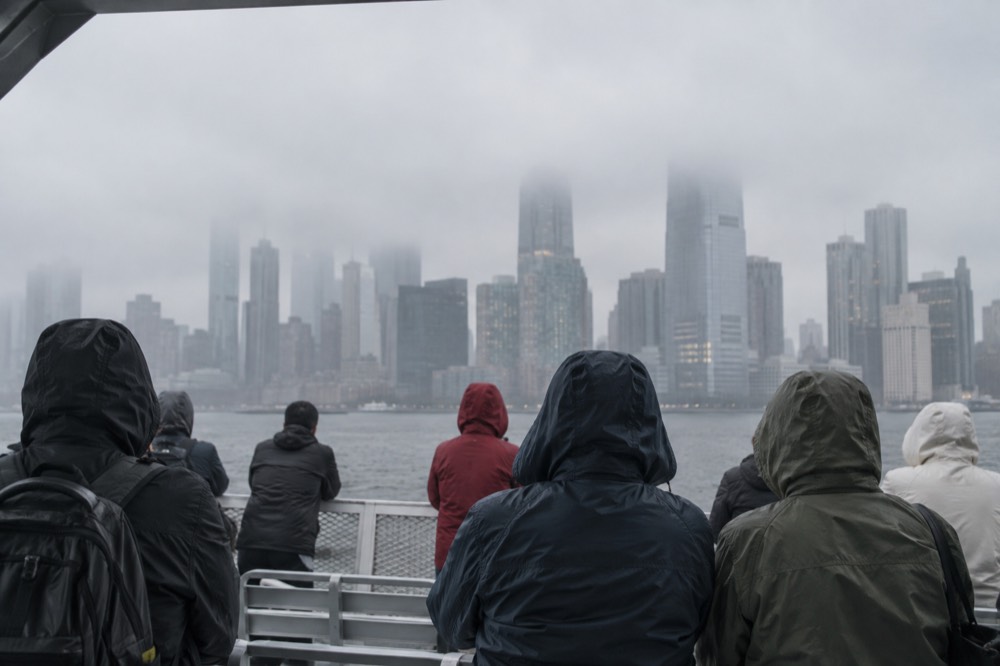
Practical packing for the water is simple: one more layer than the street demands, because the harbor wind is real even in August, and a waterproof layer from November through March. The National Weather Service's Central Park normals hold a surprise that shapes the calendar: July is actually New York's wettest month, averaging 4.60 inches of rain, ahead of both August and June. Summer visitors who assume a dry season should plan indoor backups, and the reverse holds for winter, when February is both the snowiest month, at 10.1 inches on average, and the driest by total precipitation.
For season-by-season planning, our best time to visit NYC guide breaks down the whole year, and the rainy-day listings on the same site are the backup plan for the days the harbor closes in.
Common Questions About the NYC Ferry
The questions below are the ones visitors actually ask about New York's ferries, answered directly: whether the Staten Island Ferry is really free, which boat actually lands at the Statue of Liberty, how the NYC Ferry routes differ from sightseeing cruises, and whether bikes and luggage ride along. Each answer repeats the core facts from the sections above so the accordion works as a standalone reference.
Is the Staten Island Ferry really free?
Yes. No fare is charged in either direction between St. George and Whitehall Street, and the crossing takes about 25 minutes each way. It is a commuter service, so there are no sightseeing frills, but the outbound leg passes the Statue of Liberty at a distance and frames the Lower Manhattan skyline behind you.
Does any ferry land at the Statue of Liberty?
Only the ferries operated by Statue City Cruises, the operator authorized by the National Park Service, dock at Liberty Island and Ellis Island. The adult grounds ticket costs $26.00 and covers the round trip, both islands, both museums and audio tours. Harbor cruises that circle the statue never land, and some charge more than the official ferry.
What is the difference between the NYC Ferry and a sightseeing cruise?
The NYC Ferry is scheduled point-to-point transport linking landings in four boroughs, sold per ride at the pier or in the operator's app. A sightseeing cruise is a loop that returns to its departure pier, usually with commentary and a close statue pass. The ferry gets you somewhere; the cruise is the destination.
Can you take a bike on the NYC Ferry?
Yes, bikes are carried on the NYC Ferry at no extra charge on this site's understanding of the operator's policy, though you should confirm current bike terms in the operator's app before traveling. The combination of ferry and bike is one of the best ways to see the Brooklyn and Queens waterfronts in a single day.
Which ferry ride has the best views?
The East River route's crossing under the Brooklyn, Manhattan and Williamsburg Bridges is the most dramatic single ride on the network. For the classic skyline photograph, the Staten Island Ferry's outbound leg from Whitehall is hard to beat, and it costs nothing.
Do the ferries run in winter?
Yes, the NYC Ferry runs year-round and the Staten Island Ferry runs around the clock every day. Winter decks are cold and windy, and spray is common, but the boats are heated and the views through the harbor air are often sharper than in the summer haze.
The last word belongs to the water itself. Almost every visitor to New York, per the New York City Travel Guide desk's reporting, arrives with a skyline picture in mind, and the ferries are the cheapest way to earn one. Ride the East River route for the bridges, ride the Staten Island Ferry because it is free, and if the statue is the whole point of your trip, book the official island ferry early, because the crown's thirty-cent premium is nothing compared with the months-long wait for a ticket.