NYC in Summer: What to Expect, What to Book, and How to Stay Cool
July in Central Park averages 4.60 inches of rain, more than any other month, and the average high is 84.9F. Summer in New York is hot, humid, occasionally stormy and completely doable if you plan around the heat instead of fighting it.
Short answer
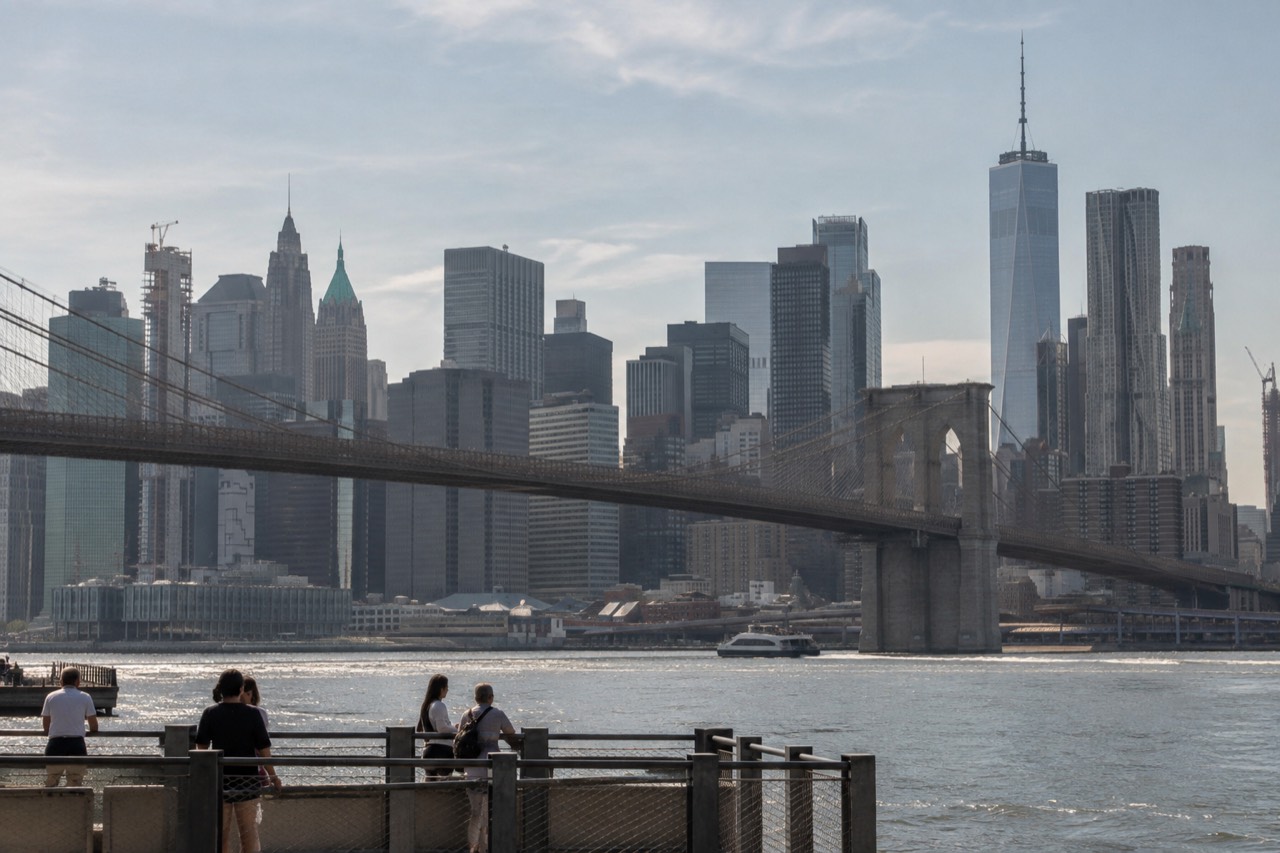
Summer in New York City means average highs near 85F in July, the wettest month of the year, and a city that shifts its rhythm: museums stay open late on free or discounted evenings, observation decks price by time slot, and the subway replaces the 7-day unlimited with an automatic $35 weekly OMNY cap. Book timed entries ahead, do outdoors early, and go indoors from midday.
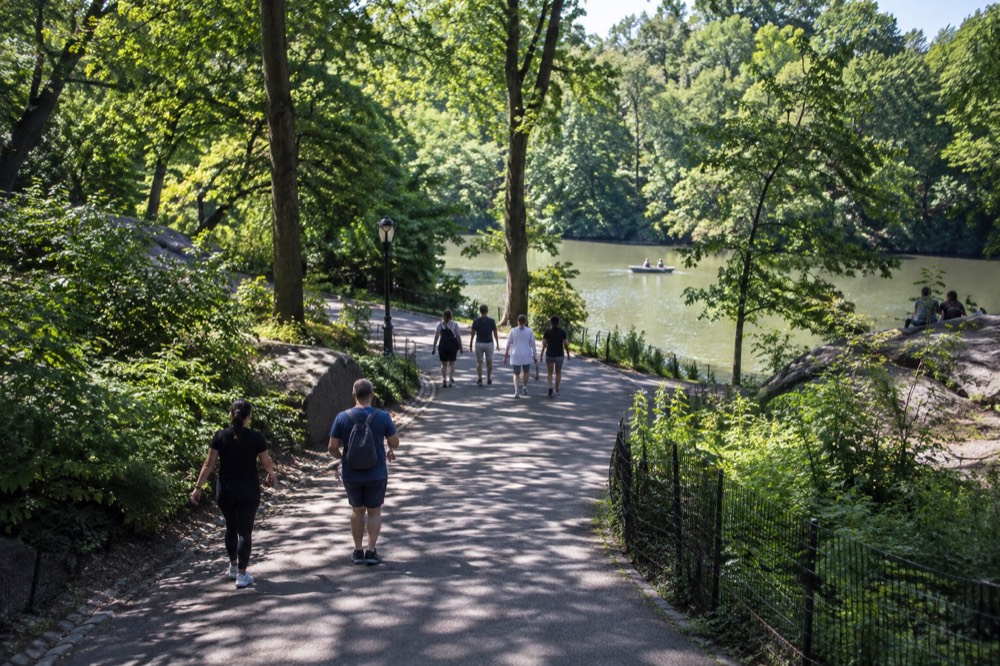
Summer is the season New York gets judged by its worst hours: the 3pm subway platform, the packed ferry rail, the humidity that turns a five-block walk into a decision. The actual numbers tell a fairer story. The NOAA 1991-2020 climate normals for Central Park put the July average high at 84.9F with an average low of 70.1F, and July is also, counter to almost every visitor's assumption, the wettest month of the year at 4.60 inches of precipitation, ahead of August at 4.56 and June at 4.54. This guide works from those verified figures and the official pricing of the museums, decks and transit system, so you can build a summer trip around what the city is really like rather than what a brochure imagines.
What Is Summer Weather Actually Like in New York City?
Summer in New York City is hot and humid, with average highs of 79.7F in June, 84.9F in July and 83.3F in August, and nights that rarely cool below the mid-60s. Rain is a summer certainty here: June, July and August are the three wettest months of the year, and July is the single wettest month in the NOAA record.
The humidity is what separates a New York summer from a dry-heat city. Average lows stay near 70F through July and August, so the city never really cools off overnight, and mornings start warm. September improves fast: the average high drops to 76.2F and the average low to a comfortable 62.3F, which is why early September is one of the better-kept secrets in the calendar.
| Month | Avg high (F) | Avg low (F) | Precipitation (in) | Snowfall (in) |
|---|---|---|---|---|
| June | 79.7 | 64.4 | 4.54 | 0.0 |
| July | 84.9 | 70.1 | 4.60 | 0.0 |
| August | 83.3 | 68.9 | 4.56 | 0.0 |
| September | 76.2 | 62.3 | 4.31 | 0.0 |
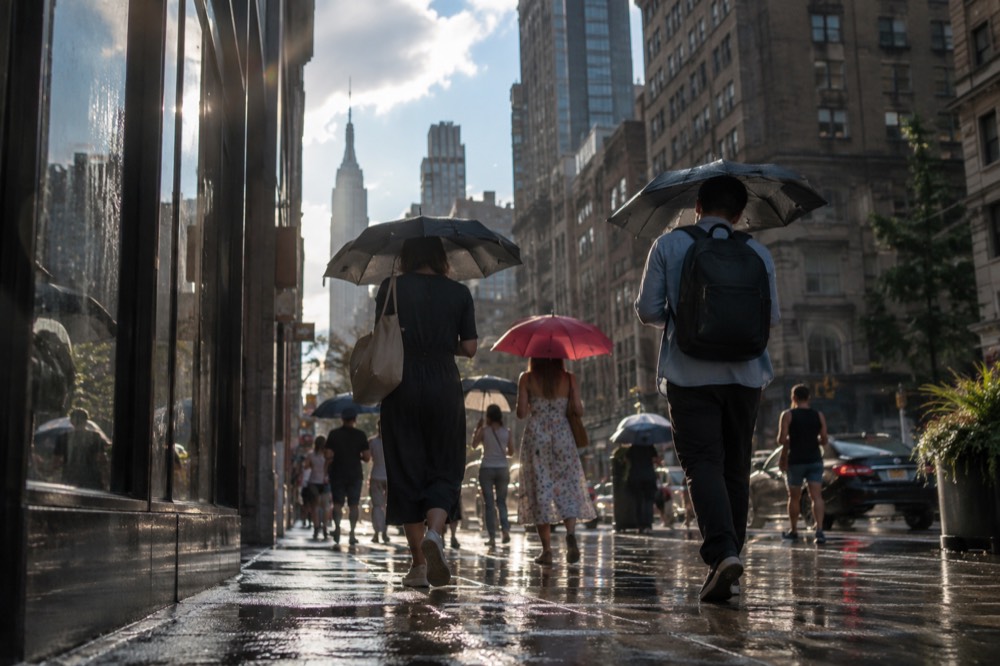
These figures come from the NWS New York normals for Central Park, the official 1991-2020 dataset. Two planning consequences follow. First, rain gear matters more in July than in almost any other month, so pack a compact umbrella even though the forecast looks golden. Second, the "rainy day" plan is not a backup in summer, it is a scheduled probability, and this site keeps a full rainy day activities guide for exactly that.
Is Summer a Good Time to Visit NYC?
Summer is a good time to visit New York City if you value long daylight, outdoor events and late museum hours, and a frustrating one if you dislike heat. The city welcomed 65 million visitors in 2025, and summer is peak season, so timed-entry attractions fill their best slots first. The honest trade: you get the city at its most alive, and you pay for it in humidity and crowds.
The case for summer is the schedule. Outdoor spaces, from Central Park's lawns to the High Line, are at their best, and the museums respond to the season with evening hours and free admission windows that simply do not exist in February. The case against is the midday hours, when the sensible move is to be indoors with air conditioning, not queueing on a hot sidewalk.
Practically, the winning summer shape is early mornings outdoors, air-conditioned museums or observation decks from late morning to mid-afternoon, and evenings back outside. New York's attraction lineup rewards that rhythm naturally, and the things to do in NYC page maps the full circuit. If your dates are flexible, the best time to visit NYC comparison covers the trade-offs month by month.
Book timed entry in advance for anything with a slot system. Summer is when the popular observation decks and the Statue of Liberty ferry see their thickest demand, and walk-up availability shrinks exactly when the heat makes waiting outdoors least tolerable.

How Do You Handle the Heat While Sightseeing in NYC?
The working strategy is to schedule air-conditioned attractions for the 11am to 4pm window and keep outdoor walking to early morning and evening. Observation decks are the ideal midday stop: they are indoors, timed-entry, and priced dynamically, so a midday slot is often cheaper than sunset anyway. Museums, food halls and the subway itself are the other reliable cool refuges.
The decks deserve a proper comparison because summer pricing moves with the clock. All five major decks use dynamic timed pricing, so the published figures are starting prices, not flat rates.
| Deck | Adult price starts from | Notes for summer |
|---|---|---|
| Empire State Building (86th floor) | $44 plus a $5 booking charge per transaction | Open until 23:00 in the published autumn schedule; open 365 days |
| Top of the Rock | $42 | Daily 08:00-24:00, last entry 23:10; frames the Empire State Building itself |
| SUMMIT One Vanderbilt | $44 (13+), plus $3 online processing per order | Daily 08:00-24:00, last slot 22:00; mirror rooms are enclosed and air-conditioned |
| Edge at Hudson Yards | $34-$45 plus $2 processing per ticket | Hours vary, check edgenyc.com before you go; glass floor is outdoors |
| One World Observatory | $39-$44 plus $3.50 processing and tax | Daily 09:00-21:00; opens at 12:00 on September 11 |
A midday deck visit does double duty in summer: it removes you from the heat at the worst hour, and the dynamic pricing systems often price those slots below the golden-hour ones. SUMMIT One Vanderbilt is the most weatherproof of the five, since its mirror rooms and glass ledges sit inside a climate-controlled space next to Grand Central, which makes it the natural pick for the hottest day of your trip. Check availability for a midday slot if the forecast spikes.
The same logic applies to the rest of the midday block. Between attractions, the subway is your air conditioning. Platforms are hot, but trains are cooled, and a $3.00 ride moves you two miles in minutes. Water fountains exist in the major parks, and the parks department keeps them running through the season, but carry a bottle regardless.
Which New York Museums Have Free or Cheap Summer Evenings?
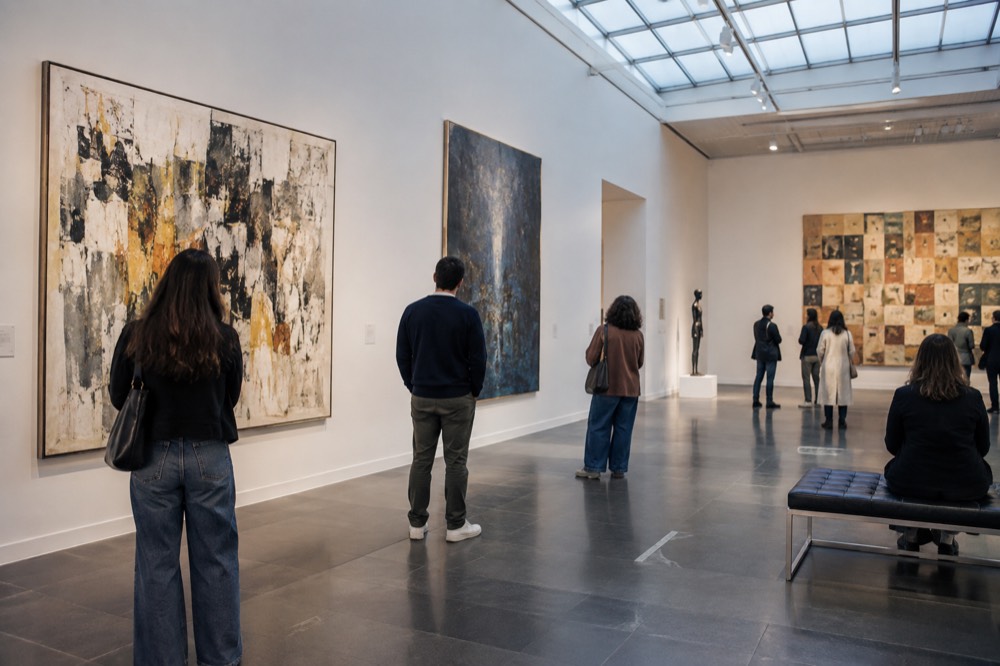
Several major museums run free or pay-what-you-wish windows that land perfectly in a summer schedule. MoMA offers free Friday nights from 17:30 to 20:30 for New York State residents only, the Whitney runs free Friday nights from 17:00 to 22:00 open to everyone, and the Guggenheim has pay-what-you-wish Tuesdays and Sundays from 16:00 to 17:30.
These windows are the single best value play of a New York summer, and each has a catch worth knowing in advance. MoMA's Friday window requires proof of New York State residency and advance reservation, so most visitors do not qualify. The Whitney's free Friday night is genuinely open to all, capacity limited, and the museum also admits anyone 25 and under free every day, plus free entry for everyone on the second Sunday of each month. The 9/11 Memorial and Museum rounds out the set, releasing free Monday tickets at 07:00 ET each week. The rest of the planning pages sit on New York City Travel Guide.
| Museum | Free or discounted window | Conditions |
|---|---|---|
| MoMA | Free Fridays 17:30-20:30 | New York State residents only, proof required, reserve ahead |
| Whitney | Free Fridays 17:00-22:00; free daily for ages 25 and under | Open to everyone, capacity limited, timed tickets recommended |
| Whitney | Free Second Sundays, all day | Everyone, timed tickets required |
| Guggenheim | Pay-what-you-wish Tuesdays and Sundays 16:00-17:30 | Suggested $10, minimum $1, sells out, advance reservation recommended |
| 9/11 Memorial and Museum | Free Mondays | Tickets released each Monday at 07:00 ET on the website, first come first served |
| Intrepid Museum | 50% off for NYC residents, every day | Proof of residency; free for US military and veterans with ID |
The 9/11 Memorial and Museum deserves a plain note here: the outdoor memorial pools are free and open daily, no ticket, and the museum beneath them is a place of real weight, not a summer entertainment stop. The free Monday tickets go quickly, so if the museum is on your list, set an alarm for the 07:00 release. The full visit is covered in the 9/11 Memorial and Museum guide.
The Met, for out-of-town visitors, is a fixed $30 admission, not pay-what-you-wish; that policy applies only to New York State residents and NY, NJ and CT students, and one ticket covers both the Fifth Avenue building and The Met Cloisters on the same day. Note that the Met currently has a long list of gallery closures, including the roof garden and parts of the modern and contemporary wing, so check the museum's closures page before planning a visit around a specific wing.

What Are the Best Outdoor Things to Do in NYC in Summer?
The best outdoor summer hours in New York are early morning and evening, and the city is built for both: Central Park and the High Line before the heat, the Brooklyn Bridge promenade as the light drops, and the harbor from the water once the skyline lights come on. A sunset cruise is the classic summer evening, and food tours work best in the cooler end of the day.
Mornings belong to the parks. Central Park's paths are at their best before 10am, when the temperature is still near the daily low and the lawns are quiet, and the Central Park guide maps the loops that confuse first-time visitors. The High Line opens early too and doubles as a shaded walk between the Meatpacking District and Hudson Yards; it is free to enter, as covered in the site's free things to do in NYC roundup.
Evenings are the harbor's. A sunset cruise departs Midtown West, runs two hours, and loops past the Statue of Liberty, the Brooklyn Bridge and the Lower Manhattan skyline as the light goes gold, with a bar onboard and rail spots claimed early. Check availability if an evening on the water fits your dates.
Food tours also earn their summer keep, with one scheduling rule: the six-tasting walks are a full meal, so an early-evening start beats a midday one in July heat. The Chinatown and Little Italy route keeps its stops close together, which matters when it is hot, and the pace is easy. See the NYC food tours guide for the full comparison.
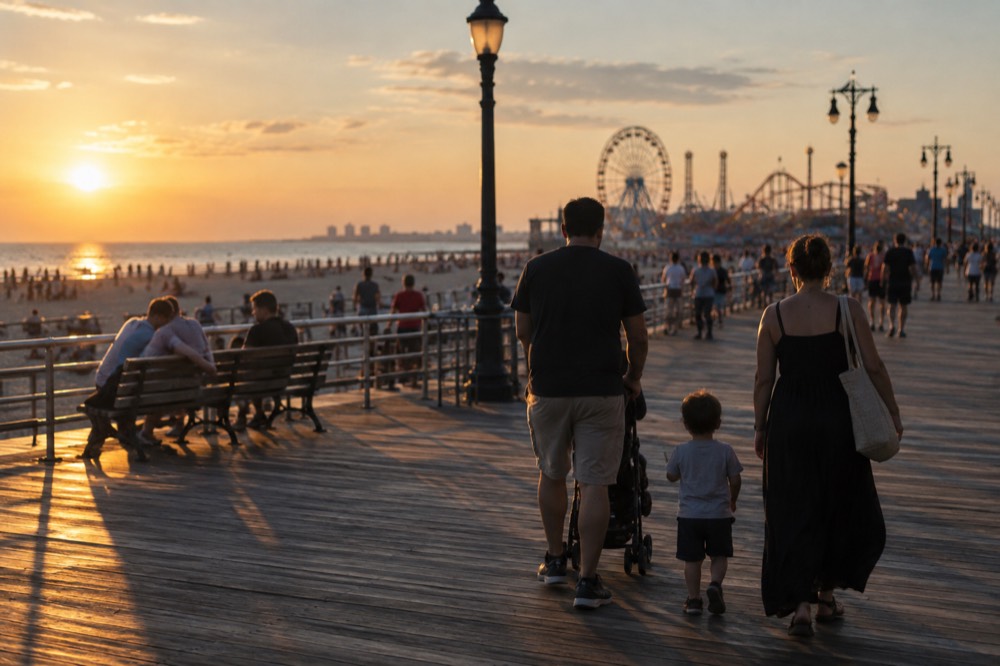
Coney Island is the classic summer day trip inside the city, reachable by subway, with the beach and boardwalk free and the rides following their own published seasonal calendar, so check the operator's dates before you commit a day. The Coney Island guide covers the trip in detail. If the heat index spikes, that is the day to flip the plan: indoor attractions in the afternoon, outdoor time at night.
Should You Buy a CityPASS for a Summer Trip?
A New York CityPASS costs $149 for adults and $129 for children aged 6-17, covers your choice of 5 attractions from a list of 11, and stays valid for 9 consecutive days from the first day of use. CityPASS's own math puts the combined regular price of its headline picks at $307.04, a claimed saving of $158.04, but the pass only pays off if you genuinely use all five tickets.
The summer question is not really the price, it is the scheduling. Several of the pass's attractions require or strongly recommend reservations, handled through the My CityPASS app, and summer slots at the Empire State Building, Top of the Rock and the Statue of Liberty ferry go first. A pass bought for a packed five-attraction week is excellent value; the same pass used for three visits is a loss against à la carte tickets.
| Summer sightseeing shape | Better option |
|---|---|
| Five heavy hitters in 9 days, itinerary locked | CityPASS at $149 adult |
| Loose plans, deciding day by day | Explorer-style pass from $89, choose as you go |
| Two or three attractions total | Individual tickets, no pass |
| Museums plus free evenings | Free windows plus individual deck ticket |
The pass's five-choice list includes the Empire State Building, Top of the Rock, the Statue of Liberty ferry, the 9/11 Memorial and Museum, the American Museum of Natural History, the Intrepid Museum, the Guggenheim, the Whitney, Edge and a Circle Line cruise, which is close to a ready-made summer itinerary. Check availability and read the full breakdown on the New York CityPASS guide before committing.
How Do You Get Around NYC in Summer?
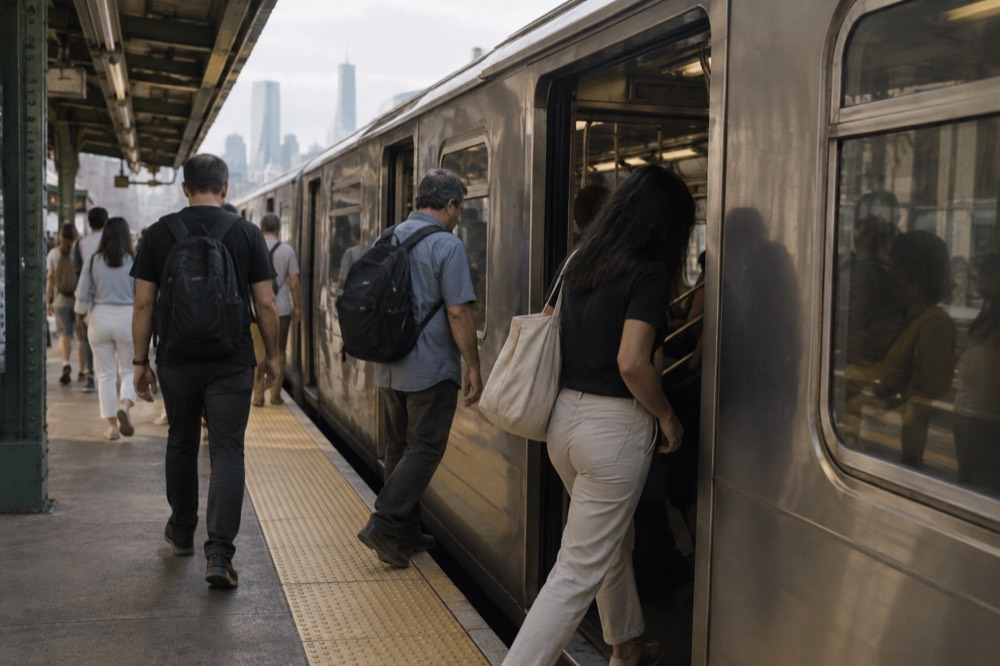
The subway is the correct answer for getting around New York in any season, and in summer it is also the air-conditioned one. A single ride costs $3.00, and the old 7-day unlimited MetroCard no longer exists: as of 1 January 2026 the MTA no longer sells or refills MetroCards at all. The weekly value now comes from an automatic OMNY cap of $35, applied when you tap the same card or device.
The OMNY rule that trips people up is the "same card" part. The cap counts your taps on one physical card or one device across a rolling seven-day window that starts with your first tap, so alternating between your phone and the plastic card in your pocket breaks the cap silently. Tap the same thing every time and after roughly 12 paid rides, everything else that week is free. Each person in a group needs their own card or device; a group sharing one card earns nothing toward any cap.
| Fare item | Price | Summer note |
|---|---|---|
| Single subway or local bus ride | $3.00 | Free transfer within 2 hours, subway to bus or bus to bus |
| OMNY weekly cap | $35 | Automatic, rolling 7 days from first tap, same card or device required |
| Express bus | $7.25 | $67 cap if you combine express buses with subway and local bus |
| Children under 44 inches | Free | Up to three with a fare-paying adult |
| Single-Ride OMNY ticket (paper) | $3.50 | Valid 2 hours, no subway-to-bus transfer |
For a summer visitor doing normal sightseeing, the practical advice is simple: tap a contactless card or phone at every turnstile and do nothing else. The cap does the rest. The full fare mechanics, including the reduced-fare rates for seniors at $1.50, are on the NYC subway guide, and the OMNY guide covers the cap rules in detail.
One airport note for summer arrivals: the cheapest airport transfer in the city is LaGuardia's, at $3.00 total, because the Q70 LaGuardia Link bus is free and you pay only the subway fare. JFK, the airport people assume is the well-connected one, costs $11.75 end to end because the AirTrain adds $8.75 on top of the subway fare.
What Happens When It Rains in a New York Summer?
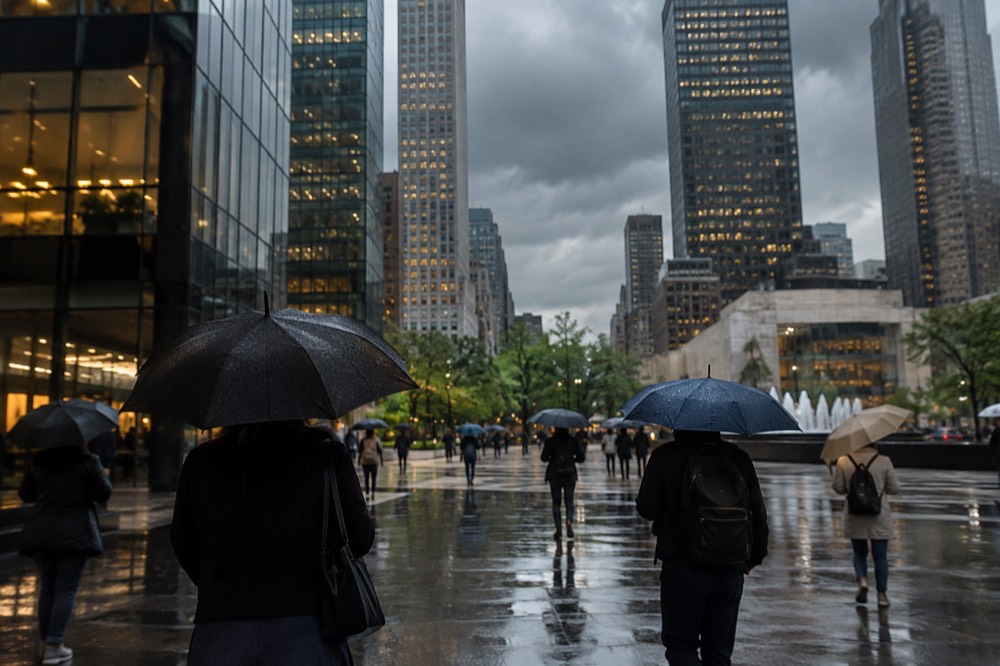
Summer rain in New York is heavy, brief and statistically frequent: July averages 4.60 inches of precipitation across the month, more than any other month of the year, and summer thunderstorms tend to arrive hard and pass within hours rather than settling in for the day. The correct response is a same-day flip to the indoor lineup rather than writing off the day.
The pattern matters for planning. A summer storm in New York typically announces itself in the forecast a day ahead, arrives as a downpour with thunder, and clears. That argues for keeping one flexible indoor anchor in reserve each day rather than stacking every outdoor plan into one stretch. The site's rainy day activities guide exists for exactly this, and the Chelsea Market half of the market-and-High-Line walk is indoors, which makes that route one of the better wet-weather picks in the city.
Do not over-correct. A rainy evening in New York is still an evening in New York, and Broadway runs on schedule in any weather, with discount options through the TKTS booth at Duffy Square and the digital lotteries where winning tickets typically run roughly $30-$50 depending on the show. The cheap Broadway tickets guide covers the mechanics.
Common Questions About NYC in Summer
Visitors planning a New York summer trip ask the same handful of practical questions: how hot it really gets, whether the rain ruins plans, what a pass saves, and how the transit system now works. The answers below pull together the verified figures from this guide into short, quotable form, and each one traces back to an official source rather than a guess.
How hot does NYC get in summer?
Average highs reach 84.9F in July and 83.3F in August, with average lows near 70F, so the city does not cool off much overnight. Heat waves push higher, but the normals say a typical summer day peaks in the mid-80s with real humidity.
Is July a rainy month in New York City?
Yes, and it is the rainiest. July averages 4.60 inches of precipitation, the highest of any month in the NOAA 1991-2020 Central Park normals, slightly ahead of August and June. Pack an umbrella even for a sunny forecast.
Can you still buy a 7-day unlimited MetroCard?
No. As of 1 January 2026 the MTA no longer sells or refills MetroCards. The replacement is the automatic OMNY weekly cap of $35, which applies when you tap the same card or device, with no pass to buy in advance.
Are museums free in NYC in summer?
Some, at specific windows. The Whitney is free Friday nights from 17:00 to 22:00 for everyone, the Guggenheim is pay-what-you-wish Tuesdays and Sundays 16:00-17:30, and the 9/11 Memorial and Museum releases free Monday tickets at 07:00 ET each week. MoMA's free Friday night is for New York State residents only.
Is the CityPASS worth it for a summer trip?
Only if you use all five choices. The adult pass costs $149 against a combined regular price CityPASS puts at $307.04, valid over 9 consecutive days. In summer, the catch is booking: timed-entry attractions fill their best slots first, so reserve early through the pass app.
What is the best time of day for outdoor sightseeing in summer?
Before 10am and after 5pm. Mornings sit near the daily low, evenings cool gradually, and the midday block from roughly 11am to 4pm is best spent inside a museum, an observation deck or a train.
The last word belongs to the calendar rather than the advice. Early September keeps the summer atmosphere with an average high of 76.2F and noticeably cooler nights, and the crowds thin the moment school terms restart. If your dates have any give in them, the first half of September delivers most of what people come to New York in summer for, at a temperature the July visitor would recognize as a gift.