Is It Worth Eating at the Empire State Building in New York?
An honest answer to whether it is worth eating at the Empire State Building, with verified ticket prices, what food the building actually offers, and where to eat nearby instead.
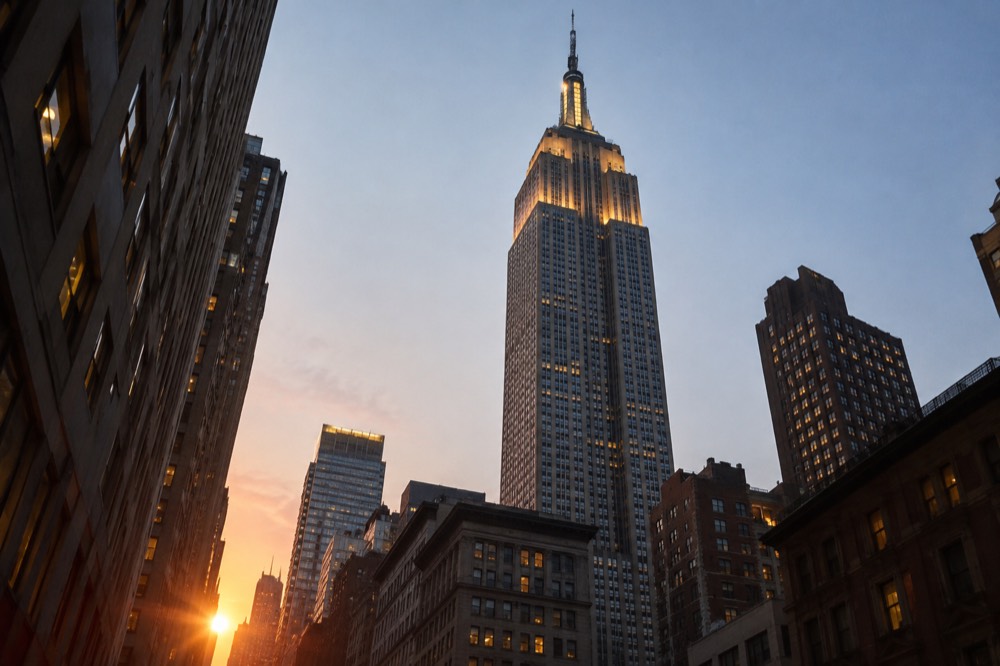
The Empire State Building sells a view, not a dinner. Its observation decks carry counters with coffee, drinks and pre-packaged snacks, priced the way food at the top of a tourist landmark always is, and the building's ground-floor retail level leans the same direction. Anyone asking whether it is worth eating there is usually weighing a convenience against a cost, and the honest arithmetic favors eating before or after the visit, somewhere within a few blocks, where Midtown's food density does the work for you.
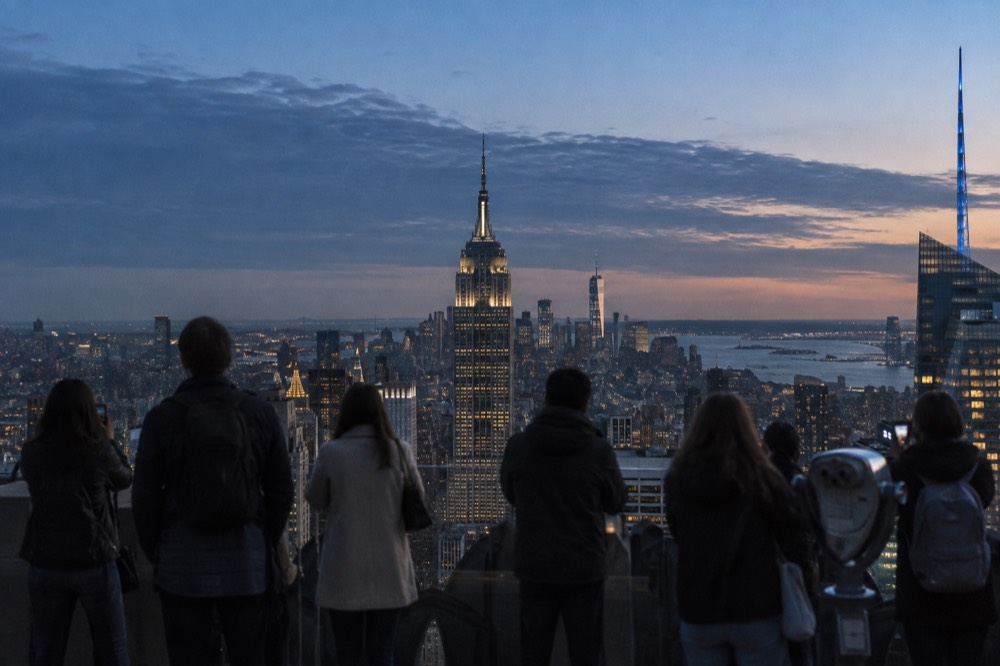
Is It Worth Eating at the Empire State Building?
For almost everyone, no: the food inside the Empire State Building is grab-and-go counter fare at landmark prices, not a destination meal, and the decks themselves are the reason to go up. The visit runs roughly an hour to ninety minutes, and the surrounding blocks hold dramatically better options within a five-minute walk. Eat near the building, not in it, and treat anything bought on the deck as a coffee-and-snack convenience.
The question hides a second one, which is what "eating at the Empire State Building" even means. There are really three versions: buying a drink or snack on the observation decks, grabbing something at the ground-floor level on the way in or out, and booking a sit-down meal in the wider building complex. The first two exist and are fine as conveniences. The third is where expectations need managing, because a meal inside a landmark building carries a premium that has nothing to do with the quality of the food.
The view is the product here. A visitor who budgets for the deck, goes up at a good hour and comes down hungry has spent money well. A visitor who budgets for a meal inside the building has usually spent more for less. Midtown around 34th Street is one of the densest food neighborhoods in the country, and the walk in any direction pays off.
There is also a timing argument that most comparisons miss. The deck visit is short and the food options inside are static, but the neighborhood around the building changes character by the hour: Koreatown runs late, Herald Square's counters run fast at lunch, and NoMad's restaurants hit their stride in the evening. Matching the meal to the hour costs nothing and improves everything. The visitor who eats a proper dinner at 7pm and goes up at 9pm has a better night than the one who buys a $14 sandwich on the 86th floor at 5pm, and spends less to get it.
This site's Empire State Building tickets guide covers the deck options in full, and the building belongs on any first visit's list of things to do in NYC.
What Food Is Actually Available Inside the Empire State Building?
The observation decks offer grab-and-go refreshments, coffee and drinks at counters, and the building does not position itself as a dining destination the way some newer attractions do. There is no full restaurant on the 86th floor, and what is sold up there is priced for a captive audience on a landmark. The ground level adds more of the same in faster form. Anyone planning an actual meal should plan it outside the building.
The deck experience is built around movement: the second-floor museum exhibits, the elevators, the 86th floor open-air deck, and for those who pay extra, the 102nd floor. None of it is designed for lingering over food. What the counters sell is the standard set, coffee, bottled drinks, packaged snacks, and the price markup is what you would predict. Nobody should be shocked by it, and nobody should build a meal around it either.
The honest framing is convenience versus occasion. If a visitor wants a hot chocolate on the deck at sunset and accepts the price, that is a small purchase of atmosphere and it is fine. If a family of four expects lunch, the same counters turn into a $60 disappointment that could have been a memorable meal two blocks away. The distinction is worth stating plainly because the building's marketing, and plenty of third-party guides, blur it.
Compare the building with how newer attractions handle food and the gap becomes obvious. SUMMIT One Vanderbilt, ten minutes away, sells an experience built for photographs, and visitors plan meals around Grand Central's dining concourse rather than inside the deck itself. The Empire State Building, opened generations before the modern attraction-dining era, never built the infrastructure for it. Expecting a restaurant at the top is expecting a building to be something it is not, and the fix is a two-minute walk, not a different ticket.
One more practical note: the decks are open-air on the 86th floor, and New York weather moves fast. Holding a drink on a windy deck in February is a different experience than in July, and the site's own NYC weather by month guide explains why July, the wettest month in the official Central Park normals, changes what a deck visit feels like.
How Much Does a Visit to the Empire State Building Cost?
The 86th floor observation deck starts from $44 with a $5 booking charge per transaction, and the 86th plus 102nd floor combination starts from $79, using dynamic timed pricing that moves with demand and slot. The CityPASS-published box office figure for the full AM/PM Experience is $75.12, including the museum and same-night re-entry. Prices are date- and time-specific, so any flat quote is wrong the moment demand shifts.
The deck uses timed entry, which means the ticket is also a reservation. Buying at the door costs more than buying ahead, and the box office range quoted for the AM/PM Experience runs $72-$75 against the lower online starting prices. The $5 booking charge applies per transaction online, not per ticket, which matters for families buying together.
| Option | Starting price | Notes |
|---|---|---|
| 86th floor deck | from $44 + $5 booking charge per transaction | Dynamic timed pricing, open-air deck |
| 86th + 102nd floor combo | from $79 | 102nd floor is enclosed glass |
| AM/PM Experience (box office) | $75.12 | 86th floor, 2nd floor museum, same-night re-entry |
| Through New York CityPASS | $149 adult pass covers ESB plus 4 more attractions | 9 consecutive days of validity |
That last row is where food money comes from. A visitor who bundles the Empire State Building into a pass instead of buying it standalone has effectively freed up $40-$70 that goes further at any restaurant in the neighborhood than it ever would on the deck. The pass math only works if all five attractions get used, but for a first-time visitor doing the classic circuit, it usually does.
The pass question deserves its own arithmetic rather than a slogan. CityPASS lists the Empire State Building's AM/PM Experience at $75.12, Top of the Rock at $71.86 and the Statue of Liberty ferry at $26.00 in its box-office comparison table, so a visitor hitting those three plus two more is comparing a $149 pass against roughly $300 of box-office spending. That saving is real, but it evaporates the moment two of the five slots go unused. The rule of thumb: count the attractions you will genuinely visit before buying, not the ones you hope to.
The building's own hours page at esbnyc.com carries the current schedule, and it changes seasonally.
Where Should You Eat Instead Near the Empire State Building?
The blocks around the Empire State Building are among the best-value eating territory in Manhattan: Koreatown sits one block north along 32nd Street, the NoMad restaurant row runs a few blocks uptown, and Herald Square's cheaper counters ring the block to the south. A five-minute walk in almost any direction lands a better meal than anything inside the building, at a lower price.
Koreatown is the closest thing Midtown has to a food district that never closes. The block of 32nd Street between Fifth and Sixth Avenue, which is also Avenue of the Americas, packs barbecue spots, noodle rooms and late-night counters into a two-minute walk from the building's entrance. For a pre-visit dinner or a post-deck late meal, it is the practical answer, and it needs no reservation at the casual end.
NoMad, a few blocks north and east, is the occasion-meal direction. The neighborhood around the NoMad and Madison Square Park area carries the sit-down restaurants that a special evening calls for, and the walk from the Empire State Building is short. Madison Square Park itself is worth the detour in good weather, and the park's seasonal programming is covered on this site's Bryant Park and Midtown guides for visitors mapping a full day.
| Eating plan | Where | Best for | Walk from the ESB |
|---|---|---|---|
| Quick counter meal before going up | Koreatown, W 32nd St | Speed, heat, late hours | About 2 minutes |
| Sit-down dinner after the deck | NoMad restaurant row | An occasion, groups | 5-10 minutes |
| Cheap grab-and-go | Herald Square area | Budget, families | 2-3 minutes |
| Coffee and a snack on the deck | Observation deck counters | Convenience only | At the top |
The pattern that works best: eat before the visit if going up at sunset, because the golden-hour slot is the one worth timing, and hunger after an hour on a windy deck is a known quantity. Visitors heading up in the morning can reverse it and land in Koreatown for lunch.
Families should note the practical geometry here. The building's entrance sits at 34th Street and Fifth Avenue, which puts a family with children two blocks from cheap, fast, kid-tolerant food in three directions. Waiting in the deck's security line hungry, then paying deck prices for snacks, is the exact scenario the surrounding blocks exist to prevent. Eat first, go up second, and the whole visit improves for the price of a ten-minute detour.
Should You Book Empire State Building Tickets in Advance?
Yes, book ahead: the deck uses timed entry, online prices start lower than box office rates, and the sunset slots are the ones that fill first. The 86th floor ticket starts from $44 plus a $5 booking charge per transaction, against a box office range of $72-$75 for the full experience. Pick a slot, eat before or after, and do not leave the ticket to the day itself.
Timing matters more than most guides say. Sunset from the 86th floor is the premium experience, and those slots sell first because everyone else wants them too. The AM/PM Experience softens the problem: with same-night re-entry included, a visitor can go up before sunset, come down for dinner in Koreatown, and return after dark to see the city lit, all on one ticket. That is the one configuration where eating and the deck genuinely combine, and it is the honest answer for anyone whose heart is set on both.
The other timing question is the city itself. Summer evenings on the open-air deck are warm but July carries the highest average precipitation of any month in the Central Park normals at 4.60 inches, so a summer sunset slot carries real weather risk. The building runs rain or shine, and tickets are date-stamped, which makes the re-entry option more valuable in the wetter months.
For visitors weighing the Empire State Building against other decks, the comparison is about the view, not the food. SUMMIT One Vanderbilt sits next to Grand Central, a ten-minute walk away, and its mirror rooms and glass ledges make it the more playful modern alternative.
Both decks, and the pass math that bundles them, sit in the same Midtown corridor, so a visitor can compare and choose the same morning. What neither offers is a meal worth the trip, which is the through-line of this whole question.
Common Questions About Eating at the Empire State Building
The recurring questions all have the same shape: what food exists inside, what it costs, whether tickets include anything to eat, and where to go instead. The answers are short, because the situation is simple. The decks sell drinks and packaged snacks at landmark prices, no ticket includes food, and the five blocks around the building hold better meals at lower prices than anything inside it.
Is it worth eating at the Empire State Building?
Not as a meal. The observation decks sell grab-and-go refreshments and drinks at landmark markups, which is fine for a coffee on the deck but poor value for anything resembling lunch or dinner. Eat in the surrounding blocks, especially Koreatown two minutes north, and treat anything bought upstairs as a convenience.
Can you eat inside the Empire State Building?
Yes, in the limited sense that refreshment counters operate on the observation decks and the ground-floor level offers grab-and-go options. There is no full restaurant on the decks themselves, and the building is not set up as a dining destination.
Does an Empire State Building ticket include food or drinks?
No. Tickets cover the decks and, on the AM/PM Experience, the second-floor museum and same-night re-entry. Anything consumed on the deck is bought separately at the counters up there.
How much does food cost on the observation deck?
Prices at the deck counters are set for a captive audience and run above street-level Midtown prices for the same items. Treat it as a coffee-and-snack budget, not a meal budget, and check the counters on the day for current prices.
Where is the best place to eat near the Empire State Building?
Koreatown, one block north along 32nd Street, is the fastest and best-value option, with barbecue and noodle counters a two-minute walk from the entrance. NoMad, five to ten minutes north, carries the sit-down restaurants for a proper dinner.
Can you re-enter the building after eating elsewhere?
With the AM/PM Experience, yes: that ticket includes bonus same-night re-entry, so a visitor can watch sunset from the 86th floor, eat dinner in Koreatown, and return to see the city lit after dark. Standard single-entry tickets do not allow this.
The Empire State Building deserves its slot on the itinerary, and the money question is not whether to go up but where the food budget goes. This New York City Travel Guide treats the deck as the product and the neighborhood as the pantry, and the walk to 32nd Street is the cheapest upgrade in Midtown.