Things to Do in the Bronx: A Full Guide to New York's Northern Borough
The Bronx is the only part of New York City that sits on the mainland, and it rewards a full day better than almost any other borough. Here is what to see, where to eat, and how to get there.
Short answer
The Bronx's headline draws are the Bronx Zoo, the New York Botanical Garden, Yankee Stadium and the Arthur Avenue food district. The borough is reachable by subway in 30-50 minutes from Midtown Manhattan, and it works best as a planned day out rather than a wander.
Things to Do in the Bronx: A Full Guide to New York's Northern Borough
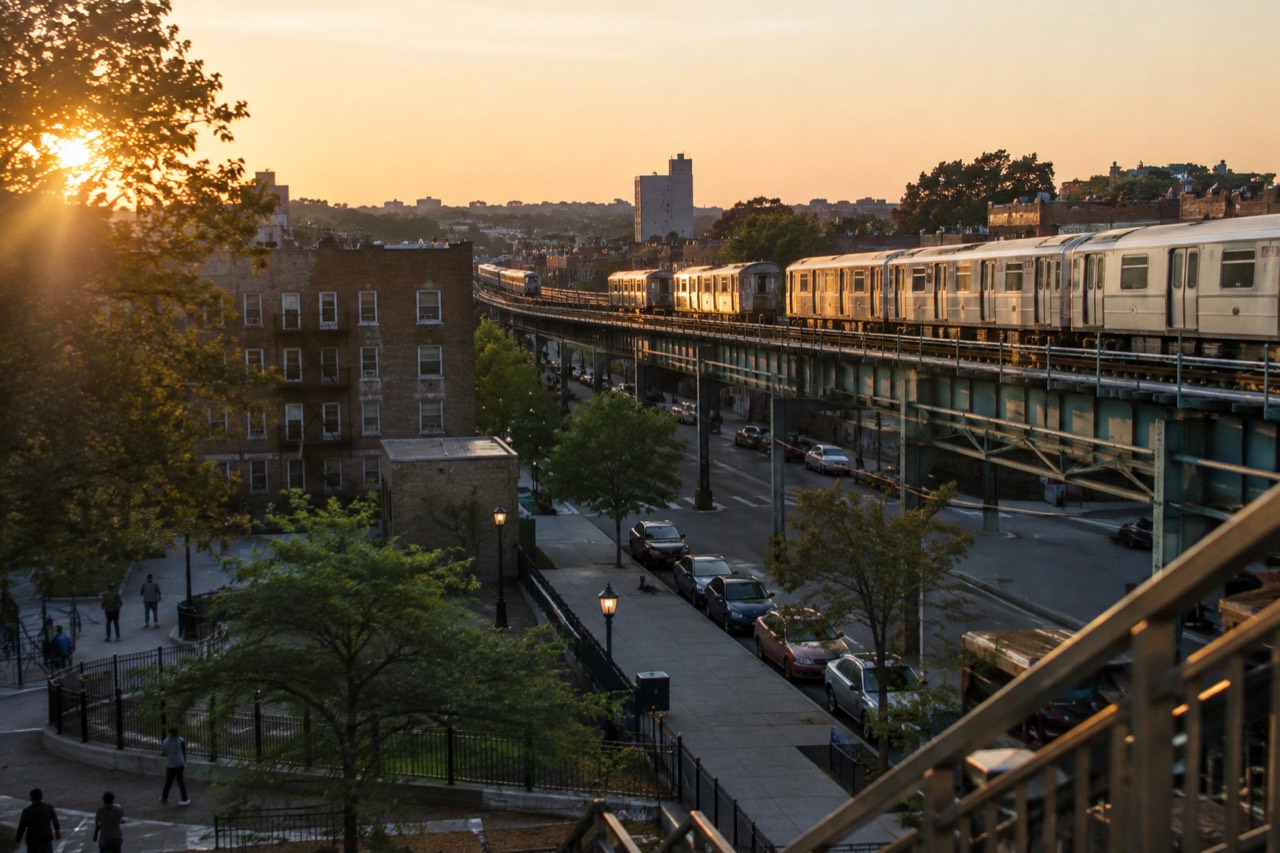
Most visitors to New York treat the city as Manhattan with extras. The map says otherwise: the Bronx is the only borough on the United States mainland, it is home to the most famous sports franchise in the country, and its food district on Arthur Avenue is what many New Yorkers consider the real Little Italy. The 2 and 5 trains will put you in the heart of it about half an hour from Midtown, which is less travel time than a crosstown bus.
This guide lays out what the borough actually offers, how to organize a day around it, what things cost, and who the Bronx suits. It is written as an honest planning document, not a brochure. If you are building a wider itinerary, start with the full things-to-do roundup for NYC and slot the Bronx in where it fits.
What Is There to Do in the Bronx?
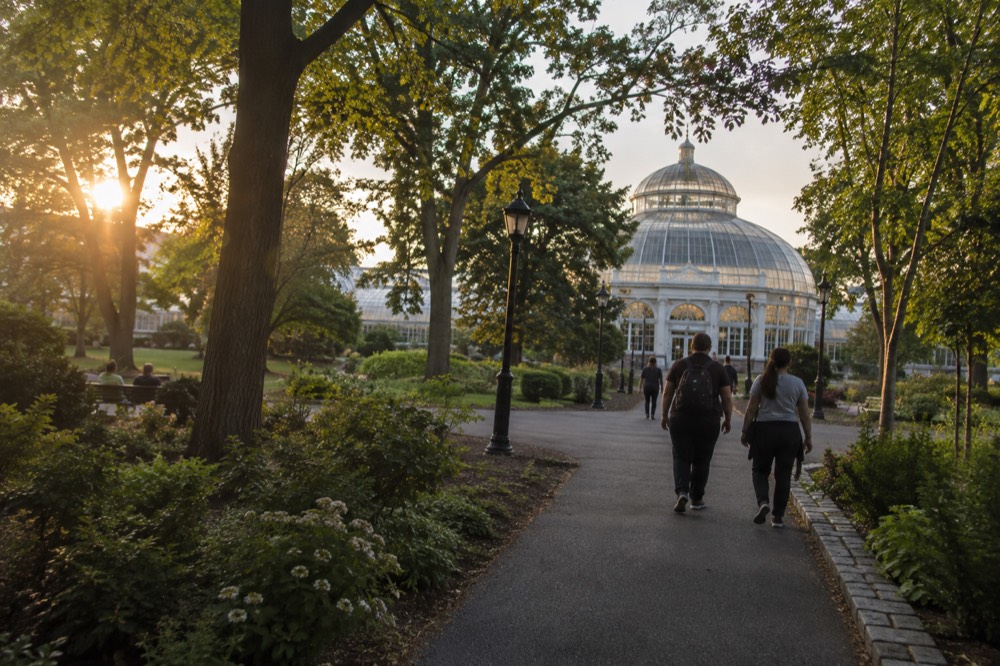
The Bronx's headline attractions are the Bronx Zoo, the New York Botanical Garden, Yankee Stadium and the Arthur Avenue dining district, with City Island, Pelham Bay Park and Woodlawn Cemetery as strong second-tier picks. The zoo and the garden sit directly across the street from each other, which makes pairing them the most efficient move in the borough. A visitor who does those three anchors in one day has seen the Bronx's best.
The scale surprises people. The Bronx Zoo is one of the largest zoos in the United States, and you cannot walk it in an hour. The New York Botanical Garden is bigger still, with a forest that predates the city around it. Pelham Bay Park, out on the eastern edge, is the largest park in New York City, several times the size of Central Park, and most tourists have never heard of it.
Beyond the big anchors, the borough's character lives in its neighborhoods. Arthur Avenue in Belmont has been the center of the Bronx's Italian community for generations, and it functions as a working shopping street, not a tourist set. City Island, at the end of the 6 train's Pelham Bay branch plus a bus, feels like a New England fishing village that someone misplaced. Wave Hill, in Riverdale, is a small public garden with Hudson River views that locals guard jealously.
For a sense of how the borough stacks up against its neighbors, this table is the honest starting point:
| Attraction | Type | Nearest subway | Time needed |
|---|---|---|---|
| Bronx Zoo | Zoo | 2 / 5 to Pelham Pkwy | Half day minimum |
| New York Botanical Garden | Garden | Metro-North or B/D/4 nearby | 2-4 hours |
| Yankee Stadium | Stadium and tours | 4, B, D to 161 St-Yankee Stadium | 2-3 hours |
| Arthur Avenue | Food and shopping | B/D to Fordham Rd, then bus or walk | 2-3 hours |
| City Island | Waterfront village | 6 to Pelham Bay, then a local bus | Half day |
| Pelham Bay Park | Park and shoreline | 6 to Pelham Bay | Half day |
| Wave Hill | Garden and views | 1 to Riverdale, then a bus | 2 hours |
| Woodlawn Cemetery | Historic cemetery | 4 to Woodlawn | 1-2 hours |
One planning note: the zoo and the botanical garden share a border, but their entrances are a walk apart. Do not assume you can drift from one into the other. Exit one, walk, re-enter the other.
Which Bronx Neighborhoods Should You Visit?
Belmont's Arthur Avenue is the neighborhood most worth a dedicated trip, because its food shops, bakeries and restaurants are the genuine article rather than a revival. City Island is the second pick for anyone who wants waterfront without leaving the city. Fordham, Grand Concourse and Riverdale each carry real history and architecture, but they reward a purpose, a guide or a specific destination rather than aimless strolling. Mott Haven and Port Morris have a growing gallery and dining scene.
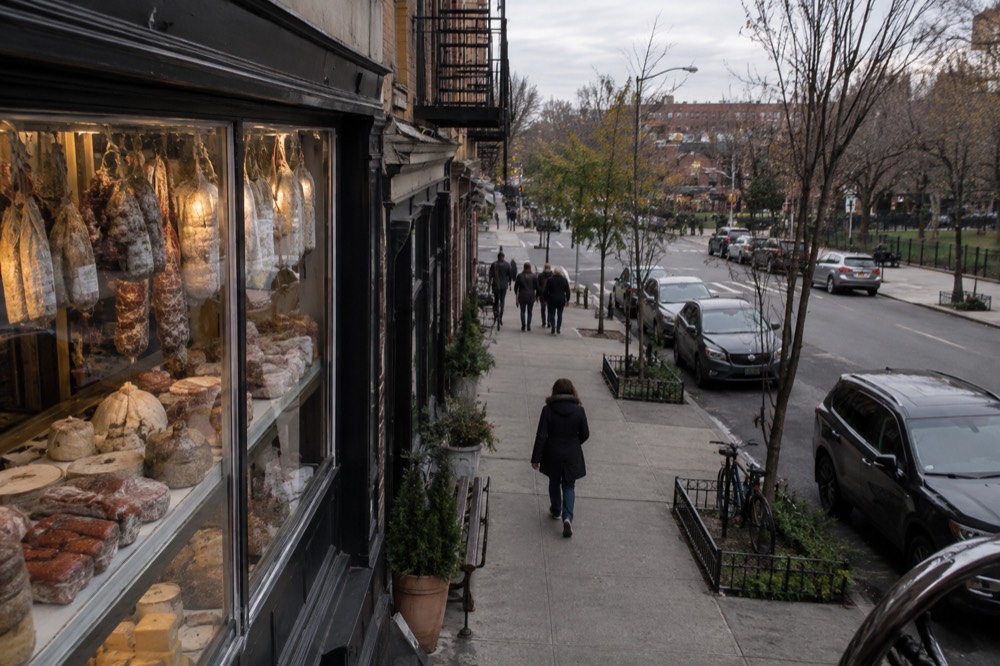
Arthur Avenue is the one that consistently over-delivers. The street and its indoor market are packed with salumerias, cheese shops, bread bakeries and small restaurants that have served the neighborhood for decades. Unlike some famous food streets in Manhattan, it has not been sanded down for tourists. You will be standing in line with locals, which is the point.
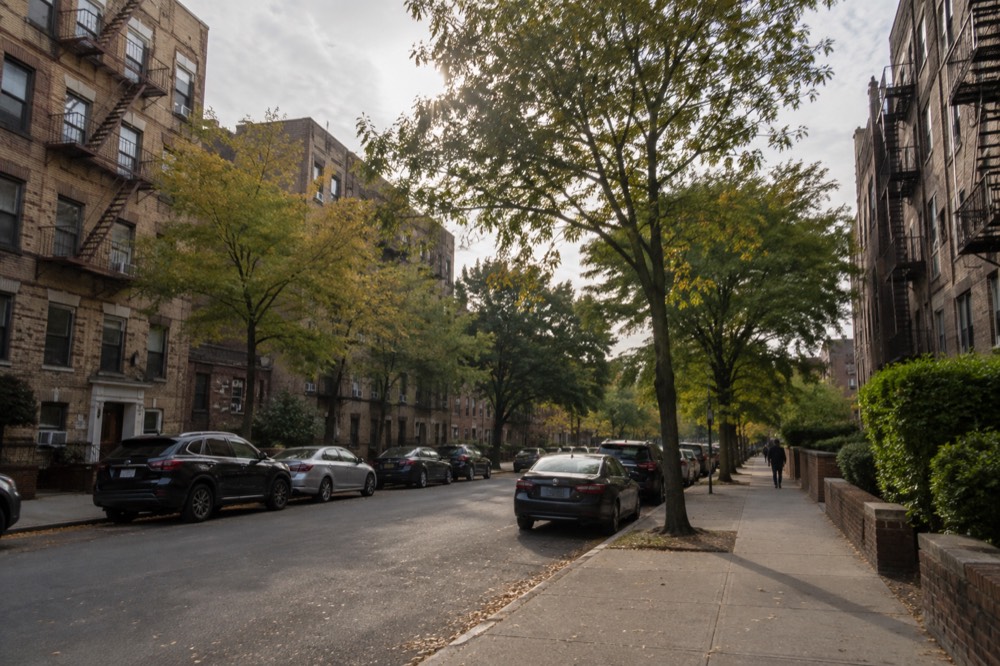
The Grand Concourse, the wide boulevard at the borough's center, is the place to see the Bronx's Art Deco apartment blocks, some of the finest in the city. The Edgar Allan Poe Cottage, the small house where the writer spent his final years, sits near the Concourse's southern end and is run as a historic site. Riverdale, at the borough's green northwestern corner, holds Wave Hill and some of the quietest streets in New York.
If your interest in the Bronx is really an interest in food and neighborhood history, a guided walk does the job better than a map. These are the three options this site rates most highly for that kind of day:
Two of those are downtown walks rather than Bronx ones, and that is deliberate. The Bronx's Arthur Avenue is best explored on your own with an appetite, while a guided food tour earns its price in neighborhoods where the story is harder to access. The Chinatown and Little Italy food tour with six tastings is the strongest of them, and it makes a useful warm-up for an Arthur Avenue visit: you learn what a real food corridor looks like, then go test the Bronx's version the next day.
How Do You Get to the Bronx from Manhattan?
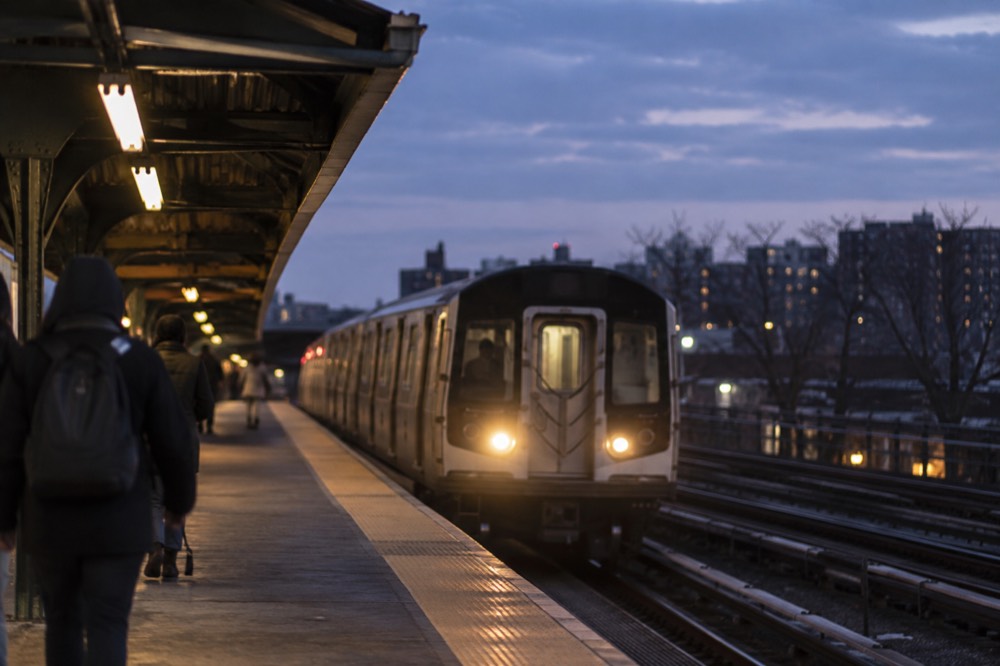
The subway reaches every major Bronx attraction, and a single ride costs $3.00 with a free transfer within two hours. The 2 and 5 trains serve the zoo area, the 4 and the B and D serve Yankee Stadium and the Grand Concourse, the 6 runs the eastern branch toward Pelham Bay, and Metro-North reaches the botanical garden from Grand Central in under 30 minutes. There is no reason to rent a car for any of it.
The fare system matters more here than most guides admit. As of 1 January 2026 the MTA no longer sells or refills MetroCards at all, and the old 7-day unlimited pass does not exist as a product. The weekly value now comes from OMNY, the tap-to-pay system: tap the same credit card, debit card, phone or OMNY card every time you ride, and once you have spent $35 in a seven-day window, the rest of that period is free. The cap starts with your first tap and applies automatically. There is no pass to buy and no decision to make, but you must tap the same card or device every single ride, or the cap silently breaks.
Here is how the main routes compare for a visitor starting in Midtown:
| Destination | Best route from Midtown | Rough time |
|---|---|---|
| Bronx Zoo | 2 or 5 to Pelham Pkwy, walk 2 blocks | 35-45 min |
| New York Botanical Garden | Metro-North from Grand Central to Botanical Garden station | 20-25 min |
| Yankee Stadium | 4, B or D to 161 St-Yankee Stadium | 25-35 min |
| Arthur Avenue | B or D to Fordham Rd, then the Bx12 bus east | 40-50 min |
| City Island | 6 to Pelham Bay, then a local bus | 60-75 min |
| Wave Hill | 1 to Riverdale, then a cross-borough bus | 50-60 min |
Metro-North is the trick most visitors miss. The Harlem Line stops at the botanical garden's own station, which drops you closer than any subway does, and the Hudson Line serves Riverdale. Fares are separate from the subway system and cost more, but the time saved on a garden or Wave Hill day is real. Current fare details are on the MTA's fares page.
Is the Bronx Worth a Full Day?
Yes, and a full day is the right unit of time, because the borough's anchors are clustered but not adjacent. The strongest single-day shape pairs the Bronx Zoo or the botanical garden in the morning, Yankee Stadium in the early afternoon, and Arthur Avenue for a late lunch and the afternoon stroll. That loop uses one subway corridor, wastes little time in transit, and leaves City Island or Pelham Bay Park for a second visit.
The reason to plan it this way is geography. The zoo, the garden and Arthur Avenue all sit in the central Bronx within a couple of miles of each other. Yankee Stadium is a short ride west on the B or D. City Island and Pelham Bay, by contrast, sit on the eastern shore and want half a day of their own. Trying to do everything in one pass means spending the day on trains.
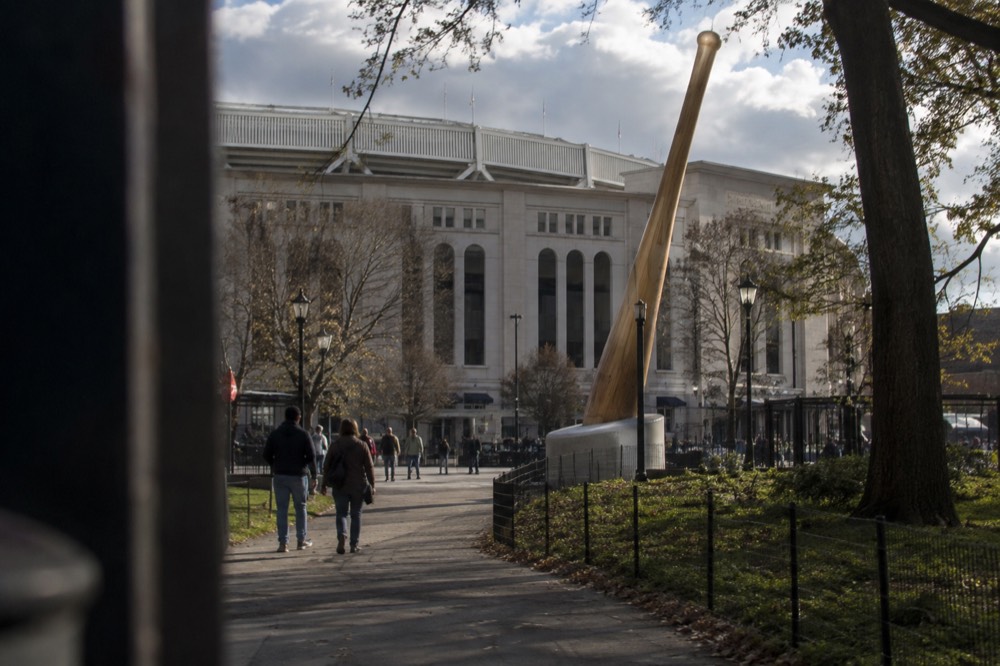
Yankee Stadium deserves a specific word. On game days the area around 161st Street transforms, and tickets to see the Yankees play are a legitimate Bronx activity, reachable by several subway lines that stop within a short walk of the ballpark. The Yankee Stadium tour page covers what the guided visits include. On non-game days, the stadium tour is the draw, and it pairs naturally with the Concourse's architecture one stop south.
If a structured outing appeals more than self-navigation, this is the natural decision point in the day:
The box above is one option among several, and the same tour appears again below so you can compare it directly against the free-walk alternative before deciding. Neither is a Bronx product, so treat them as complements to your Arthur Avenue graze rather than substitutes for it.
The honest counterpoint: if your trip is three days or fewer and Manhattan is unexplored, the Bronx can wait. The borough rewards travelers with a fifth day, a sports fixation, a food obsession, or a genuine allergy to doing what everyone else does. For a shorter stay, Brooklyn gives more variety per hour of transit.
What and Where Should You Eat in the Bronx?
Arthur Avenue in Belmont is the borough's food capital, built around an indoor retail market and a strip of salumerias, bakeries, cheese shops and red-sauce restaurants. City Island is the second answer, a stretch of seafood restaurants on a nautical street at the end of the borough. Fordham Road's Dominican and Albanian kitchens and the growing restaurant scene around Mott Haven round out the map. Eating here costs noticeably less than comparable food in Manhattan.
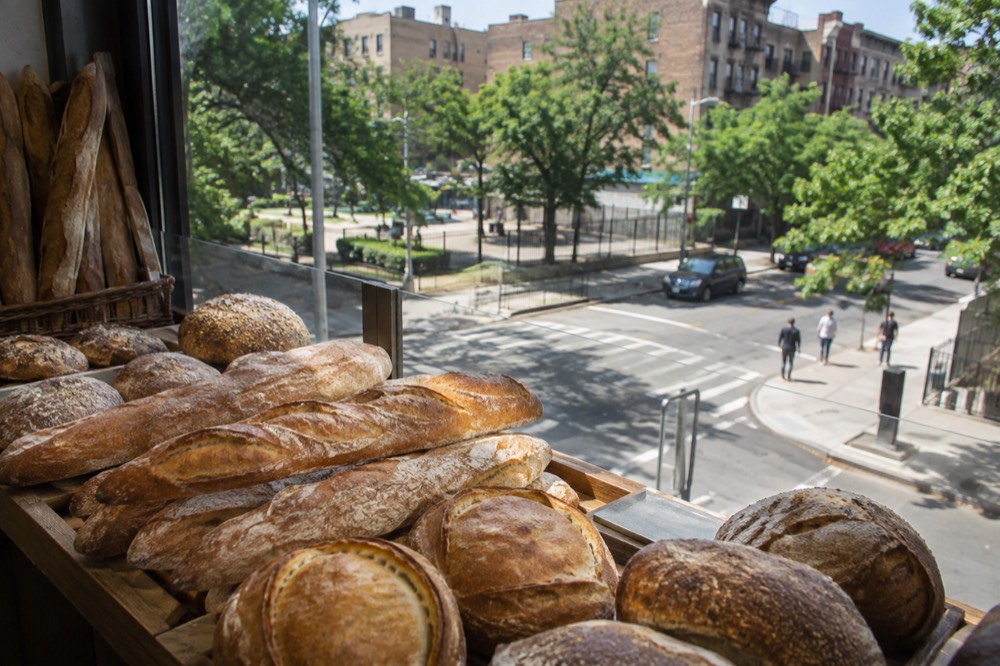
The Arthur Avenue Retail Market is the anchor: a hall of vendors selling bread, pasta, cured meats and prepared foods under one roof, surrounded by the street's shops. The standard play is to graze rather than sit, buying bread at one shop, cheese at another, pastry at a third, and assembling lunch as you walk. Anyone who has done a food walk elsewhere will recognize the rhythm. Everything else covered here is indexed on New York City Travel Guide.
City Island runs on seafood. The island is small enough that the restaurant strip is essentially the whole attraction, and the bus from the 6 train's Pelham Bay terminus drops you at the start of it. Go for lunch rather than dinner if you want the island in daylight, because the ride home is long and the last thing you want is a late-night transfer.
A quick comparison of the borough's food districts:
| District | What it is | Best for | Getting there |
|---|---|---|---|
| Arthur Avenue | Italian market street and restaurants | Grazing, shopping, long lunch | B/D to Fordham Rd plus bus |
| City Island | Seafood restaurants on an island strip | Waterfront lunch, weekend trip | 6 to Pelham Bay plus local bus |
| Fordham Road | Busy commercial strip, Dominican and more | Cheap, fast, local | B/D to Fordham Rd |
| Mott Haven / Port Morris | Newer restaurants and breweries | Dinner, gallery evenings | 6 into Mott Haven |
| Woodlawn | Irish pubs and kitchens | A pint after the cemetery | 4 to Woodlawn |
For a sense of what a guided version of this kind of eating looks like, the SoHo, Little Italy and Chinatown walking tour covers Manhattan's version of the same food-and-neighborhood story, and the free option below does the Financial District on a pay-what-you-want basis:
That walk is run on GuruWalk and works on tips, so the price is whatever you decide the guide earned. It is worth knowing that several of New York's free walks, including some of the most popular ones, are run by a small number of operators rather than a wide field of independent guides.
What Does the Bronx Cost Compared to Manhattan?
Attraction admission in the Bronx is broadly comparable to Manhattan's, but food, and especially sit-down meals, run cheaper, and the transit cost is capped by the $35 weekly OMNY limit regardless of how many rides you take. The zoo and the botanical garden both charge admission with discount and free windows, Yankee Stadium tours and game tickets span a wide range, and Arthur Avenue can be done as cheaply or expensively as you choose.
The transit side is the easiest to budget: $3.00 a ride, free transfers within two hours, and the $35 weekly cap doing the rest automatically. A day that involves six subway and bus rides still costs no more than $35 for the week if you tap the same card every time.
| Item | Ballpark planning figure | Notes |
|---|---|---|
| Subway or bus ride | $3.00 | Free transfer within 2 hours |
| Weekly transit ceiling | $35 | OMNY cap, automatic, per card or device |
| Zoo admission | Moderate, seasonal | Discount and free windows exist, check the official site |
| Botanical garden admission | Moderate, varies by day | Garden grounds cheaper than exhibitions |
| Yankee Stadium tour | Mid-range | Book ahead for game-adjacent days |
| Arthur Avenue lunch | Cheap to moderate | Grazing costs less than a sit-down restaurant |
| City Island seafood | Moderate | Lunch cheaper than dinner |
The zoo and the garden both run free or discounted admission windows, and the terms change seasonally, so check their official sites for the day you plan to go rather than trusting a guide's printed figure. The same goes for game tickets at Yankee Stadium, where prices move with the opponent and the calendar.
Is the Bronx Good for Families?
Yes, and for younger children it is arguably better than Manhattan, because the Bronx Zoo and the botanical garden are two of the most kid-friendly institutions in the city and they sit across the street from each other. Yankee Stadium adds a second layer for sports-minded families, and the 6 train's eastern branch ends at Pelham Bay Park, which has shoreline, trails and lawns that Central Park cannot match. The trade-off is transit time with tired children.
The zoo is the obvious anchor. It is large, mostly stroller-friendly, and structured so that a half day covers a satisfying loop without exhausting anyone. The botanical garden works for slightly older children, particularly when the model trains or seasonal shows are running, and its grounds give space to run that a museum never will.
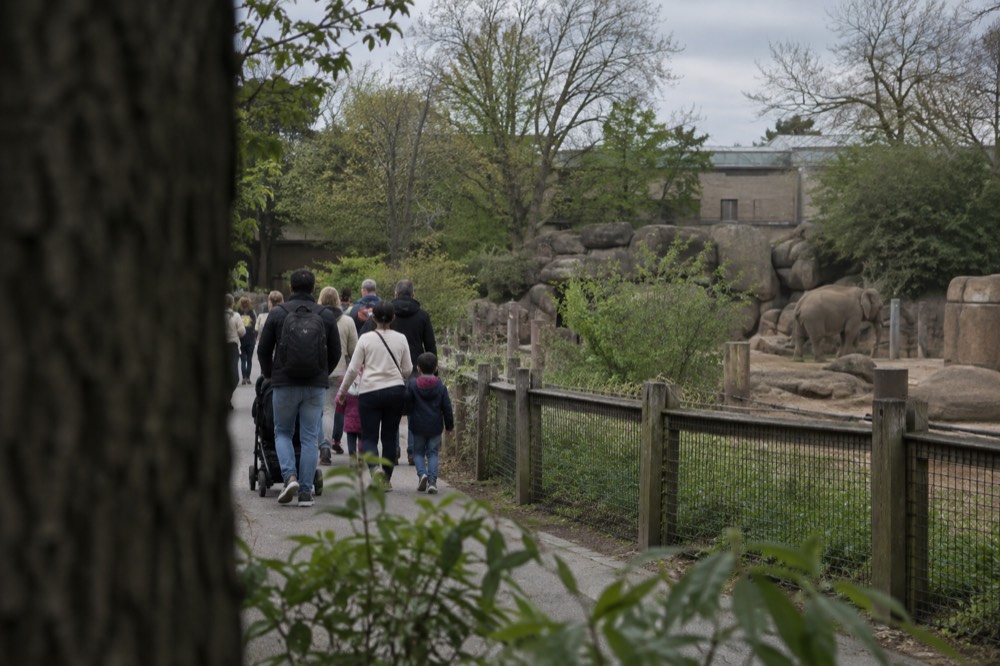
Two practical notes. First, up to three children under 44 inches tall ride the subway free with a fare-paying adult, which makes family transit cheaper than it looks. Second, the distances inside the zoo and the garden are long, so wear out the children there, not on the walk from the station. The NYC with kids guide has the wider itinerary context.
For families who prefer a structured day over open exploration, these are the guided options worth weighing:
When Is the Best Time to Visit the Bronx?
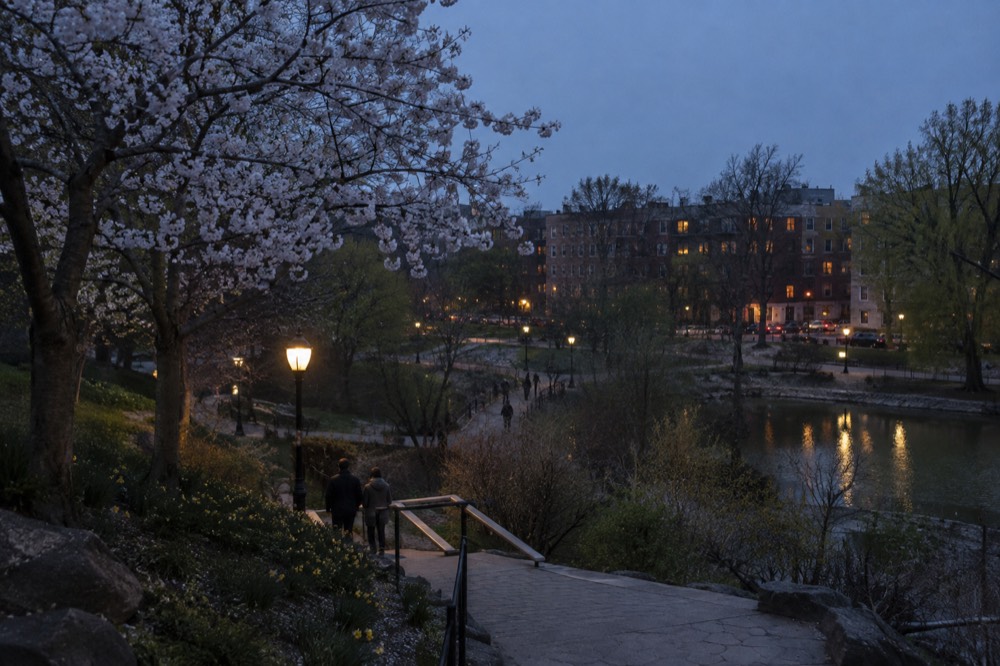
Late spring through early fall is the best window, because the zoo, the botanical garden, Pelham Bay Park and City Island are all outdoor experiences, and the borough's attractions lose much of their appeal in raw weather. April through June and September through October give comfortable walking temperatures. Winter visits work best around Yankee Stadium, Arthur Avenue and the indoor market, which is exactly the short list that survives a cold day.
The climate data backs this up, and one detail runs against intuition: July is actually the wettest month in Central Park, averaging 4.60 inches of precipitation, more than any other month. A summer visit should carry a rain plan, and the indoor Arthur Avenue market is that plan. February, not January, is the snowiest month, averaging 10.1 inches against January's 8.8.
| Season | Verdict | Why |
|---|---|---|
| Spring (Apr-Jun) | Best | Gardens peak, comfortable walking |
| Summer (Jul-Aug) | Good, with a rain plan | Warm but July is the wettest month |
| Fall (Sep-Oct) | Best | Comfortable, fall foliage in the garden and Pelham Bay |
| Winter (Nov-Mar) | Selective | Indoor market, stadium tours, food; skip the outdoor anchors |
Baseball adds a seasonal wrinkle: the Yankees' season runs spring through fall, and a game day changes the character of the entire 161st Street area. If a game is the reason for your trip, plan transit early, because the station fills fast before first pitch.
Common Questions About the Bronx for Visitors
Most first questions about the Bronx concern safety, transit and time, and the honest answers are: the borough's main visitor corridors are ordinary daytime city streets, the subway reaches everything for $3.00 a ride, and a single well-planned day covers the zoo, the stadium and Arthur Avenue. The questions below cover the details visitors ask most, including which order to do things in and whether the Bronx suits a first trip.
Is the Bronx safe for tourists?
The areas visitors actually go, the zoo, the botanical garden, Yankee Stadium, Arthur Avenue and City Island, are ordinary busy New York neighborhoods with normal big-city precautions. As with anywhere in New York, keep your phone in a pocket rather than a back pocket, stay aware at night, and use the main streets. Blanket statements about the borough are not accurate and have not been for a long time.
How long does it take to get to the Bronx from Manhattan?
Roughly 25 to 50 minutes by subway depending on where you start and where you are going. The 4, B and D reach Yankee Stadium in about half an hour from Midtown, the 2 and 5 reach the zoo area in a similar window, and Metro-North reaches the botanical garden in about 20 minutes from Grand Central.
Can you do the Bronx in one day?
Yes. The strongest one-day plan is the zoo or the botanical garden in the morning, Yankee Stadium in the early afternoon, and Arthur Avenue for a late lunch and a stroll. City Island and Pelham Bay Park want a second day of their own.
Is Arthur Avenue better than Manhattan's Little Italy?
For food, most New Yorkers would say yes. Arthur Avenue is a working Italian shopping district with an indoor market, while Manhattan's Little Italy has shrunk to a short tourist strip. The Manhattan version is more convenient; the Bronx version is more real.
Do you need a car in the Bronx?
No. Every major attraction is reachable by subway or a subway-plus-bus combination, and parking around the zoo and the stadium is limited and expensive. The honest answer for getting around New York is transit, and the $35 weekly OMNY cap makes a multi-day visit simple.
Is the Bronx worth it on a first trip to New York?
Only if the trip is four days or longer, or if the zoo, the Yankees or Arthur Avenue are specific priorities. With three days or fewer, Manhattan and Brooklyn absorb the time better. The Bronx rewards the traveler with a spare day and a taste for the parts of the city that do not appear on postcards.
The Bronx will never be the first borough on a first-timer's list, and it does not need to be. Its best day, a morning among the animals or the gardens, an afternoon at the stadium, and a long graze along Arthur Avenue, is as good a New York day as the city offers, and it costs less than its Manhattan equivalents. Pick your season, tap the same card every ride, and go hungry.